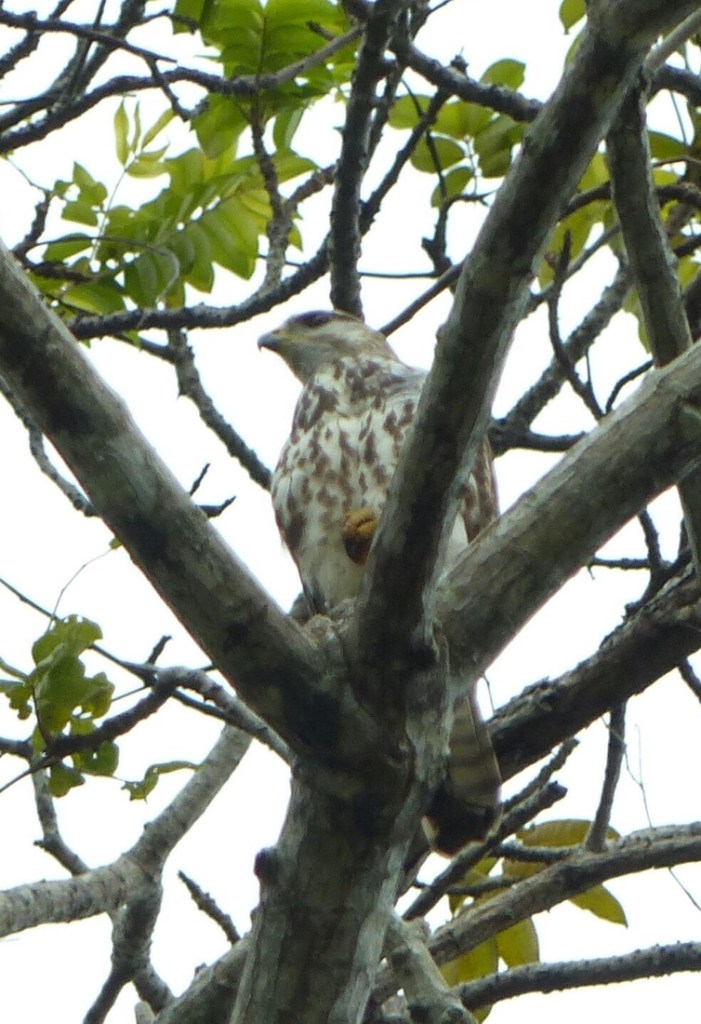
10-February 4/19…in Sarapiqui

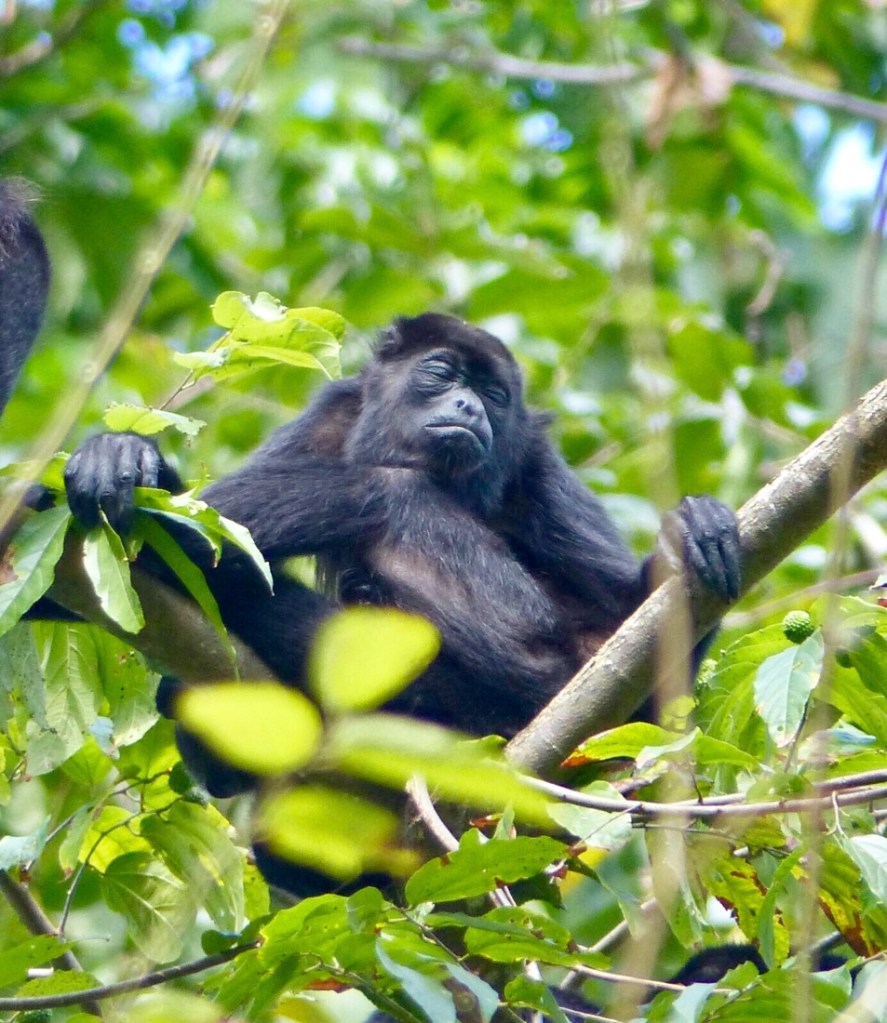
We woke up to be serenaded by the jungle inhabitants particularly howler monkeys. Those monkeys sound like a pack of dogs howling….very loudly.

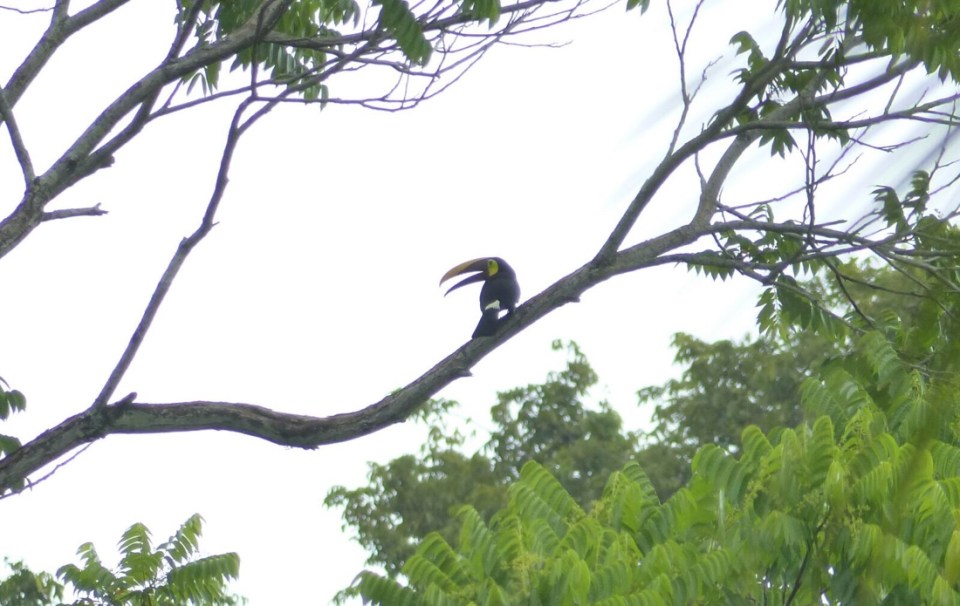
In the morning we left the lodge at 6 in the morning in search of bird life. It was an uphill struggle especially with the humidity as high as it is. Oh my god, my face and body were sweating profusely! There were a number of birds…… toucans, tanagers and hummers. There was even a wild turkey….not exactly close up though. But then ….my new camera’s battery “exhausted” after only about 20 minutes into the hike. I’m not impressed with this camera. Needless to say I didn’t get many close up pictures of birds.

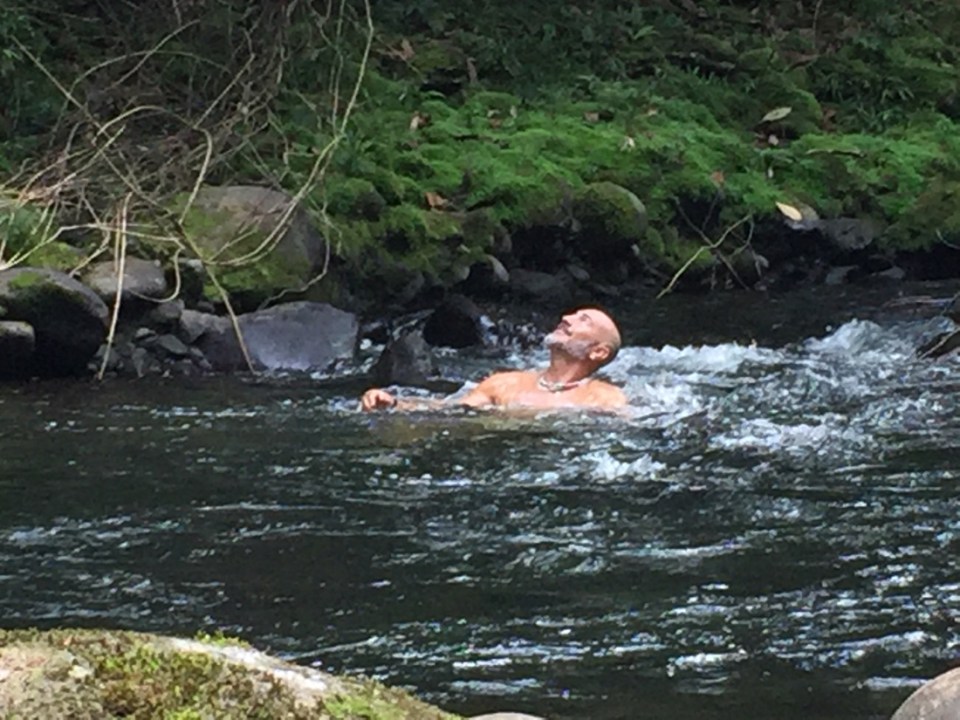
Later in the morning after breakfast, we went for another hike…this time to a watering hole on the river. Again it was extremely hot and humid but it was so so worth it to be able to swim in fresh coolish water…..yes!!! But then….we had to walk back.

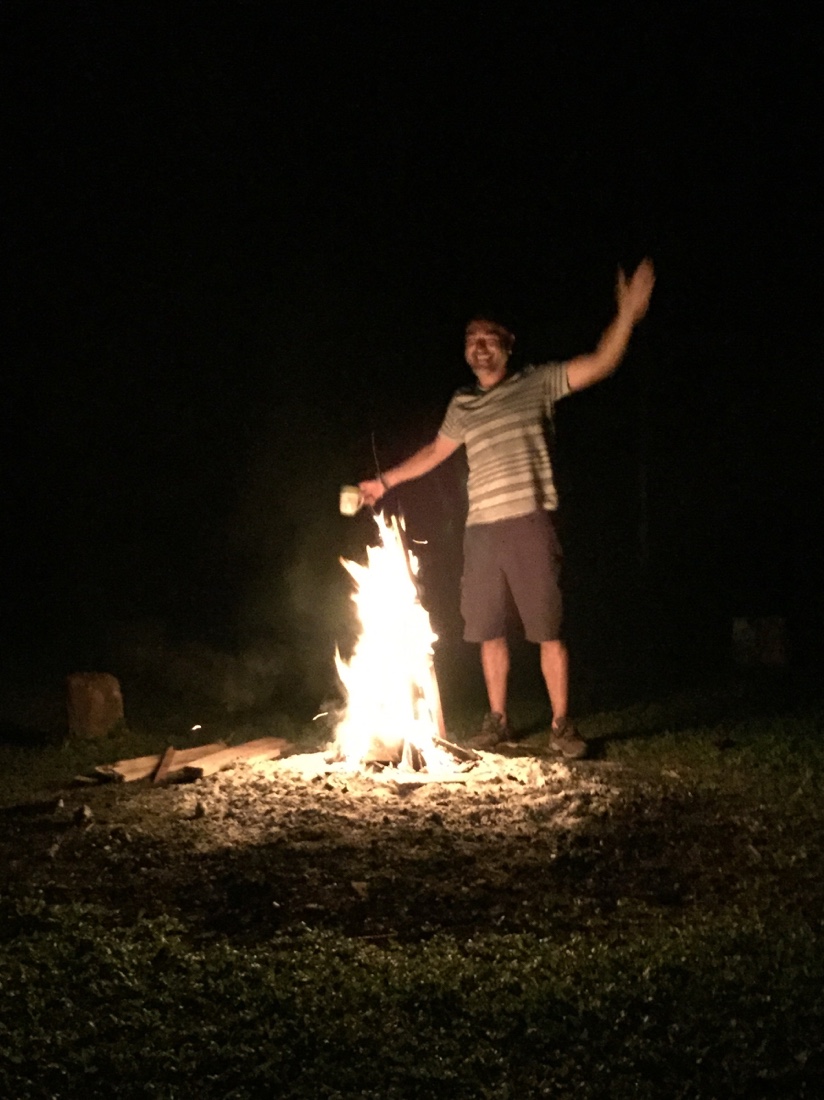
Later we had a lesson on making “epanadas”. Tonight we will have a bonfire and roast marshmallows.

Daniel at the swimming hole….Sarapiqui

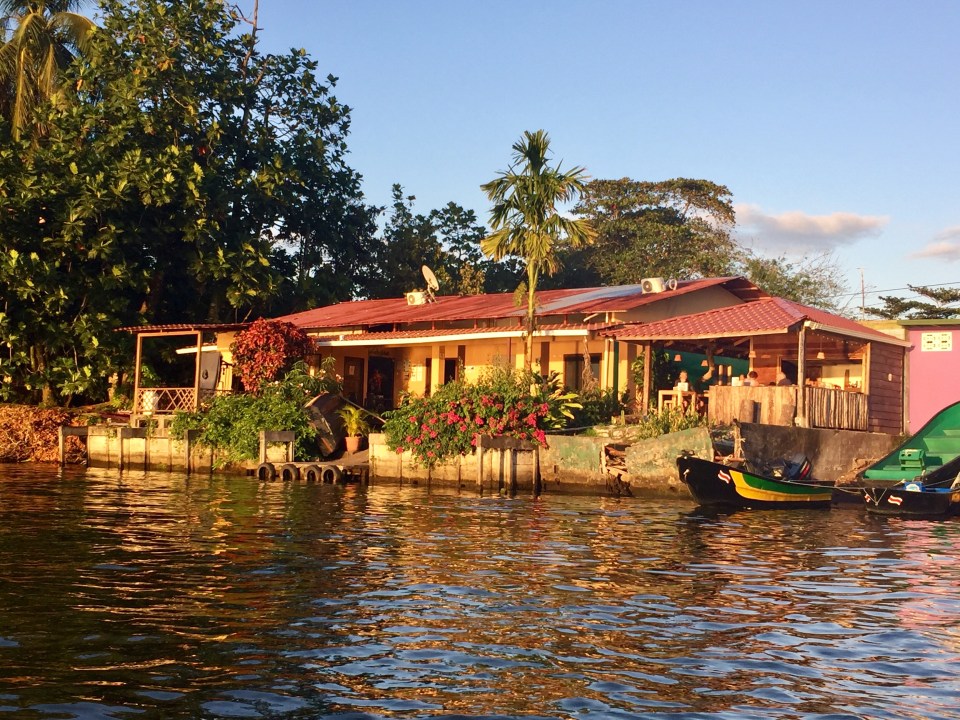
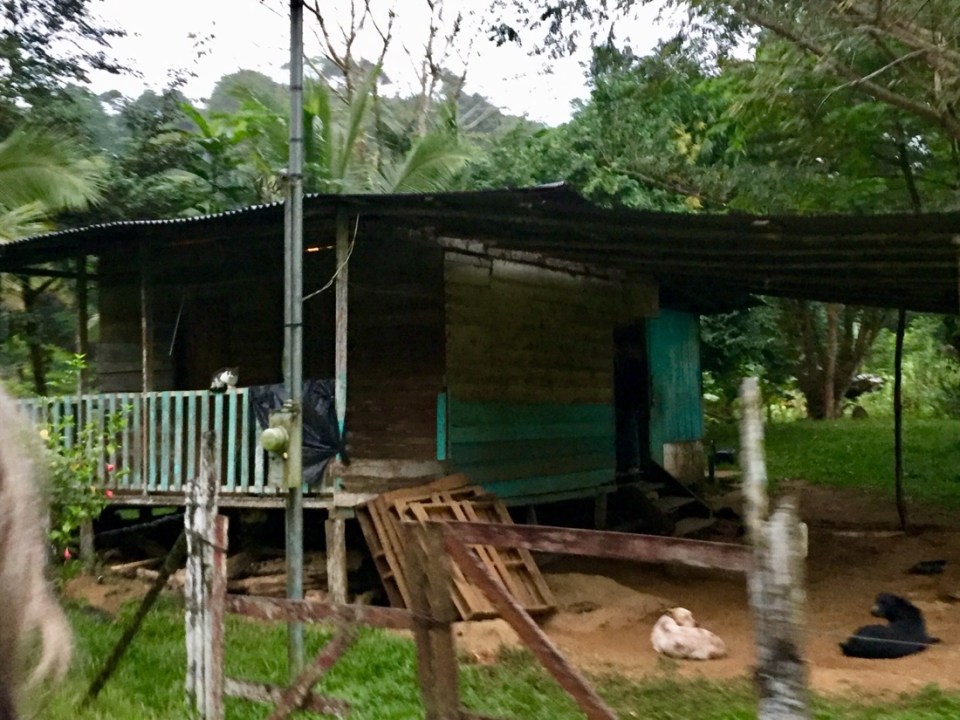
A local “home” …Sarapiqui

Daniel ….the fire builder….at the rustic cabin in the woods…Sarapiqui

Coffee

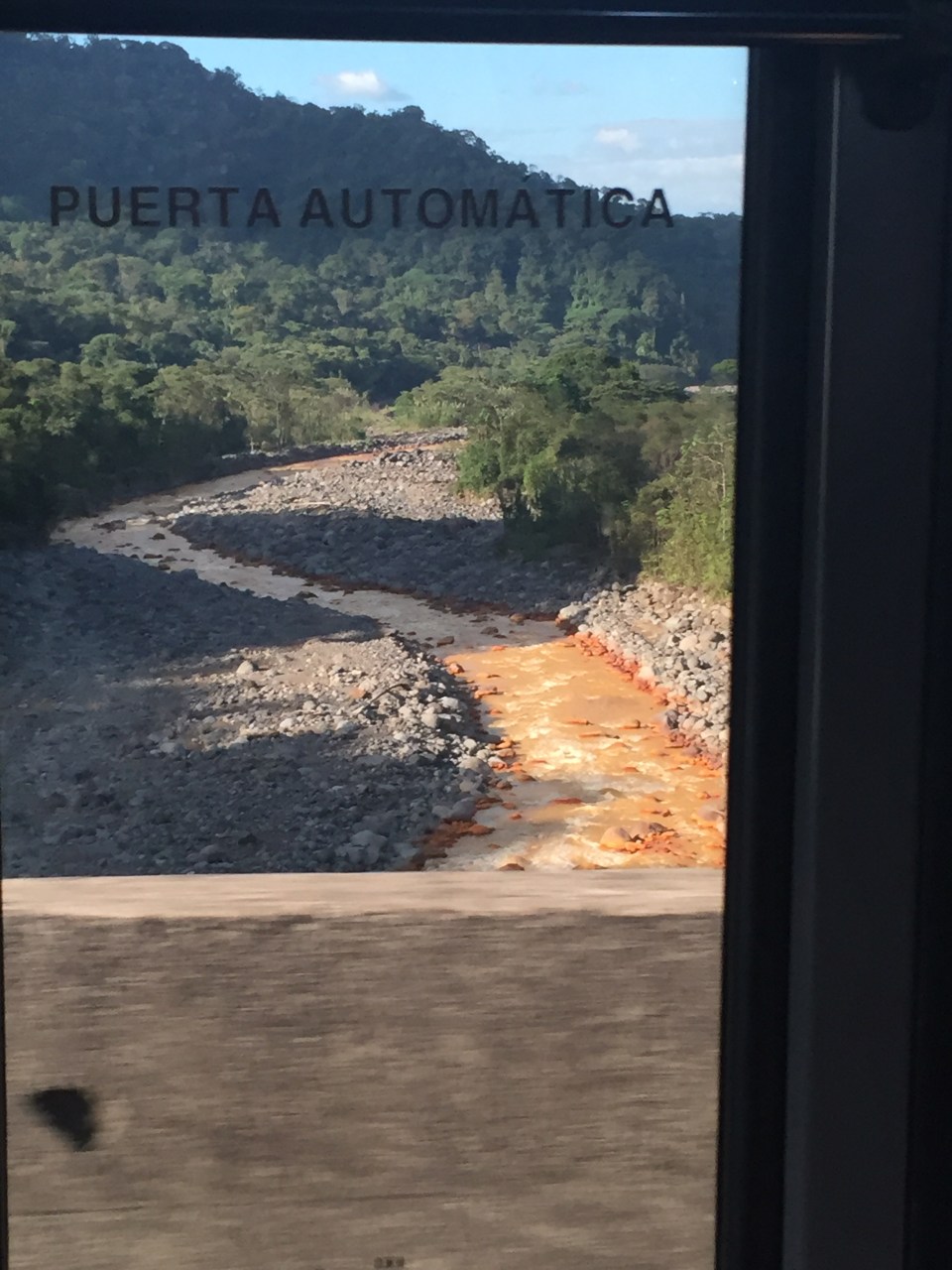
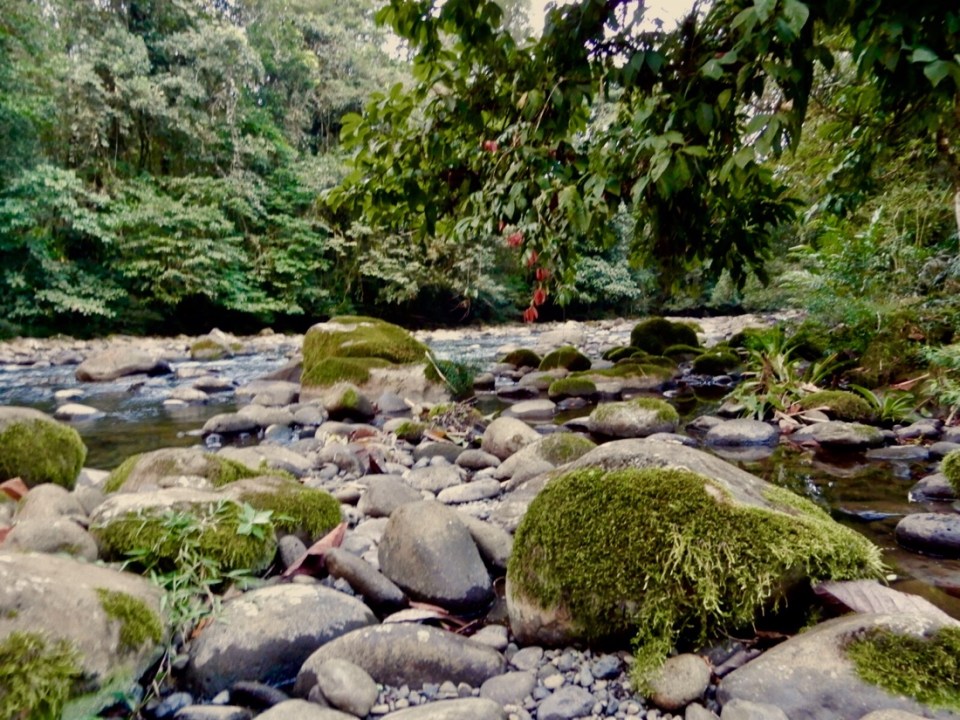
River in Sarapiqui

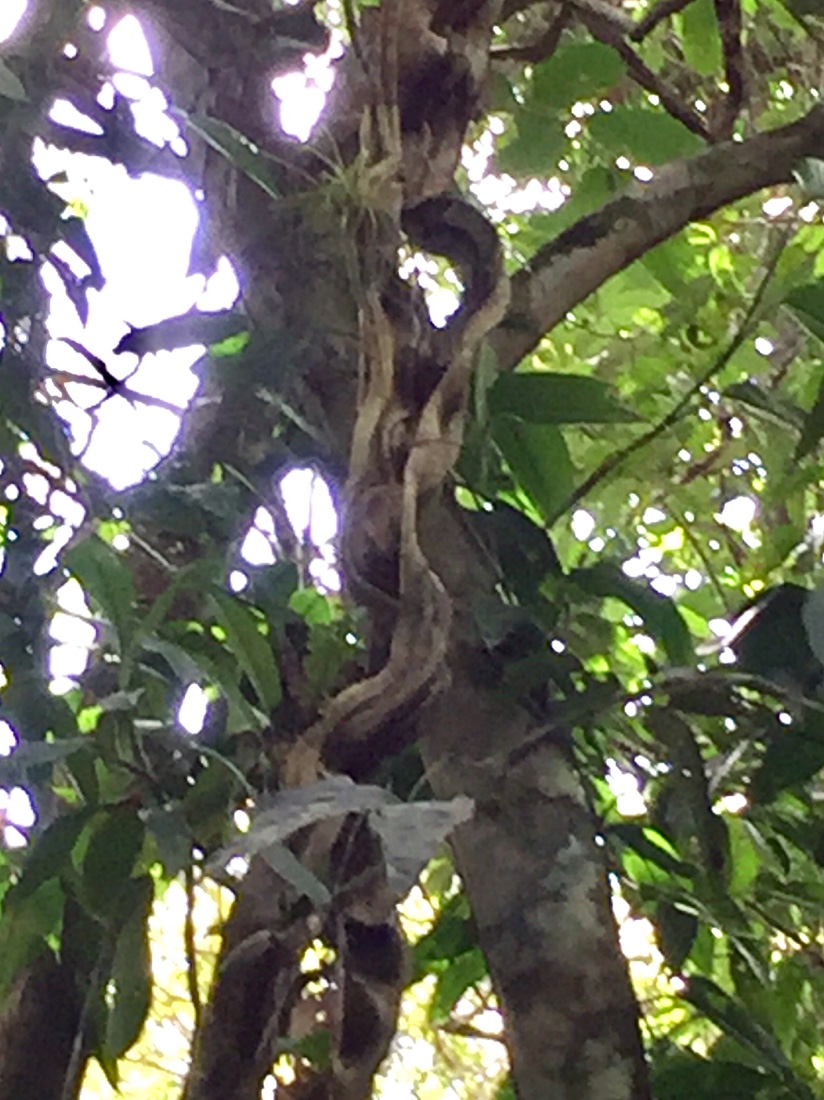
Monkey ladder vine

11-Feb 5/19

Monkey ladder vine

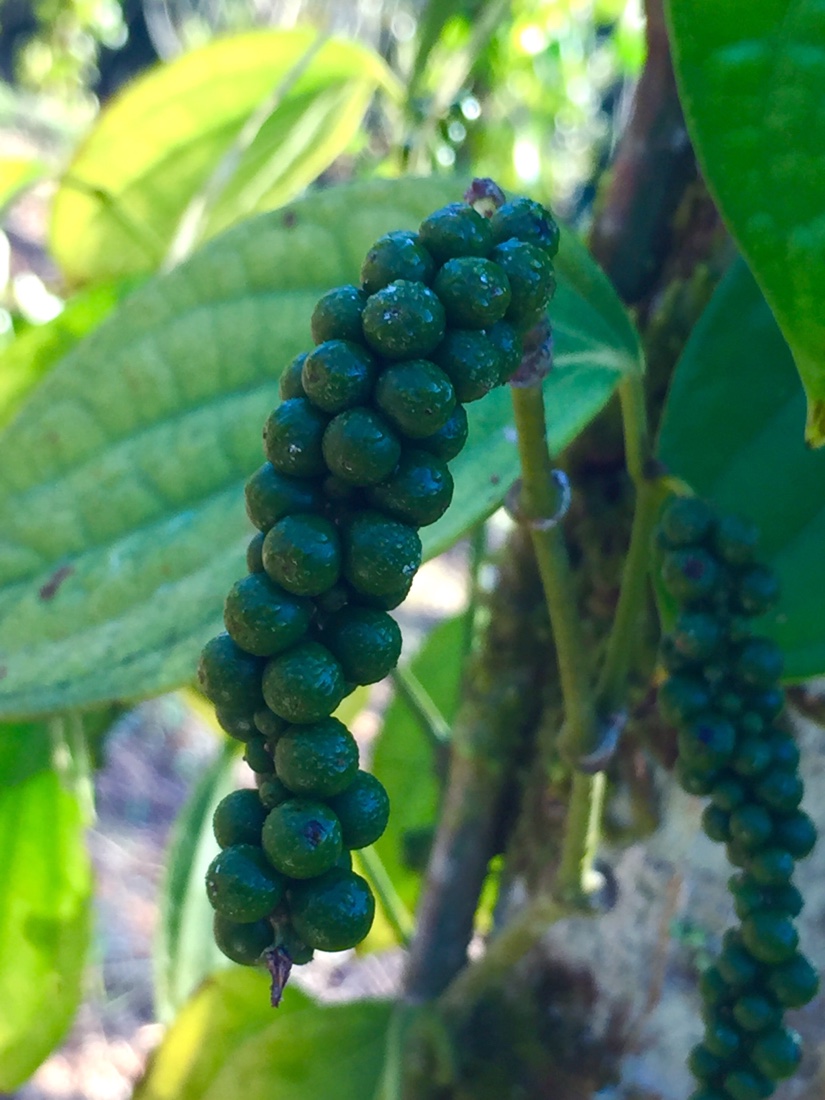
Crops….black pepper, draecena for export, ornamental corn plants for fencing

Tortuguero

12-February 6/19.

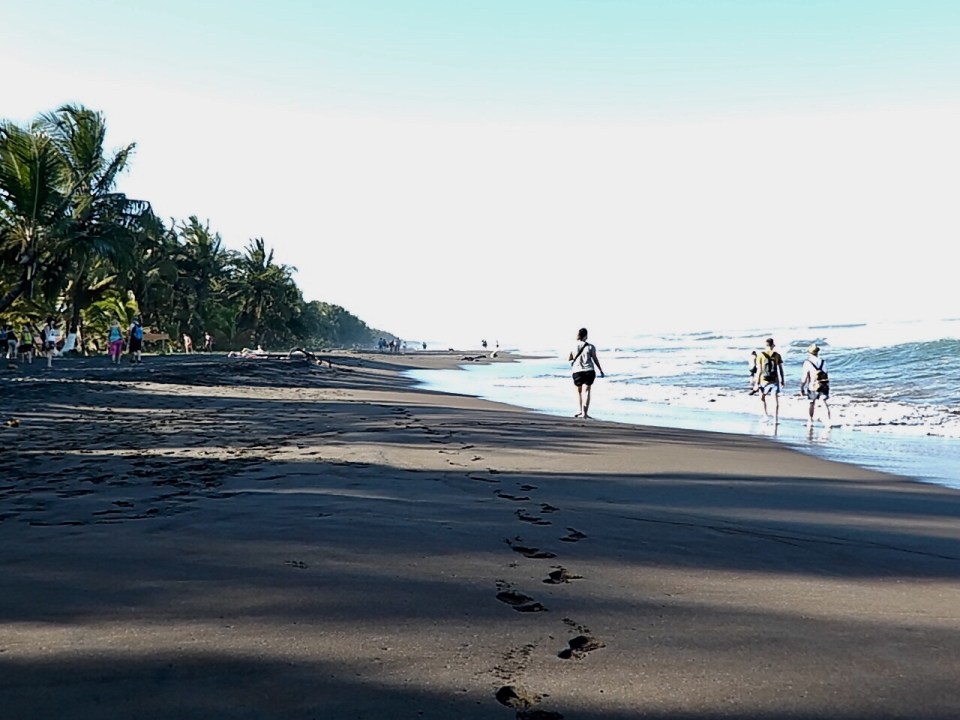
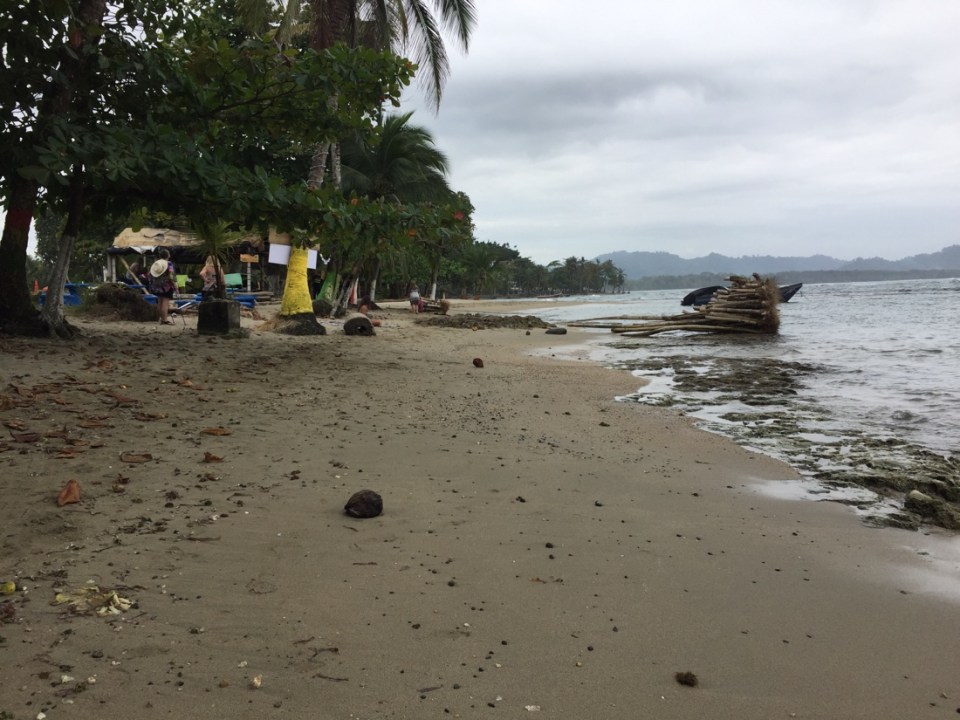
We arrived after 2 hour tractor trailer ride out of the bush plus 3-4 hrs on private bus and then 1.5 hrs on river boat atlast around noon. In the afternoon and after lunch we took another boat to Tortuguero town. It’s on an island that it’s back door is the Caribbean Sea. It’s not at all like the turquoise water I’m used to seeing but pounding waves like on the pacific side.

Johnny …our guide of waters of Tortuguero National park

80 km north of Limon

Tortuguero national park is 76,000 hectares, another eco park north of here….. together total 130,000 hectares incl water areas

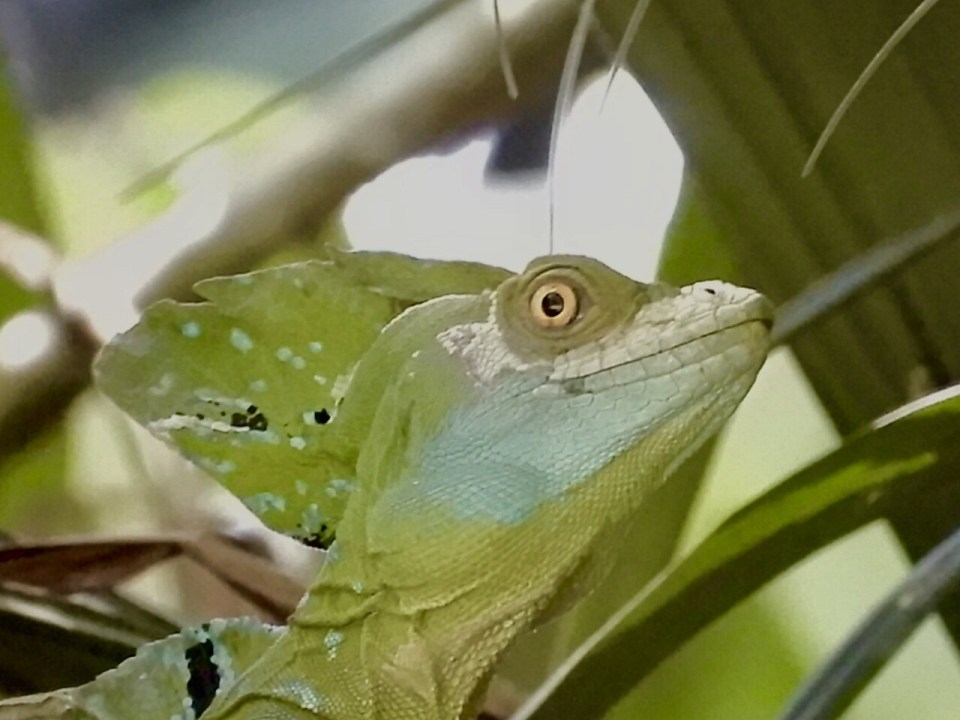
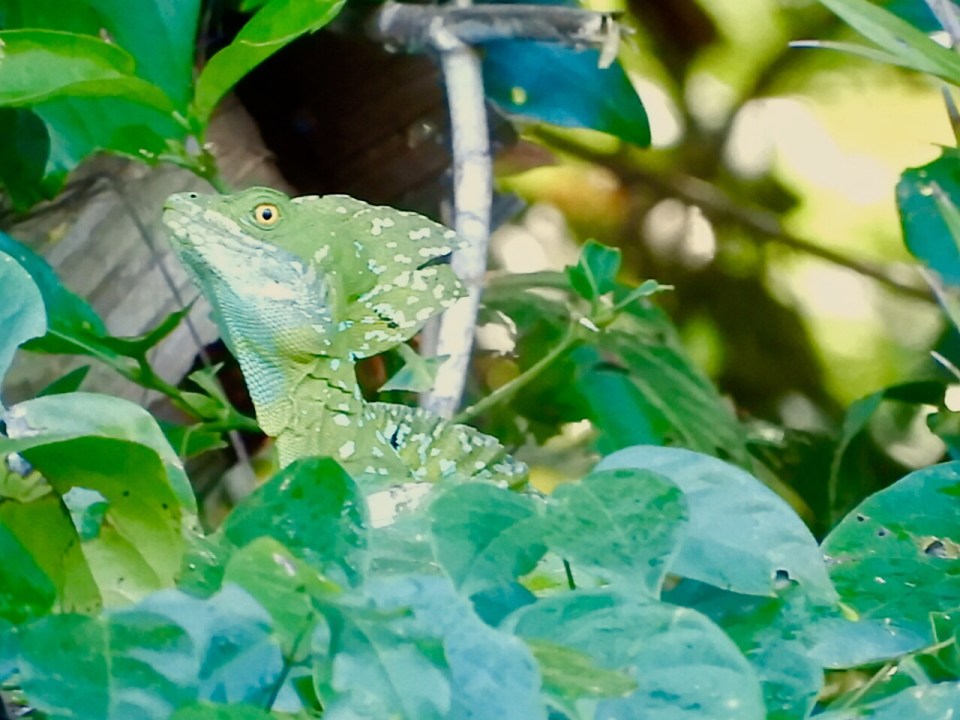
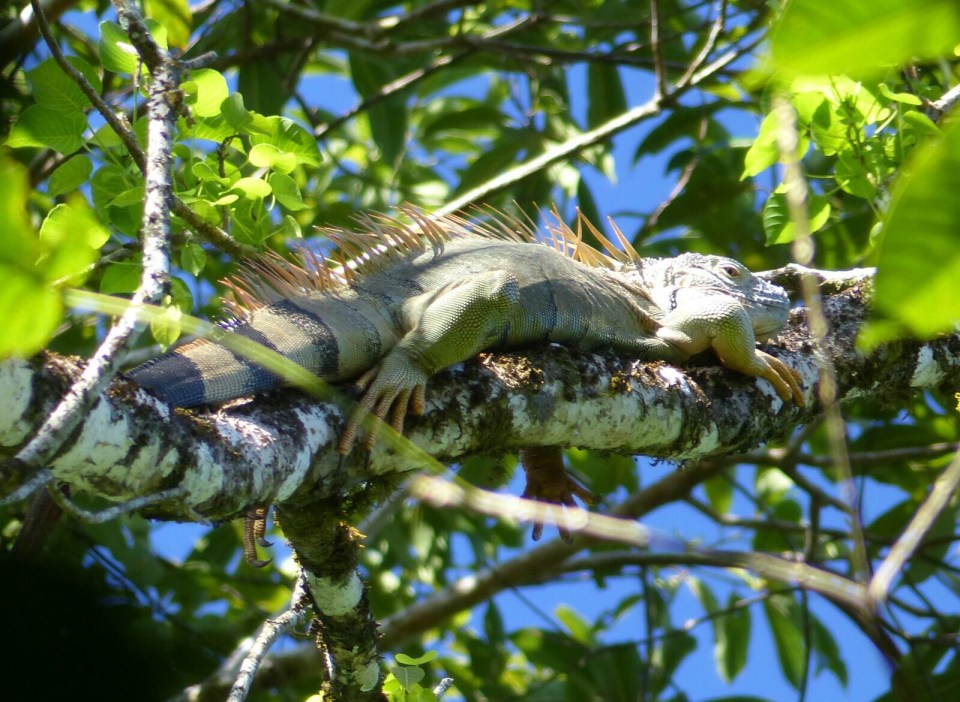
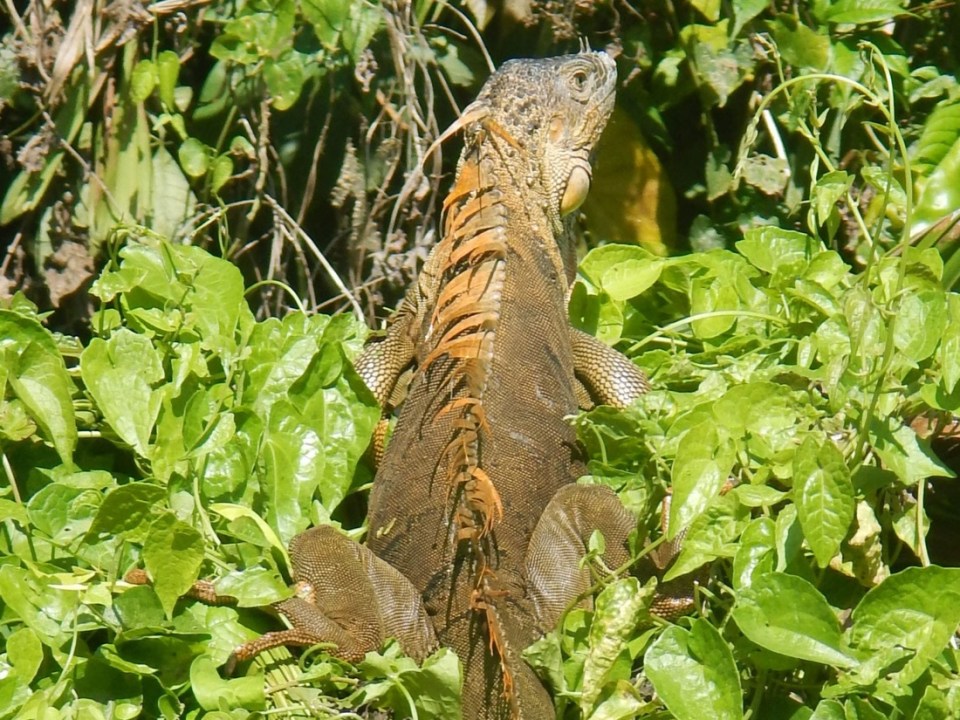
Jesus Christ iguana

Howler monkey family

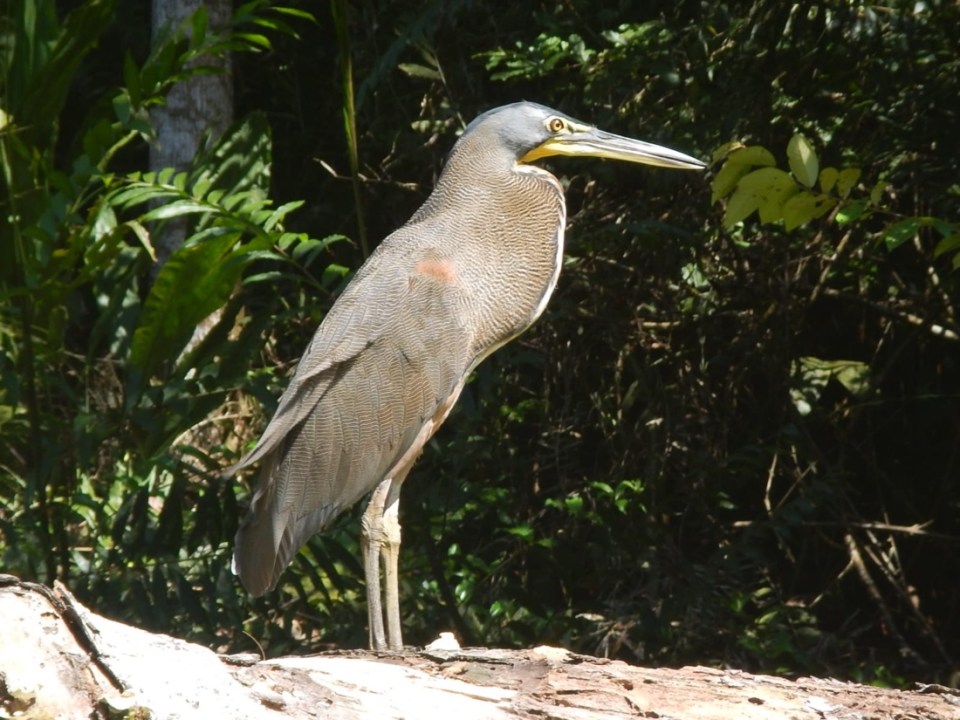
Tiger heron

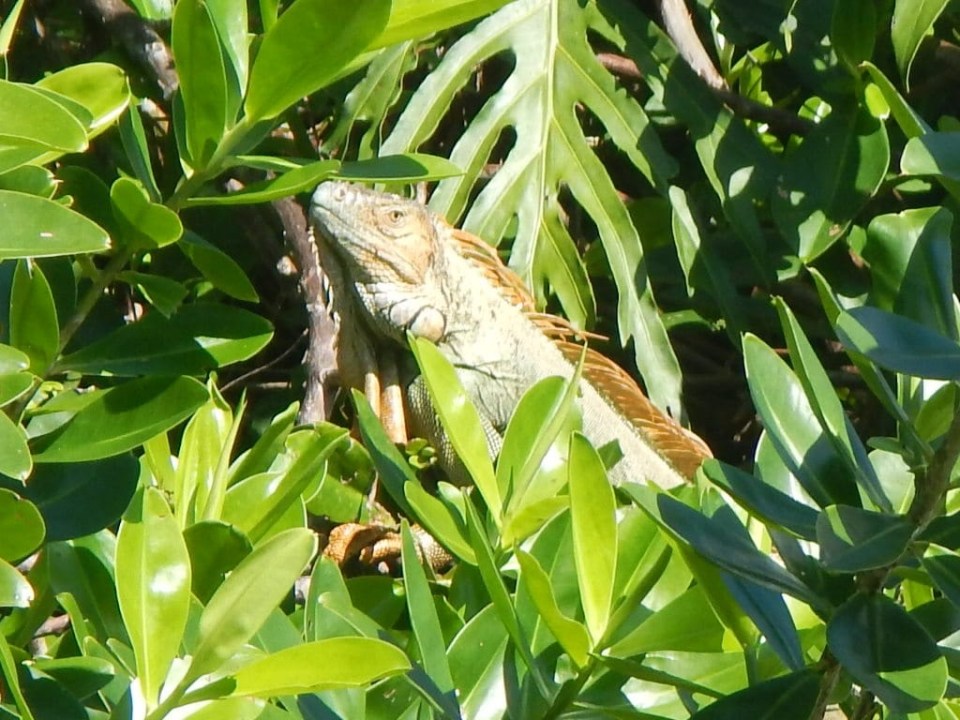
Huge iguana

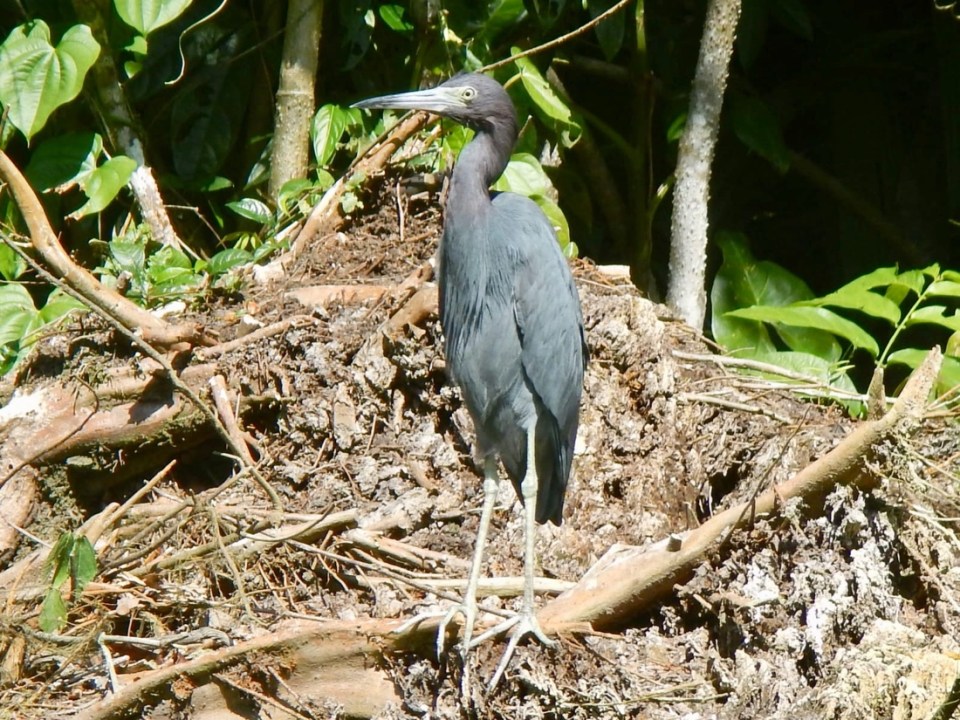
Green heron… littlest. Not green but eggs are

Blue heron turns white in 6-7 months .. not to be confused with snowy egret.

Wild almond tree aka ironwood… huge can live 400-500 yrs

Little itty bitty bats on almond called ”long nose bats”

Beautiful but deadly trees…. mimosa… somewhat kacy leaves will kill fish if cut and sap goes into water… leaves close at night

Songsreef…little brown bird

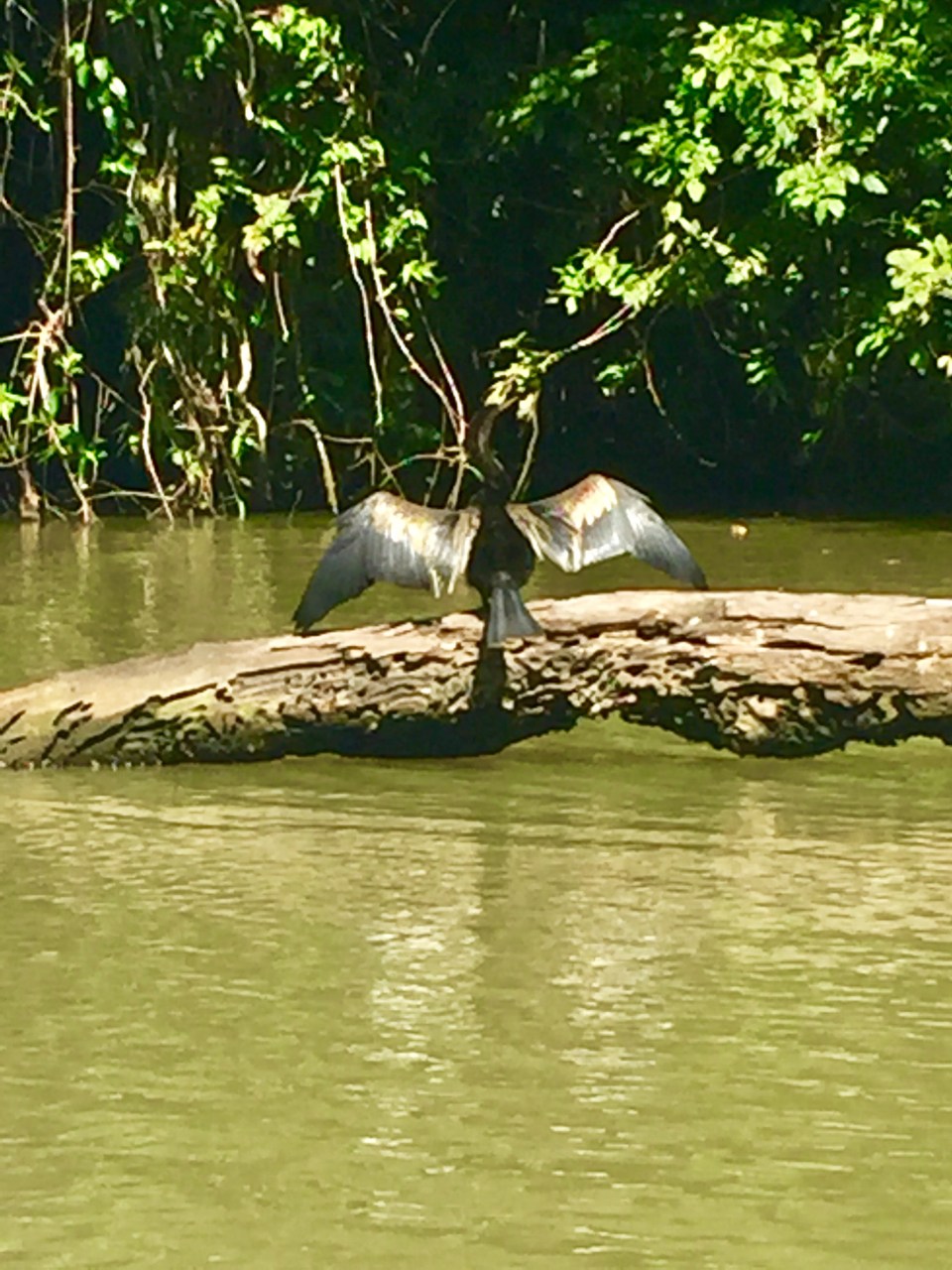
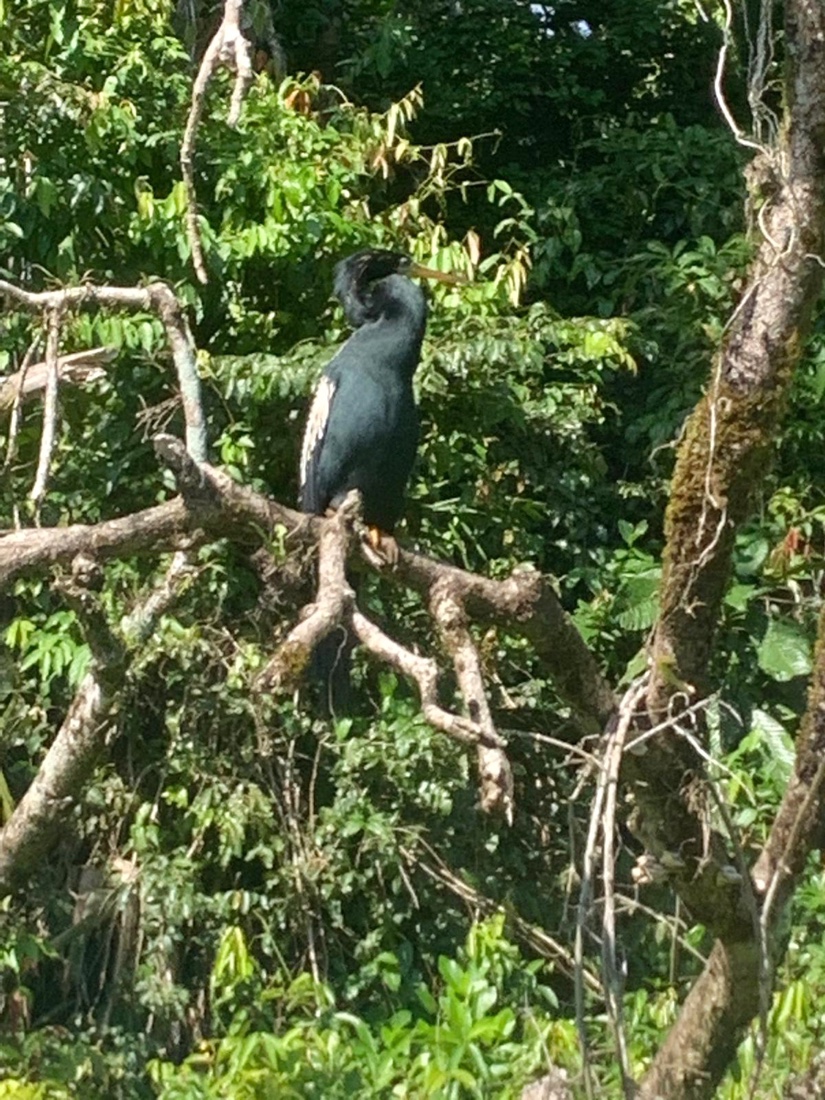
Needlebill… anihas… spear the fish

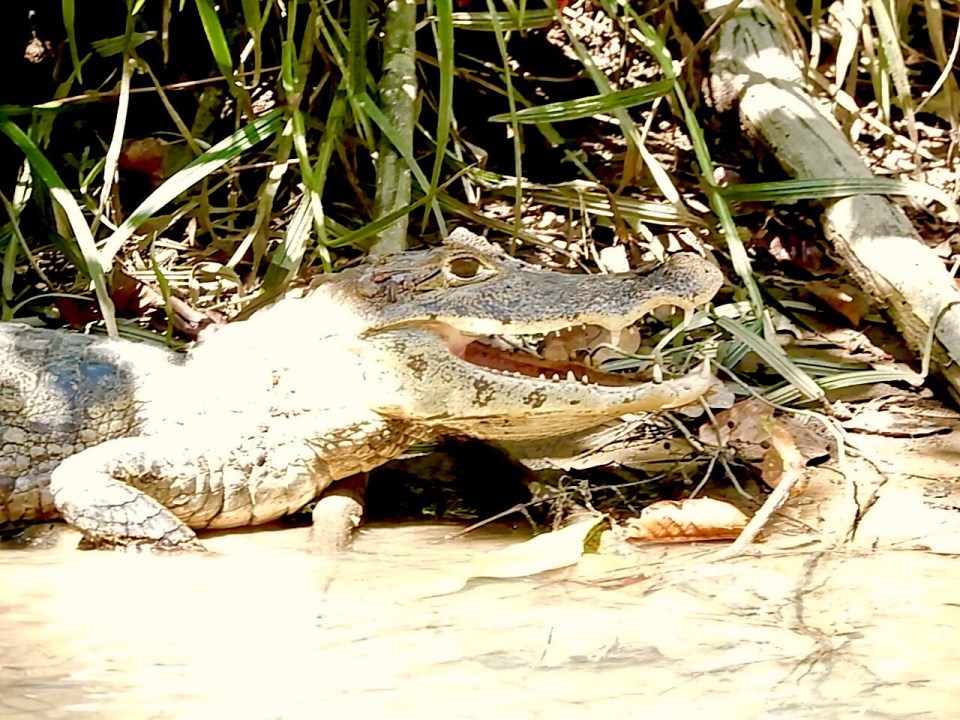
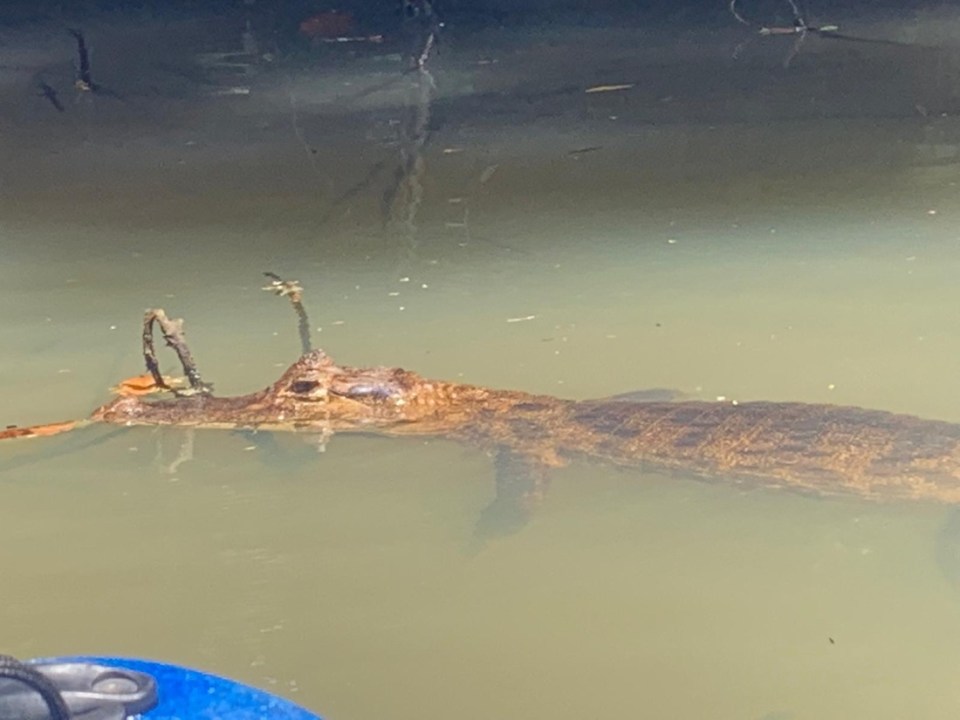
2yr old cayman in the floating grass

Spoonbill night heron …family with babies … beautiful…. quite large.

Family of baby Caymans… sun bathing. ….twitching away flies

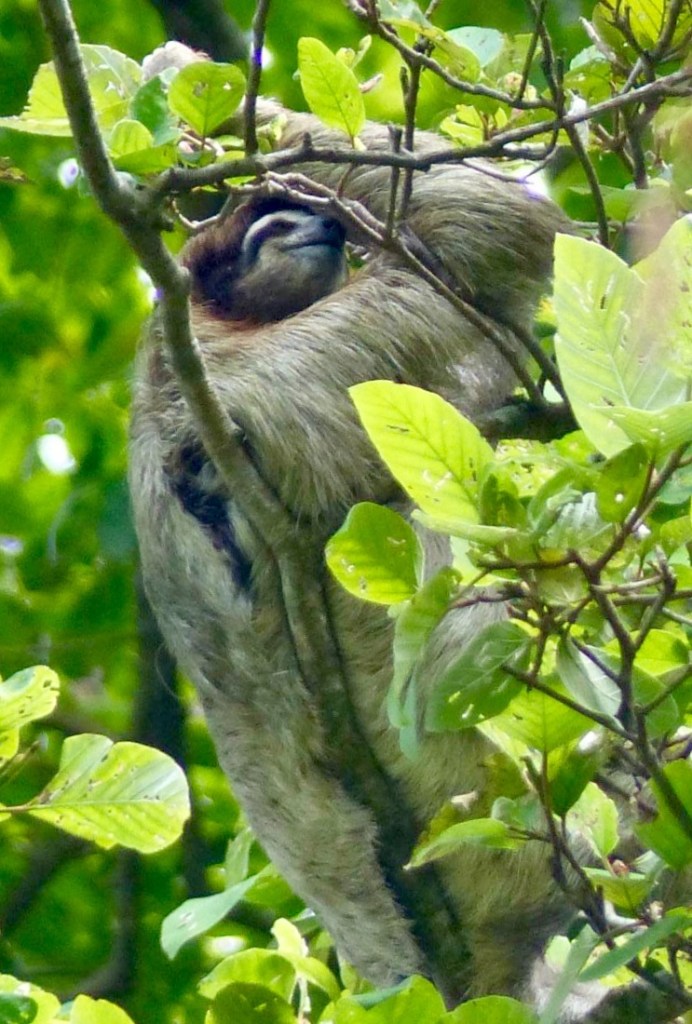
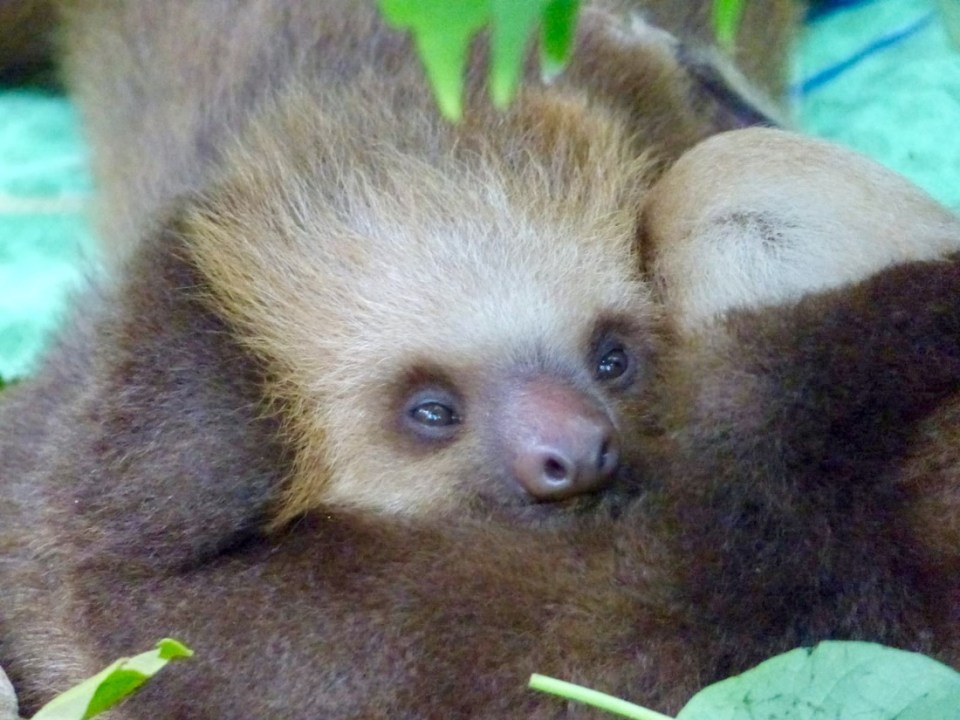
2-toed sloth….blob up in mimosa tree

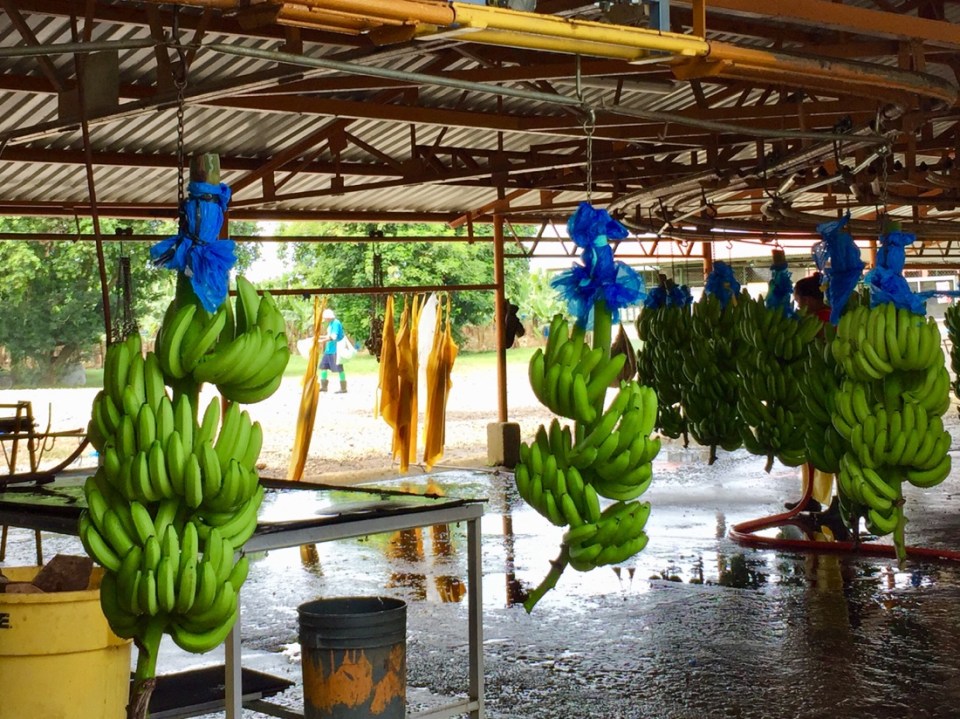
Bamboo brought from Asia as support for banana trees… now all over. When bananas get heavy with fruits will collapse because banana is 80% water.

Heliconia plant 32 varieties in CR… used as ornamentals…. similar to banana leafs

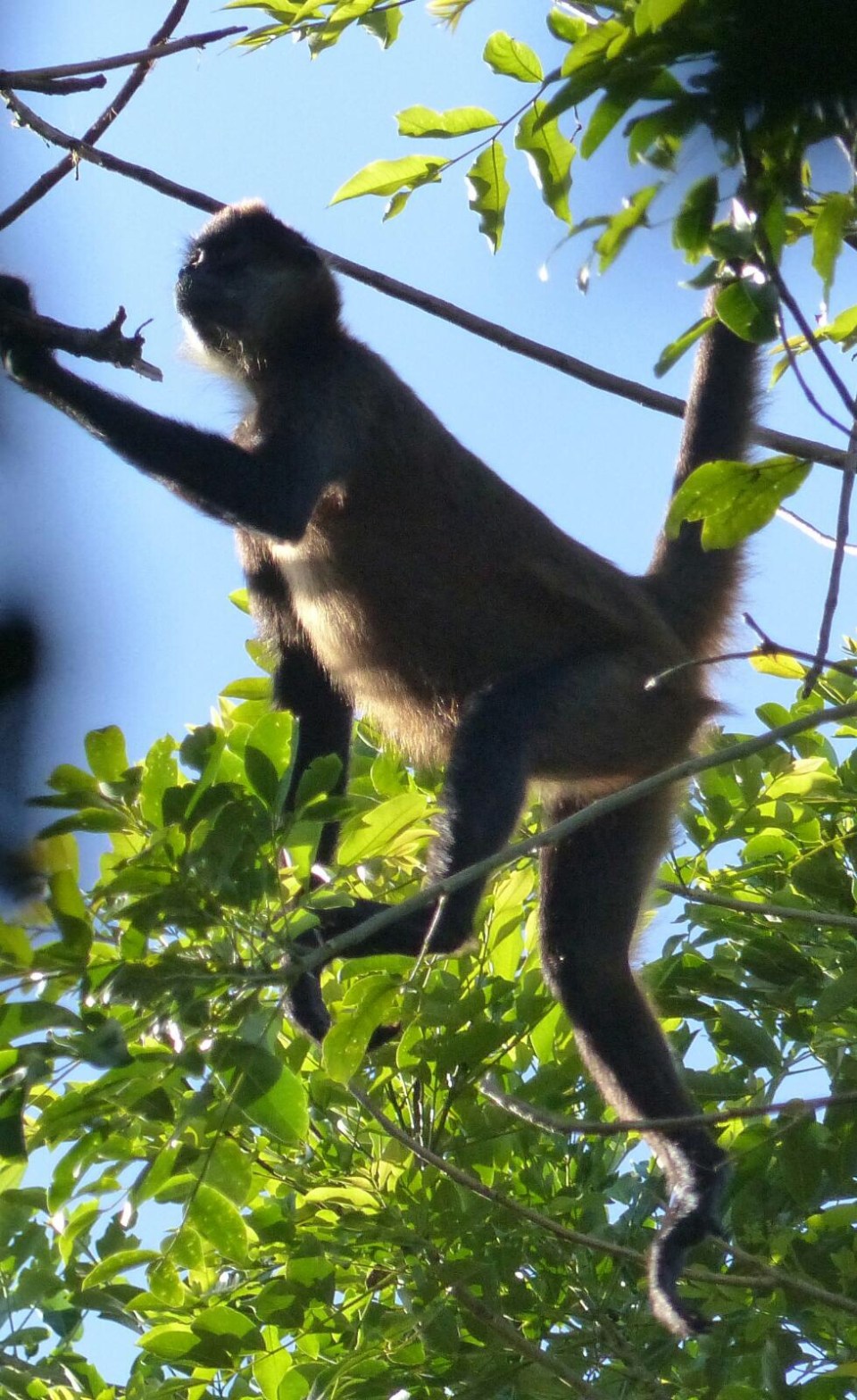
Spider monkey Central American brown monkey… long tail for hanging on when reach for food. Saw but no picture of small black river turtle

Cocoas… green hanging

Bloodwood or “antiseptic” tree … half circle to scoop leaves …composting. For making drums

more spider monkey… 12-14 only in troupe

Can hear Oro-pendulum Montezuma bird but could’t see it. Did later

Finally a 3-toed sloth on the move

Nefula spider web used for bulletin proof vests

Alligator tree also antiseptic tree… got spikes.

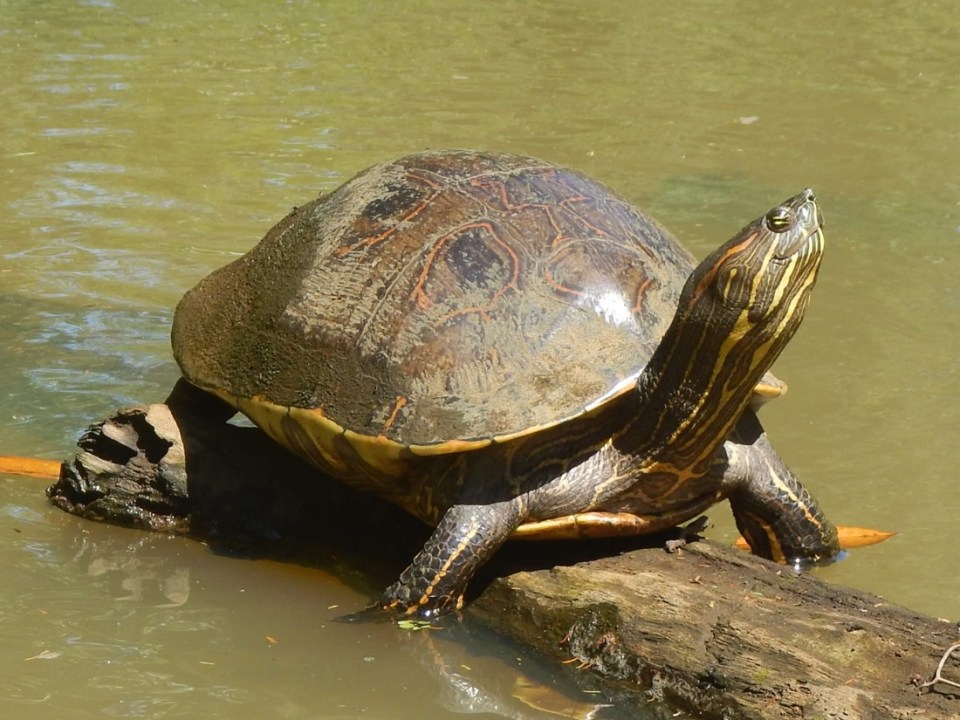
Turtles 1.5 metres across…350 kilo in weight.

Jaquar’s feed on turtles not eggs

Slaty-tail trogan

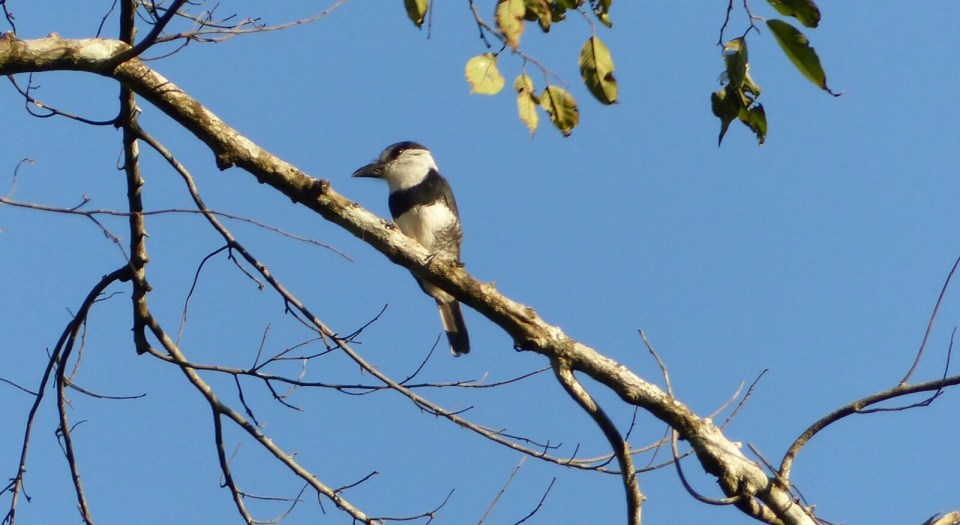
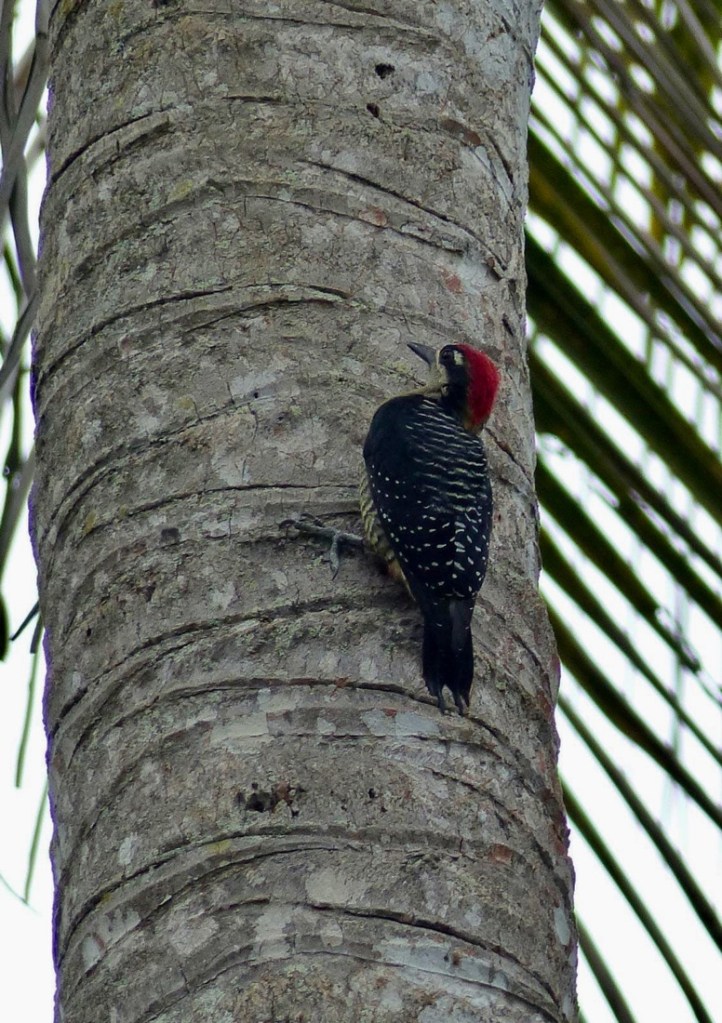
Puffbird…2
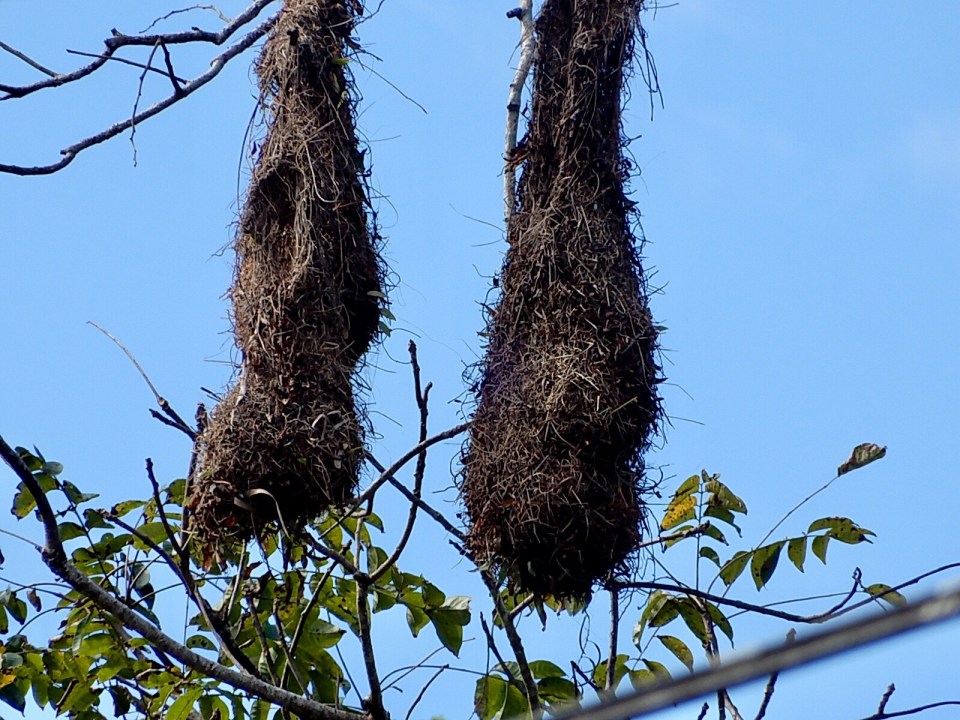
Day 4- January 29/19…leaving Quepos

7-8 cu metres rain per year in Tortuguero as opposed to in Guanacaste had only about 2 cu. metres…. but in 4 months.

There were over 400,000 Indigenous peoples before Europeans came but that number

dropped to 40,000 within 30 yrs

70% Europeans died too because of climate & diseases

The greater the middle class the more stable the government …. happened here because of blending of population earlier than in other countries

Costa Rica gained independence in 1821.

There were 5 original Central American countries (Guatemala, Nicaragua, San Salvador, Honduras & Costa Rica …..now there are 7 (Belize … formerly British Honduras & Panama were added).

Taxes on coffee brought theatres and culture to C. R.

SAN Jose 3rd city in the world to have electricity after Paris and New York.

Bananas became equal importance export to coffee after the railway was built.

Macaws largest parrots in world

It has 6% of diversity of world

Main income producers are 1-Service-Tourism, 2-Agricultural-pineapple, 3-Industrial-medical equipment (Intel was first)

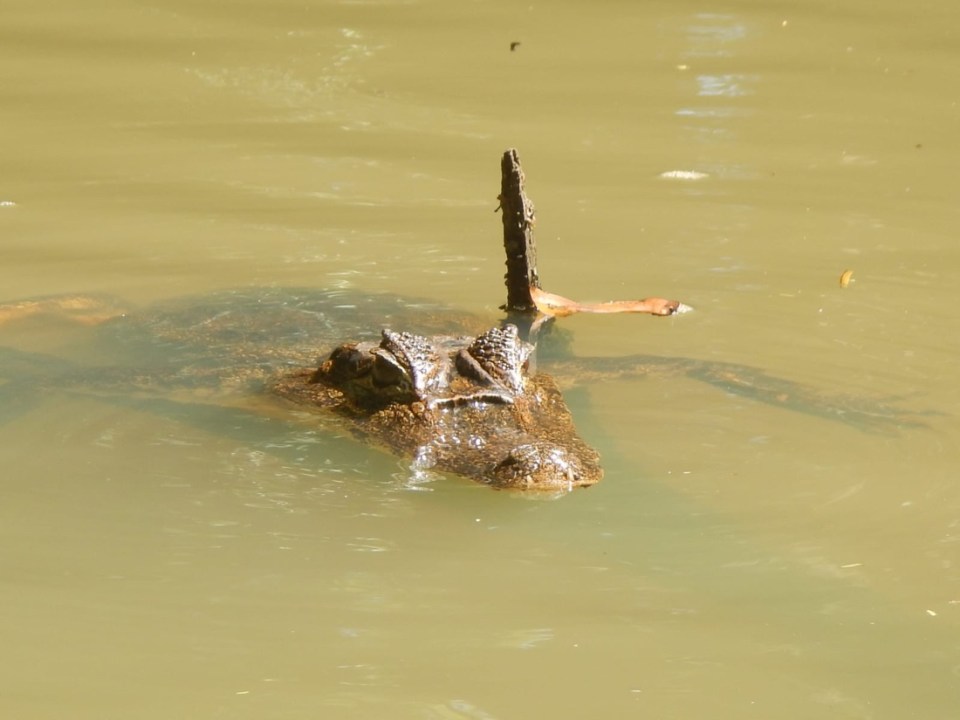
We see Crocodiles where we have a stop. Main differences between Crocs and Alligators ….,Crocs lay with throat on ground and open their jaw upwards (Gators lift necks and drop their jaws), they have 2 ridges down their backs as opposed to 1. They can live in fresh, brackish and sea water (Gators only fresh water)

Punta Arenas is main port on Pacific coast but very small…2 slips for imports (predominately vehicles from Asia) plus one nearer the city bfor cruise ships.

Trees change to deciduous as we turn off the main highway (Pan American Hwy).

1948 year CR abolished the military.

February 3/19….day 9….On the road to Sarapiqui

We stopped at a coffee producers co-op on the way.

The coffee produced in this area is Arabica. Arabica beans are grown at altitudes between 800 and 2000 metres above sea level. It has half the caffeine of other types. And dark roasted coffee has less caffeine because more of the oils are removed by the roasting process. It’s nice that they use no chemicals. It takes a picker (all by hand) an hour and 20 minutes to pick a 12 kilo basket for which they make $2US. For that they sell a 46 kilo bag for 300$ after it’s all been processed.
While there I spotted a Blue-grey tanager …beautiful!

We stopped a little while later where our transportation changed to a tractor pulling a trailer cart. While waiting to have our luggage moved, we got to walk around when I spotted a Passerini tanager…with quite a wide red stripe down its back.

Enroute we passed by free housing for poor people. All have satellite tv and cable and wifi.

We also saw a white-fronted parrot along the way. Also I saw for the first time ever….howler monkeys. For your information they have extremely large white testicles (shows up very well in contrast to their very black bodies). They show their testies (with their legs spread apart) to show that they are the alpha male.

This portion of the trip today was about 2 hours long on the bumpiest road ever. The accommodations…well…..a “lodge” in the middle of absolutely nowhere, beds encased with mosquito nets, great huge covered deck overlooking a lovely garden and river beyond. It was very rustic to say the least. Linda described it as going to a cabin in the bush that was built in the fifties. After dinner we all went for a walk around the property looking for wildlife. We managed to see a number of frogs, one toad , a praying mantas and a vine snake that as so very long and skinny….but my camera ran out of battery. No matter …the bugs were incredible! They were absolutely awful ….flying in your face constantly! Yuck! I called it quits!

February 1/19…Las Flores our hotel …uses tires for decoration and kayaking on Arenal Lake

An attractive way to camouflage the garbage can

Patio set made of tires….quite comfortable!

Hanging “Toucan” baskets of tires

The kayak group heading out on the lake

Egret

Osprey

Wasp nest

Jacaranda Tree

Another egret

“Brown leaved tree” is balsa

Barbara from Ottawa, me, Diane from England, Suzanna from Sudbury, Anne from NY and Jeanette…our kayak group

Arenal Volcano

White-faced Coatis

Arenal….puffing away! That’s as good as it gets these days.