I thought I could do all of Sydney in one go but ….. so here goes the final.
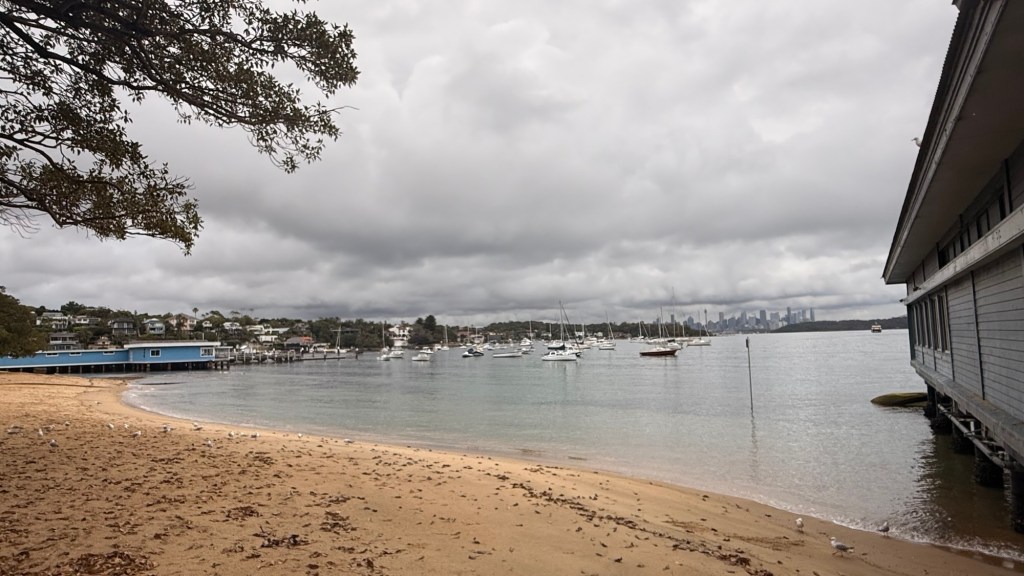
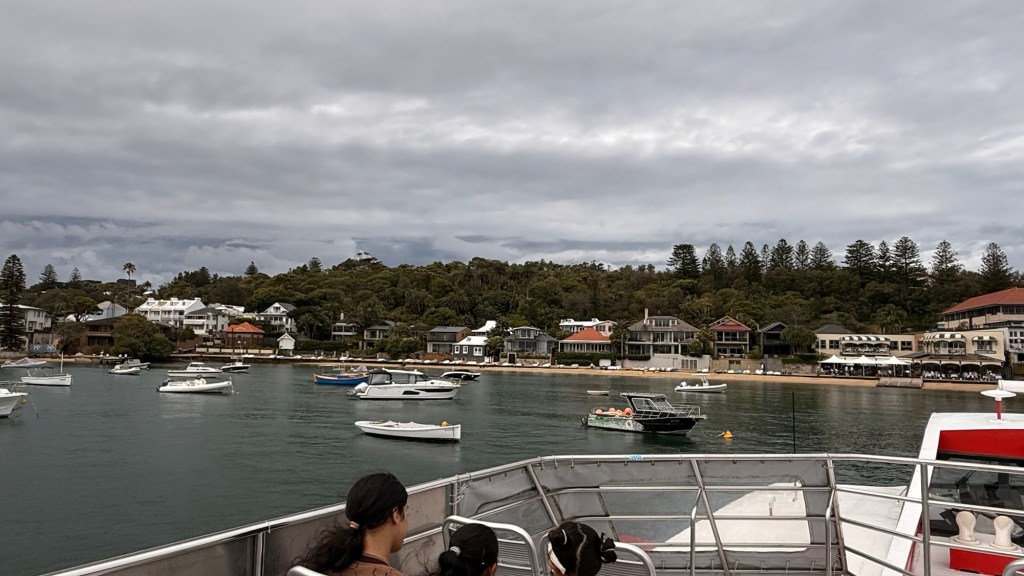
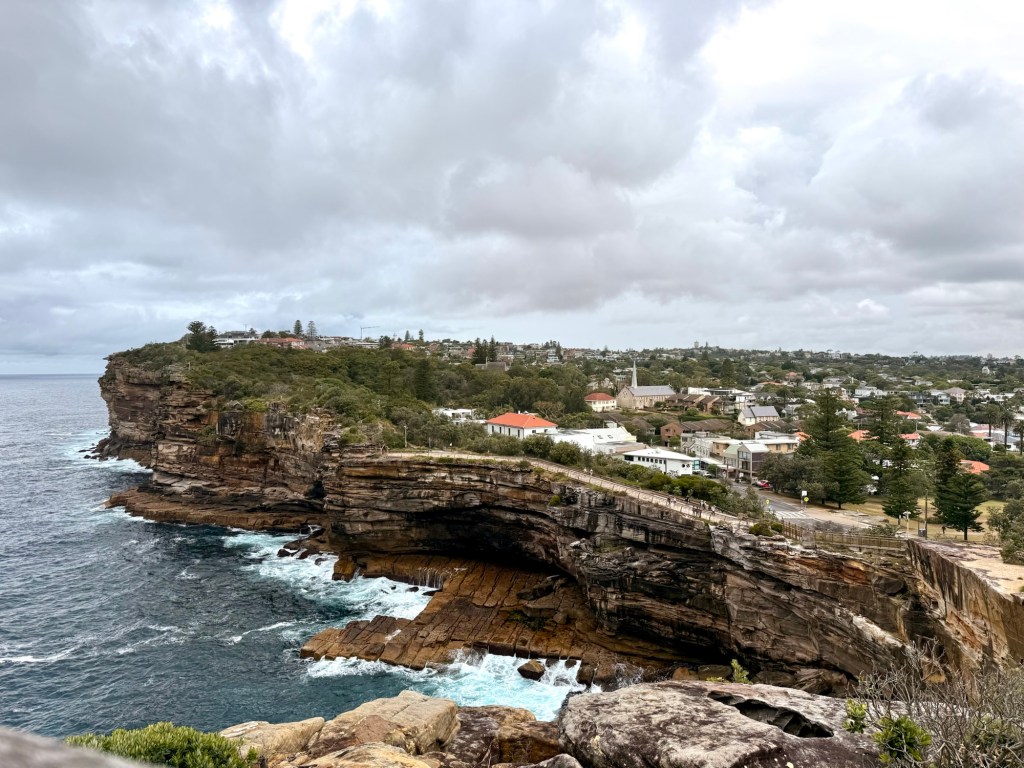
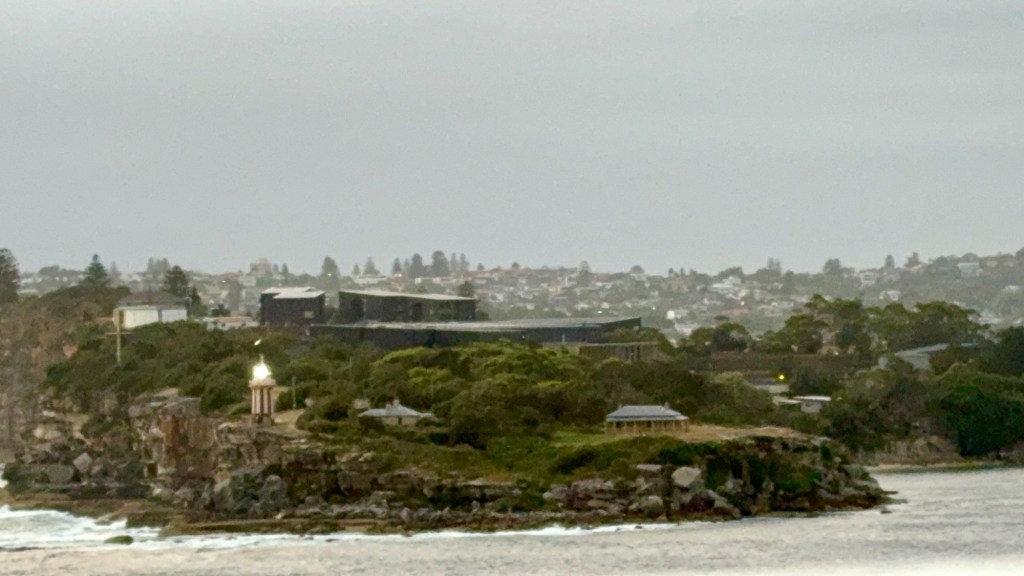
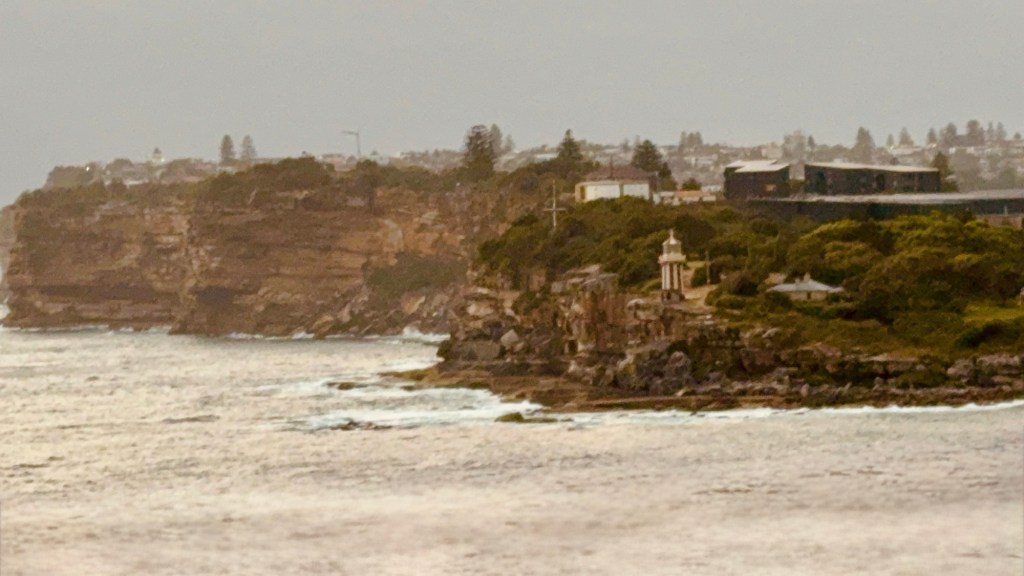
The 12th was wet and windy… not so nice but we took a catamaran “Captain Cook Cruise” around all the massive numbers of bays that make up Sydney Harbour. Our first of 2 times we got off is Watsons Bay. Smallish settlement with lovely waterfront homes. What a surprise when you walk up and over the hill….
Food for thought!At the bar by the pier
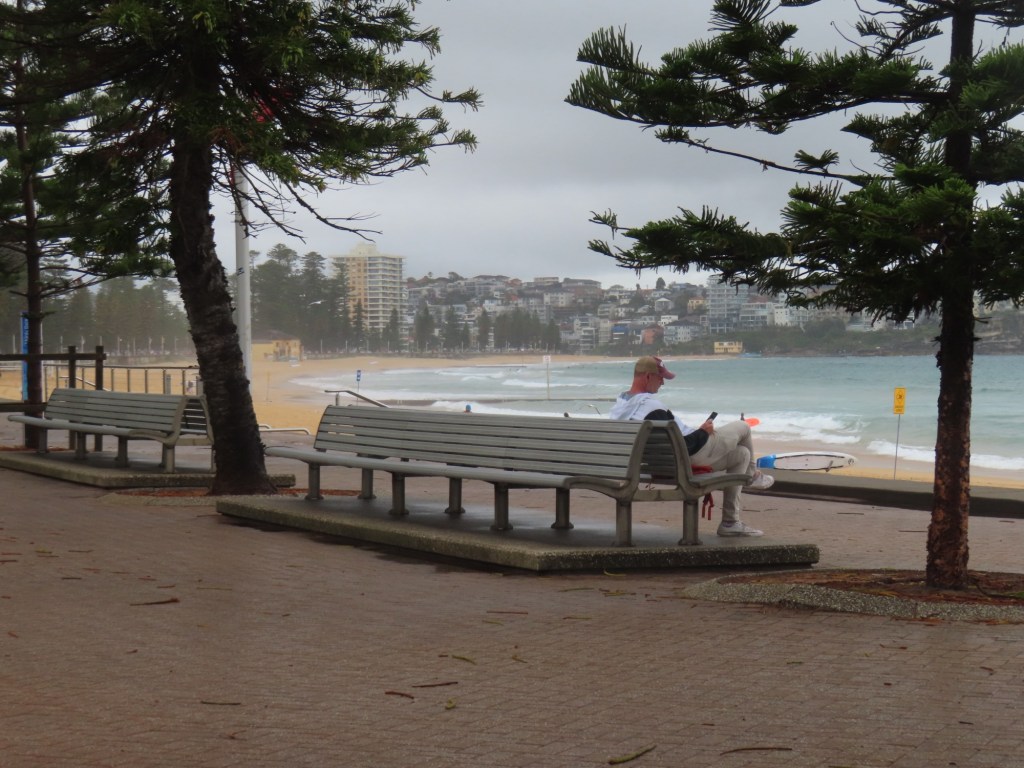
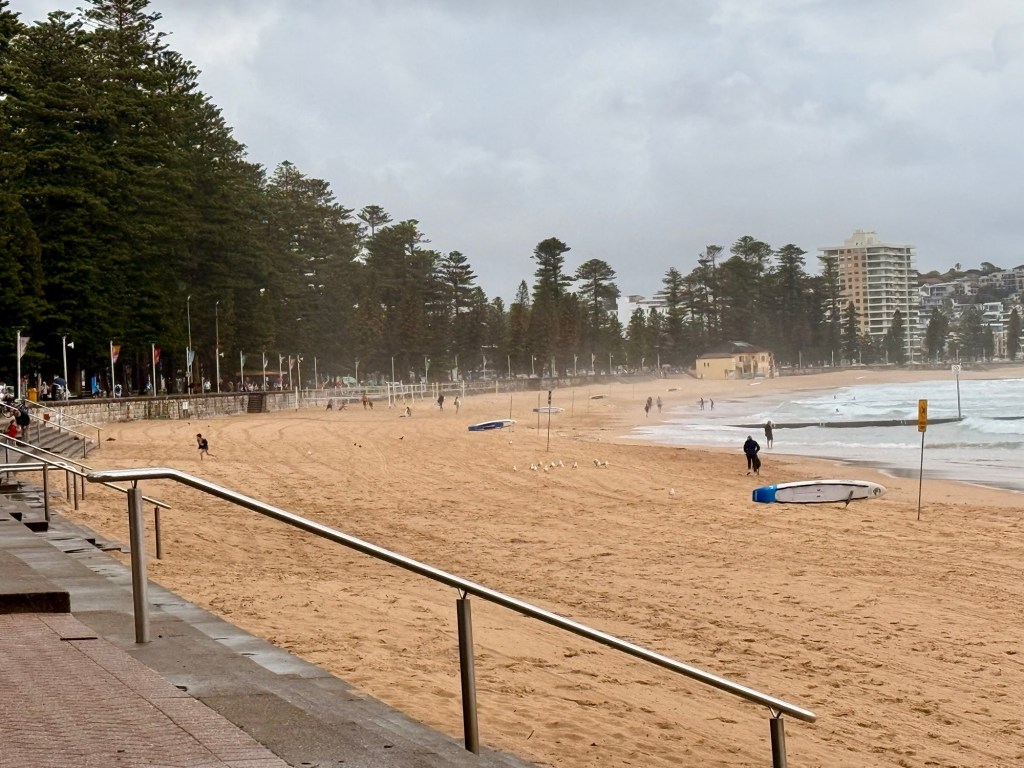
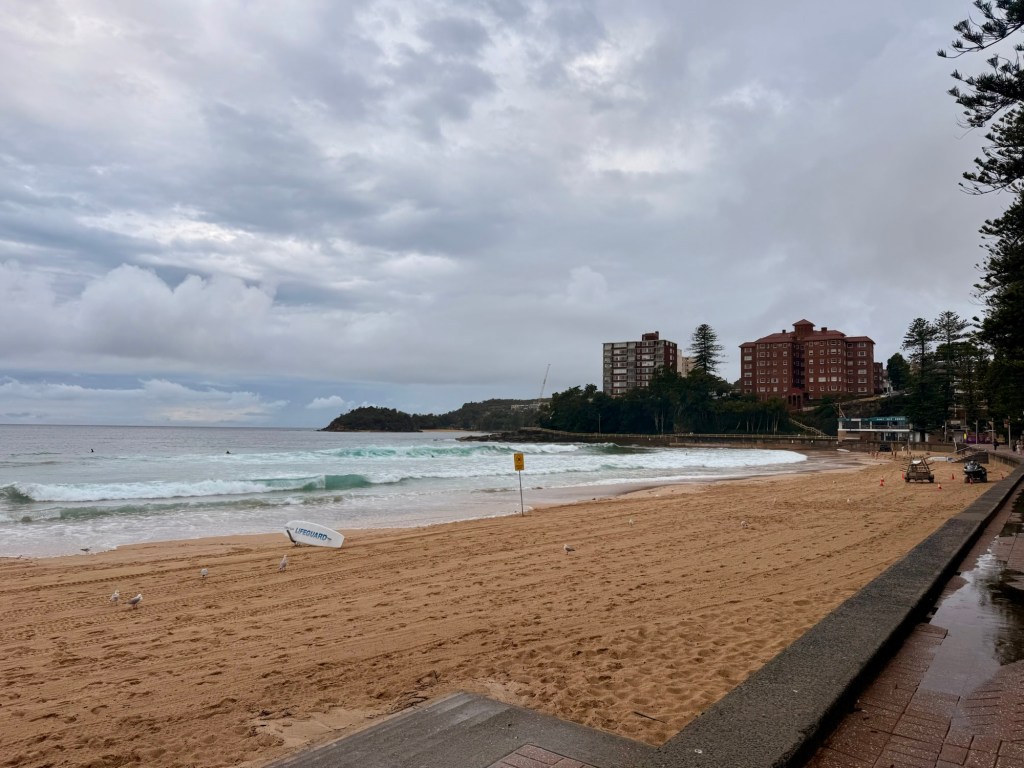
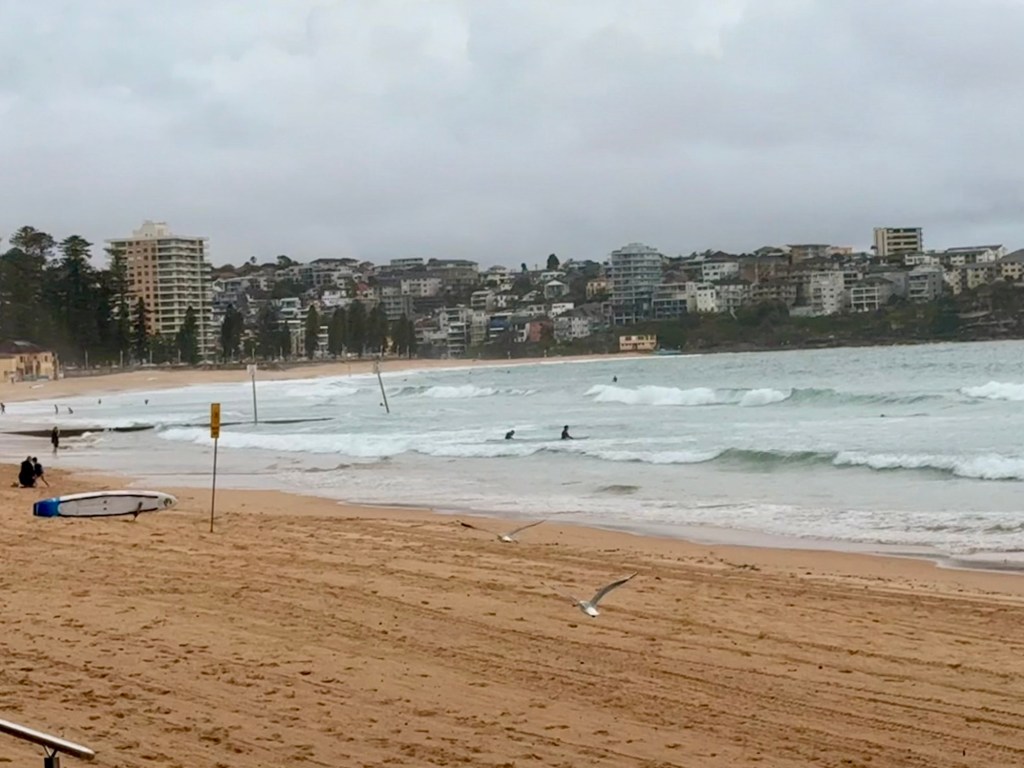
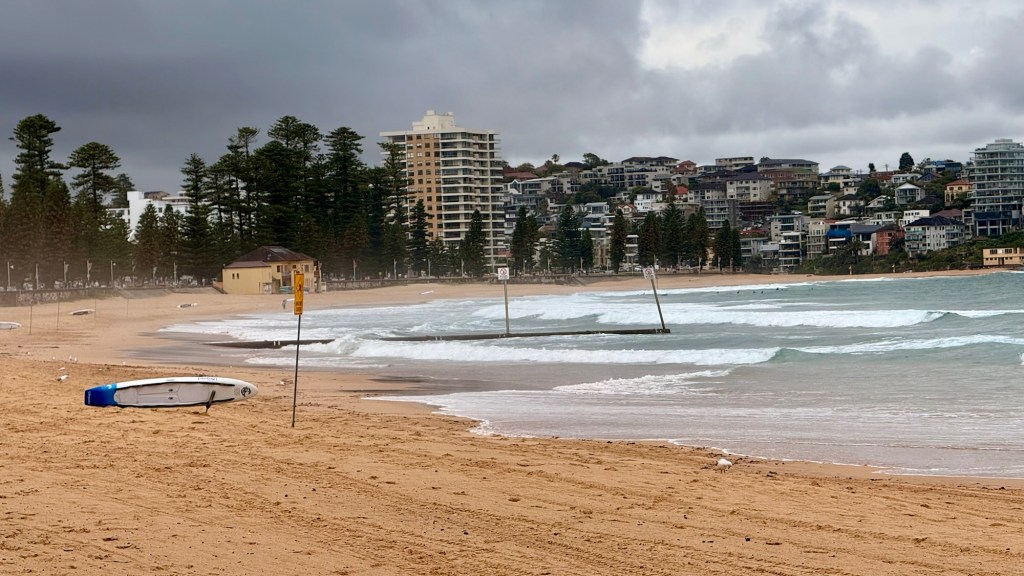
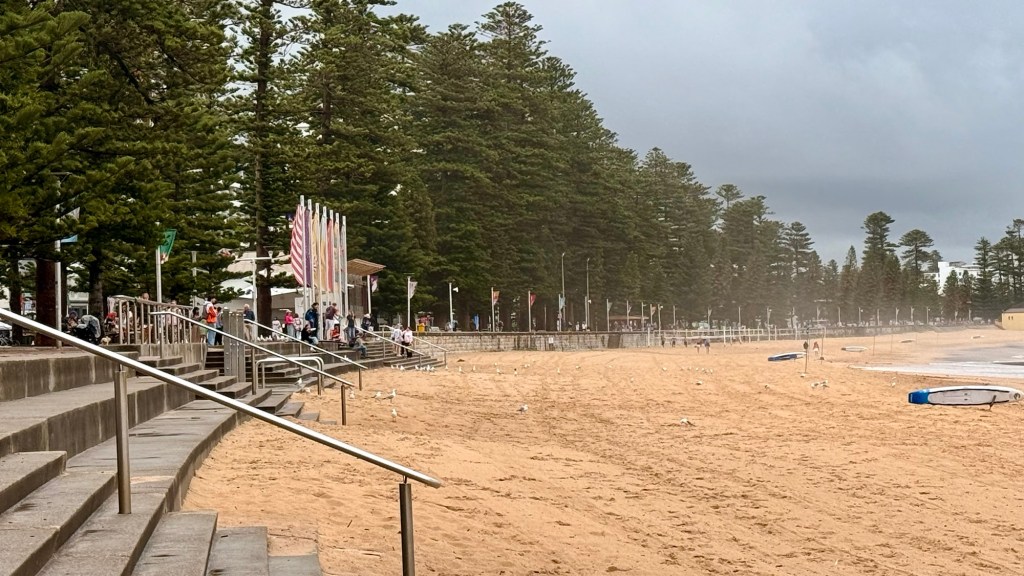
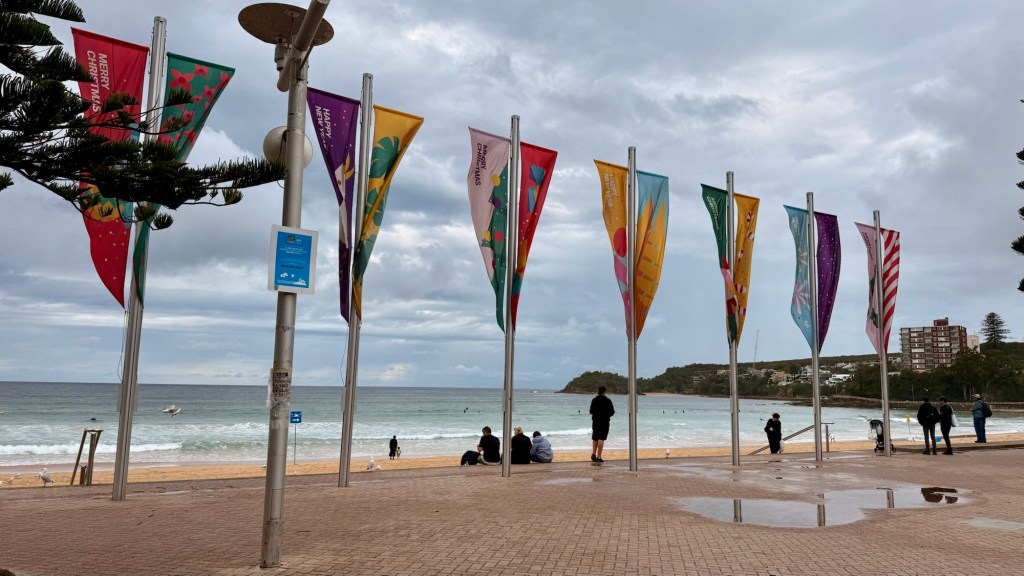
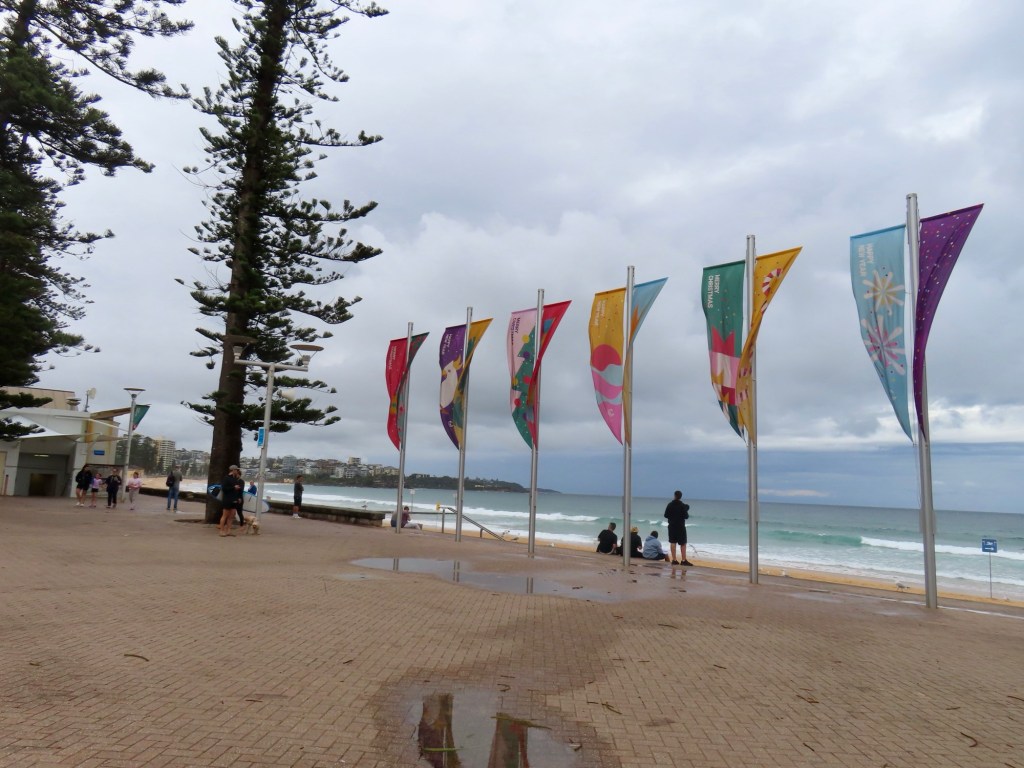
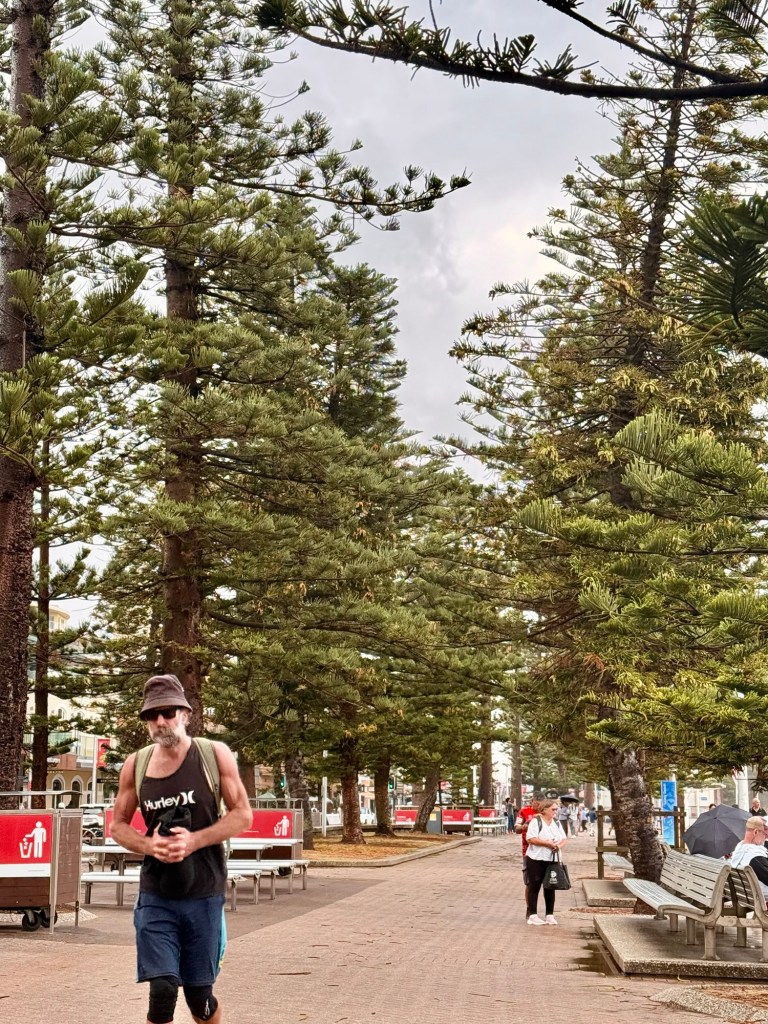
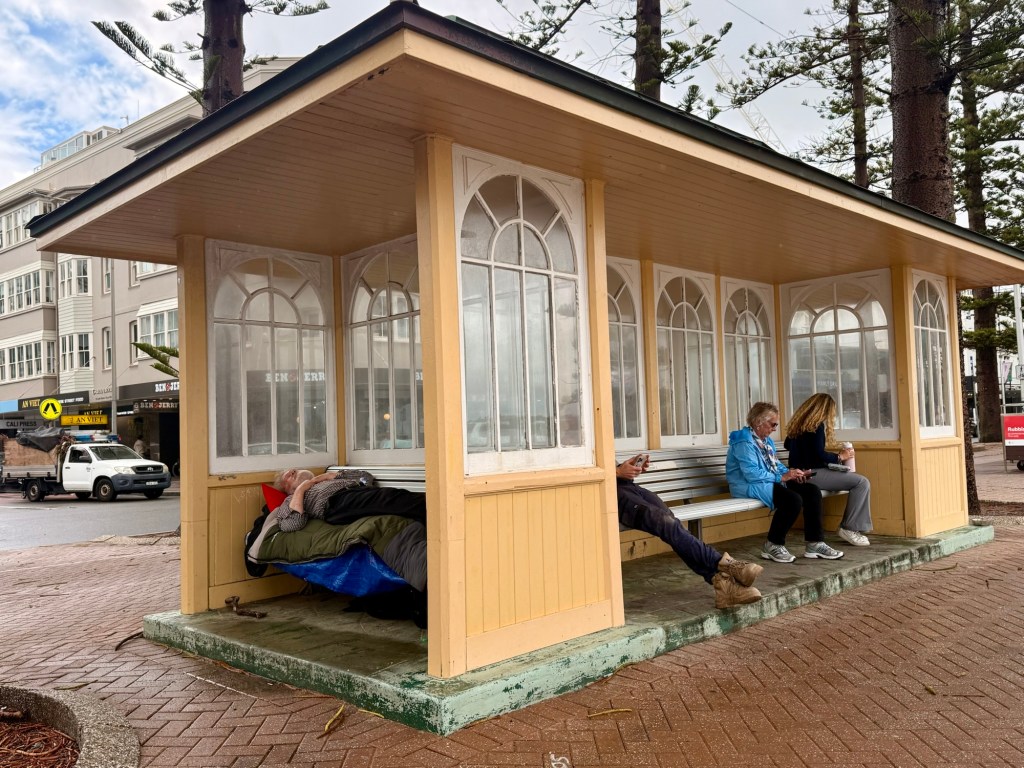
Next stop that we got off at… Manley
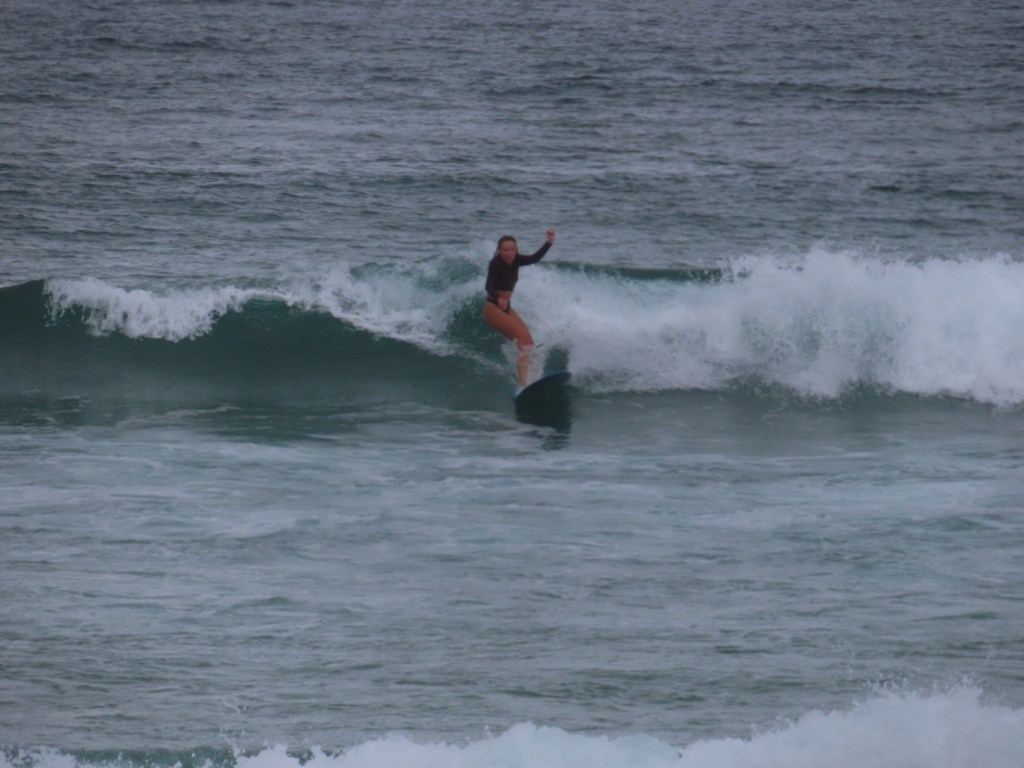
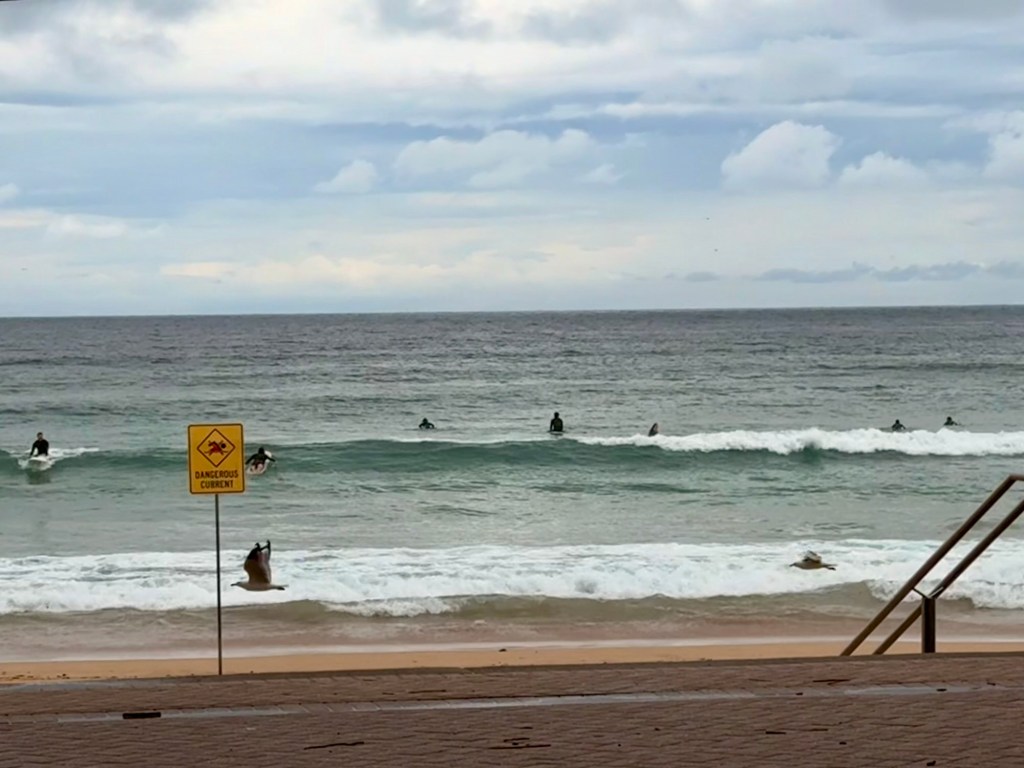
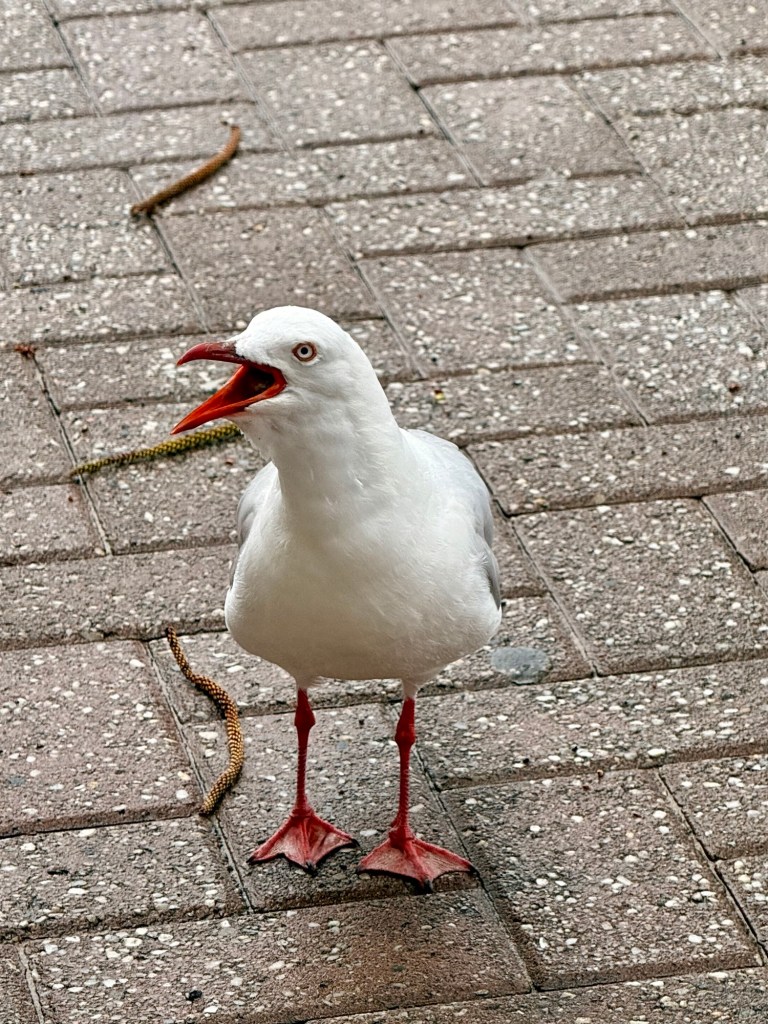
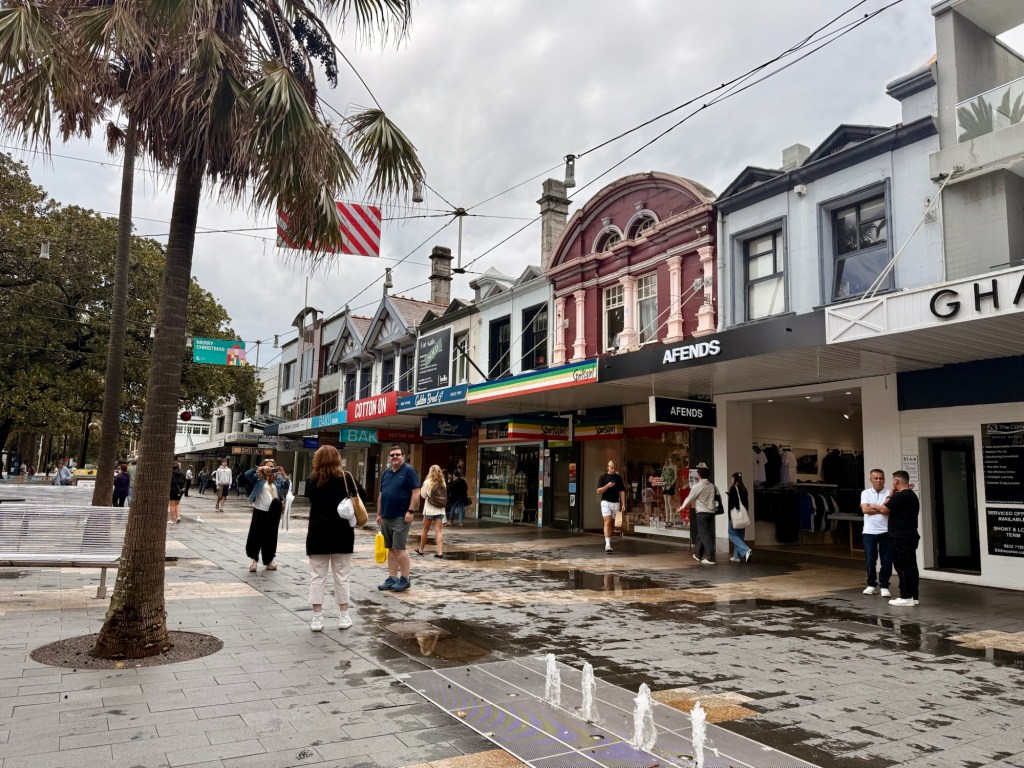
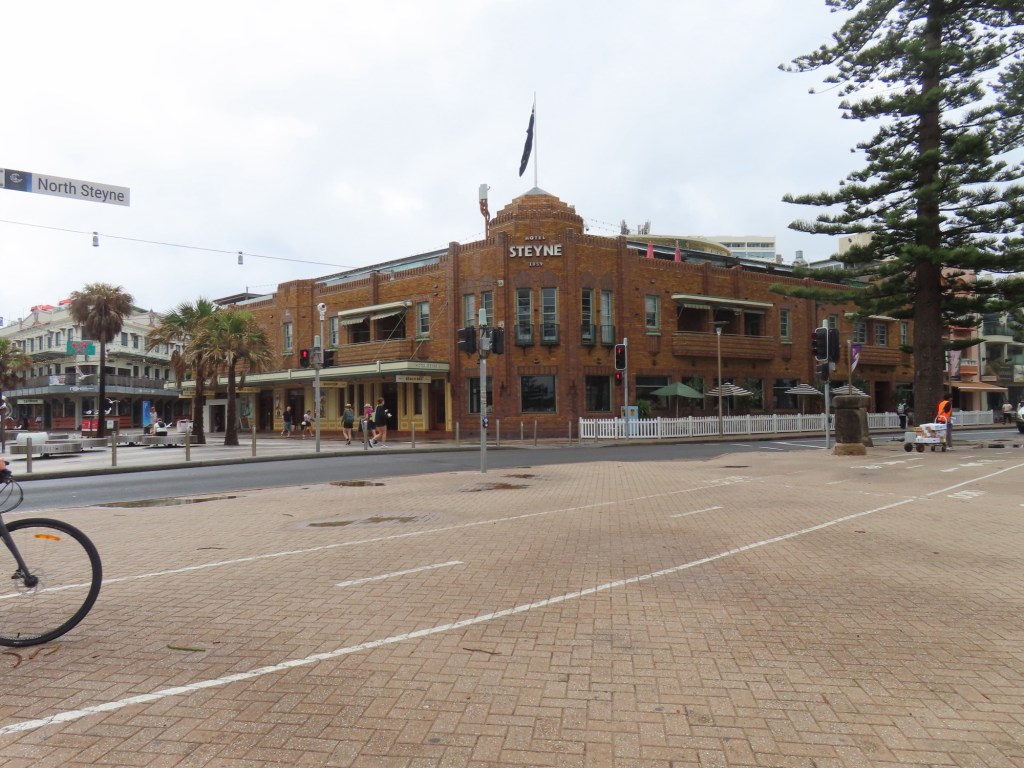
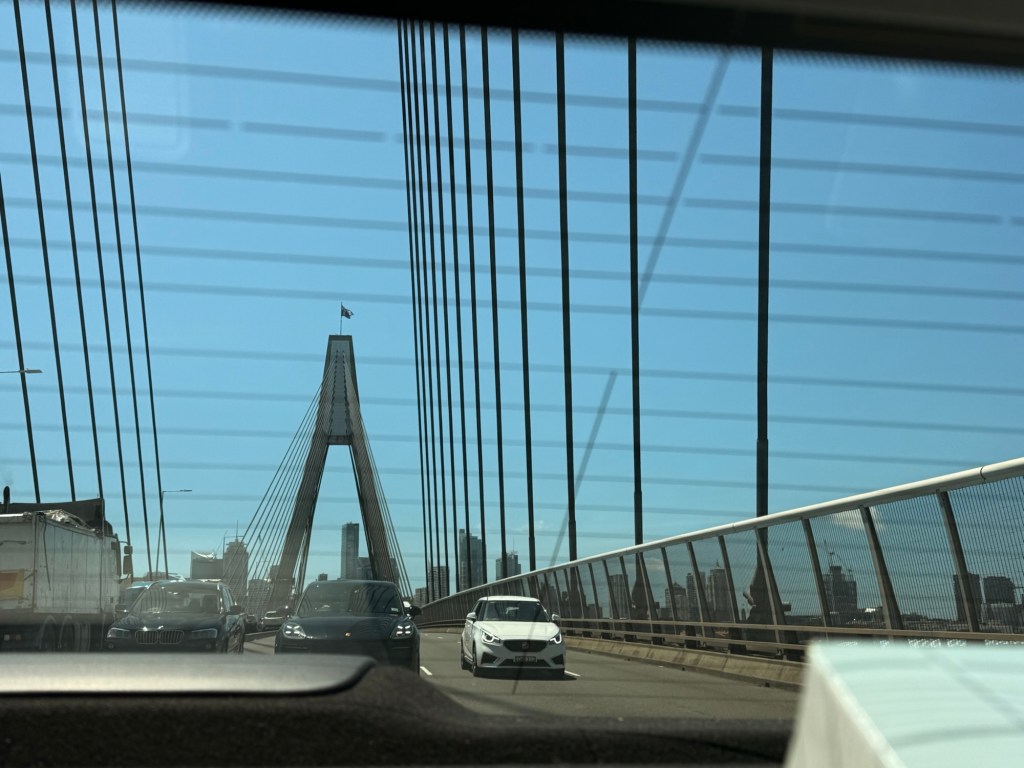
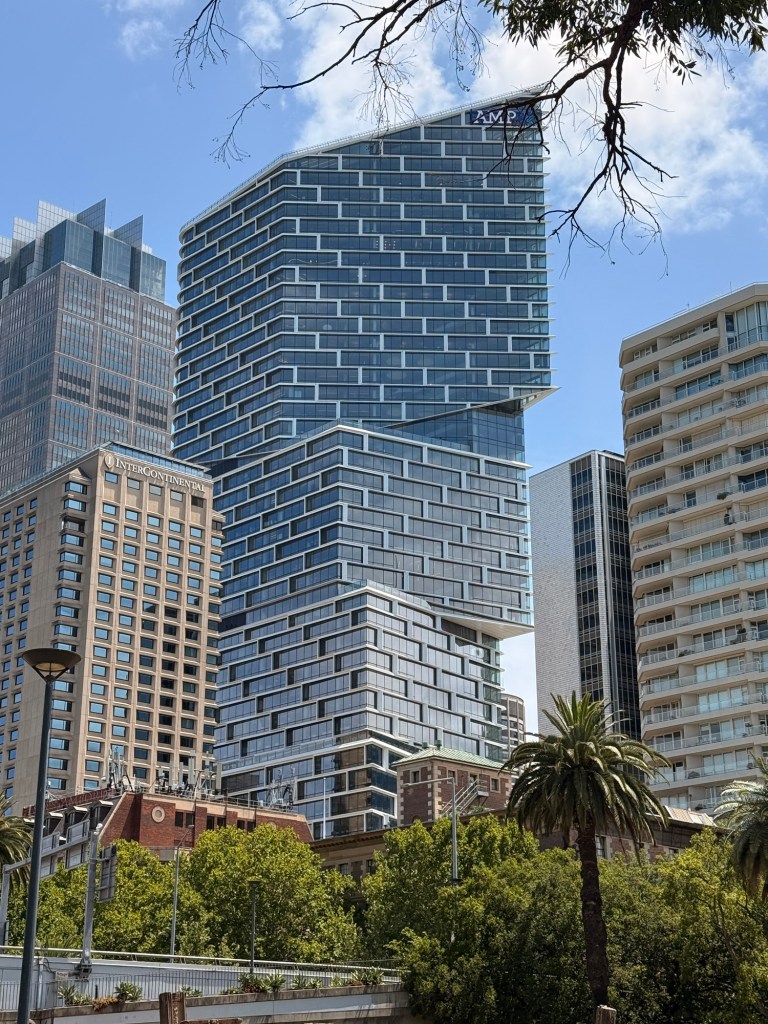
Yes it’s a surfing beachIt’s telling us what for!!!Beautiful old Buildings, lots of wild pedestrian streetsManley pier… pretty nice There is that crazy building againANZAC Bridge on way to airport
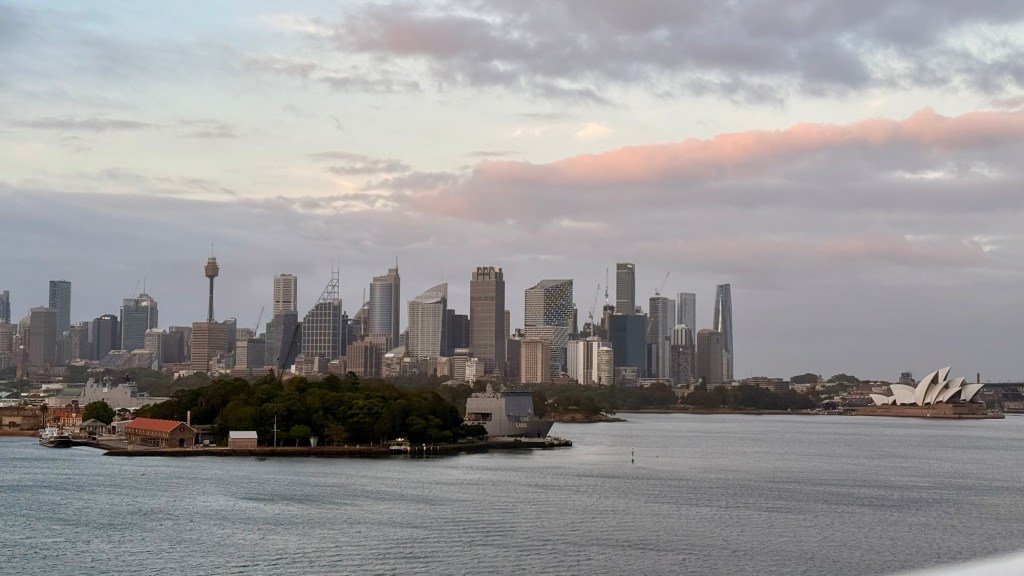
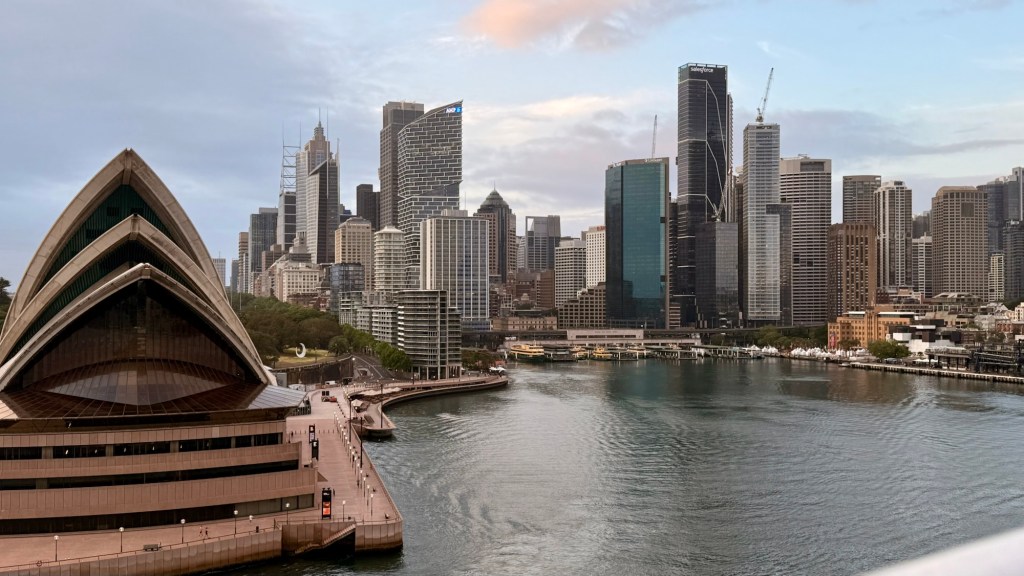
This post will basically be just pictures of the city.
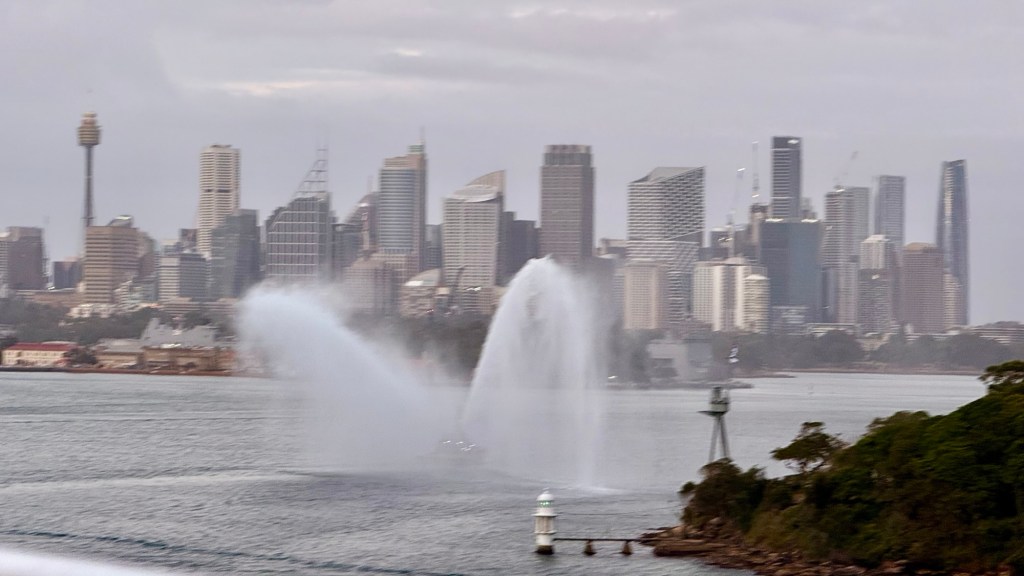
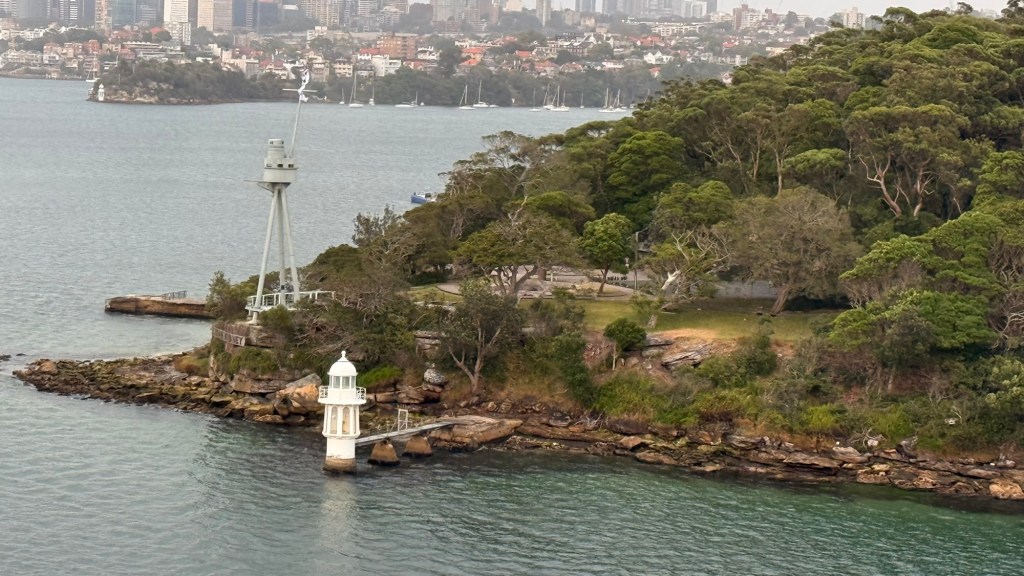
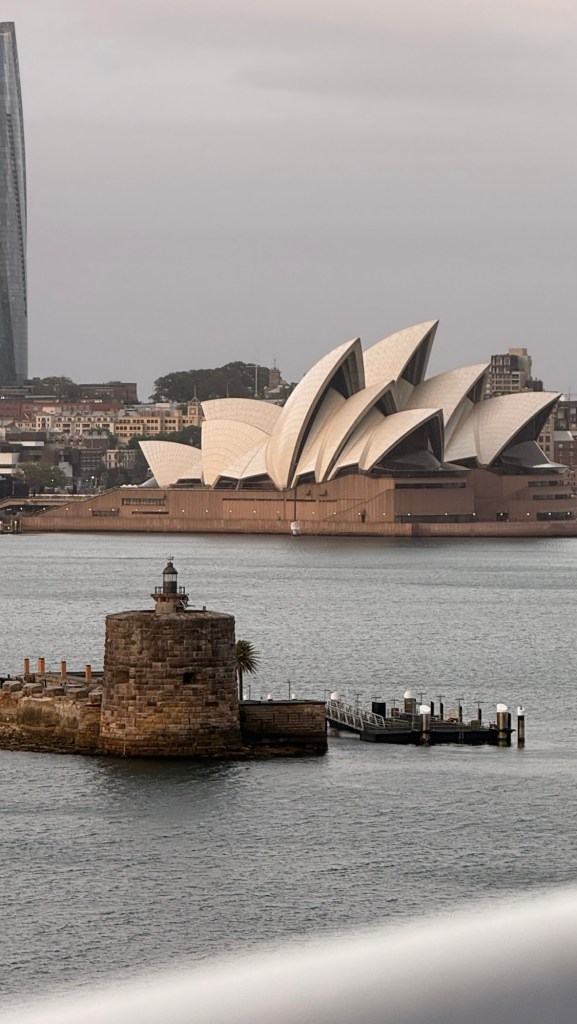
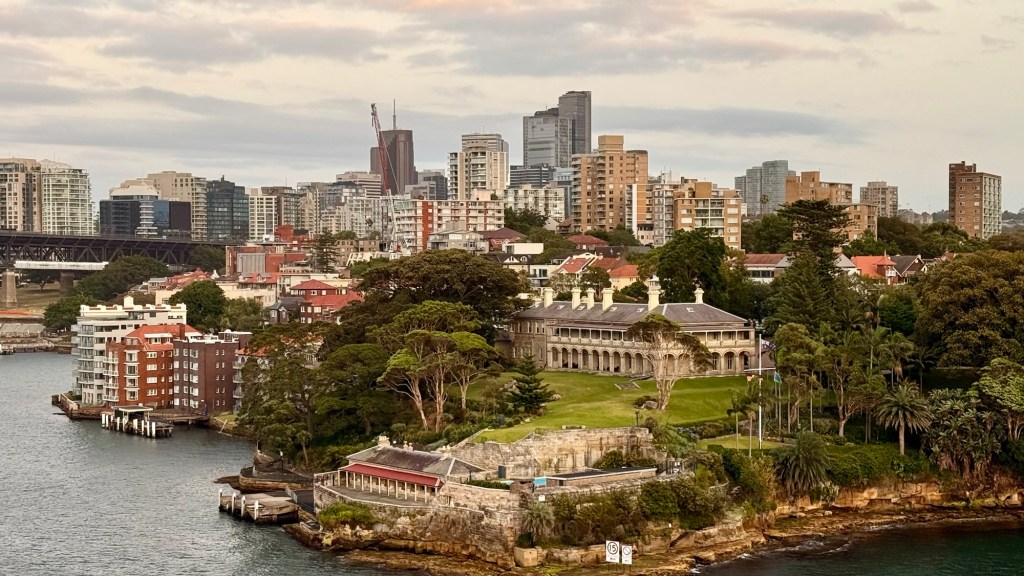
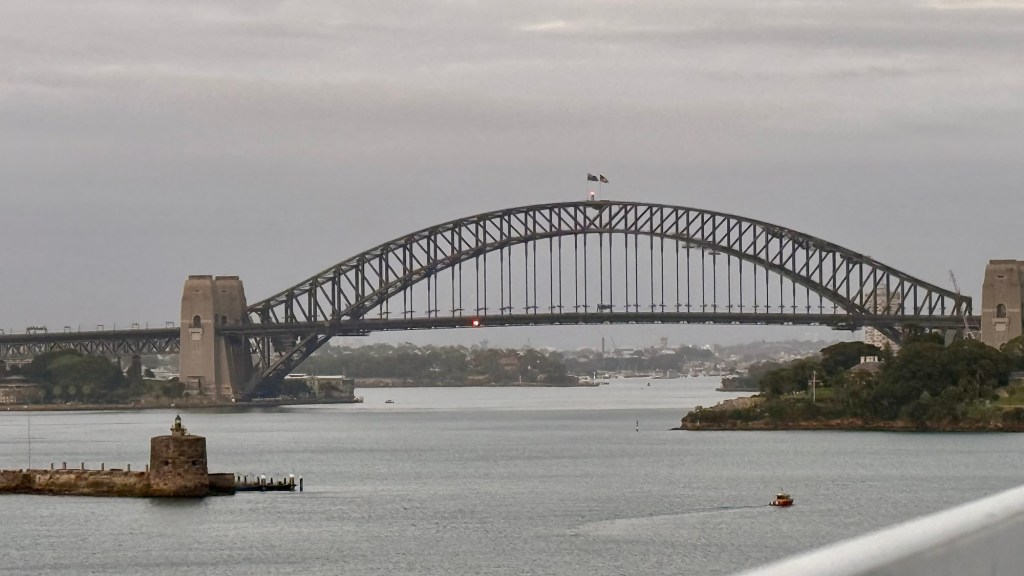
The first group are of our entry into the harbour. It meant if we wanted to see the grand entrance and welcome by a water-spraying fireboat, we had to be up at 5 am.
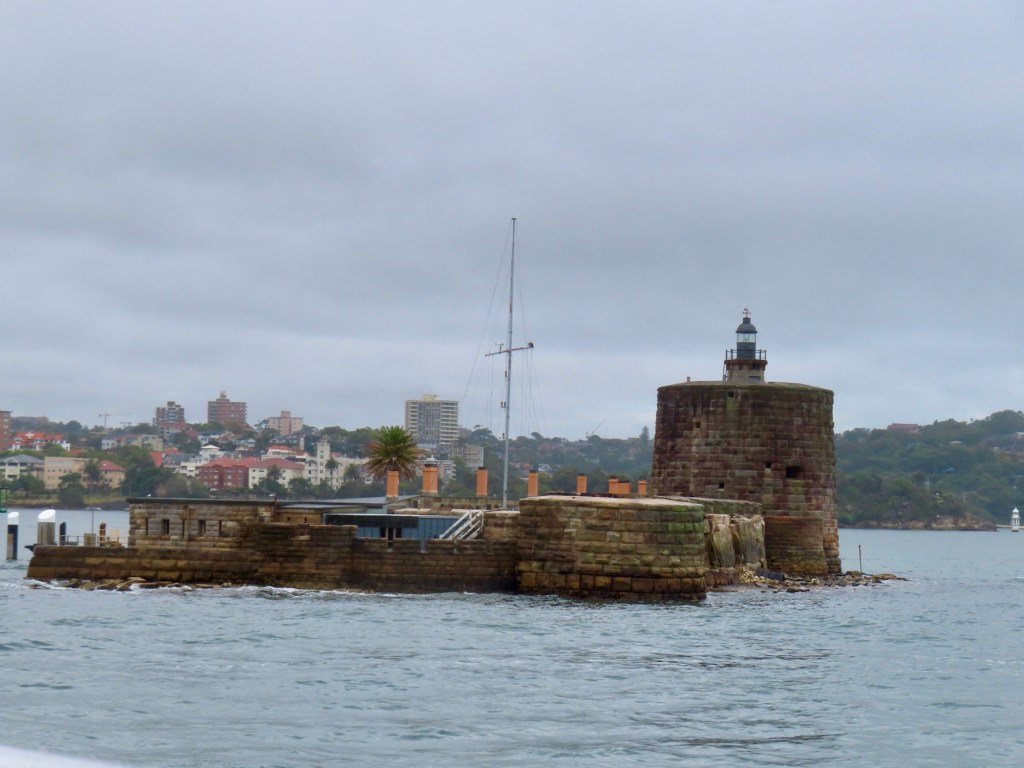
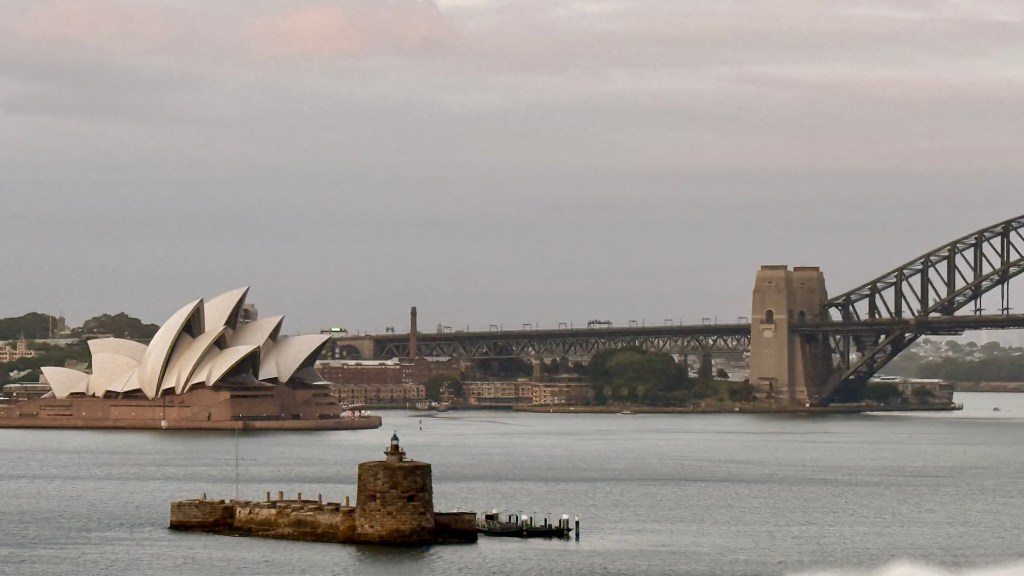
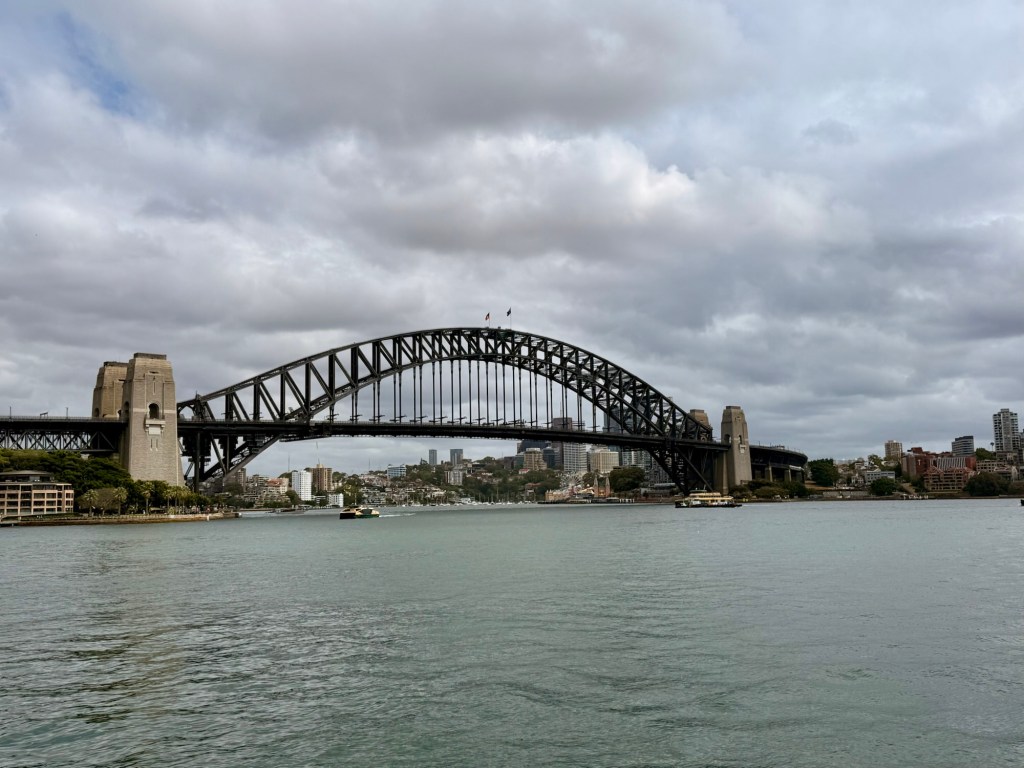
Fort Denison Ft Denison & Opera house hiThe secondary official residence of the PMSydney BridgeAt top that bridge
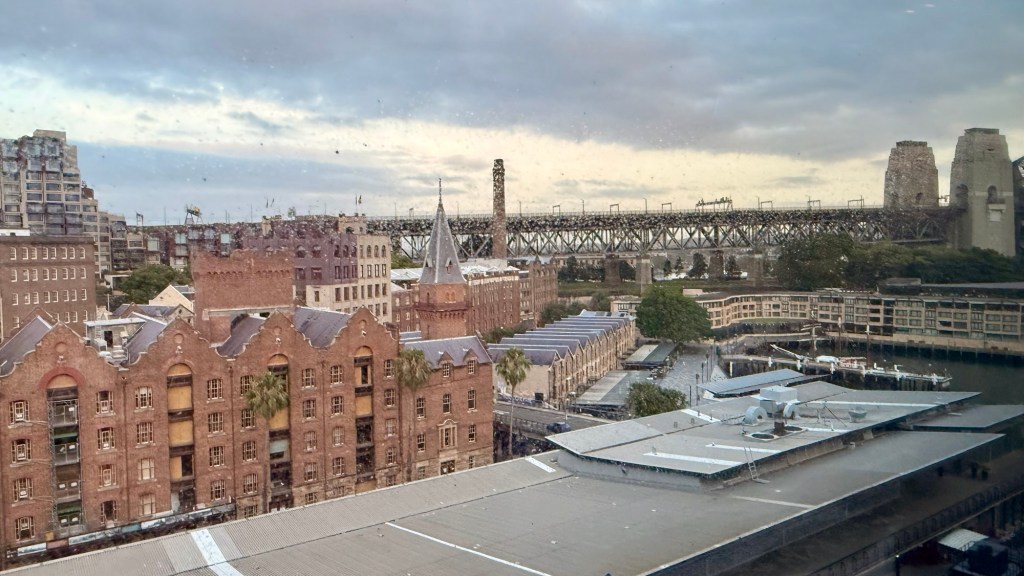
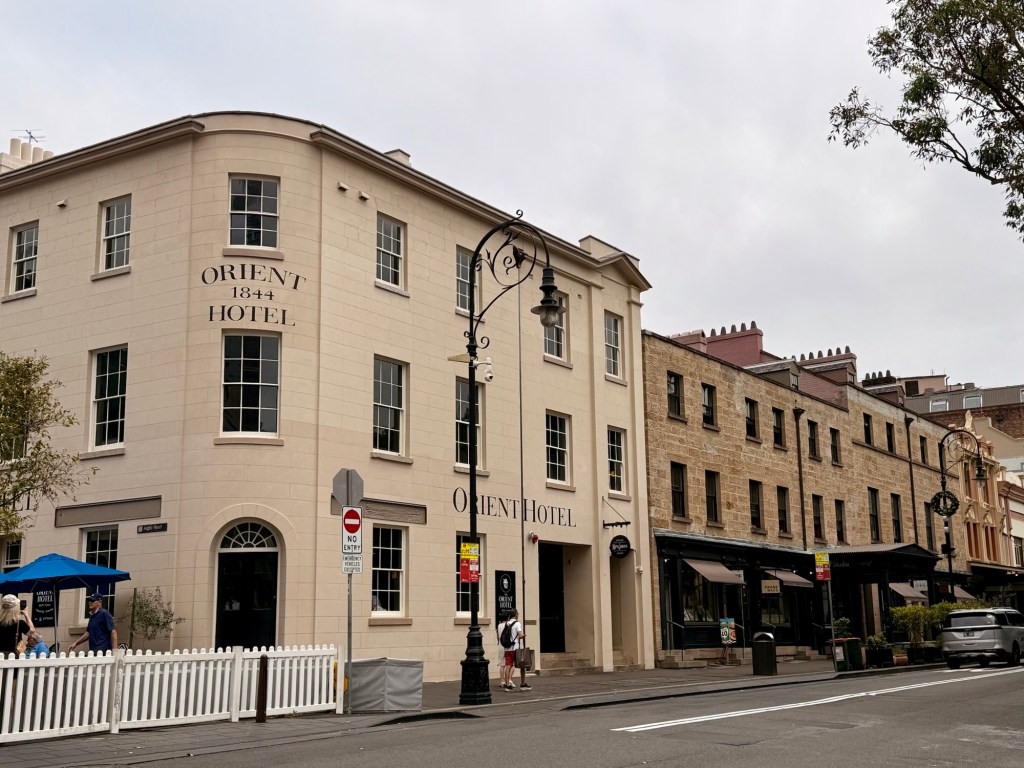
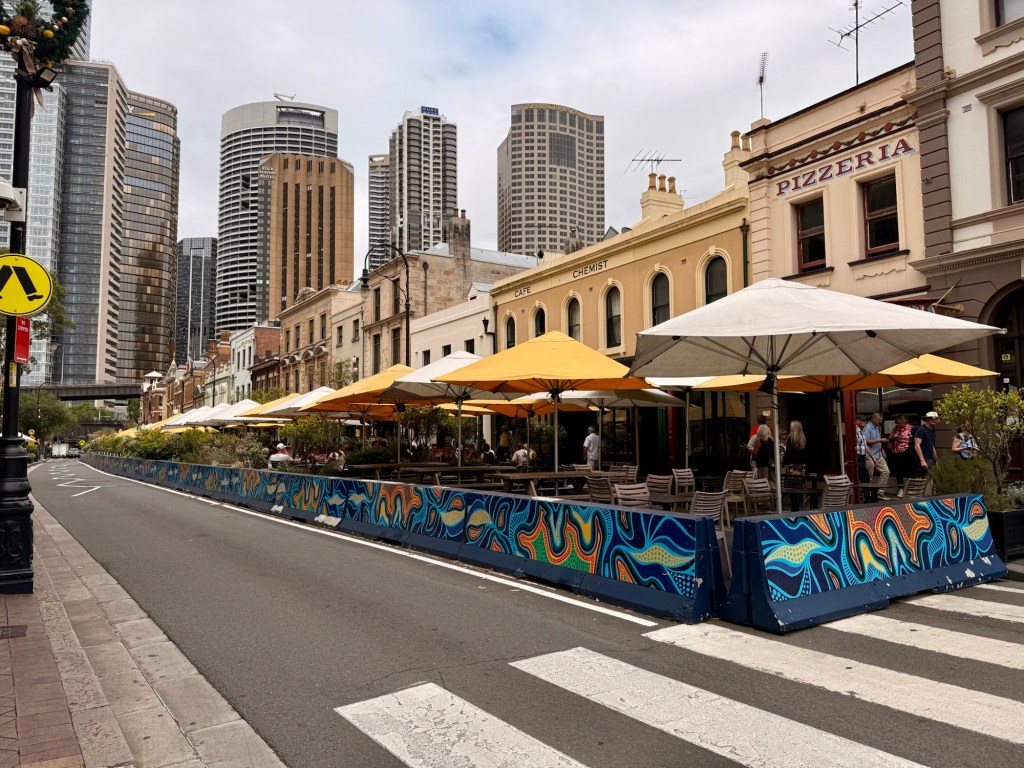
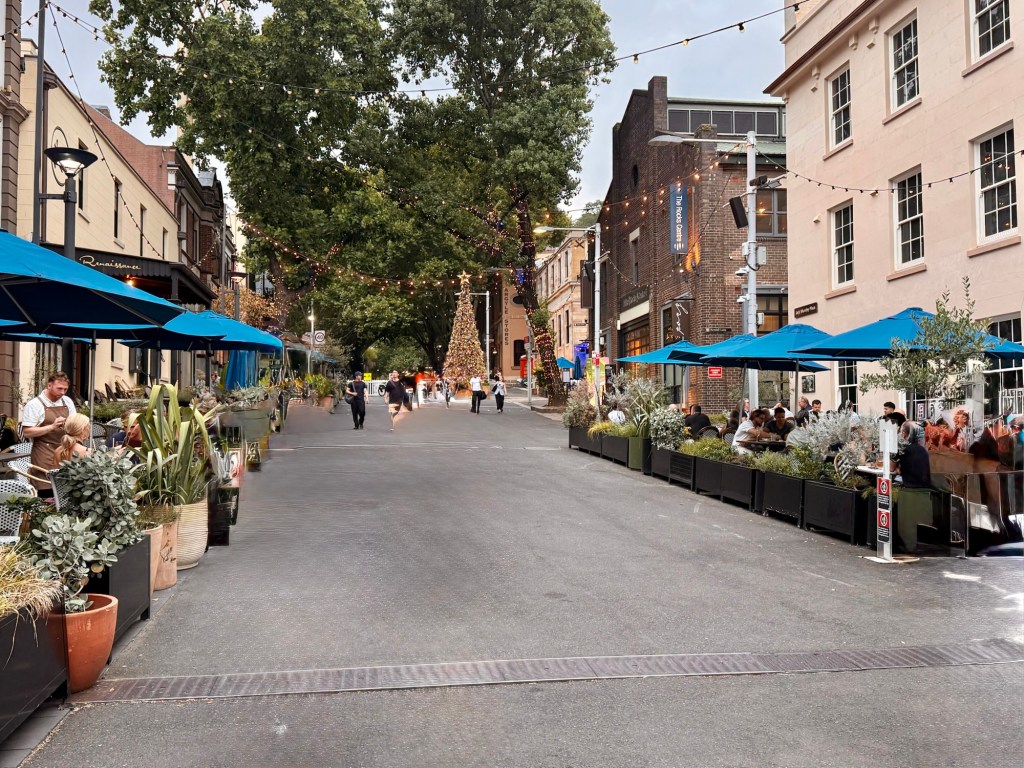
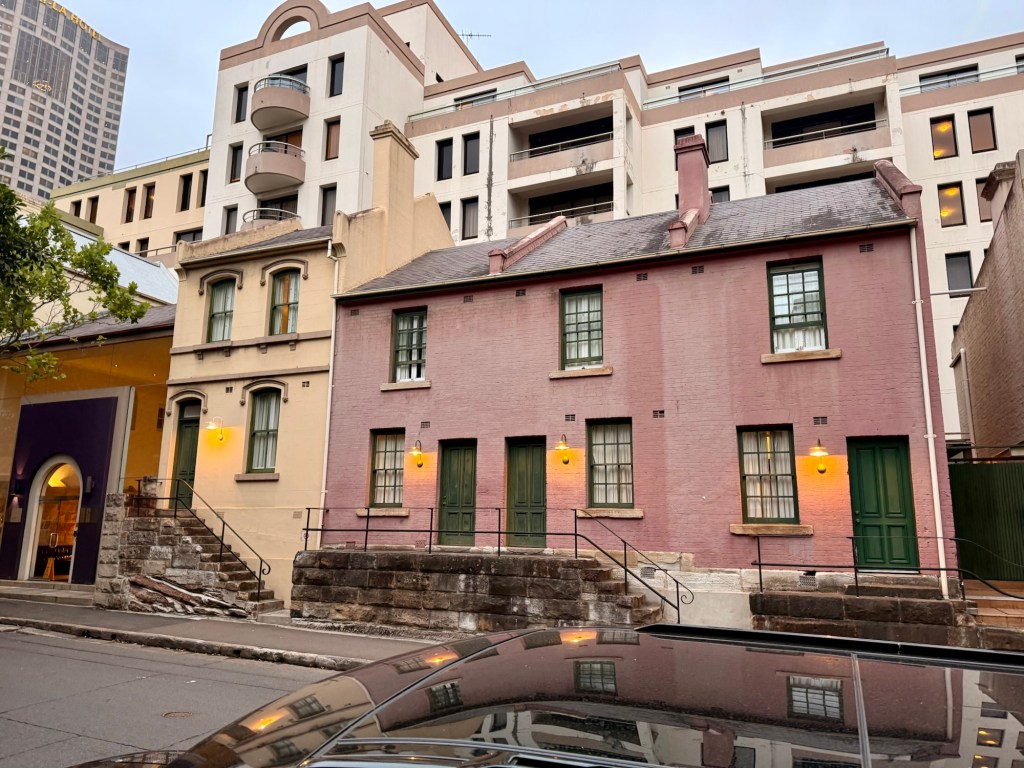
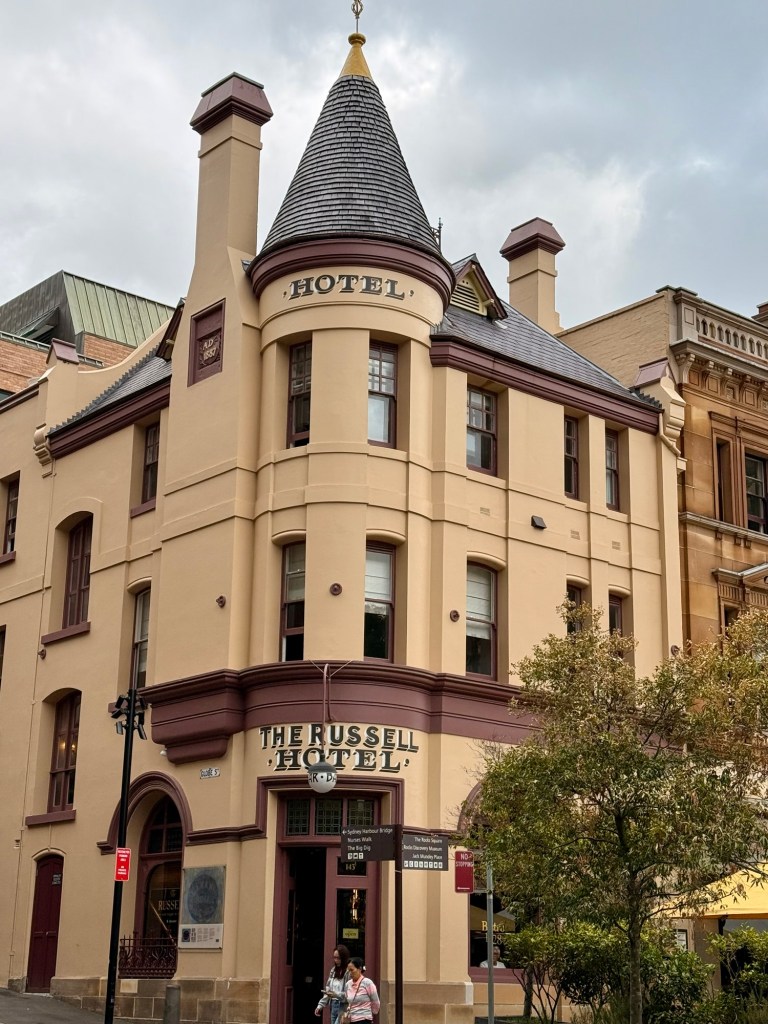
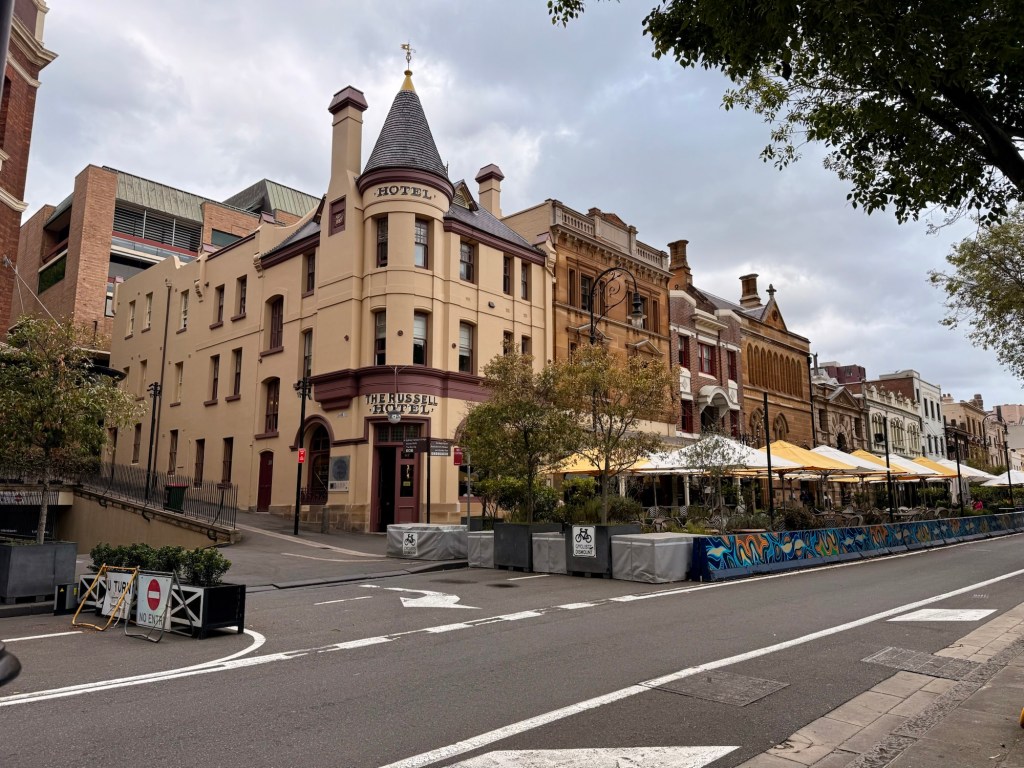
Next, a walk later on the 10th, around the neighbourhood called The Rocks…. Predominately George Street. It was first inhabited by sailors and convicts in the early 1800’s.
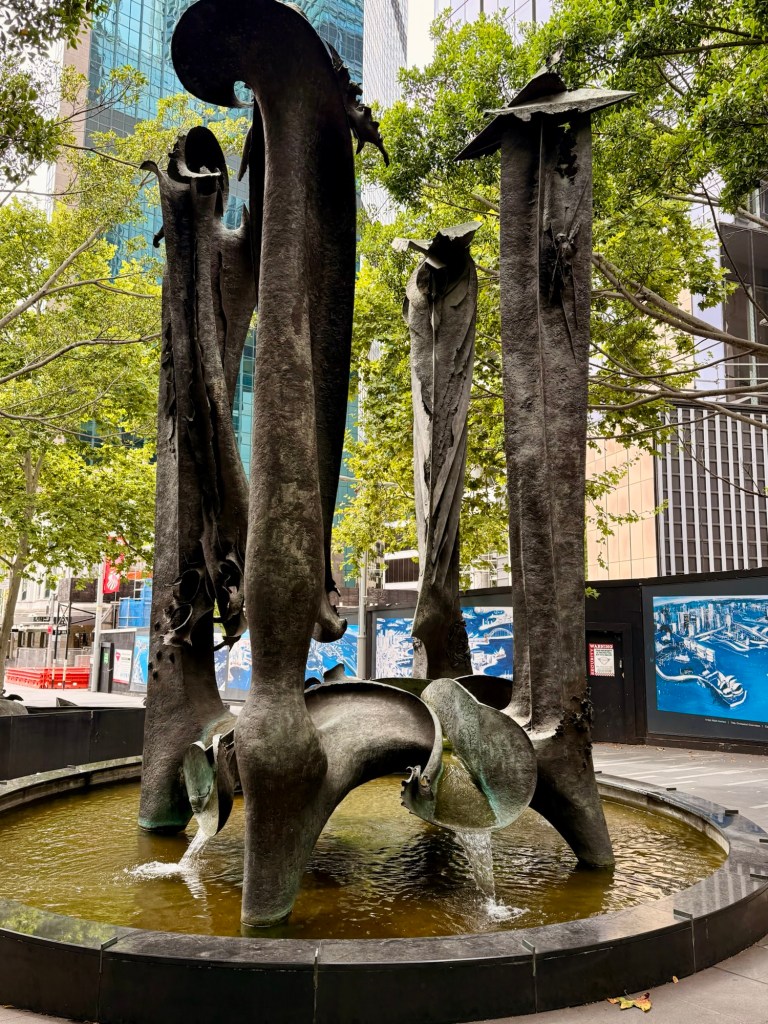
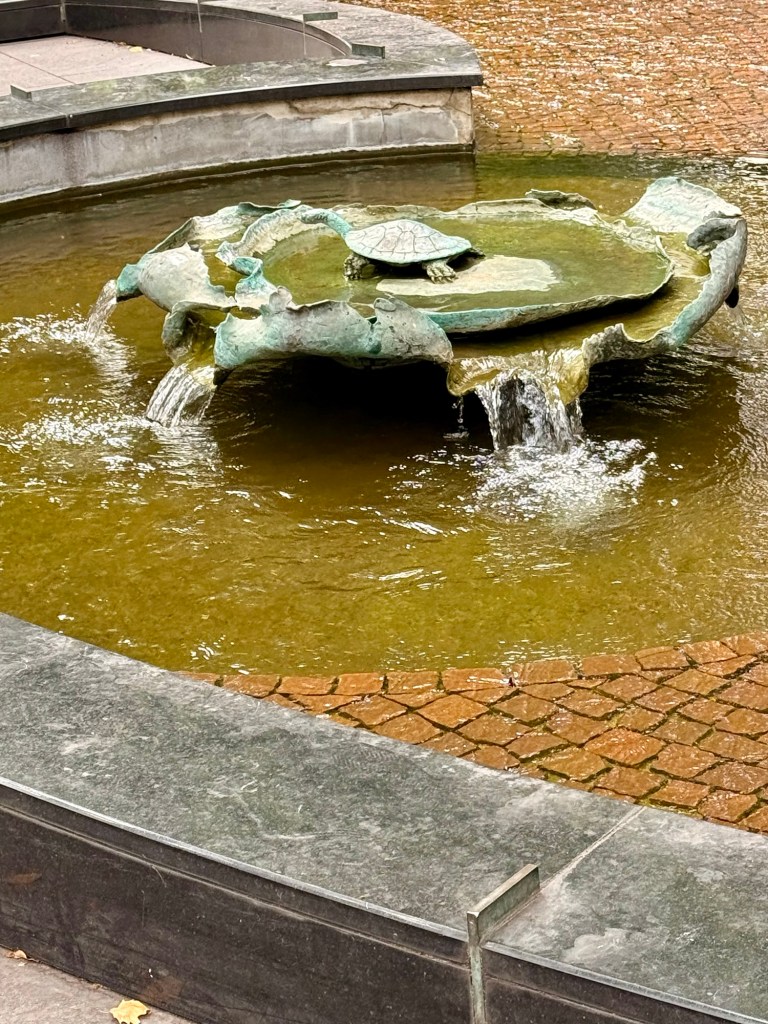
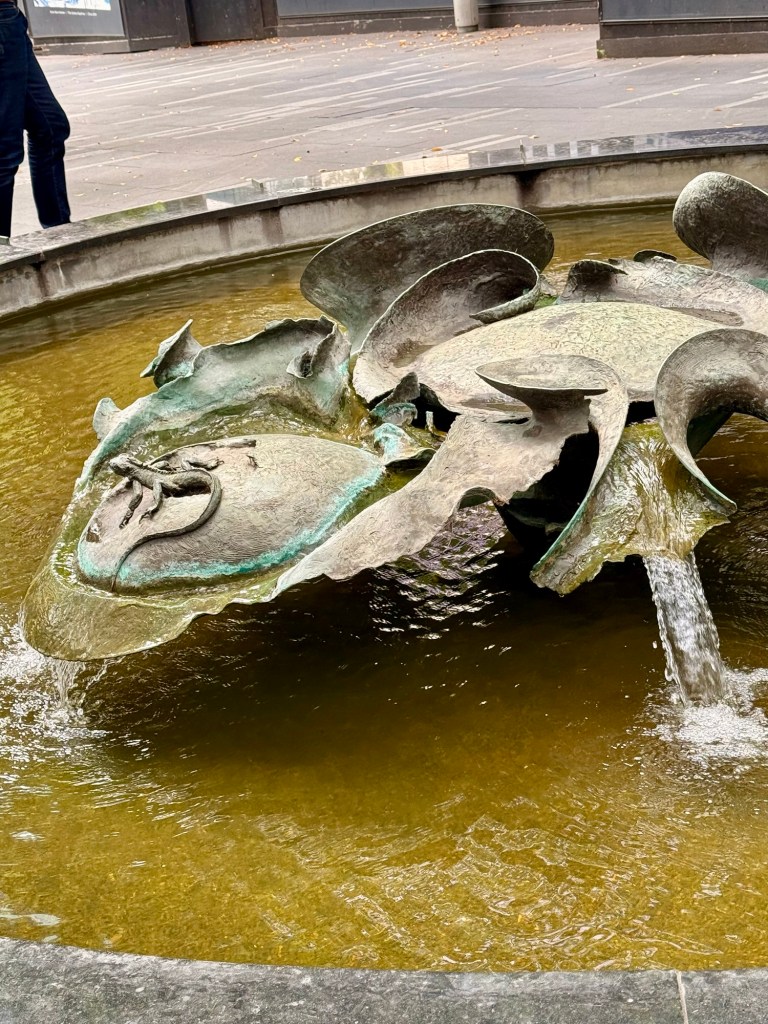
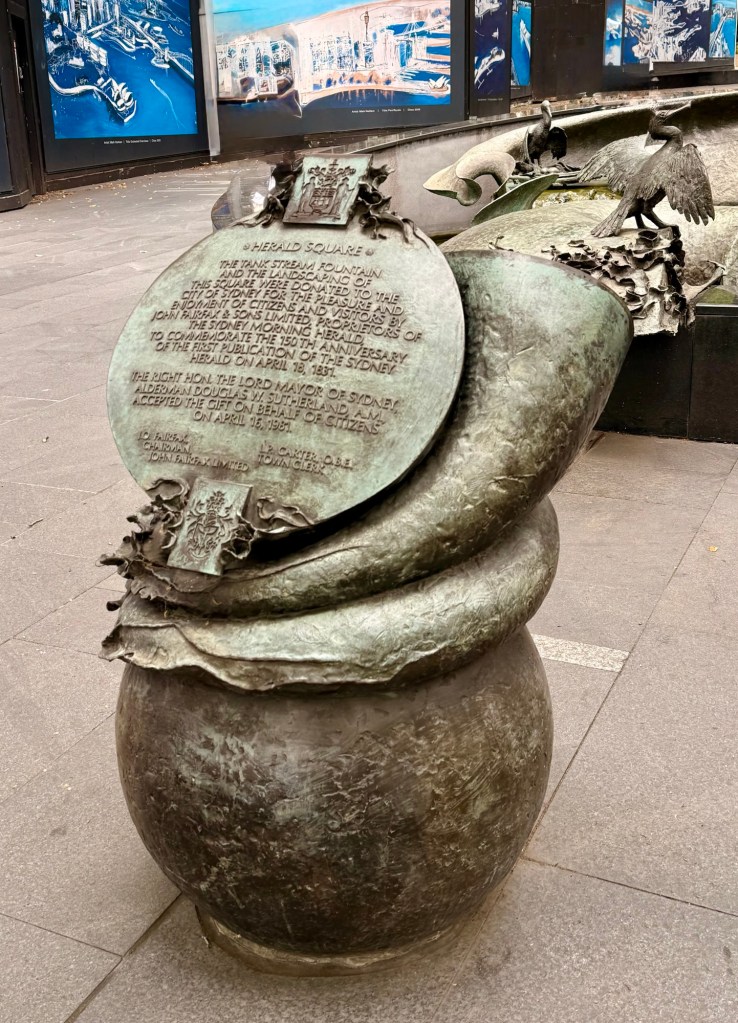
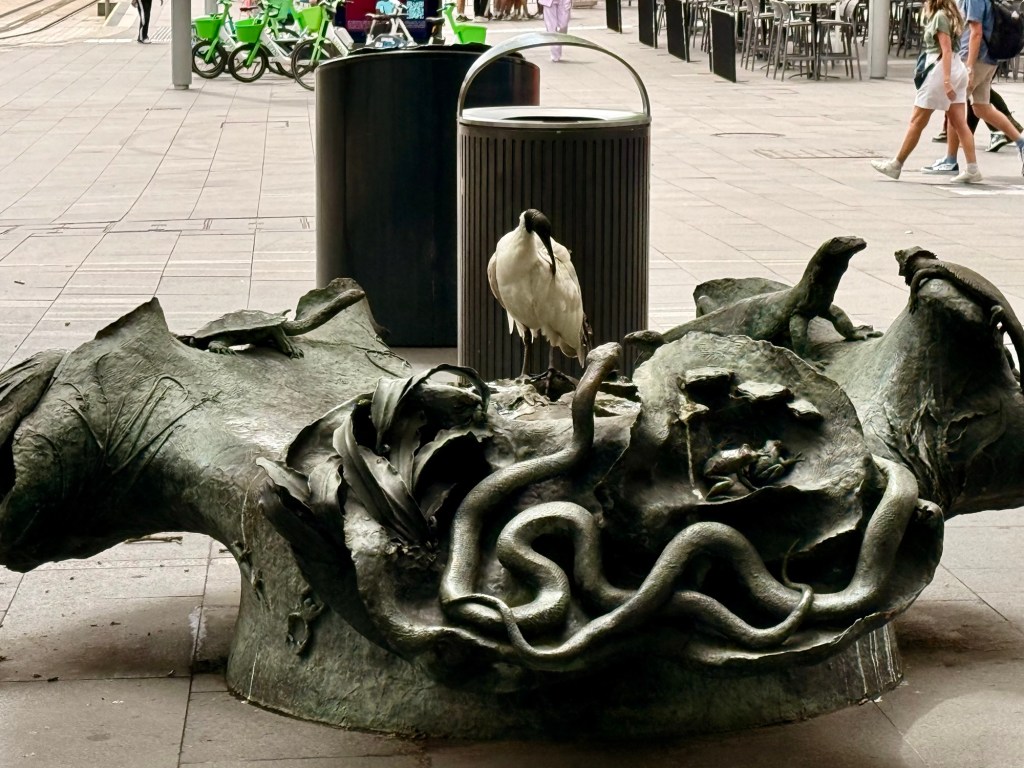
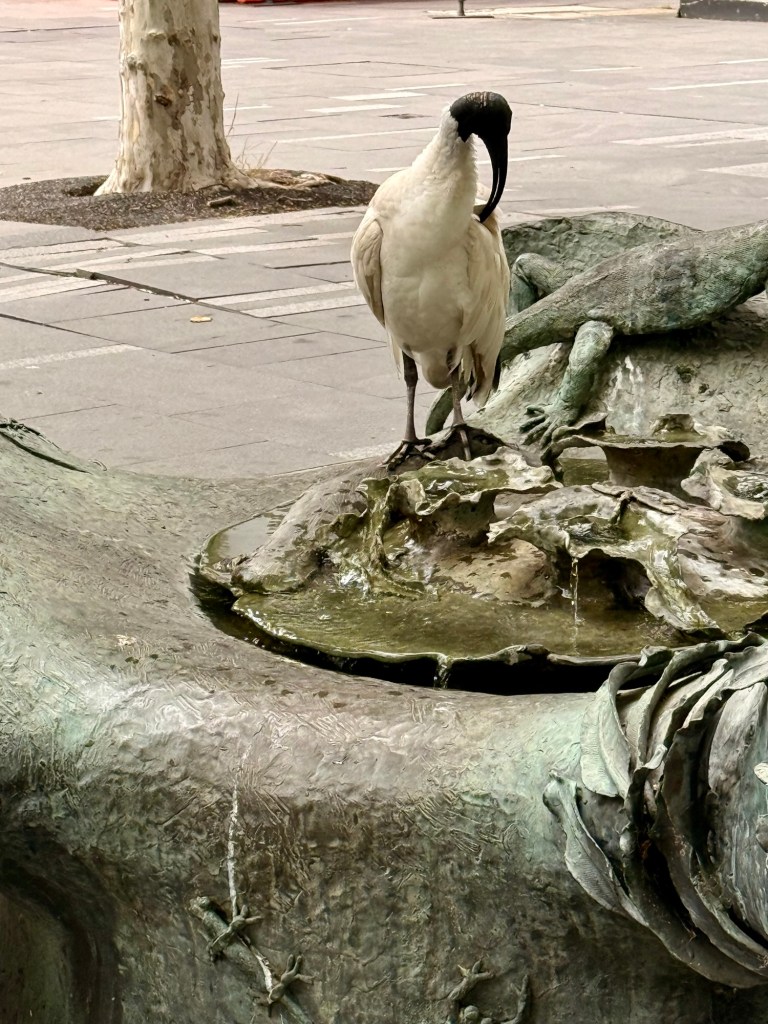
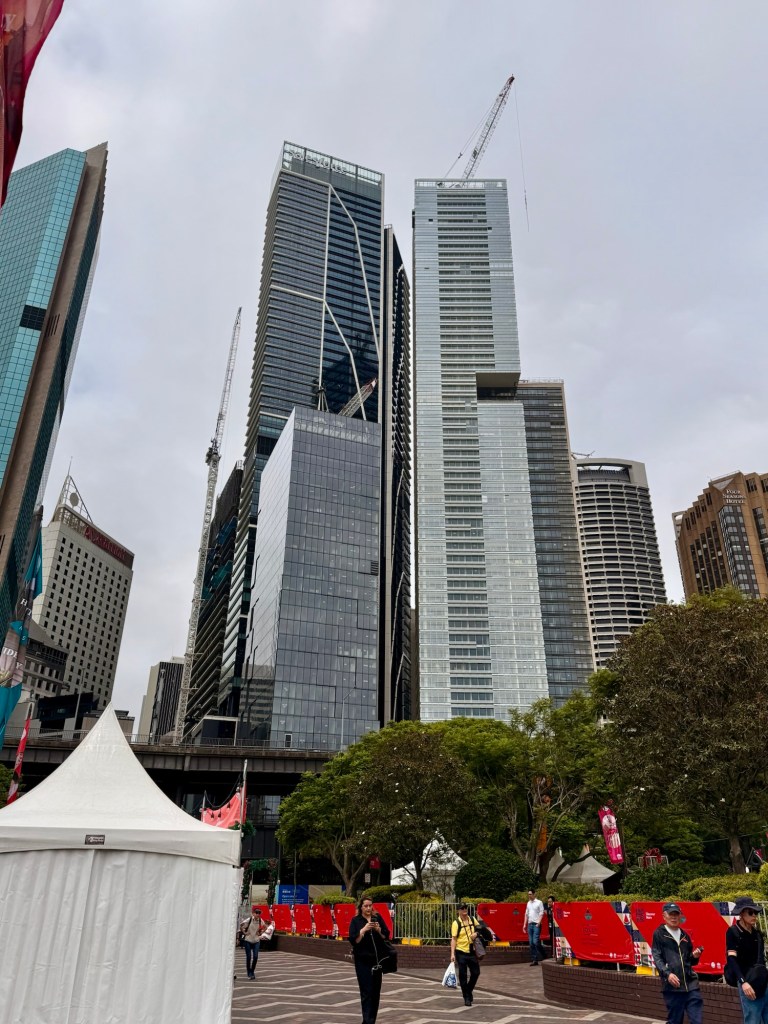
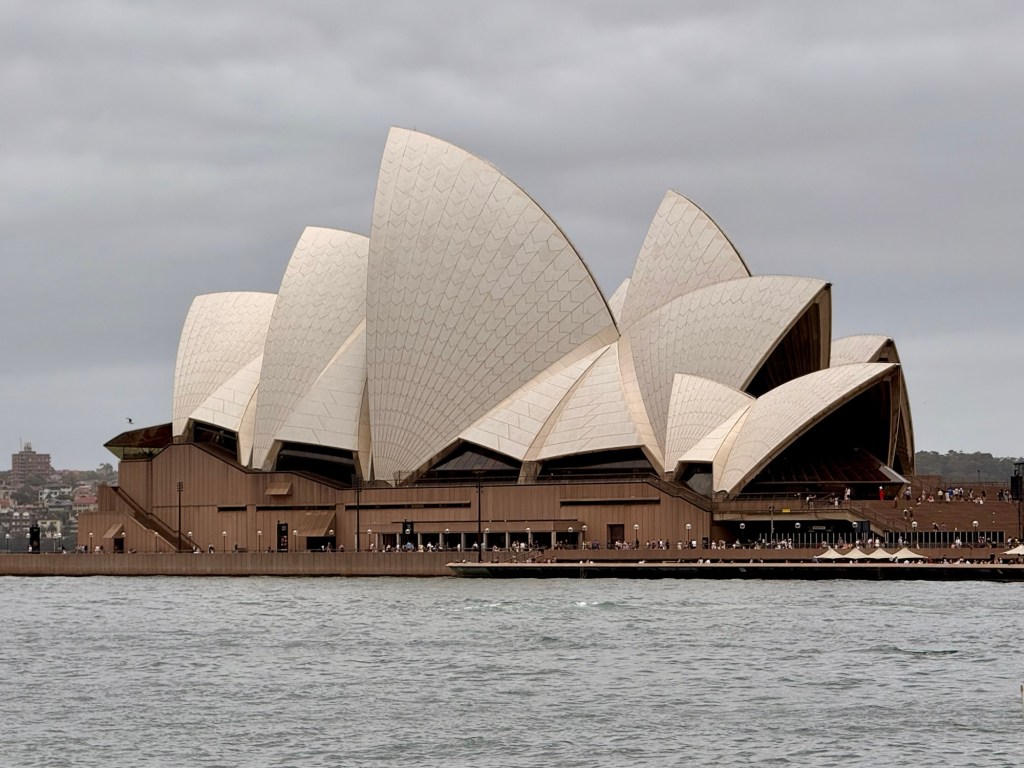
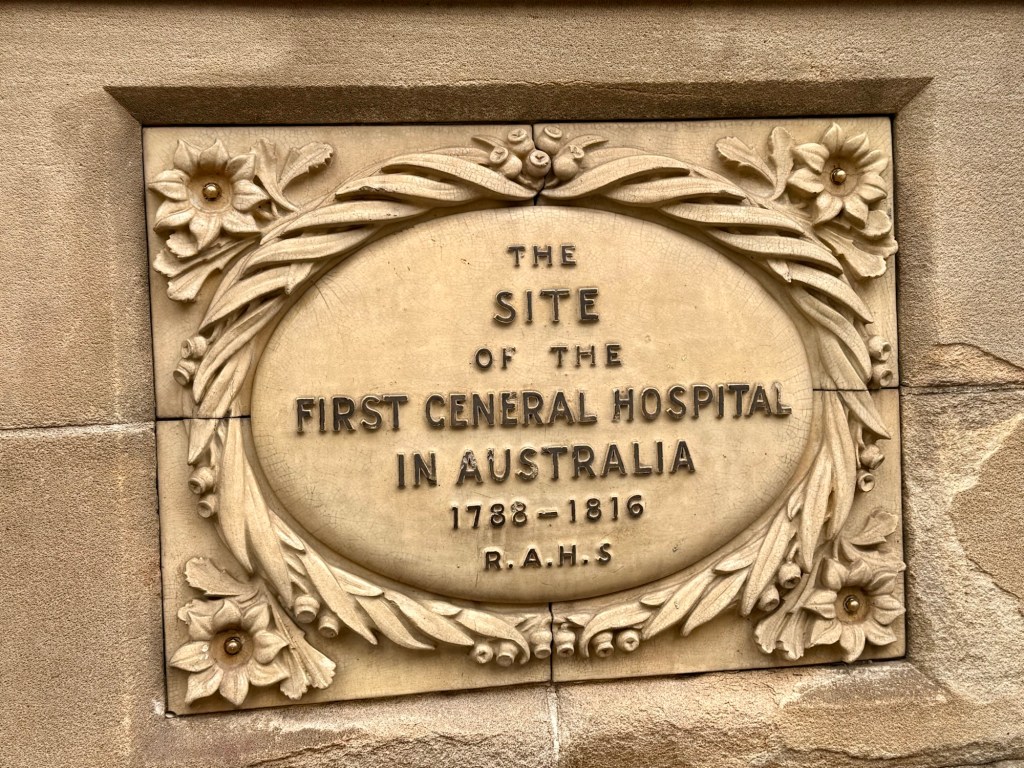
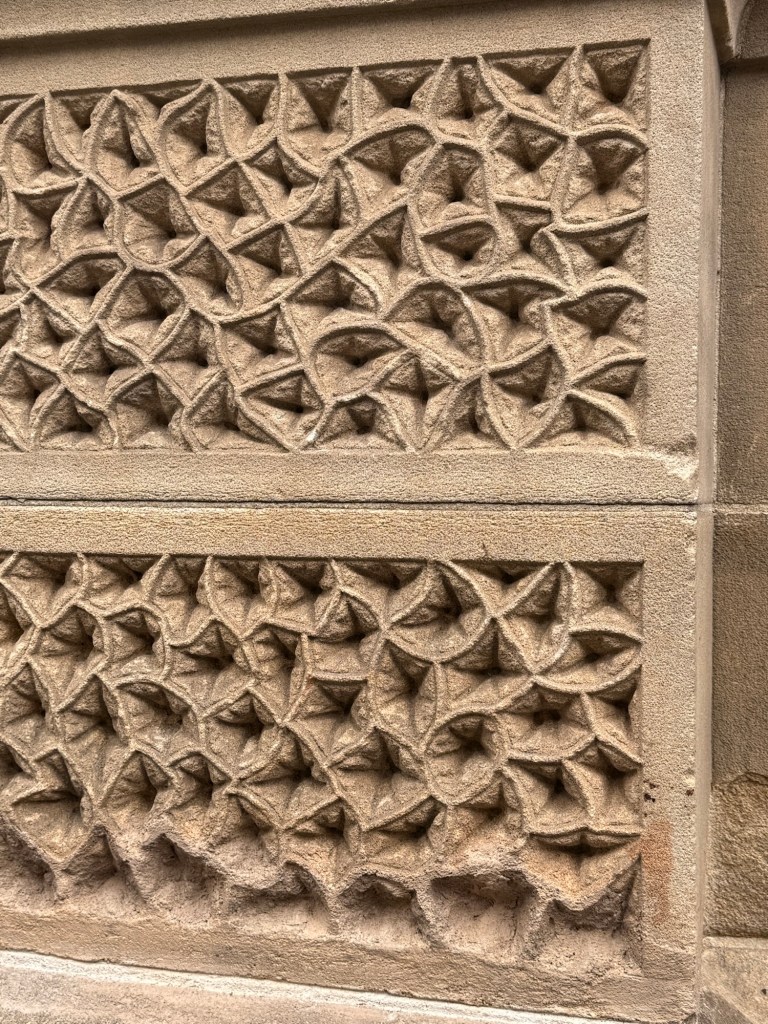
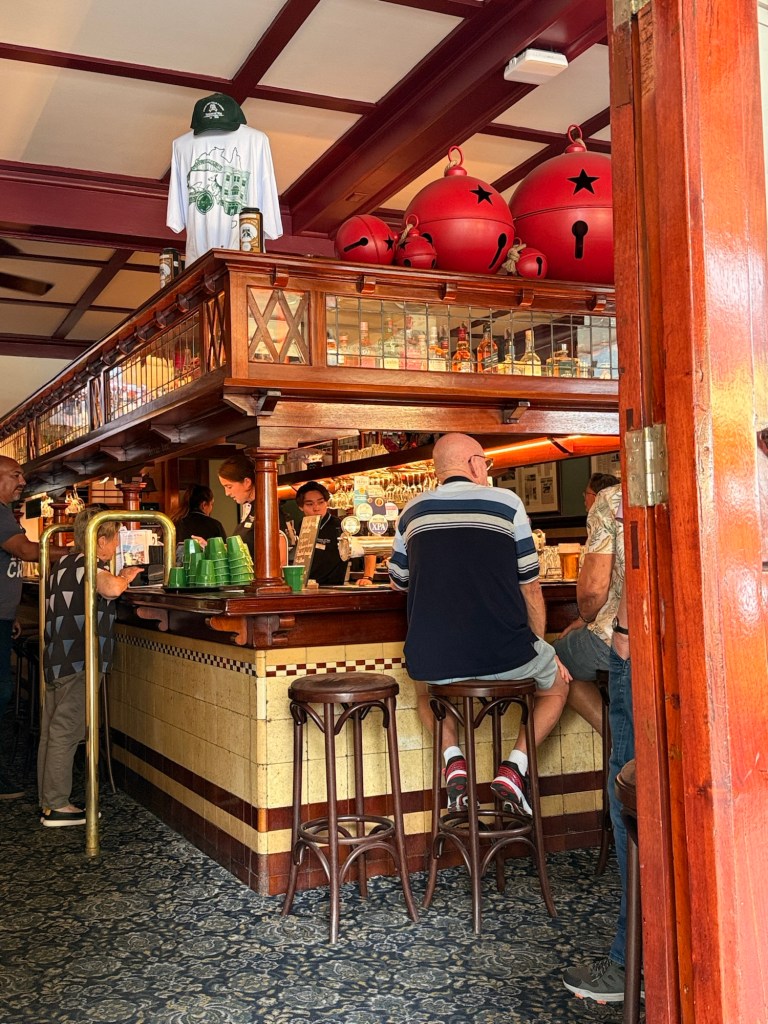
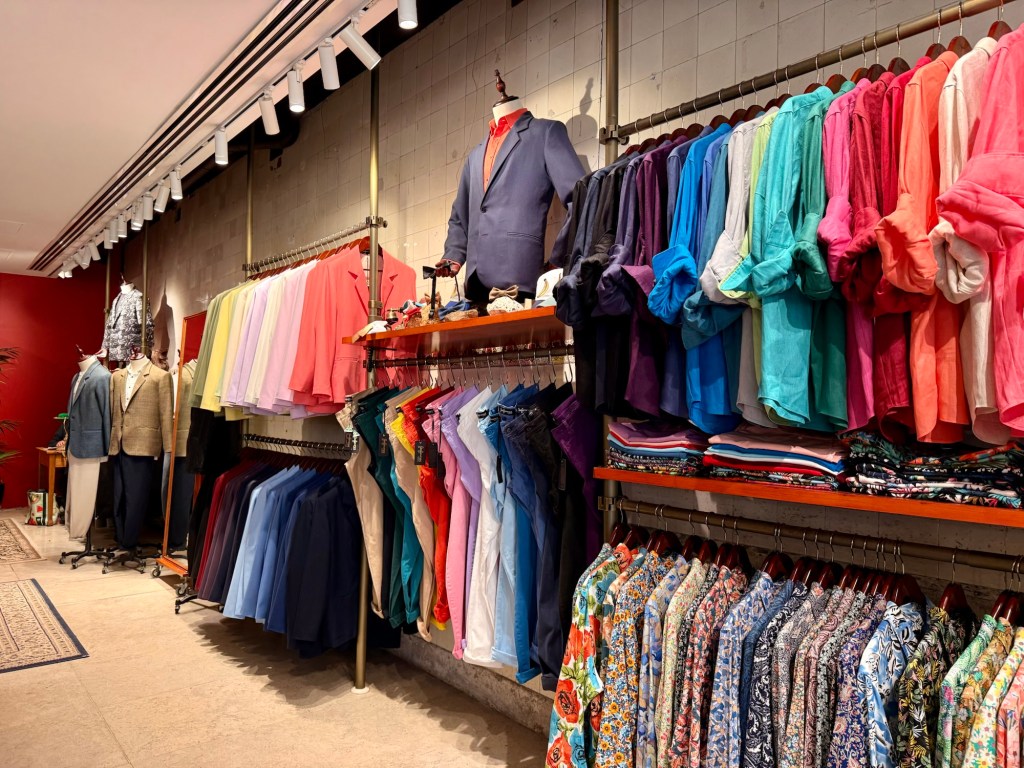
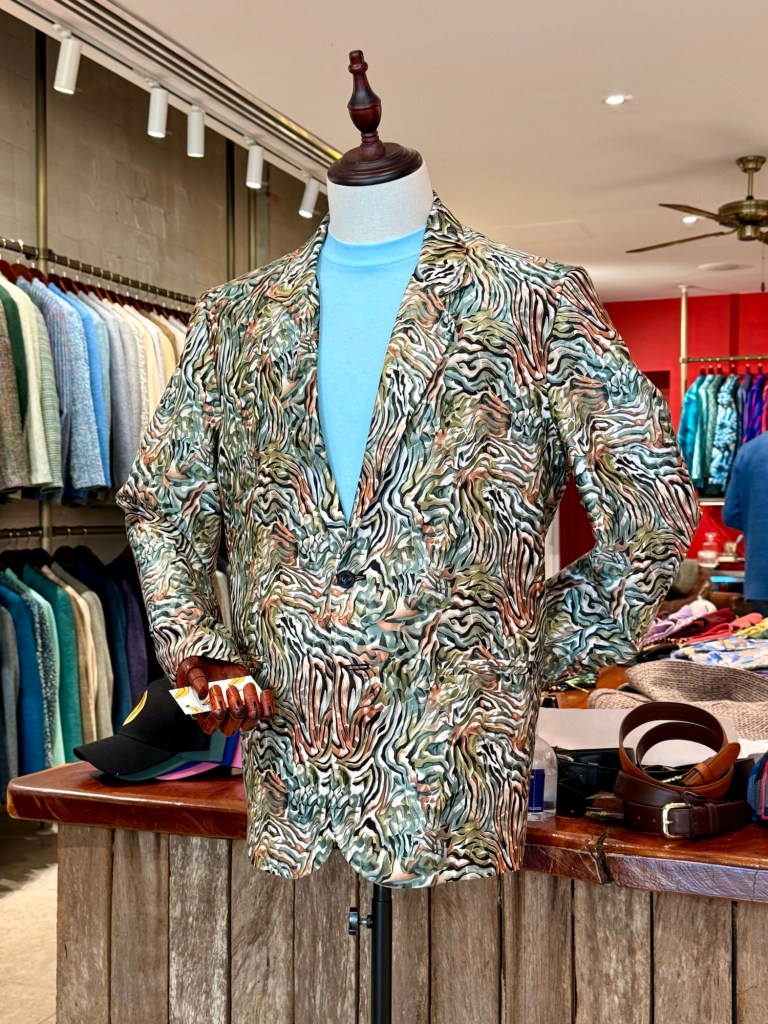
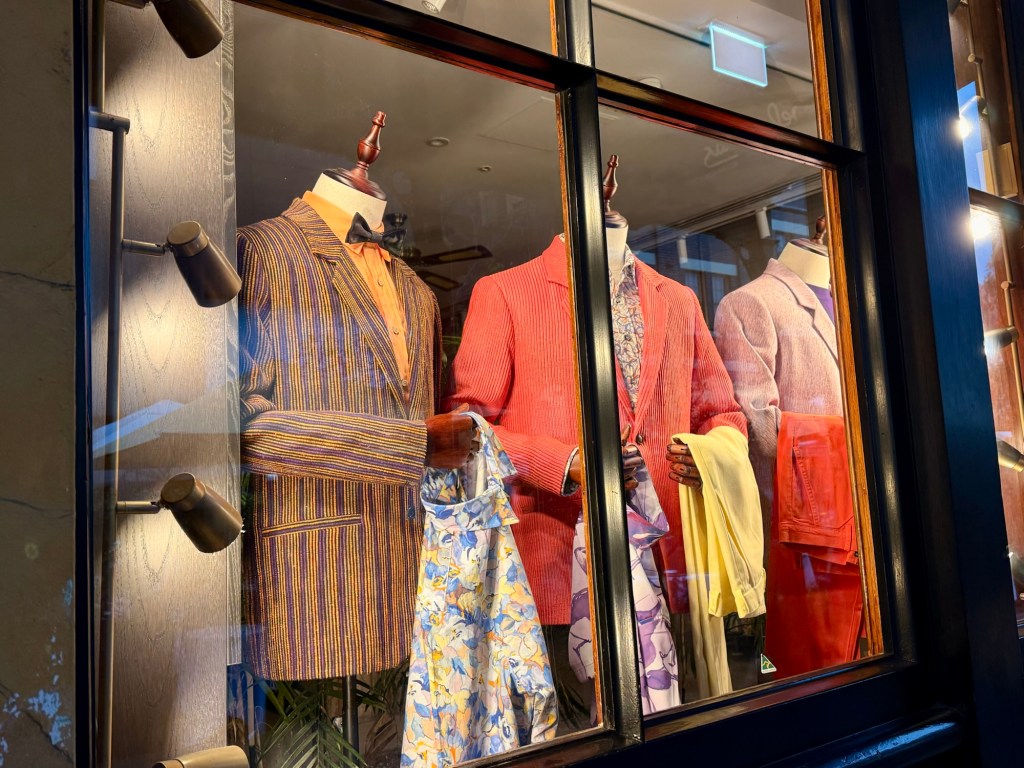
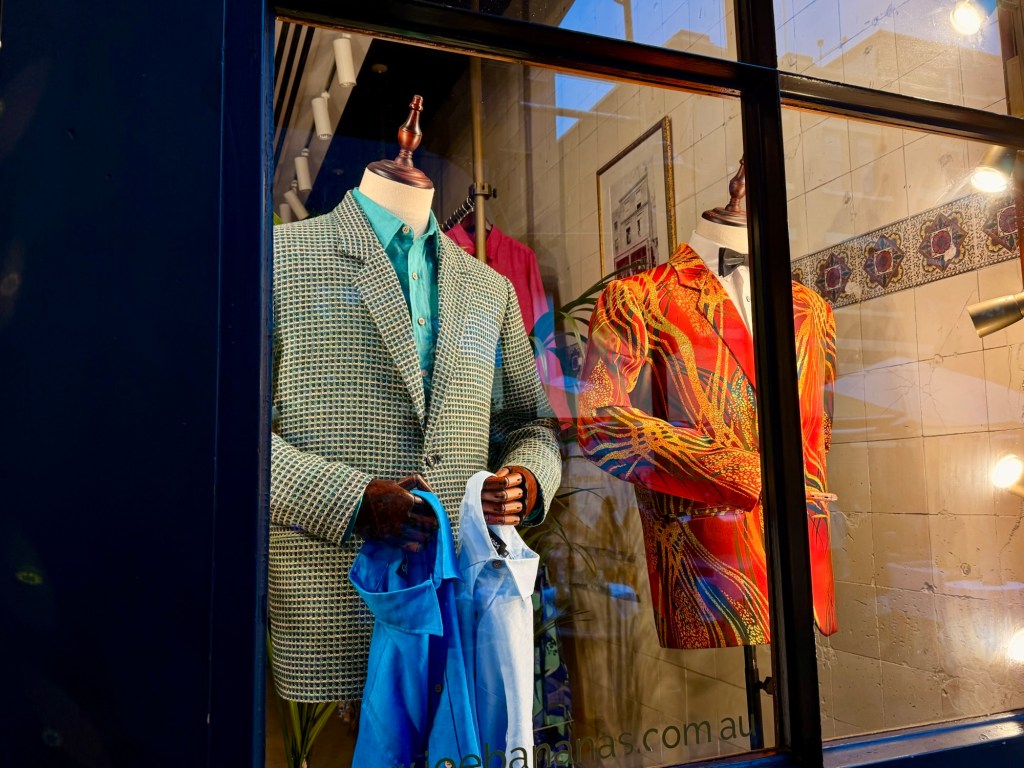
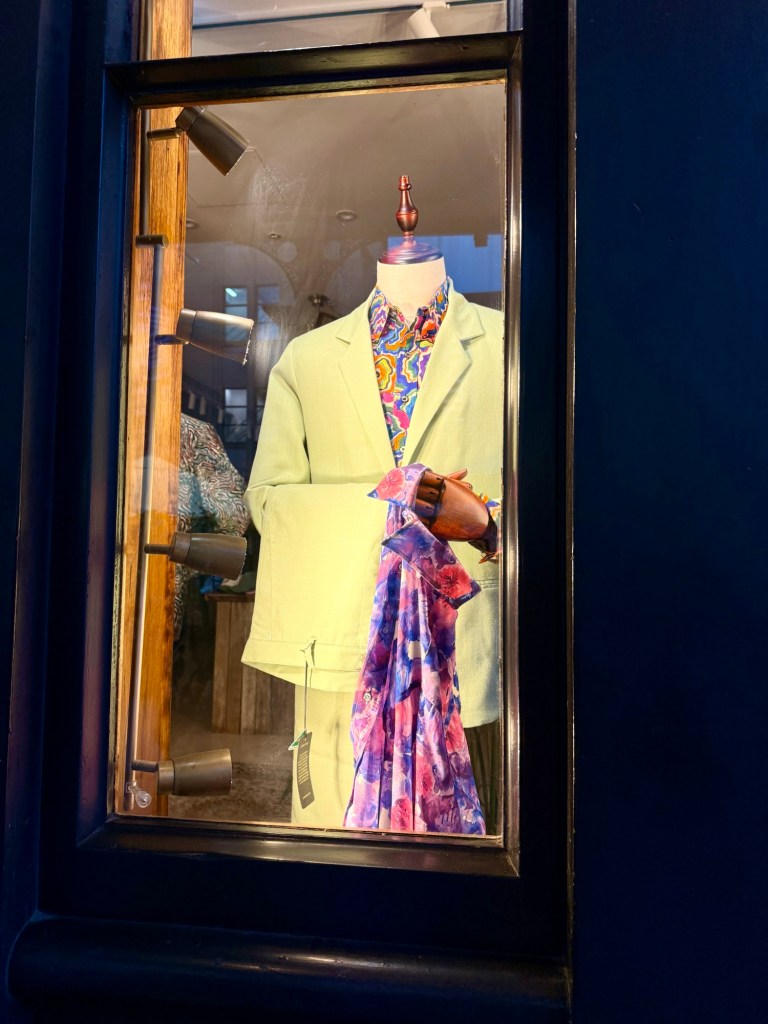
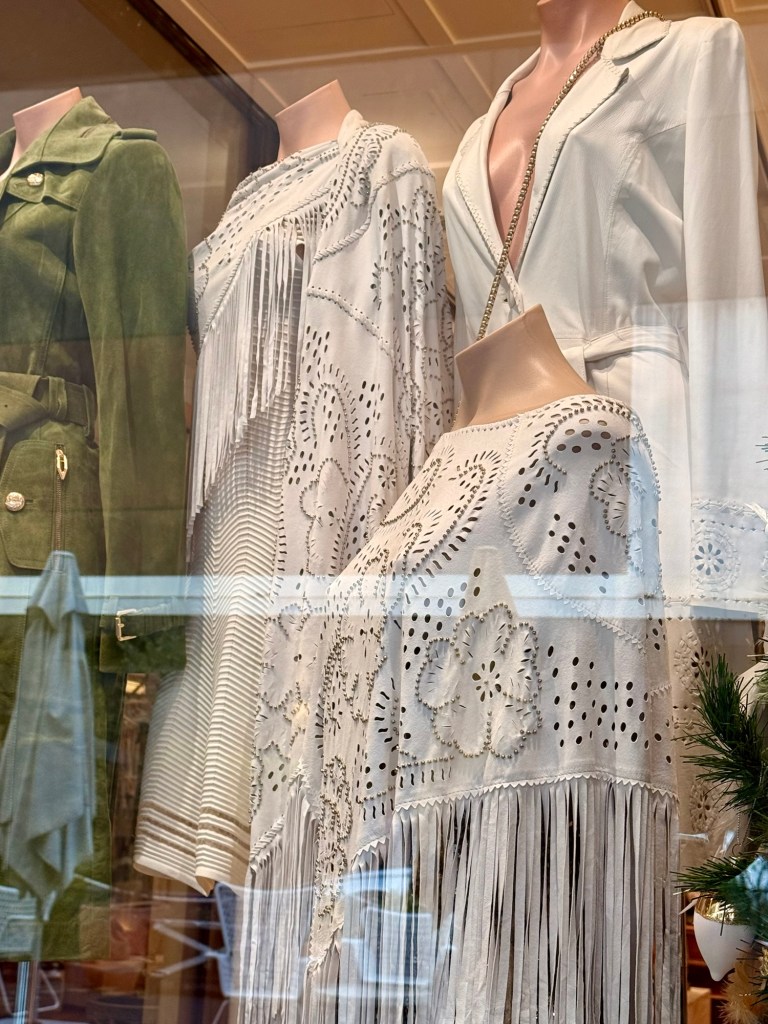
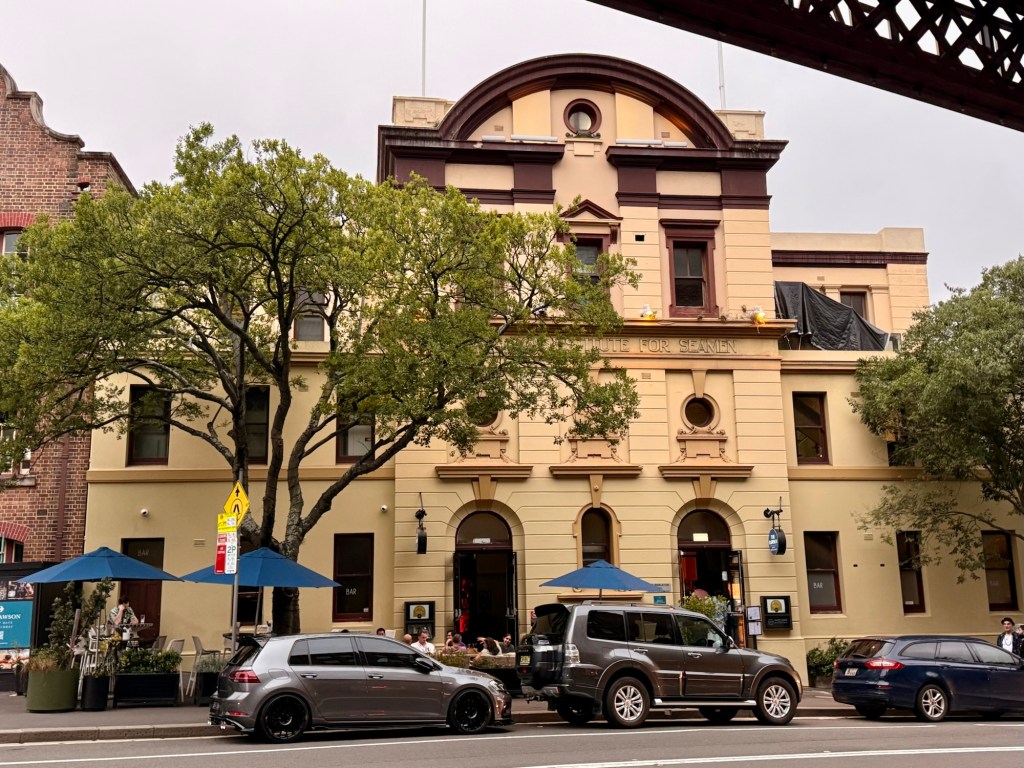
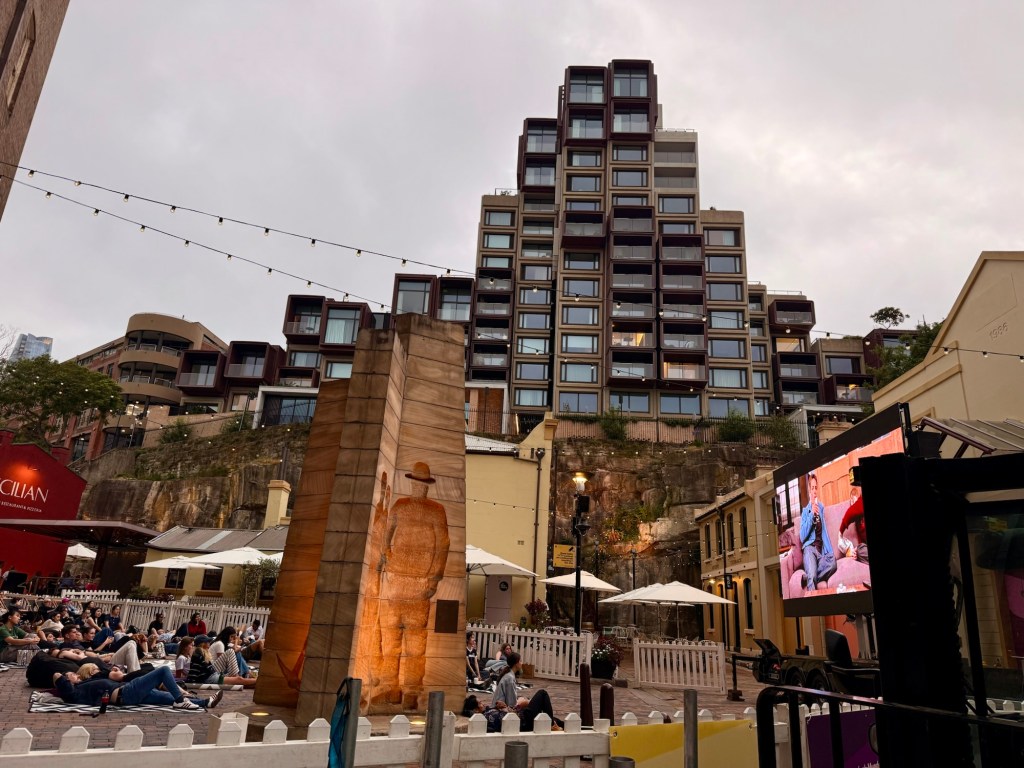
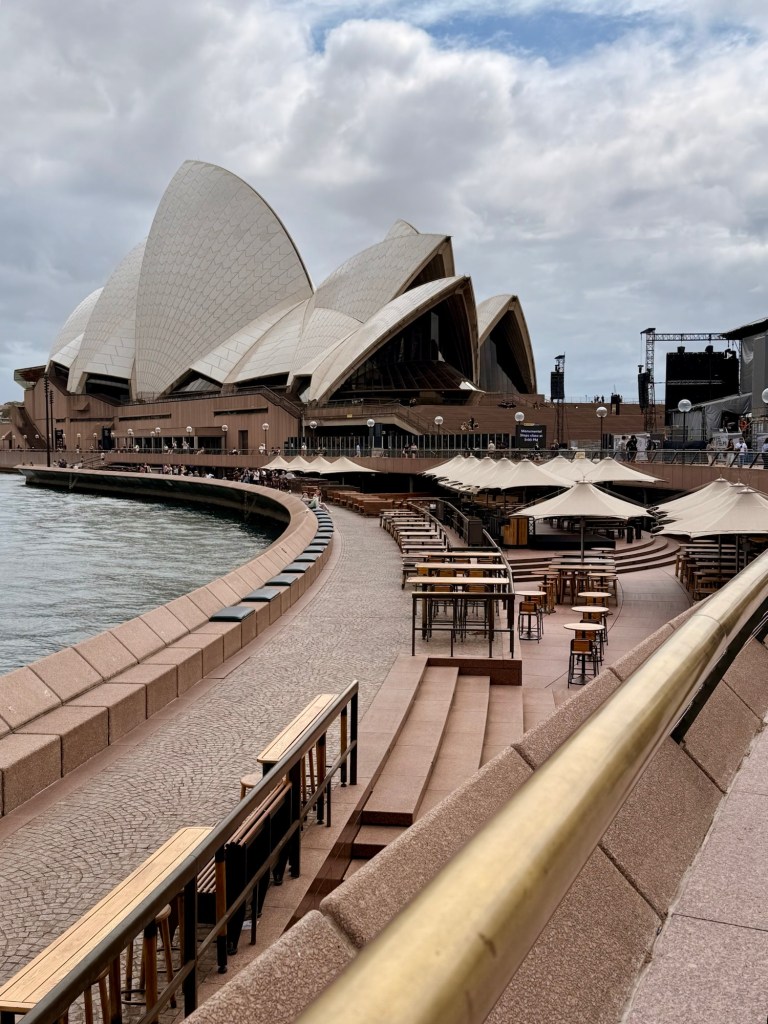
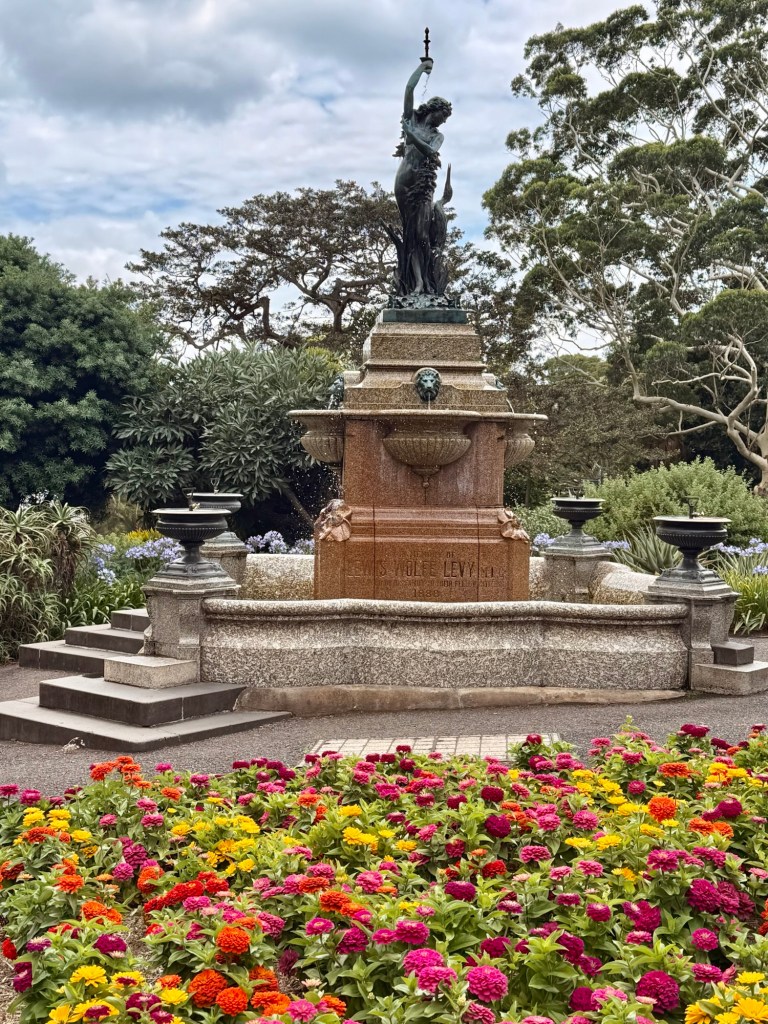
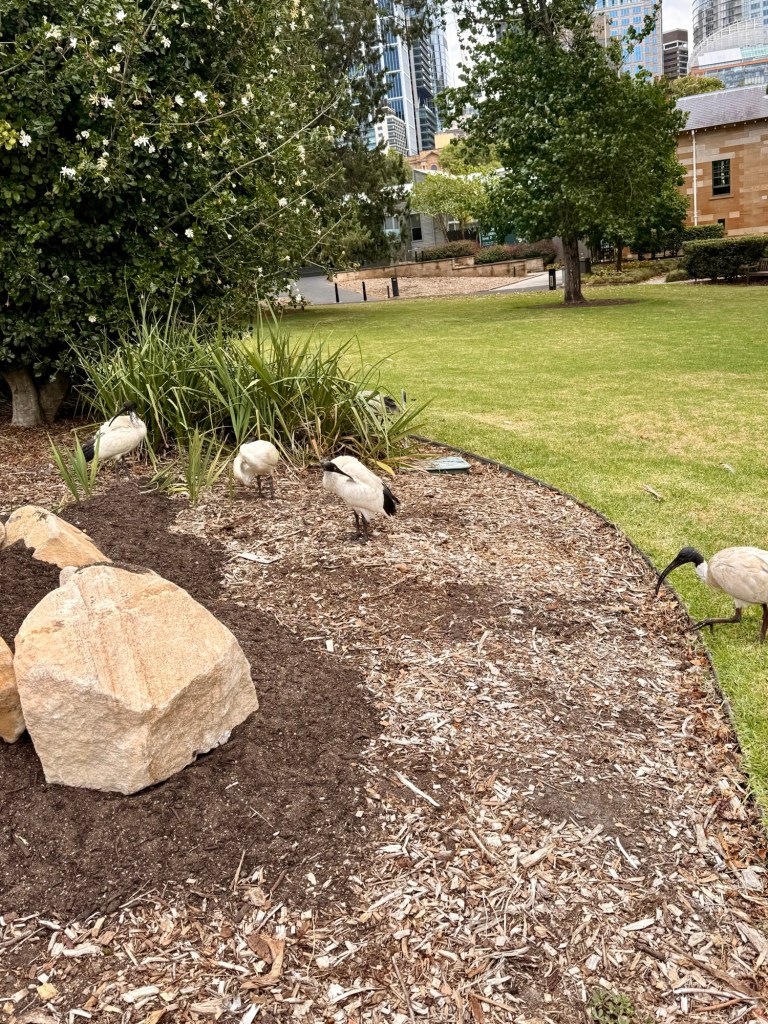
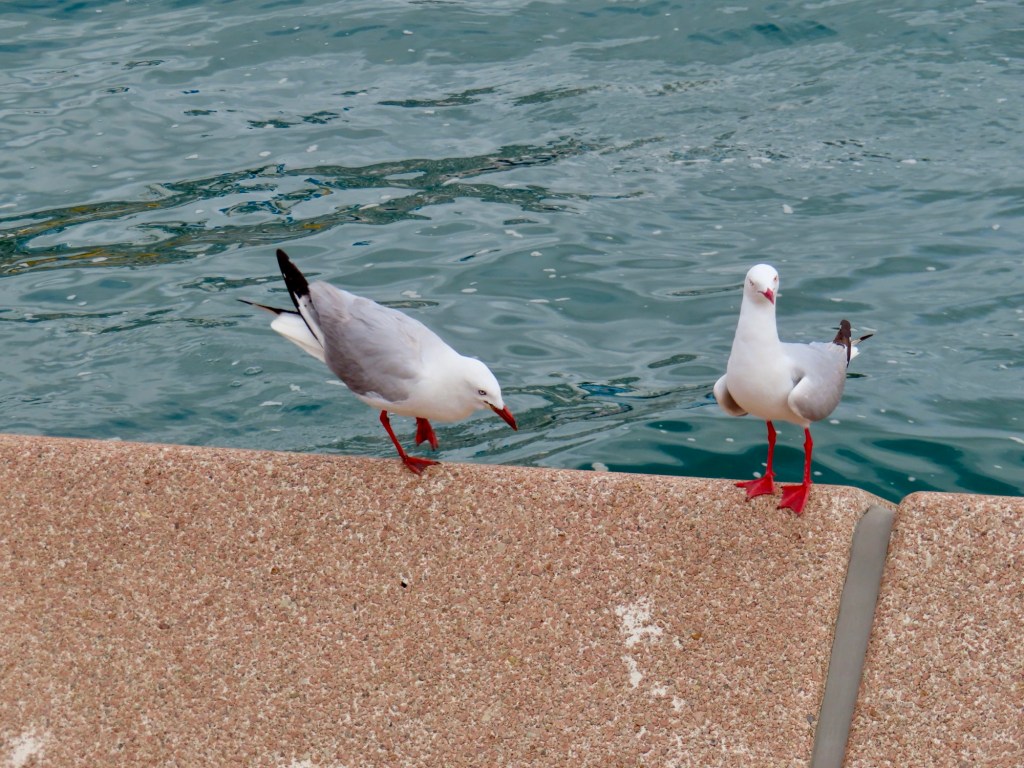
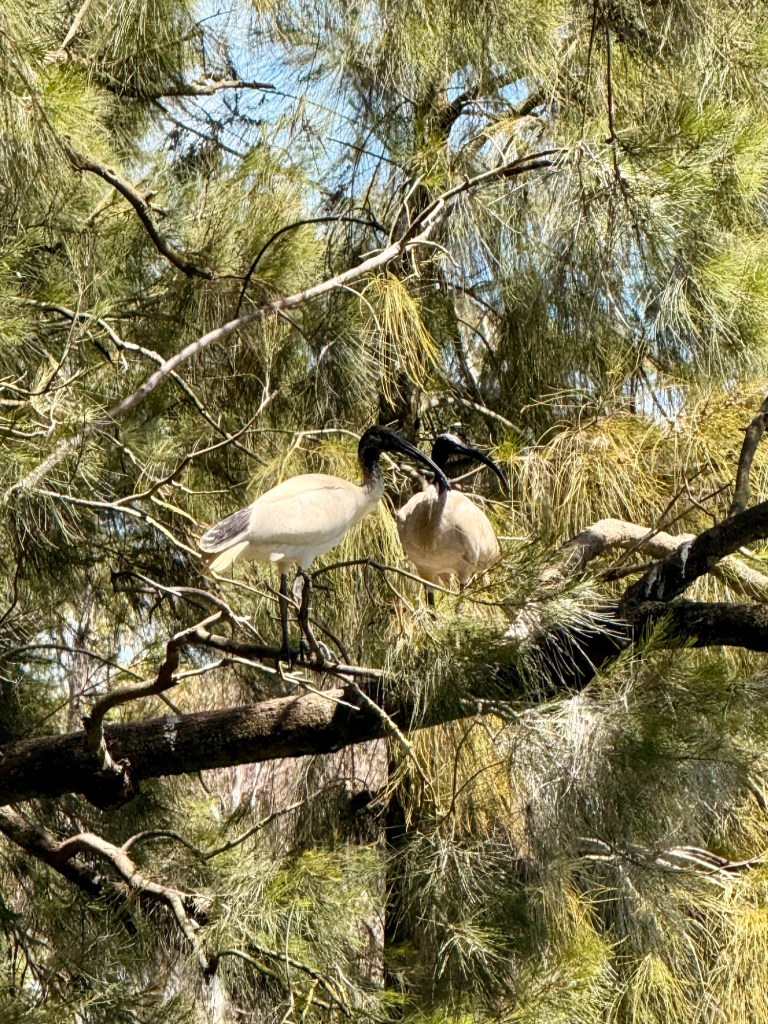
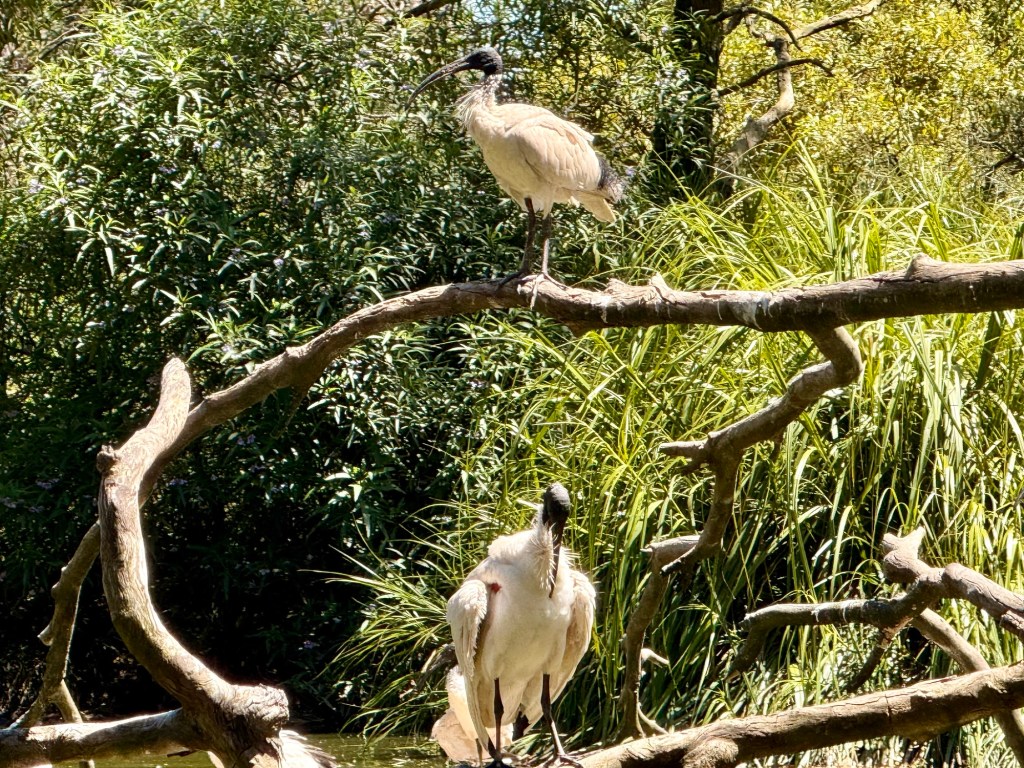
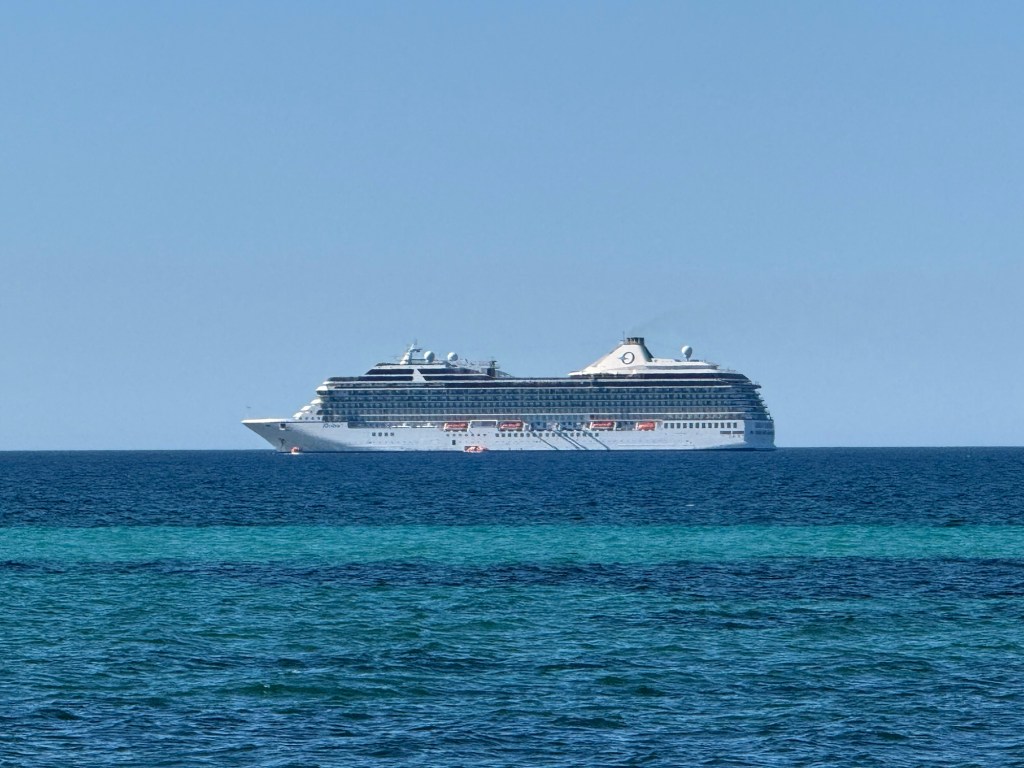
Very cool sculptures with running water fountainsAnd of course the ever present ibis…..in the same category here as are seagulls at homeOceania Riviera’s first visit to Sydney or so I was toldWeird looking building Sydney Opera houseOld police station and former hospitalOn the front of the building to the left Stonework on the above building Ibis’ everywhereOldest bar from 1828 at the Fortune of WarMen’s wear Some very wild men’s jacketsGorgeous suede shawls at just over $1000 AUD
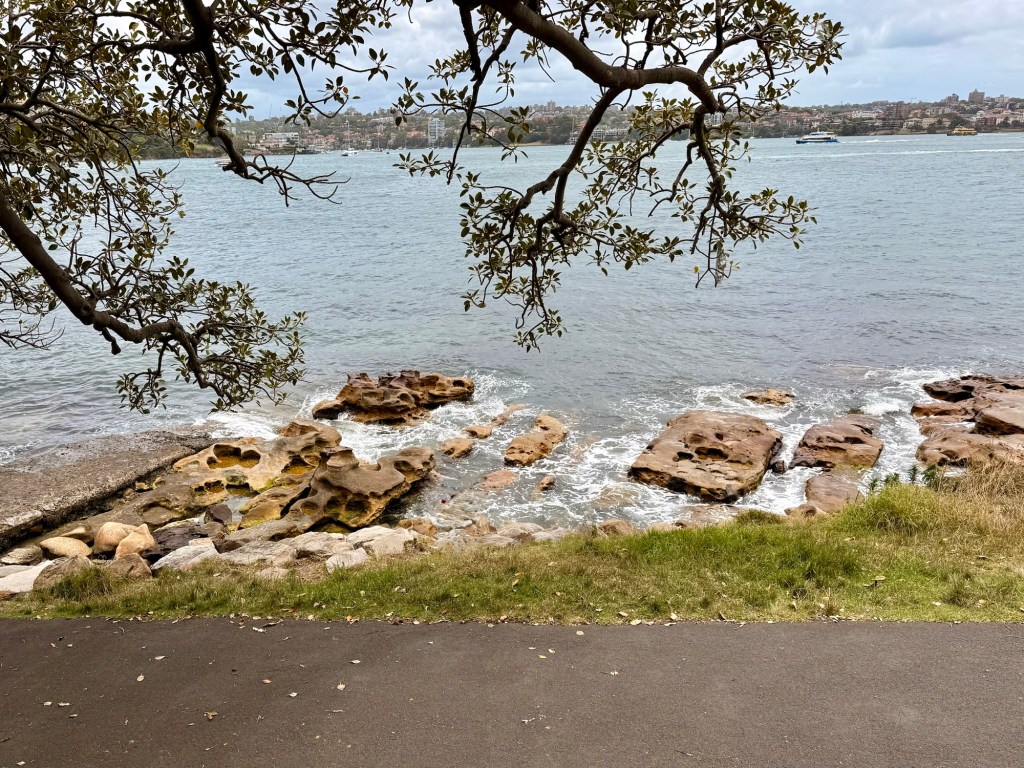
Next day we walked and walked…. Along the waterfront by the Opera House, Botanical Gardens, Mrs Macquarie’s Chair& Road.
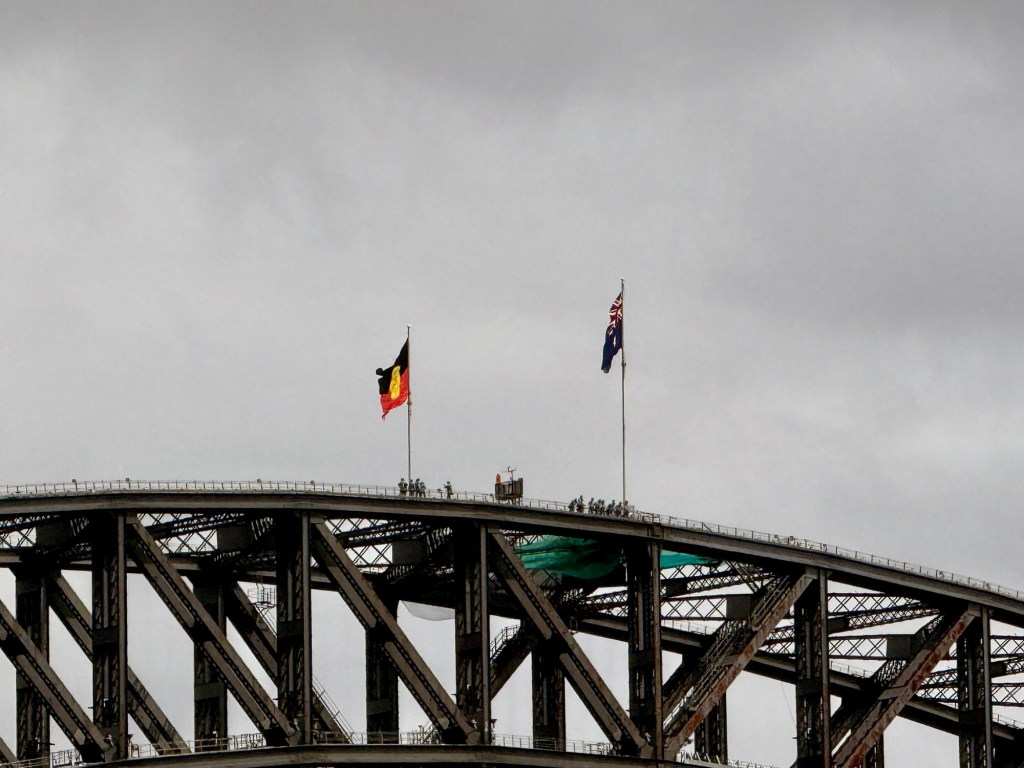
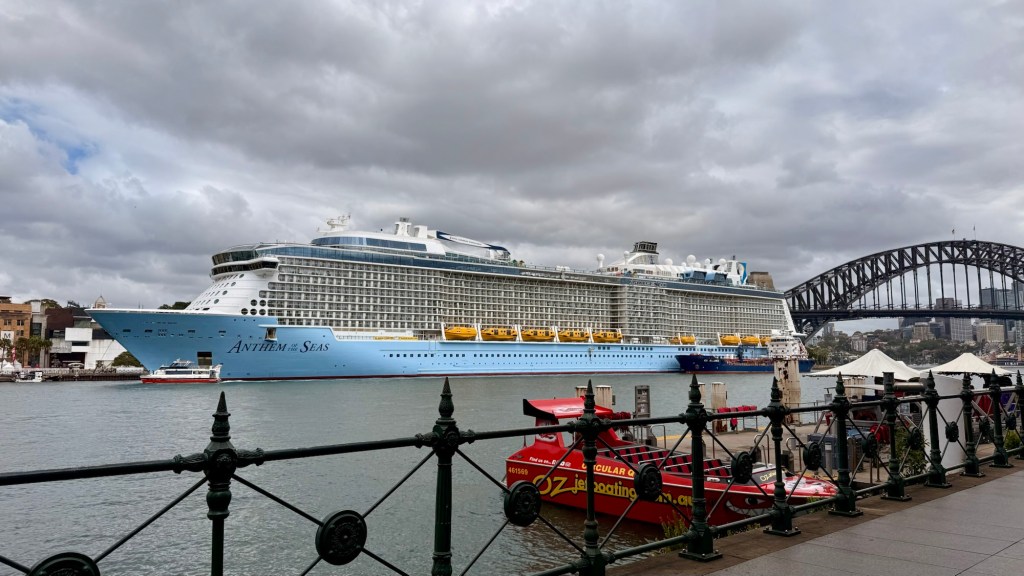
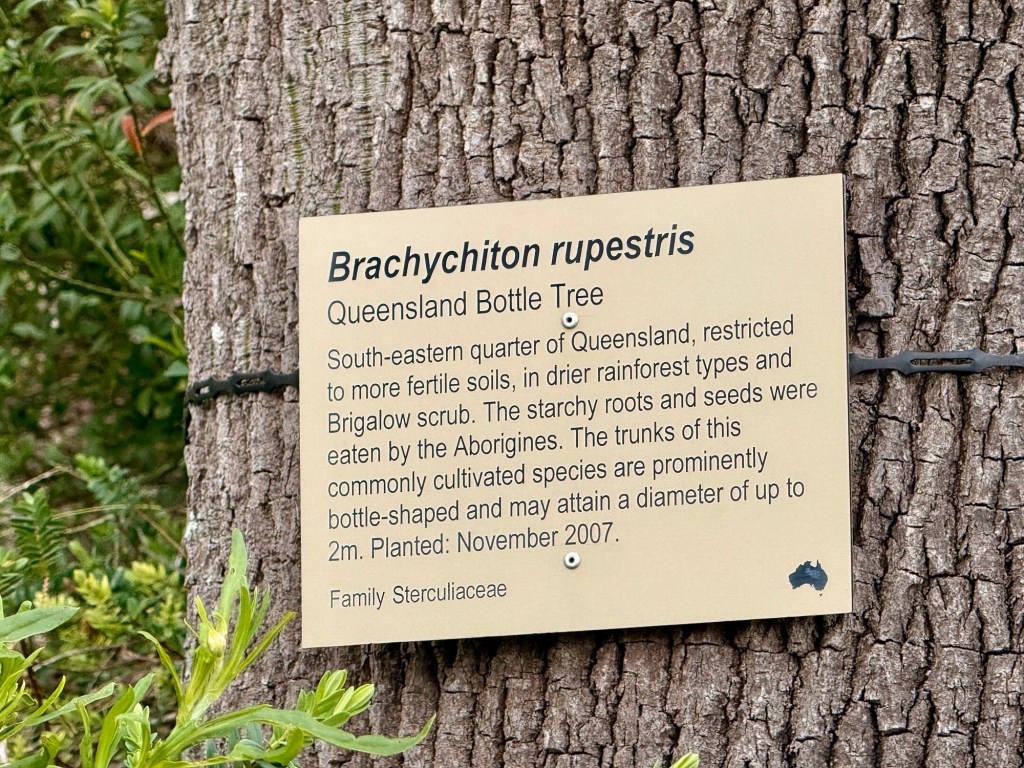
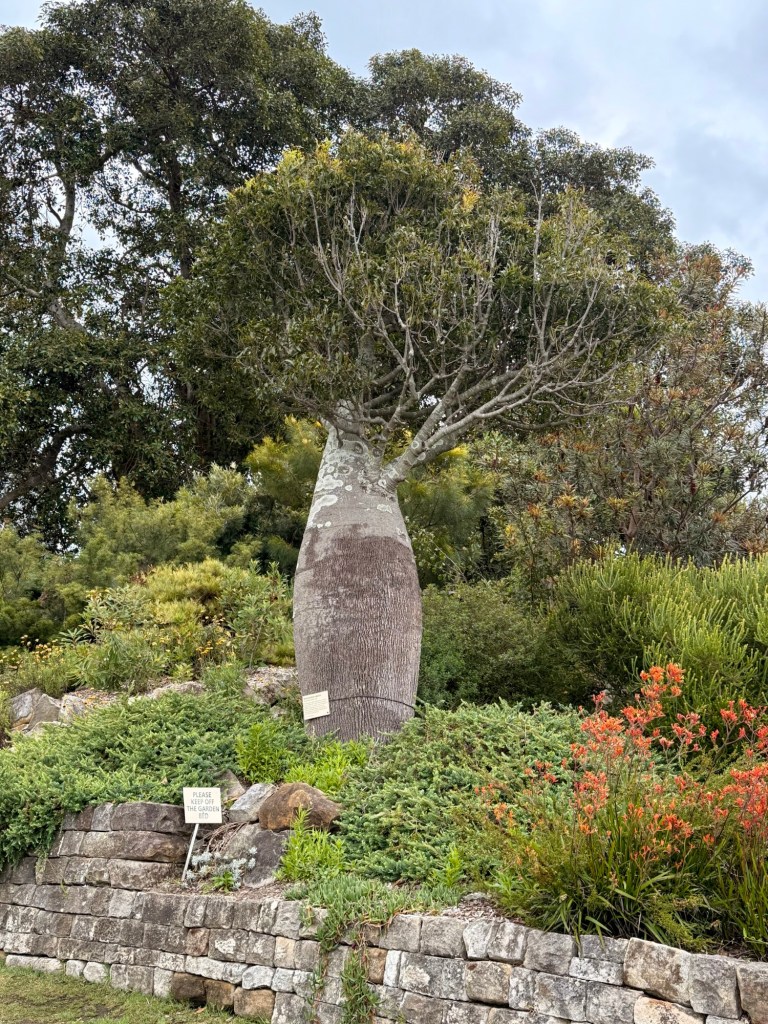
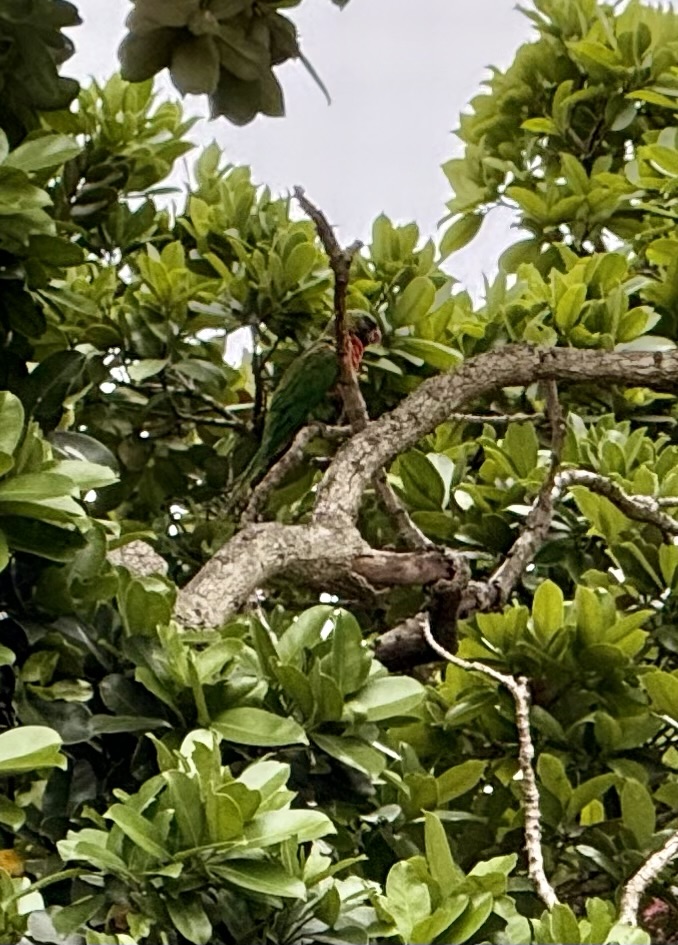
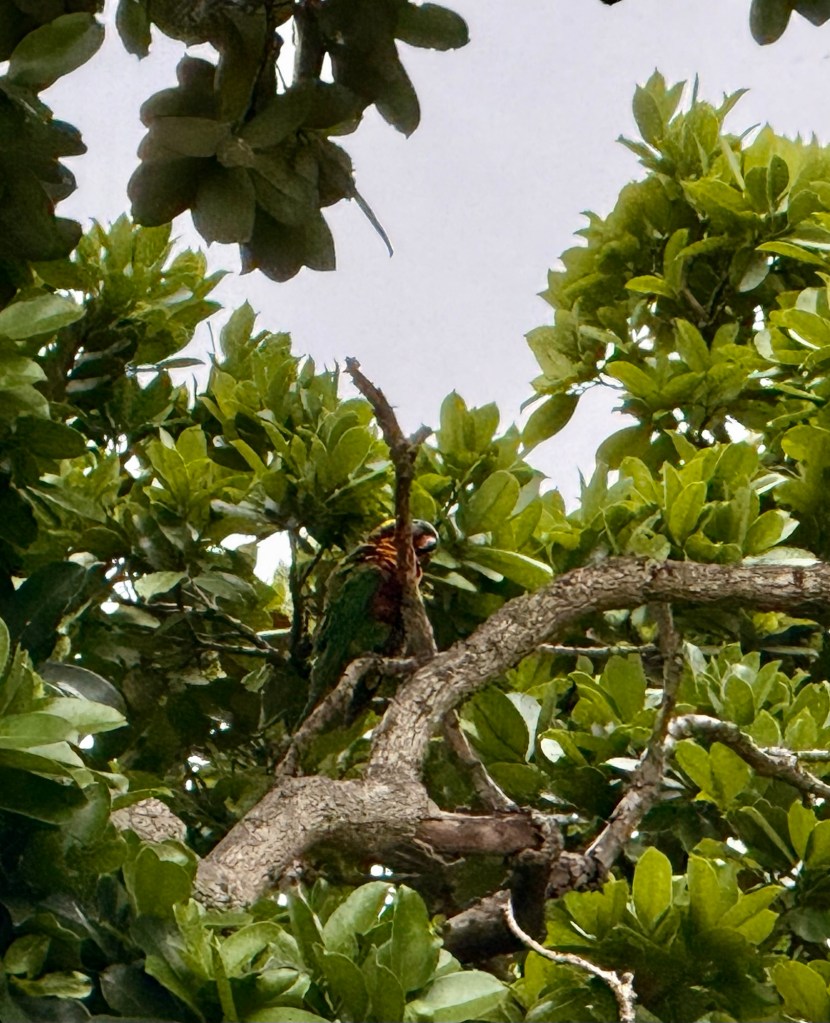
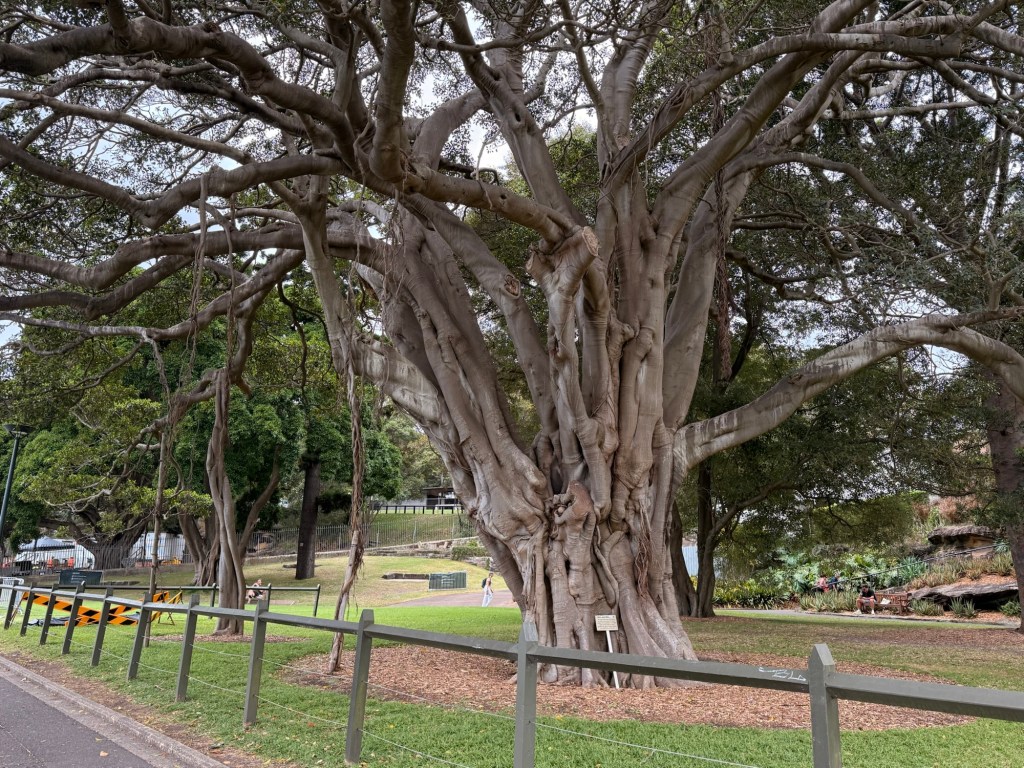
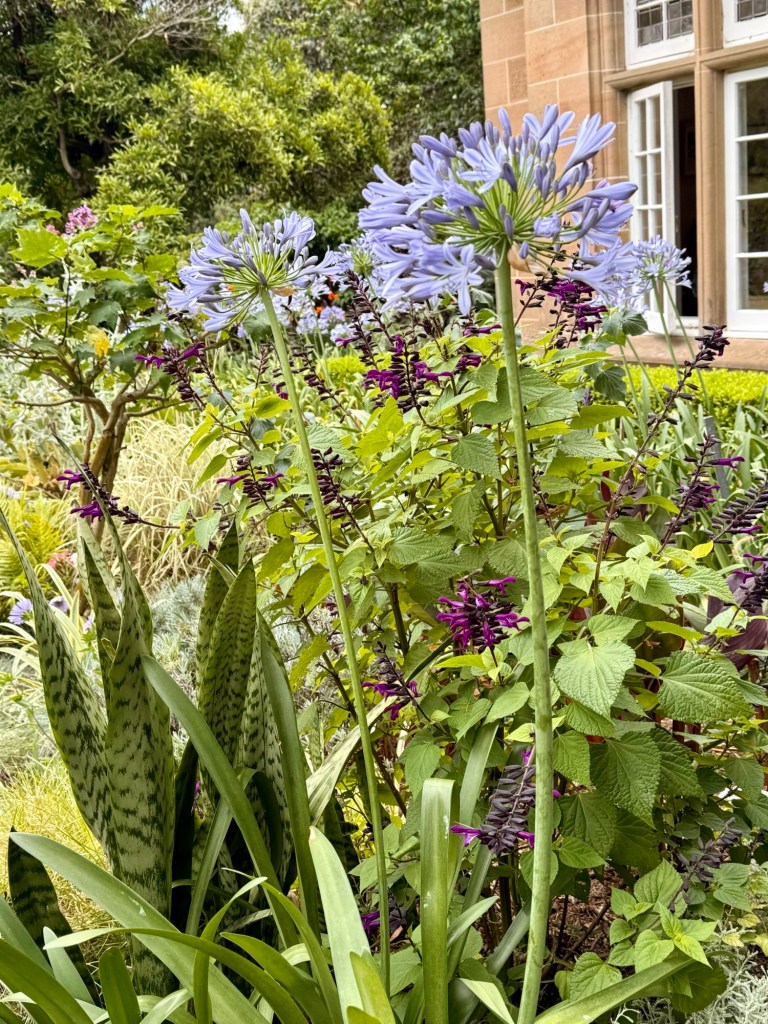
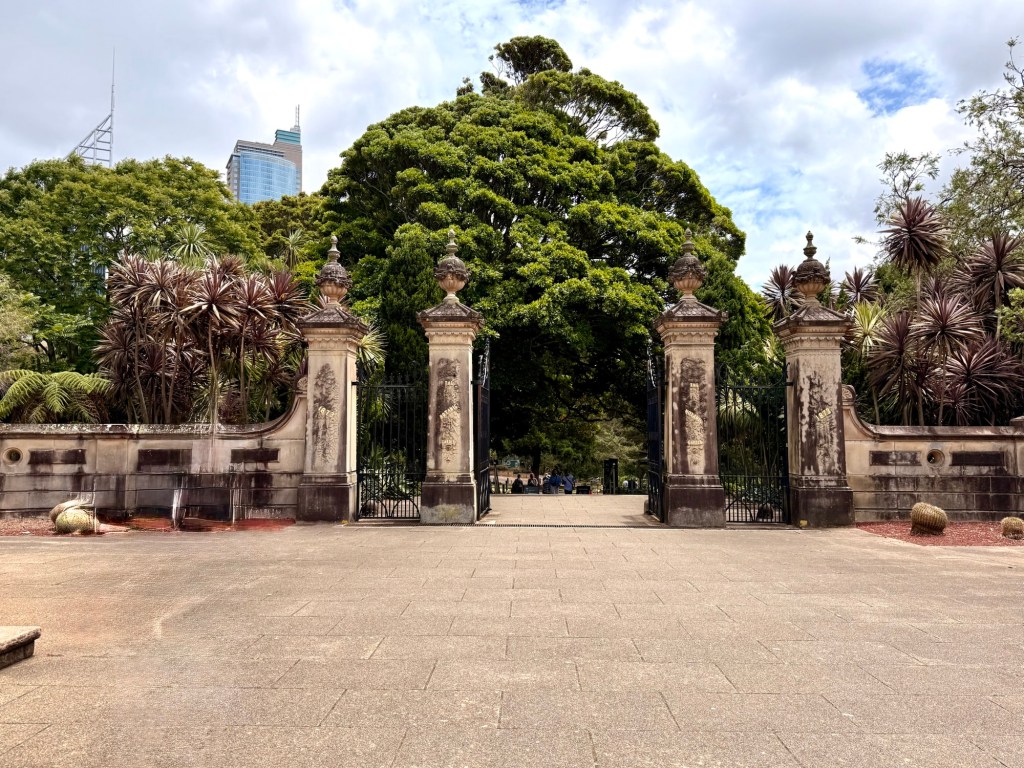
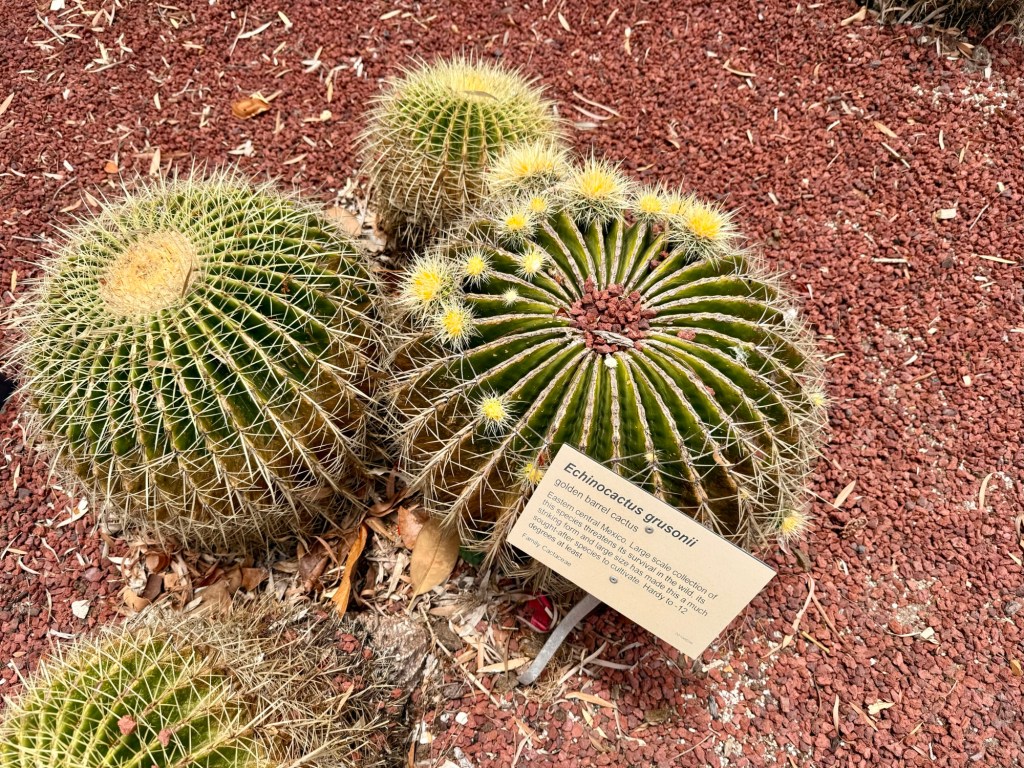
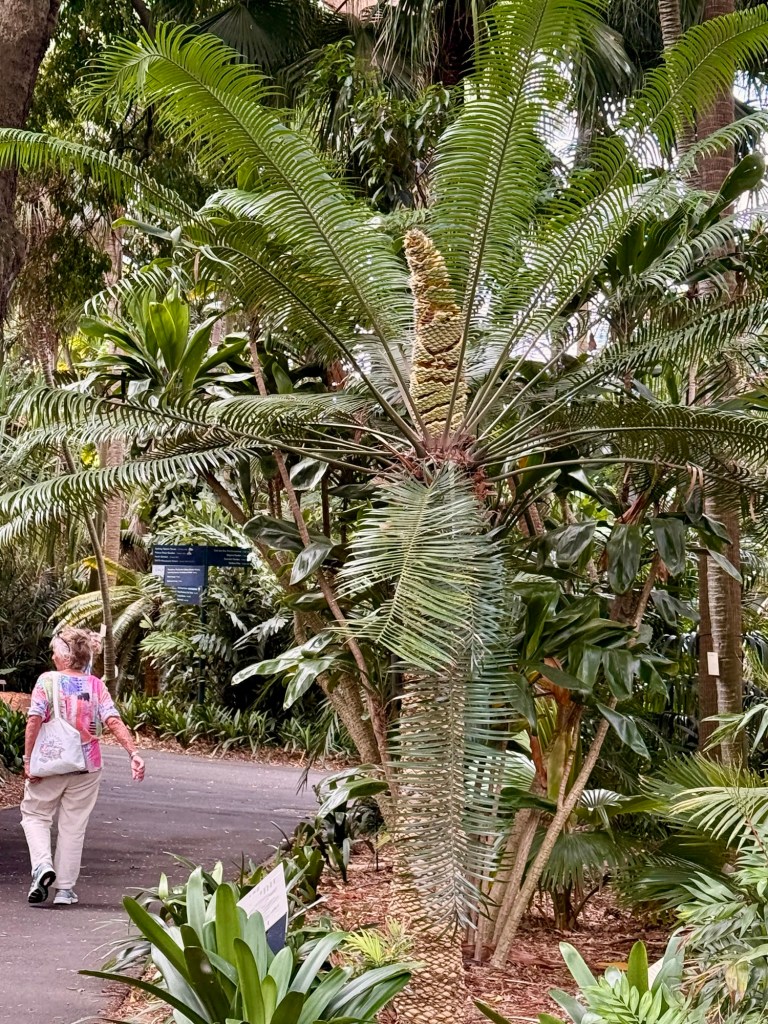
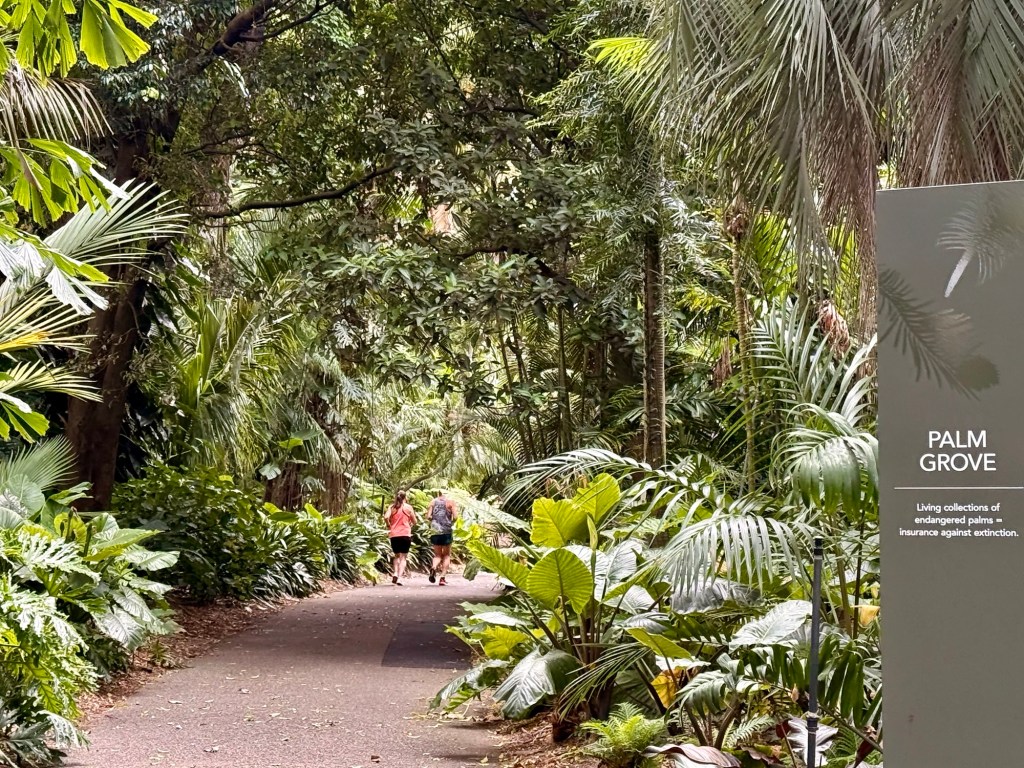
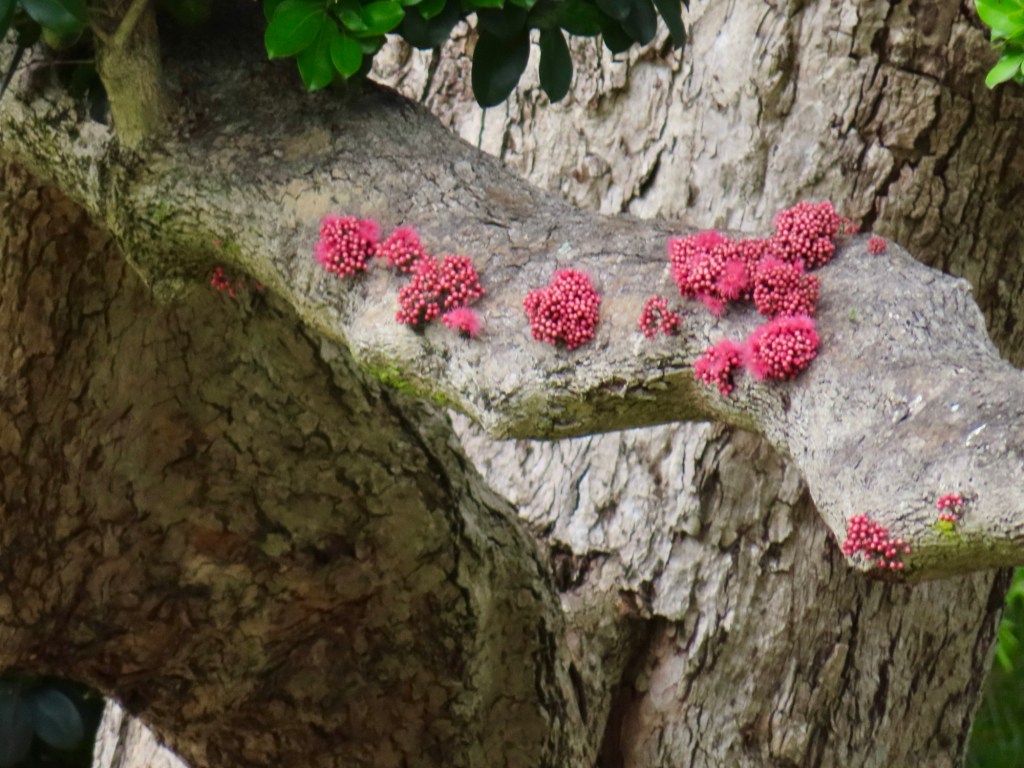
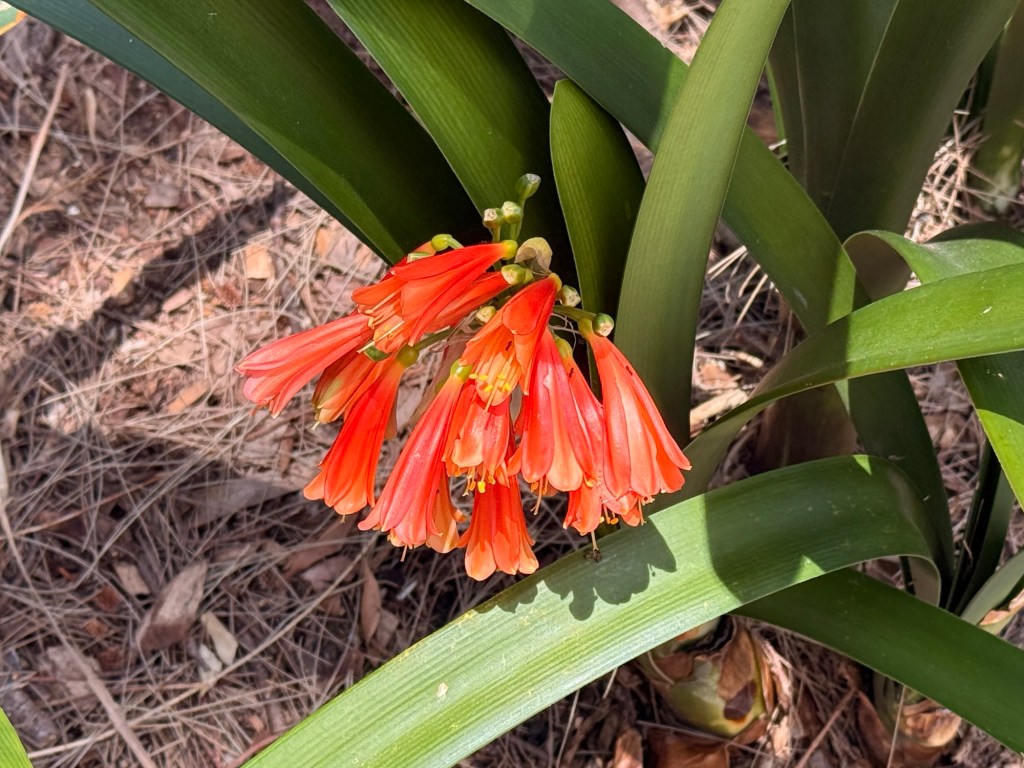
People pay about $400 just to climb the bridge Next a Royal Caribbean Bottle TreeCan you see the parrotHave you ever seen a trunk like this???Mrs. Macquaries ChairMrs. Macquaries RoadFarm Cove….lots of marinasSydney Botanical Gardens entranceA “flock” of ibis’Another type of Clivia
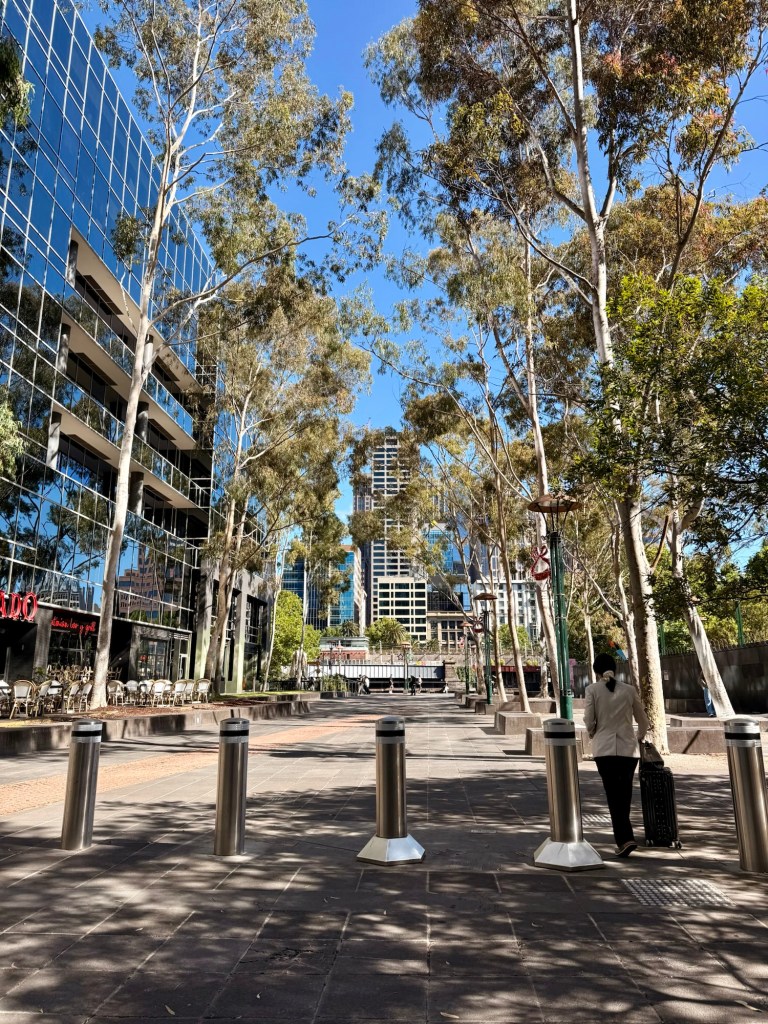
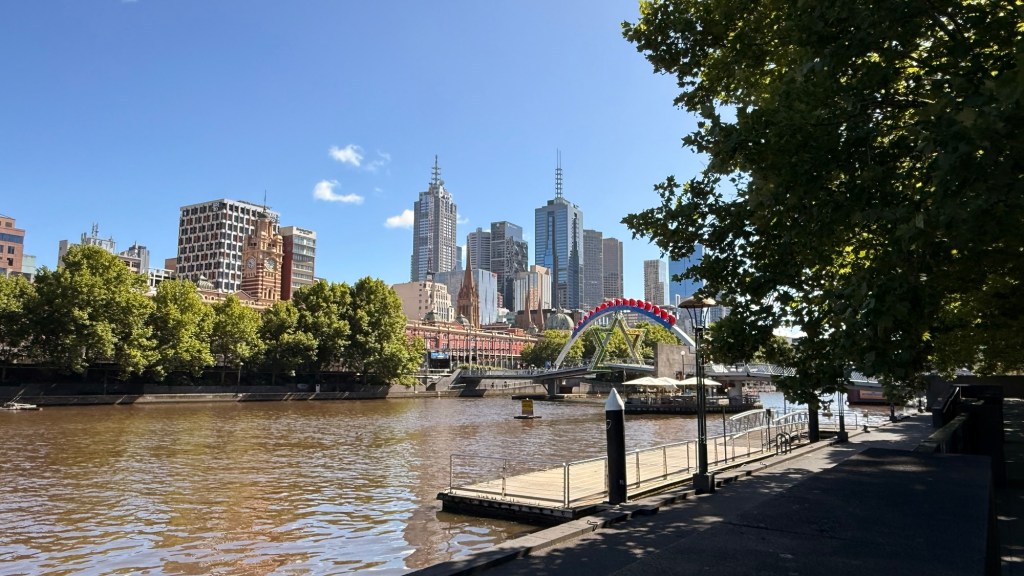
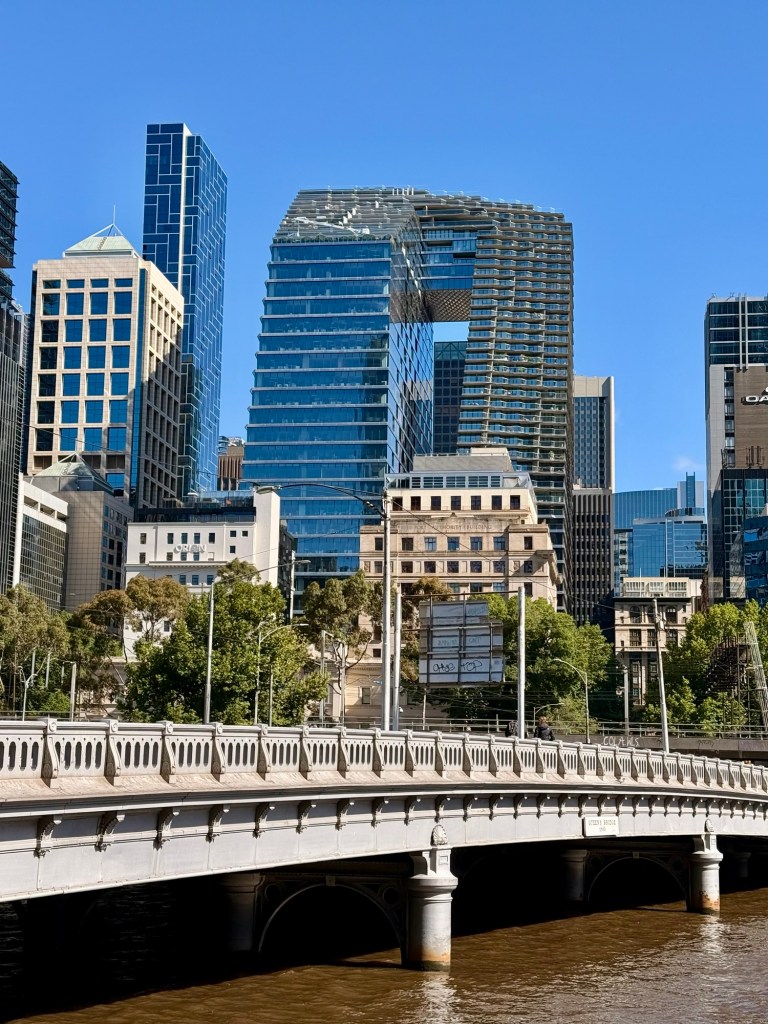
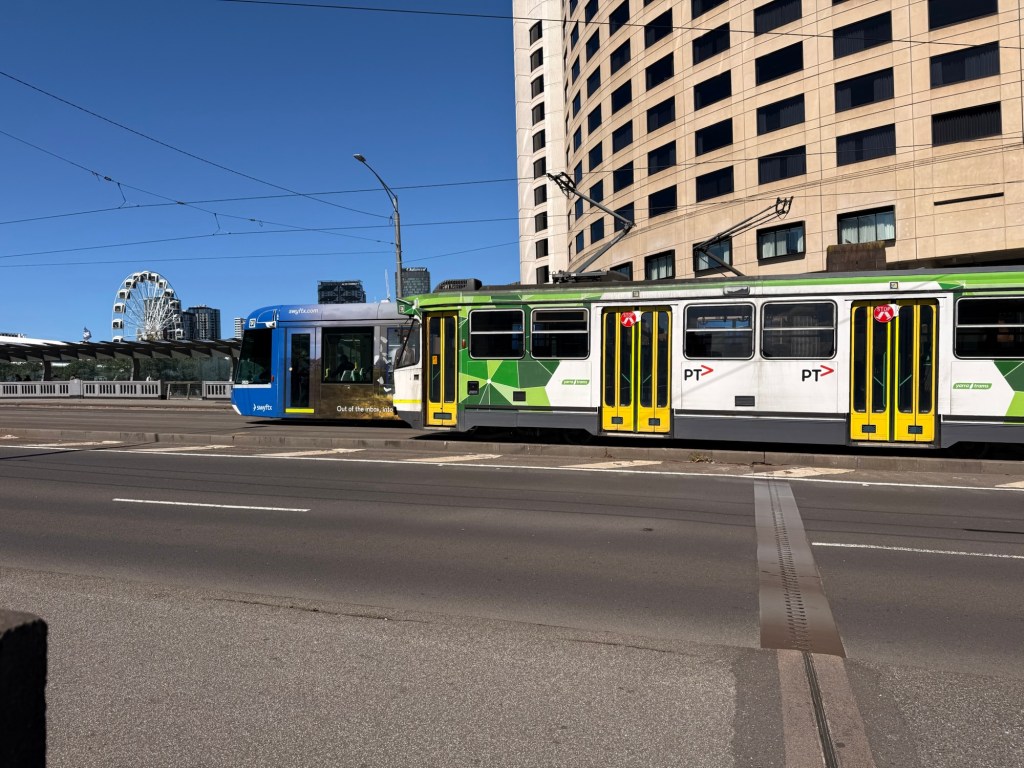
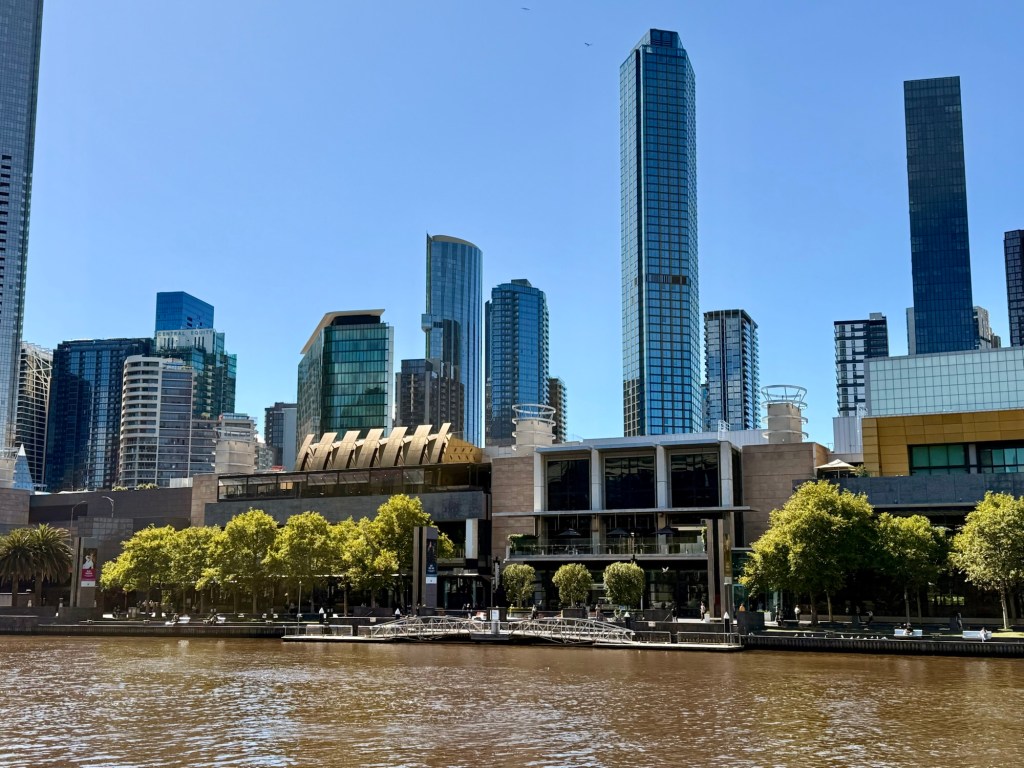
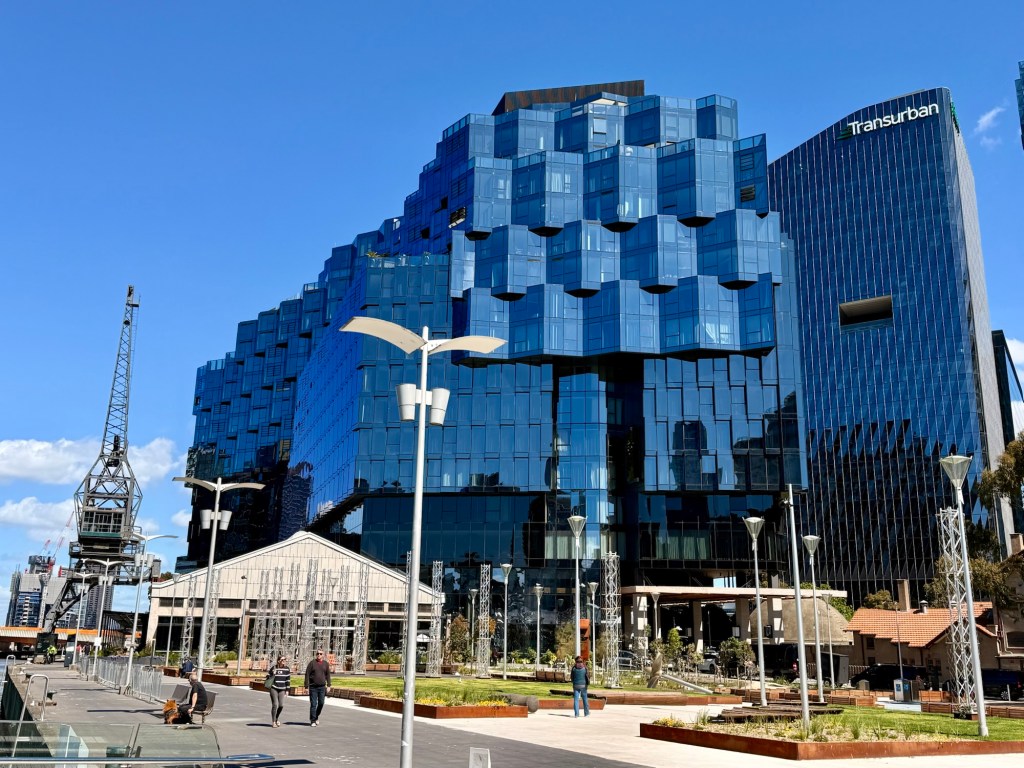
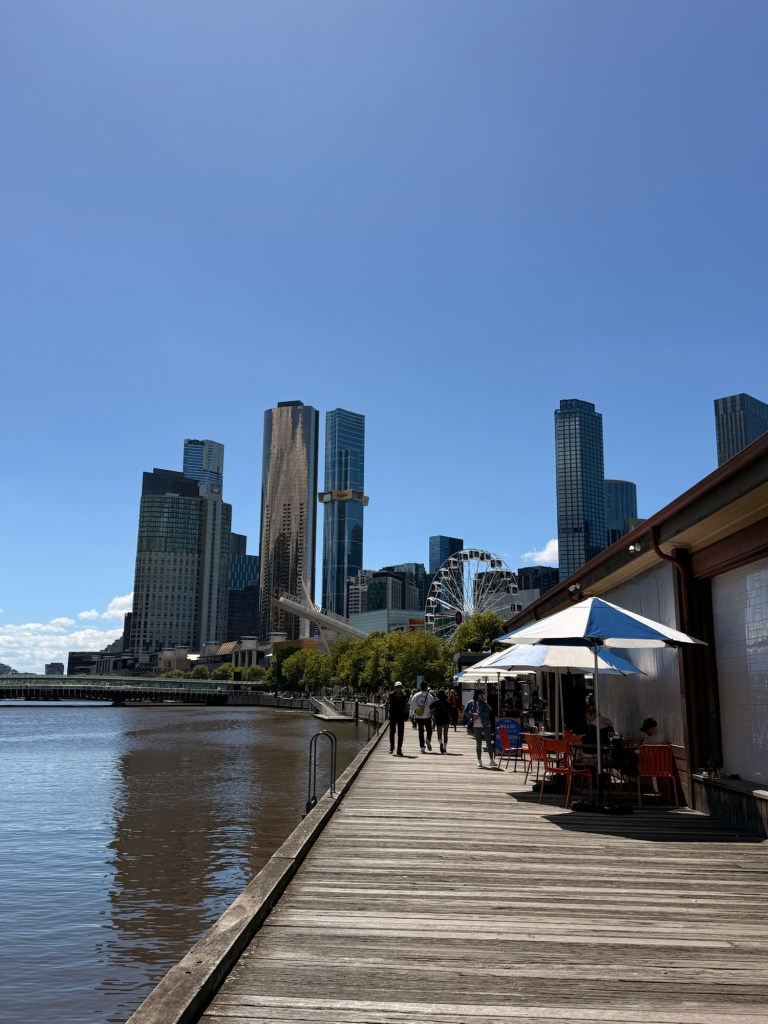
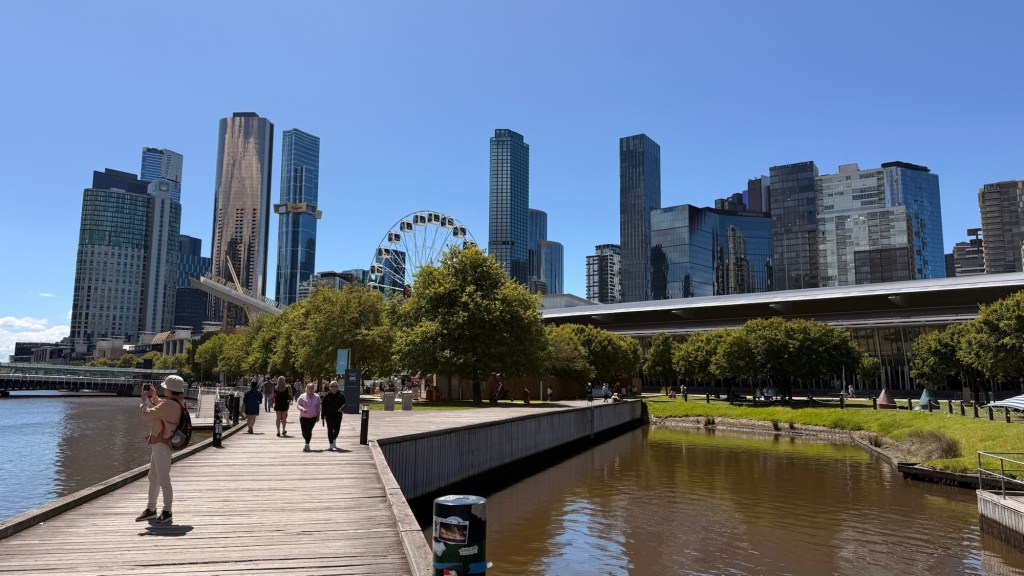
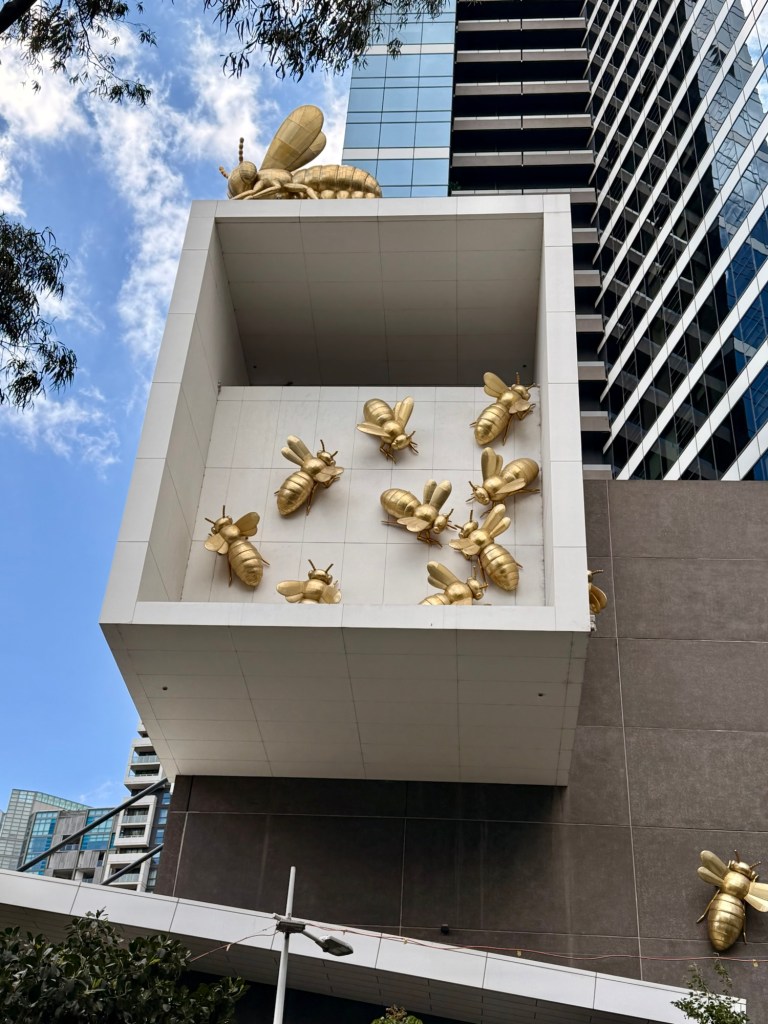
I just took the shuttle into the city and walked around exploring the area on either side of the river. It was a lovely day with sunshine and not hot temps. I put on a good number of steps on my journey. That whole area has extremely wide pedestrian walks (along with bicycle riders. Unlike at home, the bicyclists are not racing past you). Along these walks are so, so many restaurants with very few shops. It’s a Sunday (I don’t know if that’s the reason) but there were huge number of pedestrians.
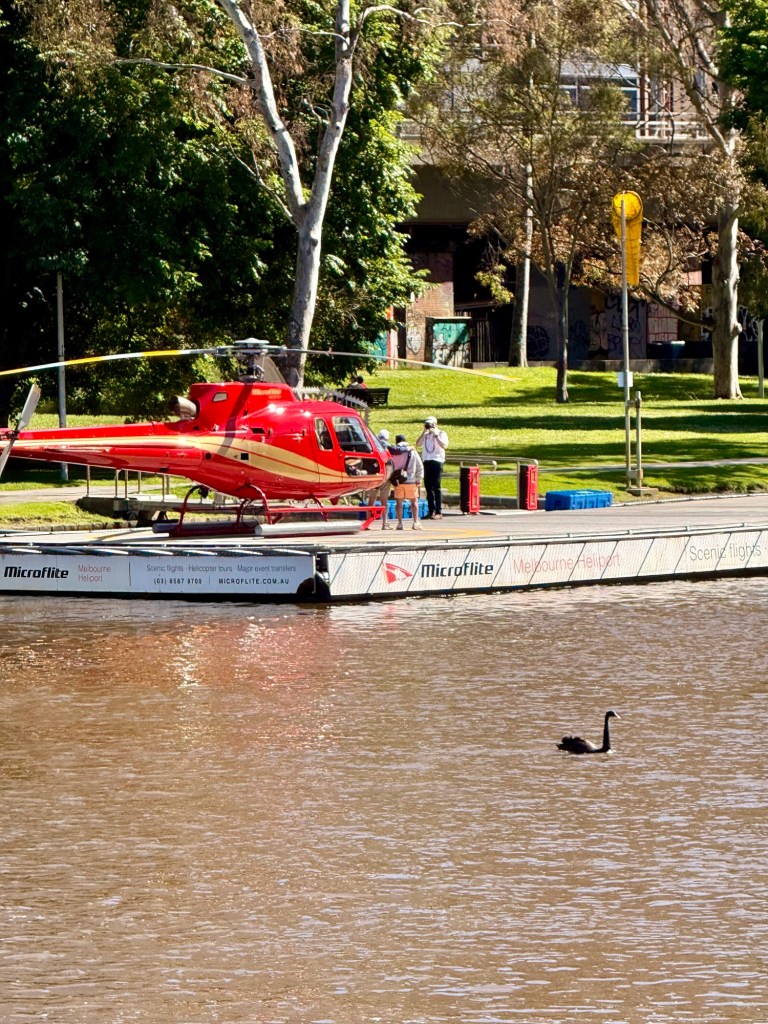
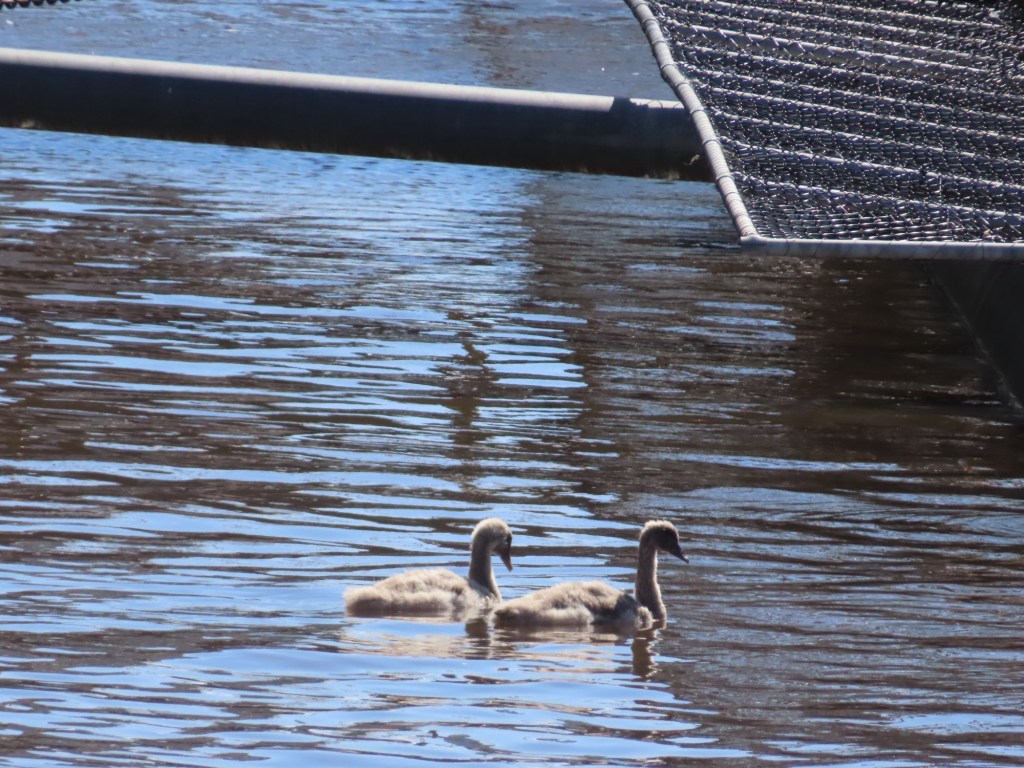
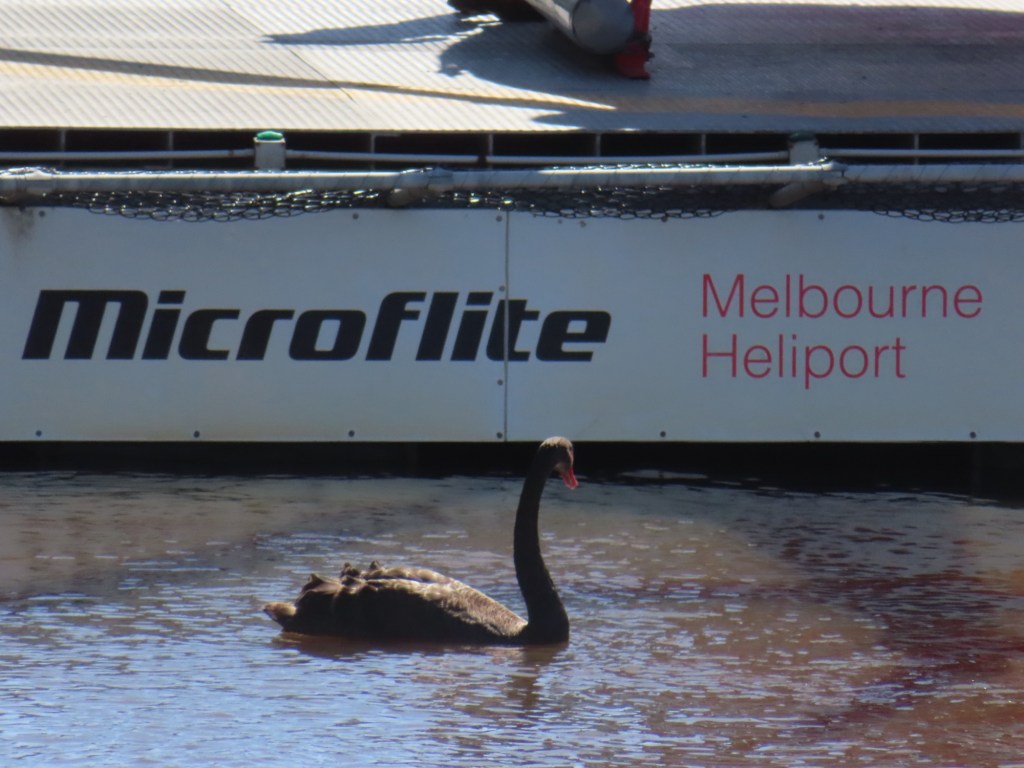
On the river I see many racing skulls with their instructor following behind, a helipad and black swans.
These are just miscellaneous pictures taken at sea level.
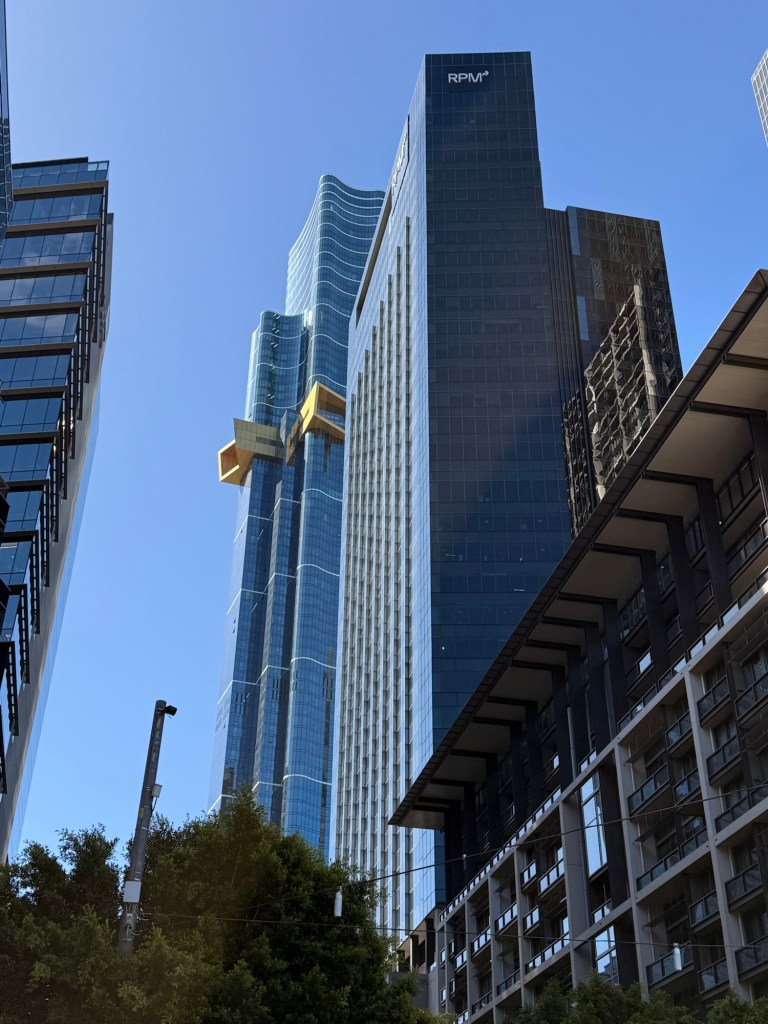
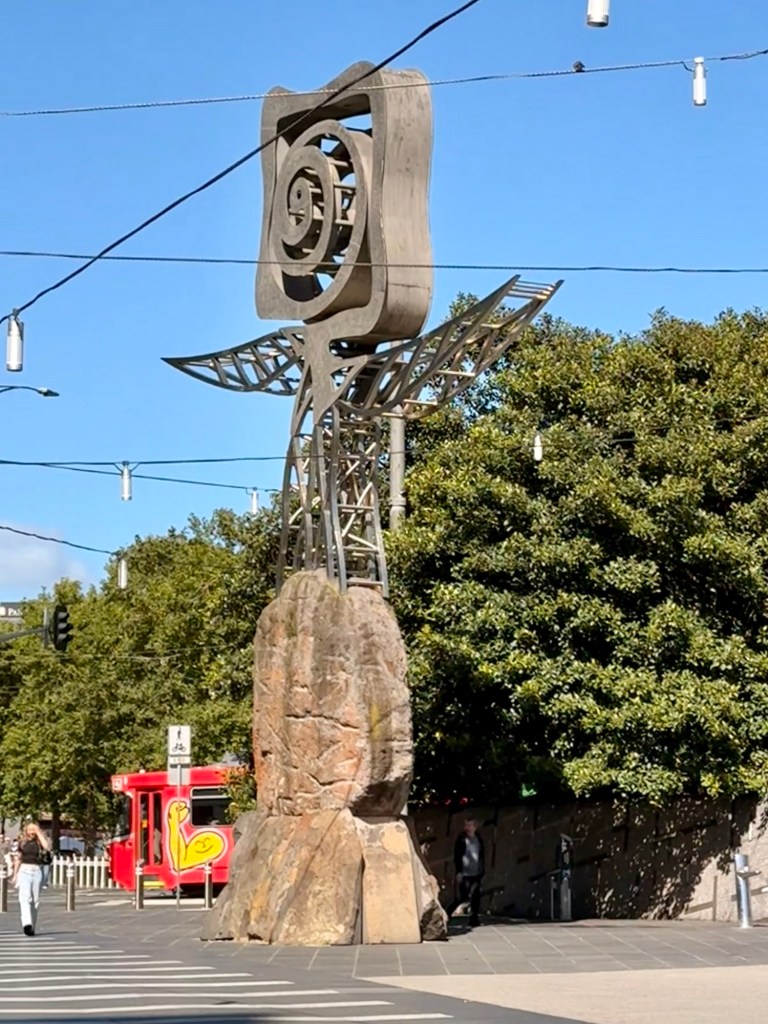
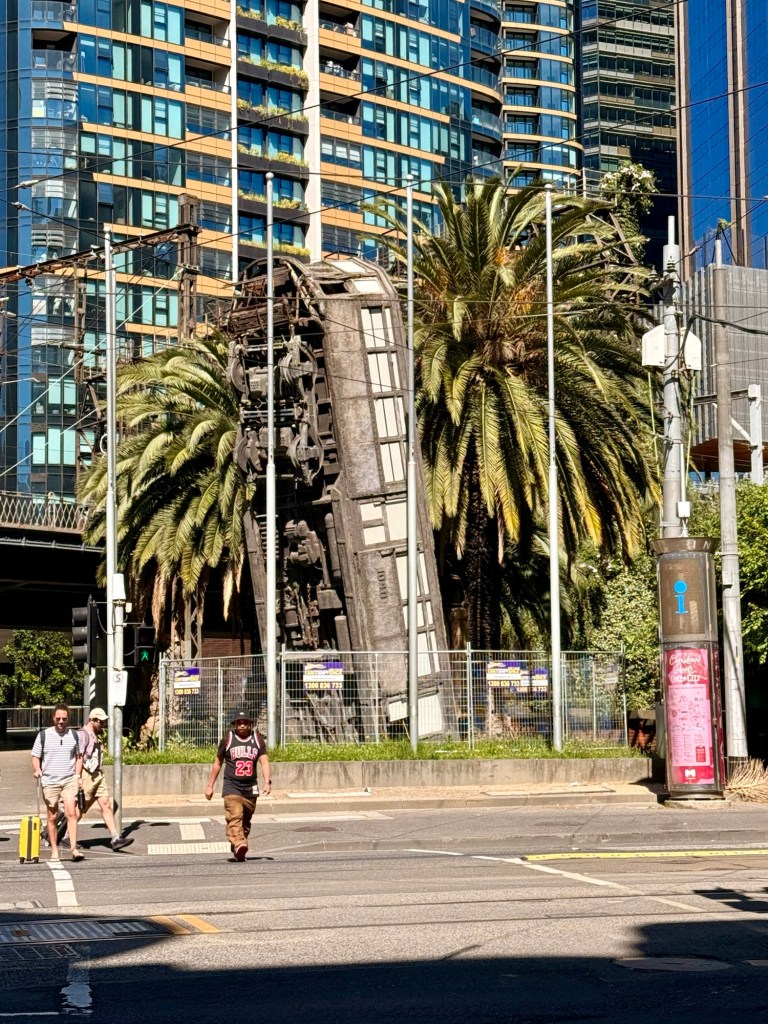
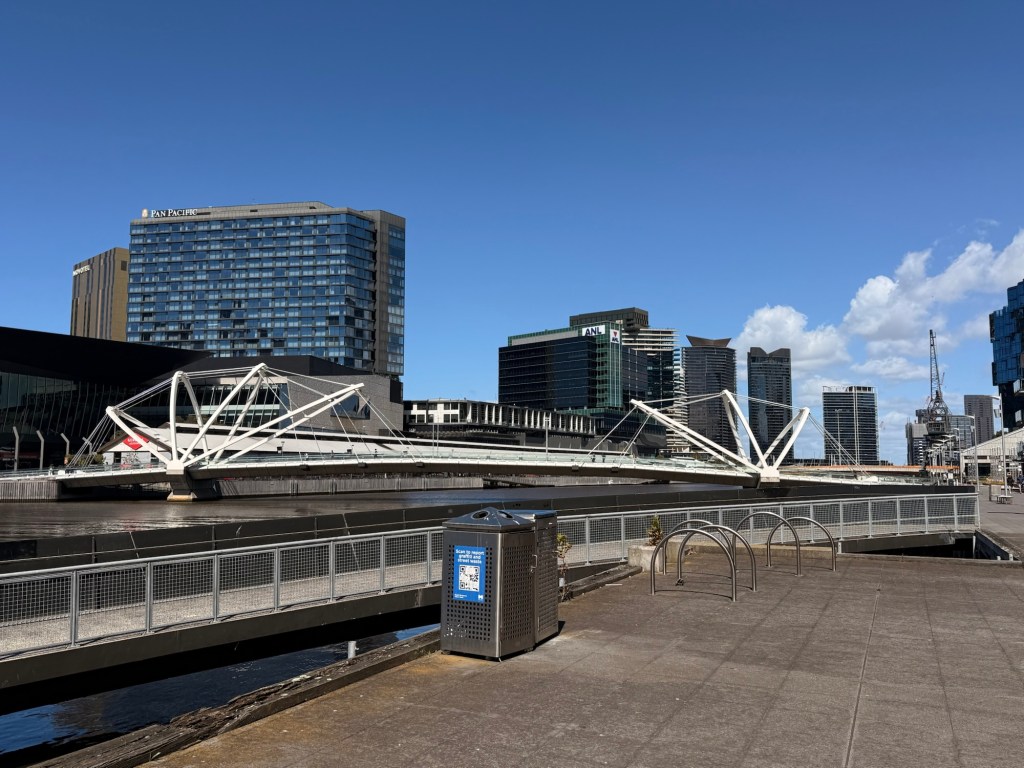
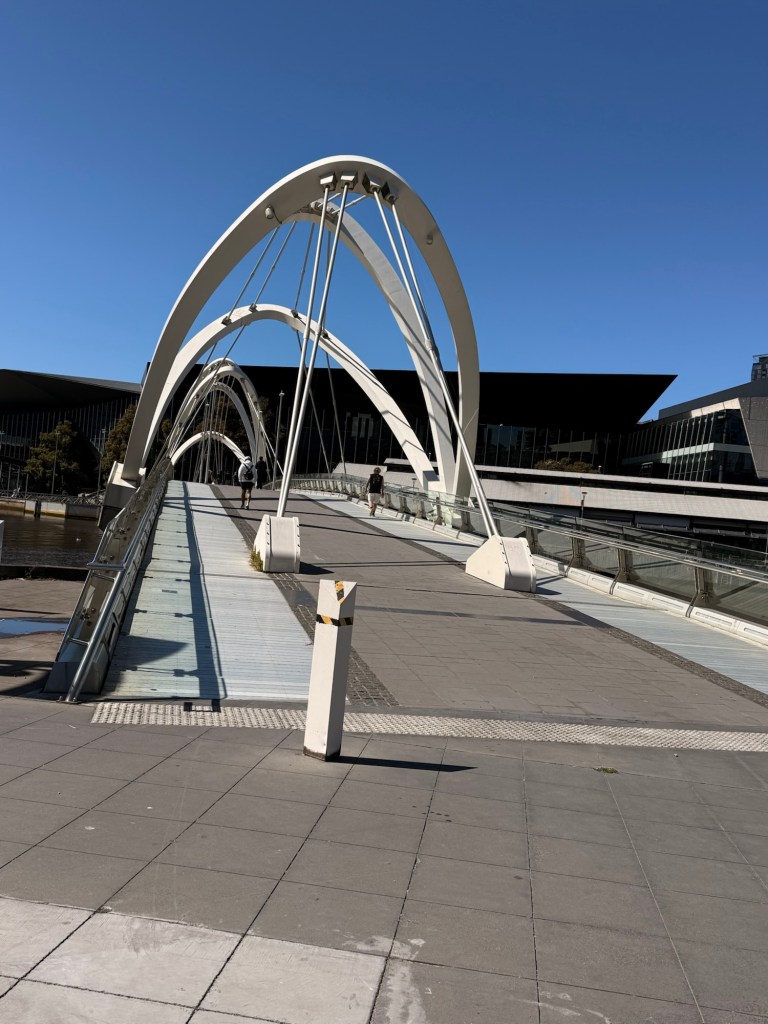
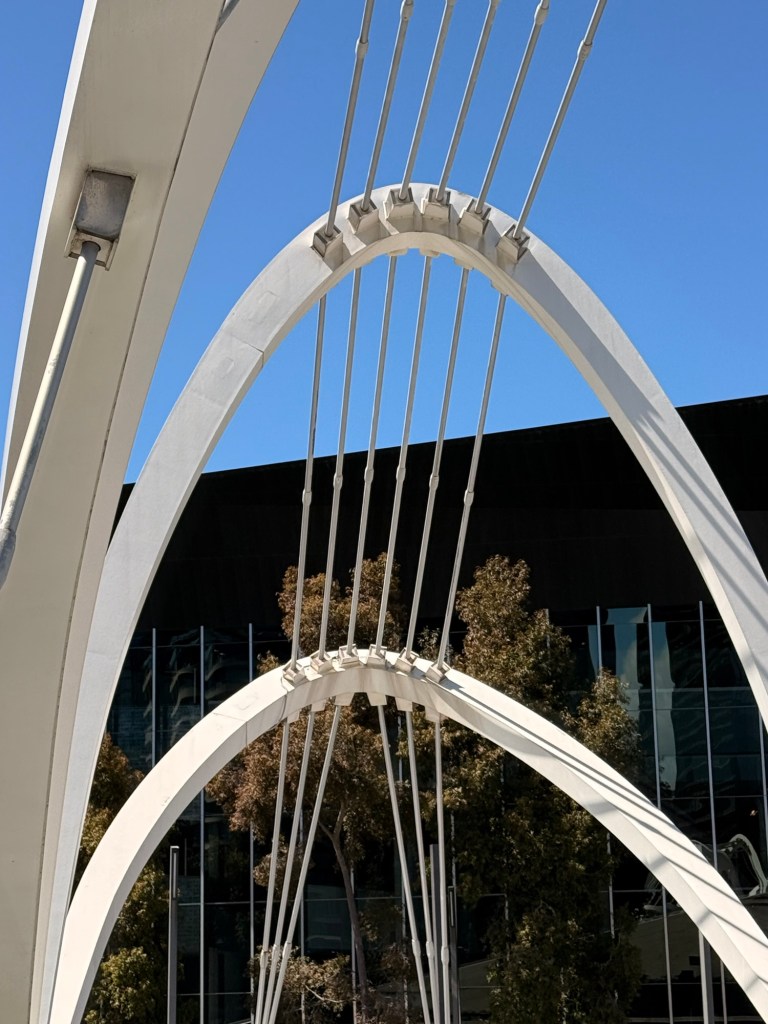
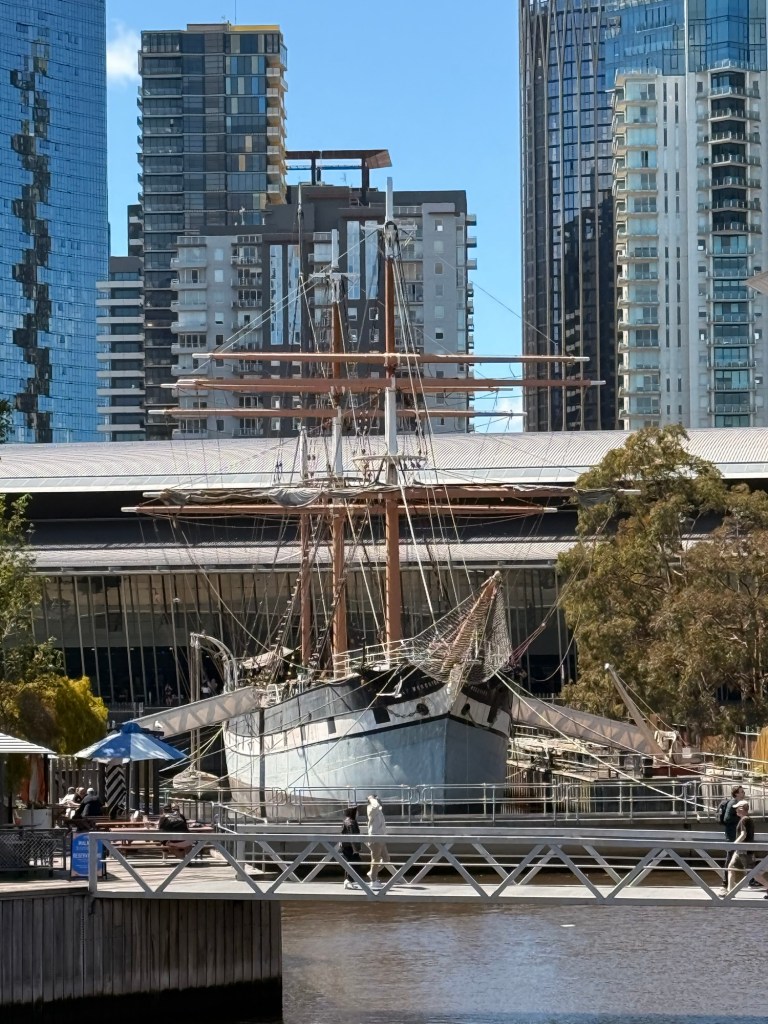
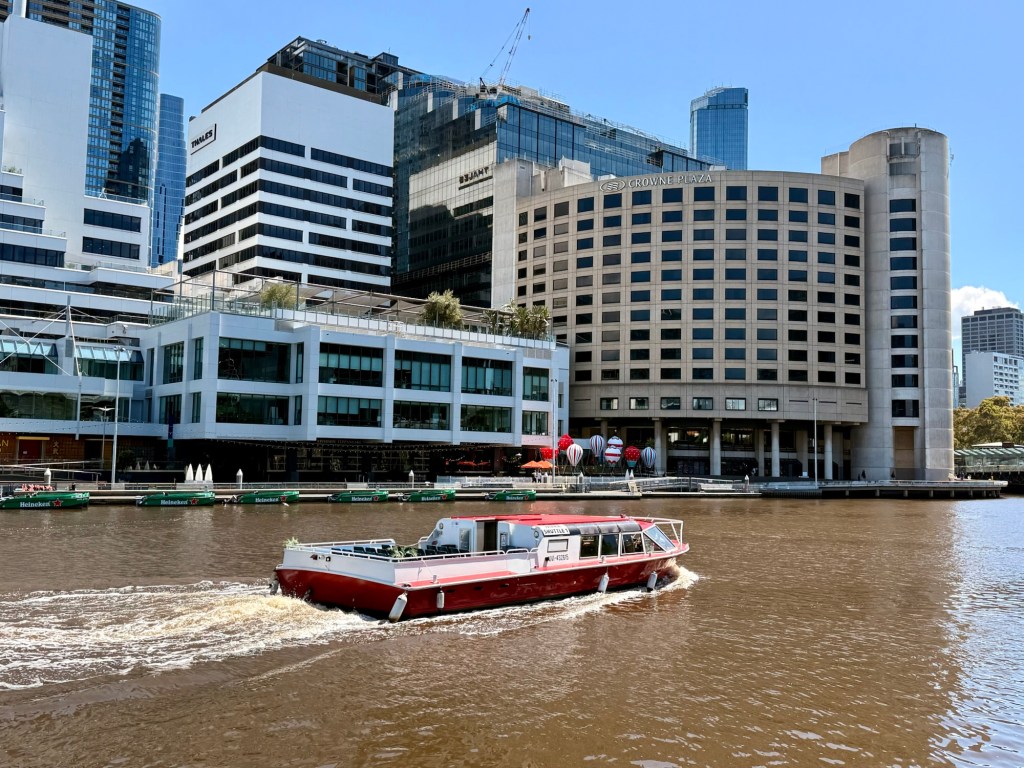
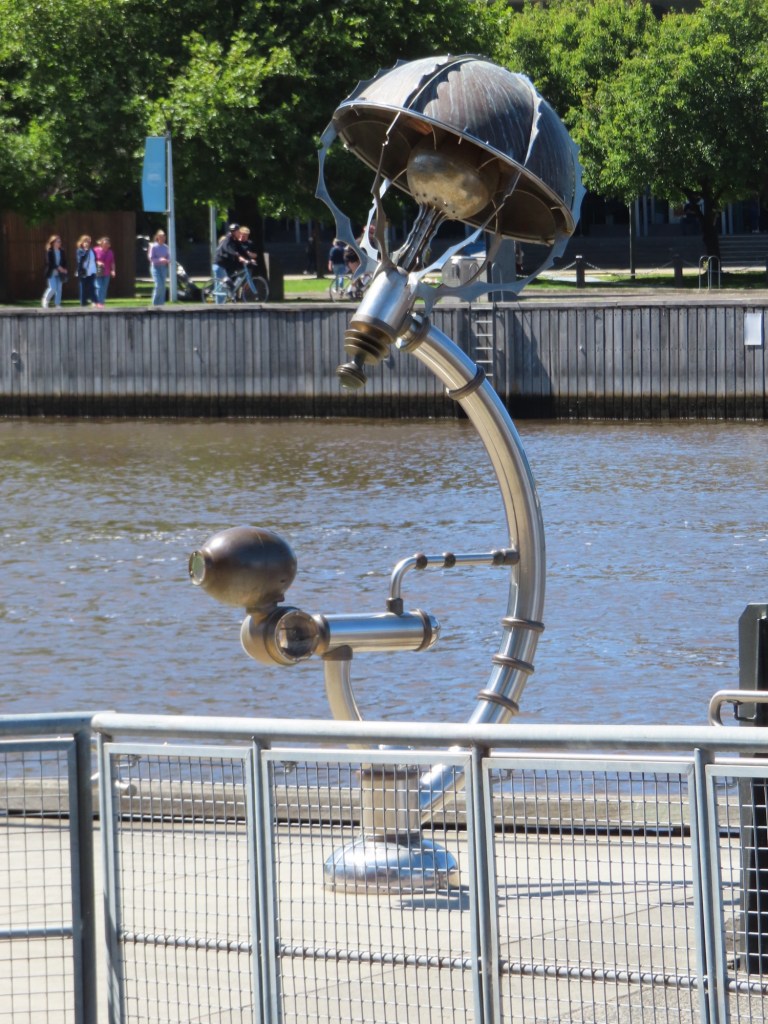
Start of my walkSculpture along the walkwayPass-through buildingHelipad Trolleys Mom, dad & 2 baby black swans at the heli-pad along the bank of the Yarra River Weird….up-ended obviously dead rail car Pedestrian bridge at the convention centrePreserved “Polly Woodside” 3 masted, iron hulled barque near the convention centreRiver boat
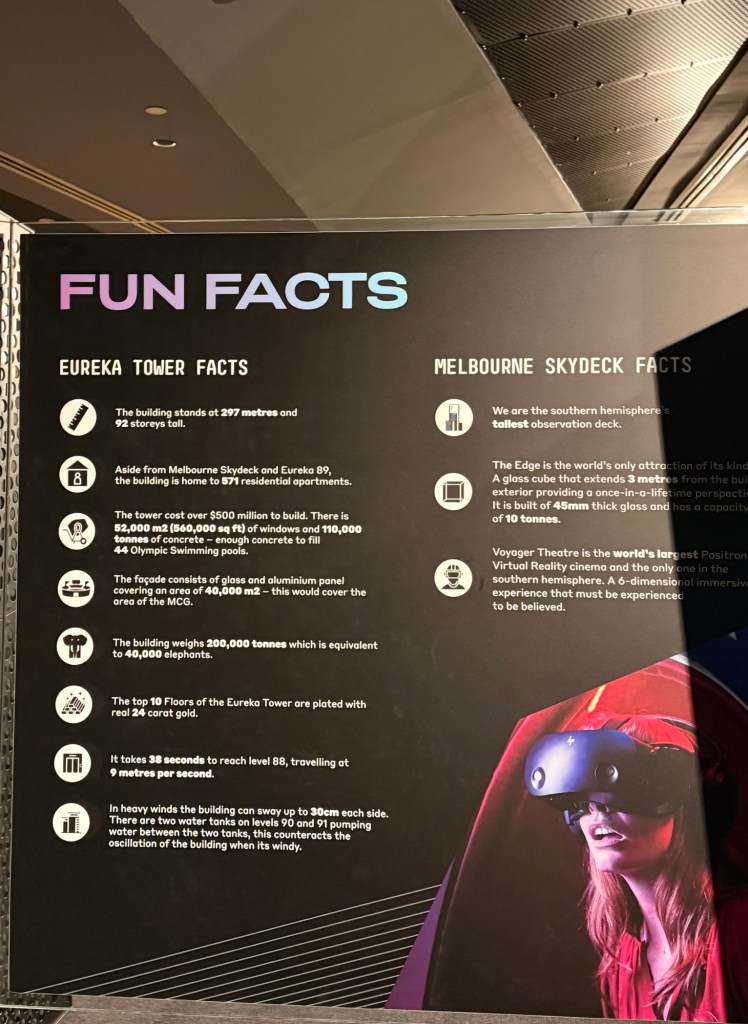
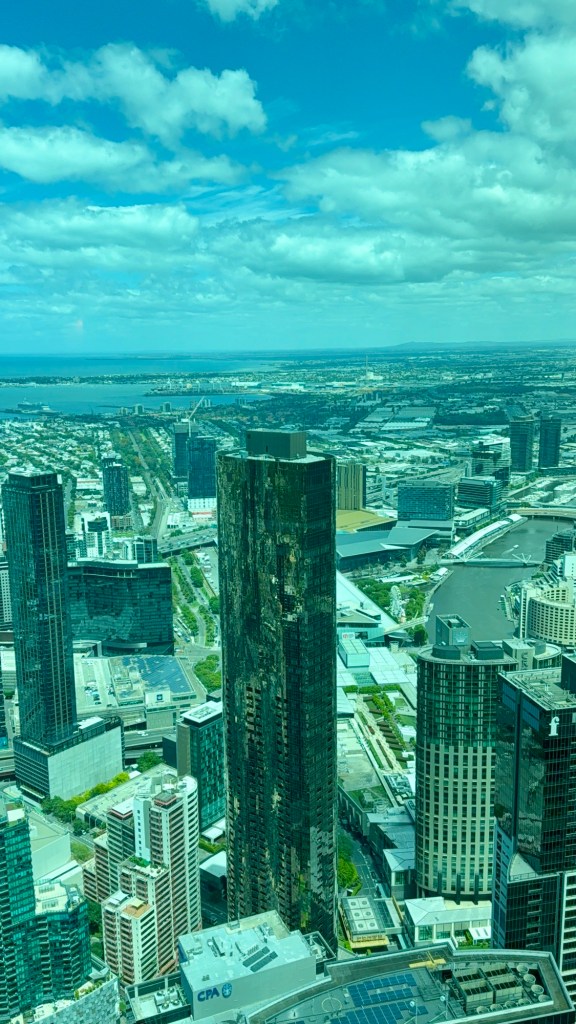
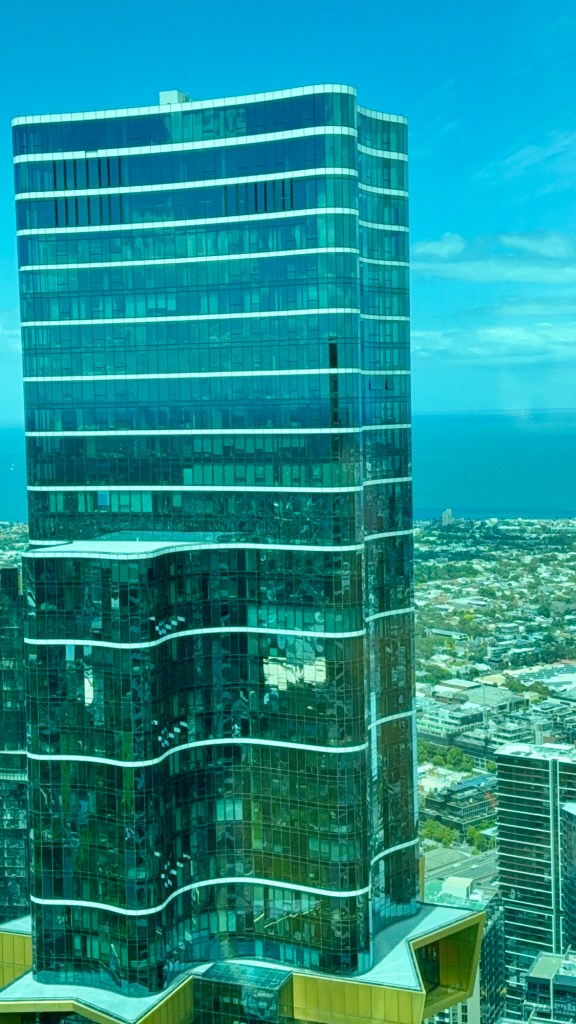
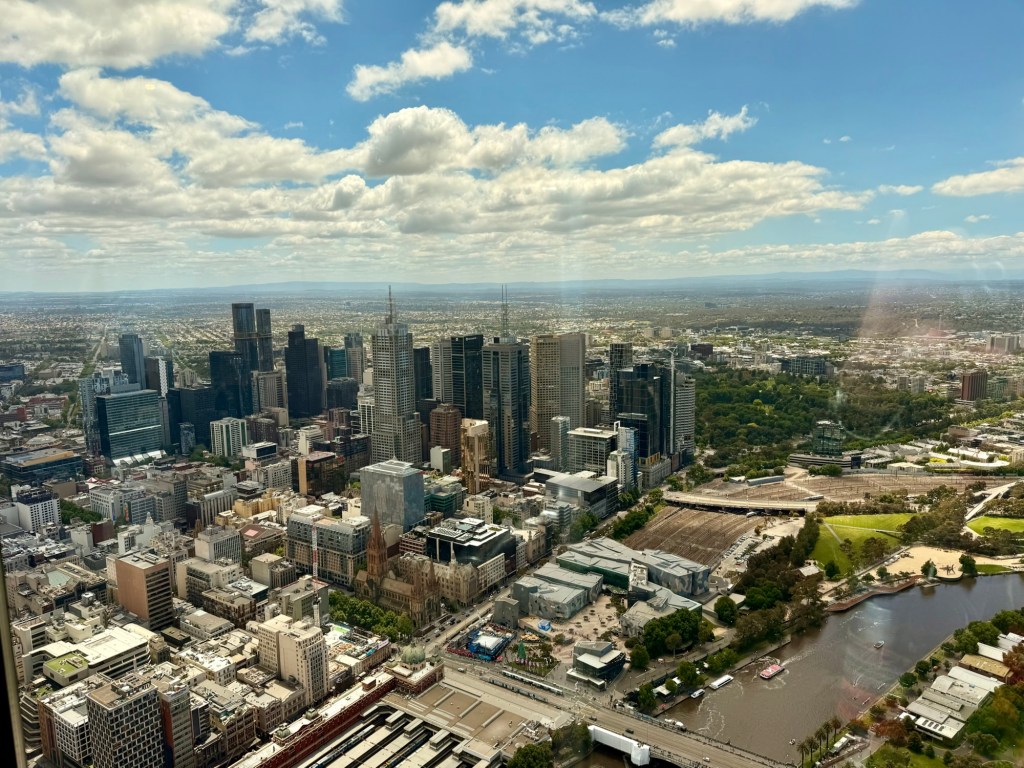
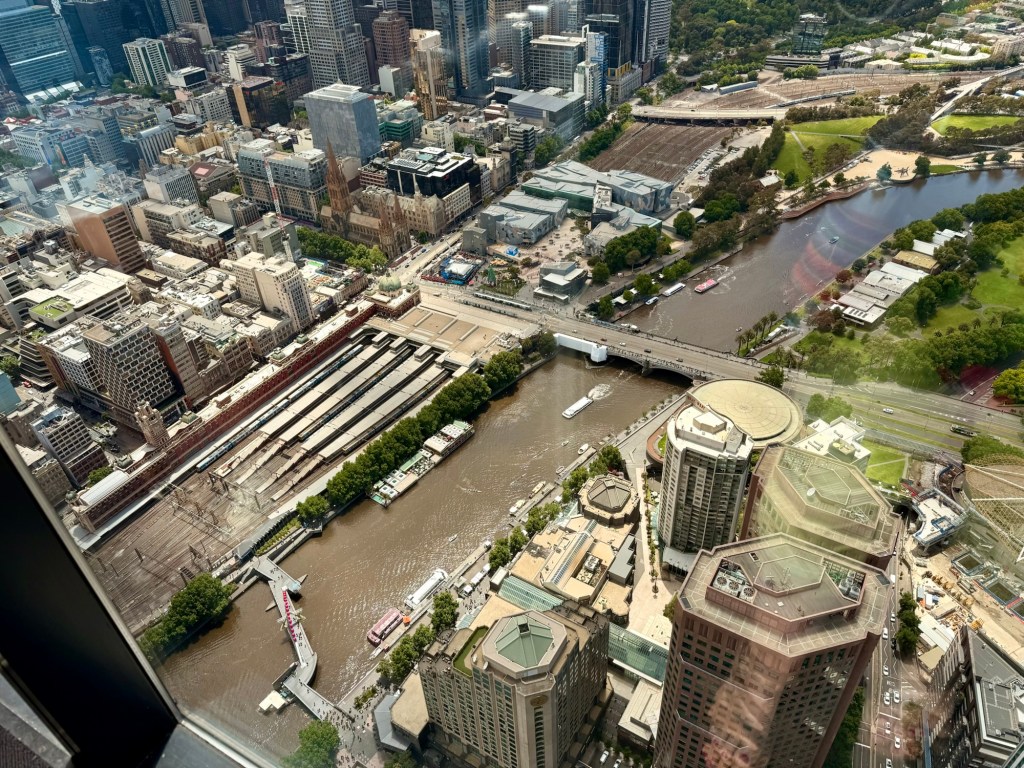
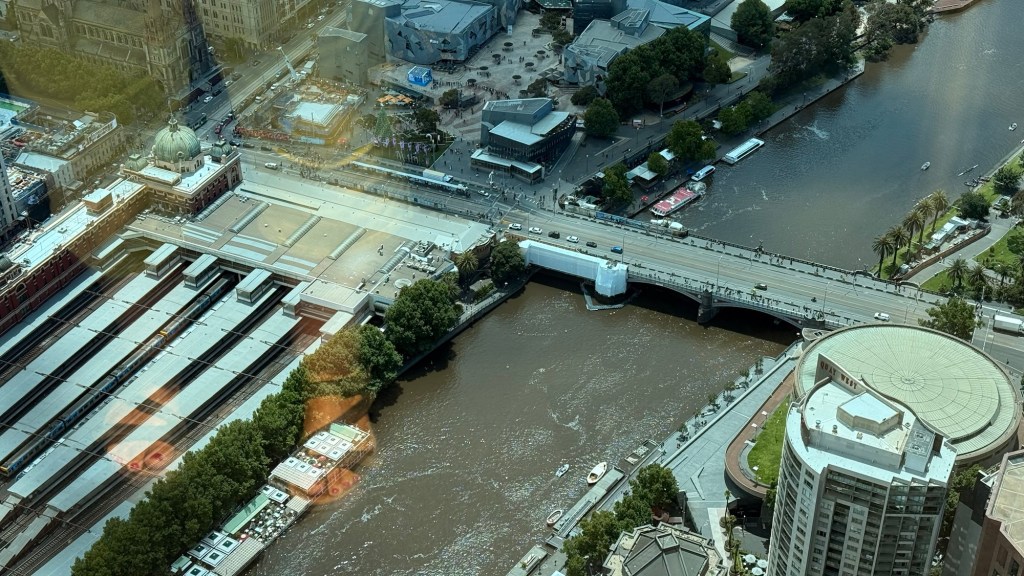
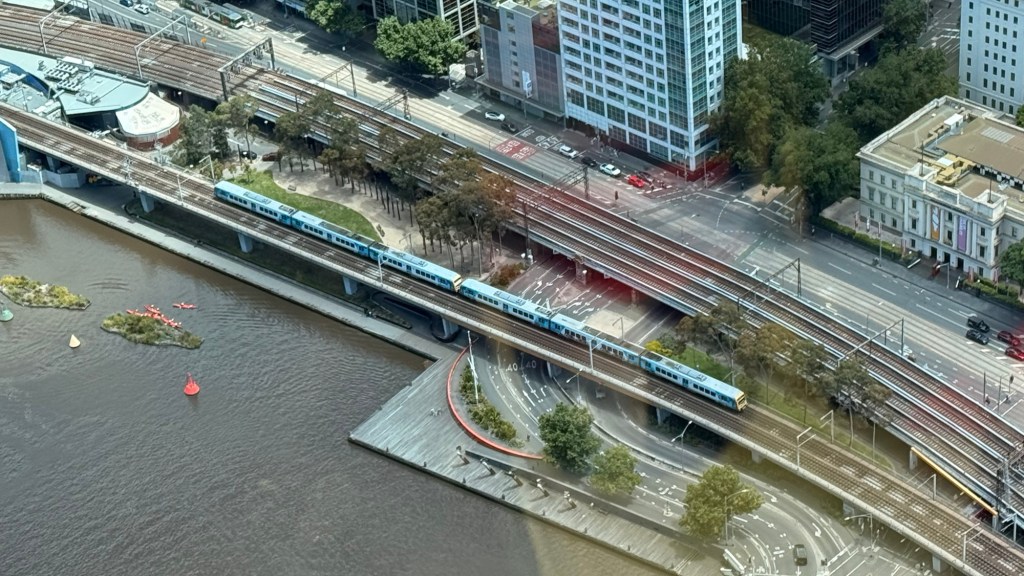
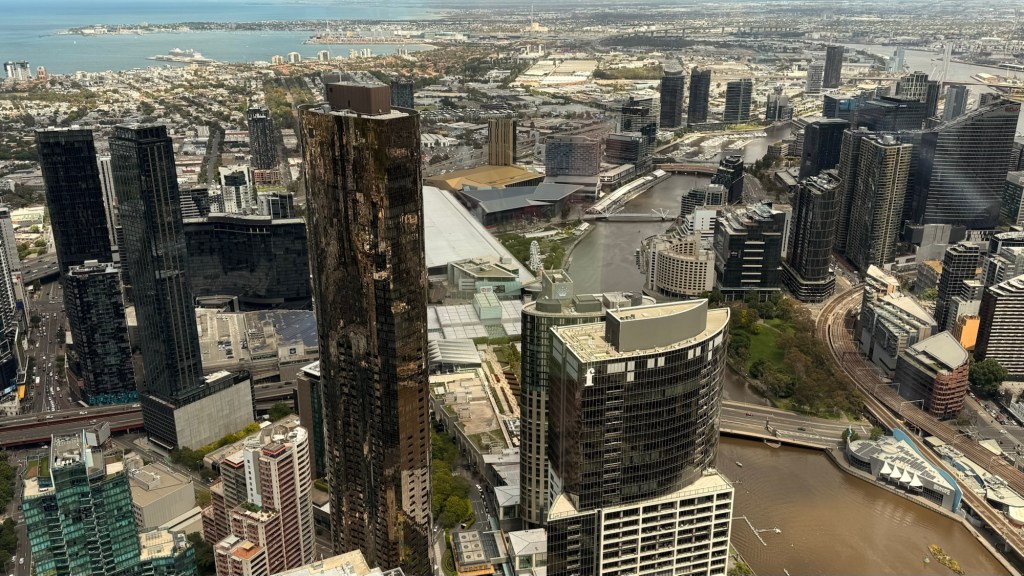
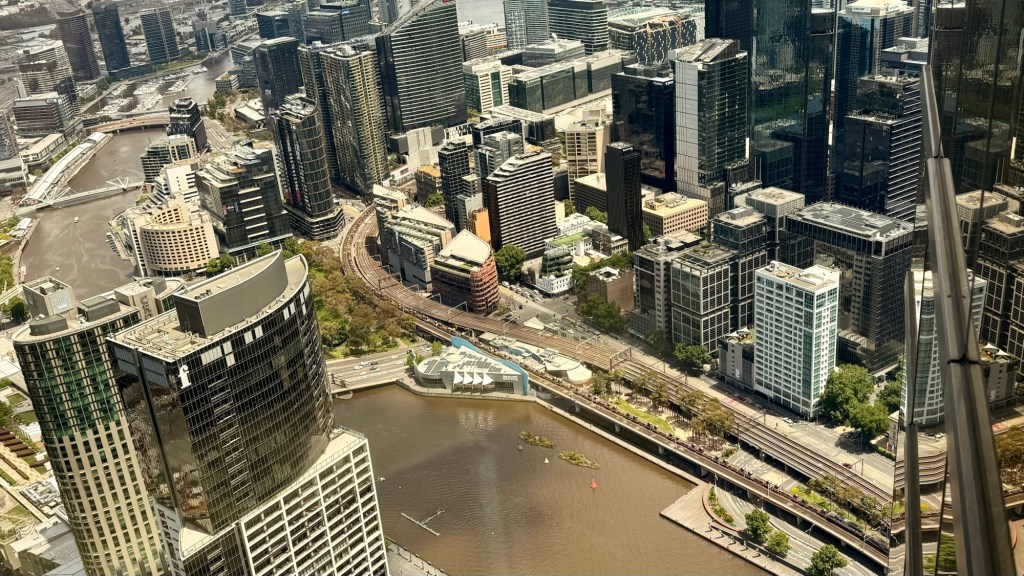
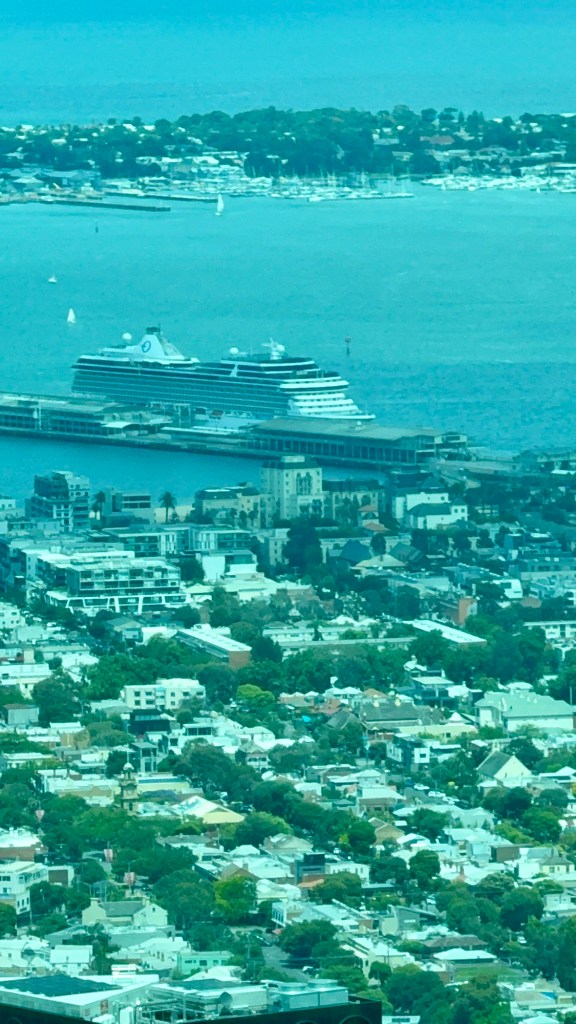
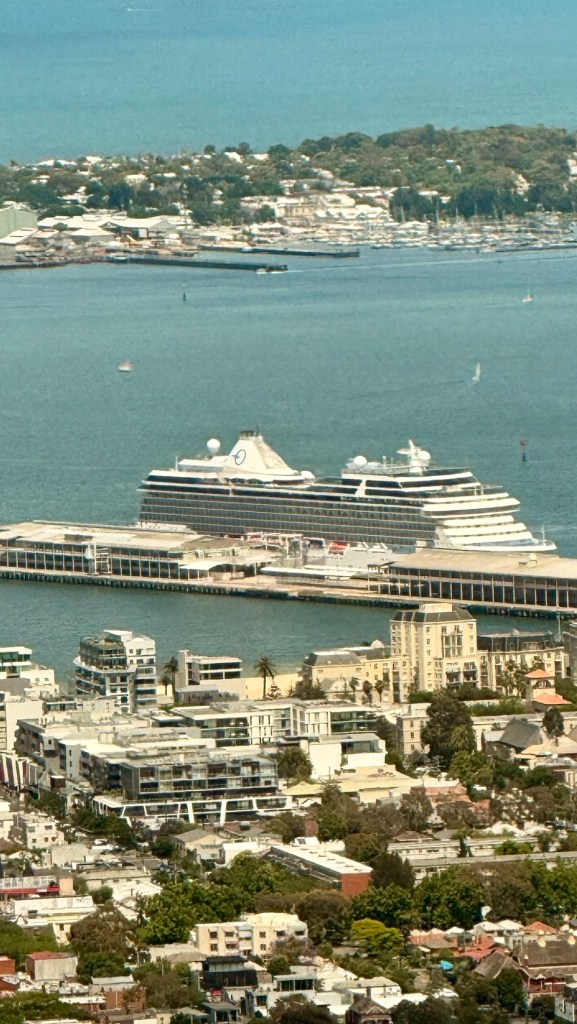
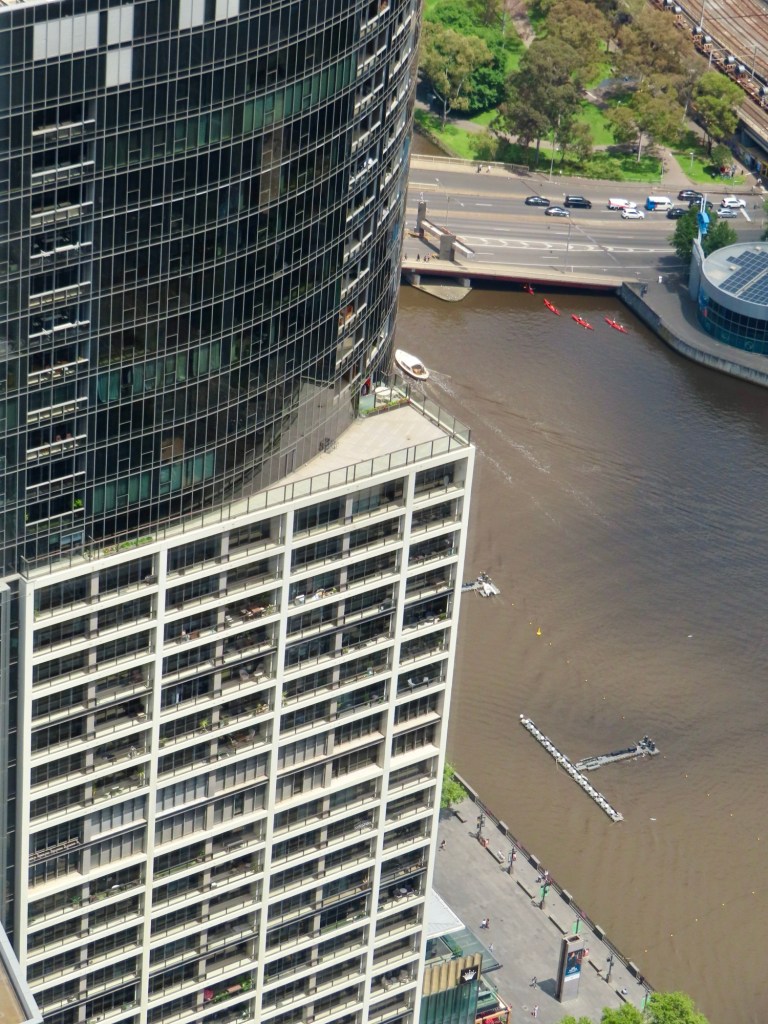
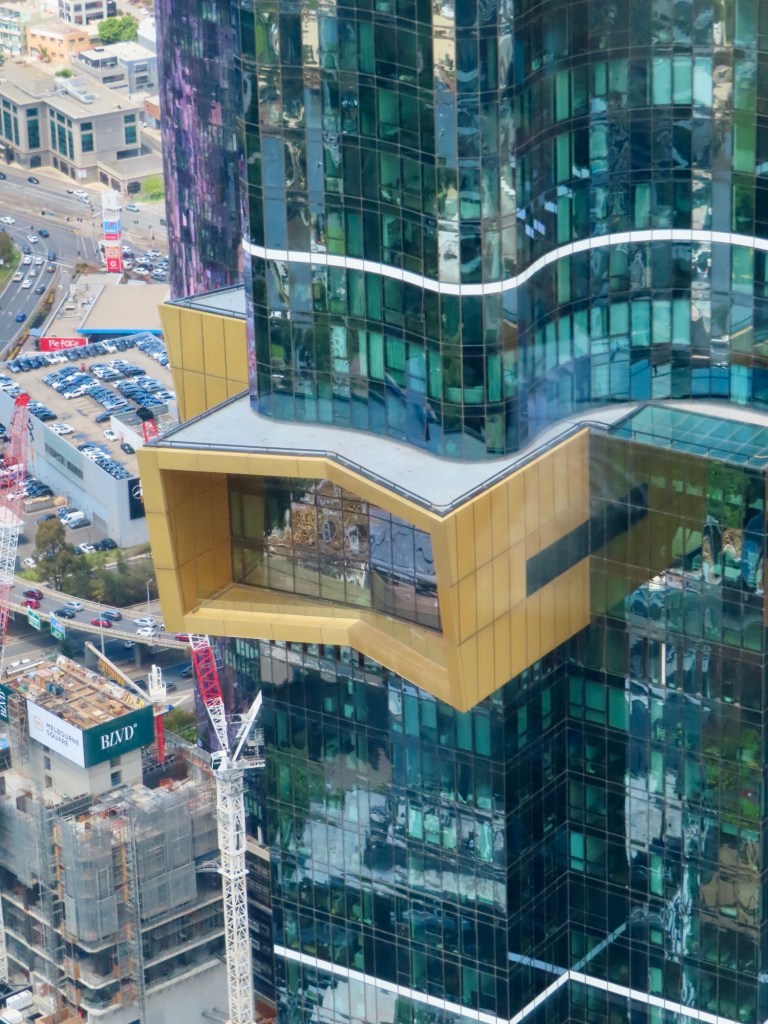
And then I went up the Skywalk….what a view!
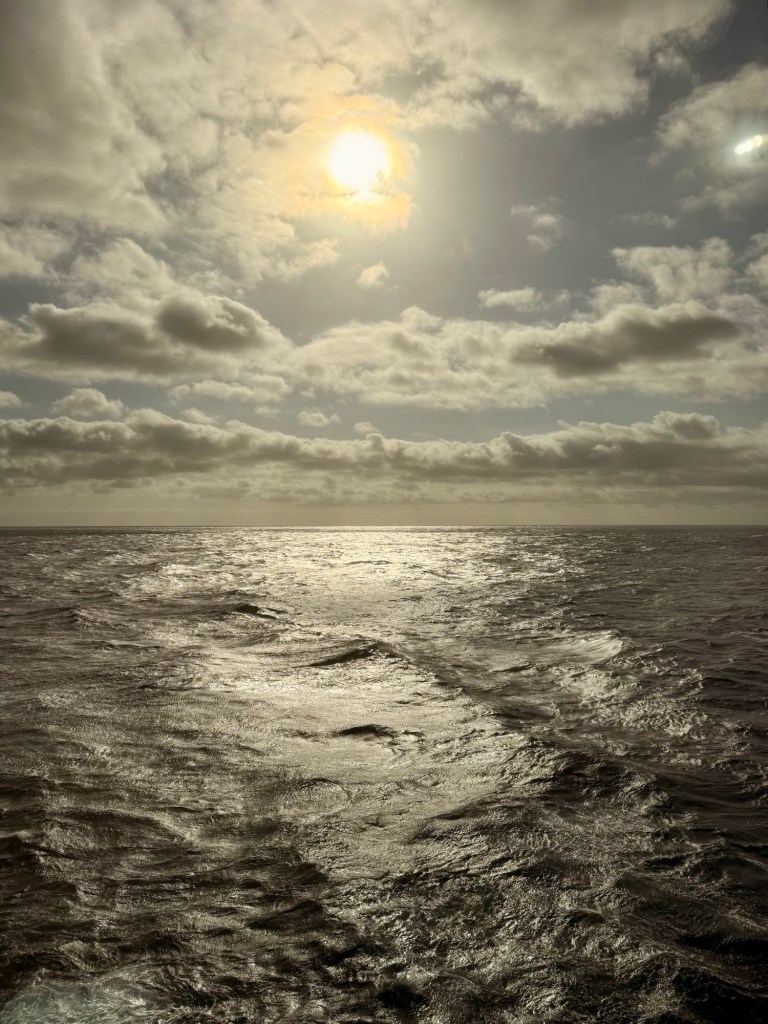
And the return to port.
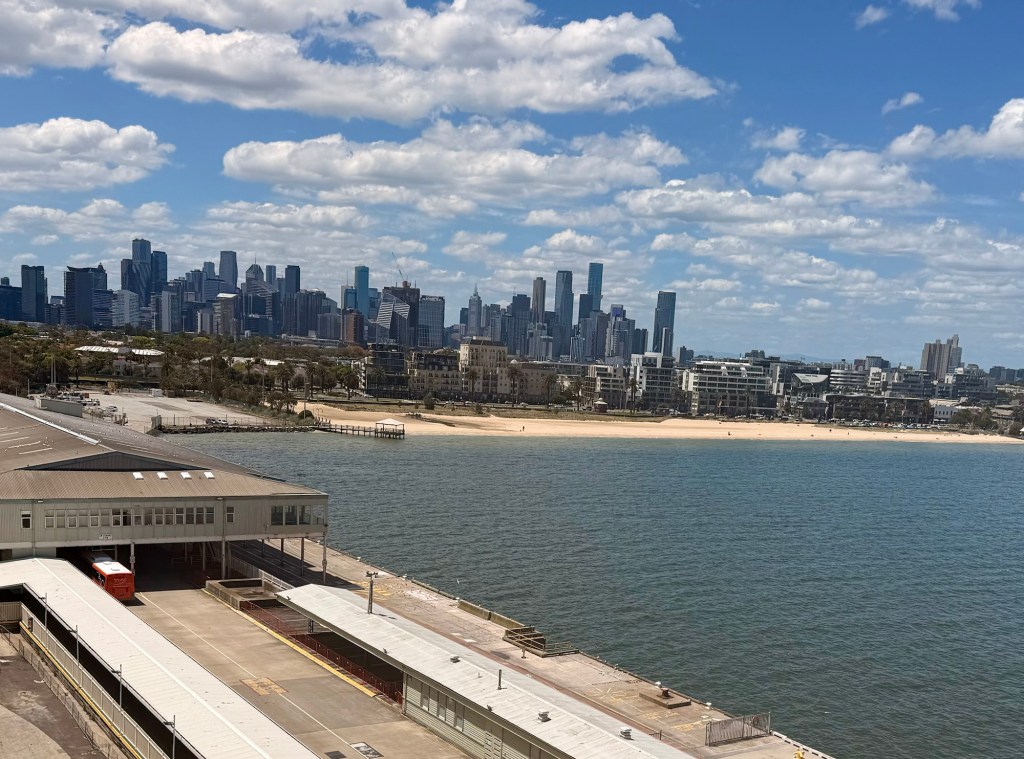
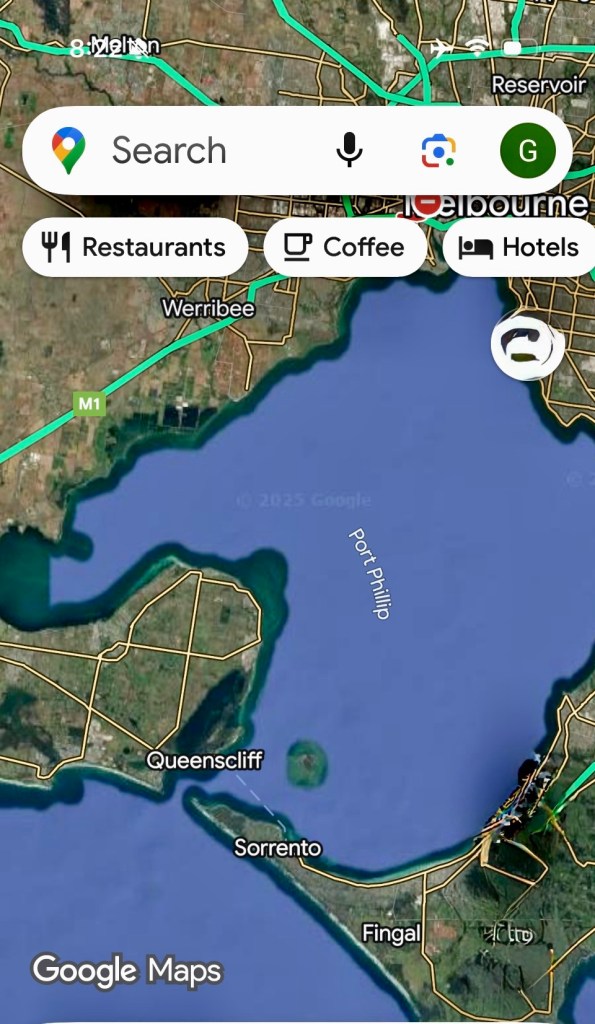
As we are sitting down to dinner leaving Port Phillip, the ship cranks hard and I, along with a good number of others, are wondering what the captain is trying avoid hitting (as another ship was not paying attention on a previous trip to Asia). We could not see another ship only churning wake. When look at the map of the are, we understand the tight turn the captain needed to make.
Note between Queenscliff & Sorrento
Dec 8/25-Burnie, Tasmania
Another terribly rocky night on the seas last night and not any better when we got to Burnie. Even with pier facilities & 2 tugs pushing, it was impossible to dock and so…. Back out to sea we go. Disappoint that another port was missed.
Unfortunately the seas were not cooperative to take the tenders into shore. They tried but I watched from the cabin as they bobbed around like corks. Not a good idea. I’m disappointed to have missed it but … nothing you can do about it.
Dec 5/25-Adelaide, SA-Cleland Wildlife Park and Mt Lofty
It is 45 minutes to Adelaide by train from Port Adelaide. Port River is home to bottlenose dolphins.
All vehicles here are imported now. They no longer are into the production of vehicles. Adelaide now is going into the production of nuclear powered submarines for US and UK…. Plus for their own navy . It is also a training centre for that product with 20,000 workers at the Osborne Naval Shipyard.
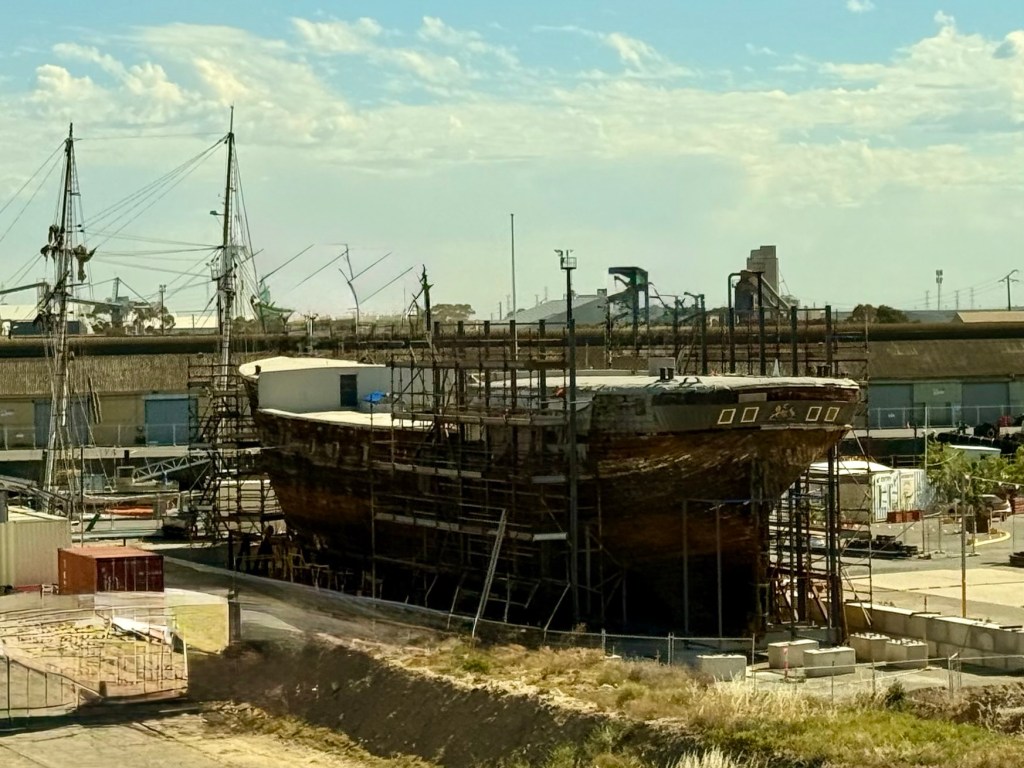
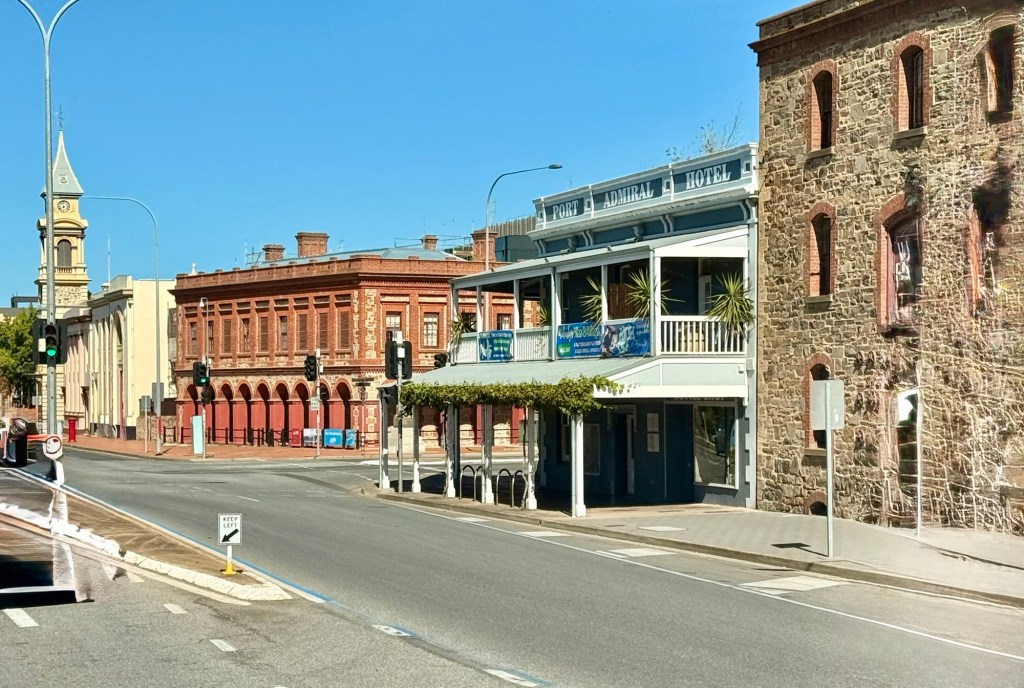
In 1834, Adelaide, SA became a free state of English settlers (not convicts like a lot of the other states) and German Lutherans that were persecuted in their home country. It has a population of 1.8 m. Driest part of a dry state. Up to 40 degrees in summer but not the humidity of the east coast cities. Originally it was named Port Misery because of swamps with lots of mosquitoes. Clippership Adelaide. Oldest original in world …brought 250,000 passengers to Australia. Being refurbished after being sunk in Scotland.
1870-80’s Merino wool factories.
Flinders circumnavigated Australia in 1801. … gave Australia its name.
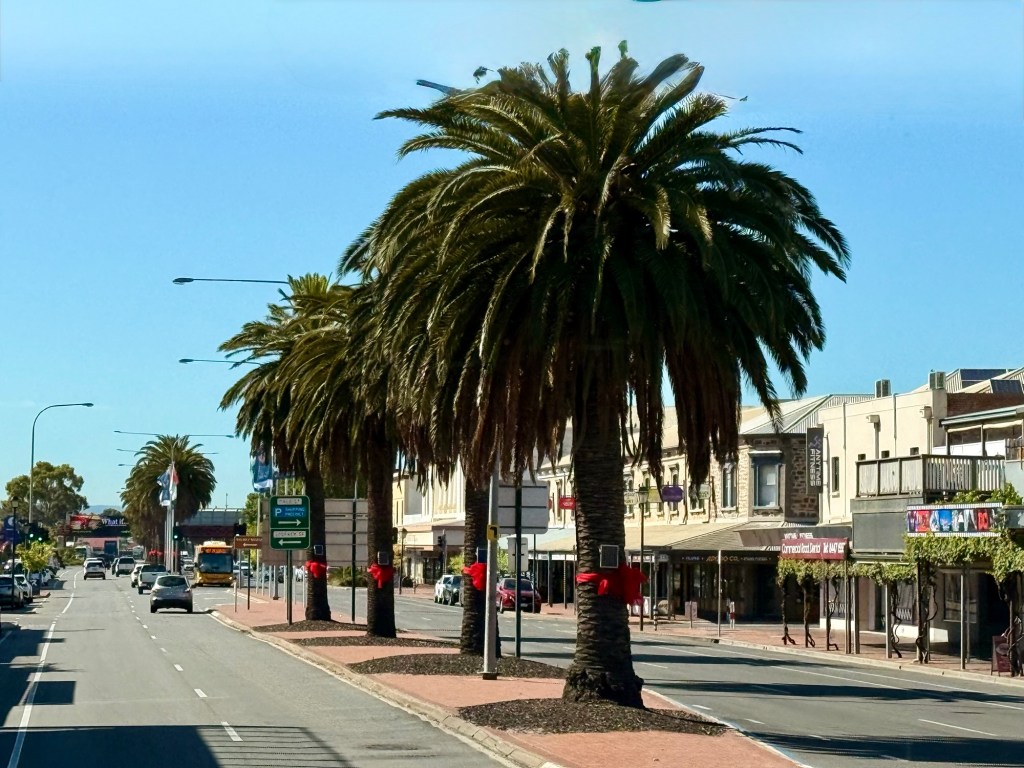
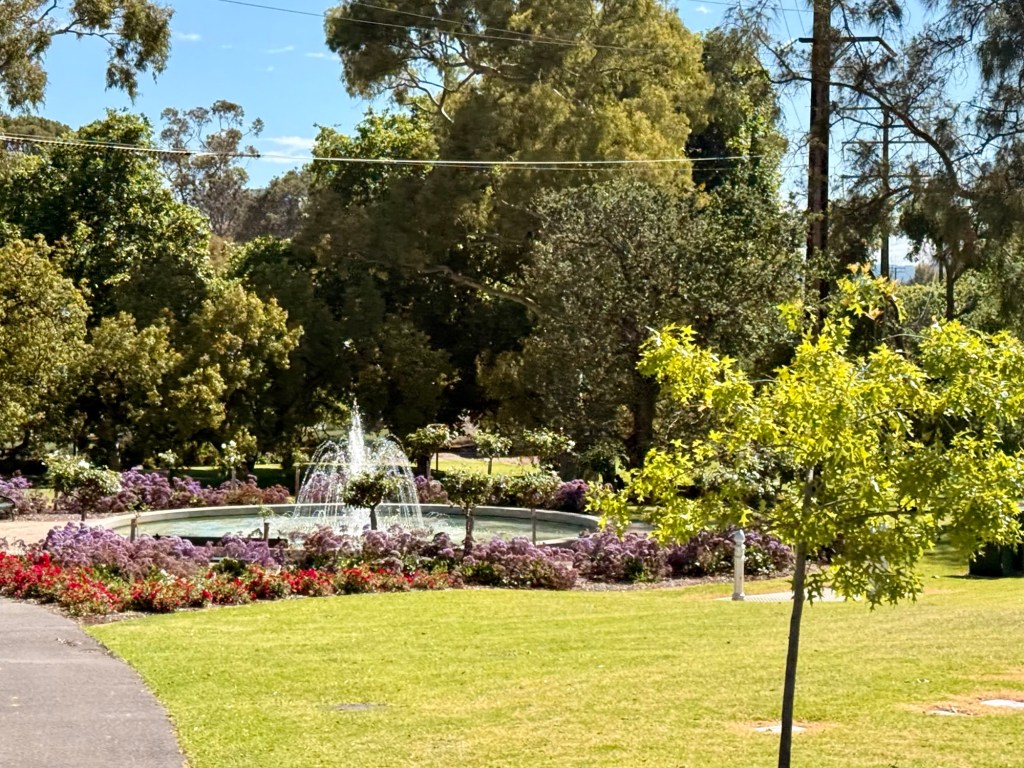
The city is completely surrounded by parklands. The north is residential, south is commercial. With the border streets are named south, east, north and west terrace. There are very large gum trees but sometimes they drop big branches when under stress from drought which has been happening.
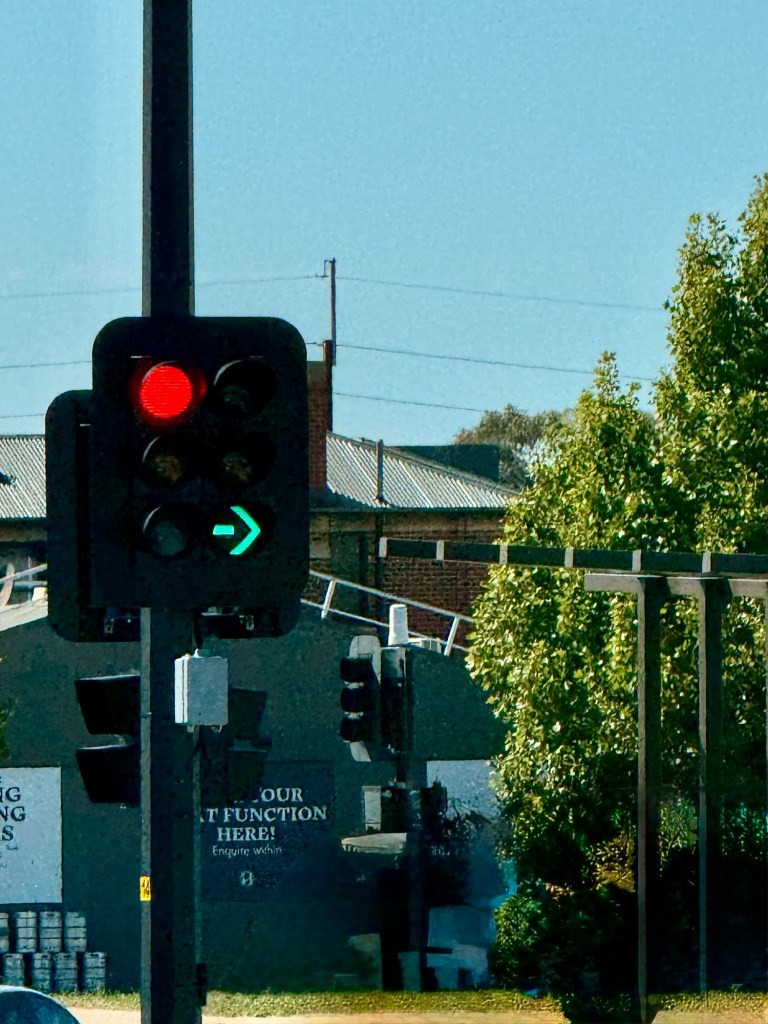
Clippership Adelaide.Some older parts Different signal light than ours
Free trams run throughout the city but part the the tracks under construction presently so they only goe part way then bus continues to the port.
SA was the first state to give women the right to vote.
51 hectares botanical gardens.
There are no toll roads in South Australia. Adelaide Hills is a wine area.
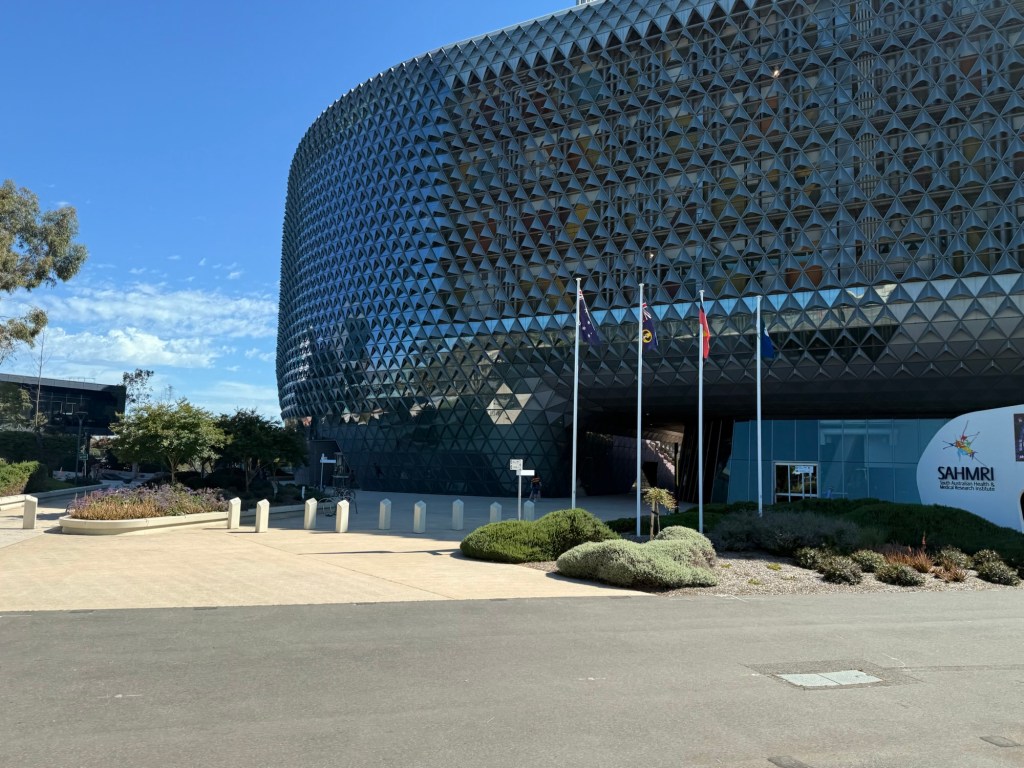
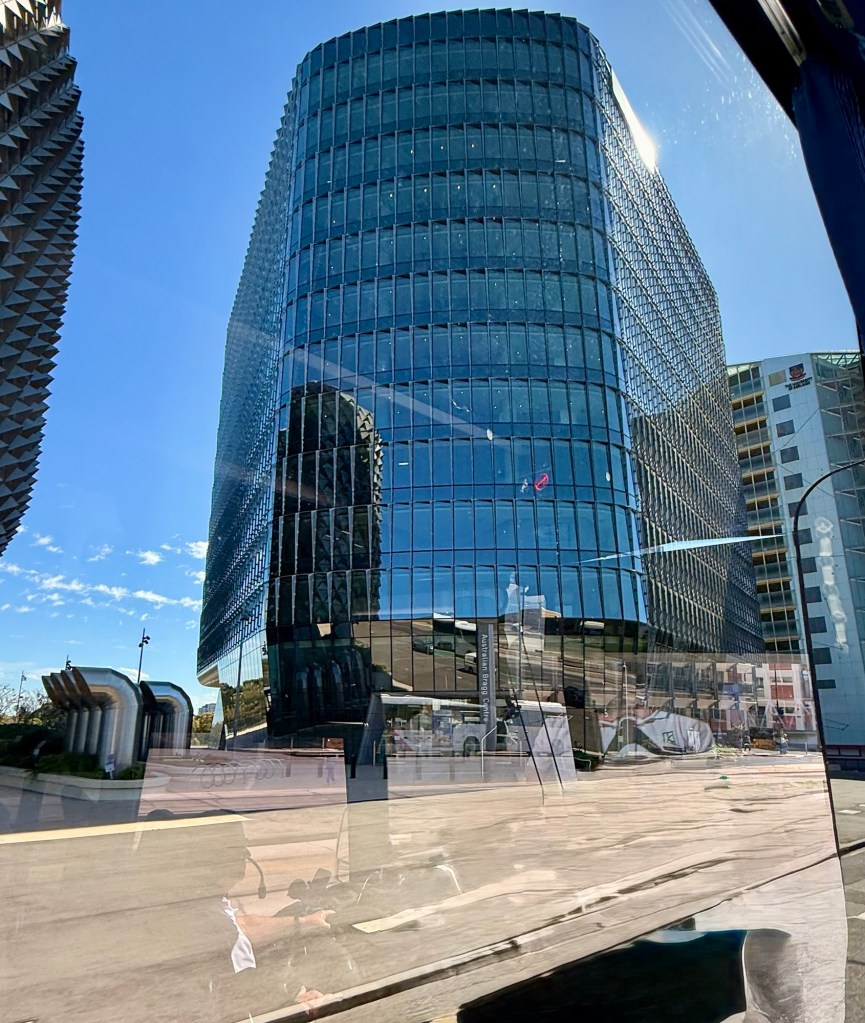
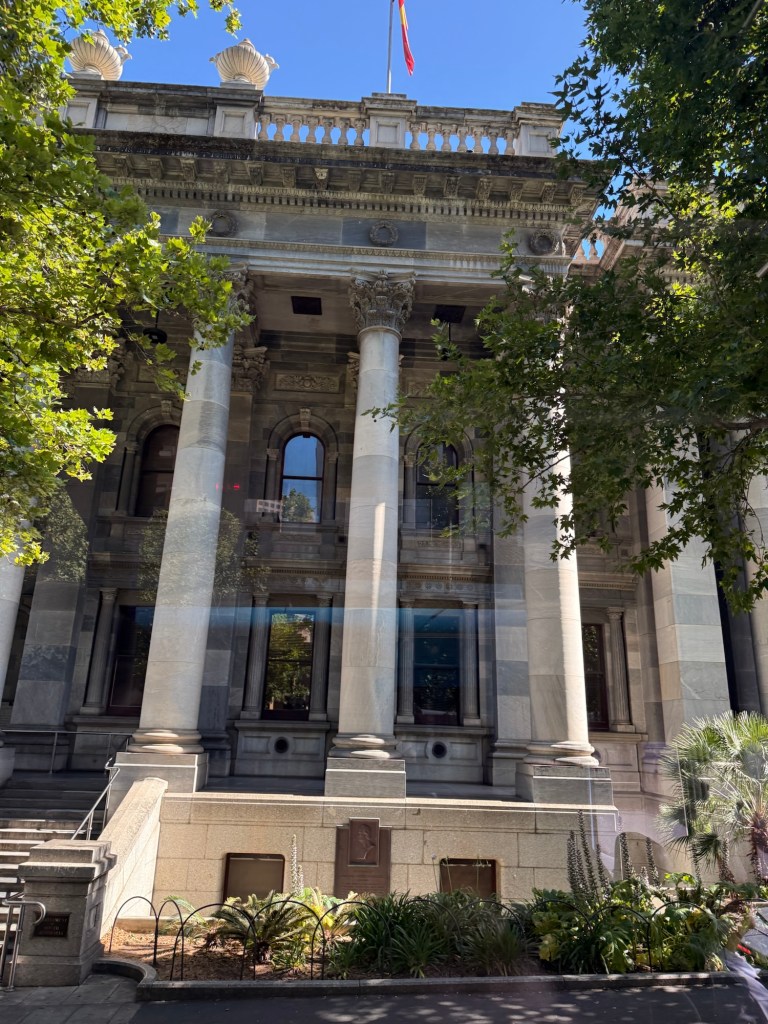
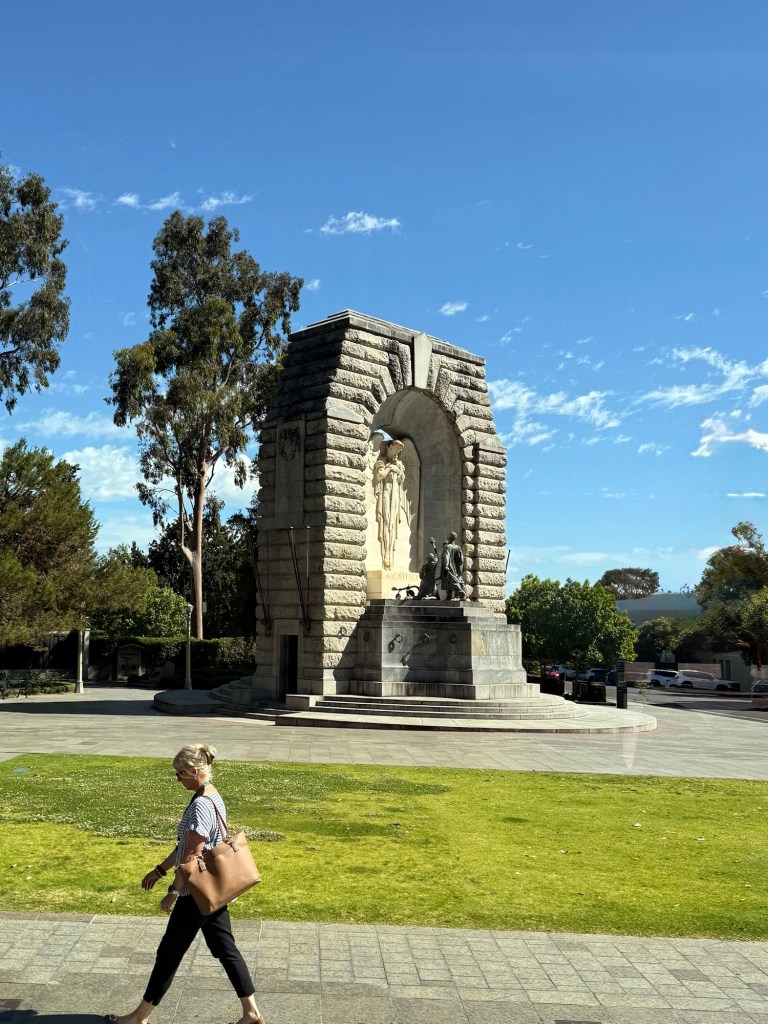
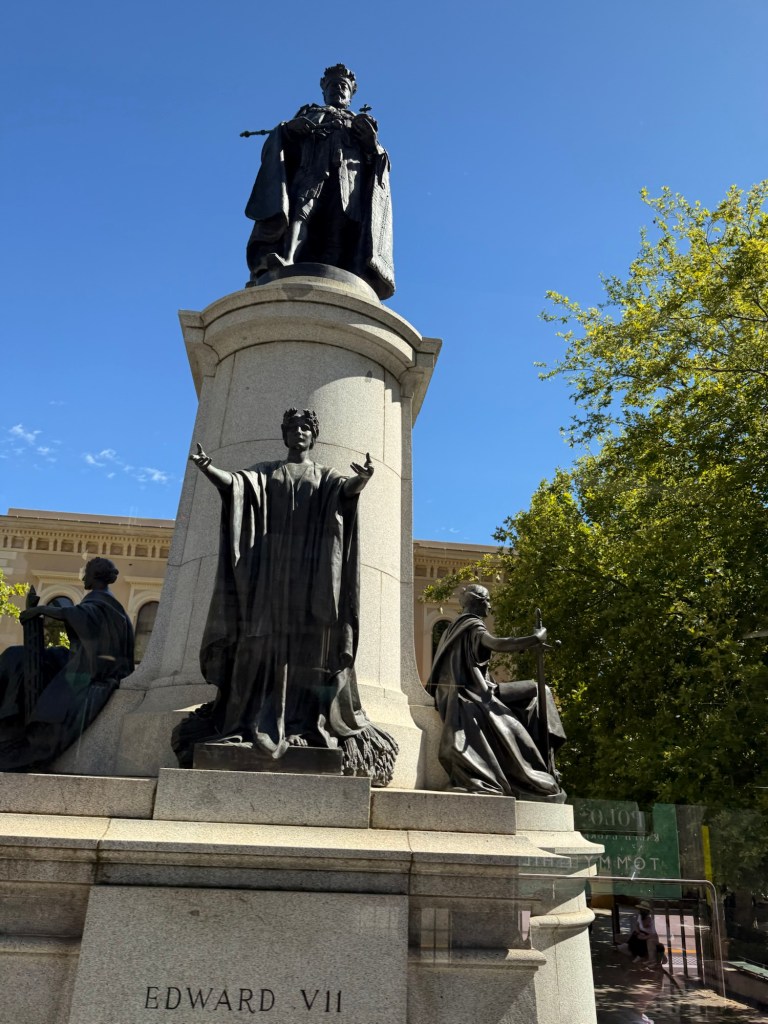
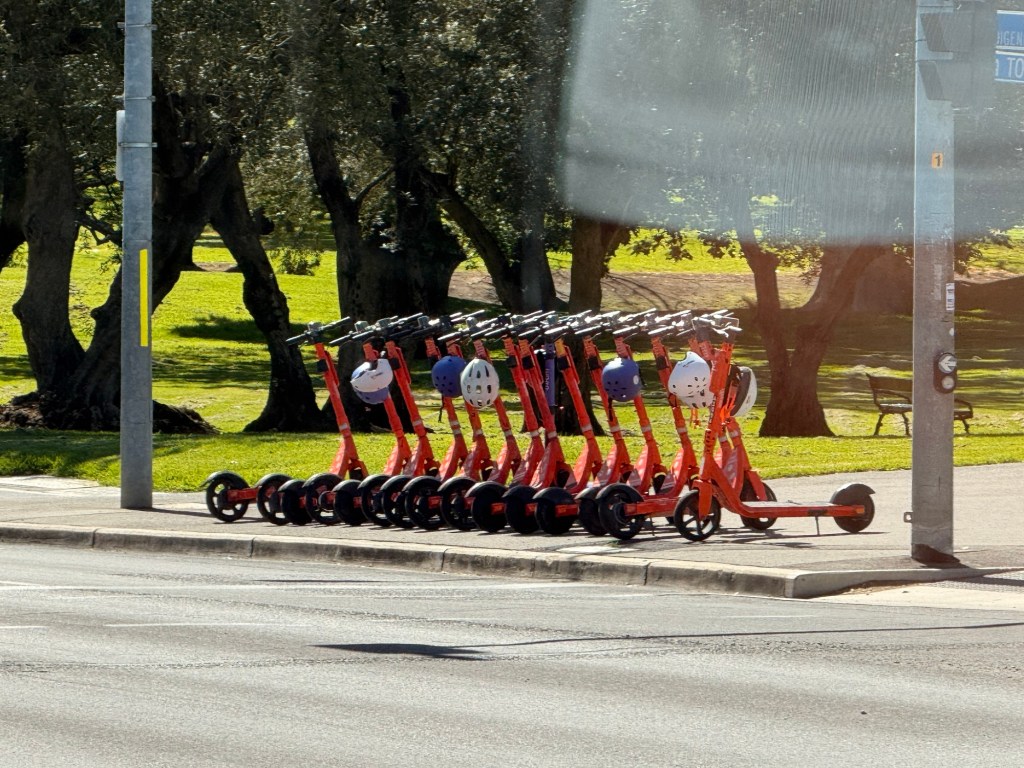
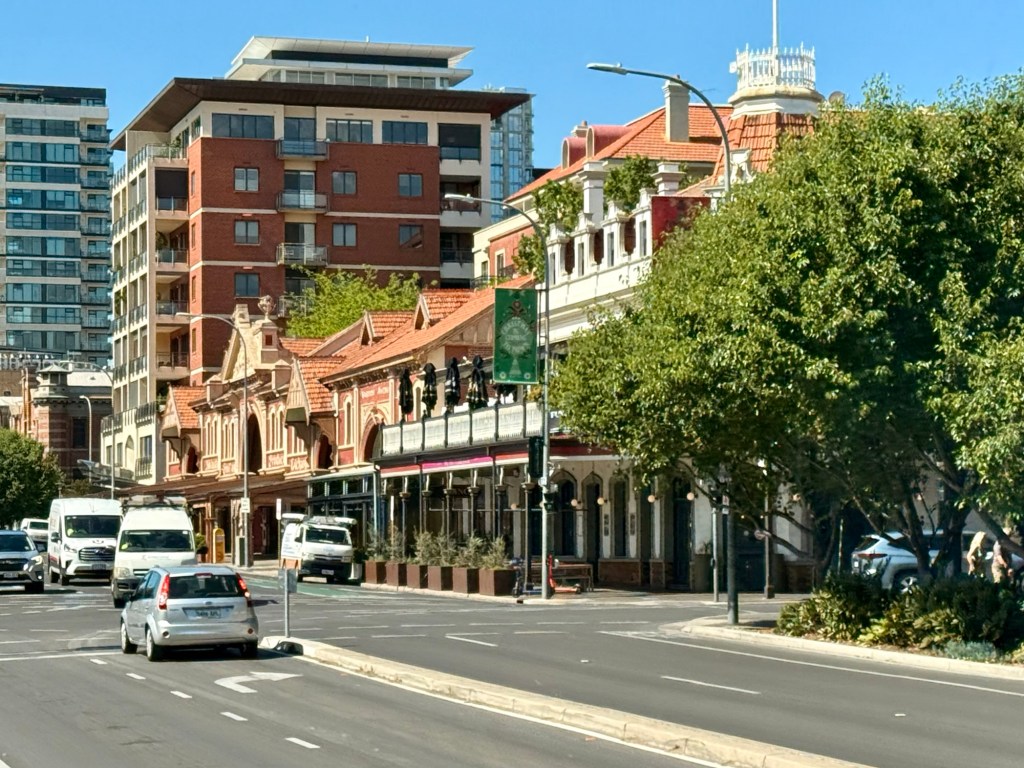
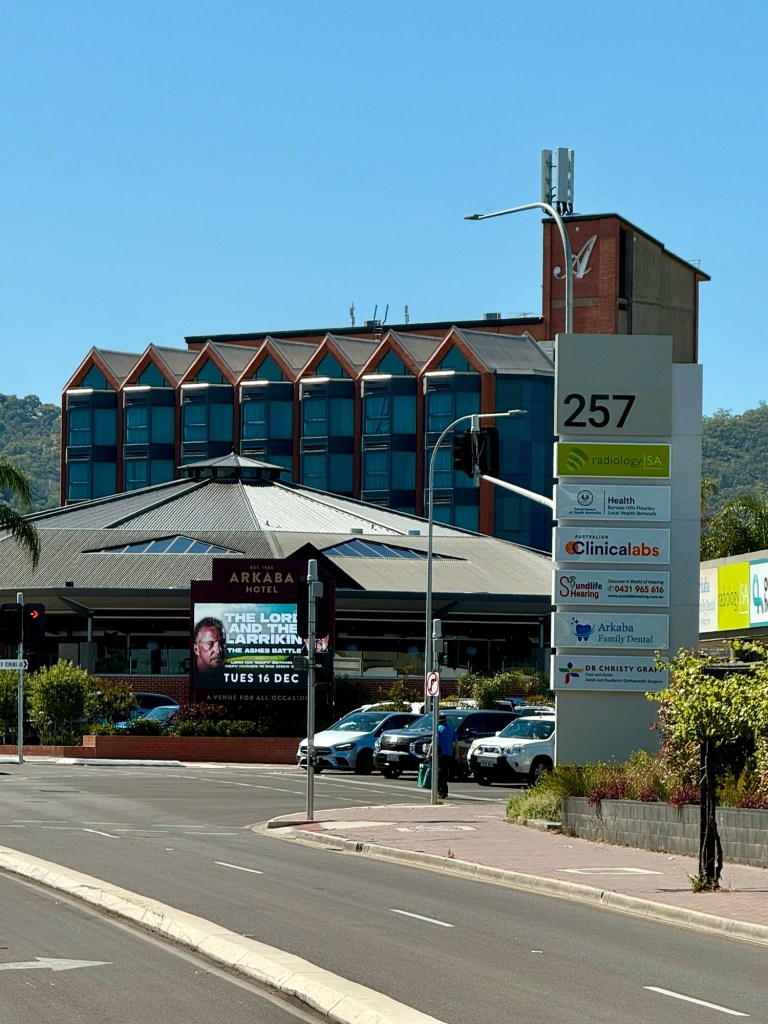
“The grater”….part of Medical research and Royal Hosp. Cancer research building Free tramsGovernment houseInstead of bike rentals there are e-scooter rentalsRated the best hotel in city and state…we all agreed it was nothing to look at but….
We will have 2 hours to look around Cleland Wildlife Park. The area is prone to bush fires. 42 years ago all was lost and had to be rebuilt. 28 people lost their lives.
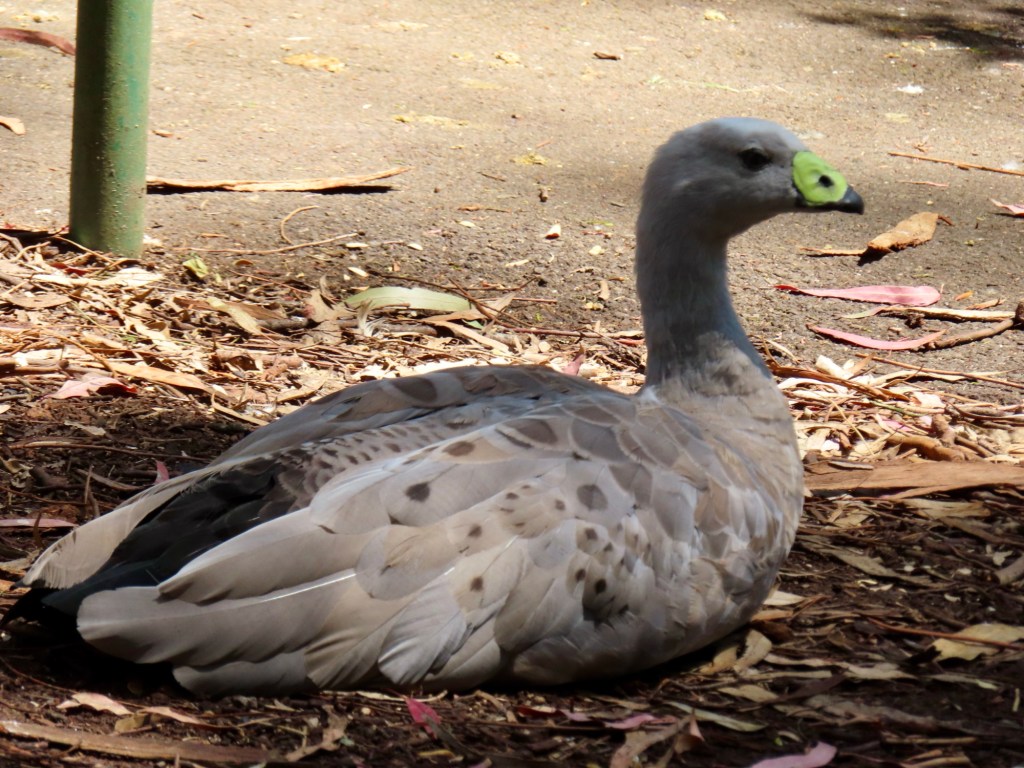
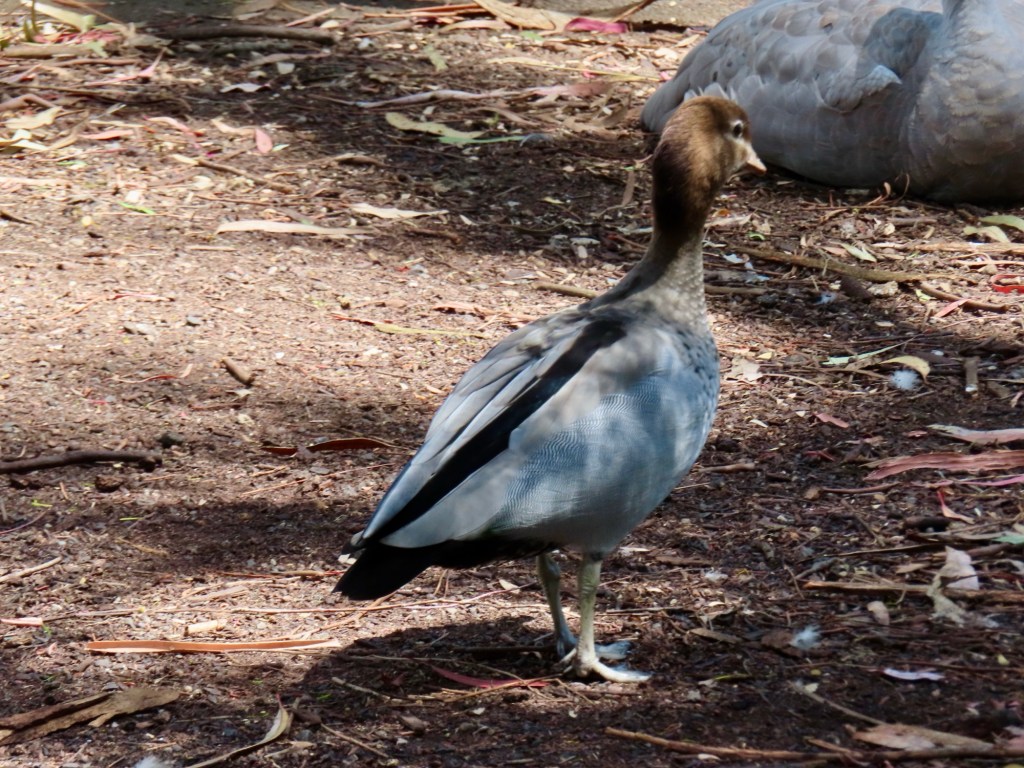
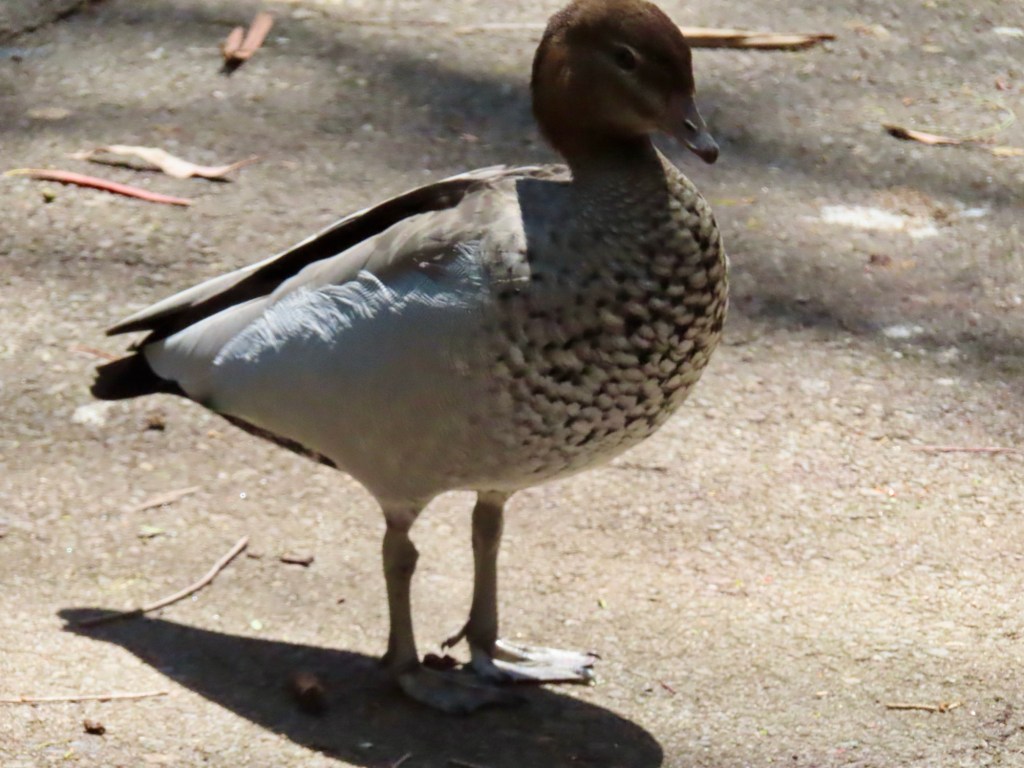
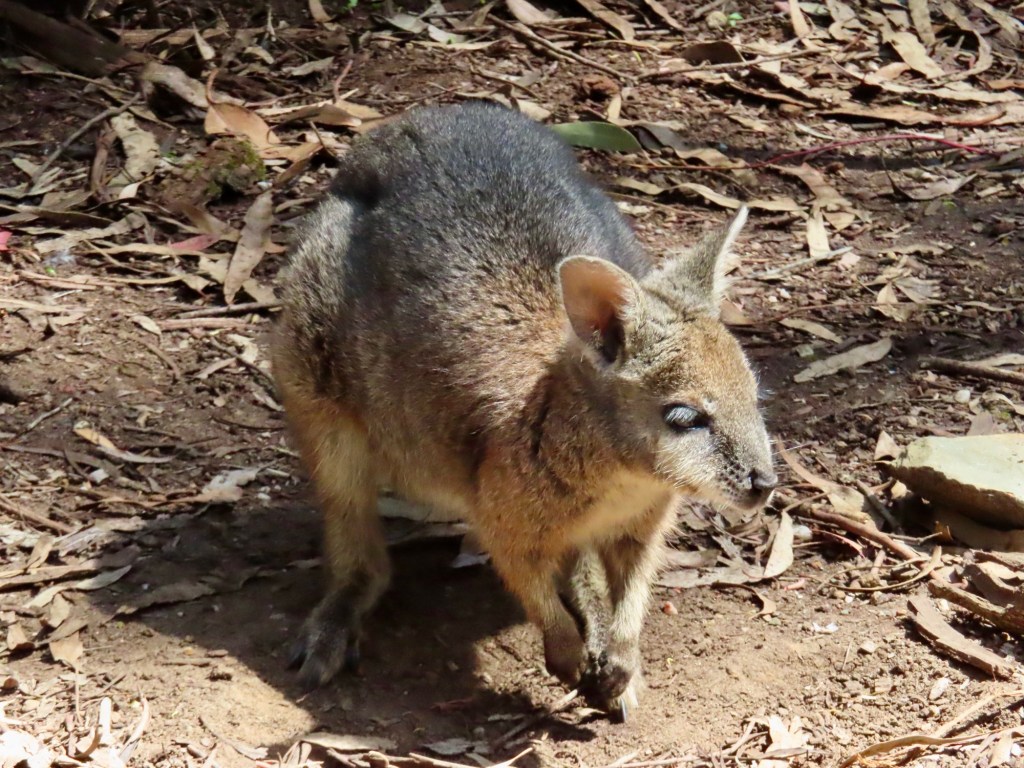
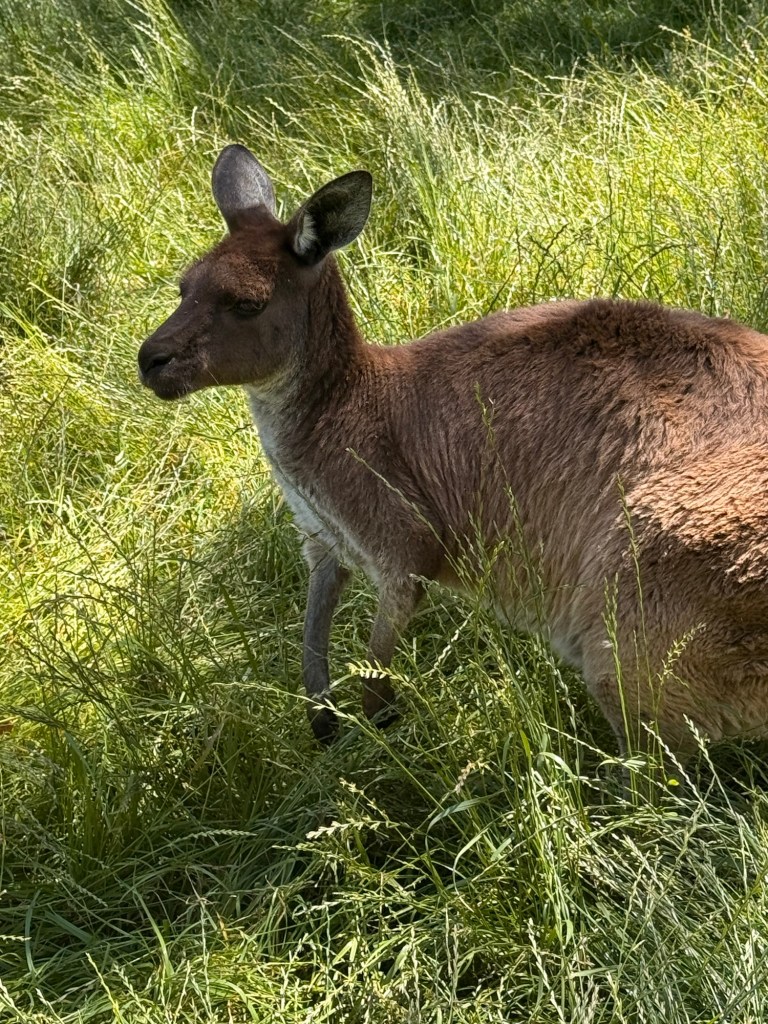
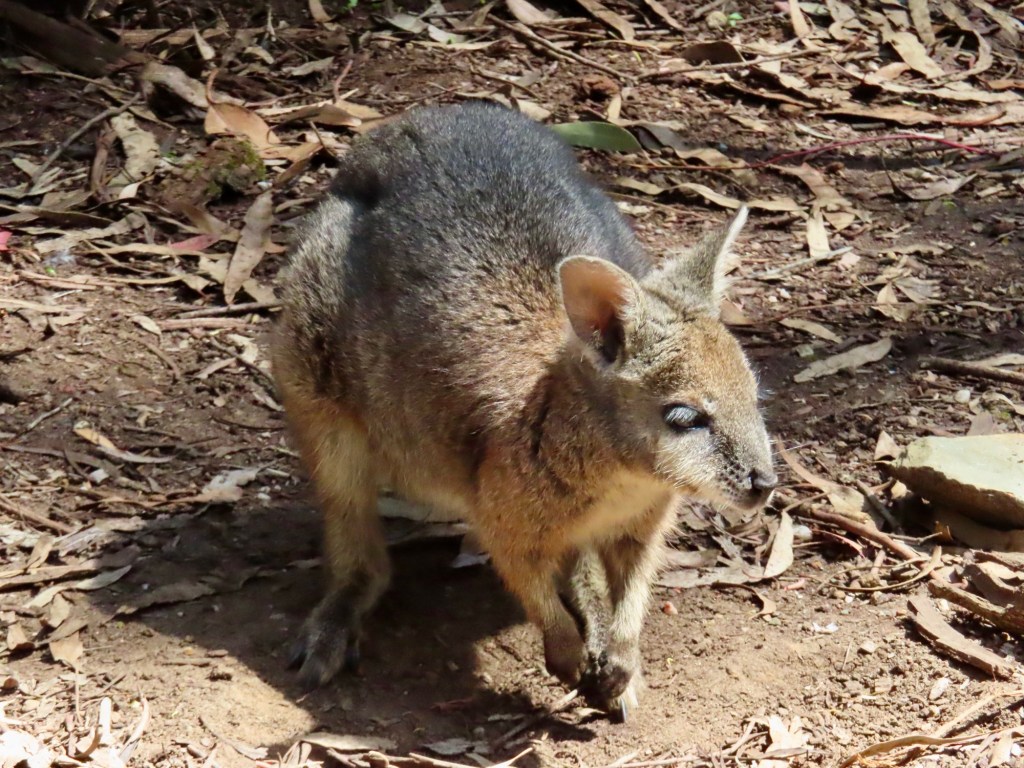
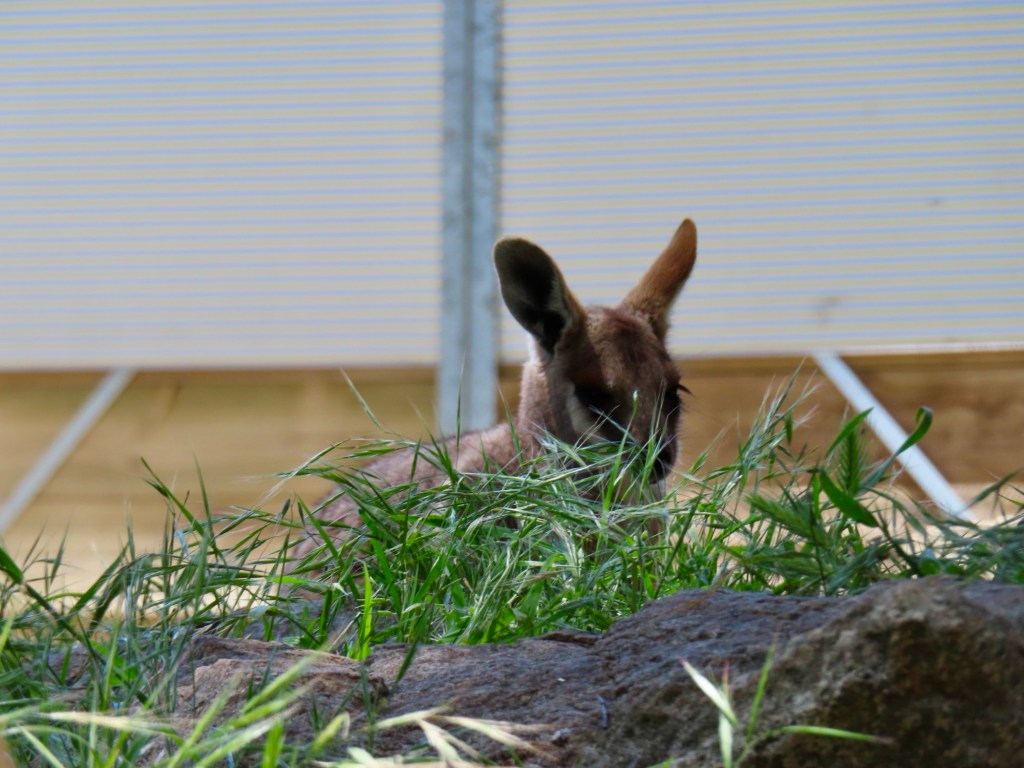
Cape Barren goose Australian wood duckWallabie
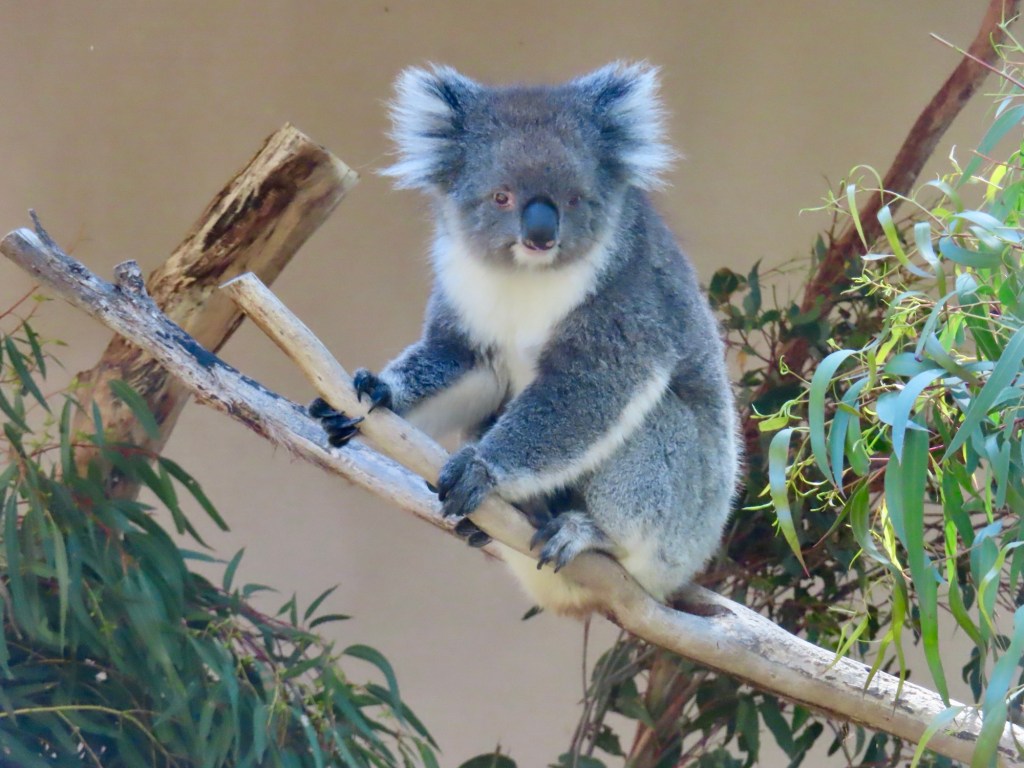
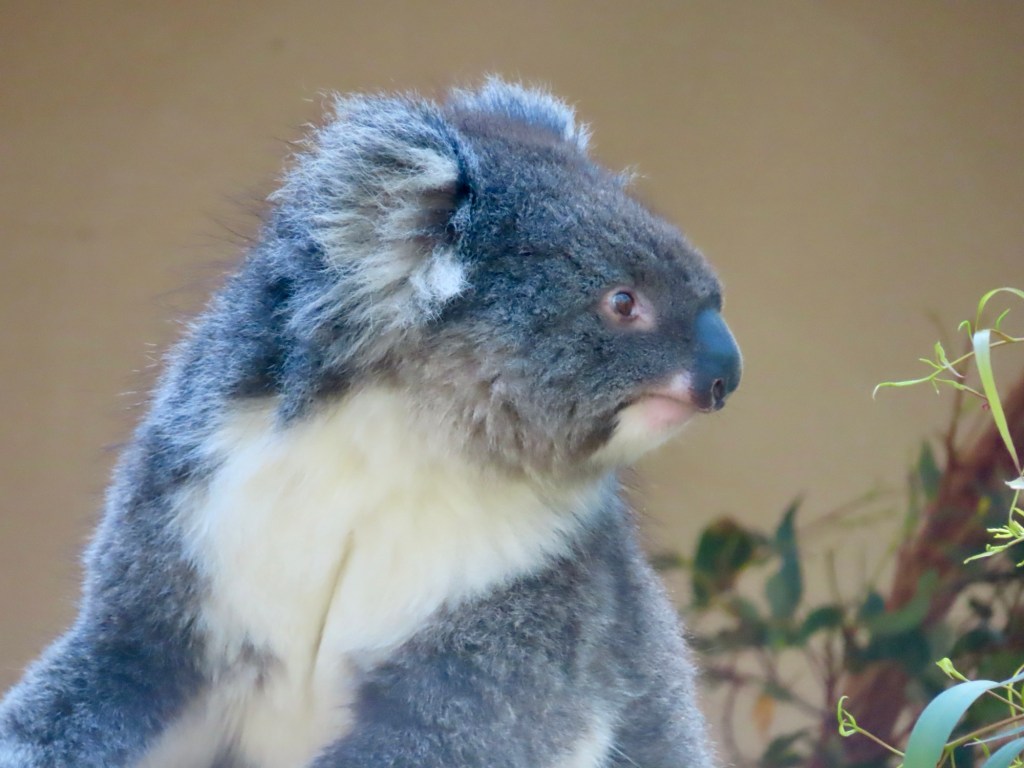
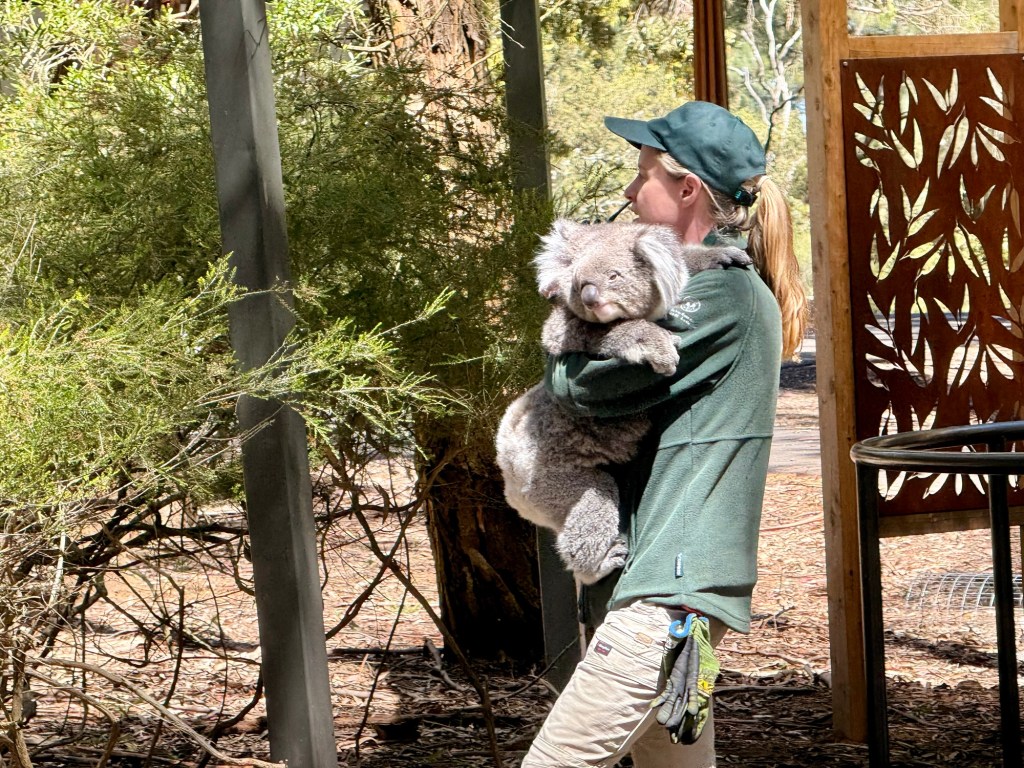
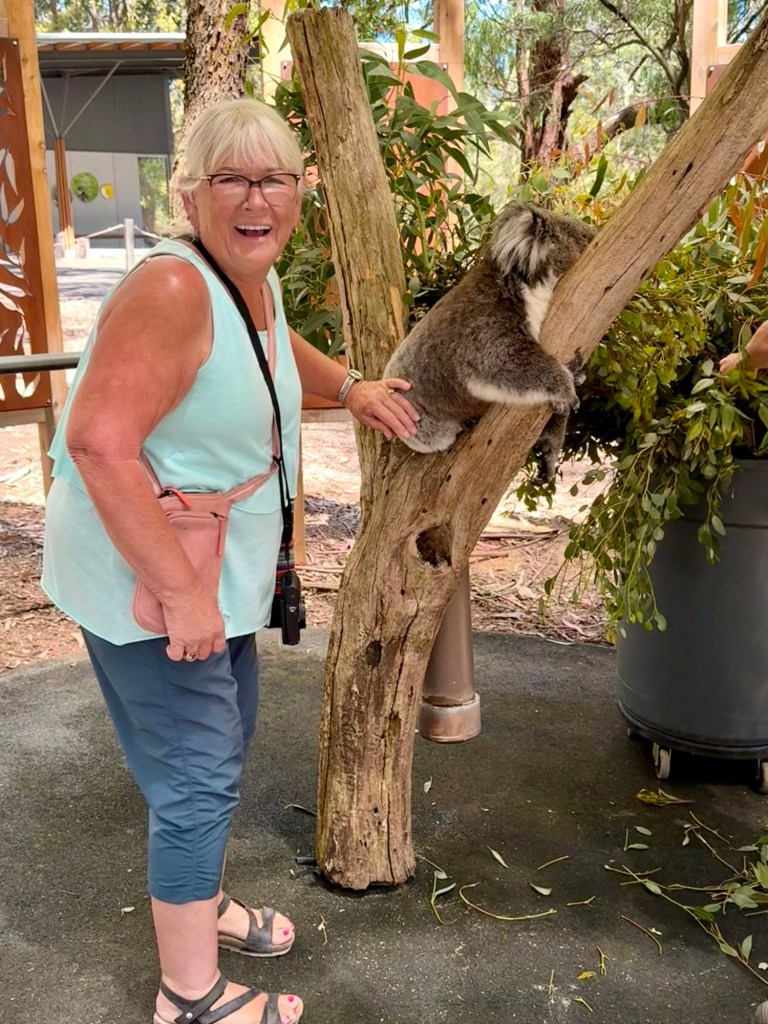
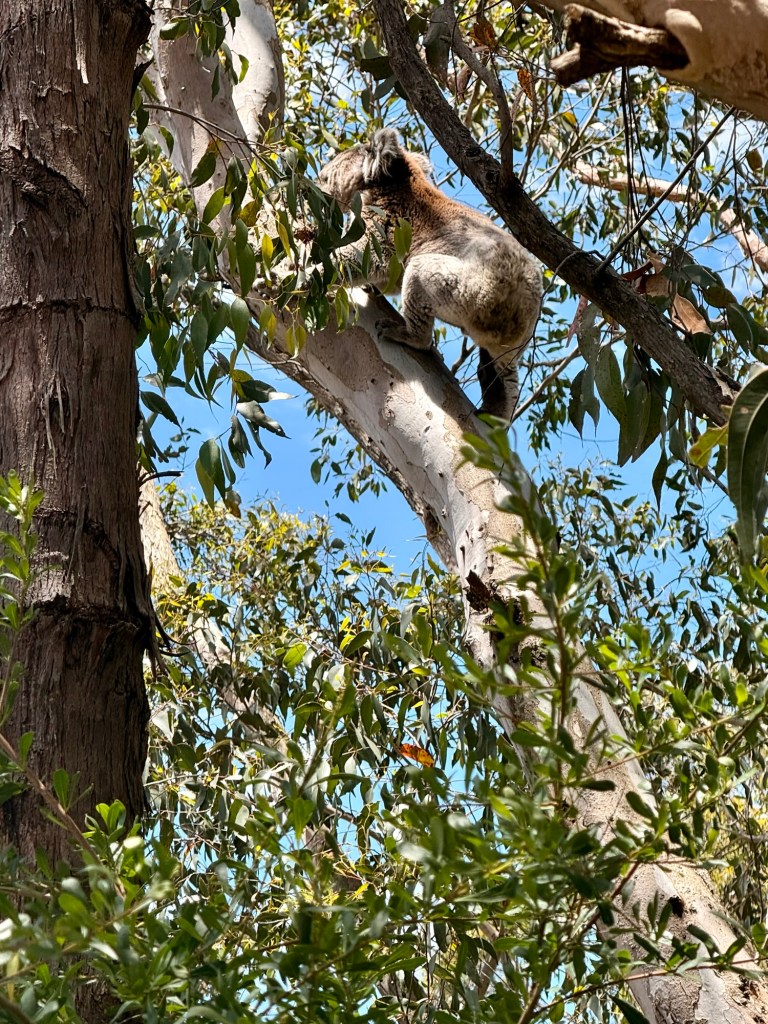
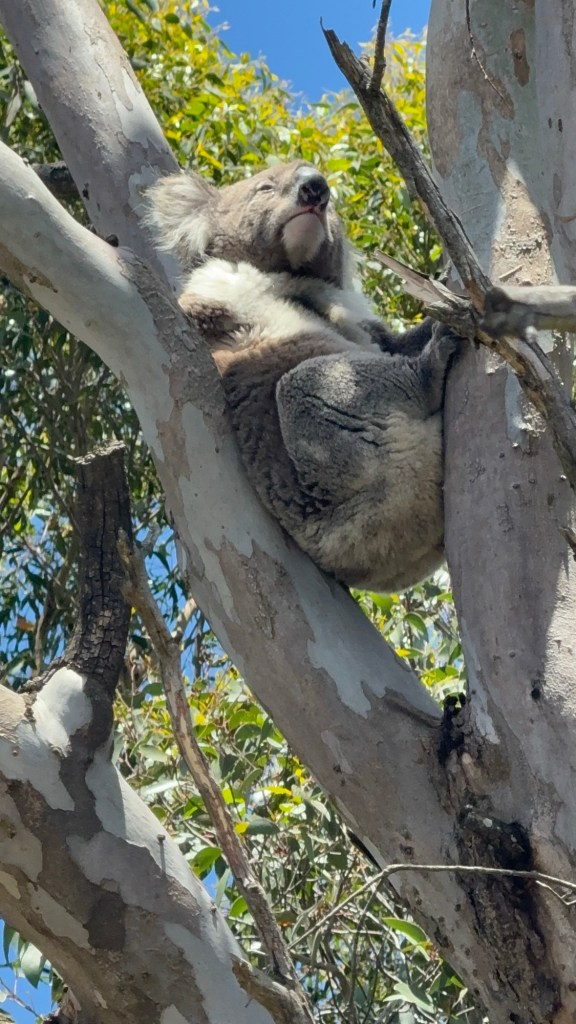
Koalas sleep between 18 to 20 hours per day. Koalas intermittently eat, sleep and groom throughout the day. Their diet consisting of eucalyptus leaves is low in both nutrition and energy. Sleeping on and off throughout the day is a strategy for conserving energy. There is a common misconception that koalas get ‘drugged out’ or “high’ on eucalyptus leaves and that’s why they sleep so much. This is incorrect. Koalas are adapted to digest and excrete the toxins in the leaves and sleep a lot due to their high fibre yet low nutrition diet.
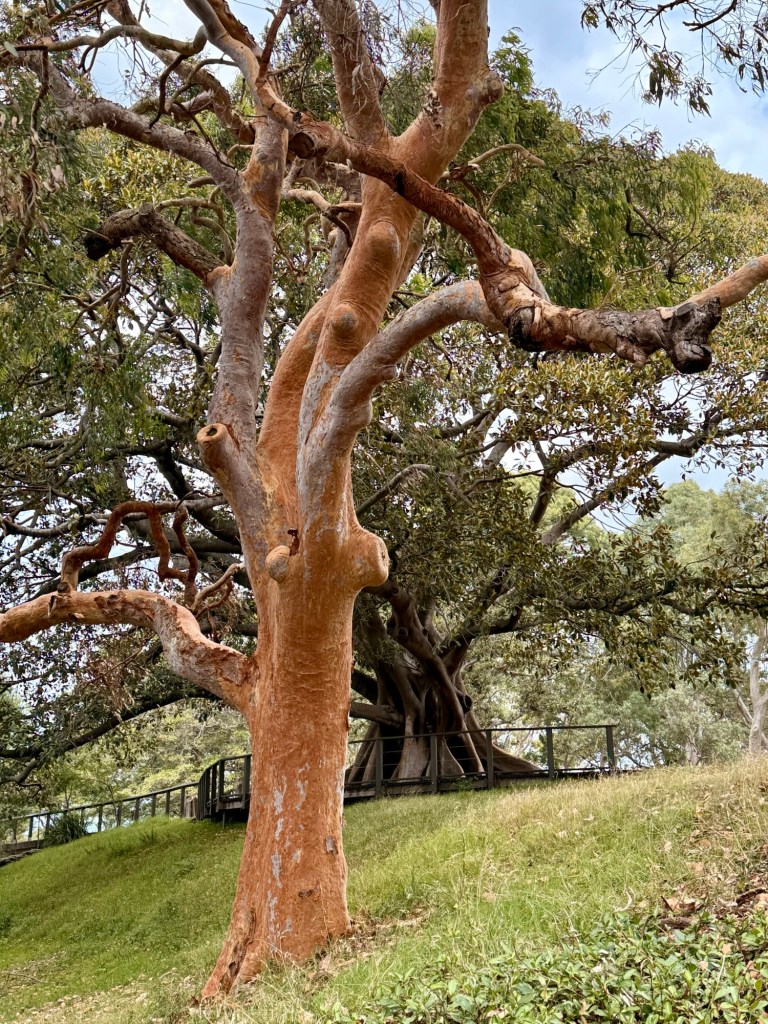
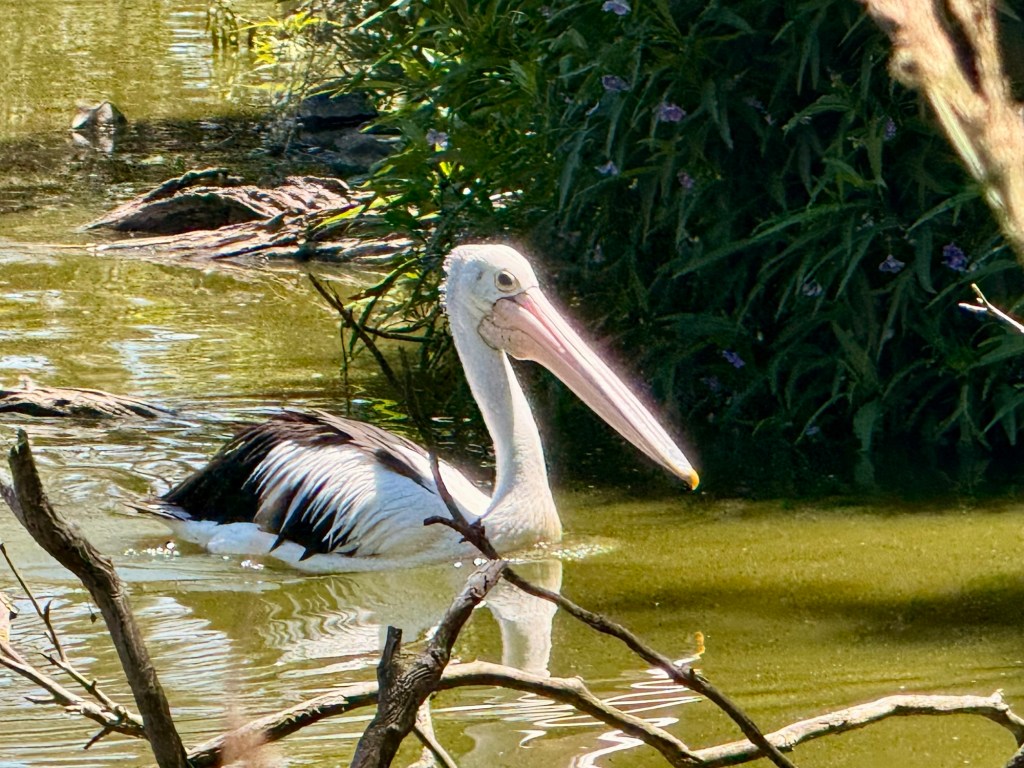
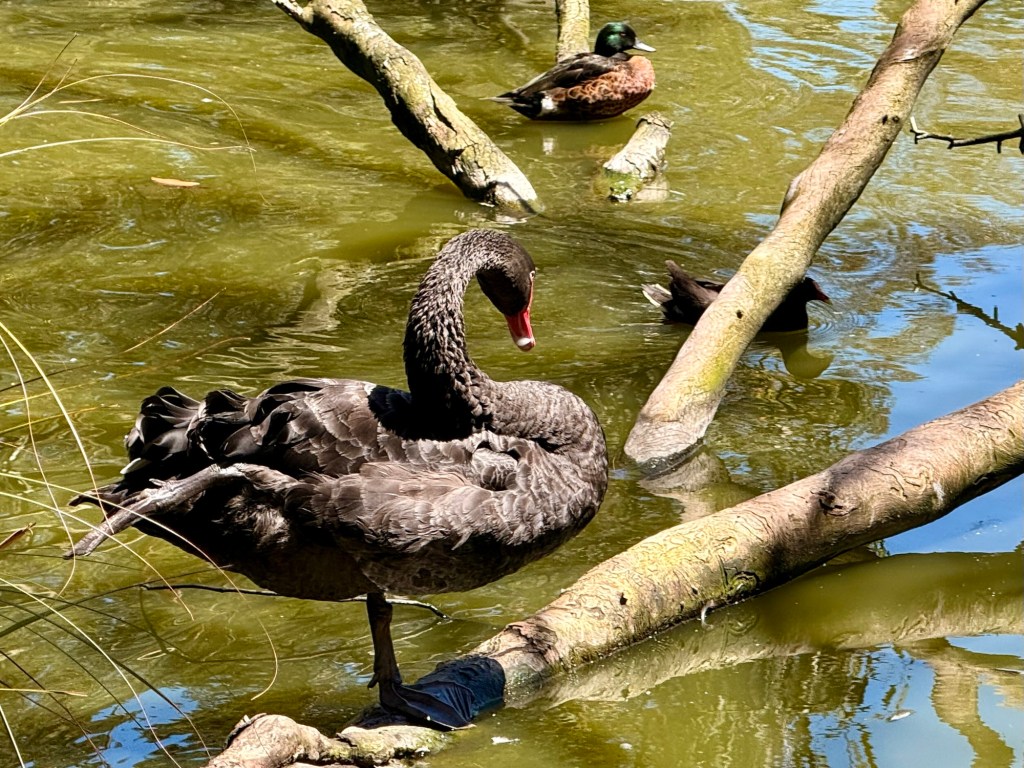
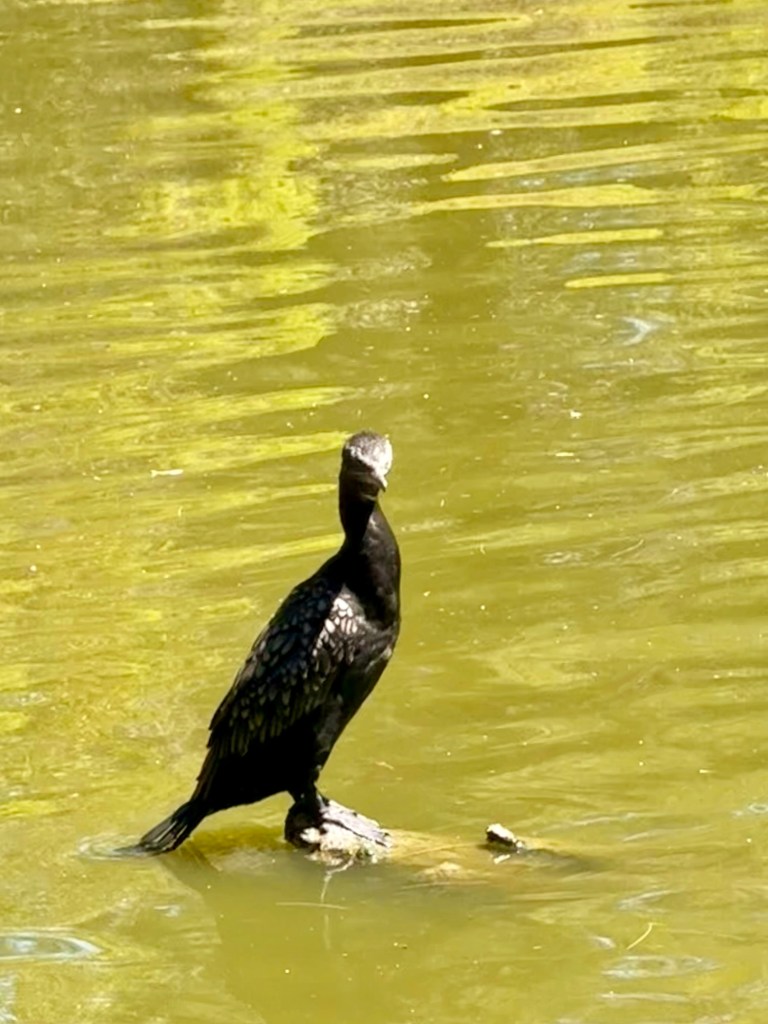
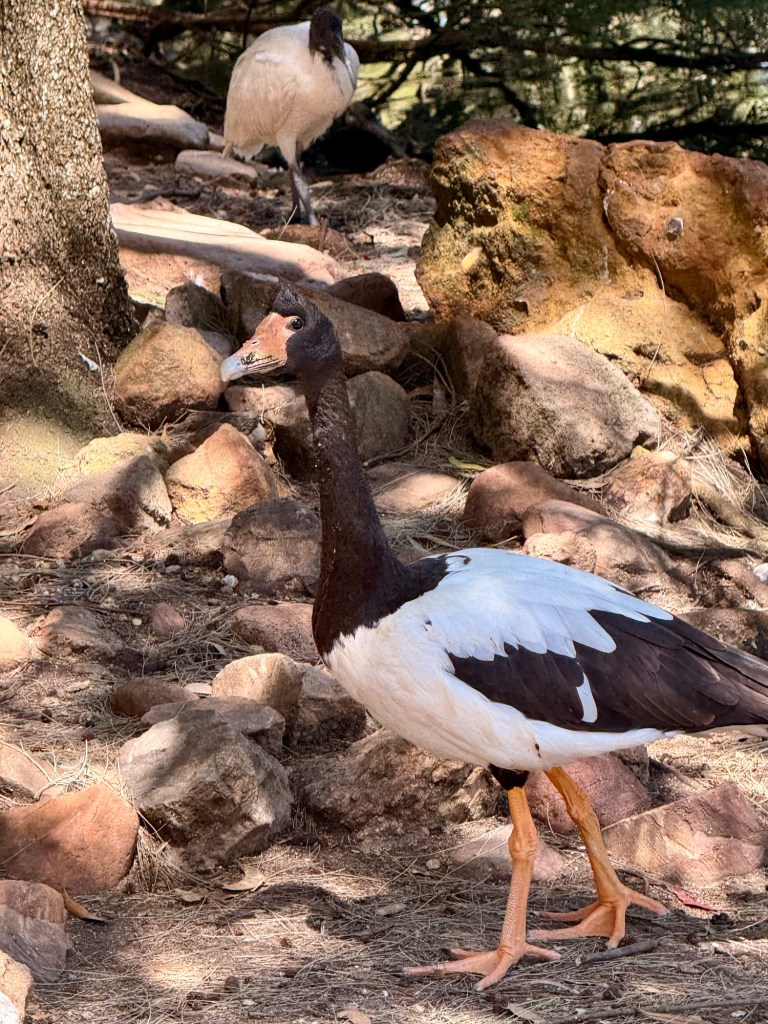
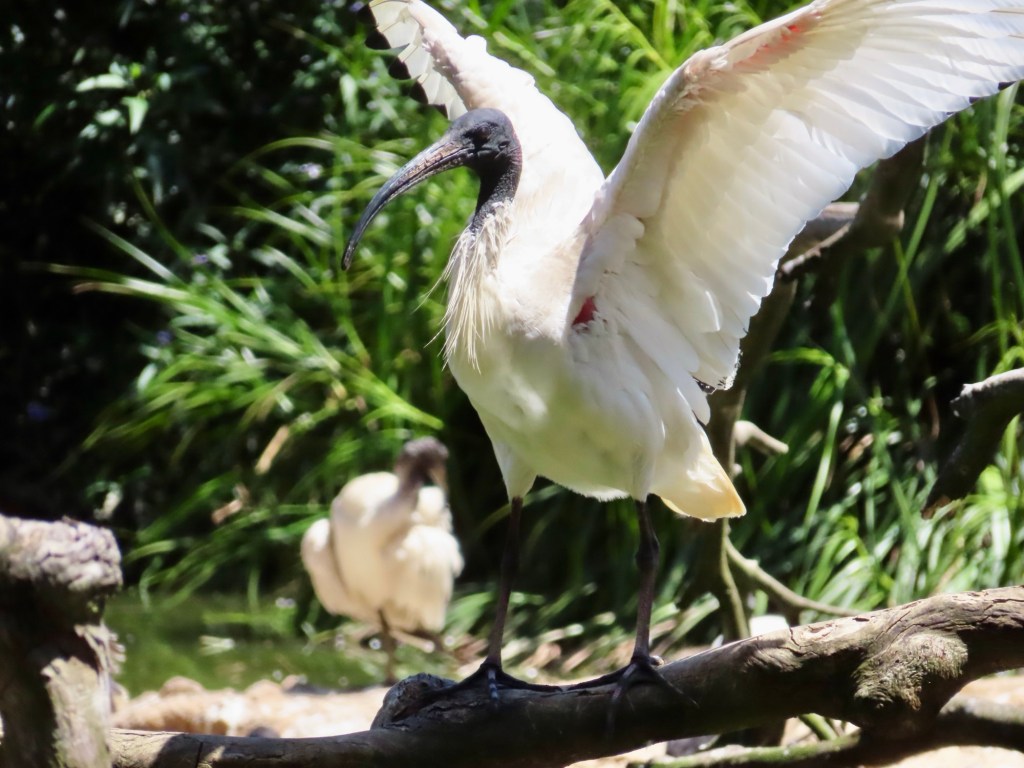
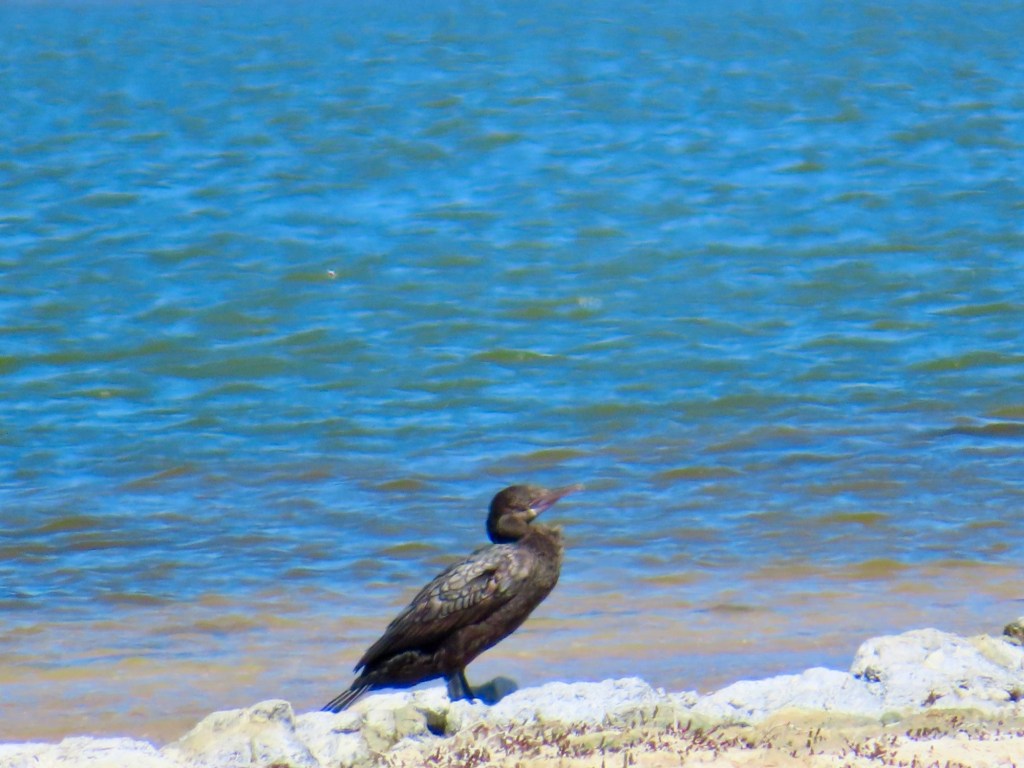
Look at the size of herMe and Matilda… I think she is 13 yrs old and quite a big teddy bearHuge gum tree with the bark strippedAustralian PelicanBlack swanLittle black cormorant Magpie gooseAustralian white ibis
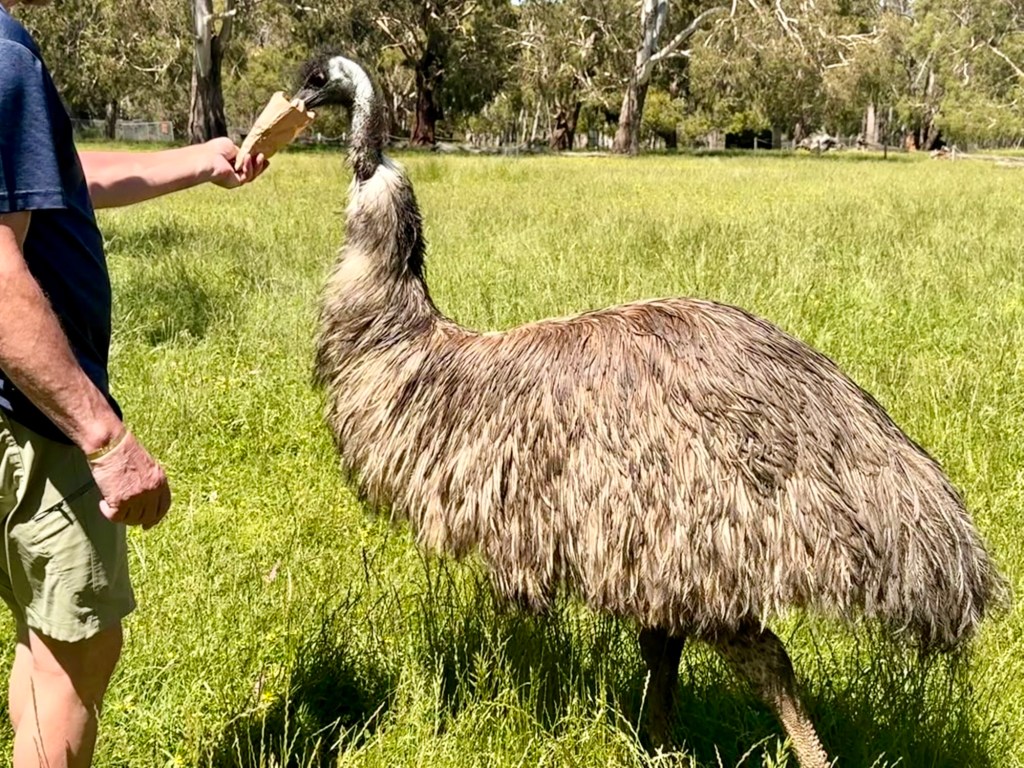
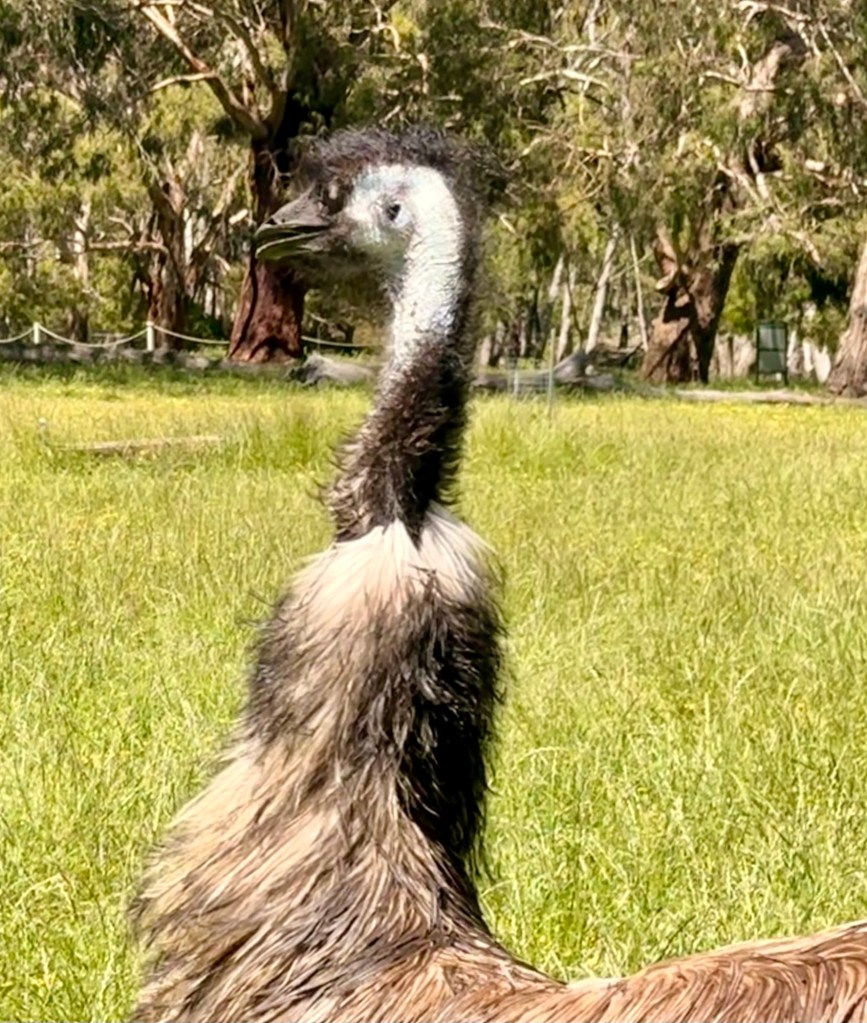
The emu is Australia’s largest, flightless bird standing up to two metres tall.
Displaying dedication and determination, the male emu assumes the responsibility for raising the next generation. Rarely leaving the nest even to eat, he spends eight weeks sitting on the eggs and tends the chicks for up to 18 months.
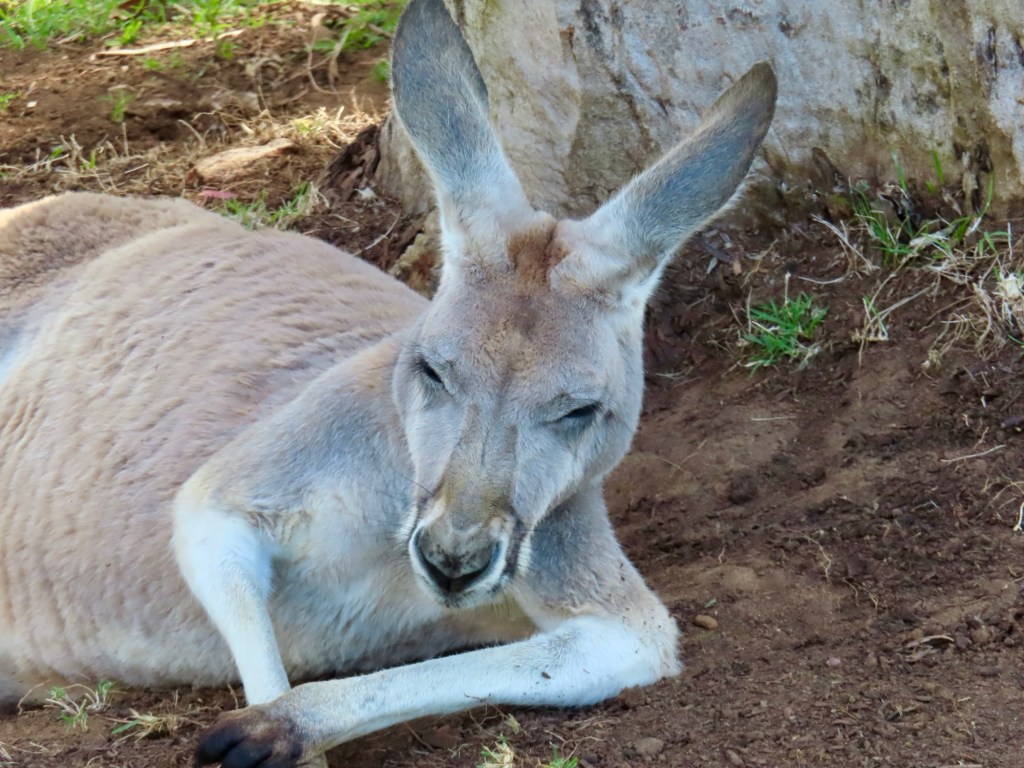
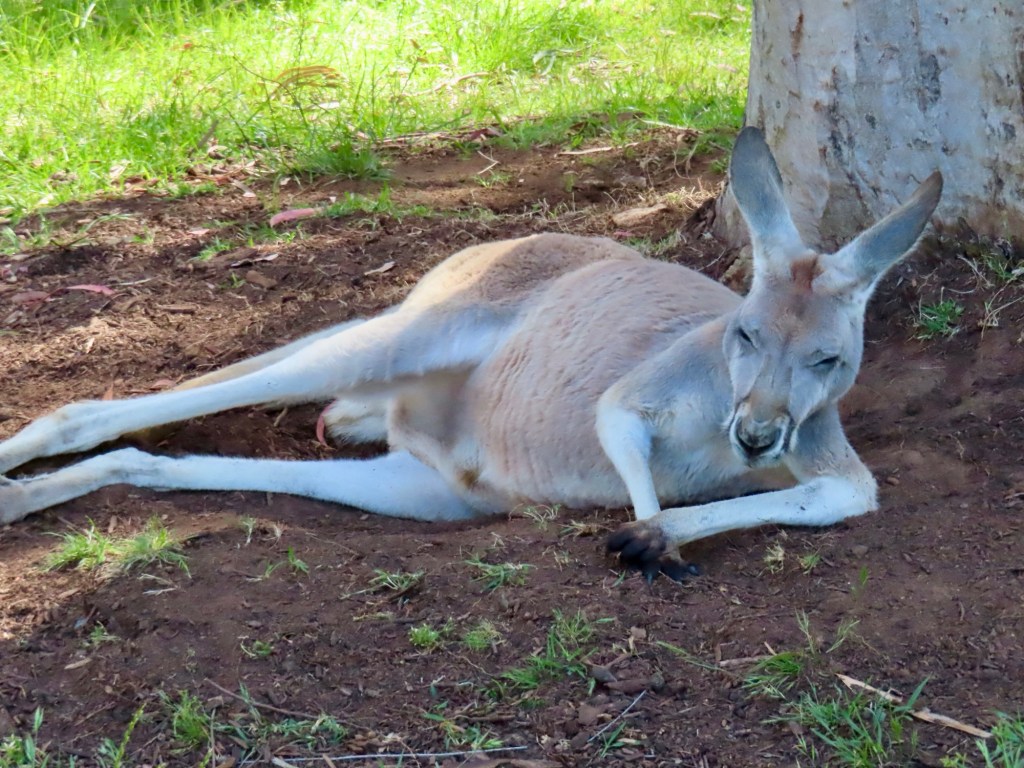
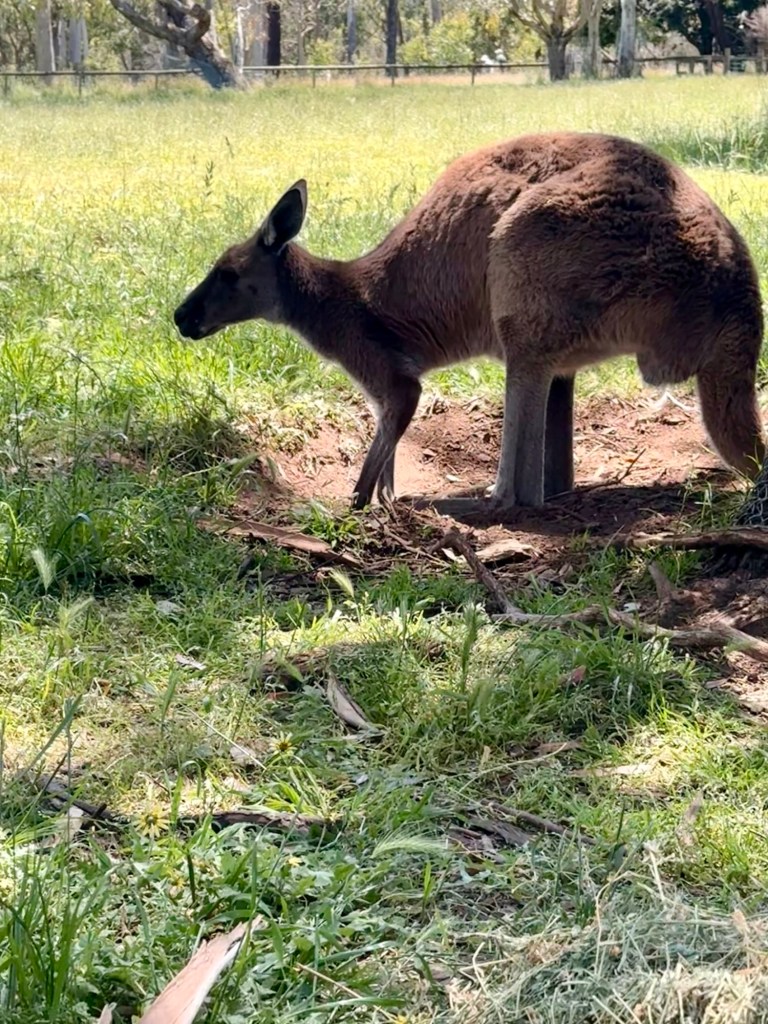
One very lazy roo!Eating from the bagEmuLook at how much larger the hind legs are
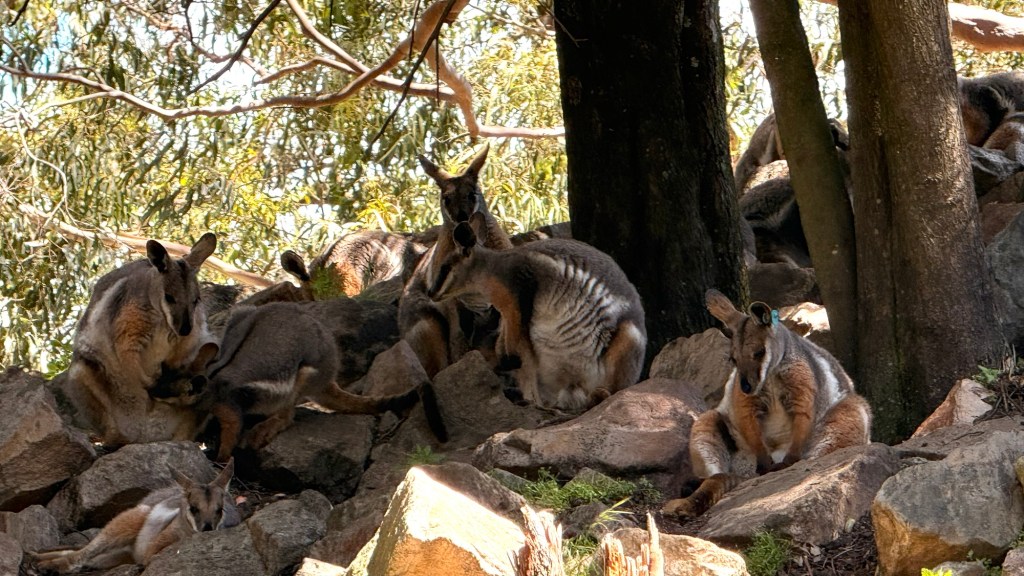
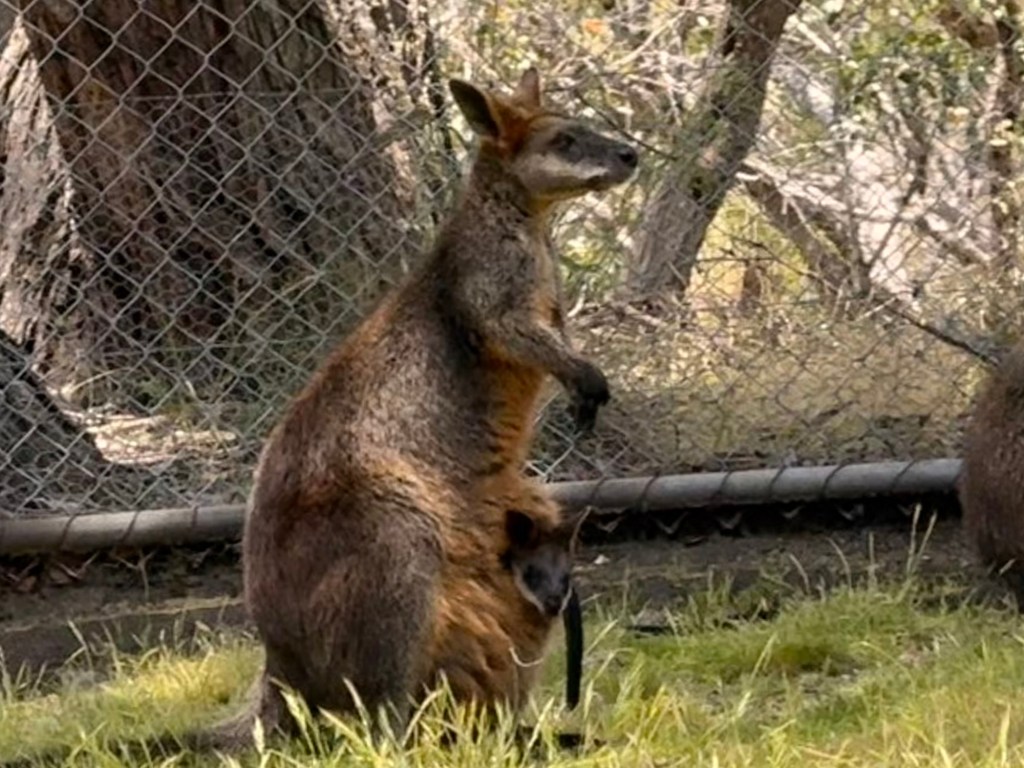
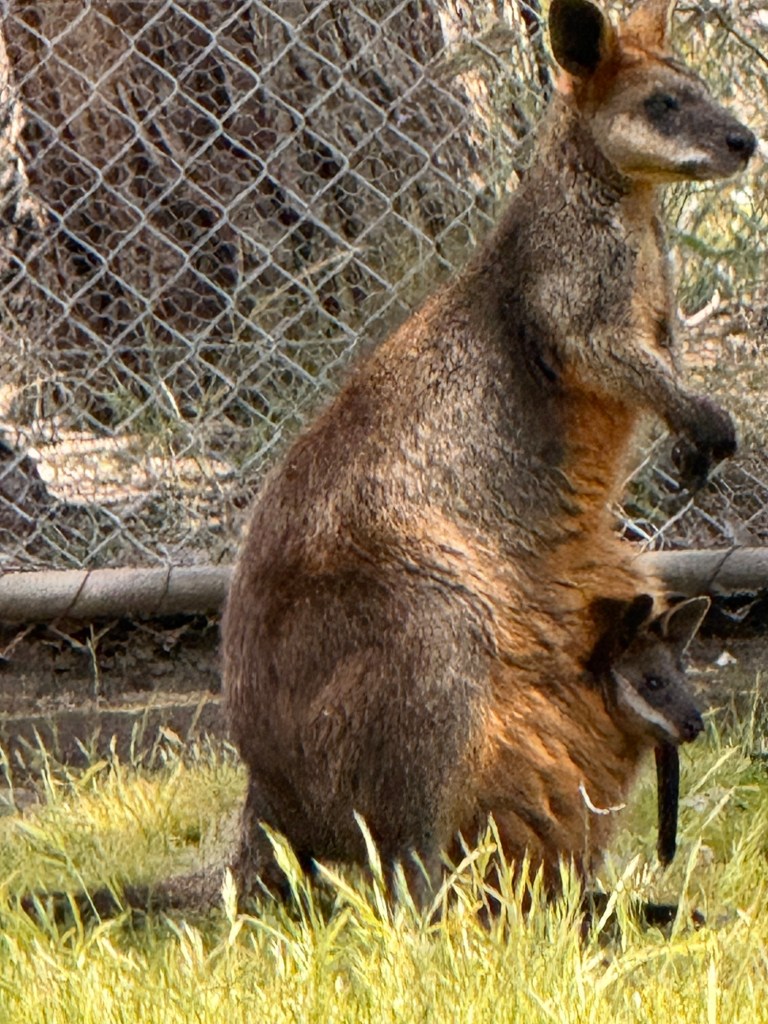
Yellow-footed rock-wallabies have thickly padded and textured hind feet with a flexible middle toe that enable them to grip, balance, and spring off steep and uneven surfaces. Due to its bright and distinctive coat, the yellow-footed rock-wallaby was hunted to near extinction. With the introduction of recovery programs the yellow-footed rock-wallaby population has recovered from the brink of extinction. Did you know? A yellow-footed rock-wallaby can jump up to 4 metres between rocks.
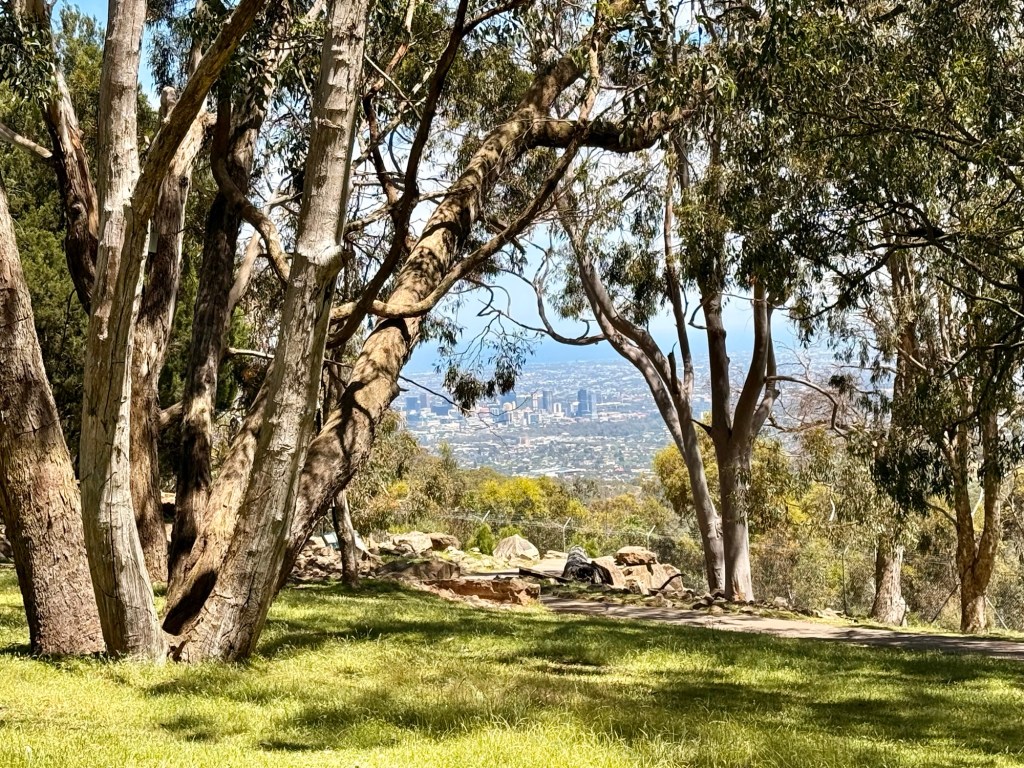
Huge colony of wallabiesA baby View to AdelaideMomma too and a Joey
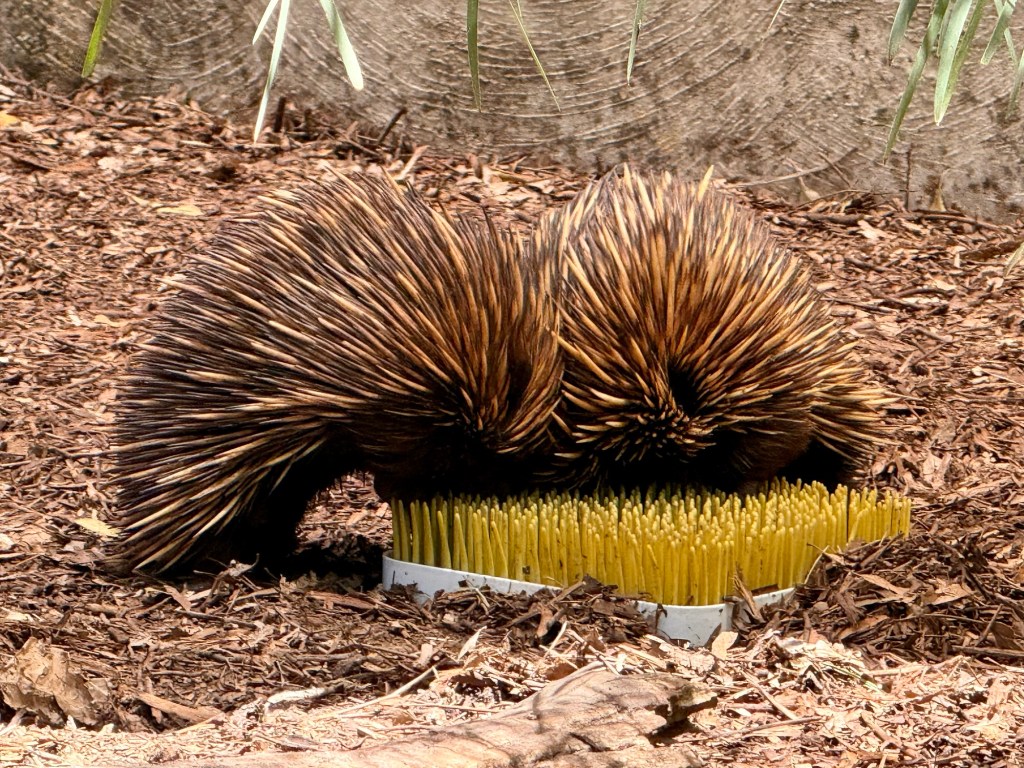
Echidnas have existed throughout most of Australia for around 80 million years. Easily recognisable, with bodies covered in long sharp spines, echidnas feed on ants and termites by flicking them into a toothless mouth with a long sticky tongue.
Echidnas have been referred to as living fossils, representatives of the egg-laying mammals known as nonolenes. A single soft shelled egg is laid directly into the belly pouch the female. The hatchling sucks milk exuded from numerous pores surrounding the mammary glands and remains in the pouch until hatching
Echidnas
Kangaroo and emu are on coat of arms because they are different…..they cannot walk backwards.
2800AUD per night starting for Sequoia Lodge at Mt Lofty
1100 species in the park.
Mt Lofty named by Flinders…. Seen from Kangaroo Island, is 710 metres above sea level
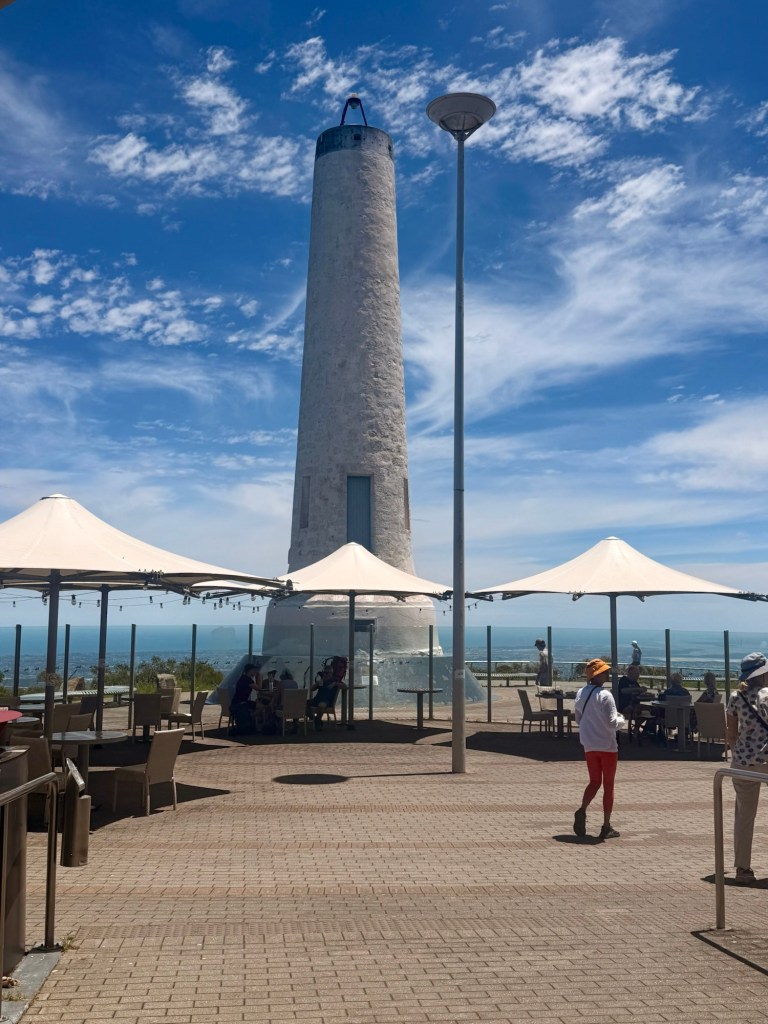
Stop Mt LoftyAdelaide and the sea from the mount
Did you know that pandas breeding window is only for 48-72 hours …once a year.
The areas sandy beaches have a gentle slope, but have been destroyed by an algae bloom that killed all the fish and coral.
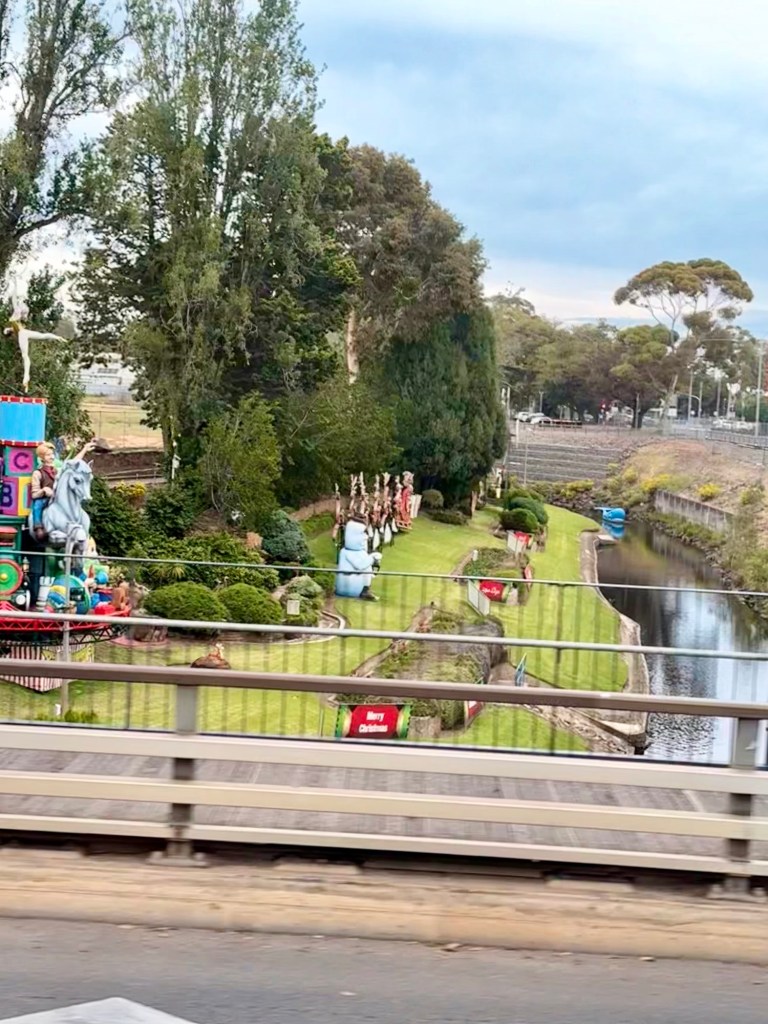
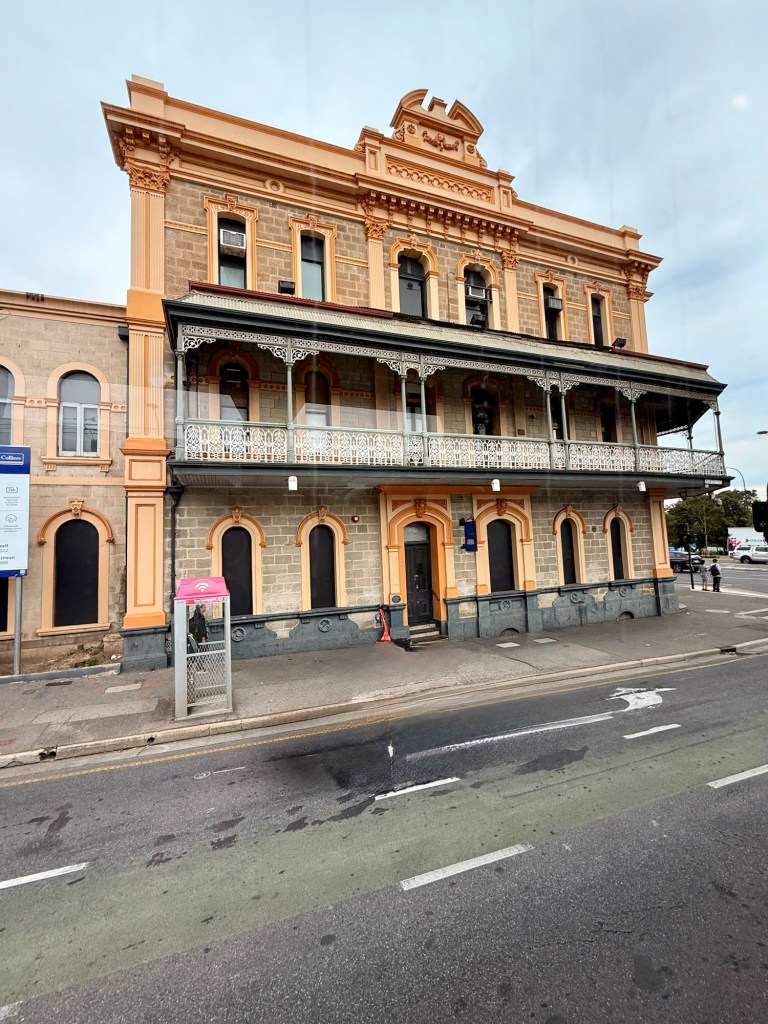
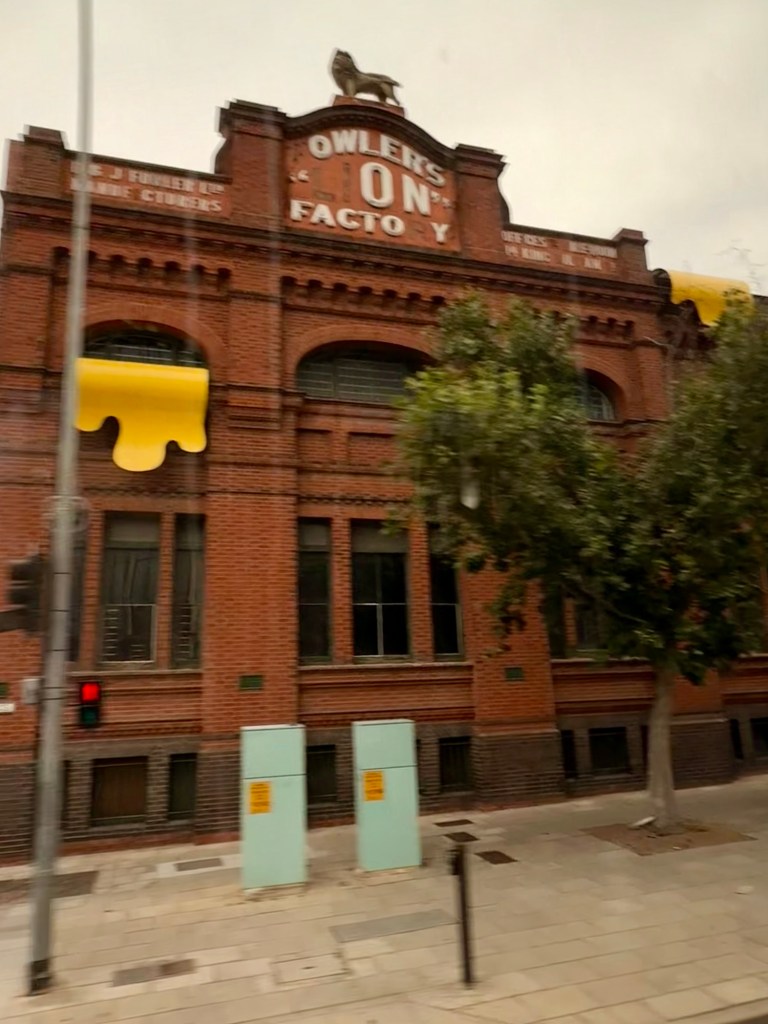
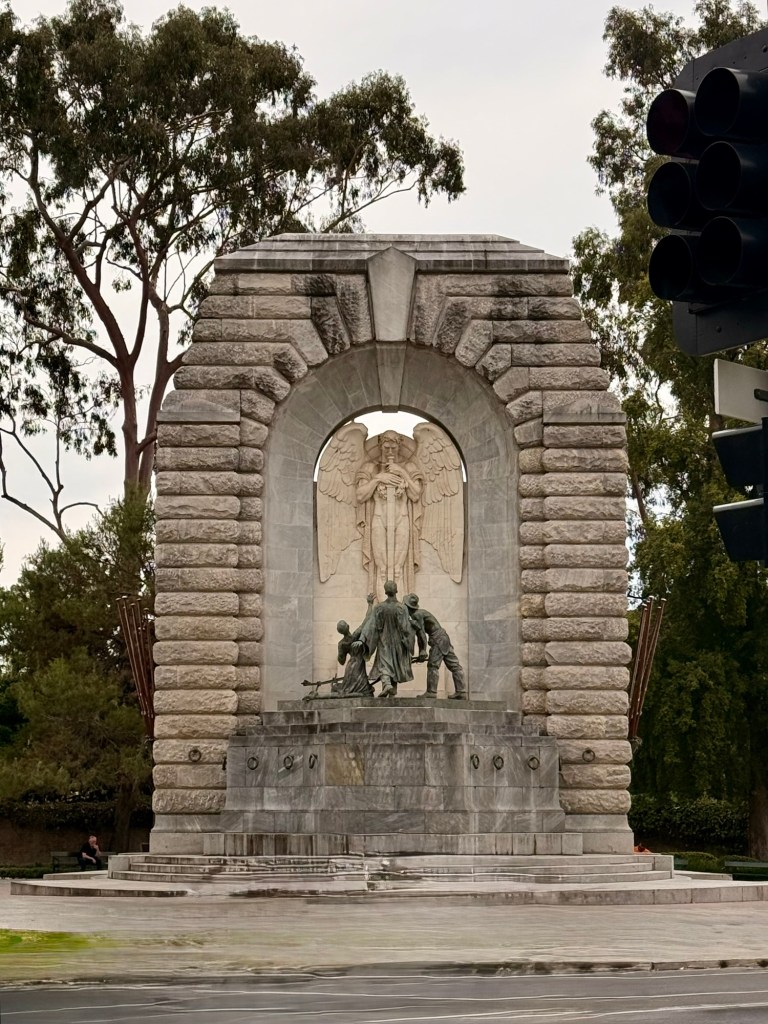
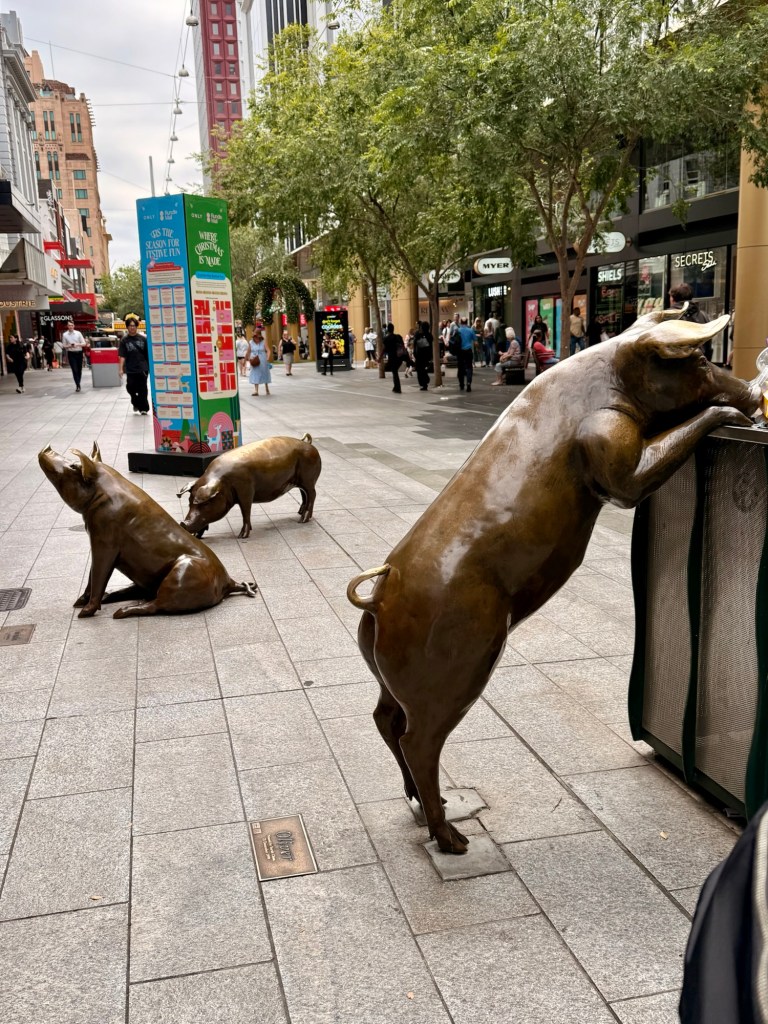
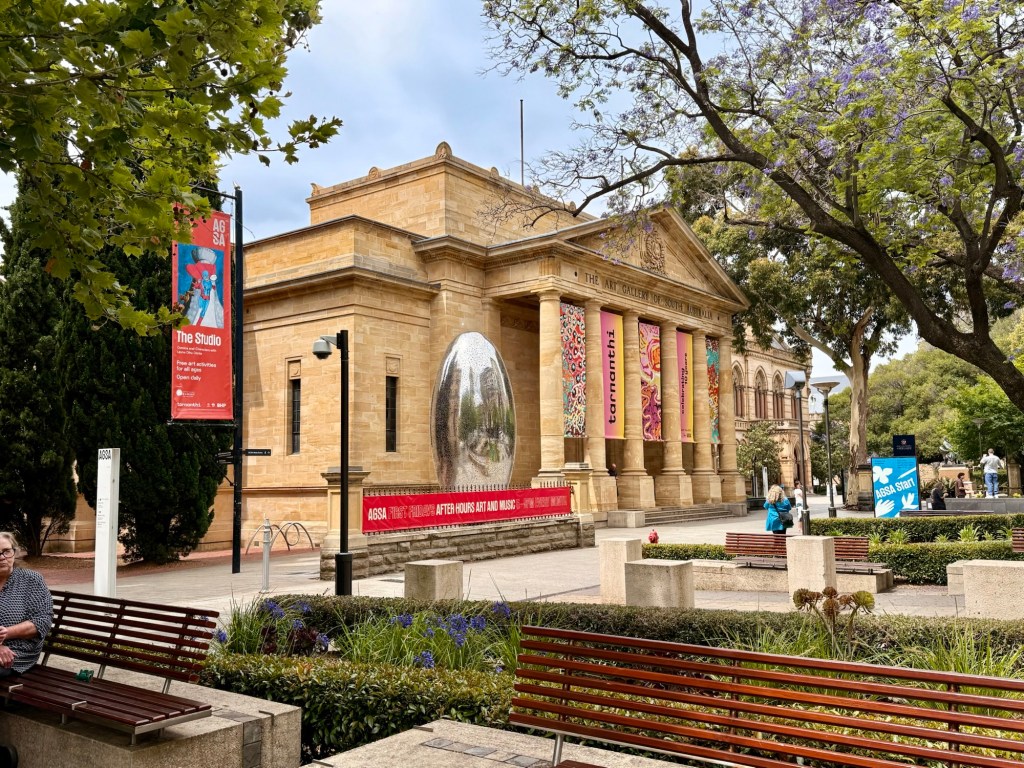
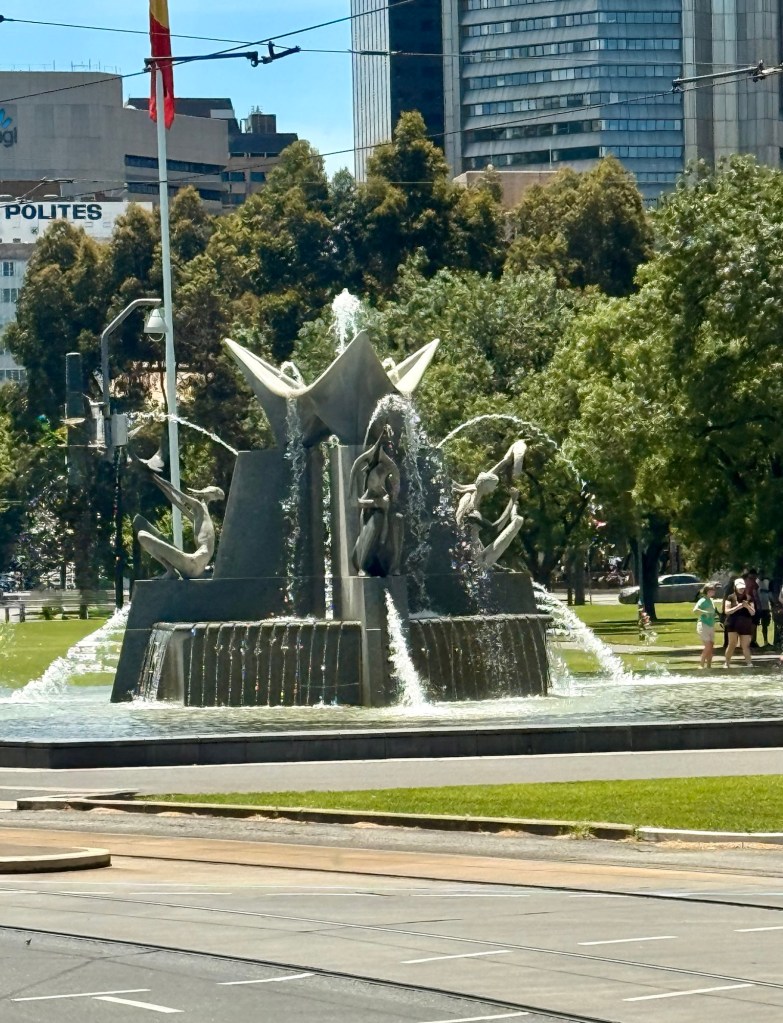
Christmas along a creekNew development going in but heritage building has to remain …Yellow is supposed to look like custard spilling Haigh’s Famous chocolate Brass sculptures on the street at pedestrian Runkle Mall Art gallery
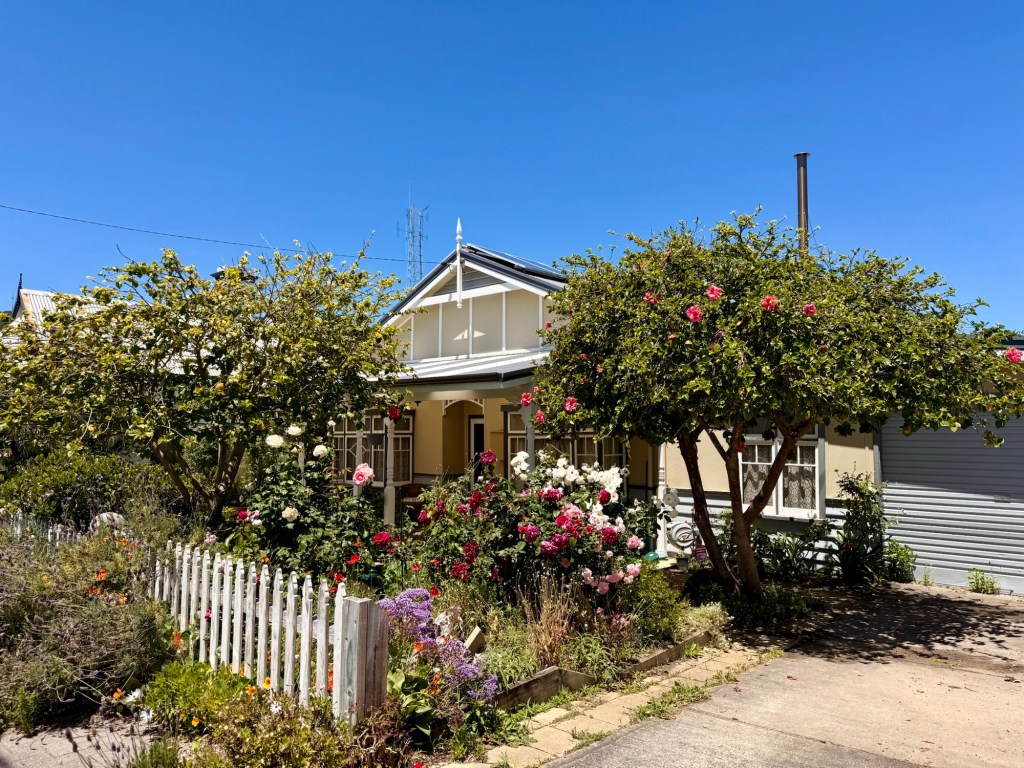
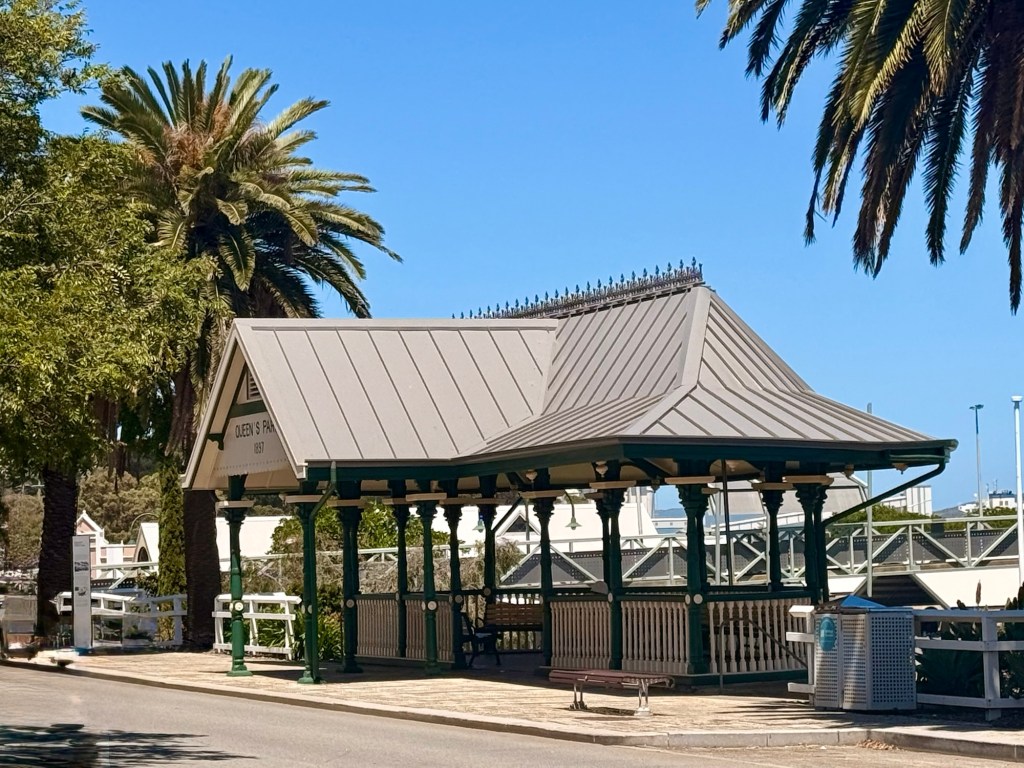
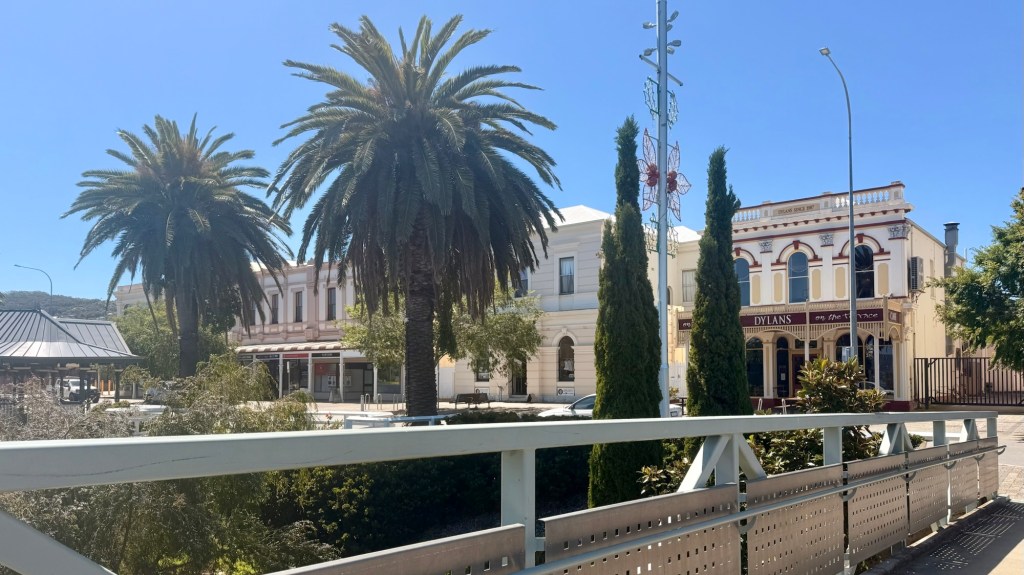
We did not have an excursion, just walked around the town. These are miscellaneous pictures of the really quite old town
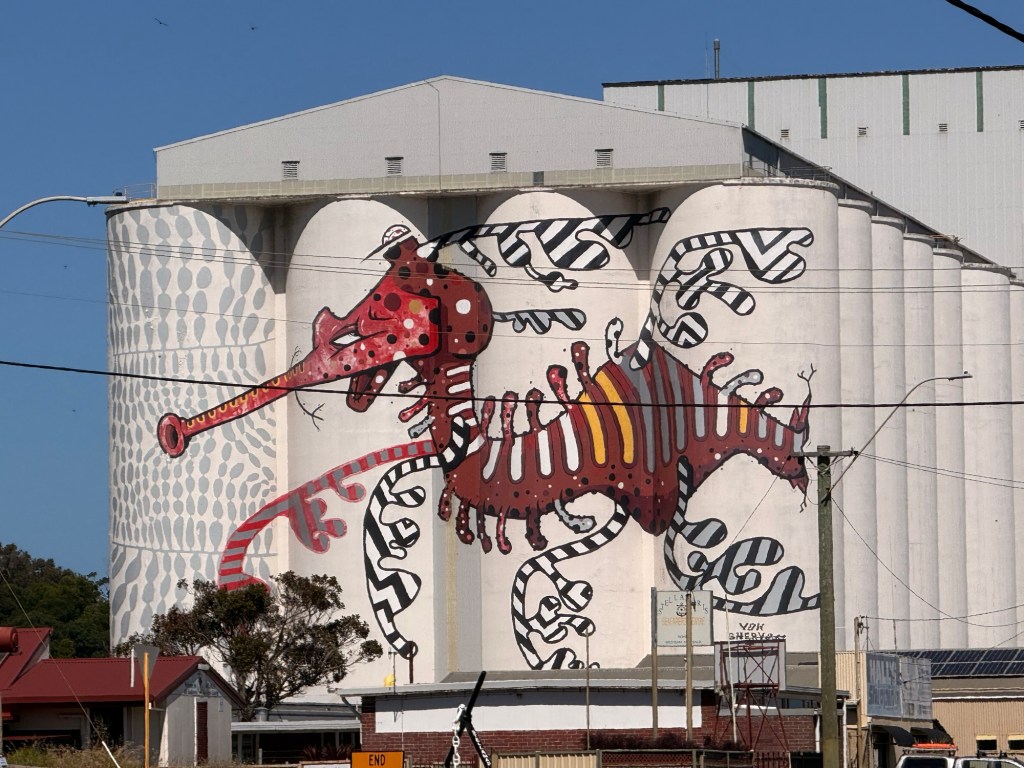
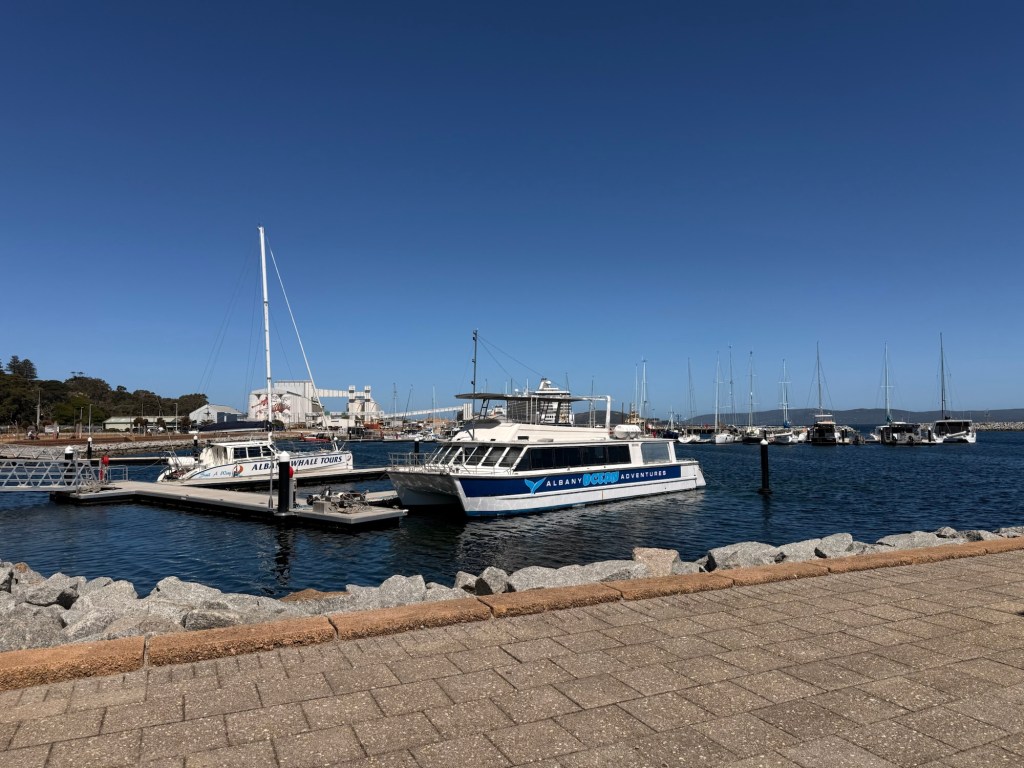
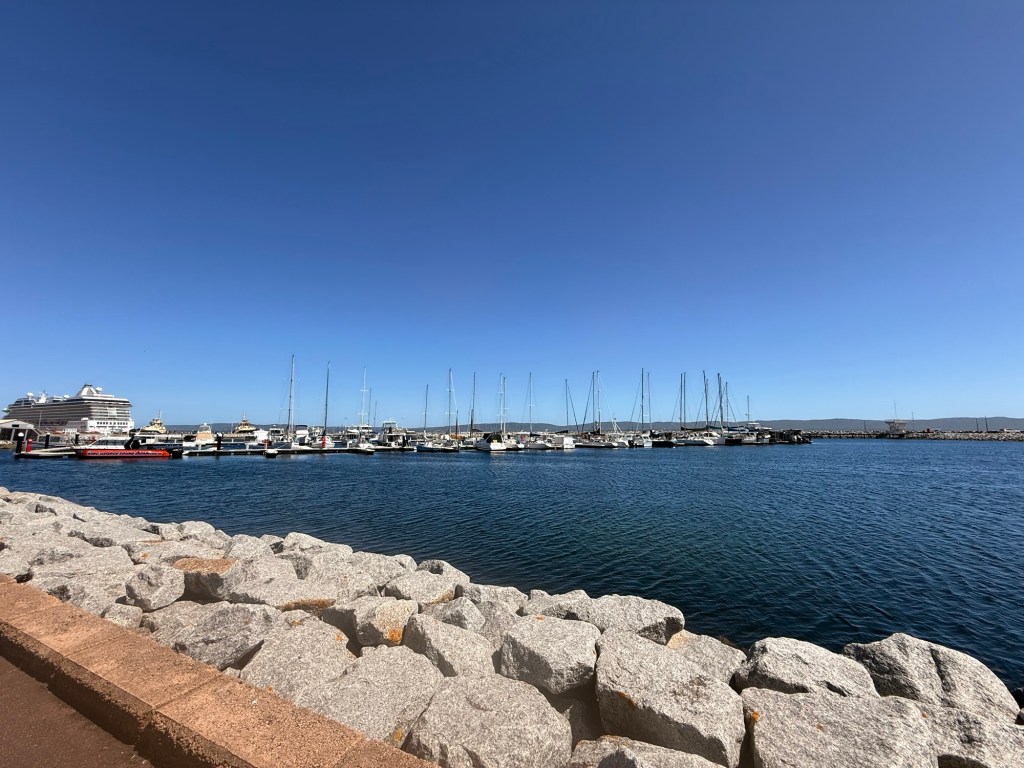
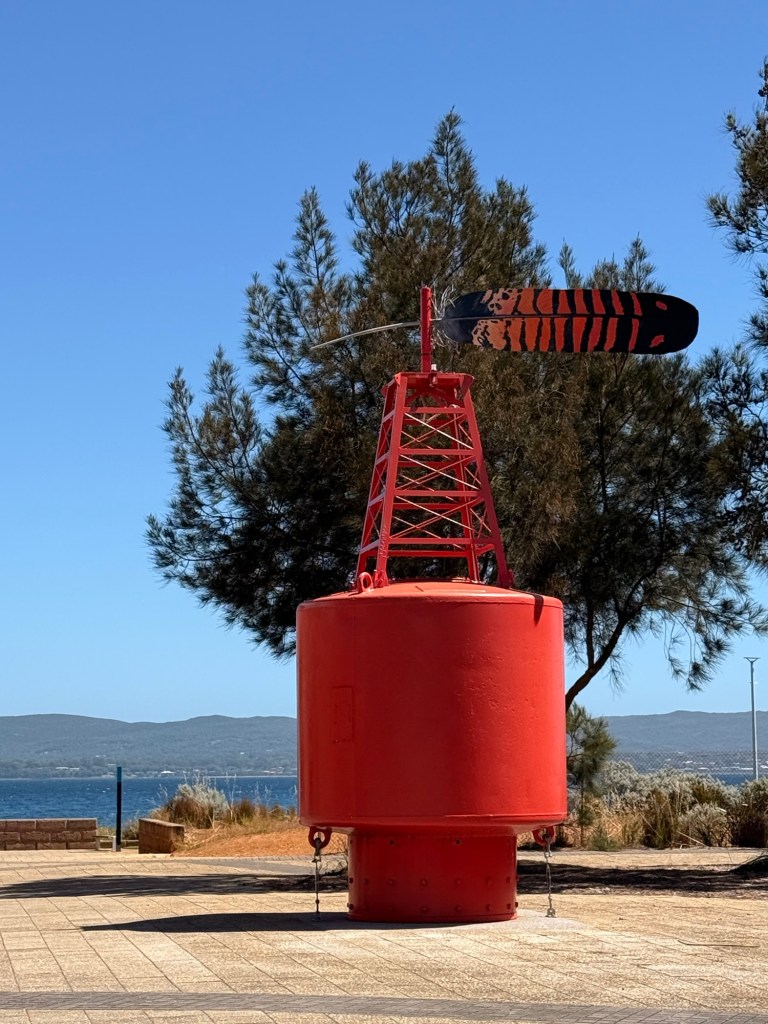
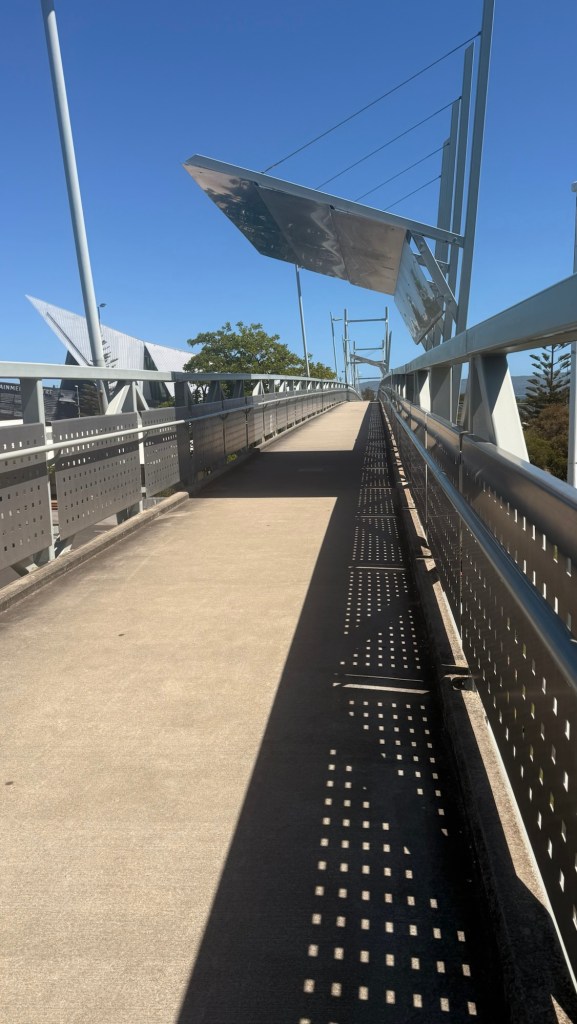
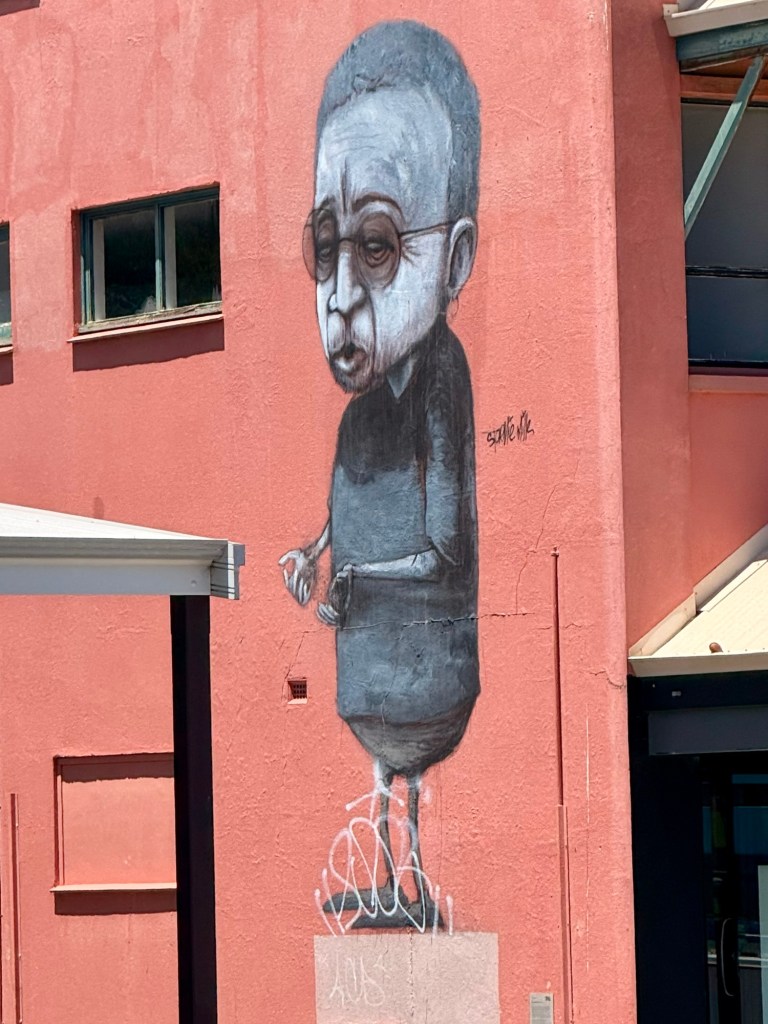
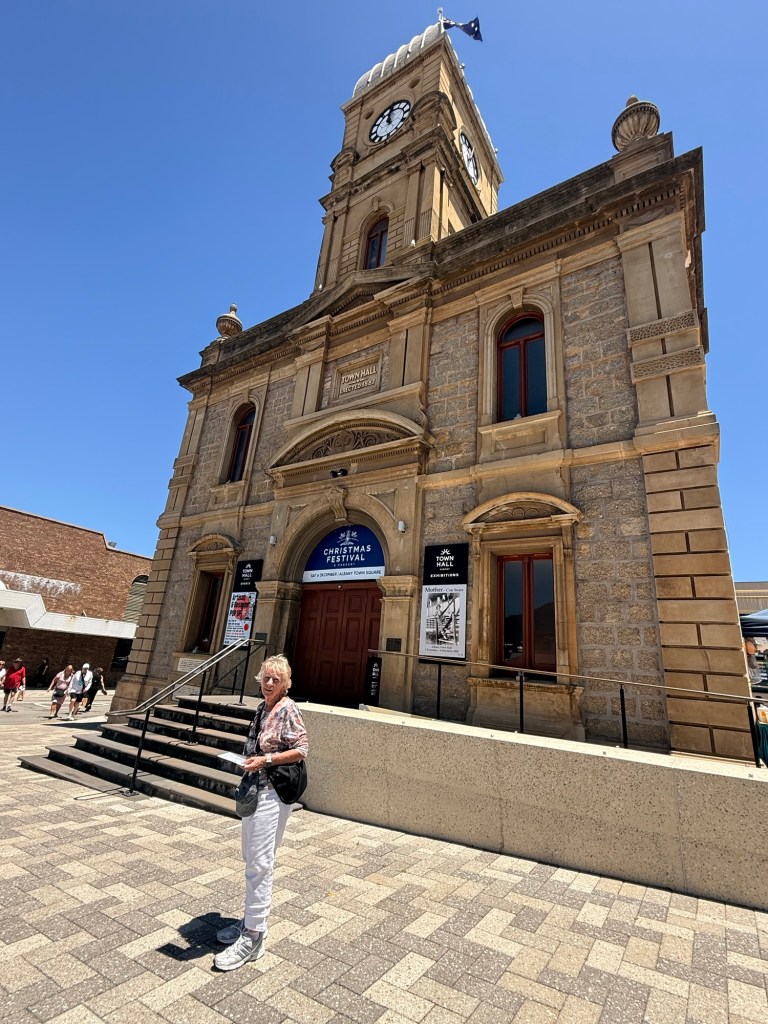
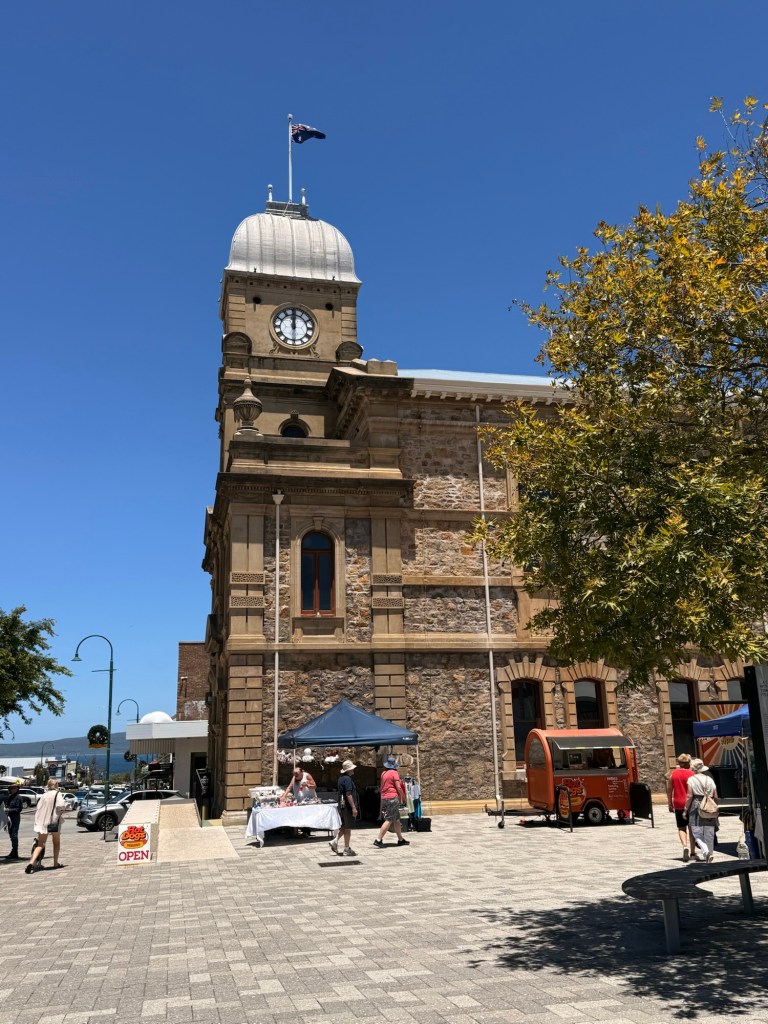
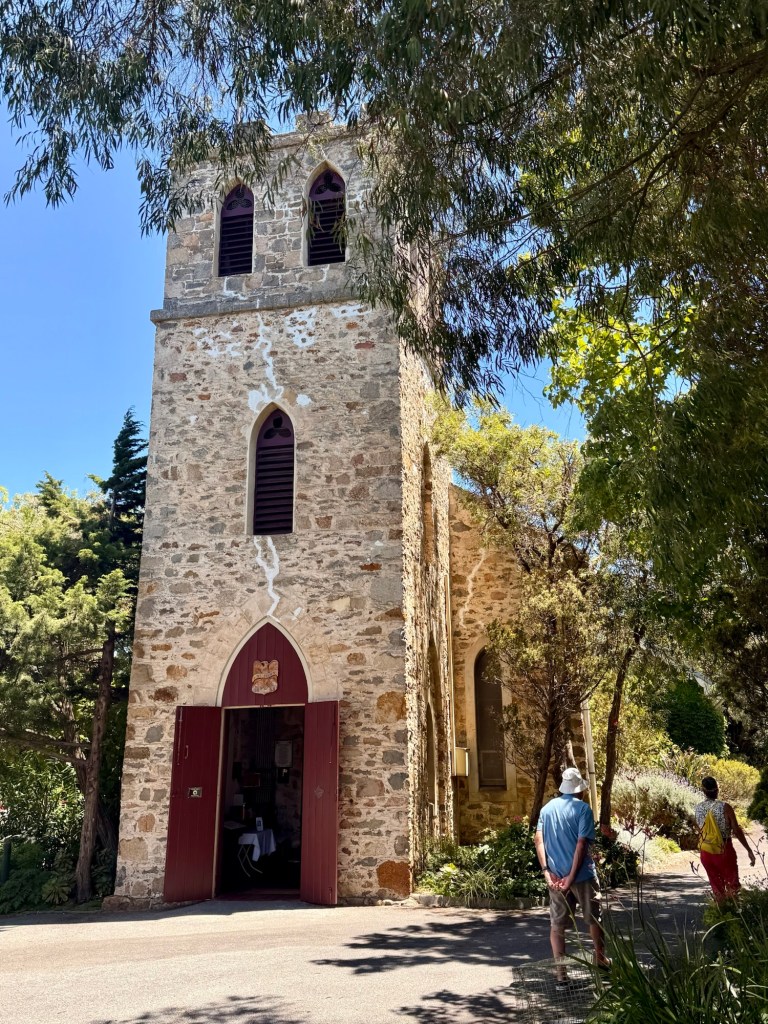
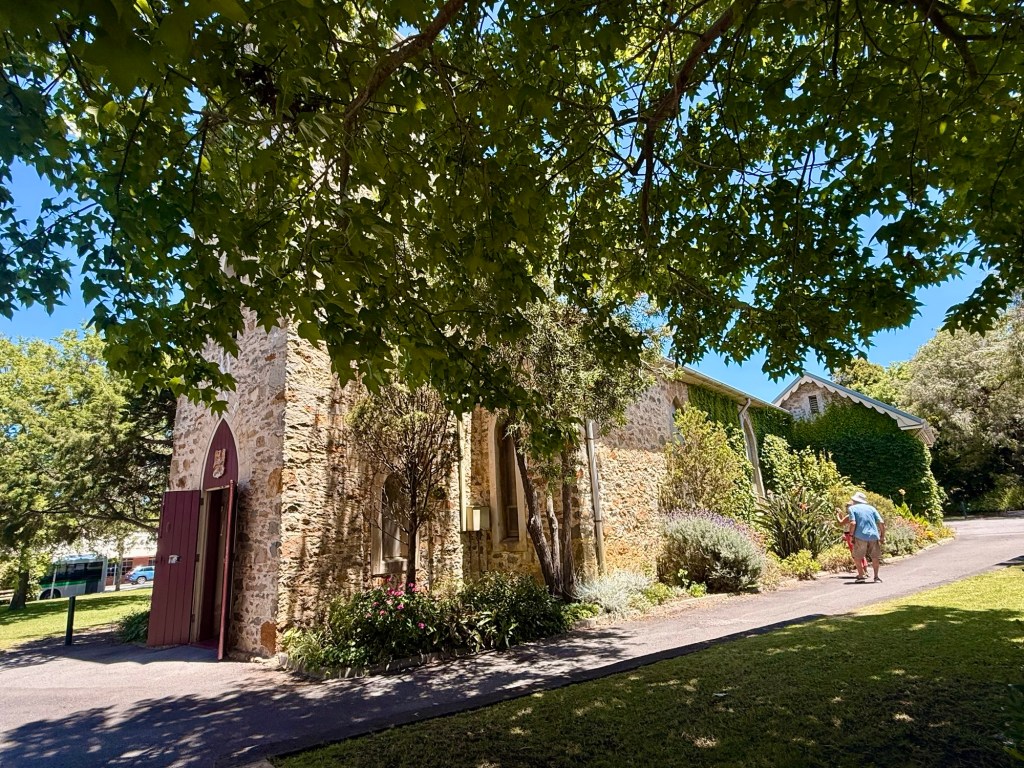
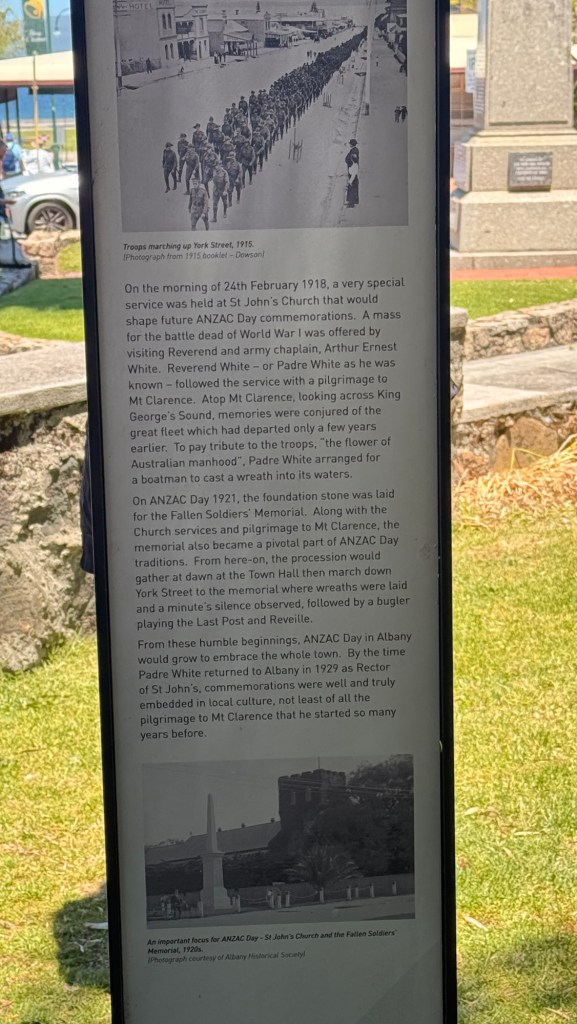
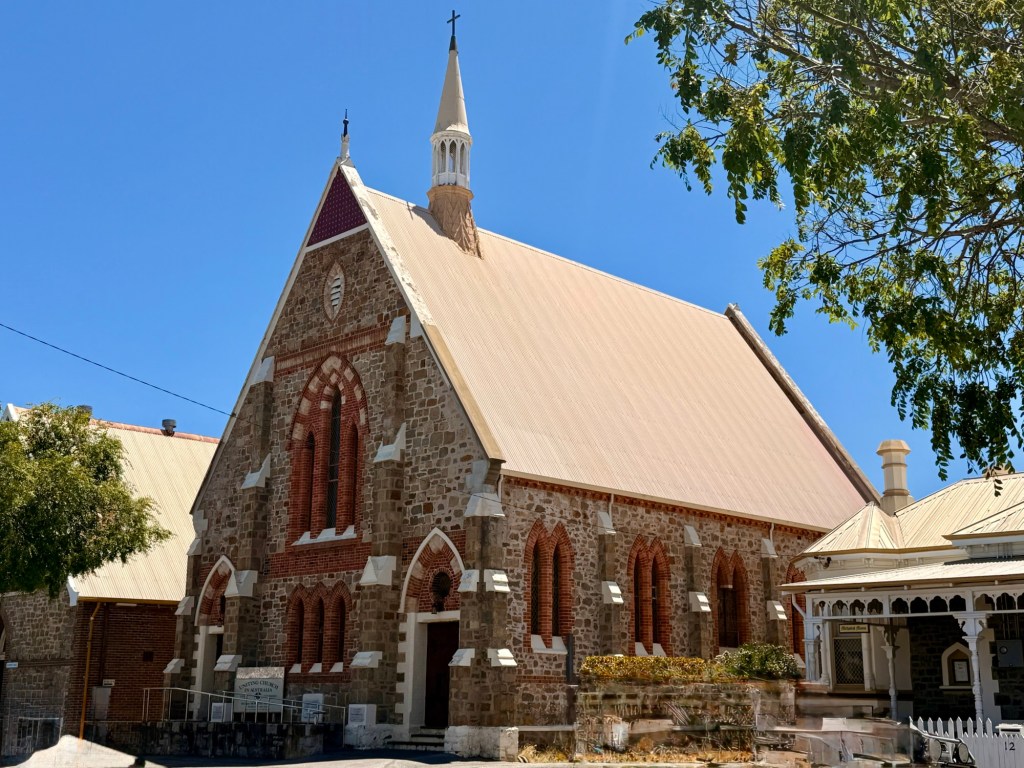
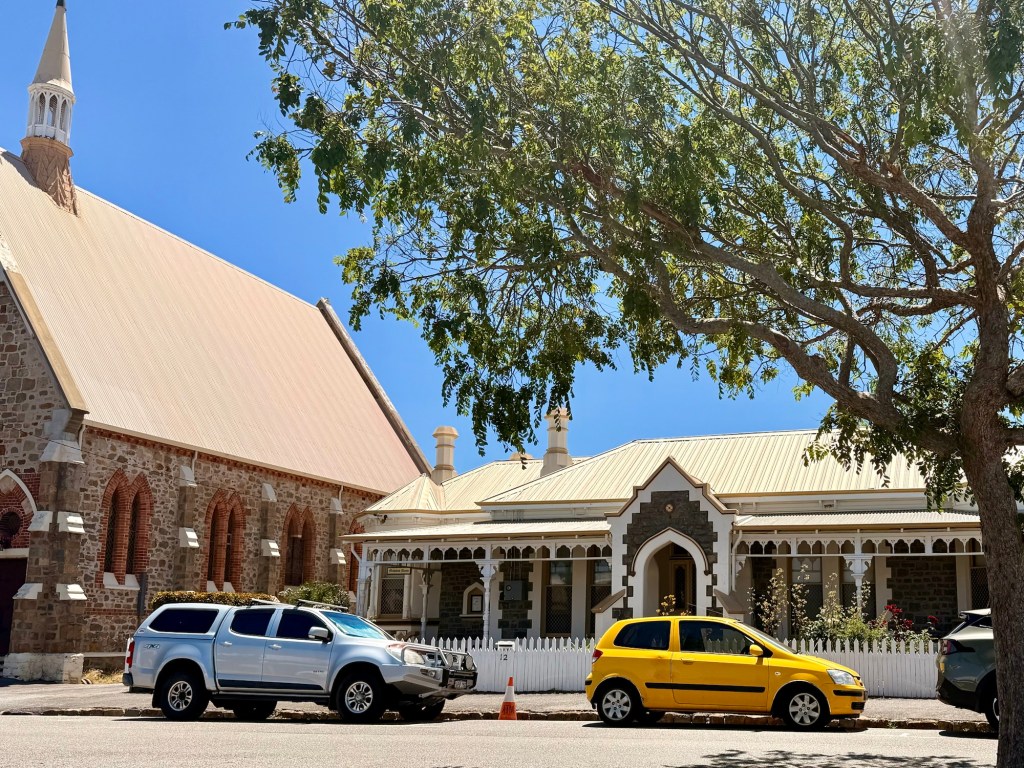
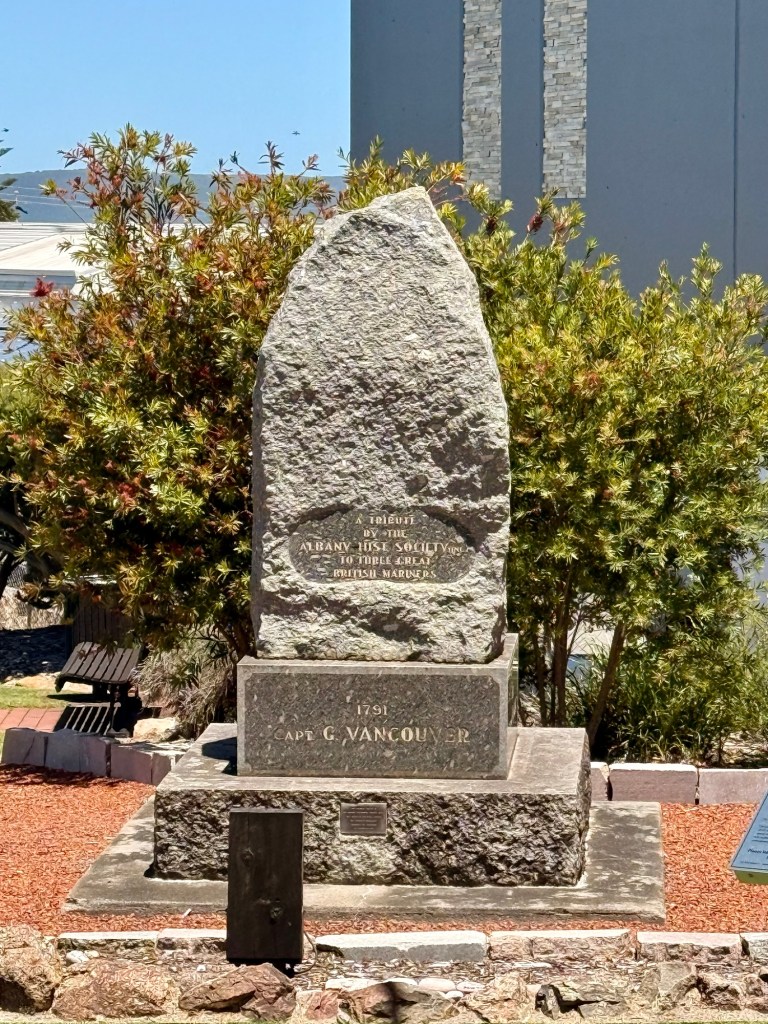
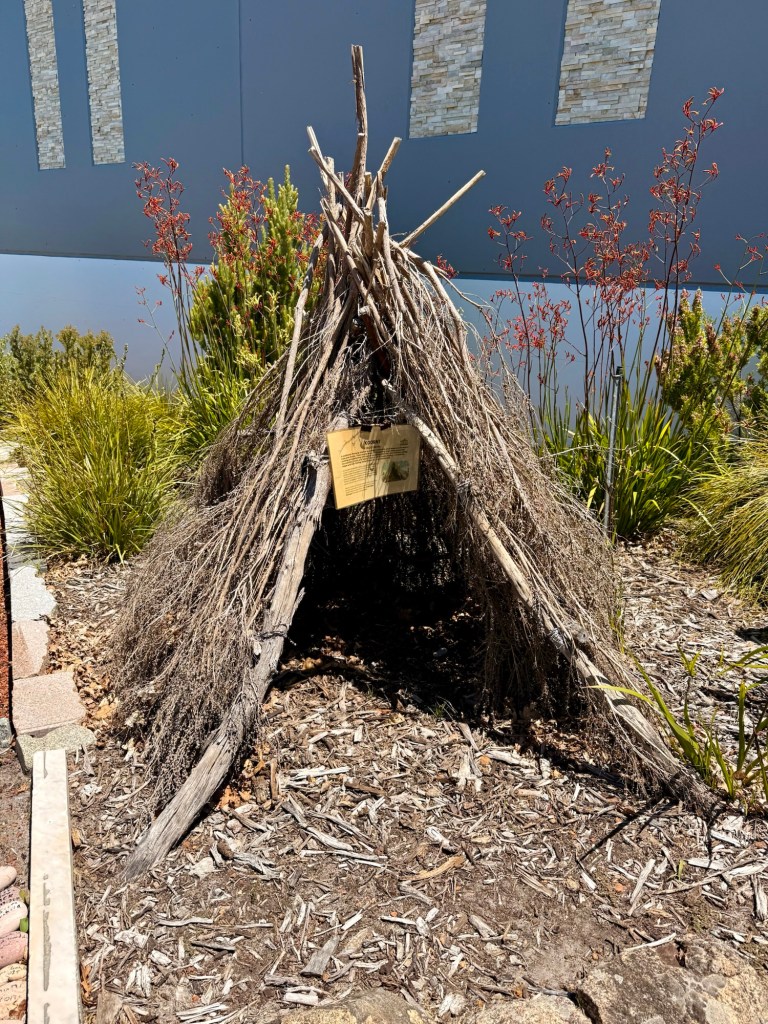
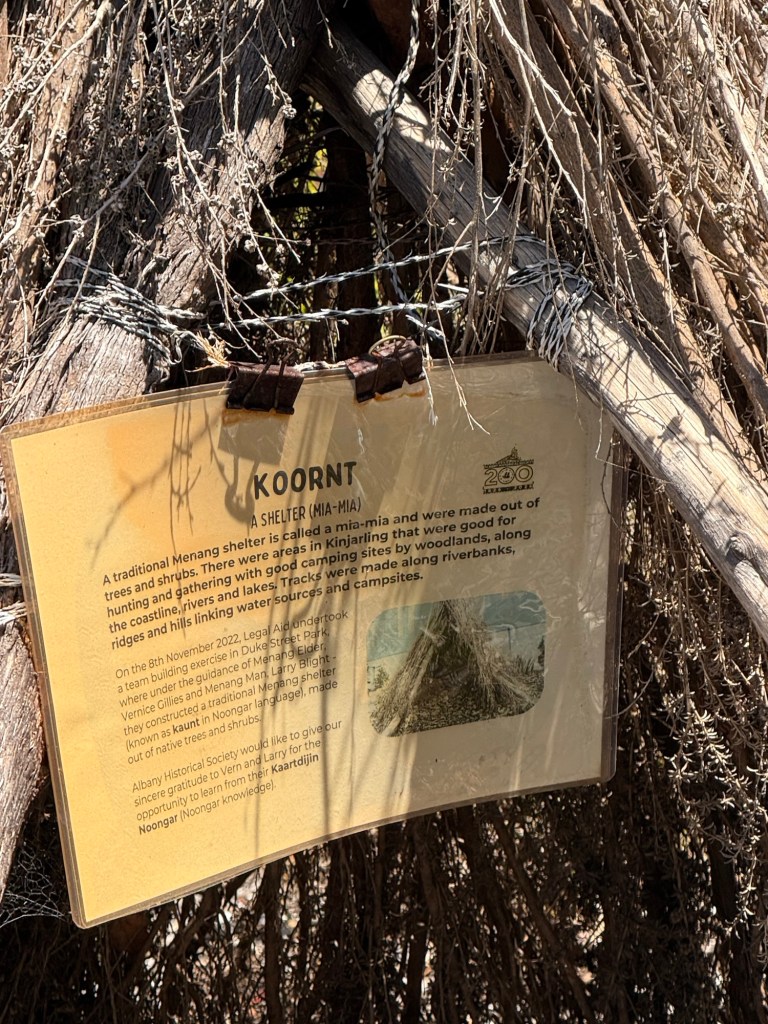
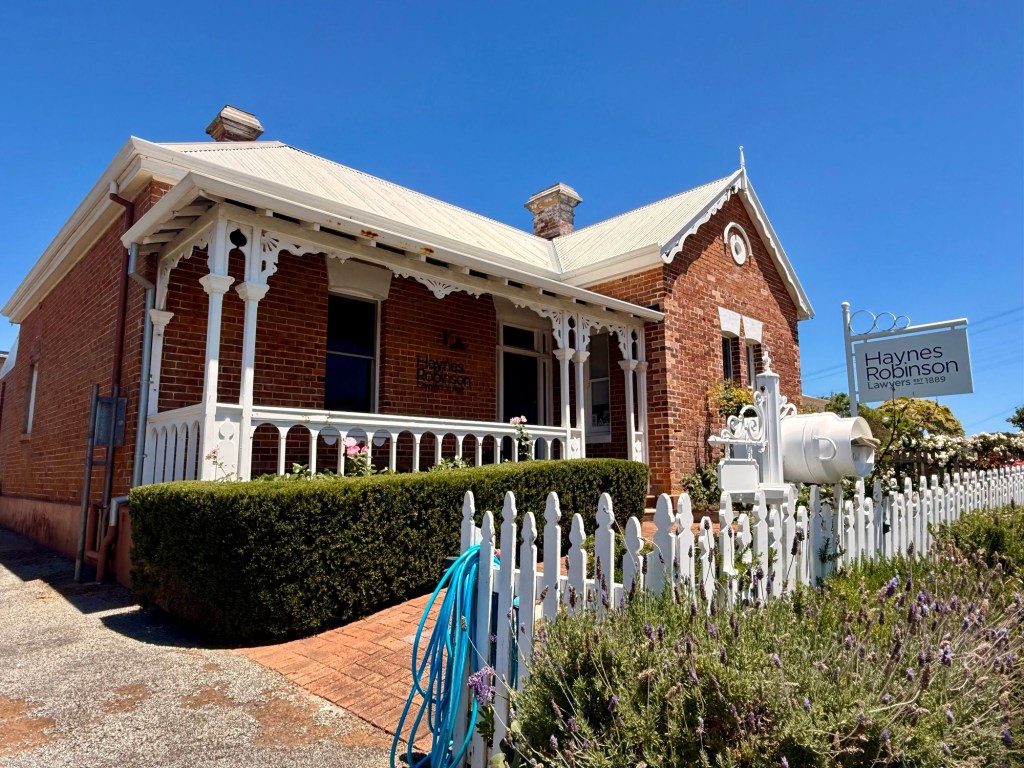
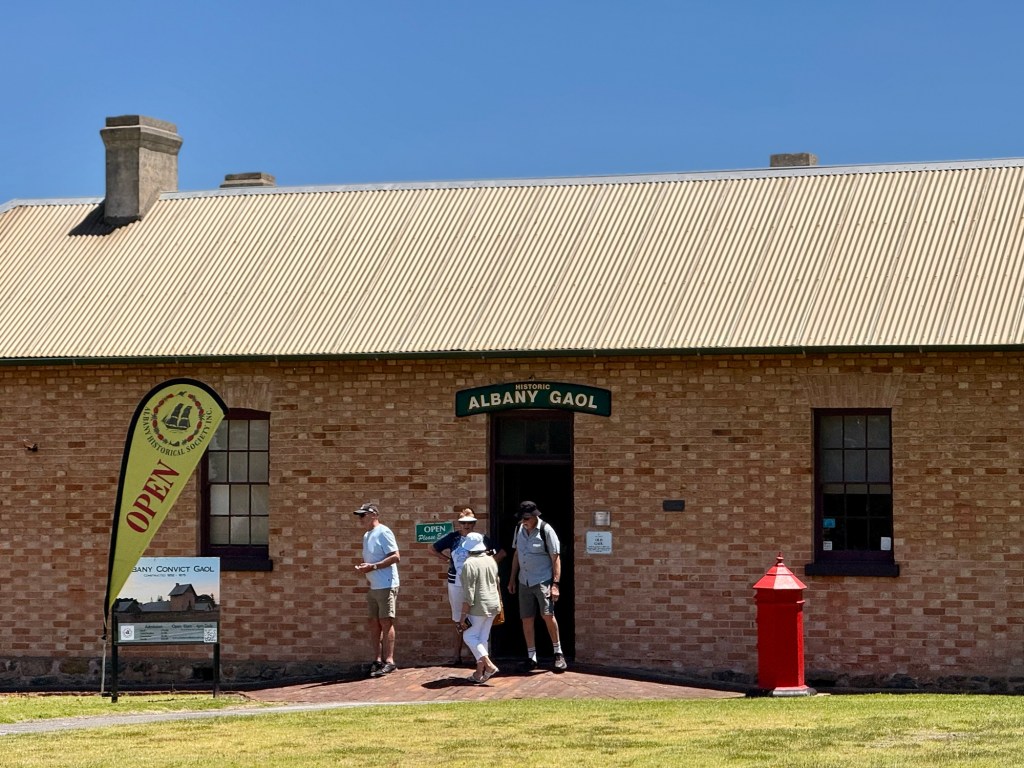
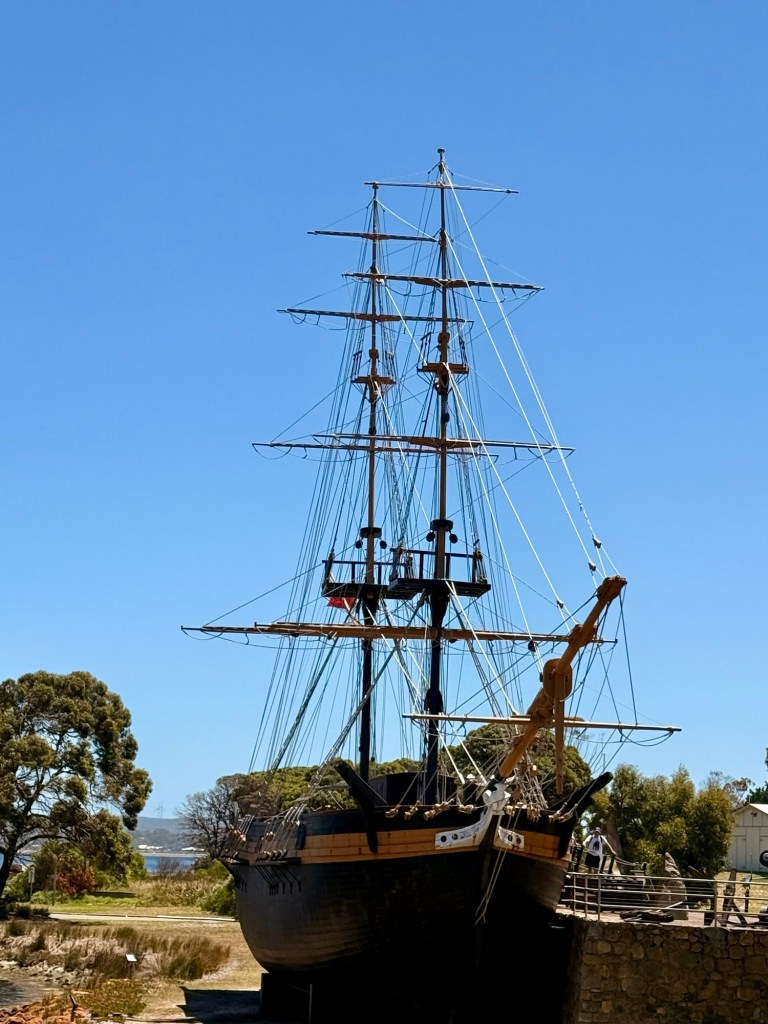
On the grain elevators in the port of Albany…. a mural of a sea dragon indigenous to Western Australia….At the marinaA different kind of weather vane Pedestrian walk over the highway and train tracks Town Hall 1887Anglican ChurchANZAC war memorial United church and manseCaptain G Vancouver… man that guy got around!!!Old gaol Amity brig replica, built in St John, New Brunswick in 1816, became convict ship in 1826 Old rail station
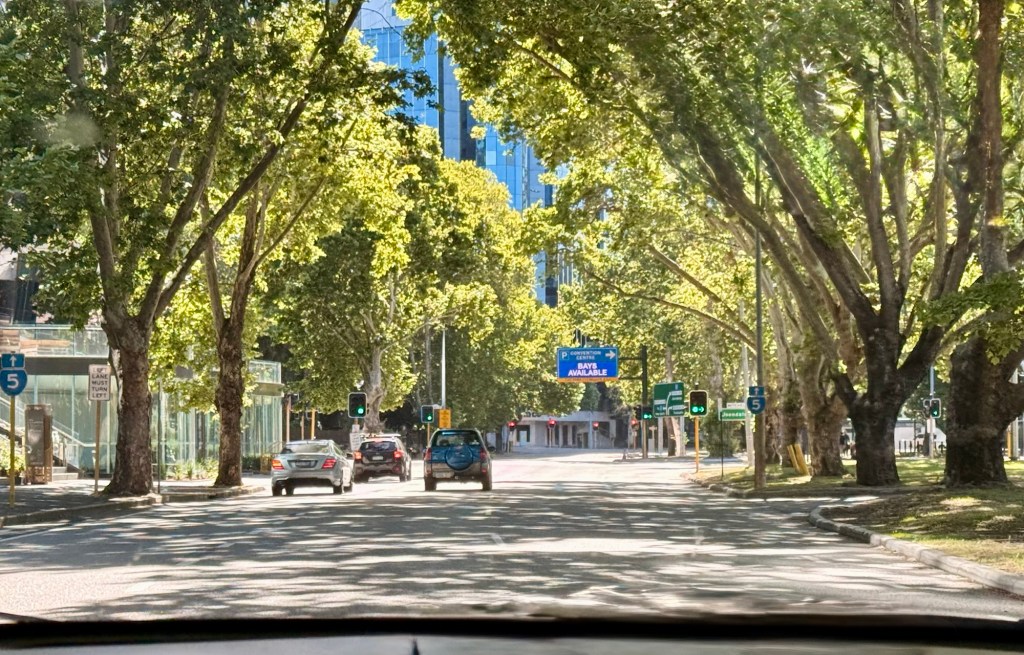
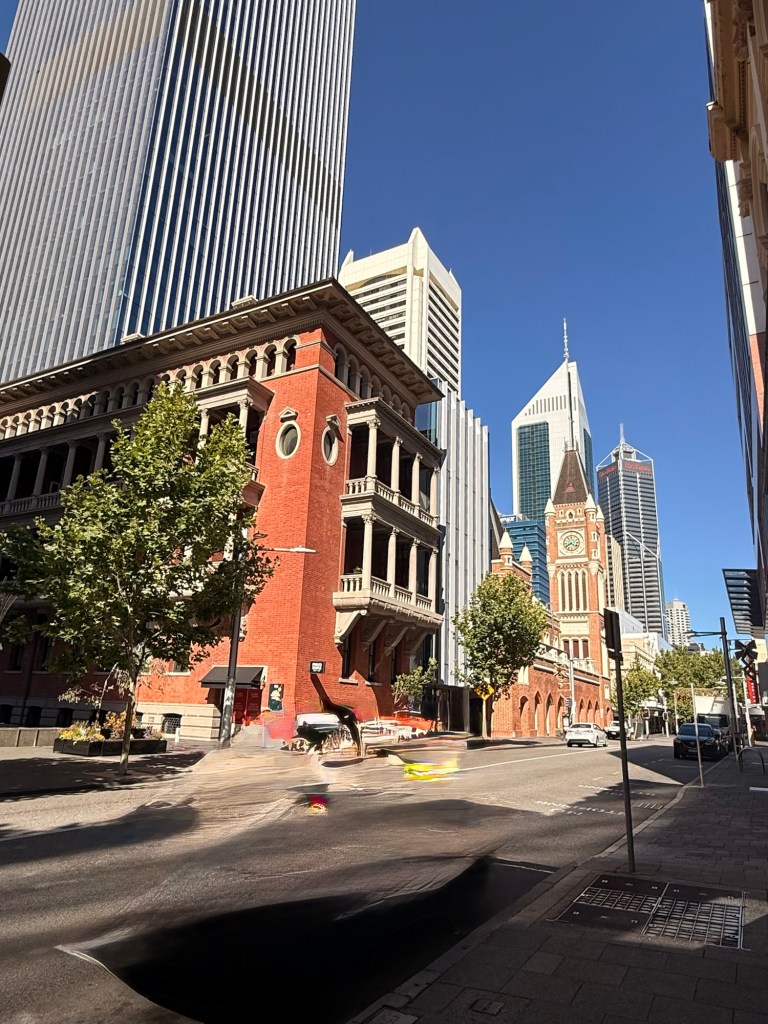
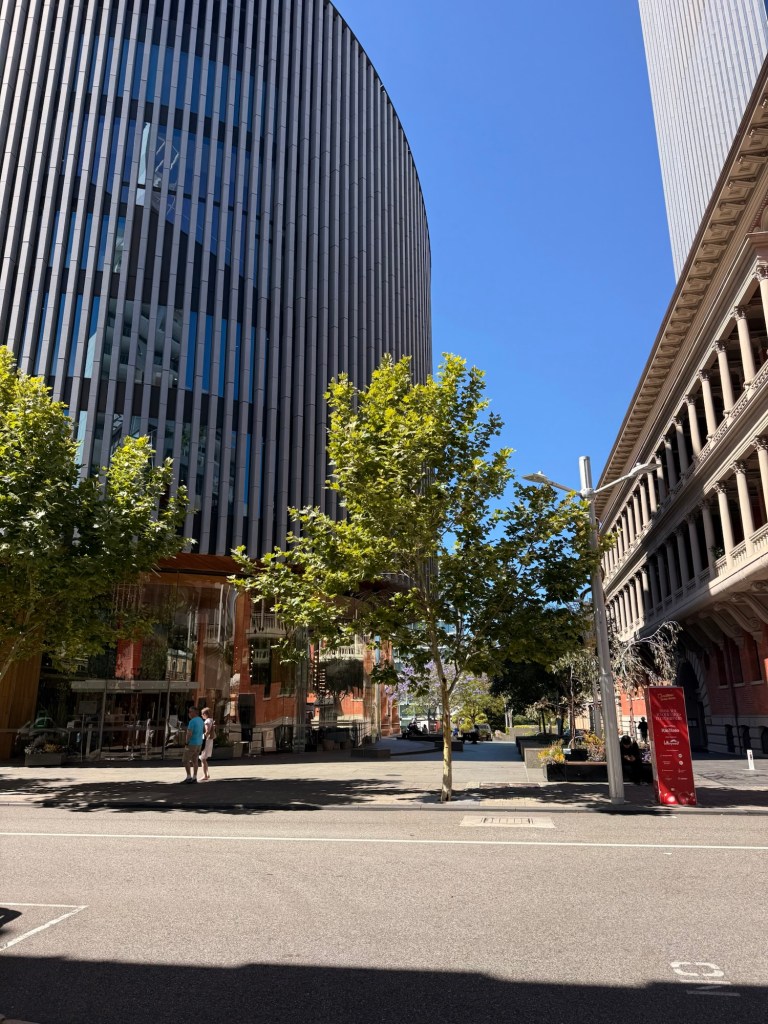
Wonderful freeways, beautiful homes along the way, boats in the bay, clean…. no garbage, lots of Jacaranda trees ….. gorgeous. Great first impression.
I got an Uber into the meetup point. My driver was a fellow, Joseph, transplanted from South Sudan. His English was really very good. Apparently English is an official language there…. who knew! He said that the war there is not the worst of it but it is the corruption that is depleting the resources for South Sudanese people.
The area for the pickup appears to have a few homeless…. not at all like Pandora Street in Victoria though. One very nice feature here is that there is free wifi on the street. I’ll need it to book my Uber back to the ship.
Guide today is Caspar. There are only 8 of us. Perth is the most isolated city in the world.
Western Australia has been inhabited for 65,000 years by aboriginals. They have 14 languages. Place names ending with “up” are aboriginal …. meaning “place of”.
Dutch came in 1600 ‘s… searching for Dutch East Indies ….named the Black Swan River after they found the black swans native only to Australia. They are found in fresh and brackish wetlands along with turtles.
Apparently the locals burn the land to improve the following year’s crops.
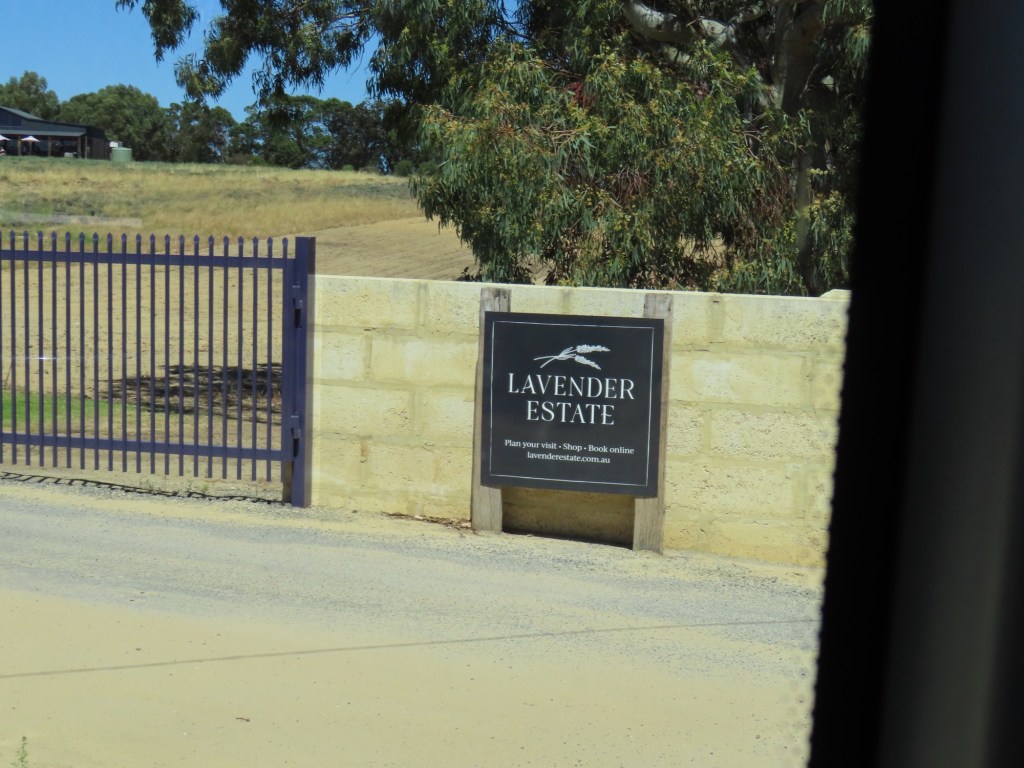
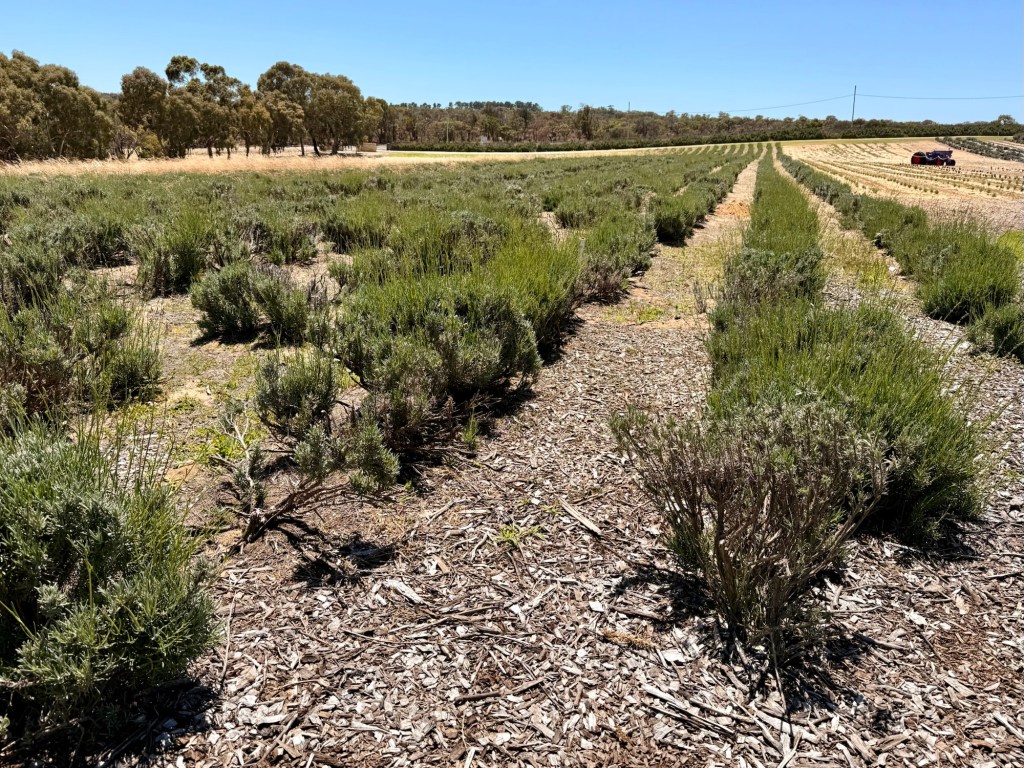
We stopped at Lavender Estate farm for coffee and wonderful scones with clotted cream and strawberry jam…. yum !! The lavender has not really started to grow for the season. Then another 1.5 hour drive to the beach.
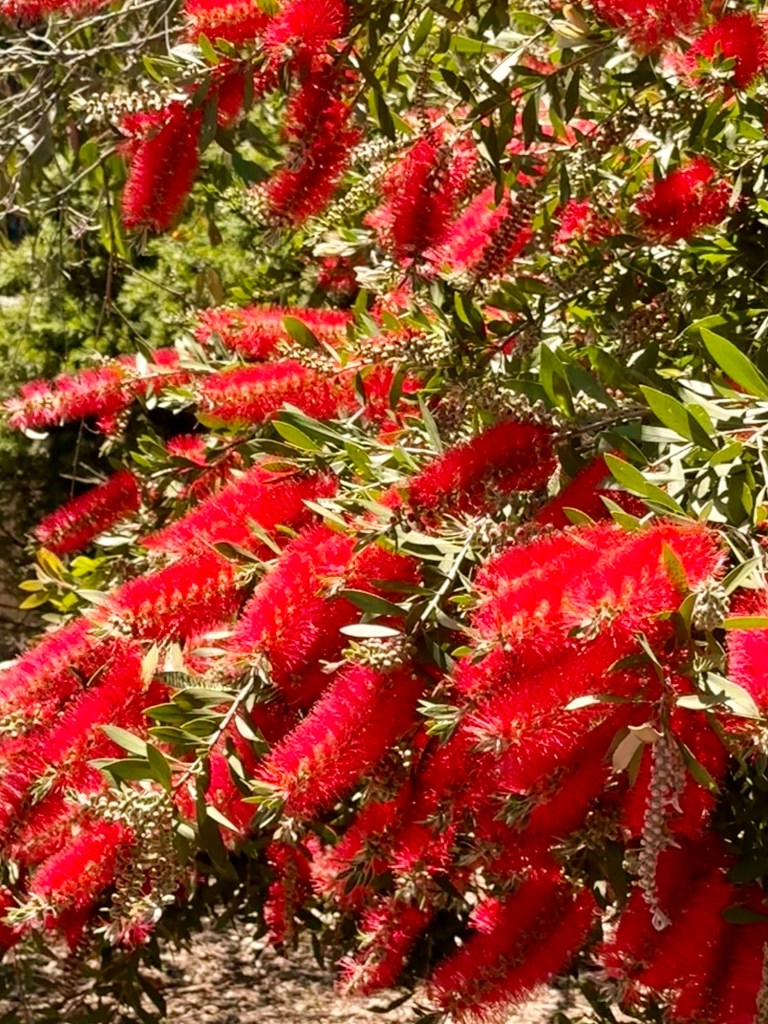
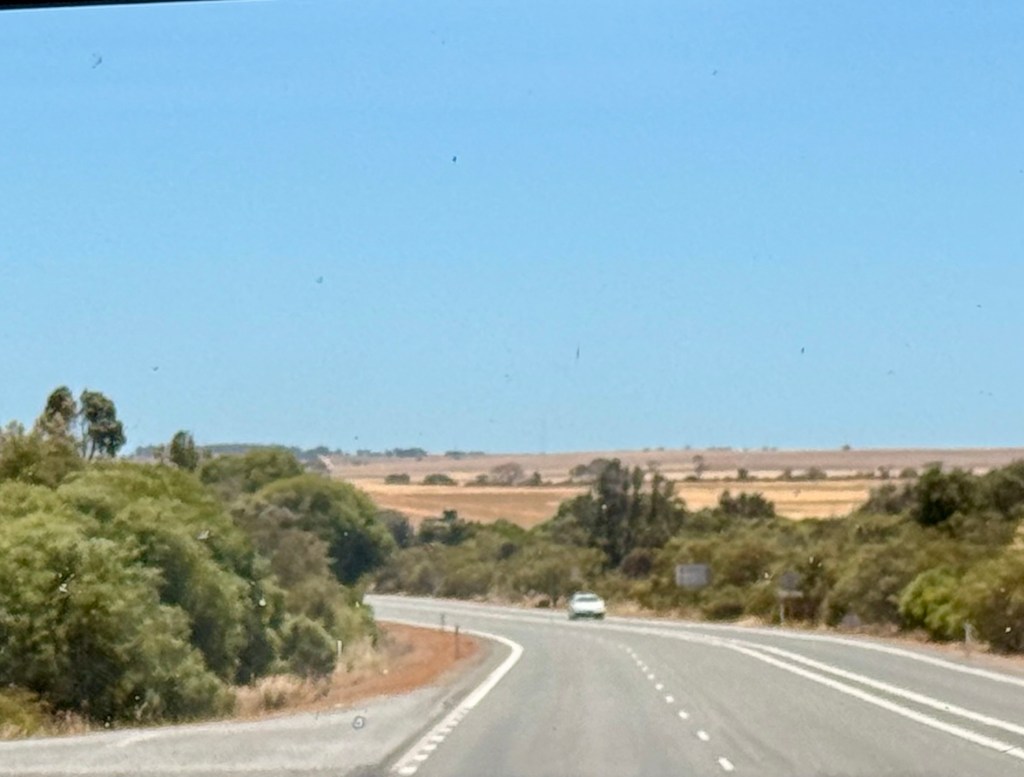
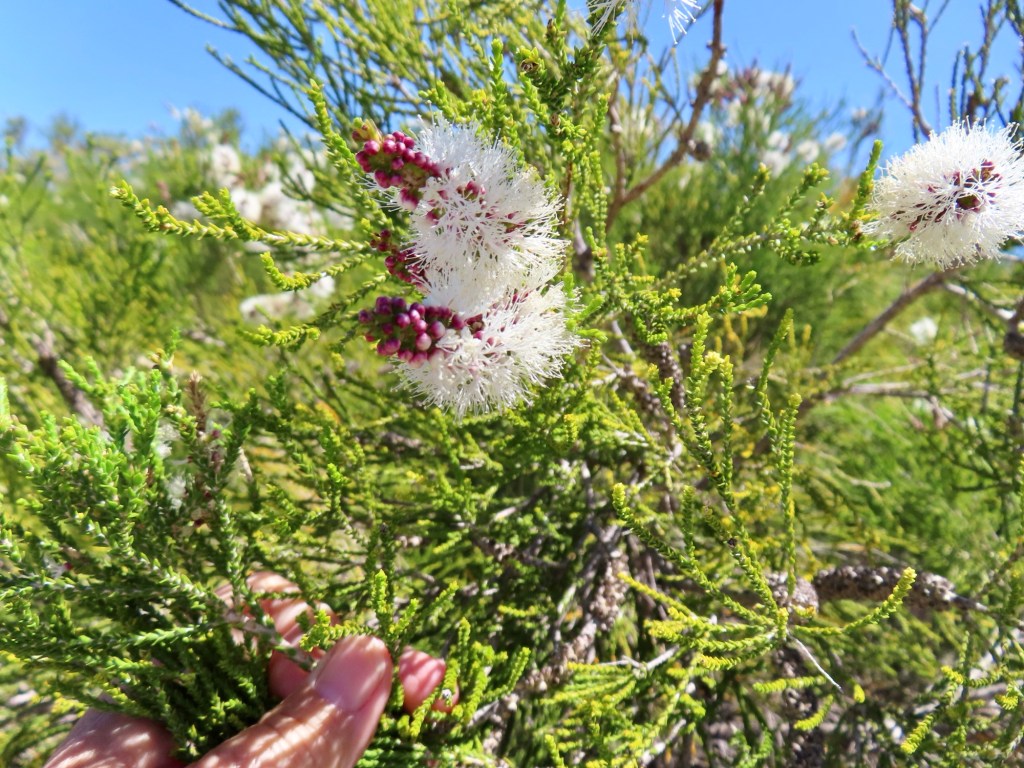
Melaleuca trees also known as bottle brush. Pine trees & carrots grow in dry climate. Cockatoos eat the pine trees. Draecenas growing wild. We passed through area of controlled fire but only the Australian “Xmas” trees survived. Another controlled burn area burned 70,000 hectares. It started after a prolonged drought, from lightning and winds up to 100kms hour that caused it to jump the road … was no longer under control. I believe we were told that for each dead one …5 will grow. We passed by the town of Lancelin, a top secret defence military base. It is on the coastline. The area recently lost 20 metres of coastline with a lookout tower collapsing . The area is protected…. For plants and animals… and watching stars. Owls, no bright lights are allowed to protect animals. Many endemic species not seen anywhere else in the world.
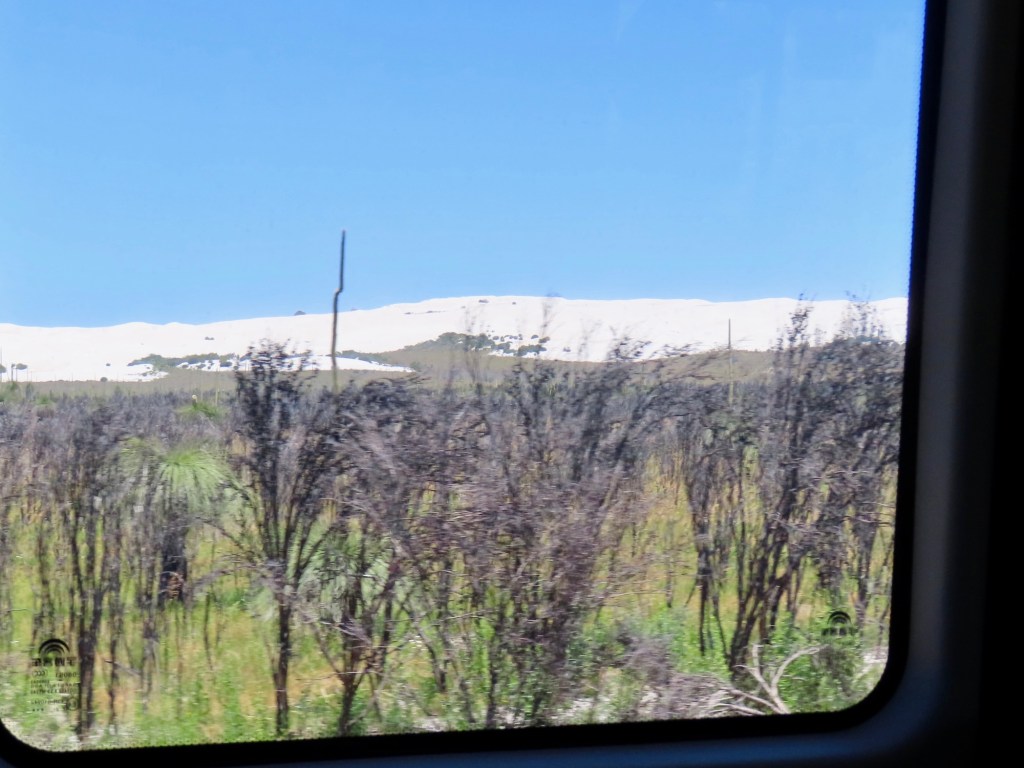
Drifting sands
Came across cars stopping on road in the middle of nowhere…. A guy in the middle of the road trying to get someone to stop. Scary …. thought he was high or crazy but then we a car in the bushes. He probably had an accident and was trying to get help. We could not stop. Others did.
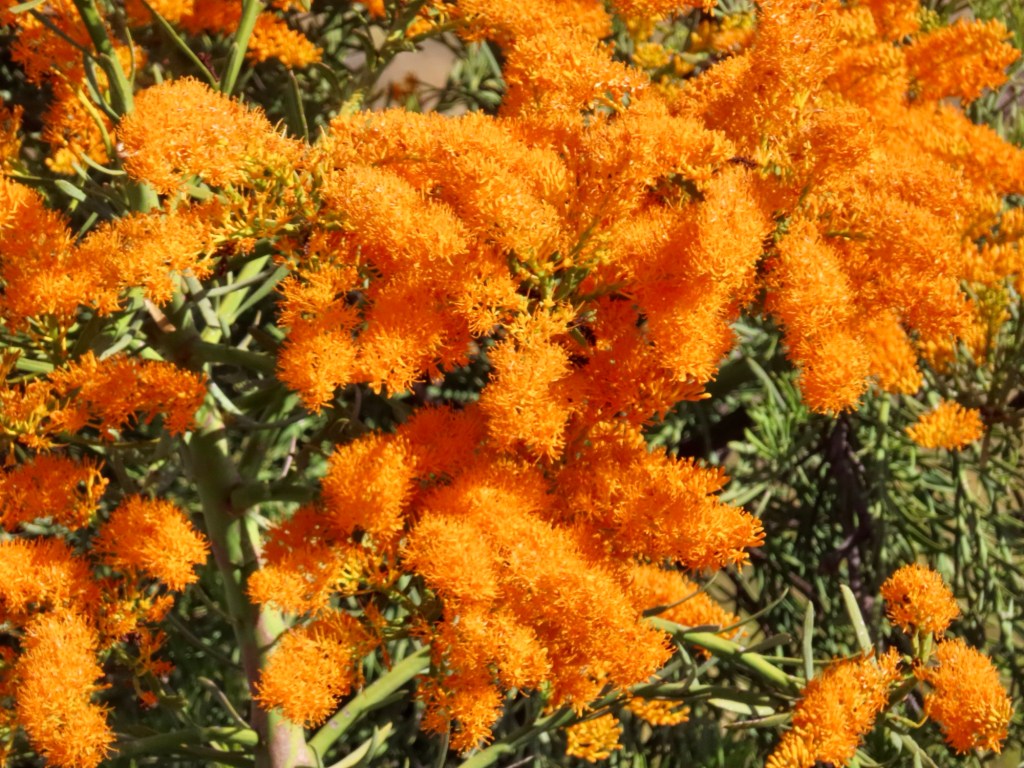
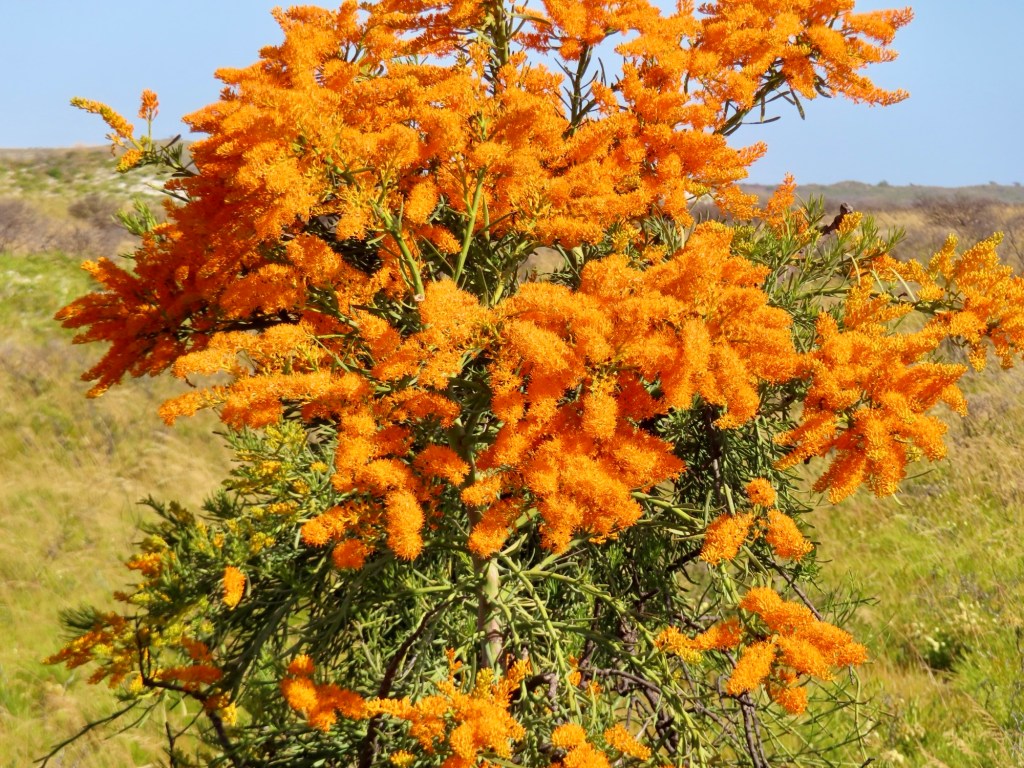
Orange coloured “Christmas” (fouchar) trees…. Are parasitical… over take everything around them. They only grow in Western Australia. Eucalyptus tree are bigger than the orange trees here but not east of here in the desert.
Whales are now protected as in Canada.
20,000years ago water was 130 metres under water
Right side of the road there is no vegetation… blowing sand moves 5-10 metres in north-easterly direction every year.
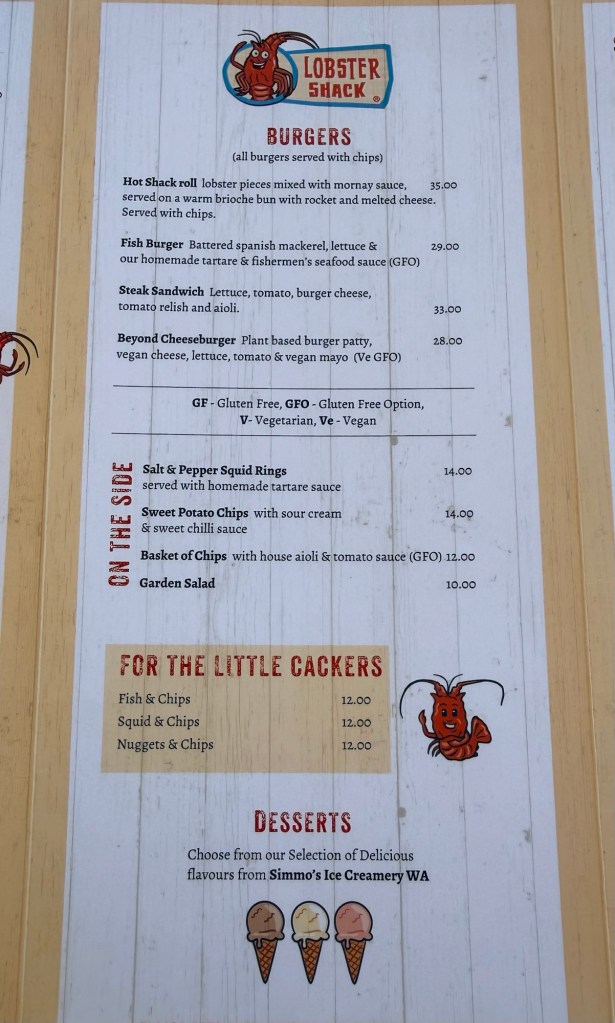
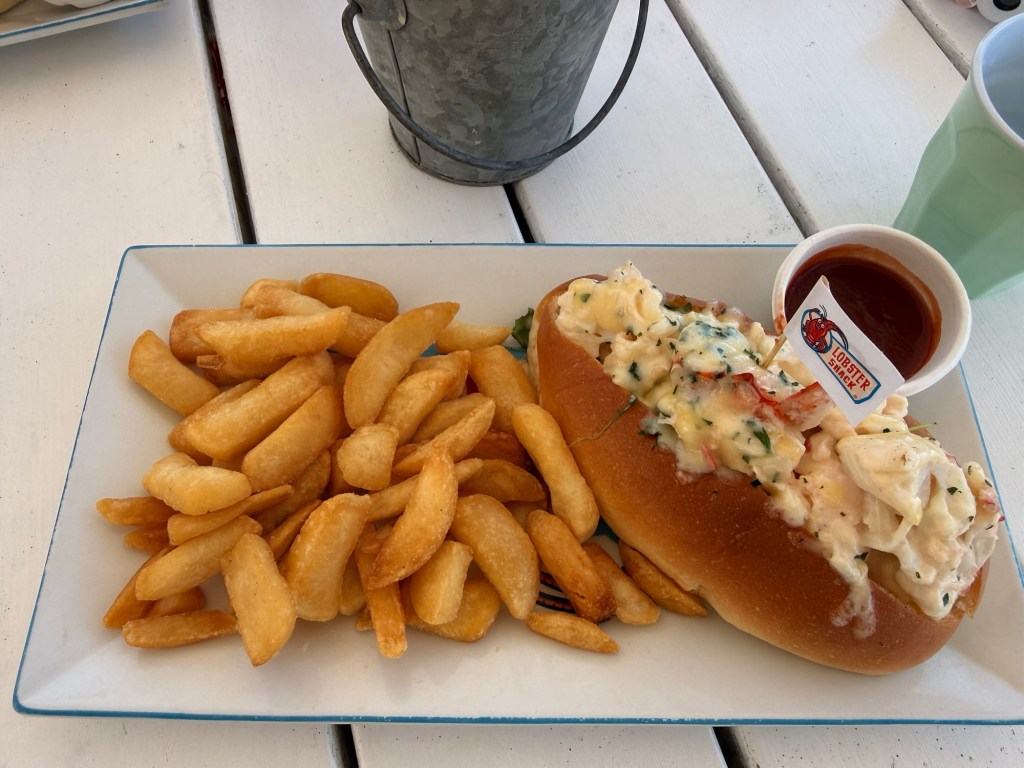
Lobster Shack stop. Lobsters were over fished in early 2000’s. Now they have returned and fishing has resumed but you have to release all females if you catch any. $400,000,000/year are exported now. Cervantes, the town where the Lobster Shack is, is a tribute to the writer. Some of us had lobster roll and chips for 36 AUD at Lobster Shack …. A licence to print money. 57 for 1/2 lobster.
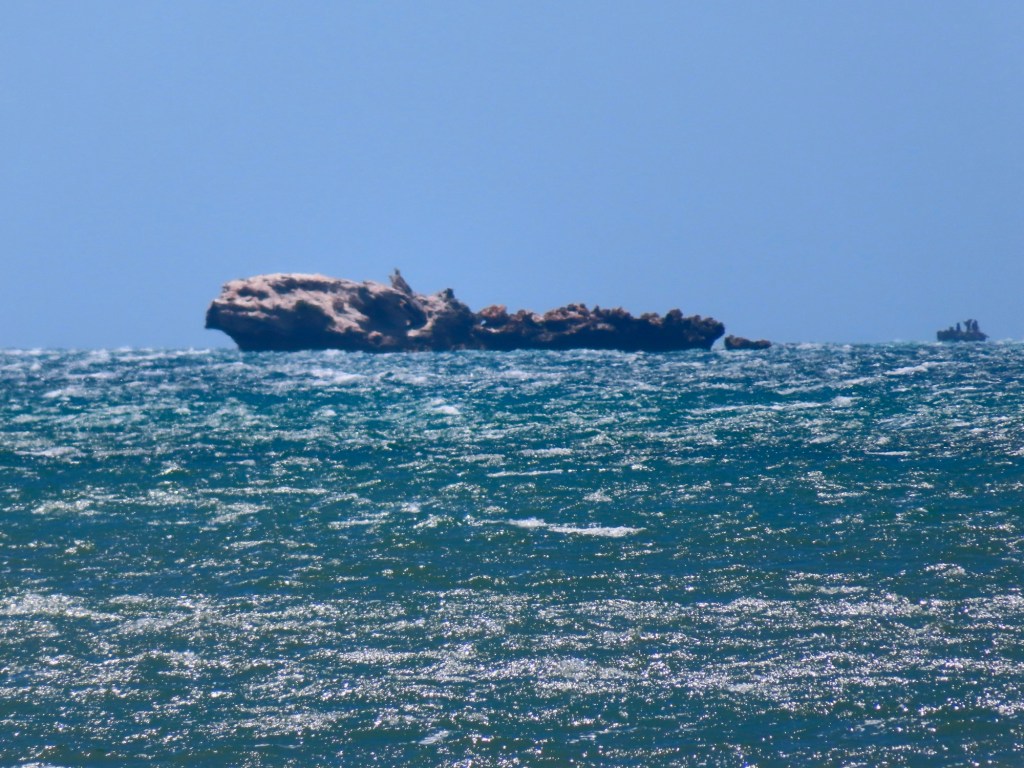
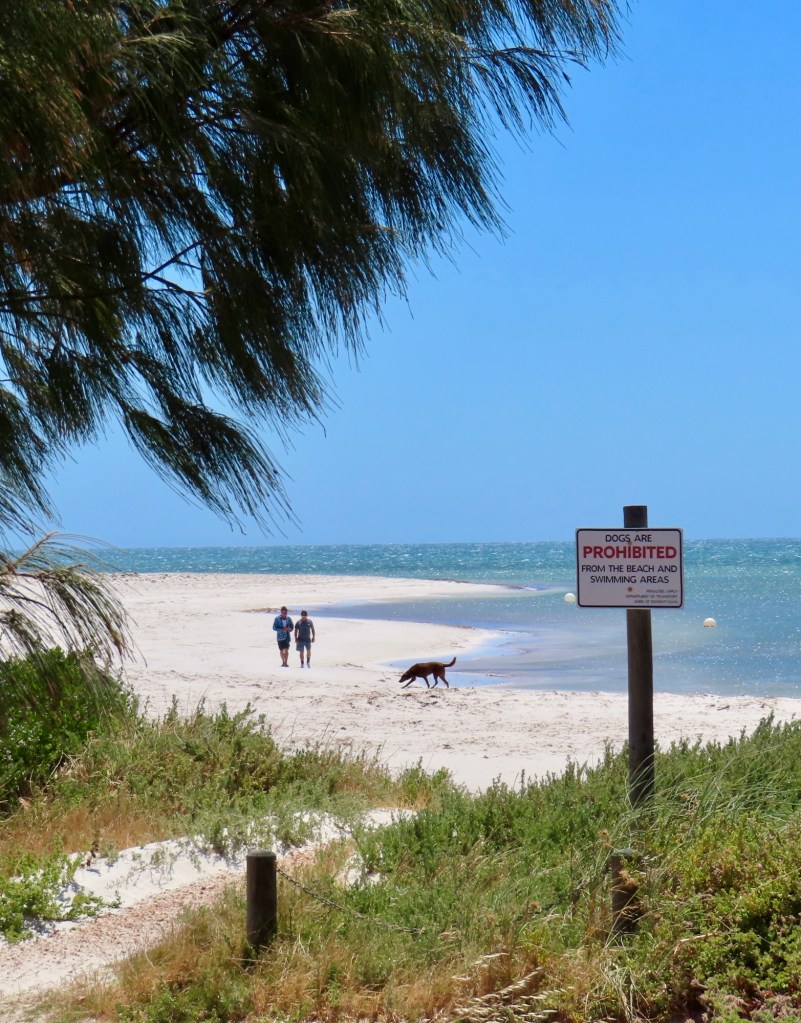
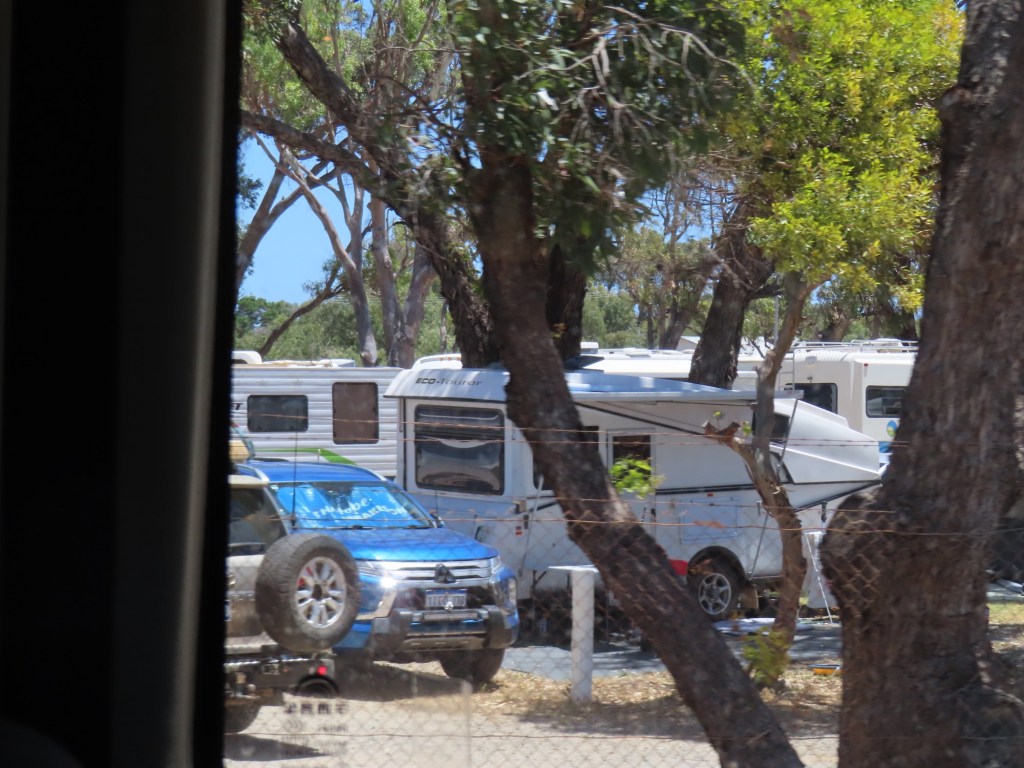
Lobster boatsThought it was a sunken ship but … no, looks like reef rocksArea of some very nice homesDog and its owner don’t know how to readBeautiful white sandCheck out the prices if you think ours are expensiveRV park at Cervantes
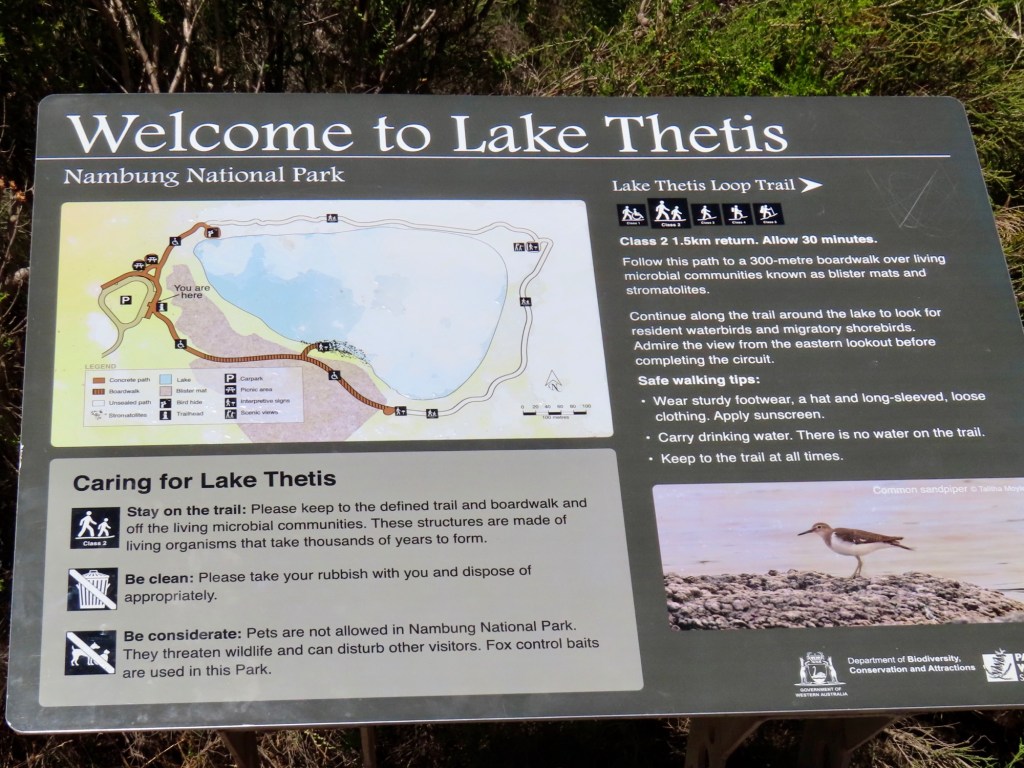
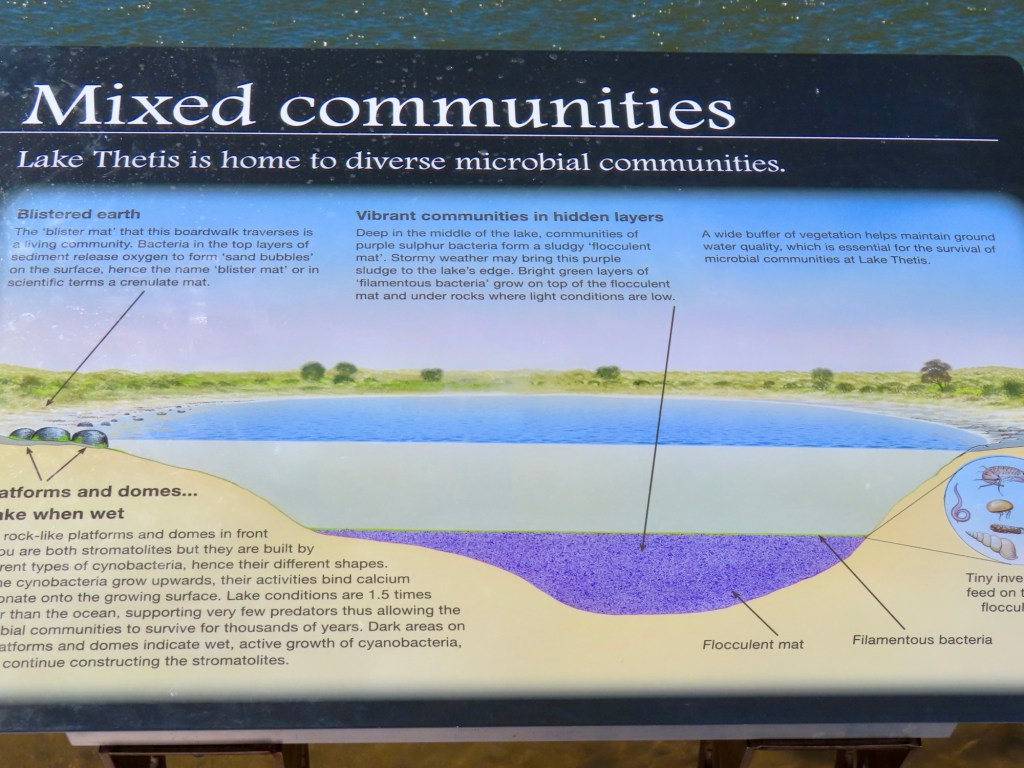
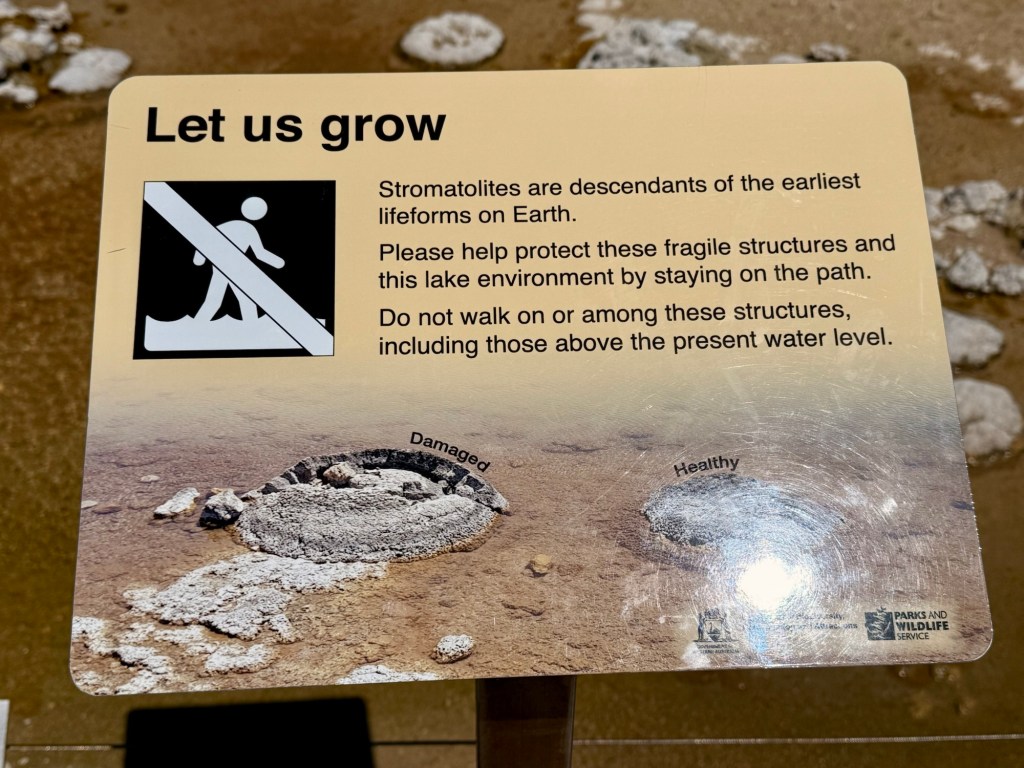
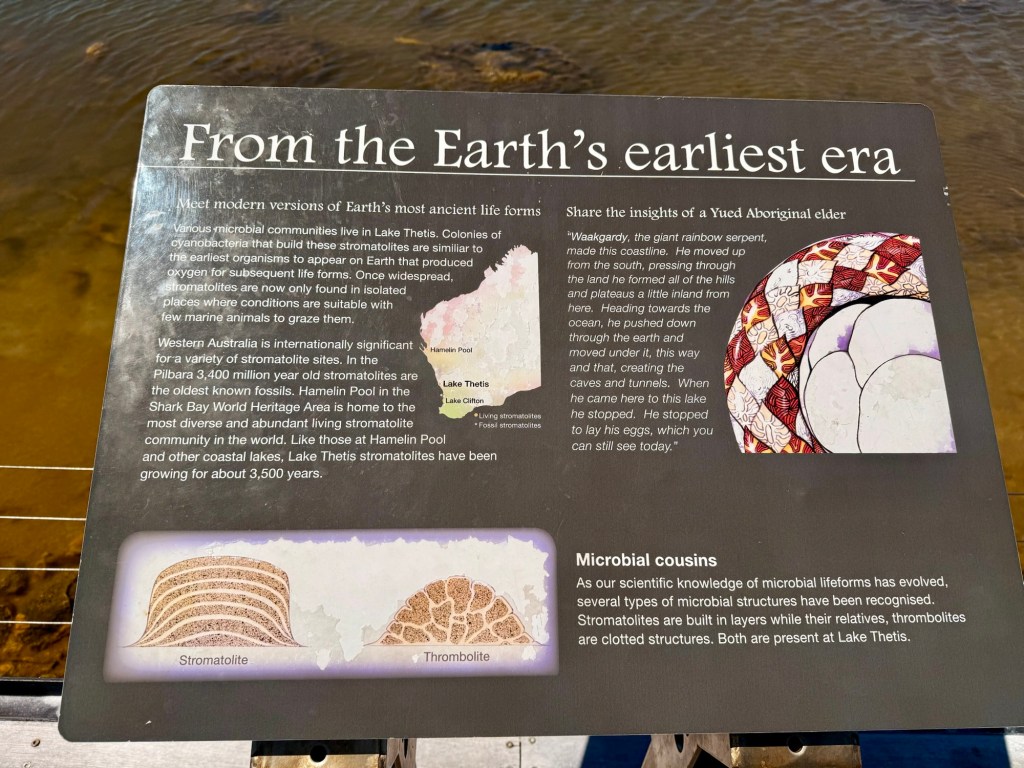
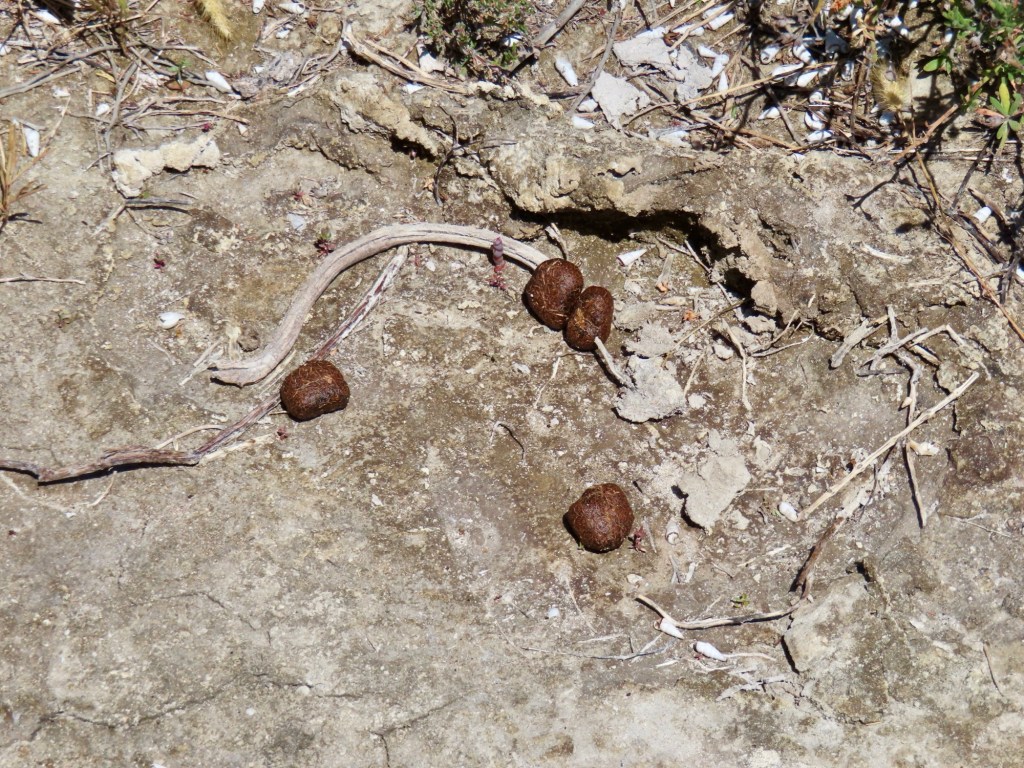
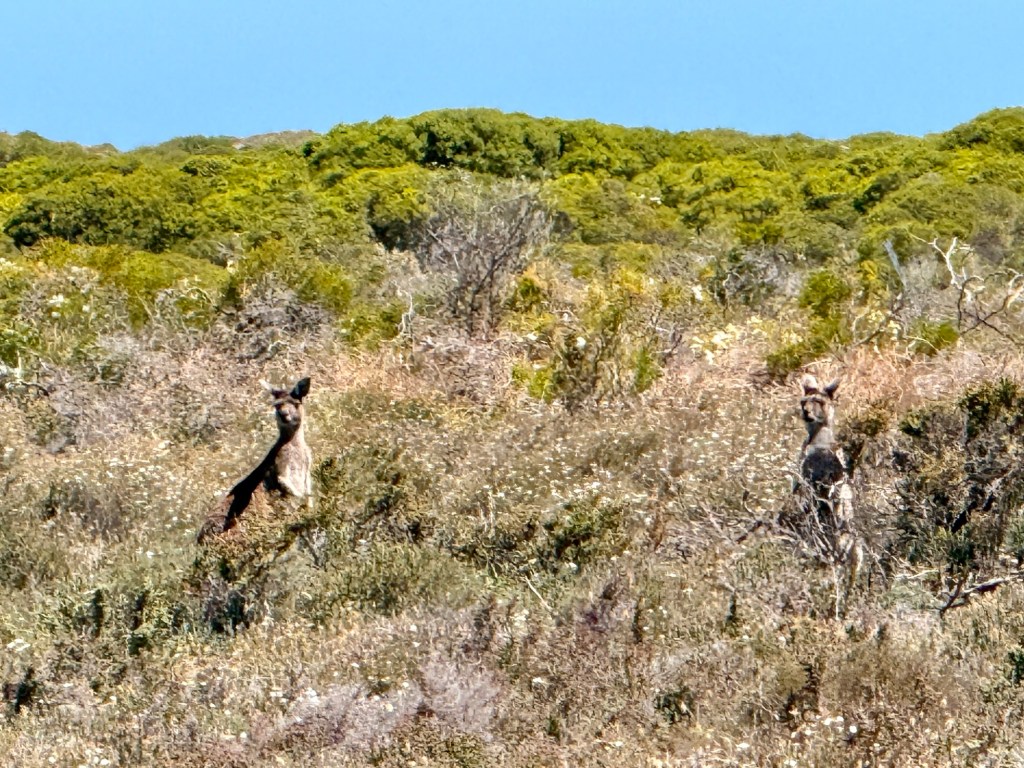
Leaving there was a sign…. Lake Thetis, Namburg park (we have a Thetis Lake at home). Here they have the oldest fossils in world…3 billion years old. There was evidence of kangaroos around and yes we got to see 2, a male and a female.
Lake Thetis is a salt seaThose are fossils Fresh kangaroo poopMale kangarooA male on left and female on right
There are 50,000,000 Kangaroos in Australia, 2x human population. Females can look after 3 babies at a time…. One youngster, a Joey in the pouch and one envetro.
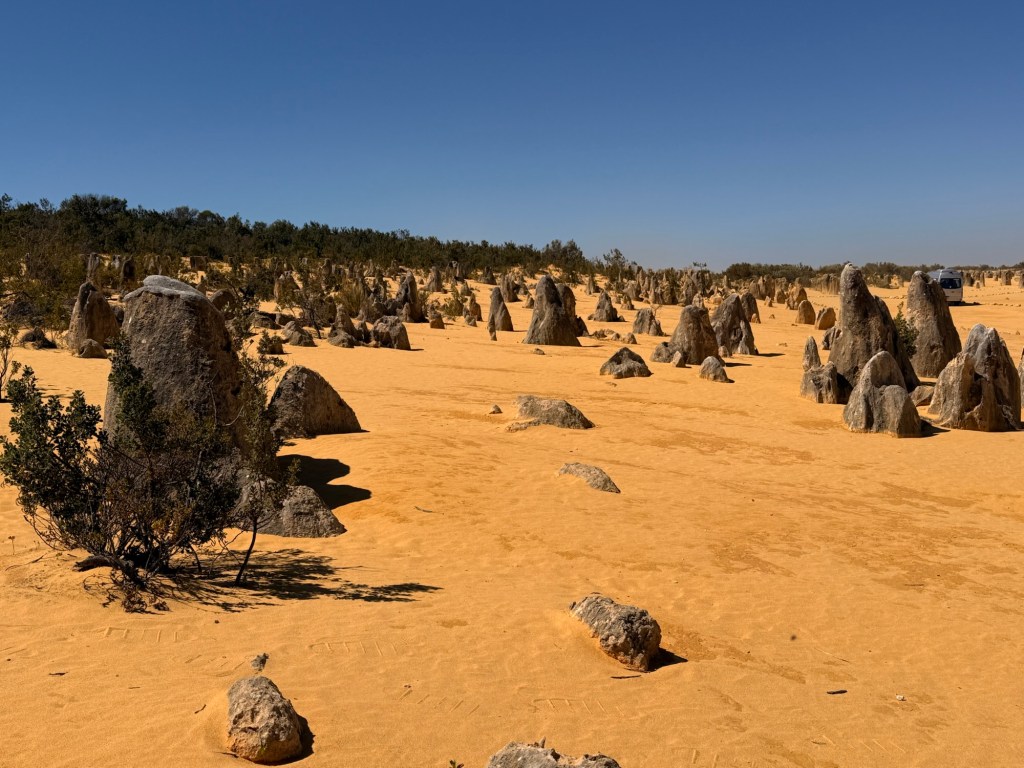
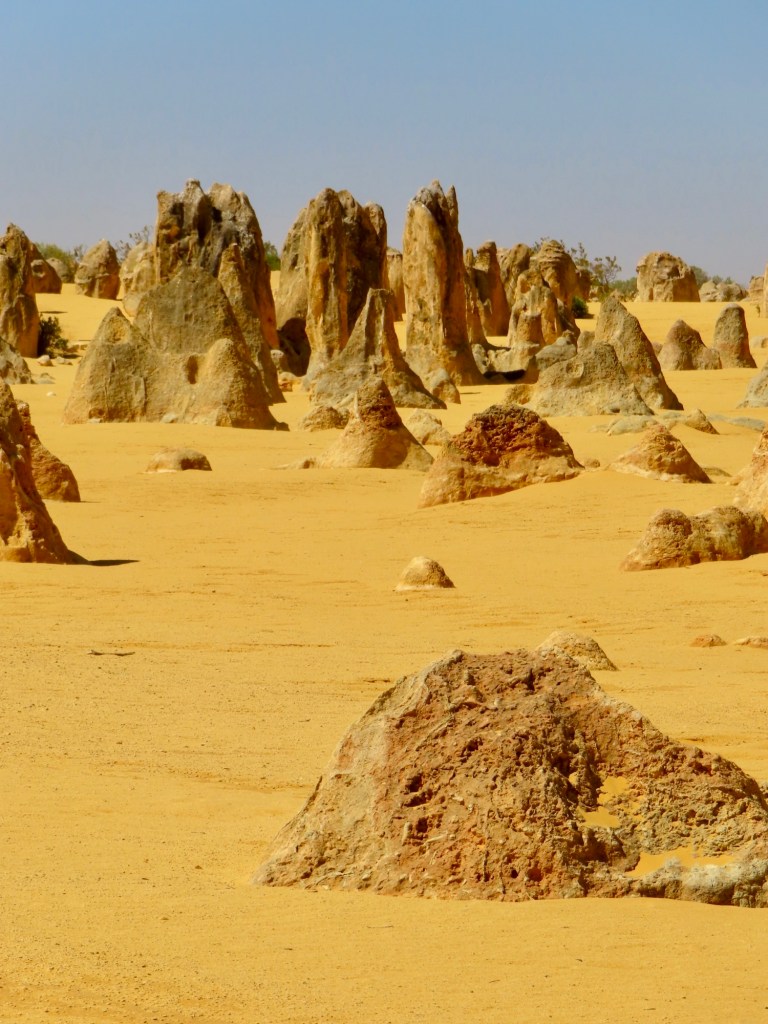
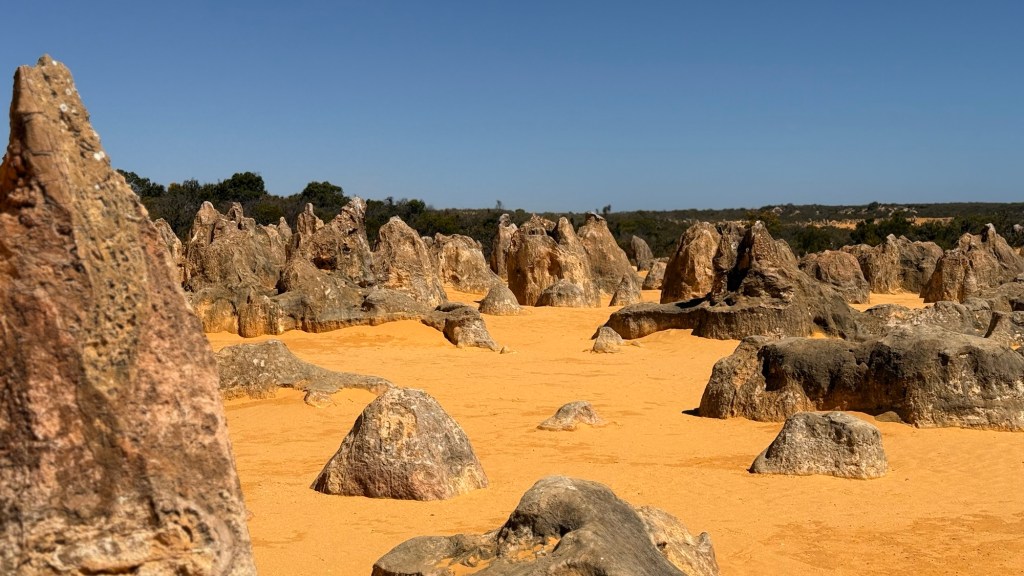
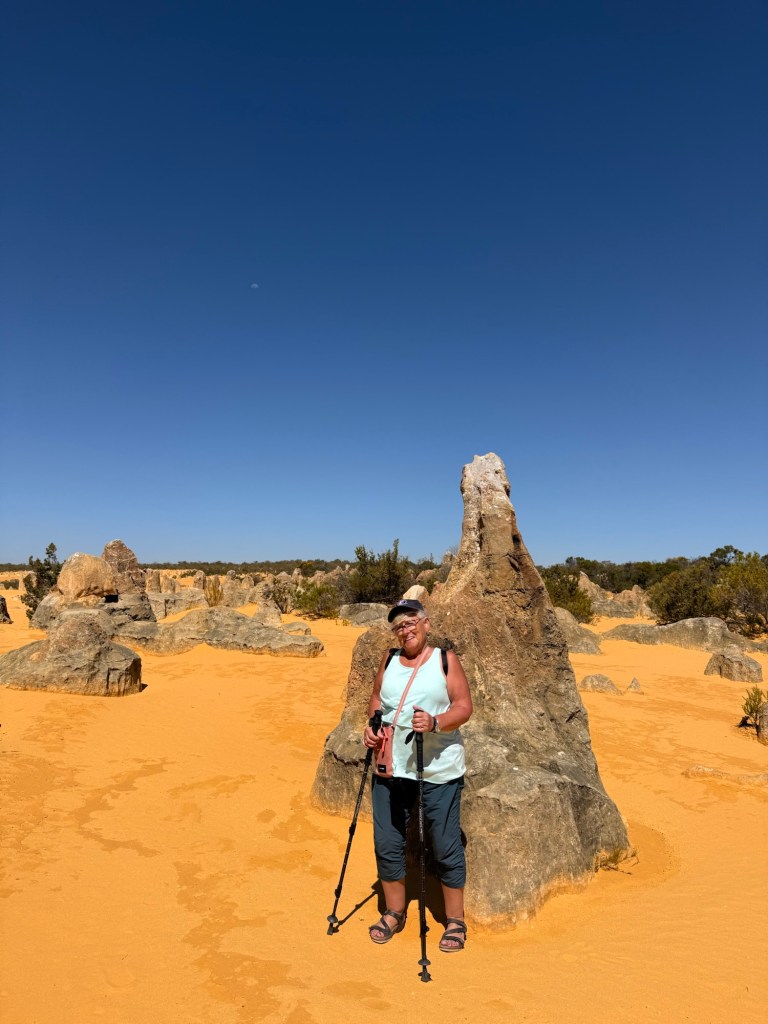
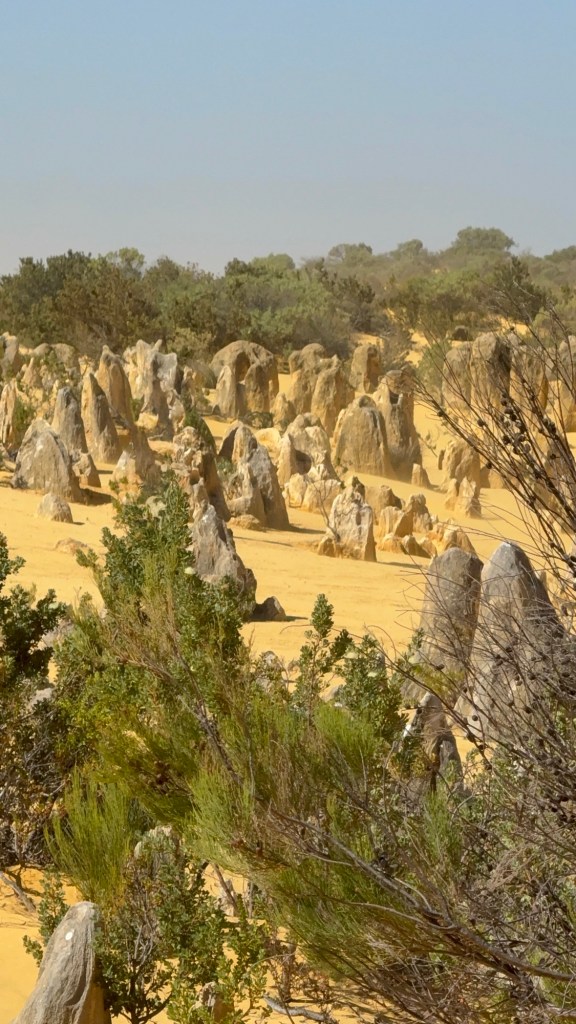
Namburg Pinnacles National park north of Perth, is what we have all come to see. Scientists don’t know exactly what or how these have come to be. One of the best explanations is limestone formations that rose from the desert after the sea receded, leaving behind deposits of seashell fragments. Over the past 100,000 years, rainfall has dissolved and redeposited this calcium carbonate, cementing the sand and eventually leading to the unique pillar shapes. Some thought us that there were trees that grew there and that as the water receded they sucked the calcium and lime and with the sun and sand, fossilized them. Some do look very much like petrified trees.
These are a prettier holly than we have at home but just as pricklyAussie Christmas tree
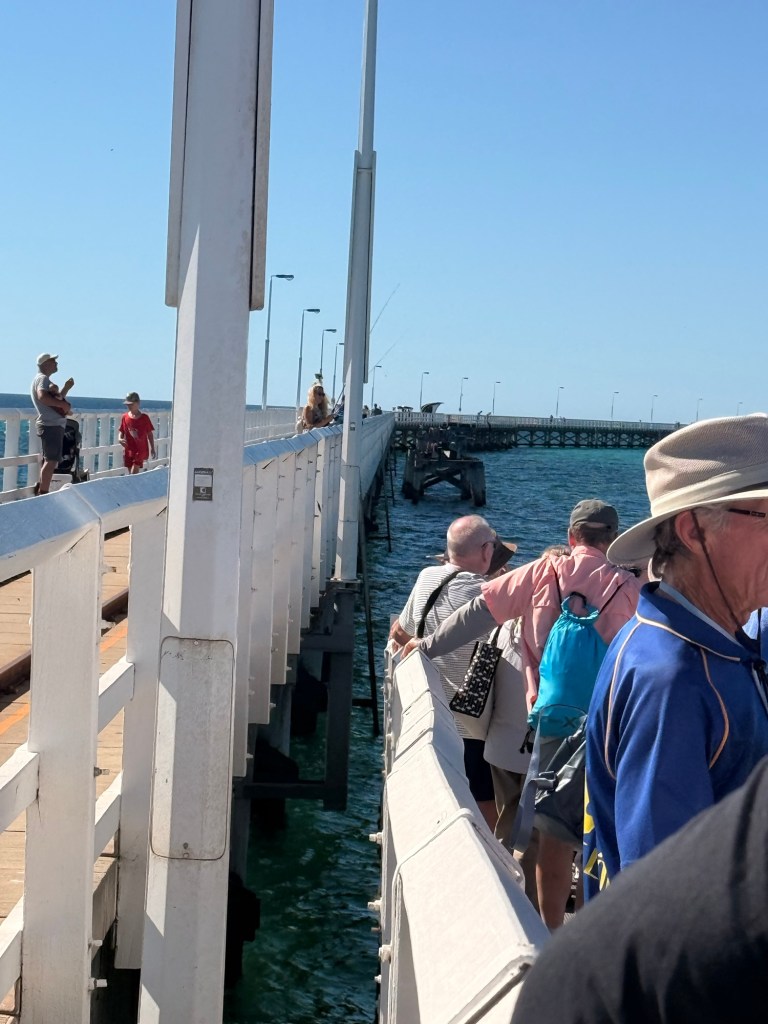
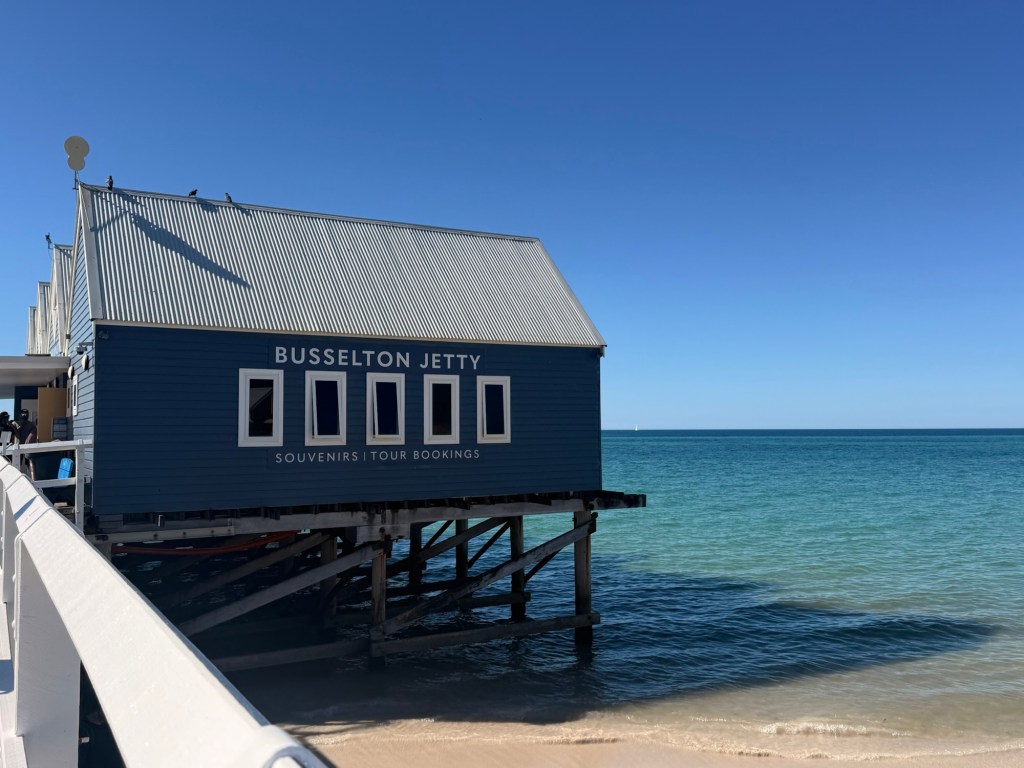
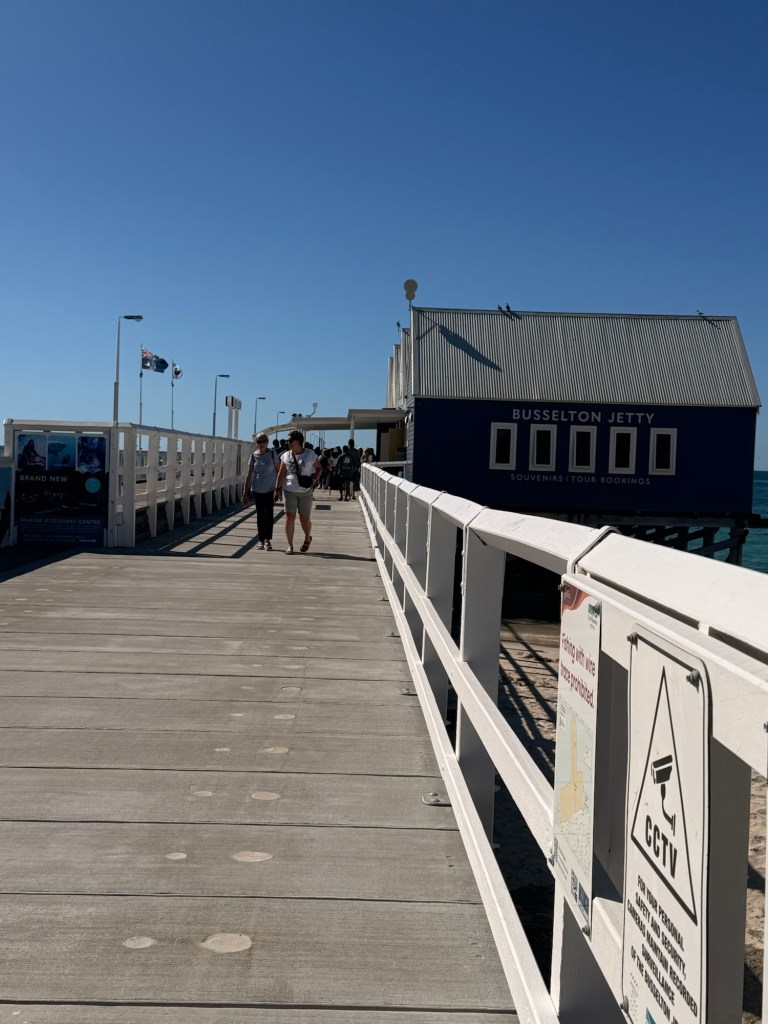
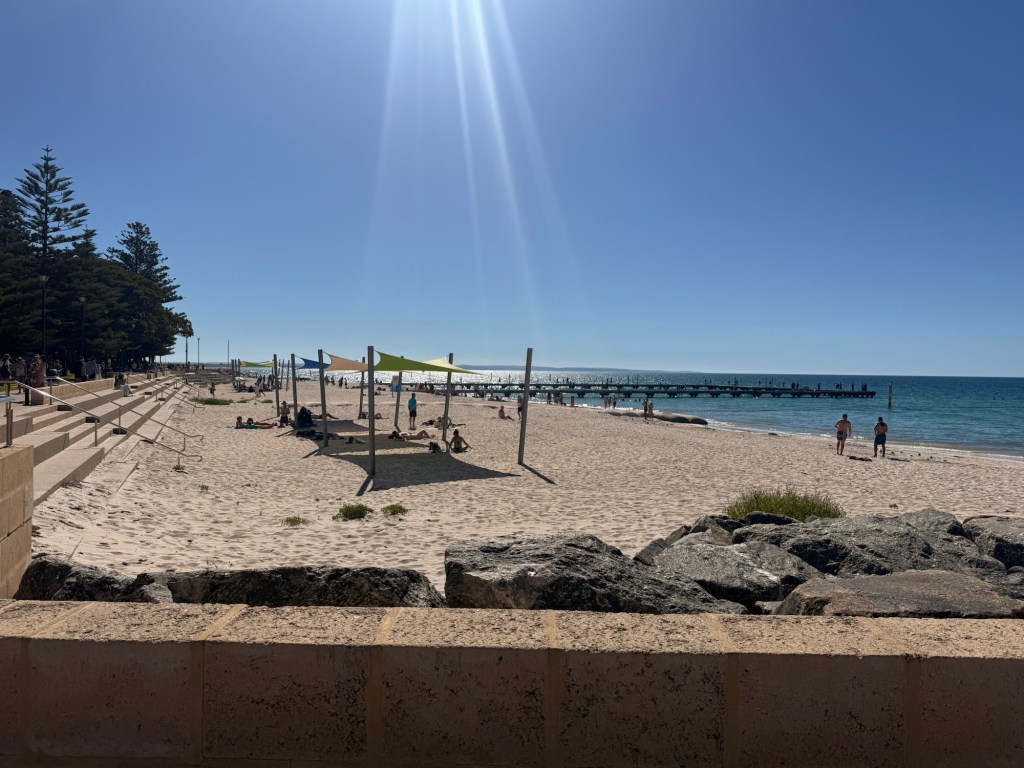
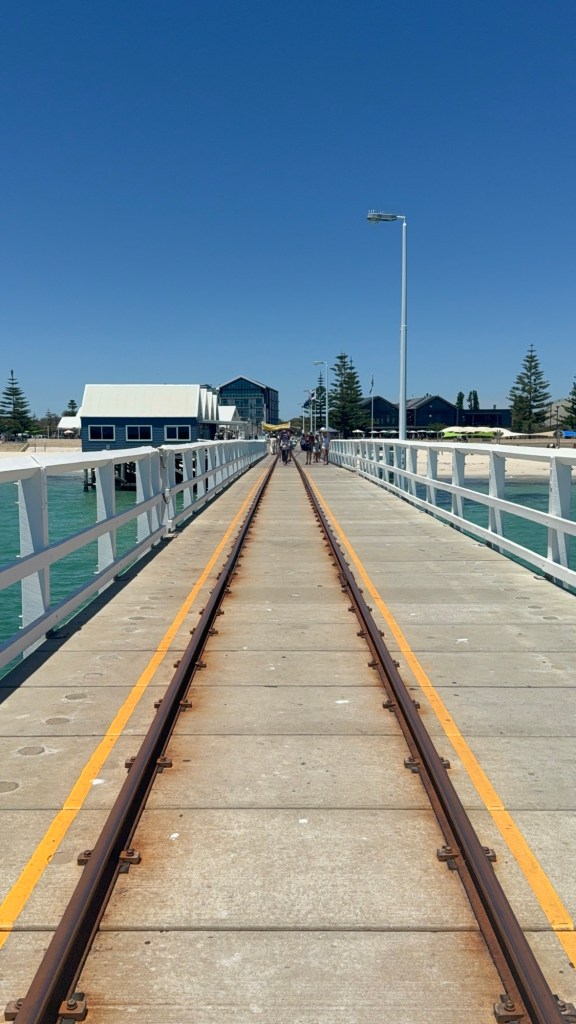
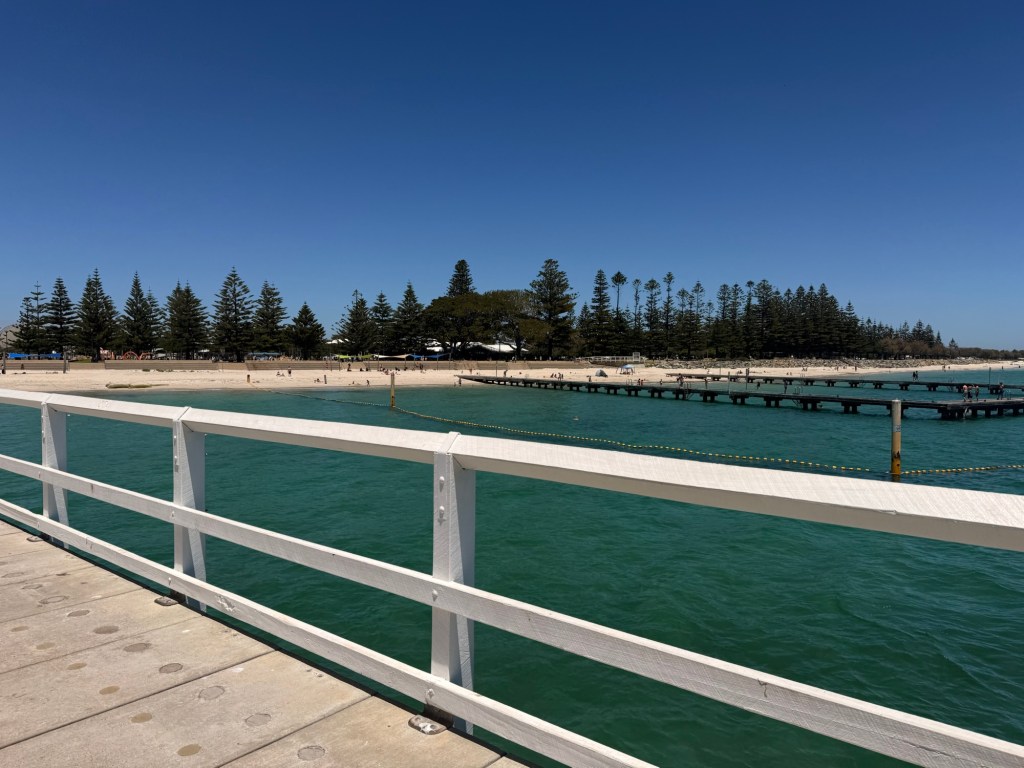
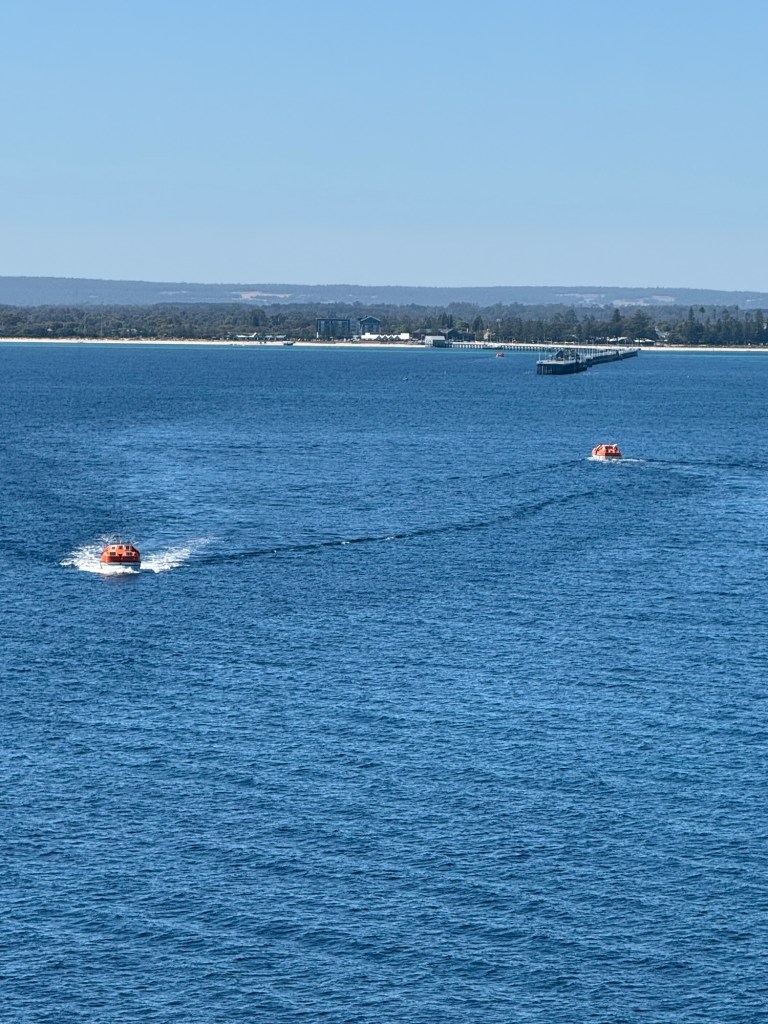
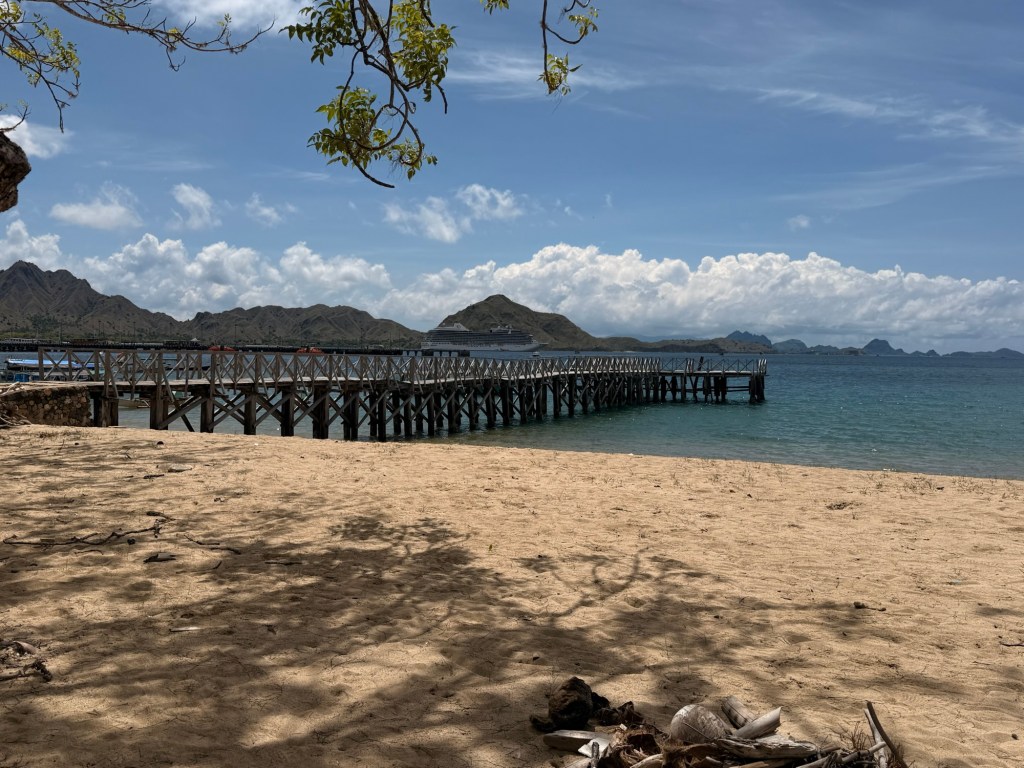
We are tendered from far out into turquoise waters, to a hugely long pier. This place looks like a gorgeous beach destination…. Lovely!!!
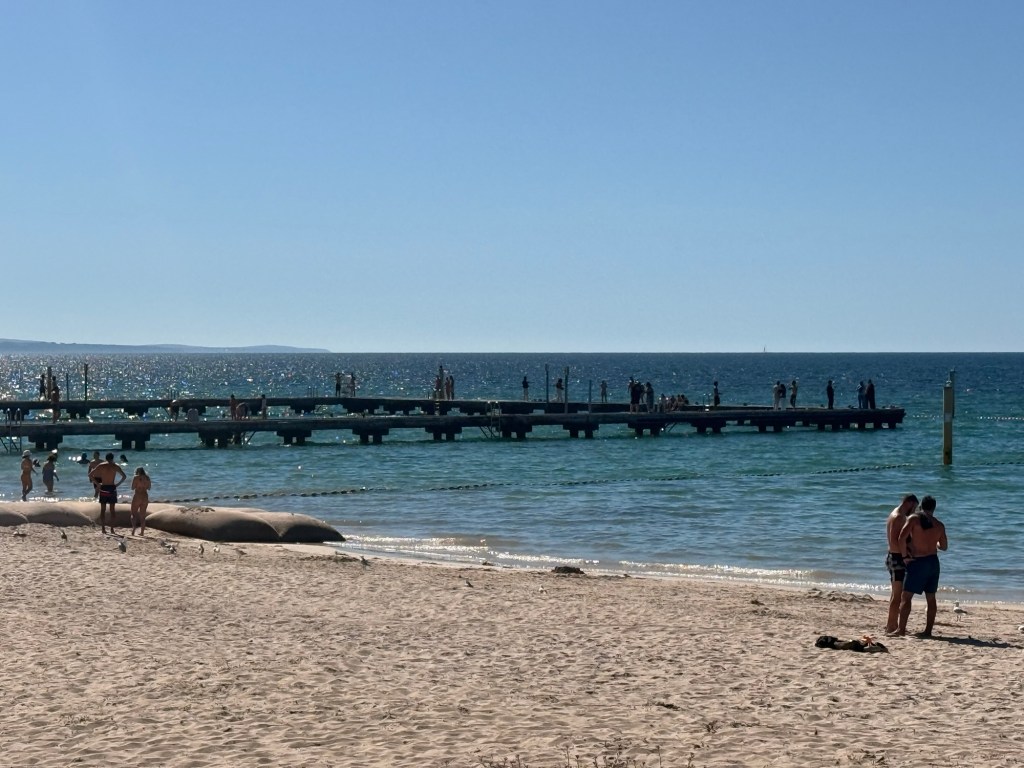
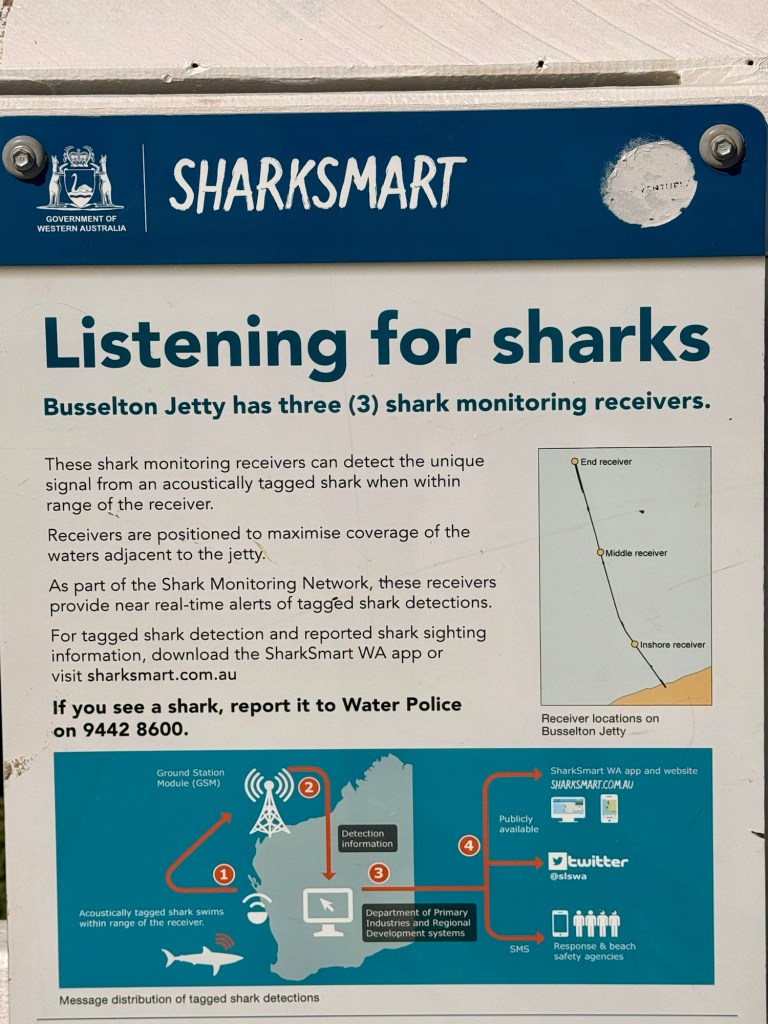
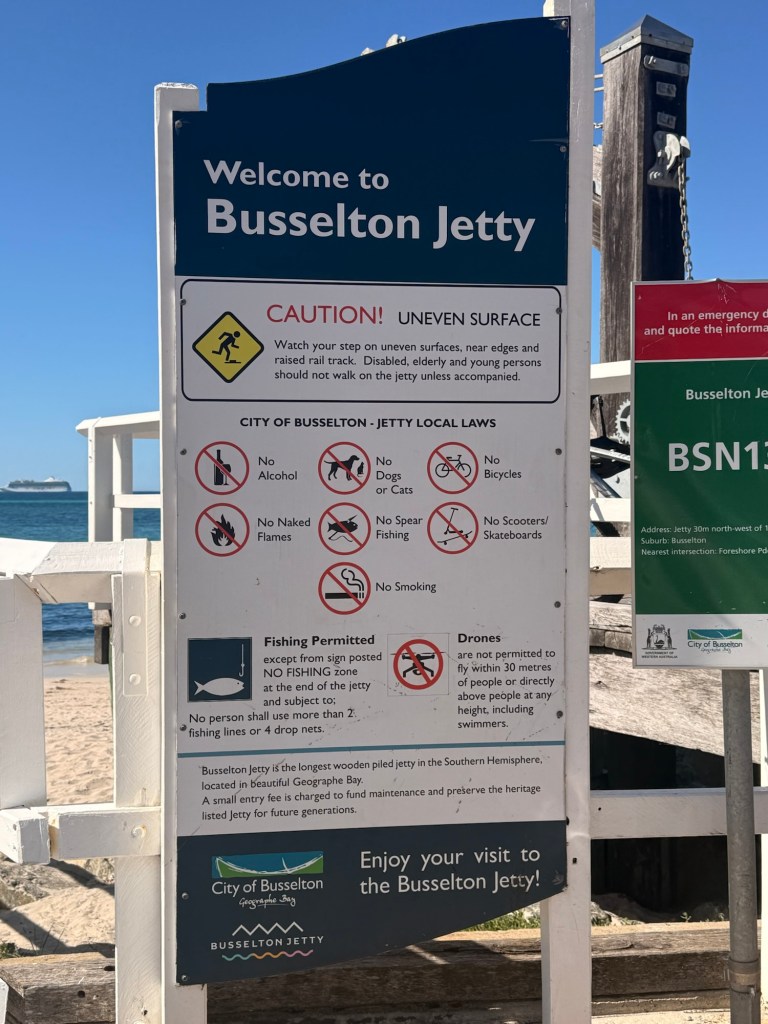
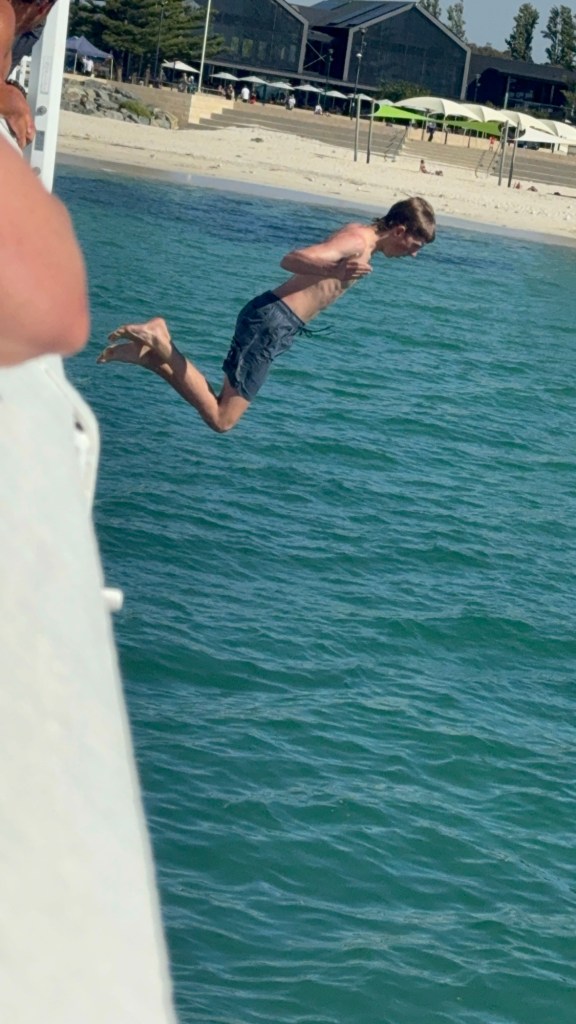
I was told about a helicopter seen flying around searching for sharks. Apparently a portion… around the pool area, is netted for protection mind you, I did see a young girl jumping off the pier outside the contained area. The pier is 1.841 kms in either direction. That could be all you need to get your steps in for the day… lol.
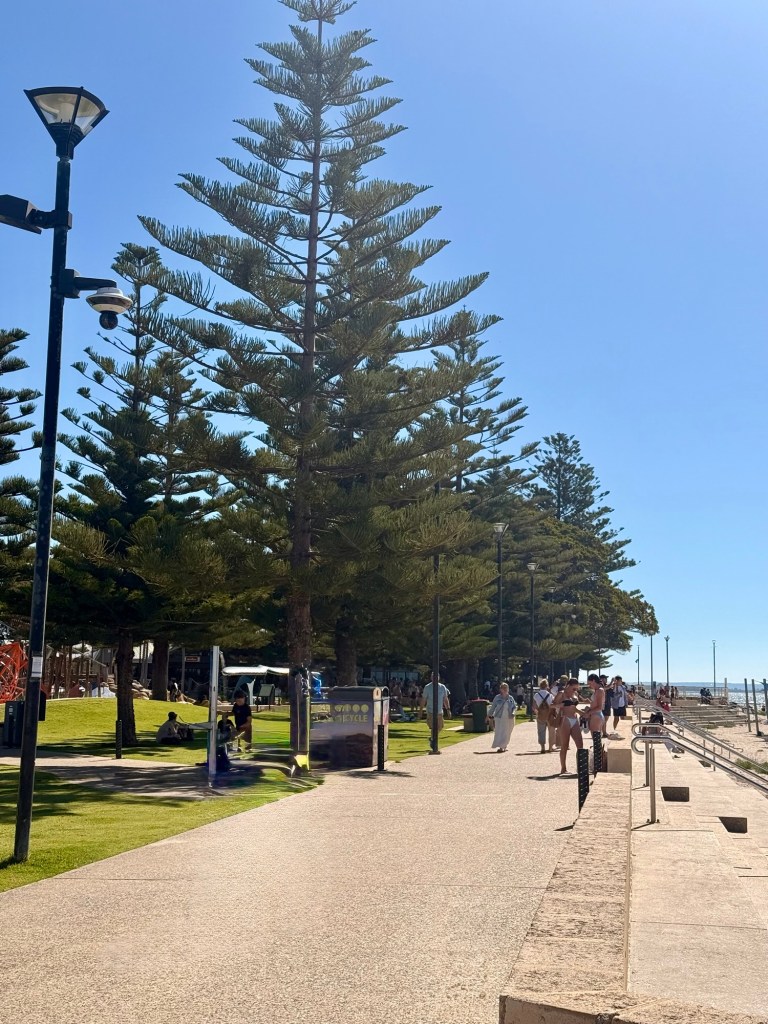
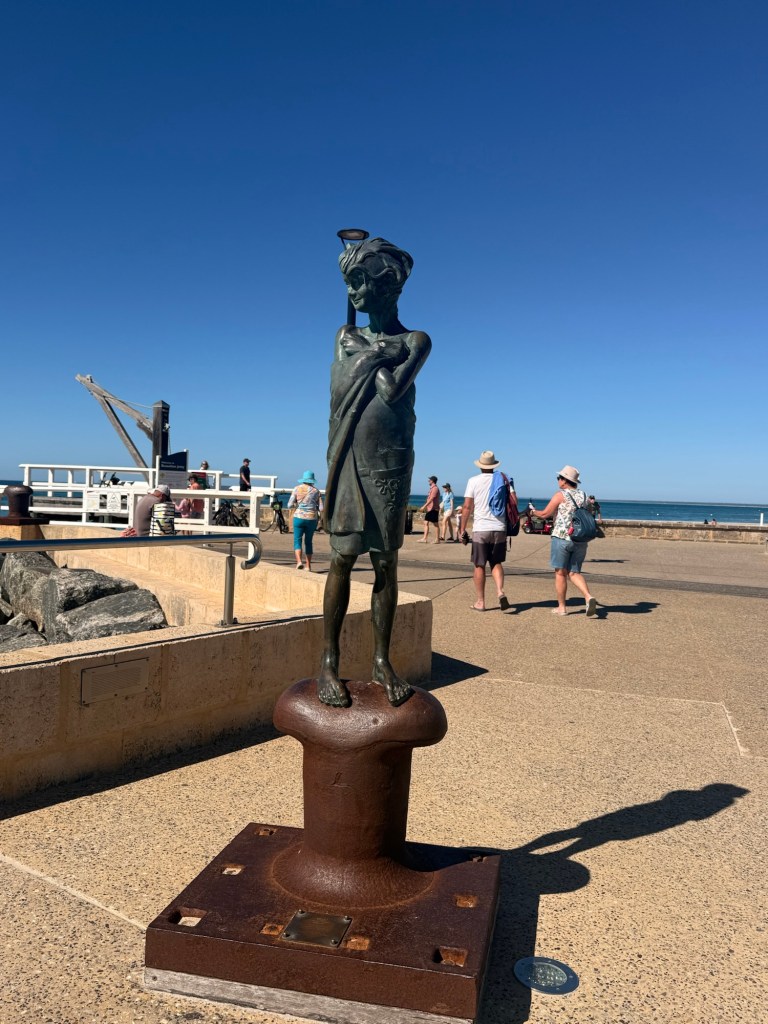
Sorry but these few are taken through wet and dirty window Look how long that pier is Lots of Norfolk pines Statue of a child wrapped in a towel…. Appropriate!Look close and you can see the net around the “pool”
No guide on any part of this tour.
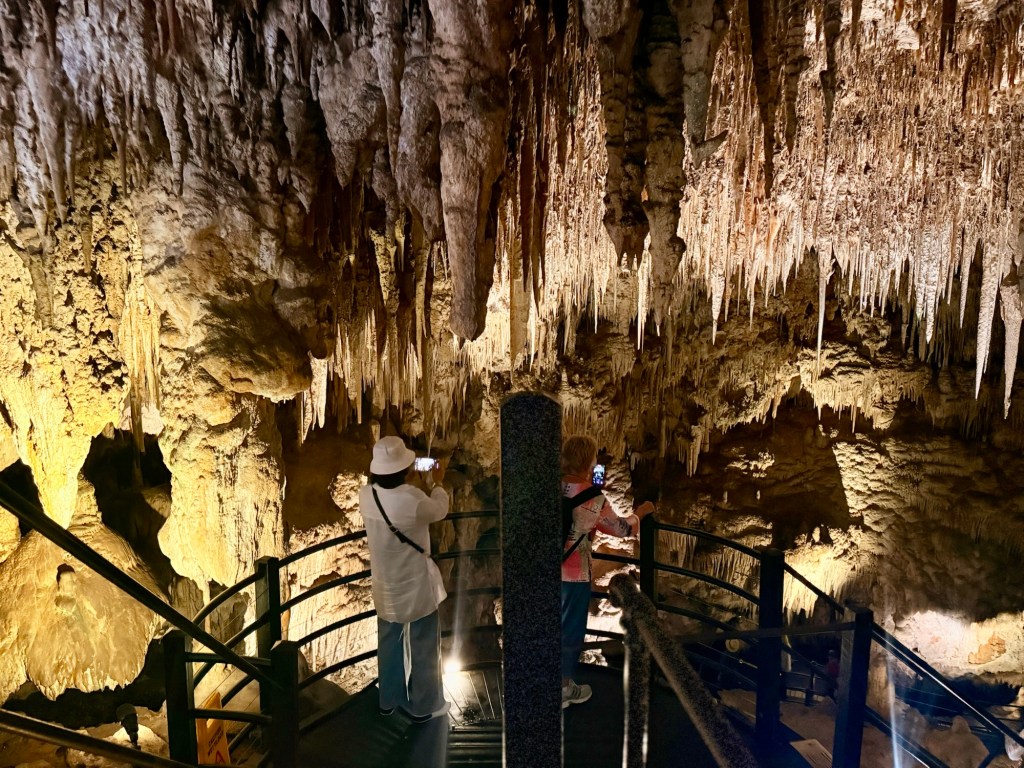
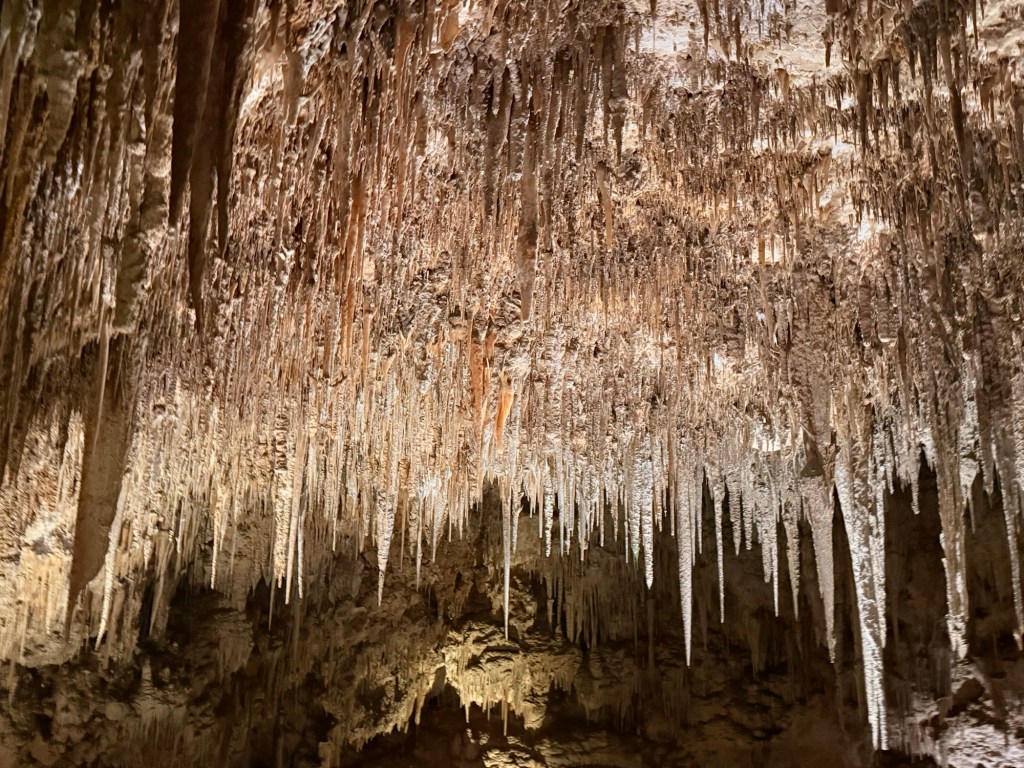
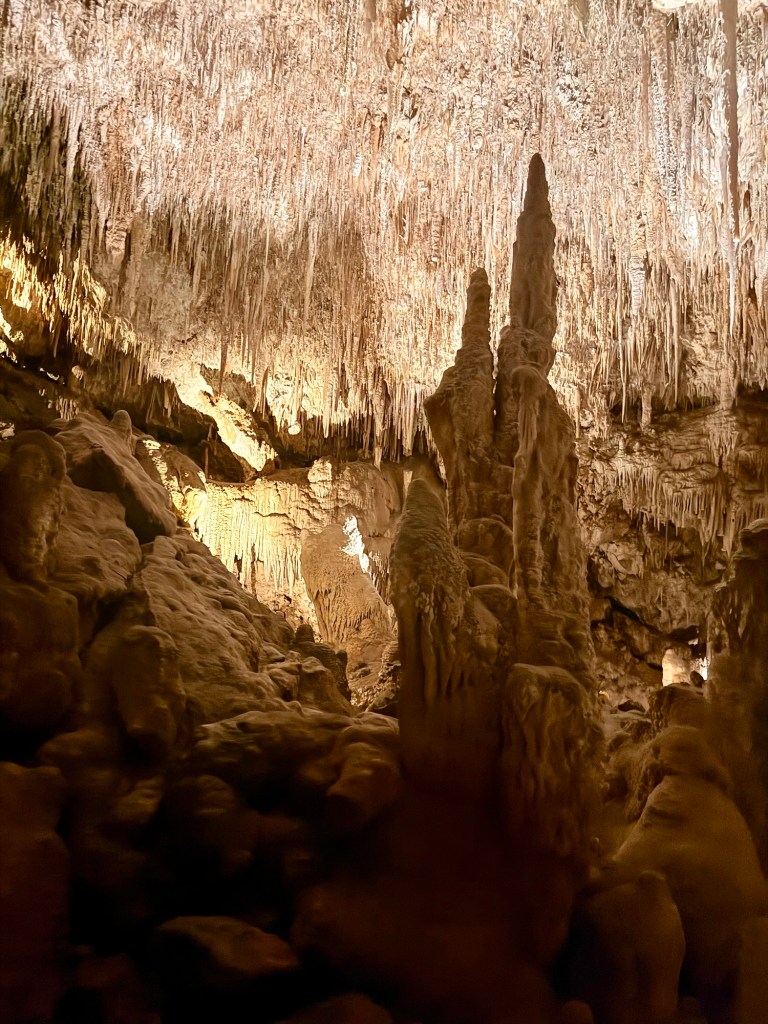
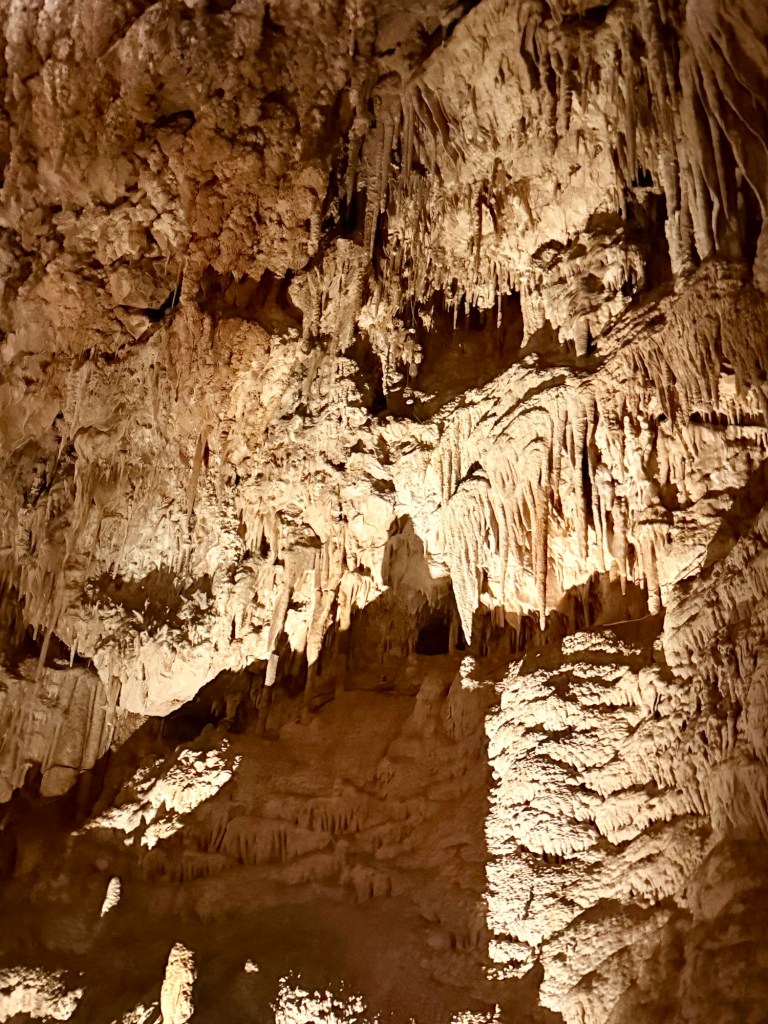
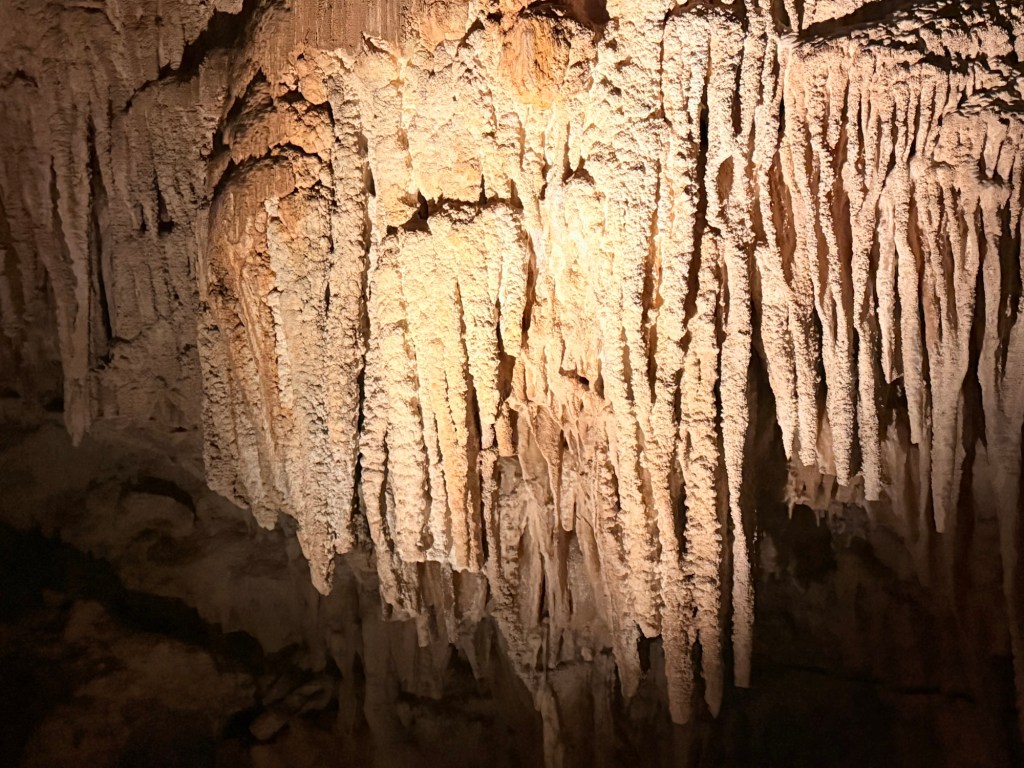
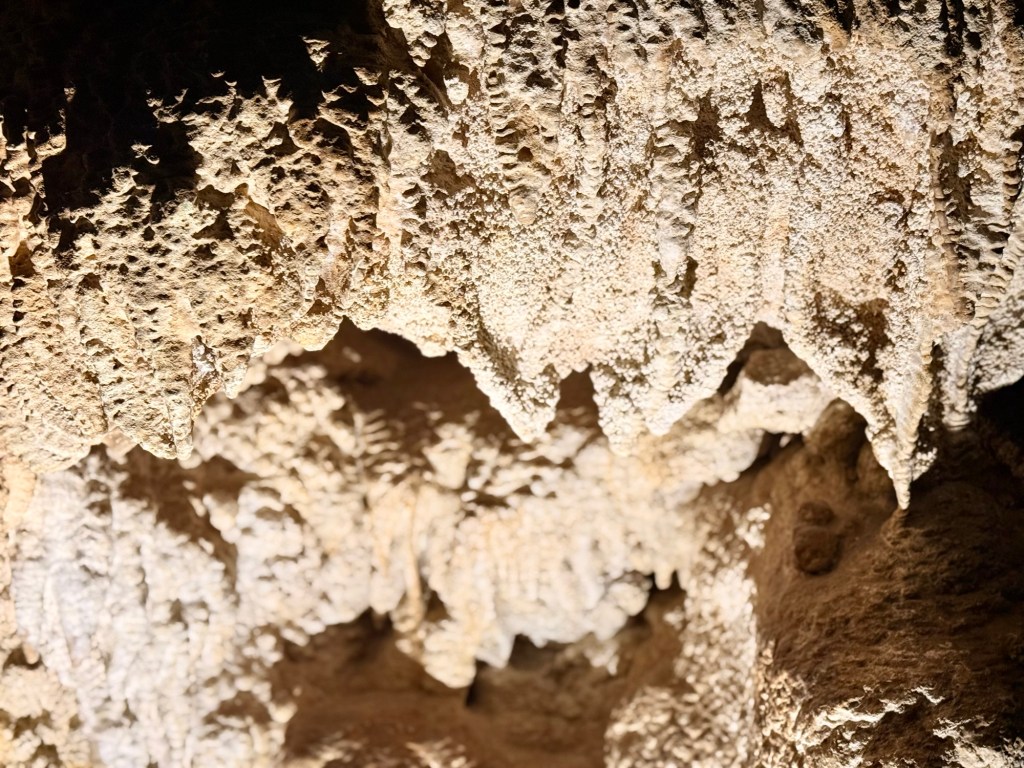
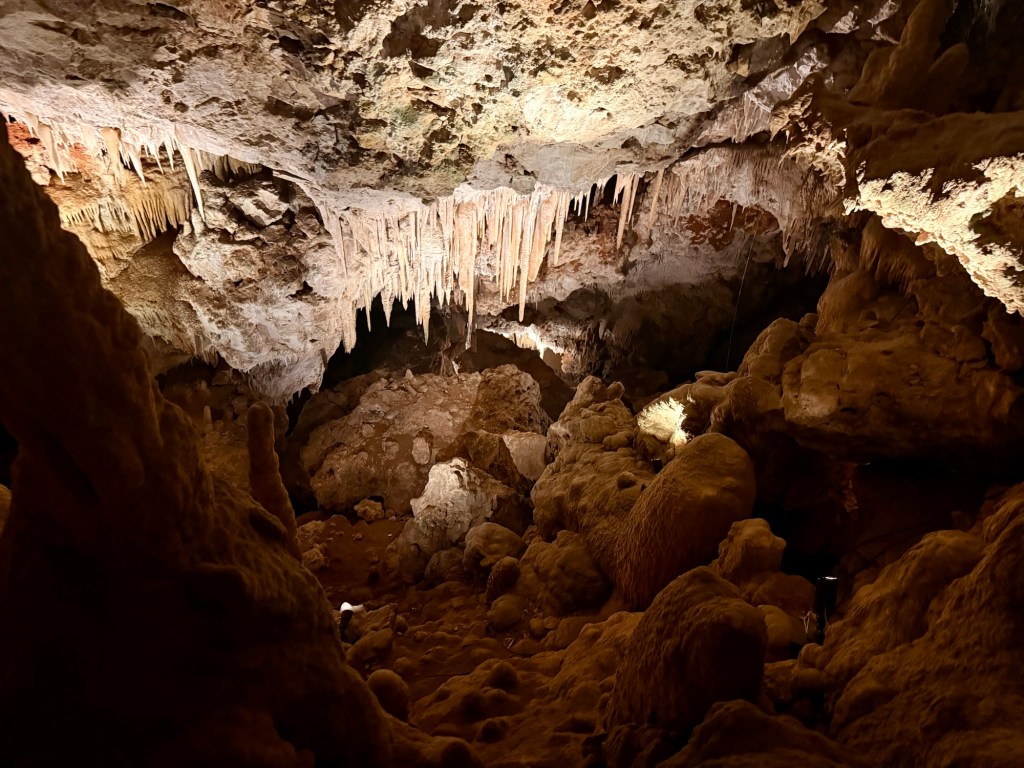
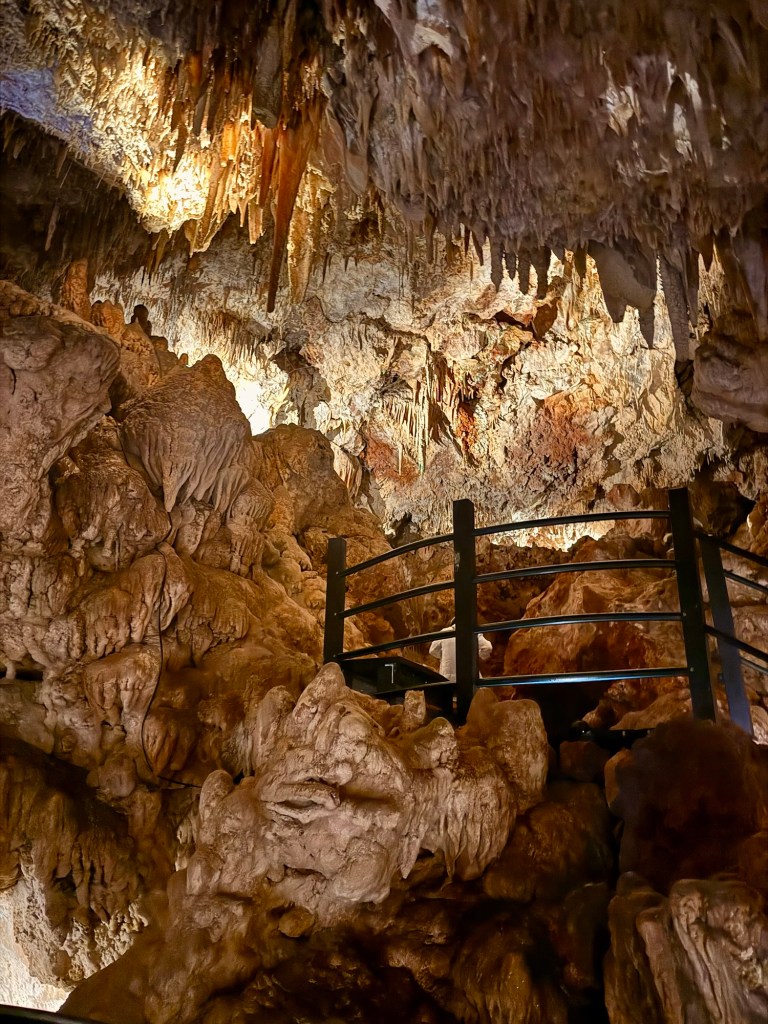
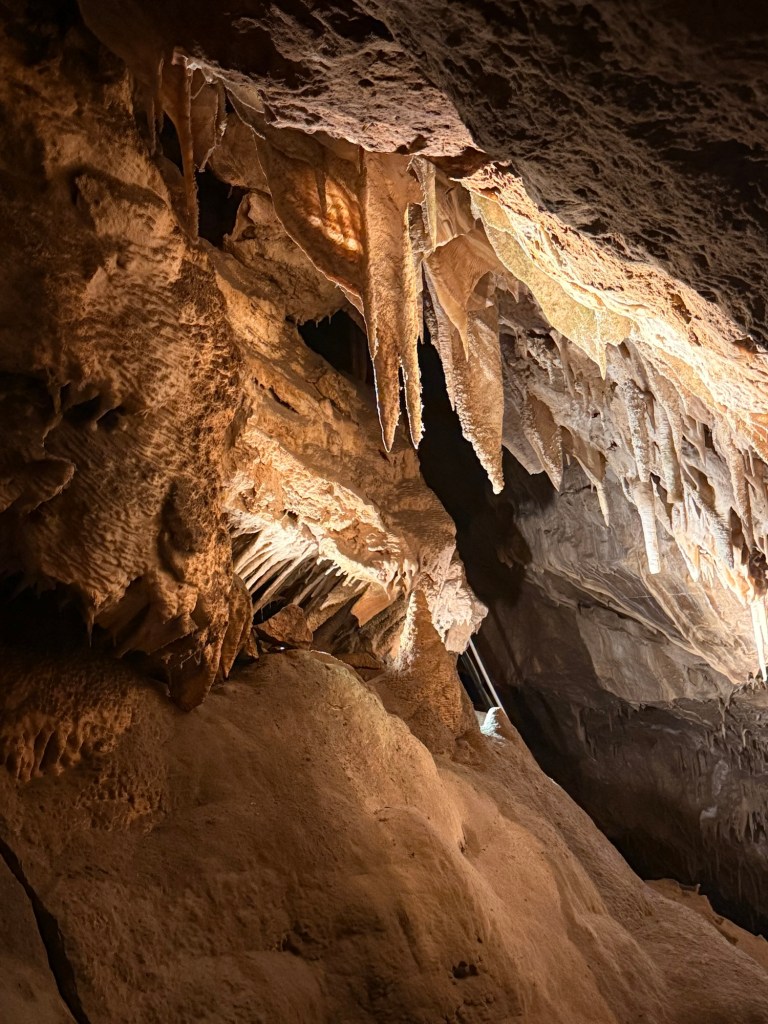
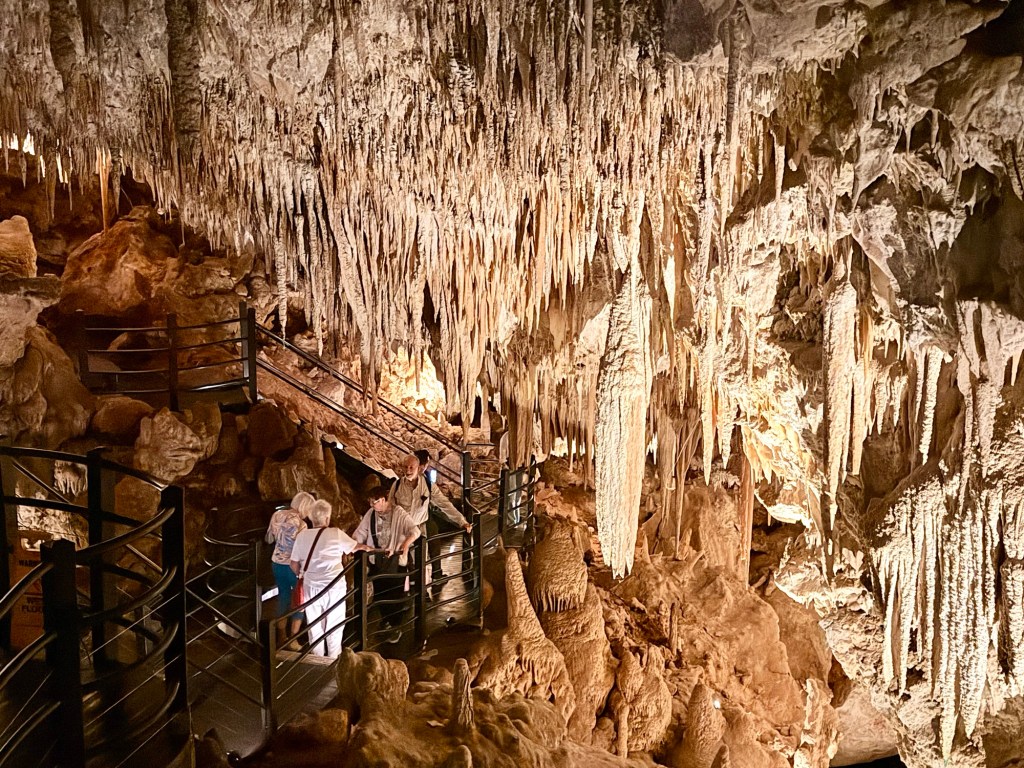
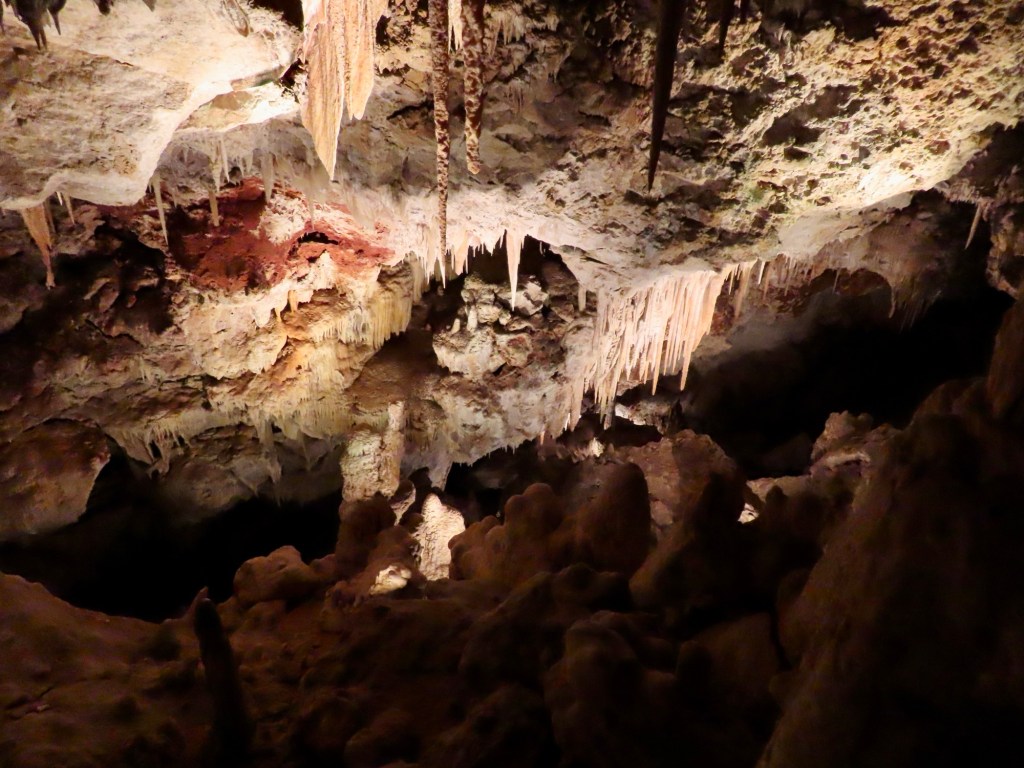
First stop was to the Ngilgi Cave….. quite spectacular!
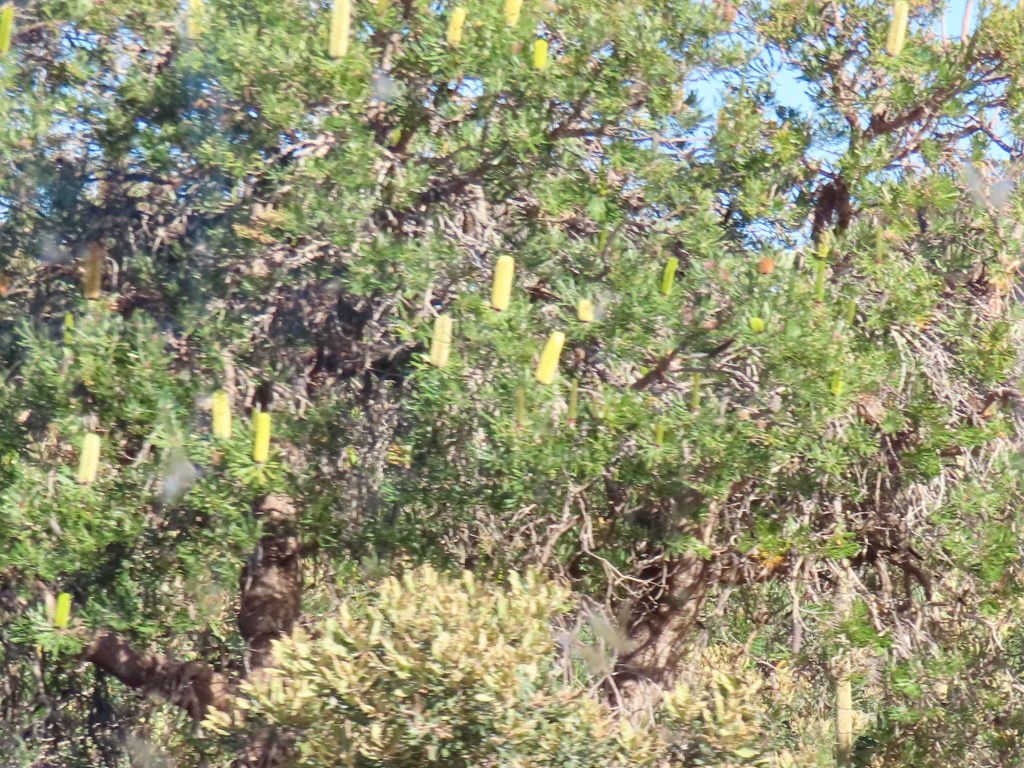
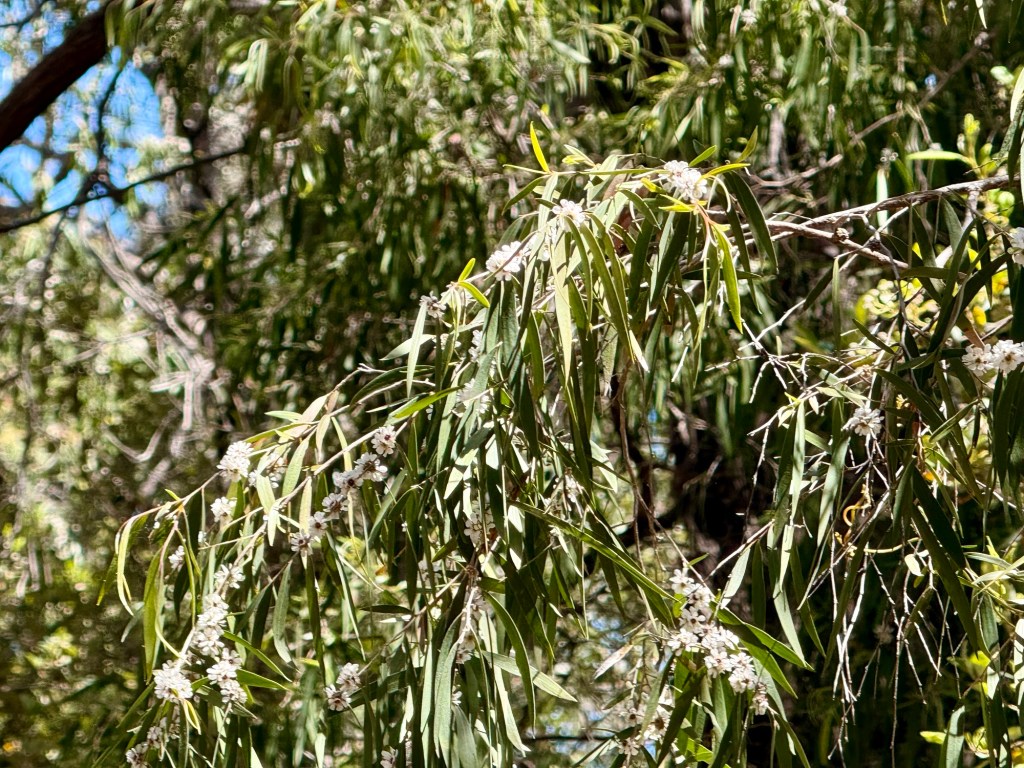
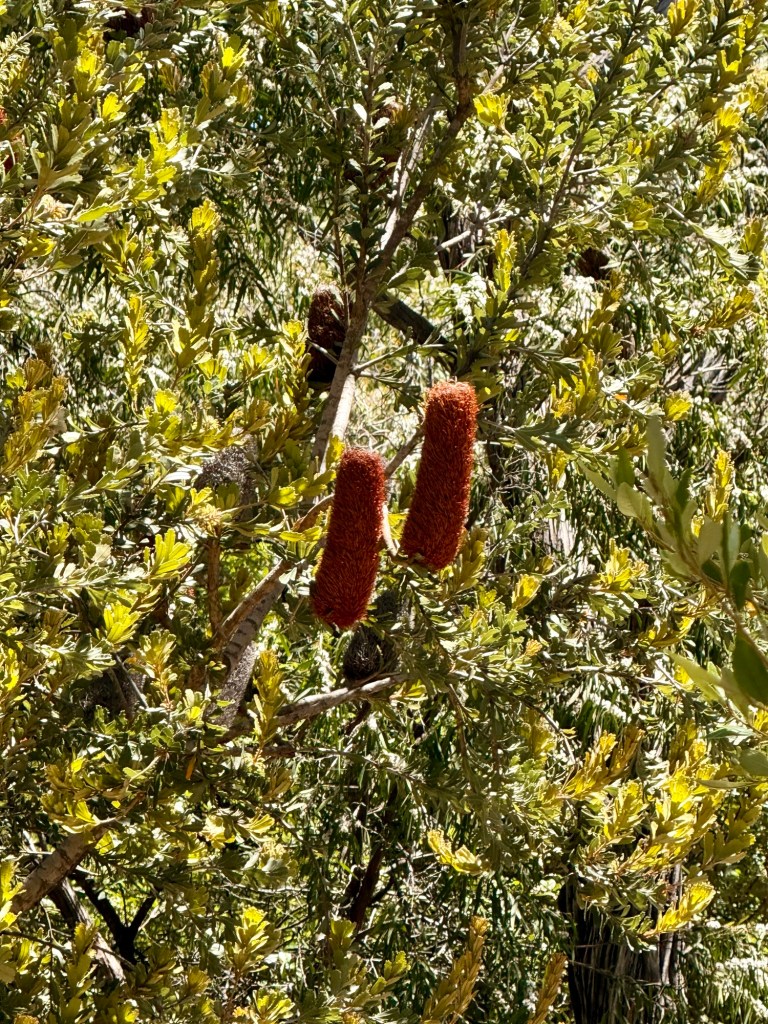
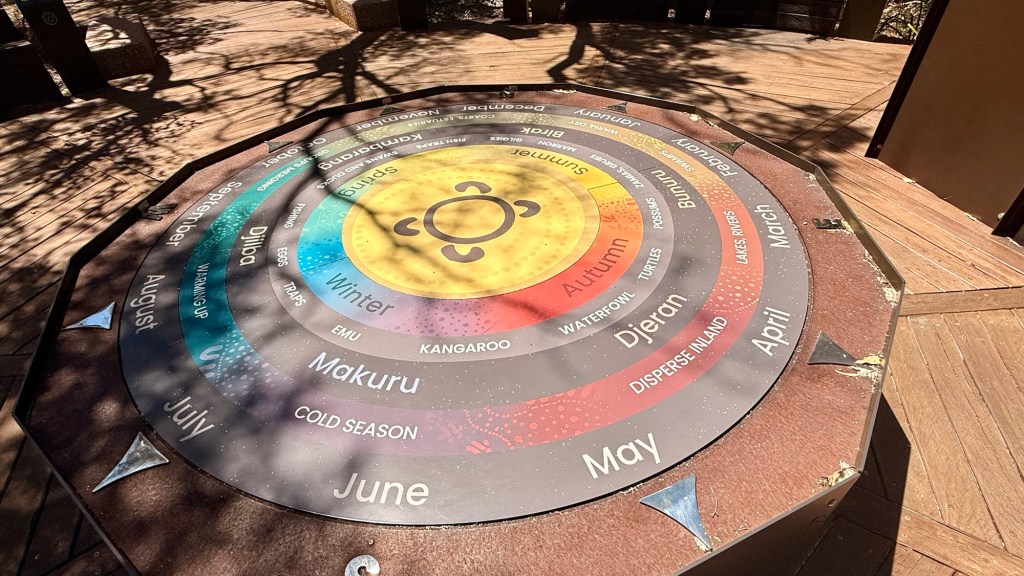
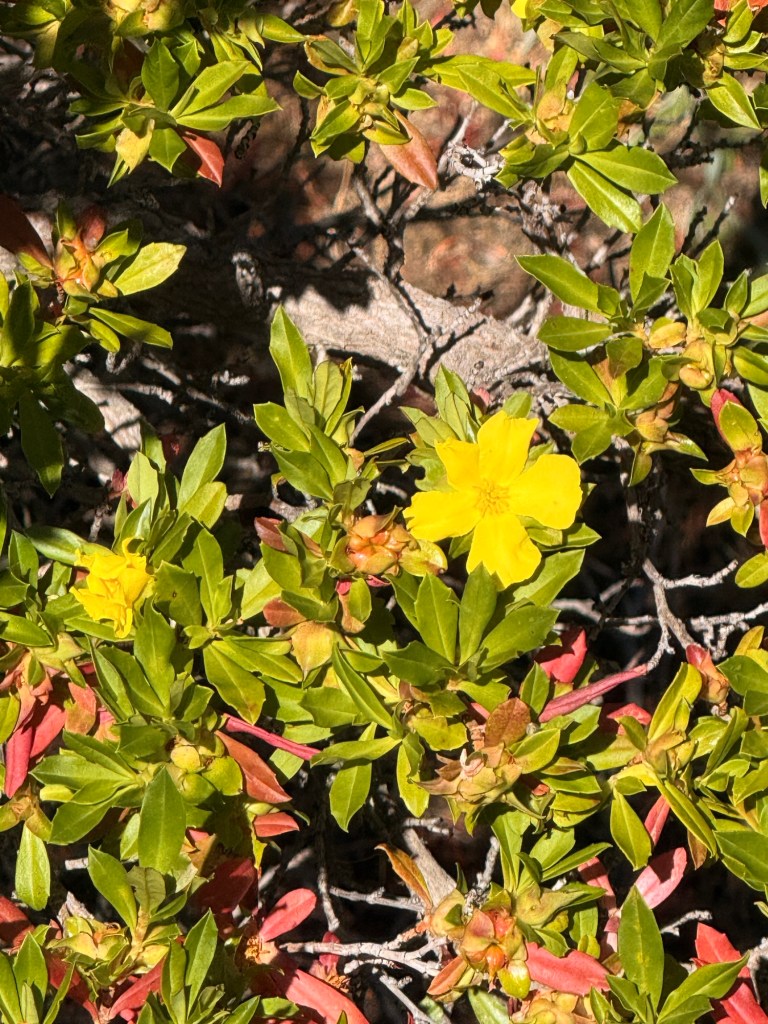
Peppermint tree…looks somewhat like eucalyptus. When crushed stinks. Indigenous version of a calendar Yesterday we saw only green ones of these “banksia”Melaleuca or bottle brush
Flies, flies and more flies. One lady said “I must smell like shit cuz the flies just won’t leave me alone”. We all had the same problem.
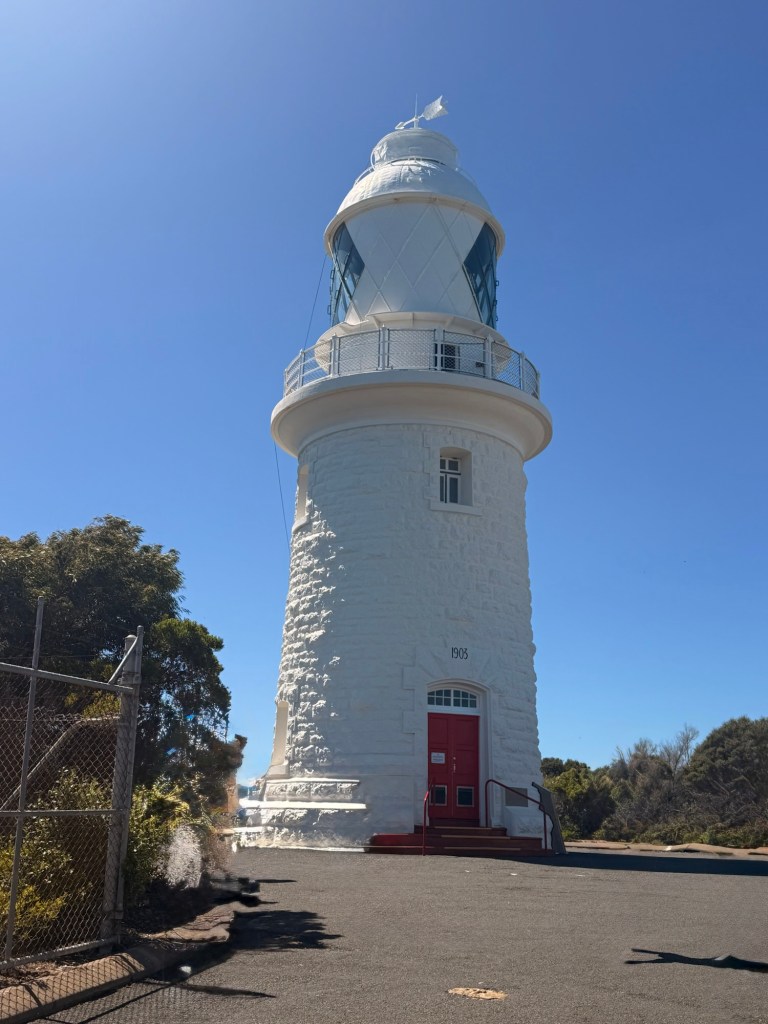
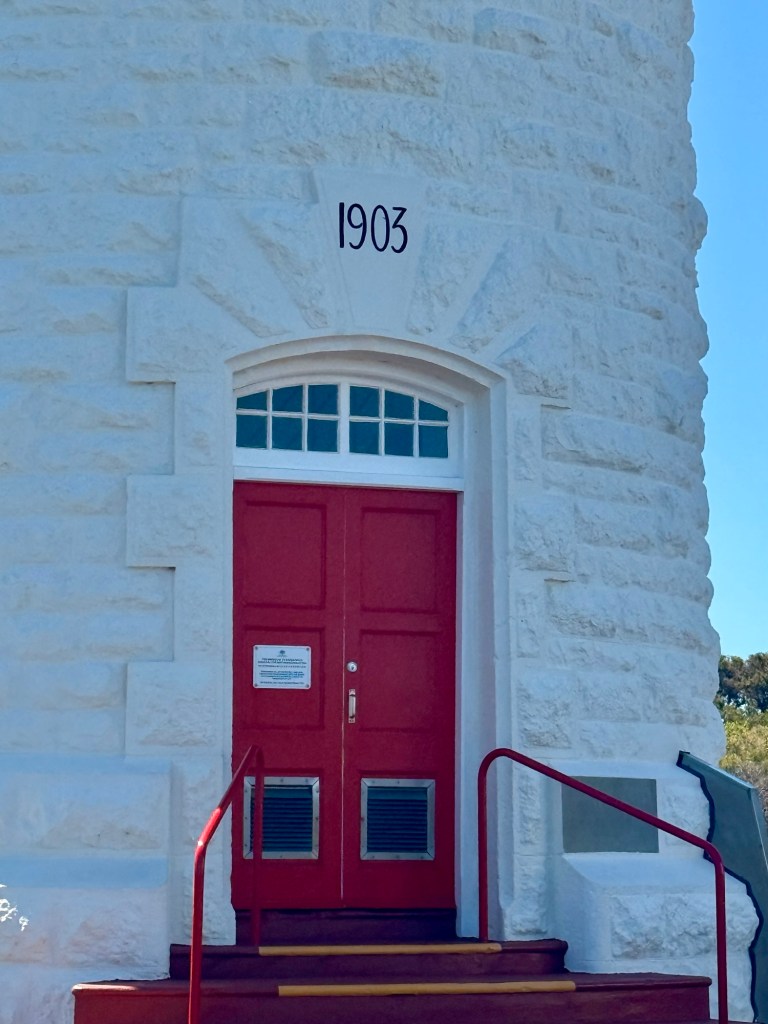
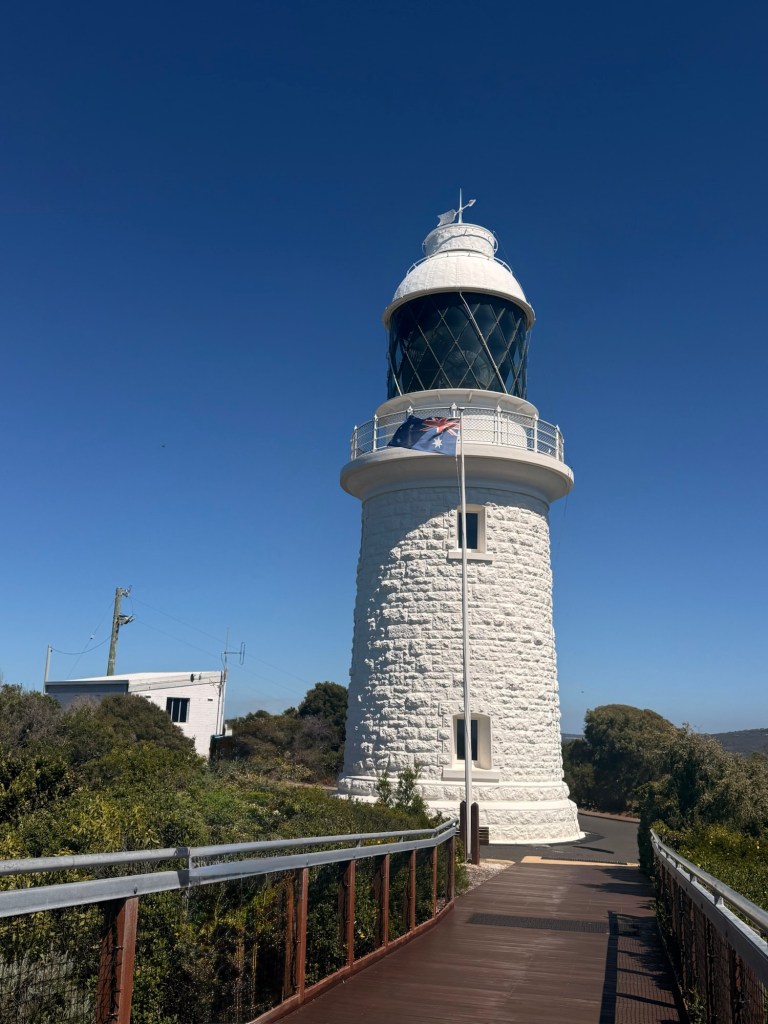
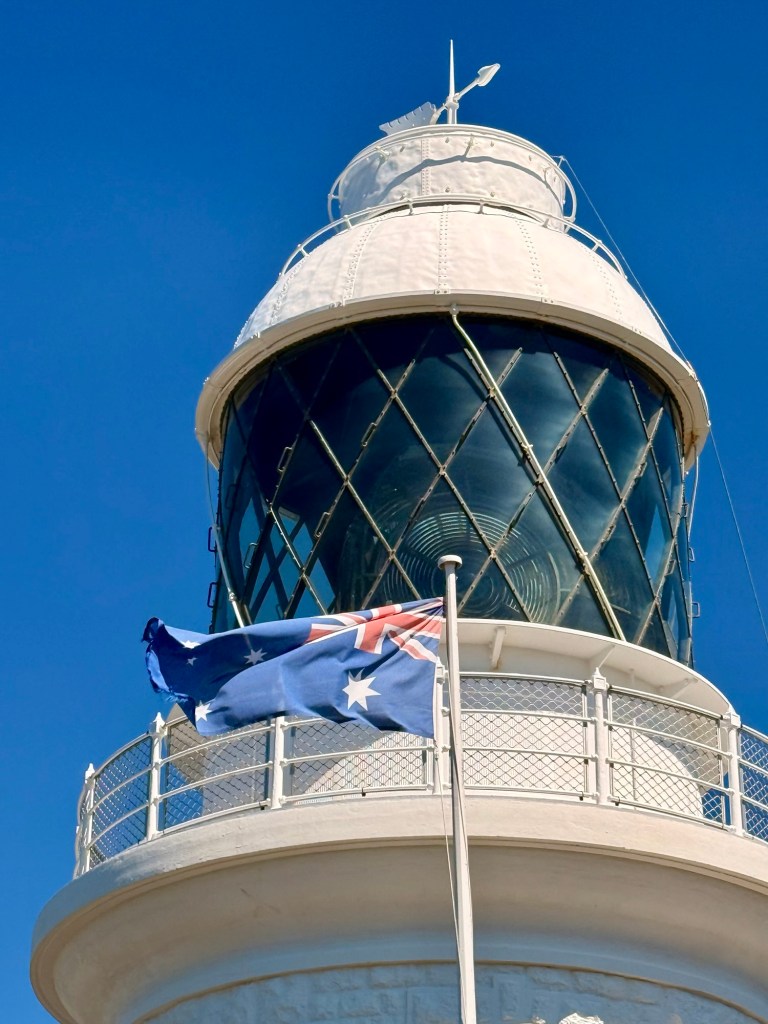
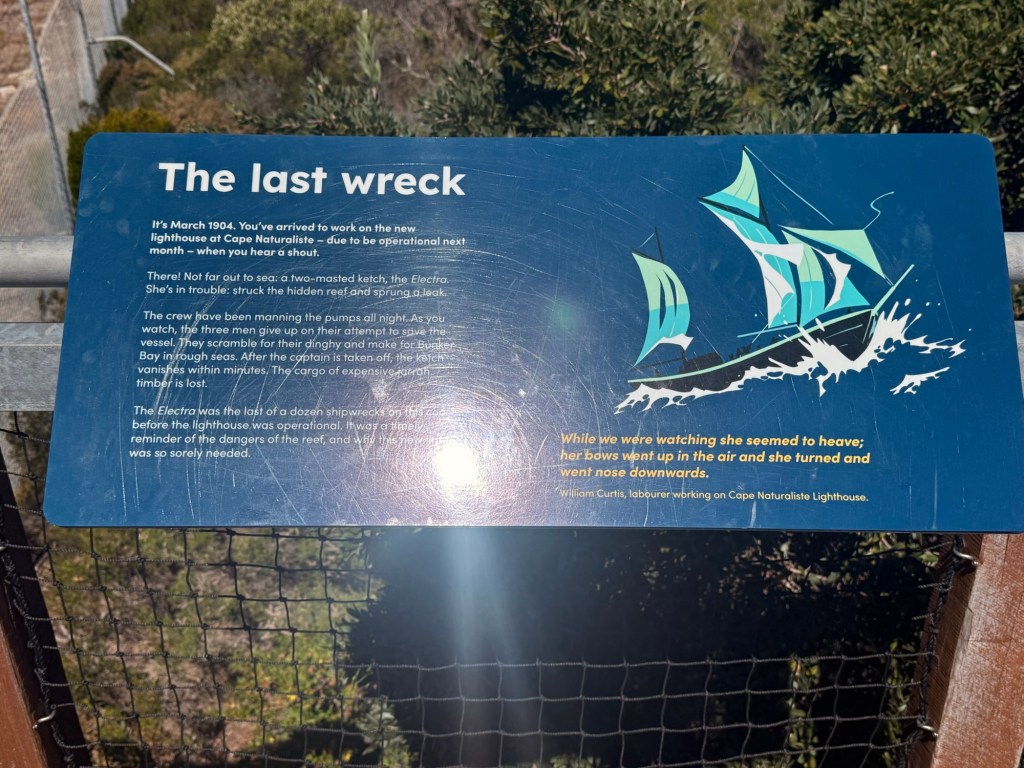
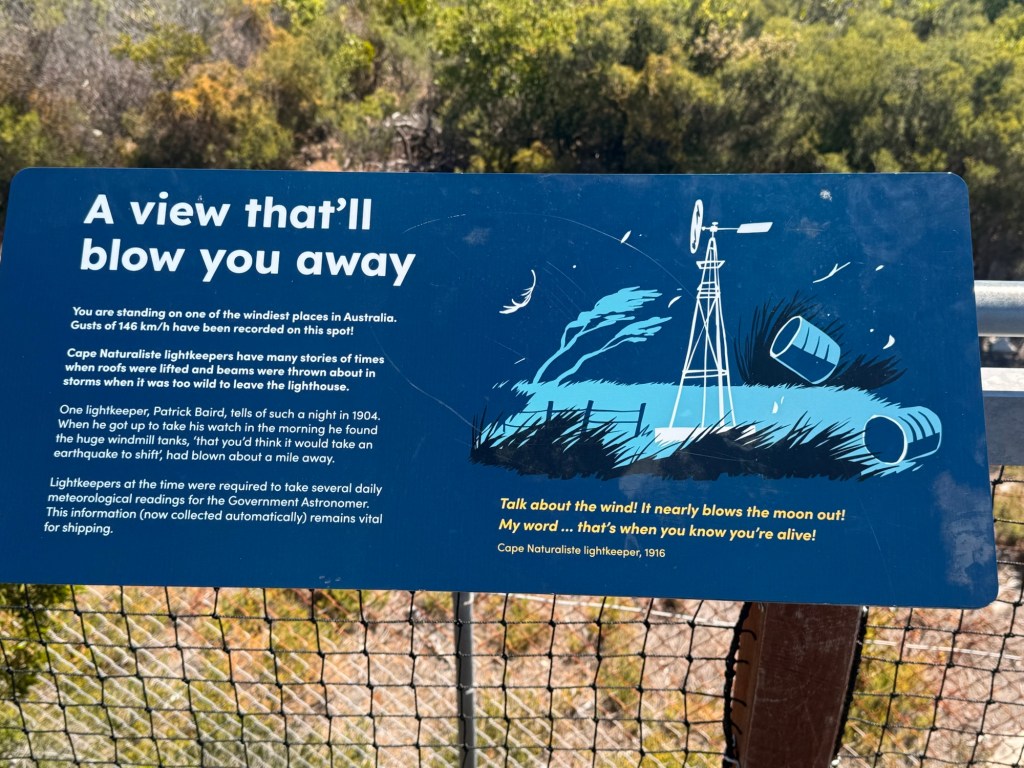
Second stop was to the Cape Natualiste lighthouse.
Just a reminder At the caveKids jumping from the pier Train runs our the pier The tenders running from that very long pier in Busselton
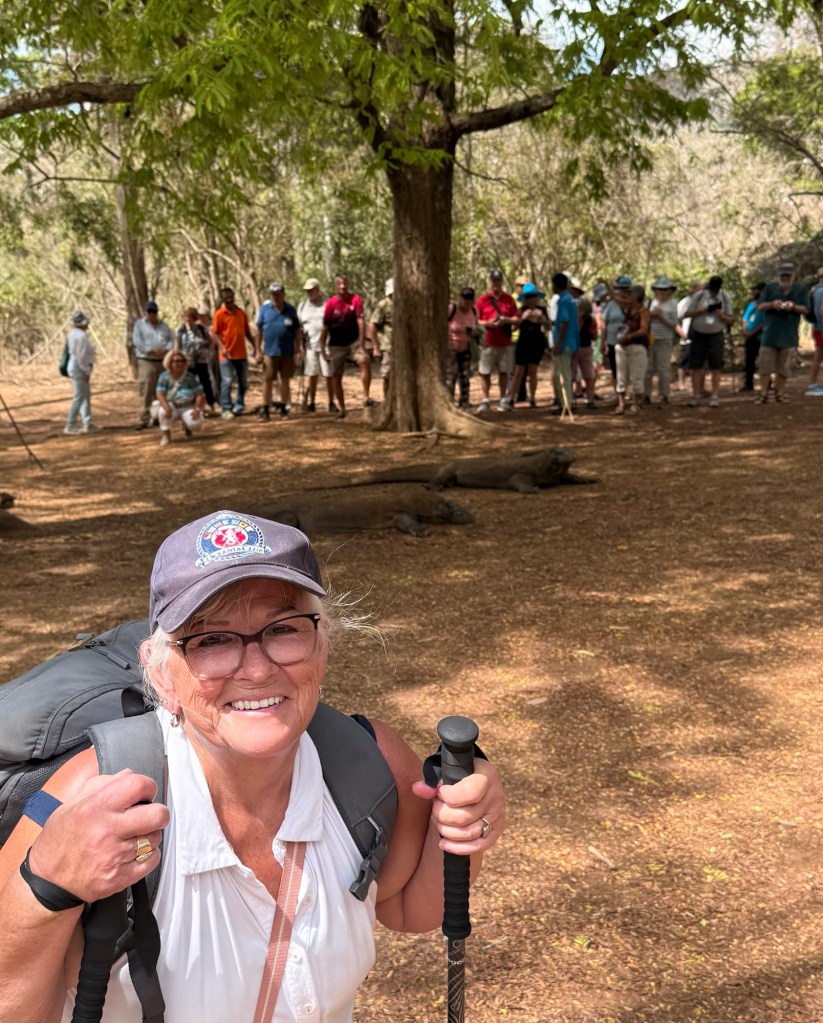
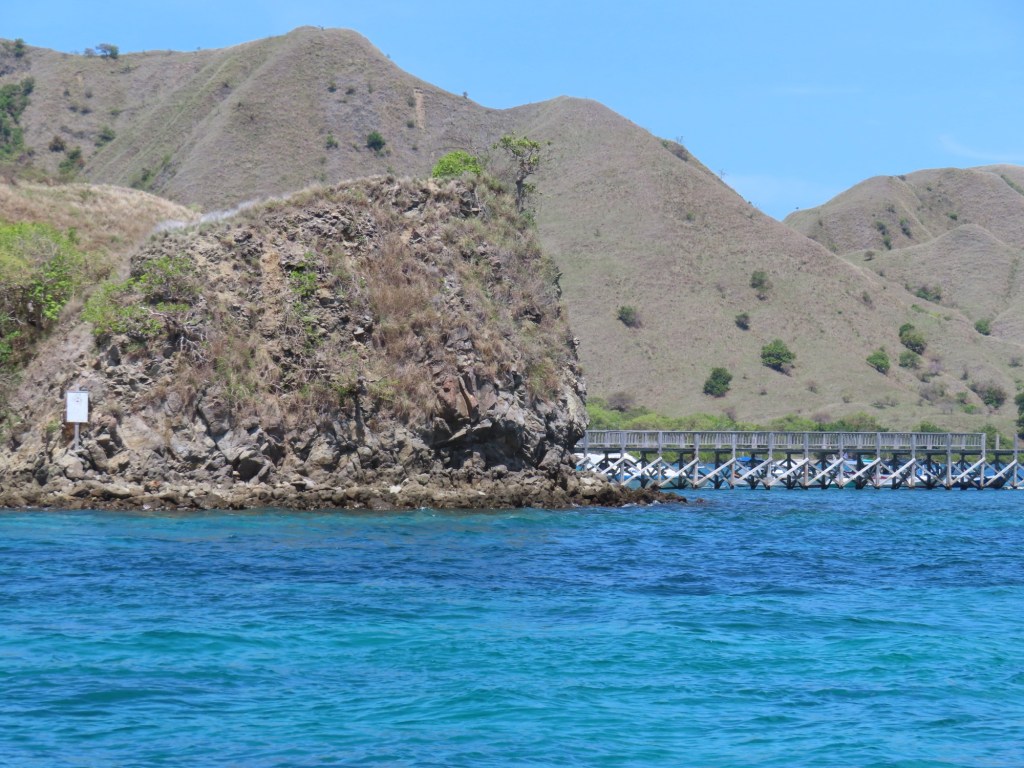
Our trek today is 1 hour in length. We may see other animals. All are wild. NO ONE is allowed off the pier without a ranger.
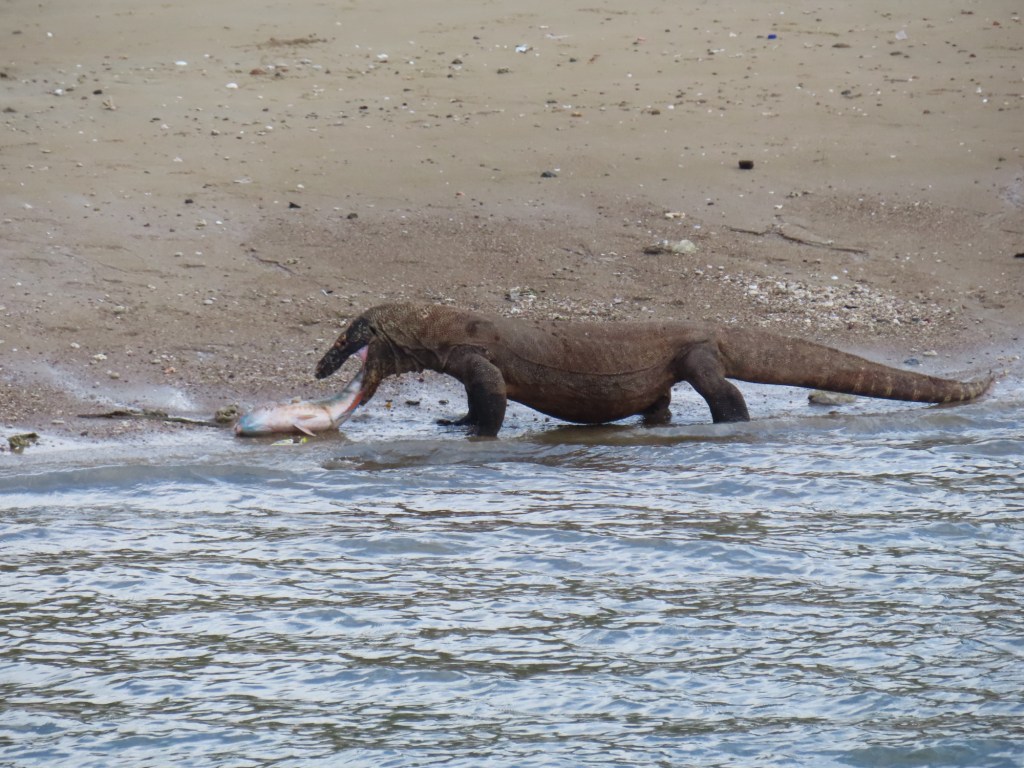
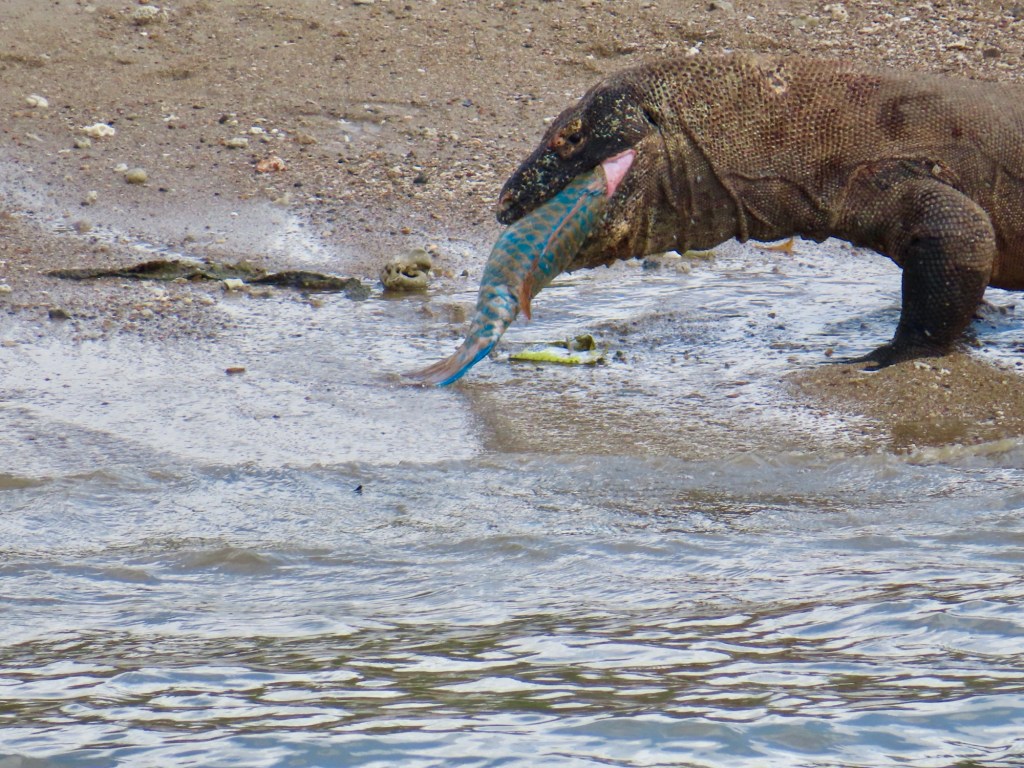
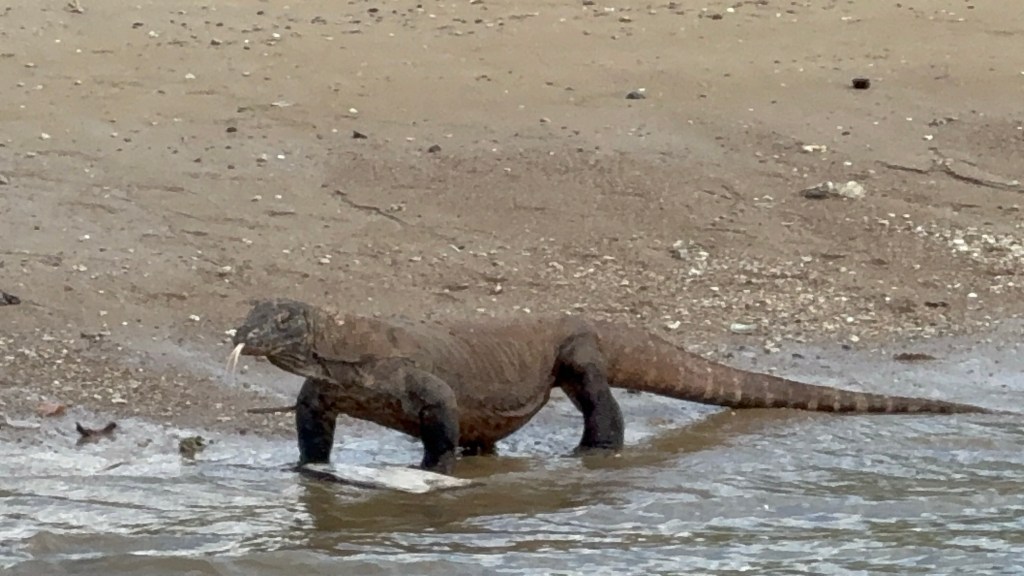
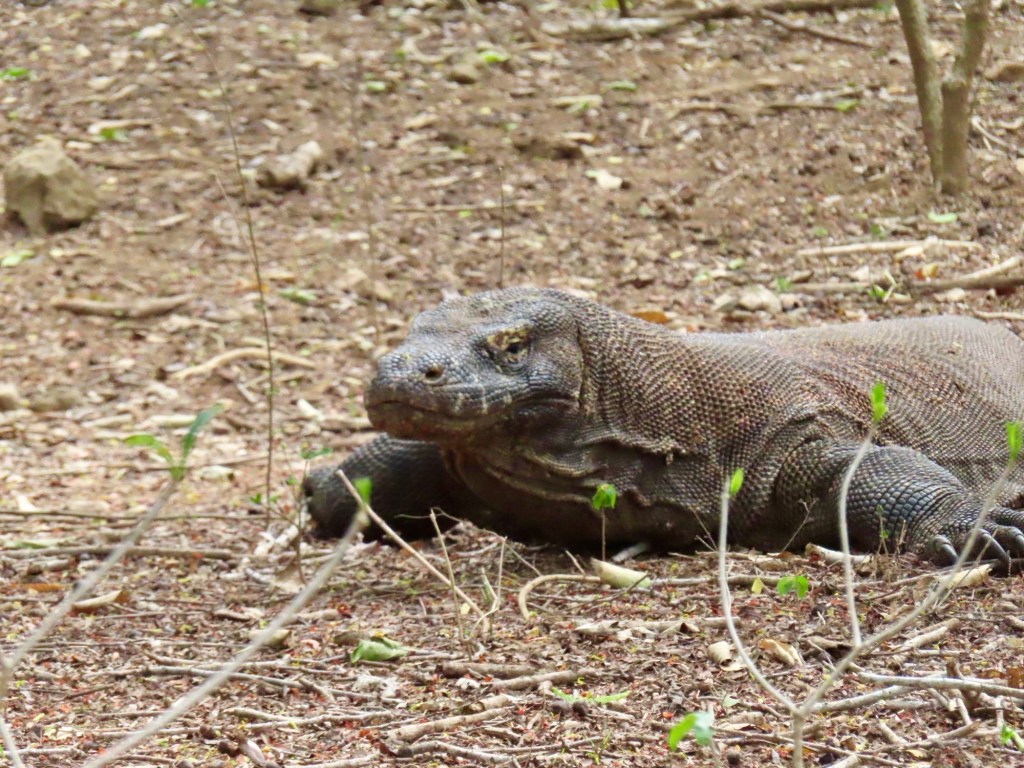
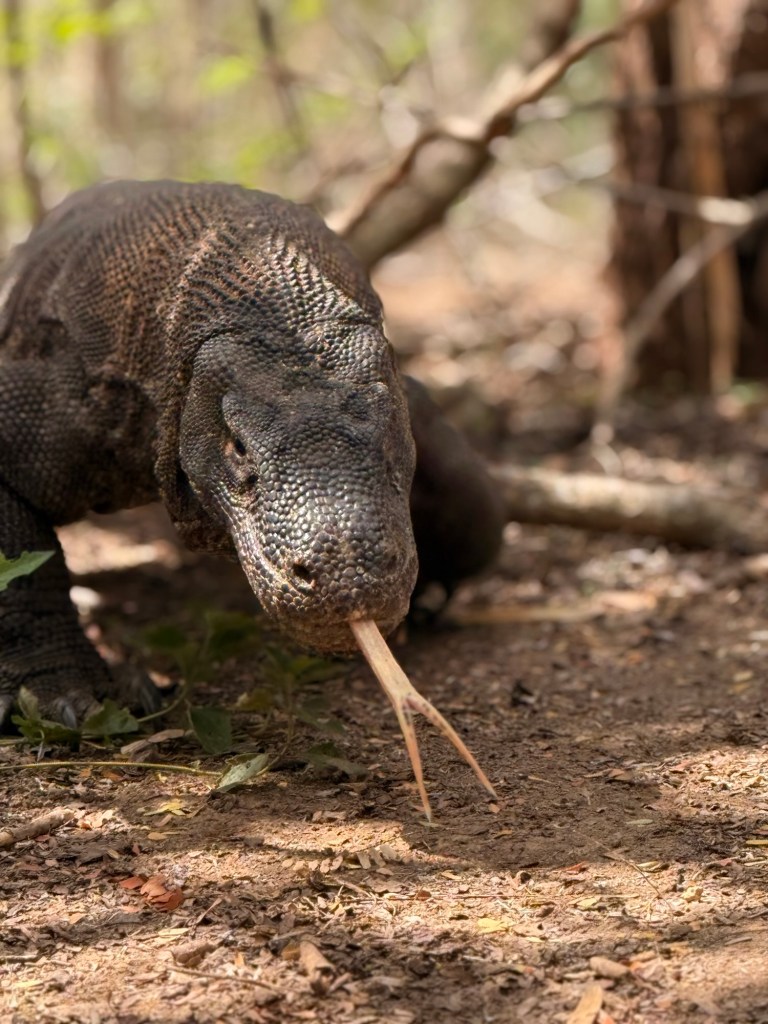
As we are walking up the pier we are all thrilled to see a Komodo dragon walking the beach, finding a huge fish and eating it.
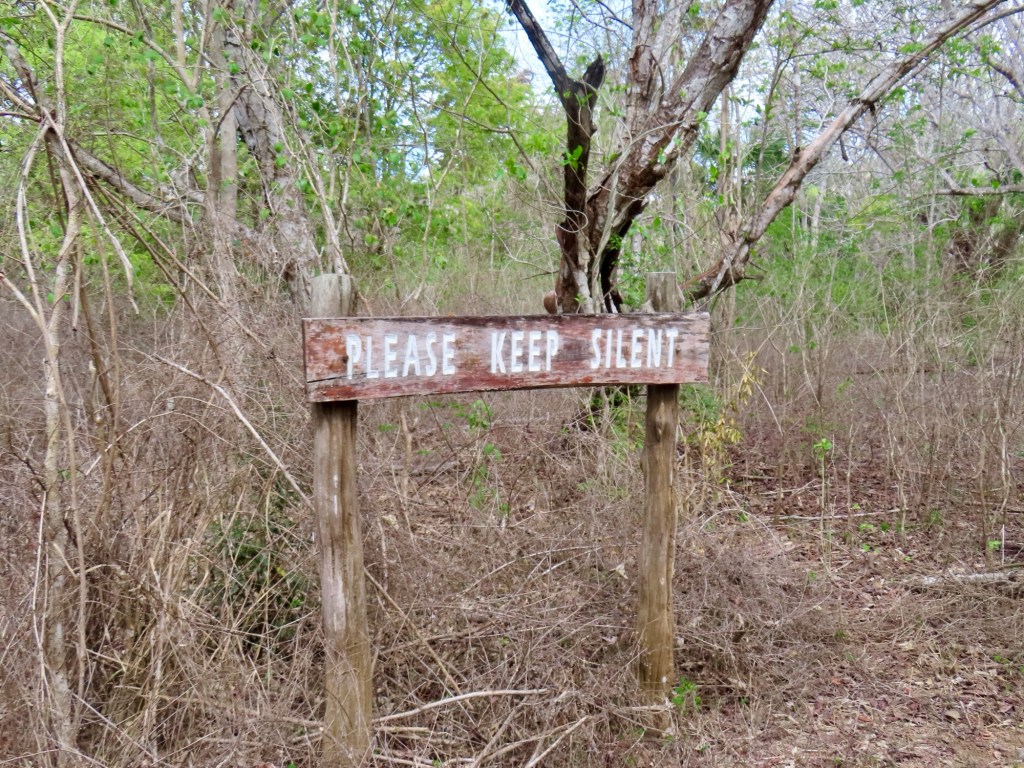
We are told to not separate from group… stay behind line cuz they don’t know the character of the Komodo dragons and what they might do. Look left and right and up….could be in trees.
SuggestionMale palm the babies live in
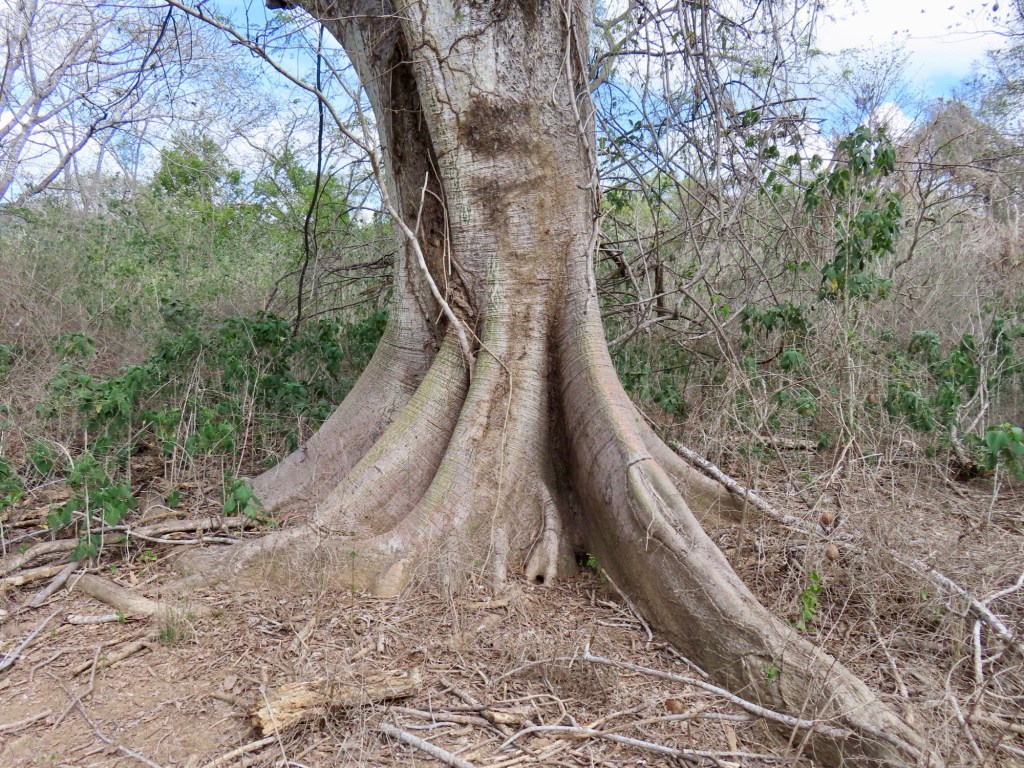
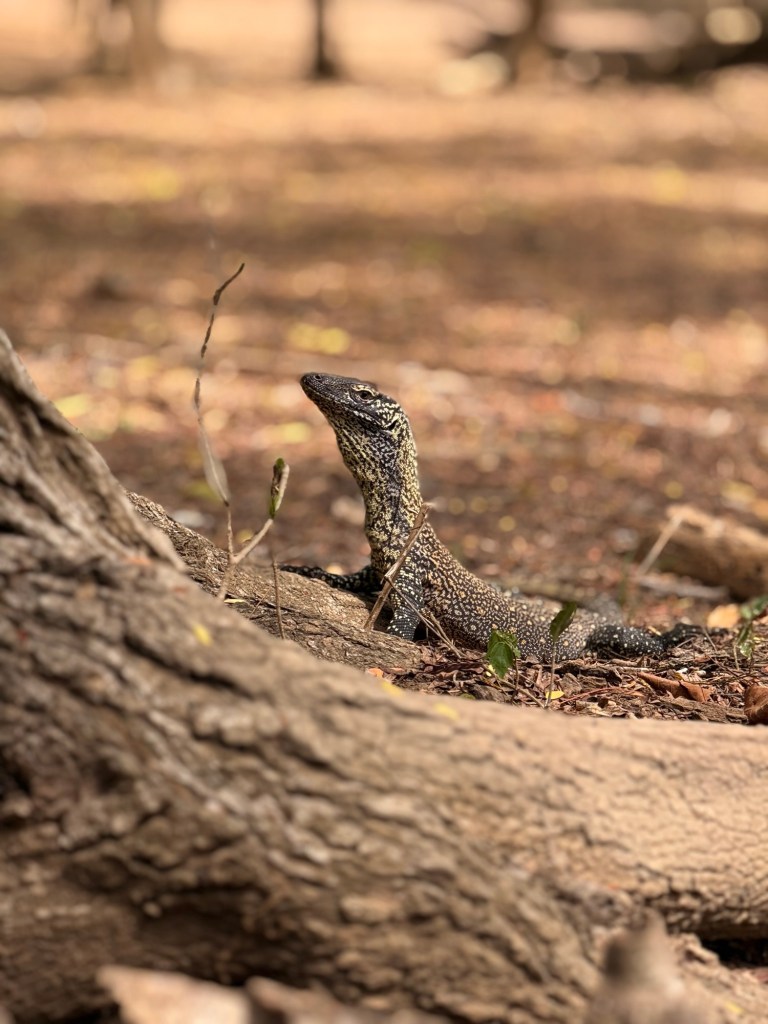
There are male and female palm trees. First one seen has what look like small “fruits”. The trunks have soft centres so babies can climb to get away from adults. The babies live in trees till 3 yrs old ….. eat insects and “fruit”. They do come down…. We saw some on the ground but they can outrun adults and can climb trees…. that the adults cannot.
Difficult to grow rice here on this island so natives eat pulp of palms by boiling it…. Is like tapioca.
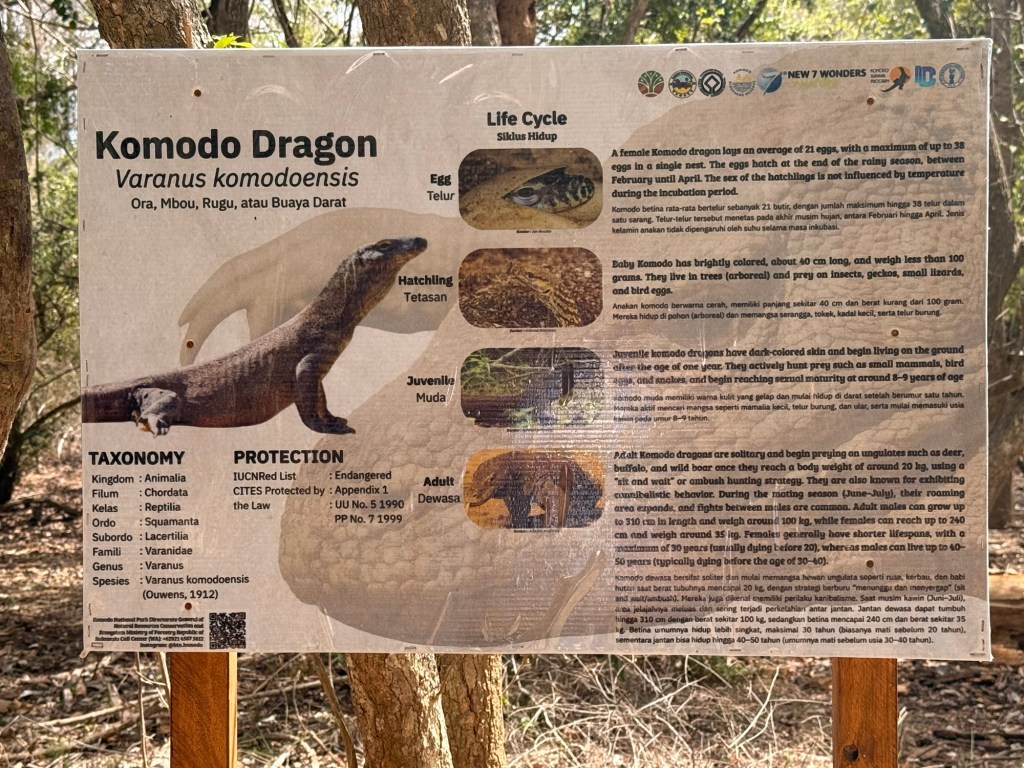
Males have a longer tail, bigger head and can live to 60 years. Female smaller 20-30years m, lay 30 eggs once a year of which only 3-5 survive
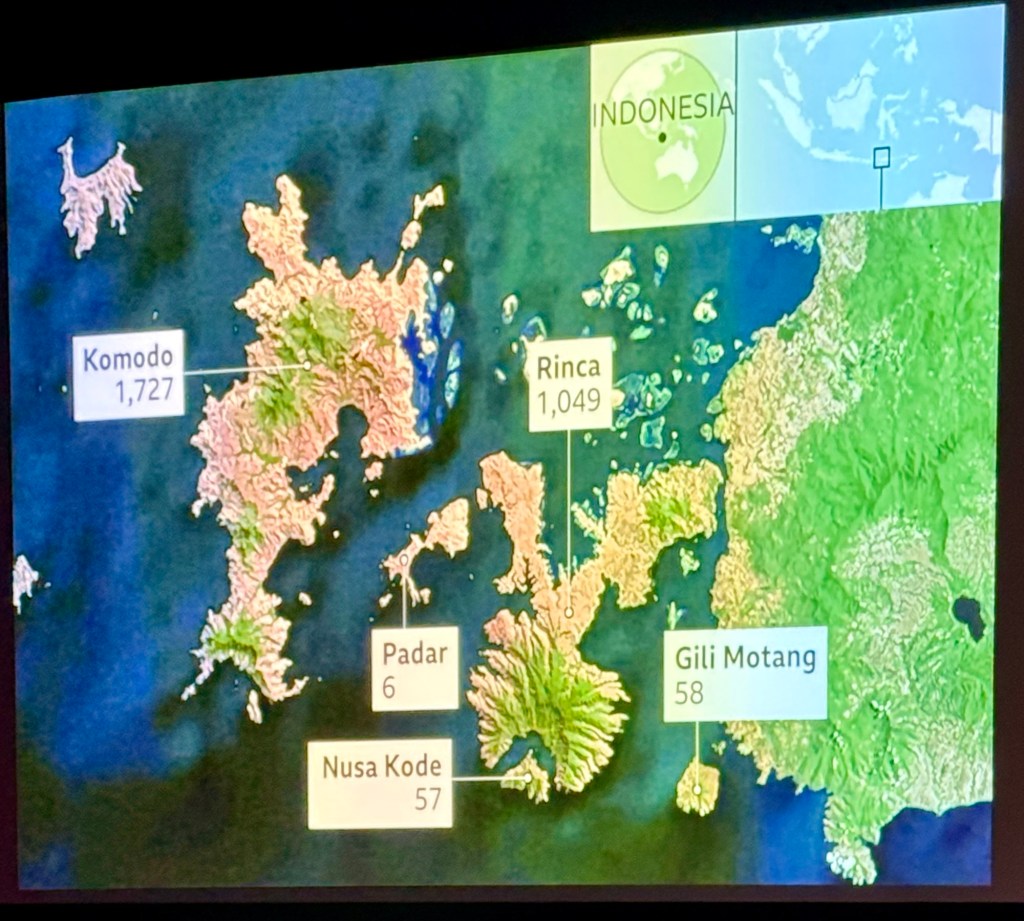
Total population of dragons is 1600 (stable)on this island but there are only 500 in this area.
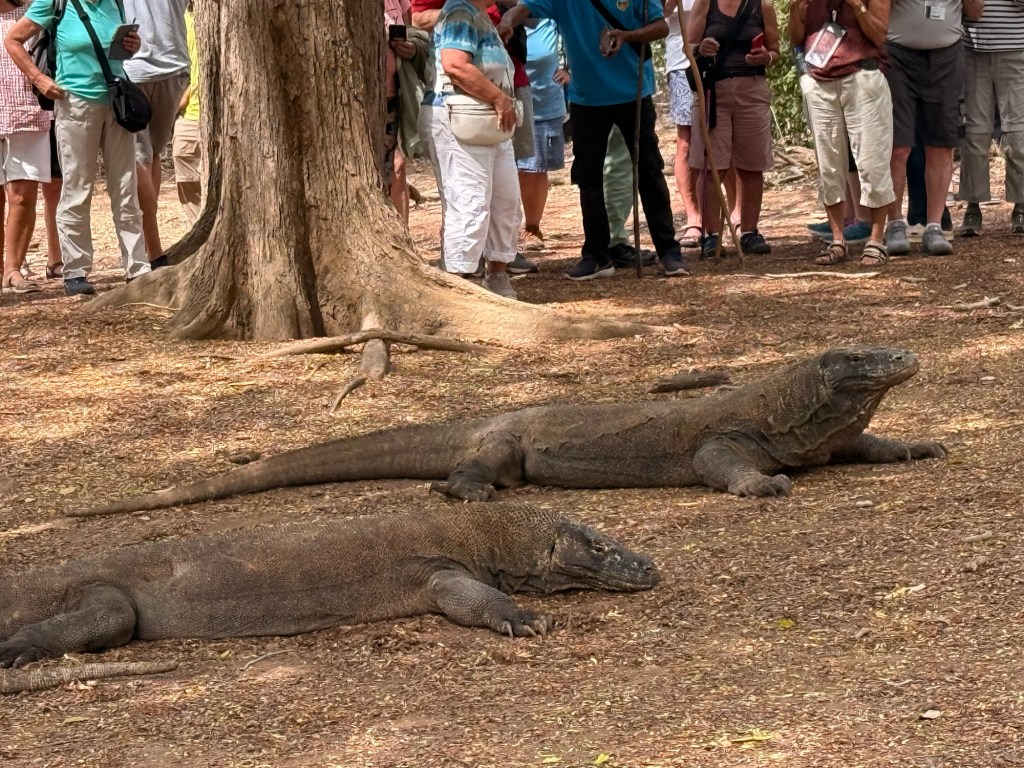
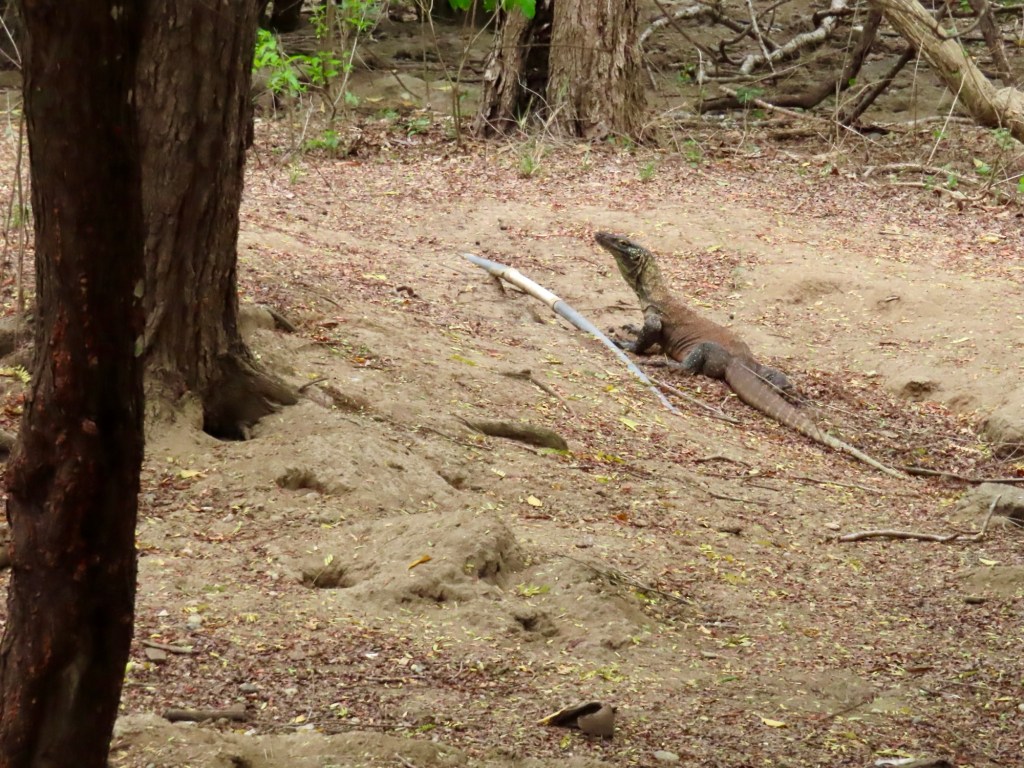
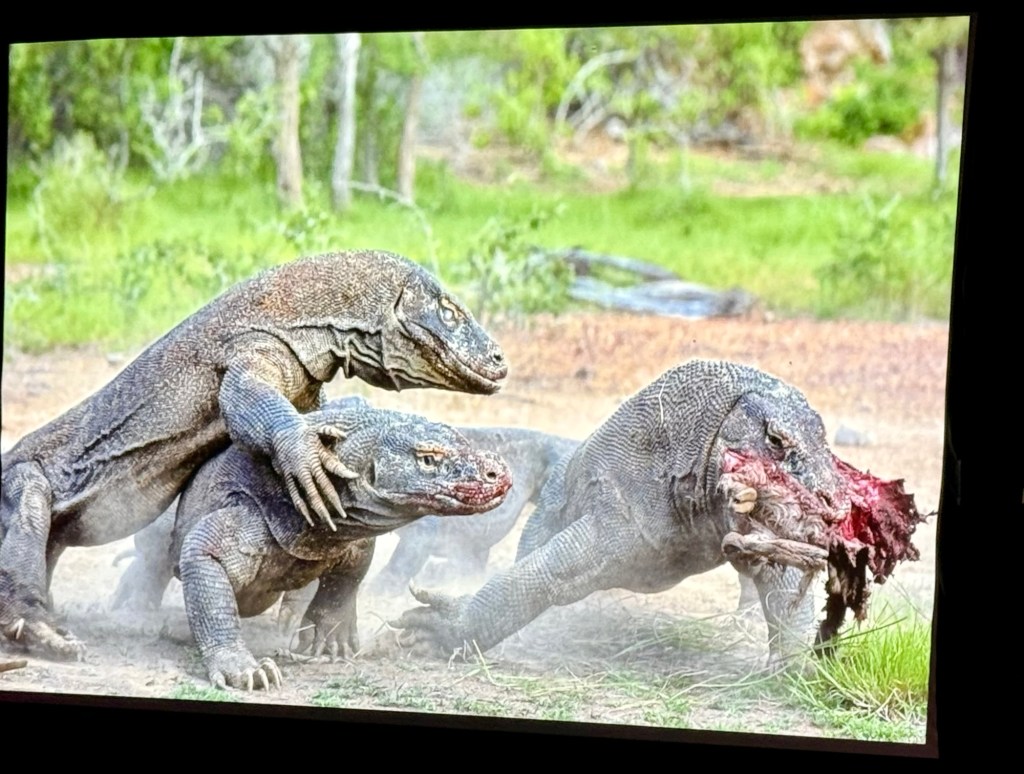
First one was we see is a female then the 2 that were thinking of fighting. They were laying in wait for deer or buffalo near a watering hole. Mating season is July and August. They go into hiding so people don’t see any around. Incubation of the eggs is 9 months. Females stay with hatched babies for 3 months then they leave the nest.
Bird digs hole then dragons take over to lay eggs in one hole and use other as camouflage.
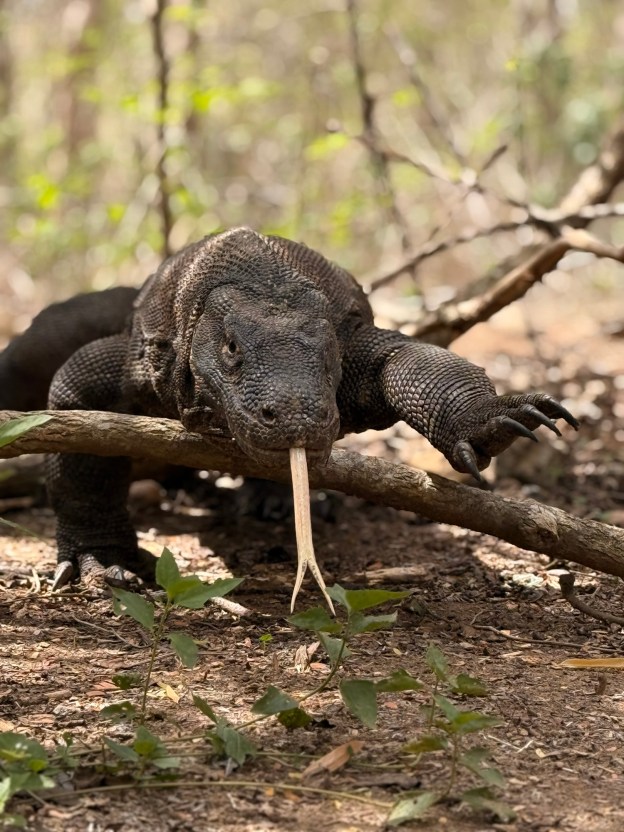
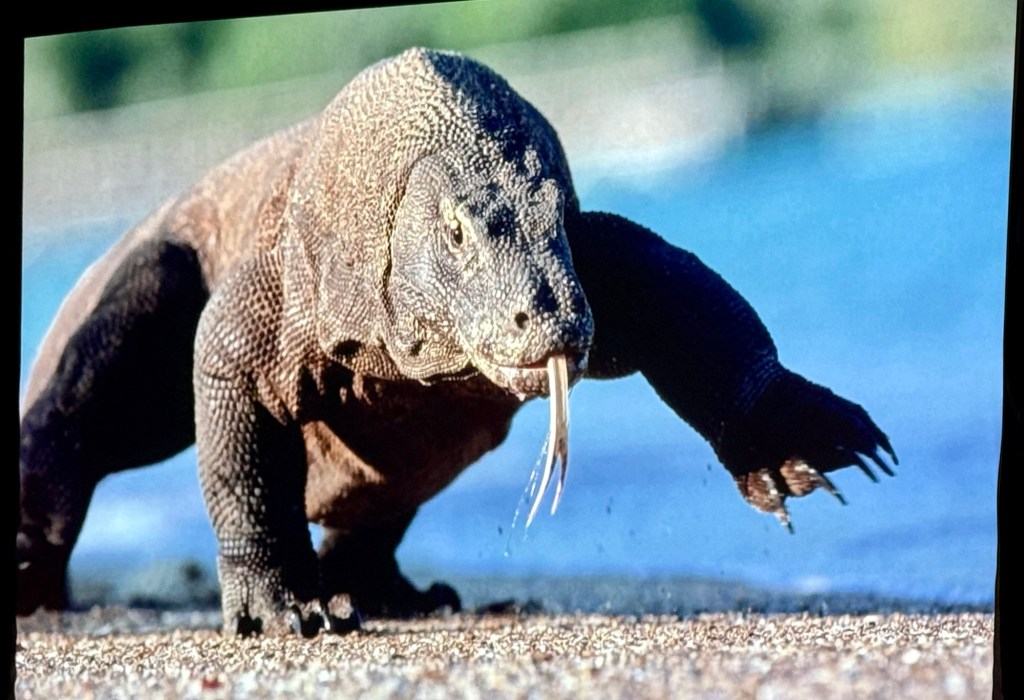
Tropical pumpkinThese are the birds that dig the holes that the Komodo’s take over A couple of males thinking about fightingThis one was actually “roaring” at the other Nice tongue,eh!!
It is so bloody hot (I heard 36C). Even if it is dry season maybe beginning of wet season, I am dripping from sweat.
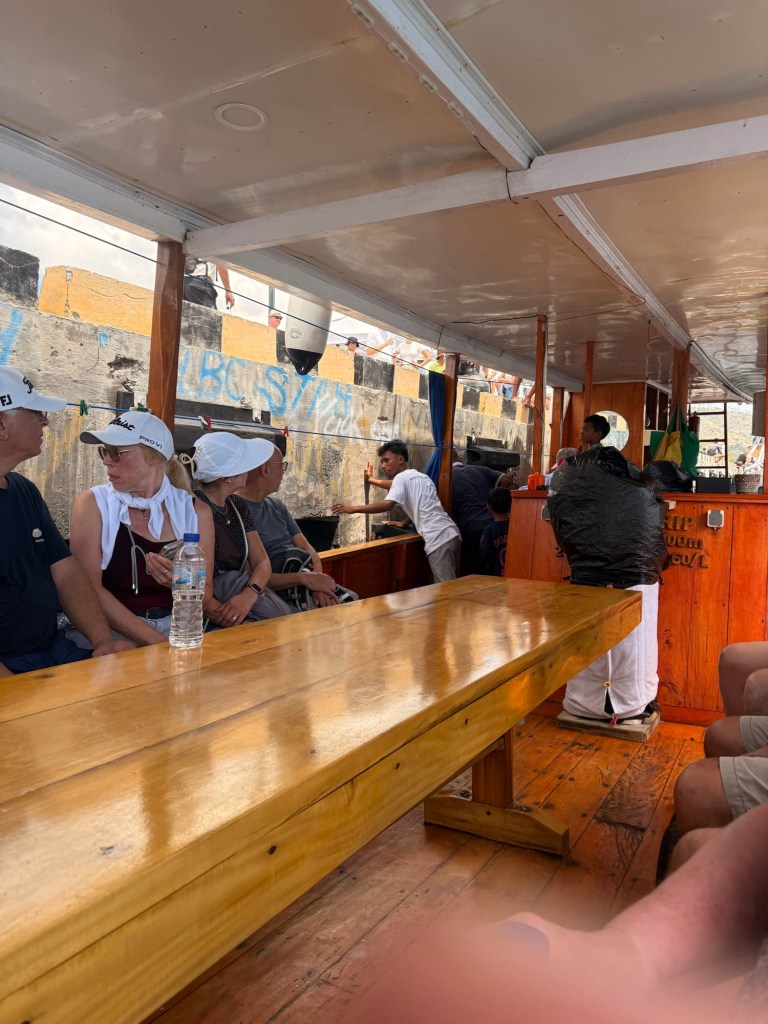
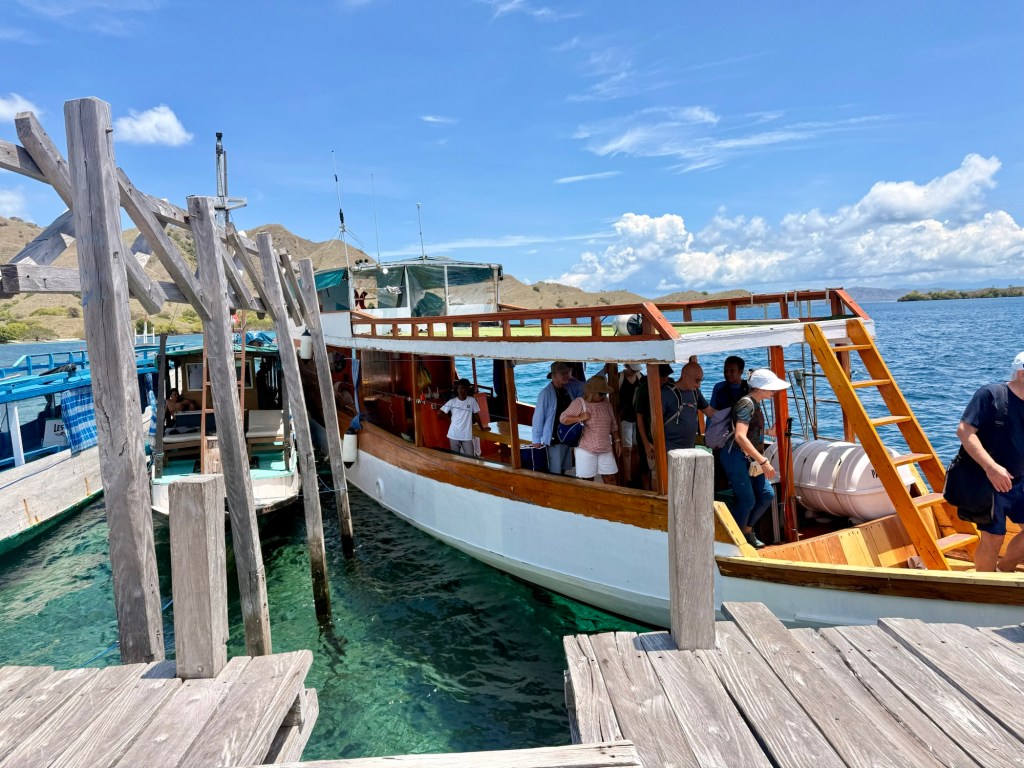
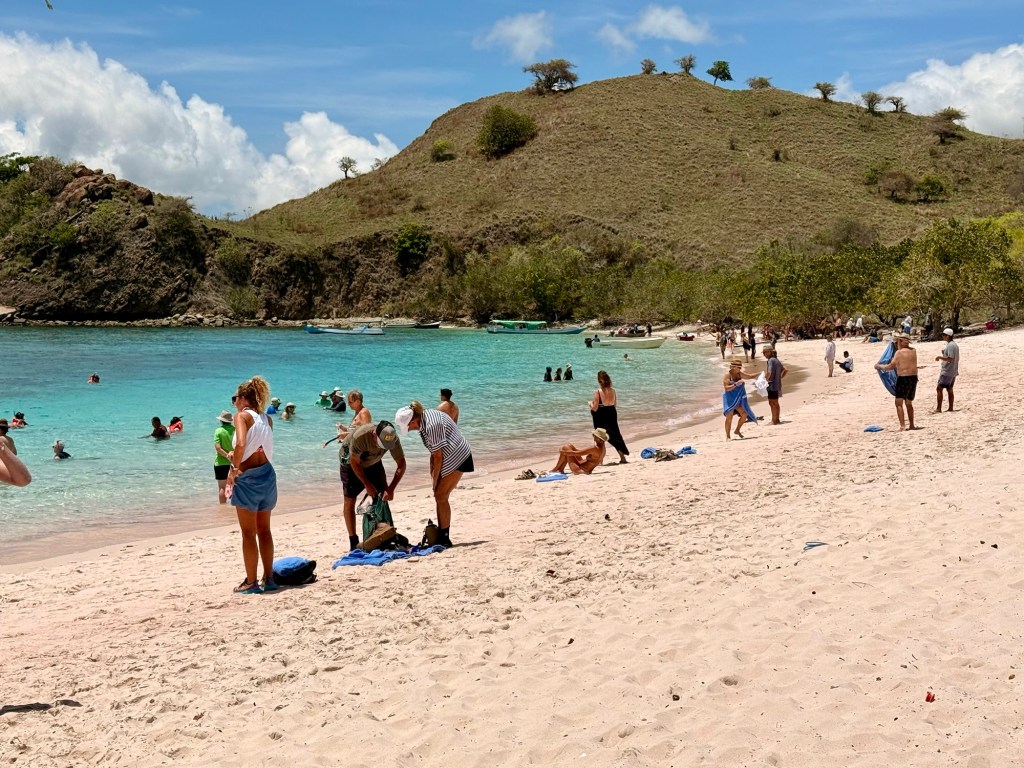
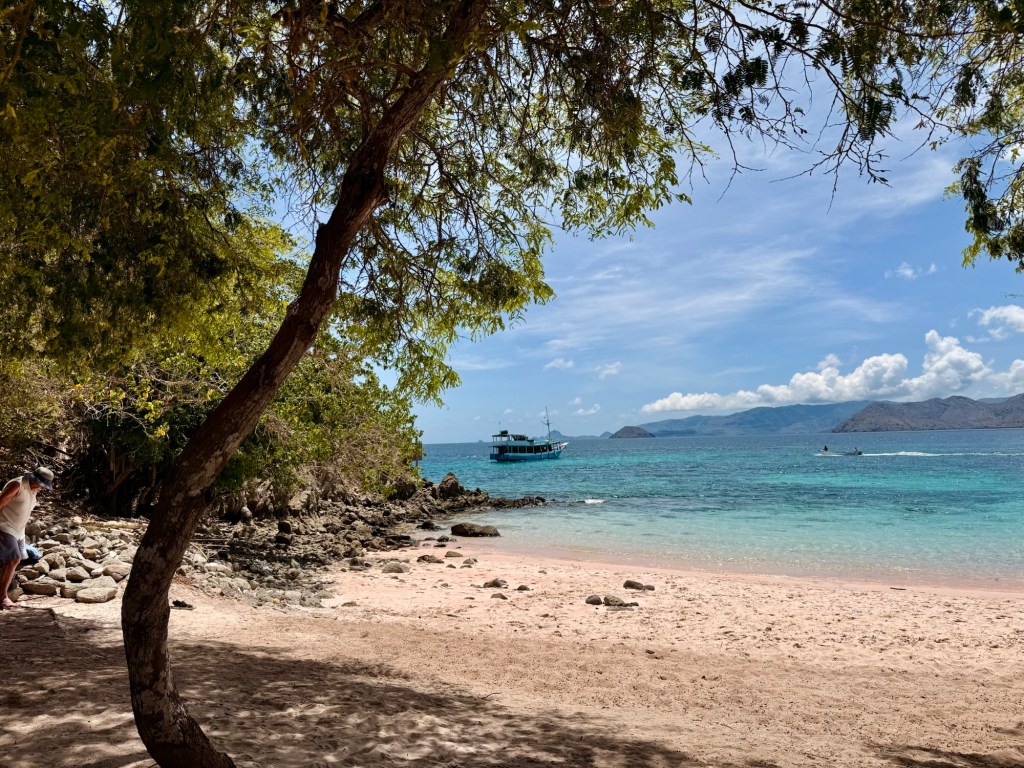
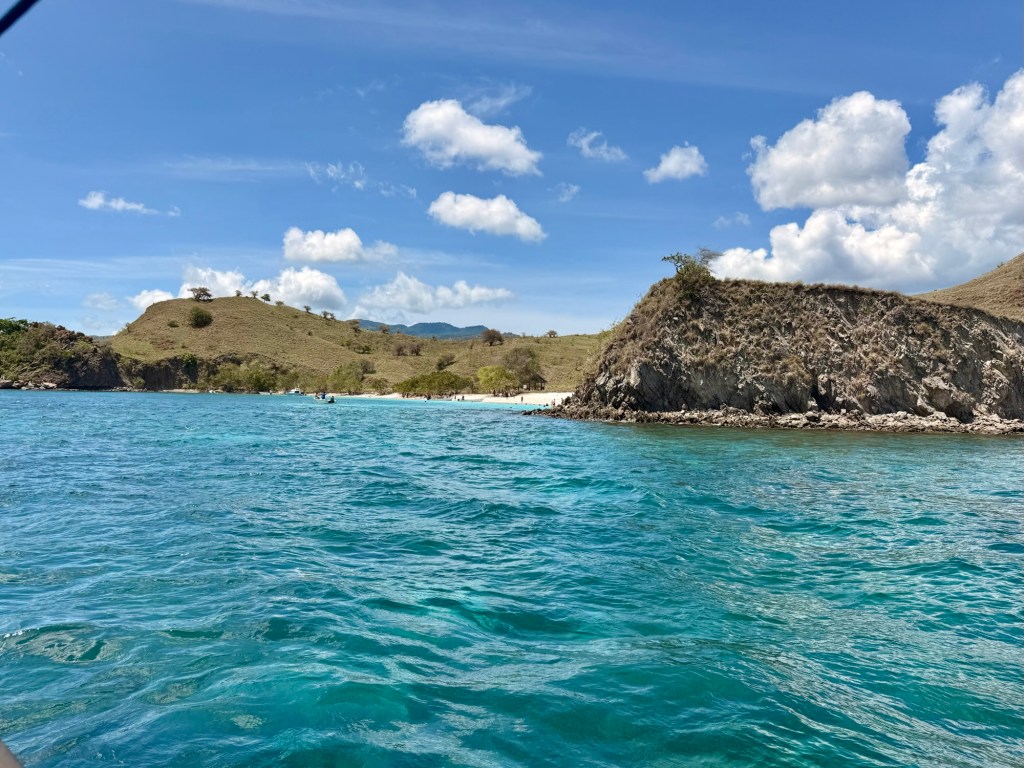
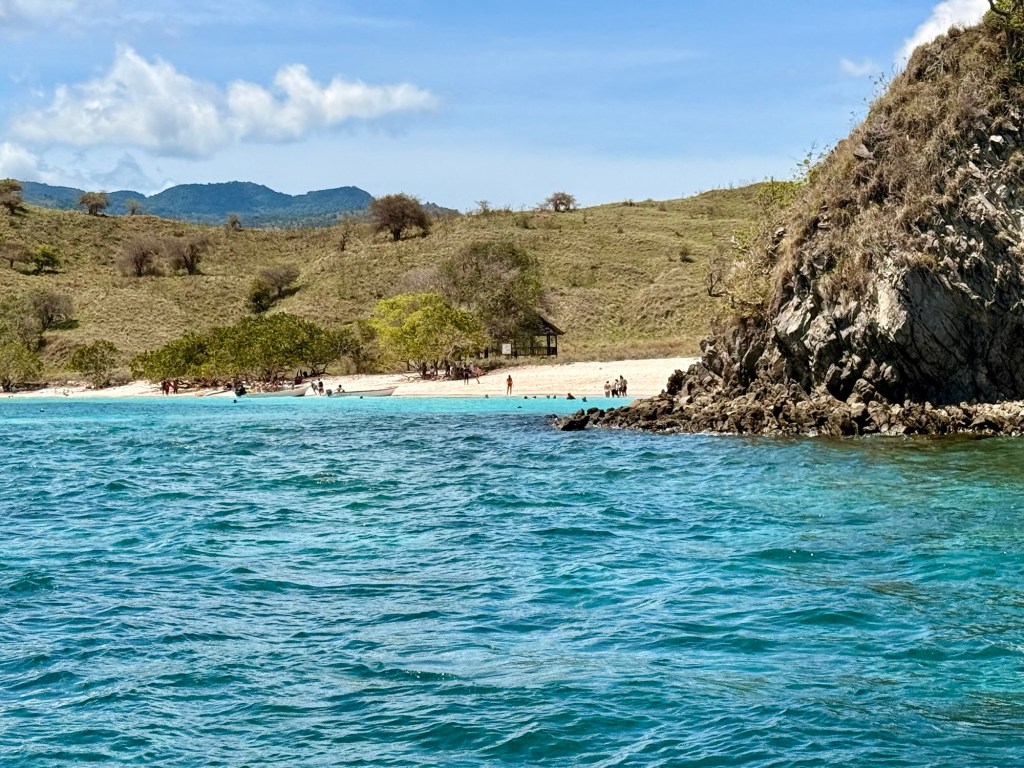
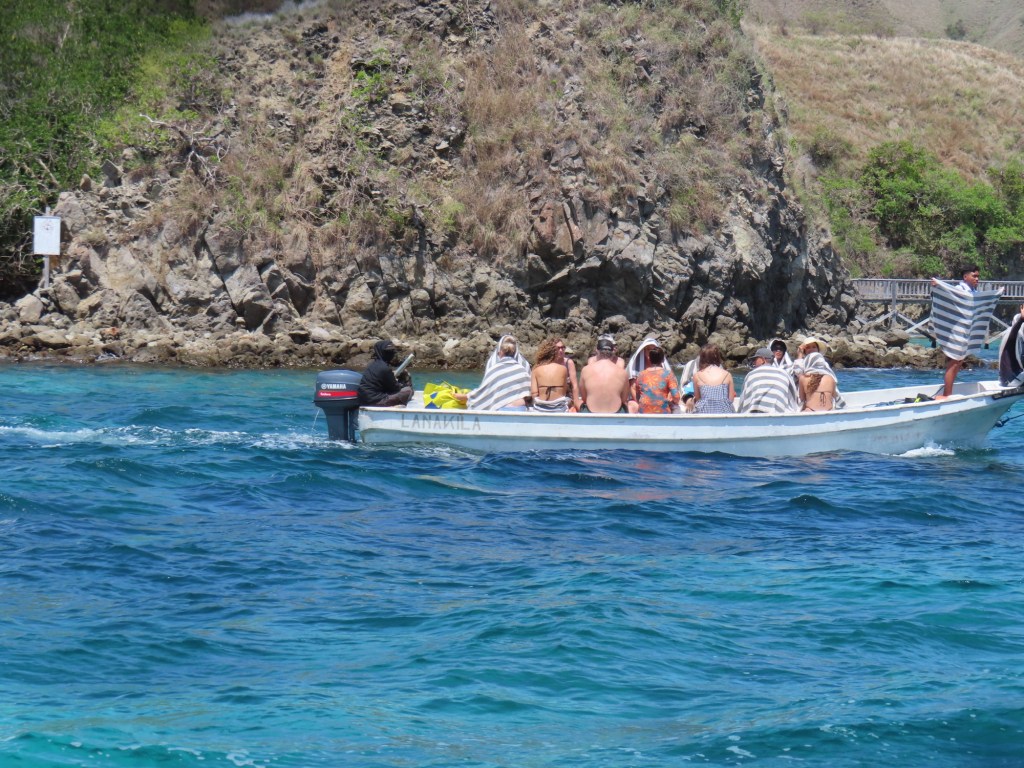
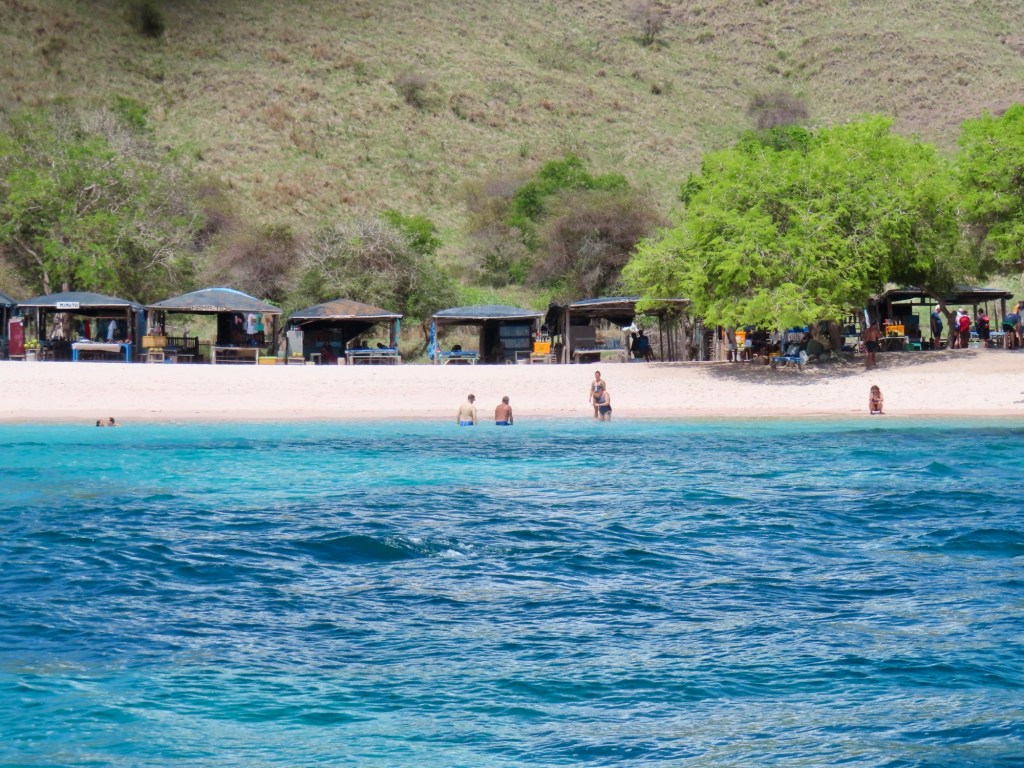
10-15 minutes by derelict boat for 1 hour +/- at Pink Beach for swimming and snorkeling.
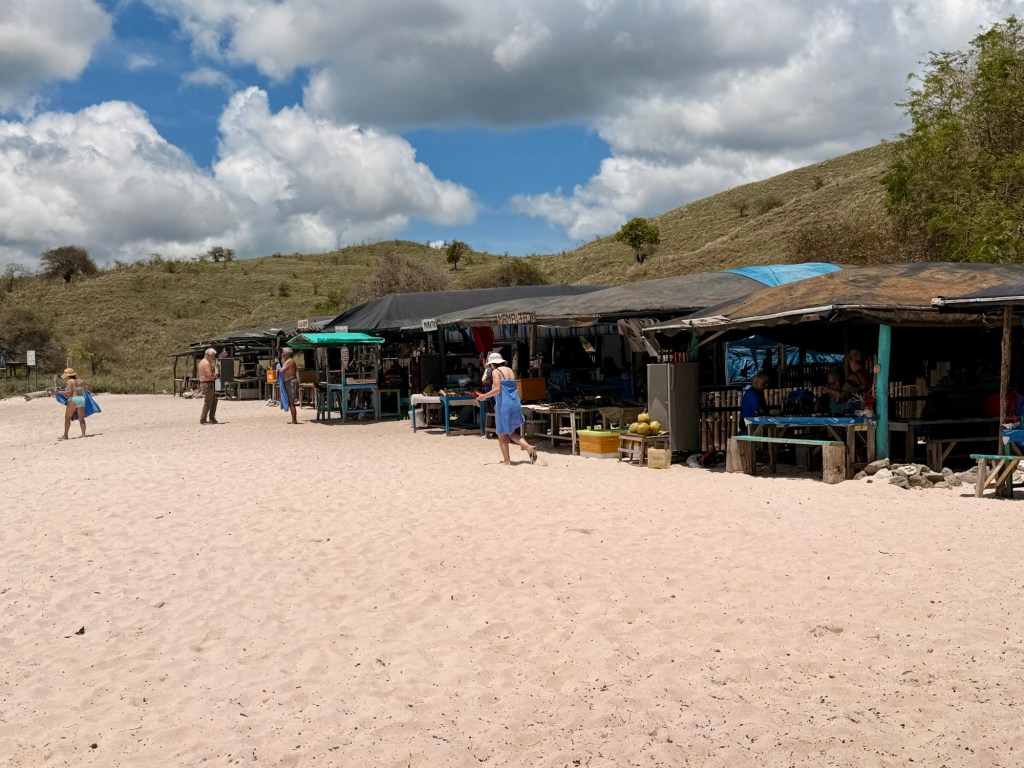
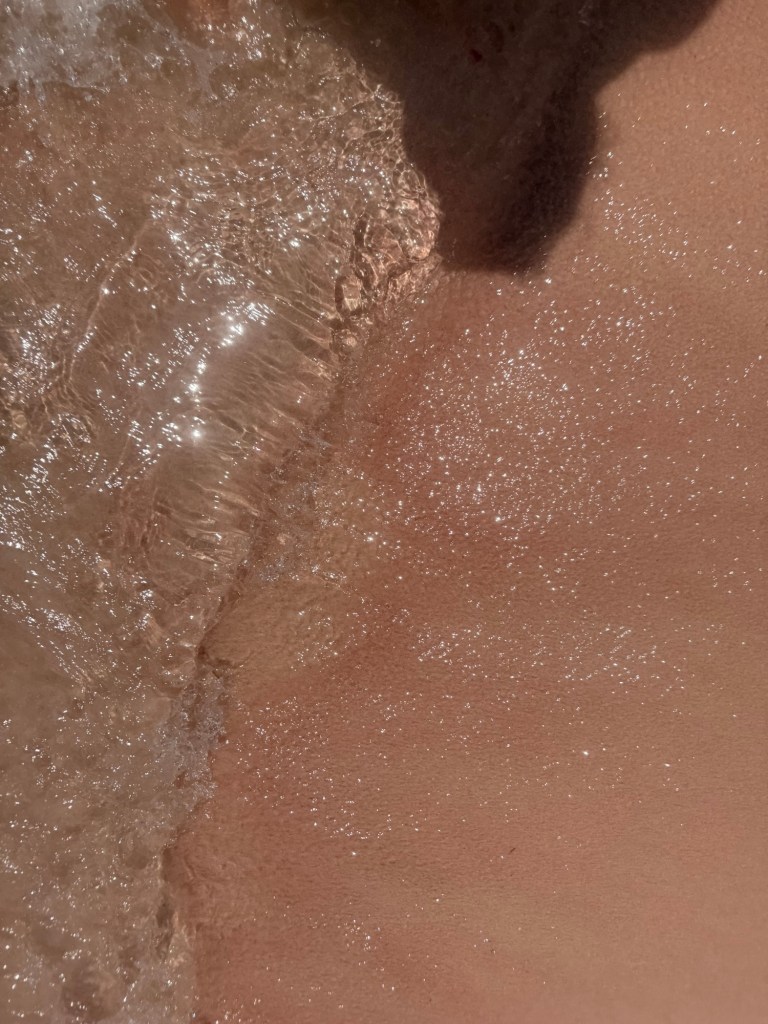
Waiting for the boat Baby Luxury plus…lol!Gorgeous beach Stalls with lots of trinketsWhen the sand is wet it definitely is pink. It gets it’s colour from the coral Dark area in water is coral where there were lots of beautiful tropical fish
I thought I would try again my waterproof case for my phone and my face mask. Both leaked. So sorry no pictures.
While on my second time out snorkelling (with borrowed ones this time), I unknowingly got caught a rip current that no one had warned us about. Trust me it was ripping. As I looked down the fish and the ground was racing by and I could not get out of it. I kept telling myself “don’t panic, don’t panic, go with it, just don’t panic”. I kept thinking of the people that drown off the beach in Guayabitos. I went so far past rock outcropping that I could not see anyone in the water or on the beach. It did ease up as I got further away and I was able to get to the rocky shore that tried to maneuver over. Finally when I was able to see others I called for help and the guide grabbed my hand to help me get over the rest of the rocks. I have a few cuts but I am alive to talk about it.
Almost went as far as that pierThe outcropping rockNasty rock I managed to climb up ontoThe gorgeous beach These last pictures were taken from the boat as we left
There are only 2000 people that live on Komodo … mostly are fishermen.
First the talk and later on the 25th/25, I will be seeing them.
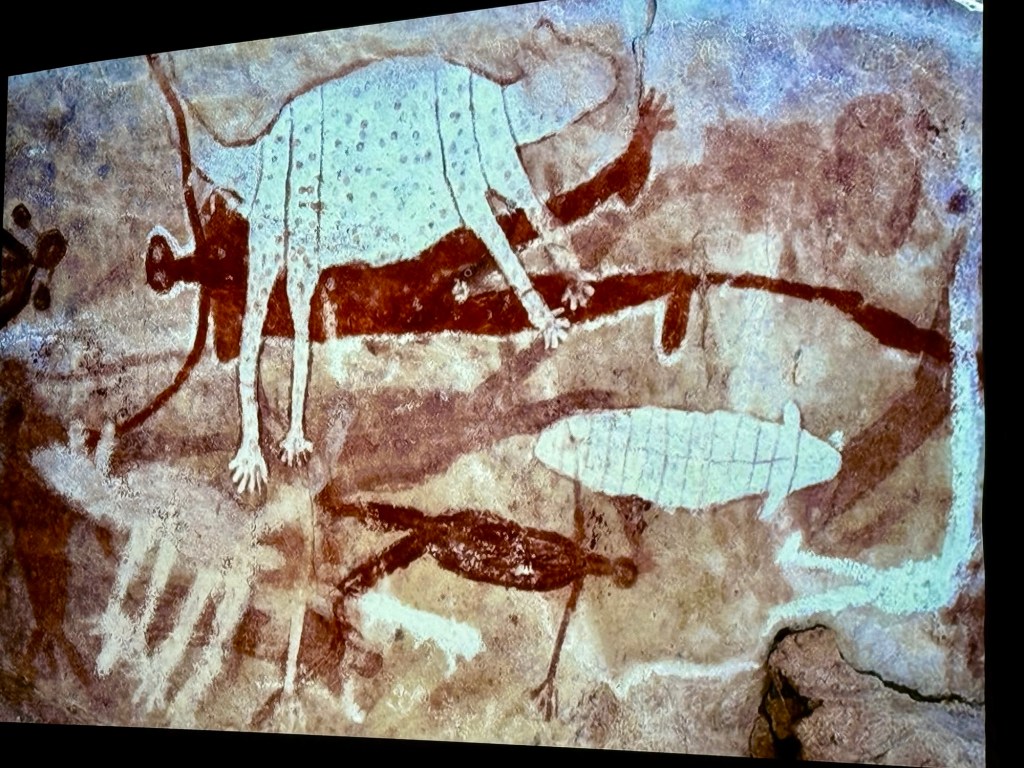
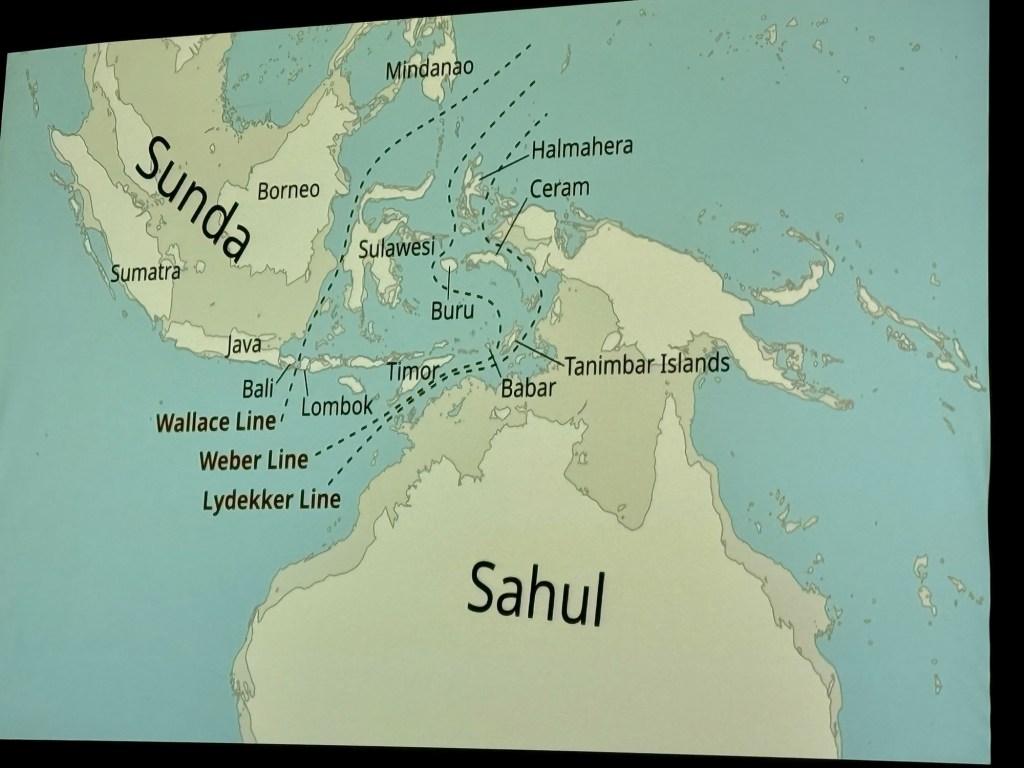
Apparently they represent an enormous danger. Variants – largest of monitor lizard. They began life in Australasia along with mega fauna 3.5 M years ago and haven’t changed. Many animals from that time are now extinct….. climate change at that time being the culprit. Australasia used to be larger land mass than just Australia. Besides New Zealand, it also included New Guinea and other islands like Komodo.
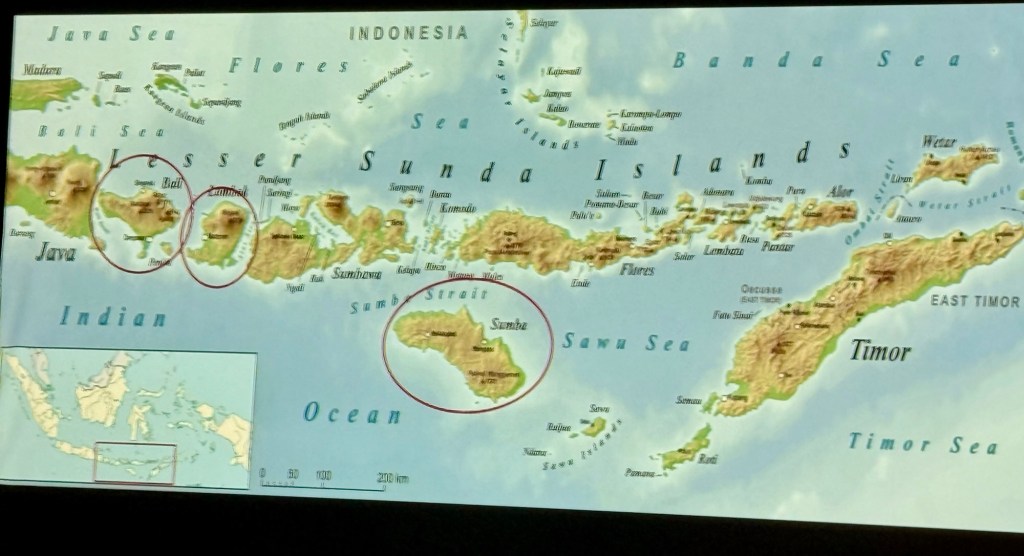
Cave drawings showing the “dragon” with man being the loserAustralasia millions of years ago Location of Komodo Island and a few other islands they are found
They can swim but not large distances. They don’t move from their home location and environment. They are loners and live on only 5-6 islands in wild small volcanic islands. There are only 3.5 thousand left and are now considered endangered. They never have crossed the Wallace line.
In 1910 a Dutch lieutenant discovered presence of them after hearing reports of a “land crocodile”. He killed and skinned one sending it to Zoological museum in Java…. naming them in 1912. They have a long forked tongue and sharp claws like “dragon” so got the name.
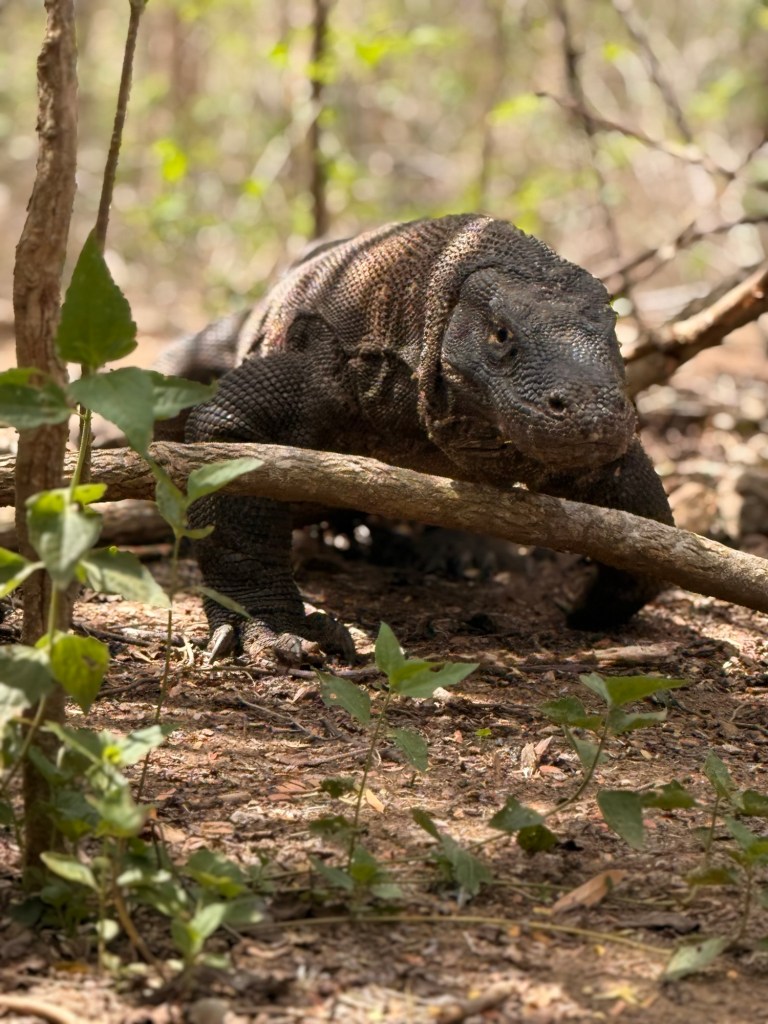
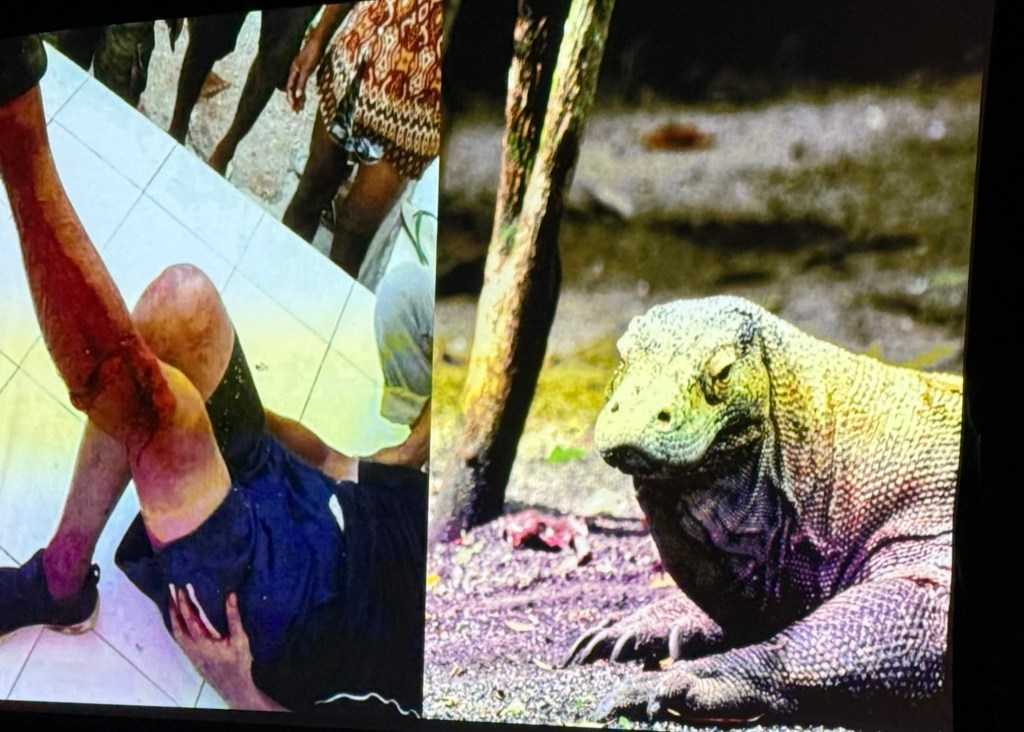
Are they dangerous …yes, they are potentially lethal. They grow to 8-10 feet, 100 kg. Some larger. The biggest being 165 kgs. Females are bit smaller. They look docile but can travel at 20 m /hr.
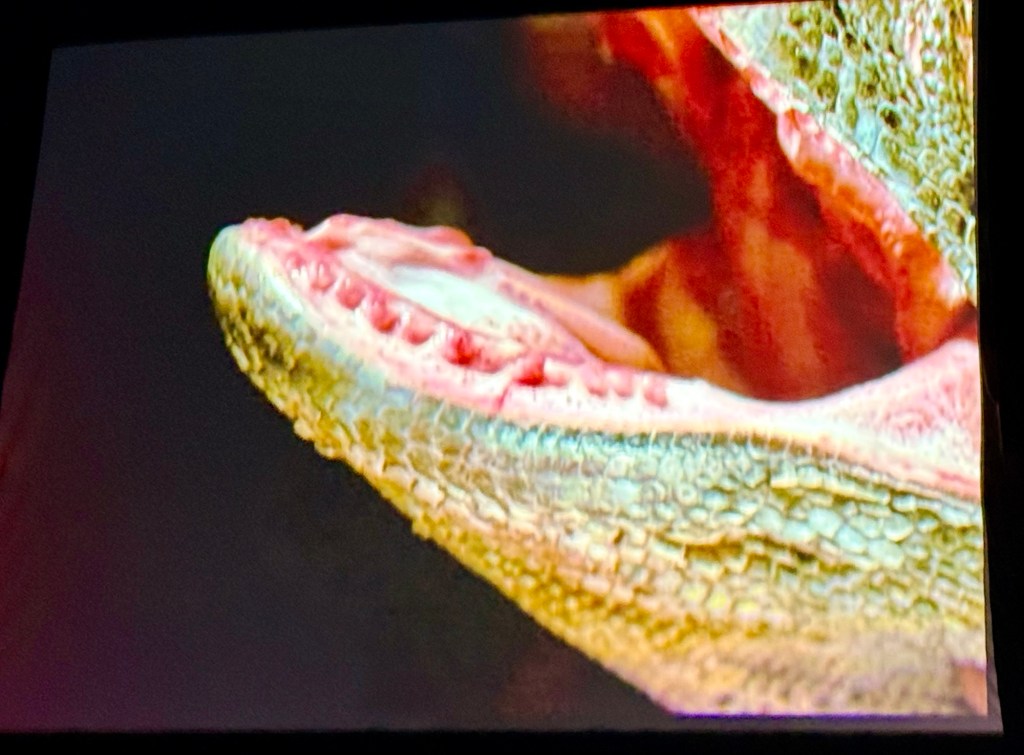
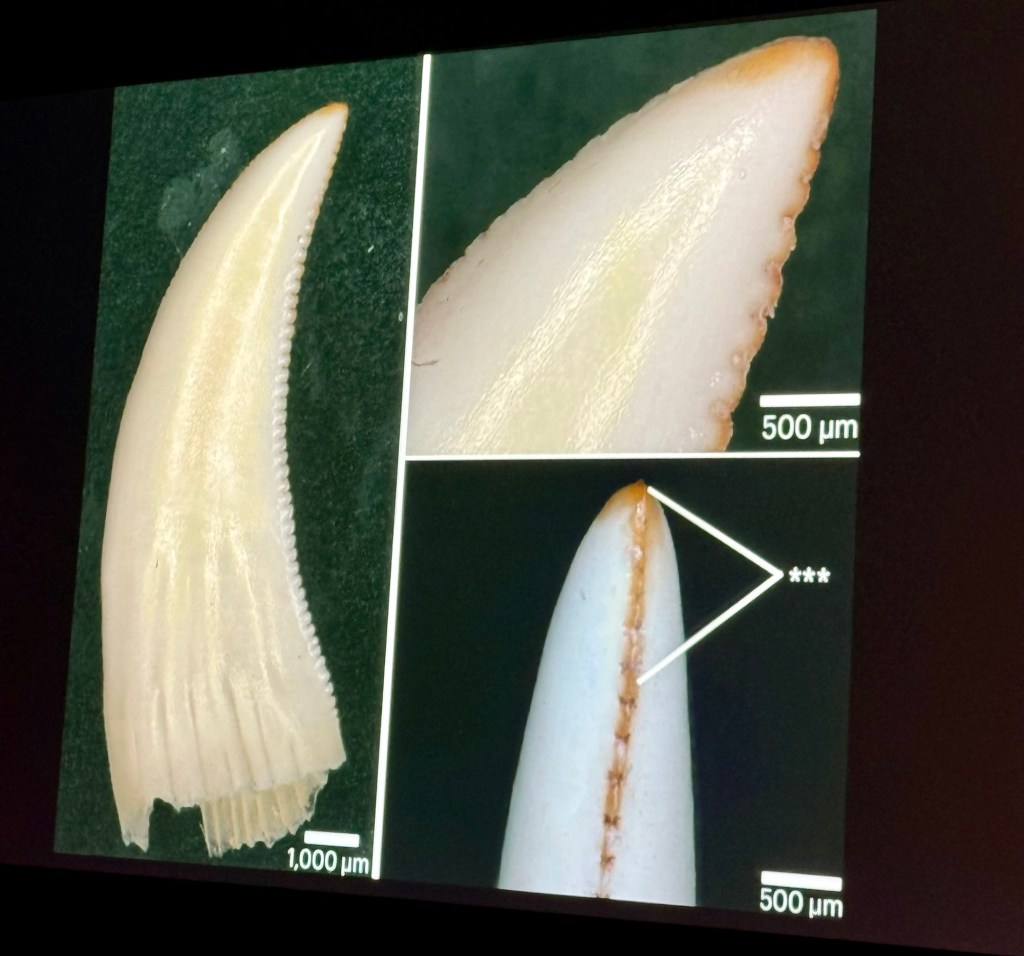
Their teeth are triangular and serrated with an iron enriched coating. They have a strong sense of smell through their tongue. They can see well in day but not at night. Their saliva contains an anticoagulant. They are carnivores catching their prey by surprise. They can eat up to 80% of their body weight having to lay in sun to help digest after eating. They are canniblistic. If food is unavailable they will eat their young. The young live in trees for first few years as a means of survival.
Note the serrated teethDamage done to this man’s leg
In 2006 scientists discovered that females are asexual parthsngenucs… virgin births. 15-20 eggs are laid in September with a 7-9 month incubation period. After the birth, the mothers stay with the babies for 3 months then abandon them. The Komodo dragons don’t stop growing for 20 years and only live for 30-35 years.
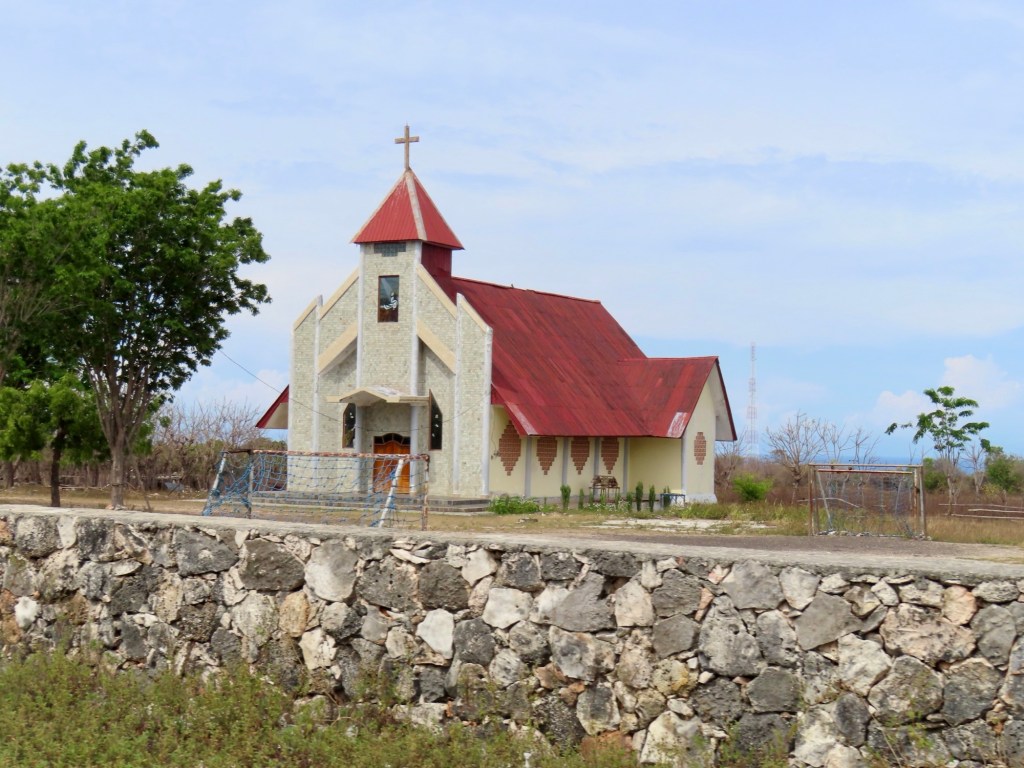
900,000 population-75% are Christian…surprising, atleast to me. In this predominately Muslim country.
Schooling …6-7 years elementary + 3 years for middle school plus 3 for high school. It is not free but costs 1 million rupiah ($85CAD) for school each year… catholic school is 2 million rupiah.
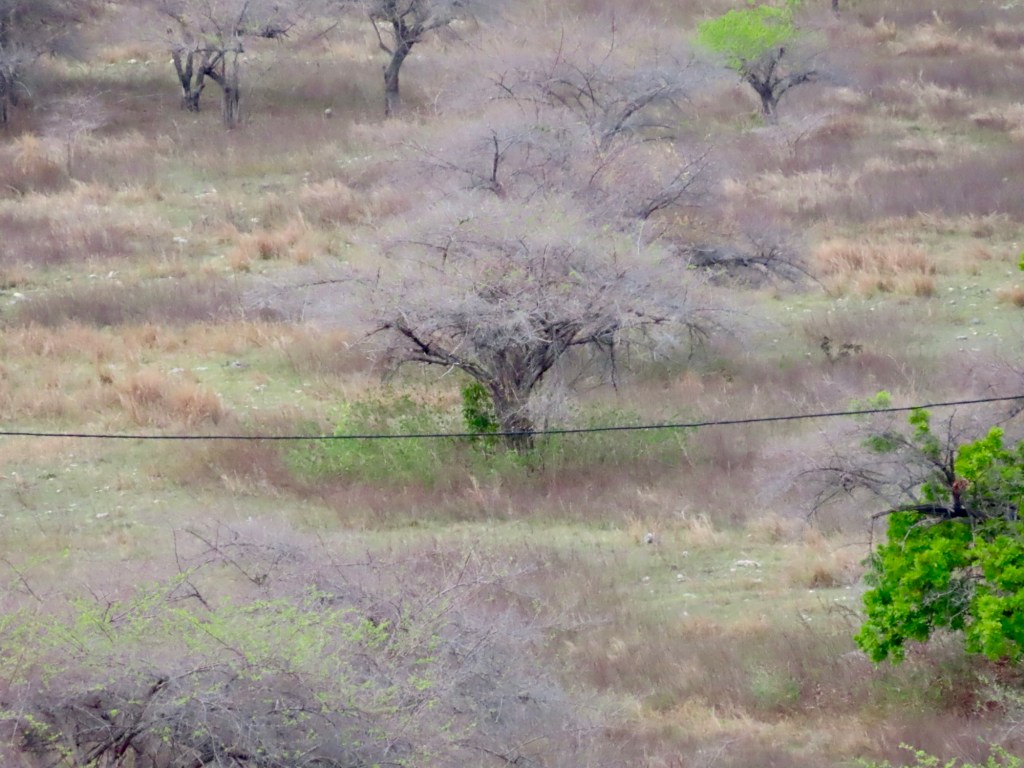
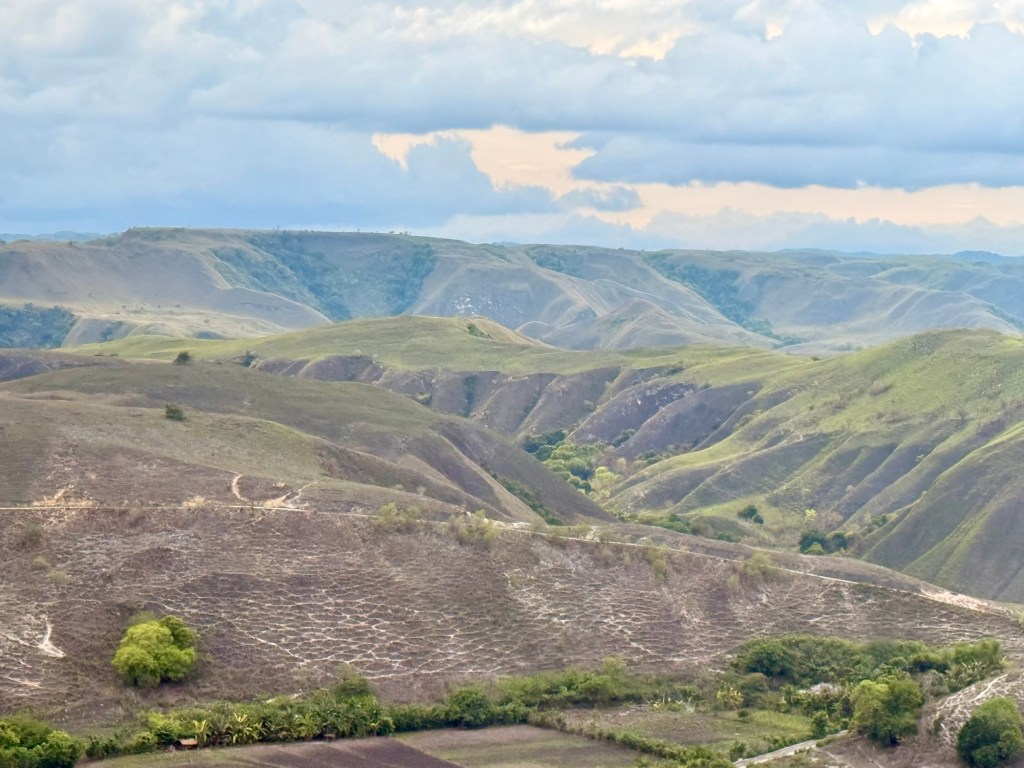
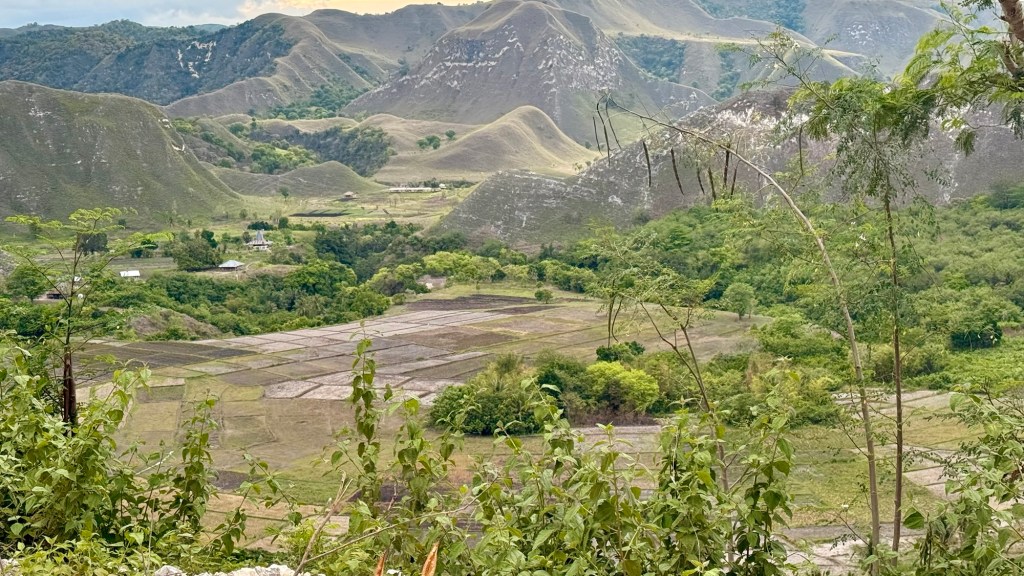
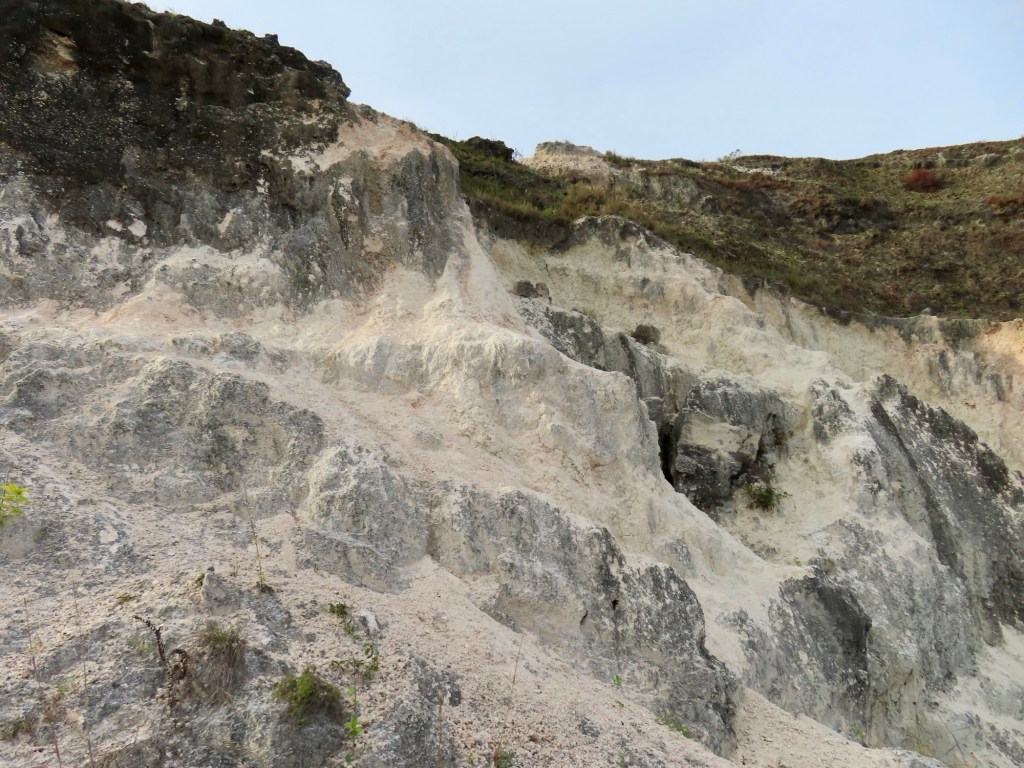
It’s dry season here now, unlike the rest of country/area. This area that we are driving through, nobody wants to live here because there is no water. It’s a wasteland.
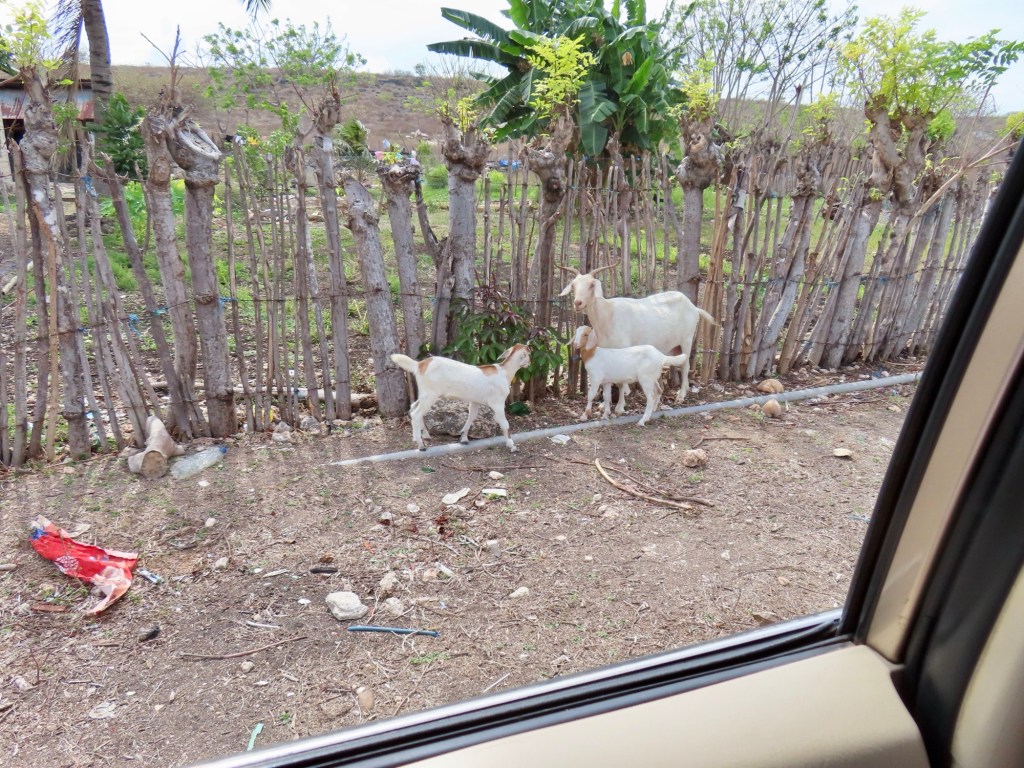
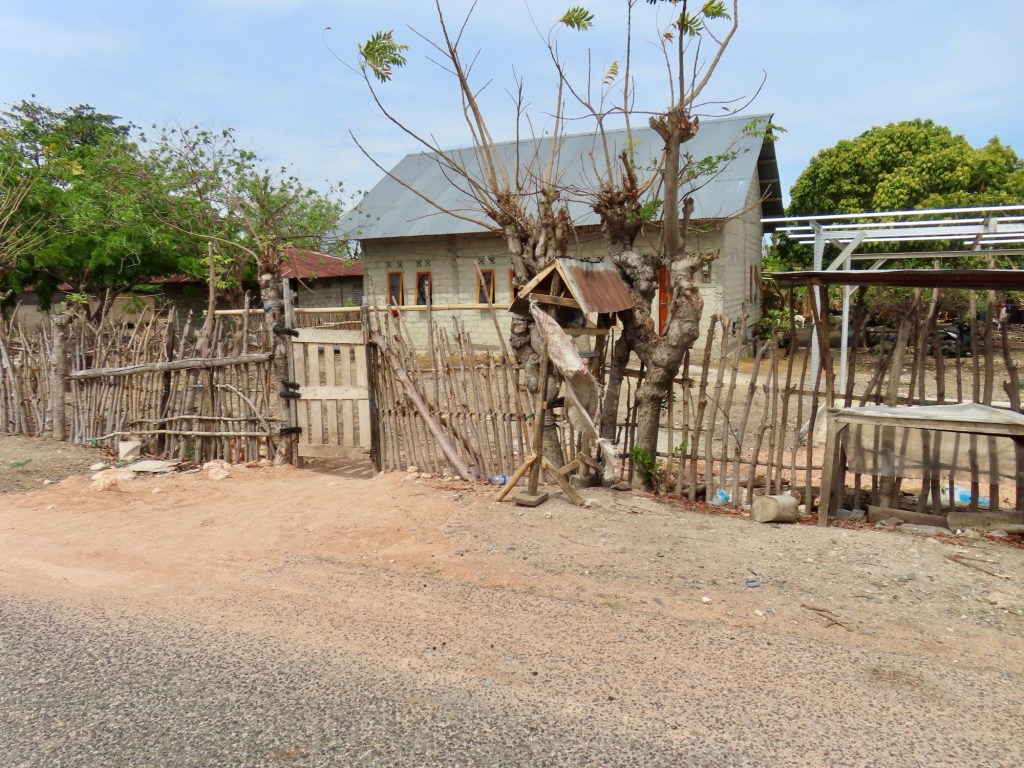
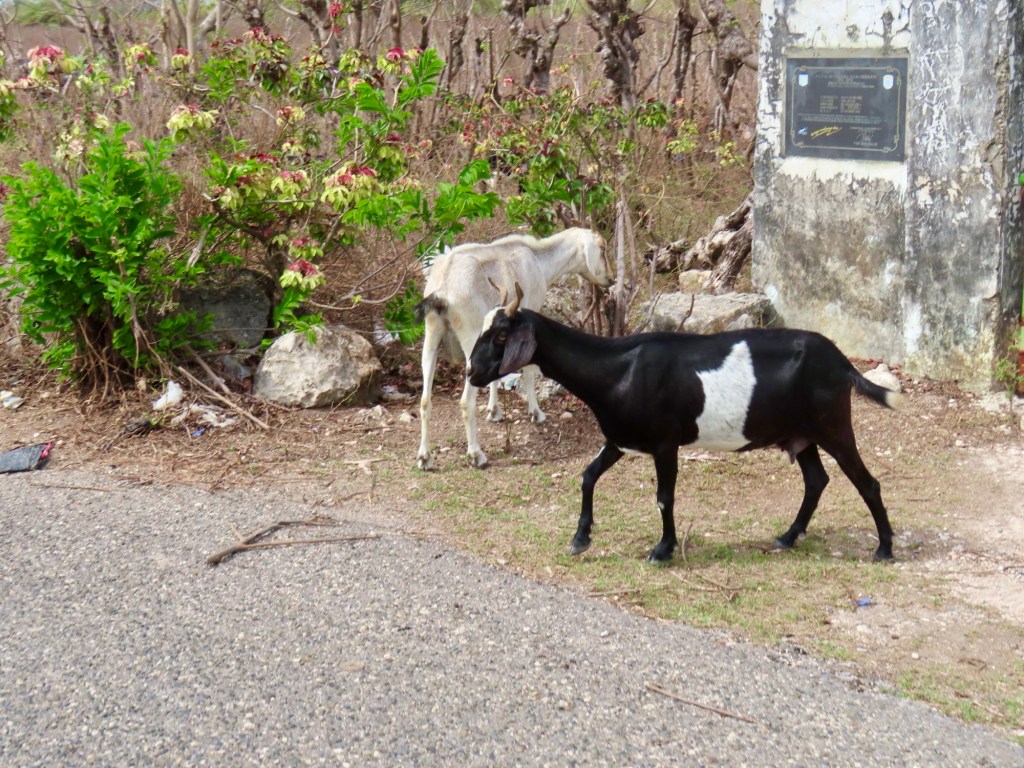
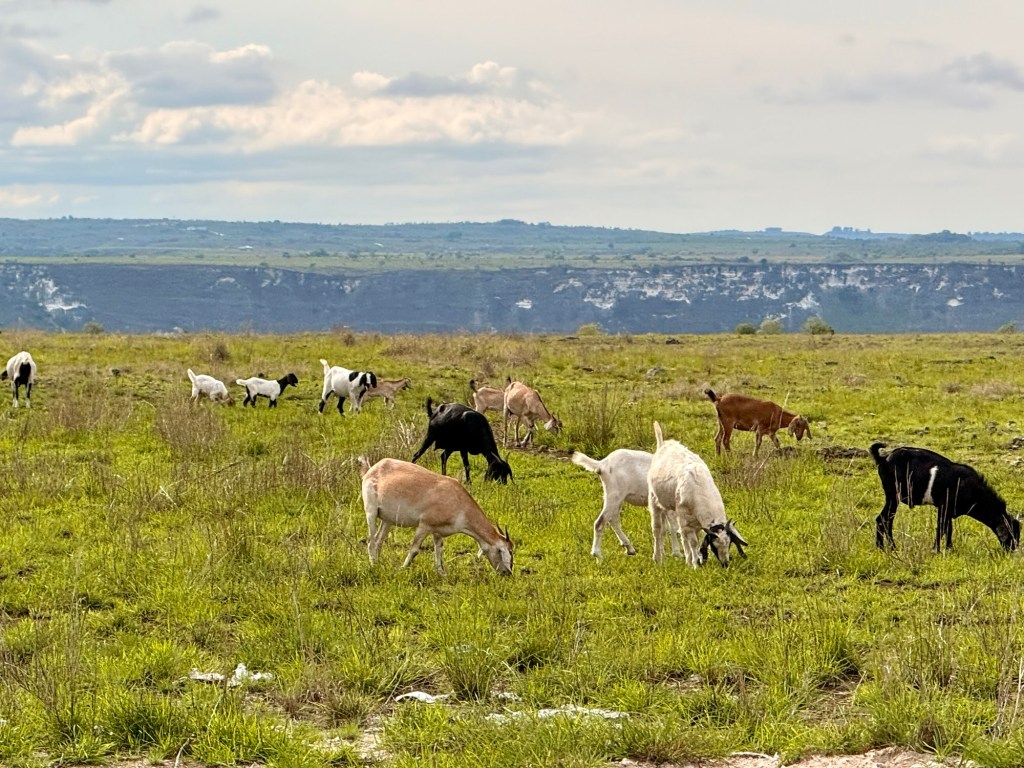
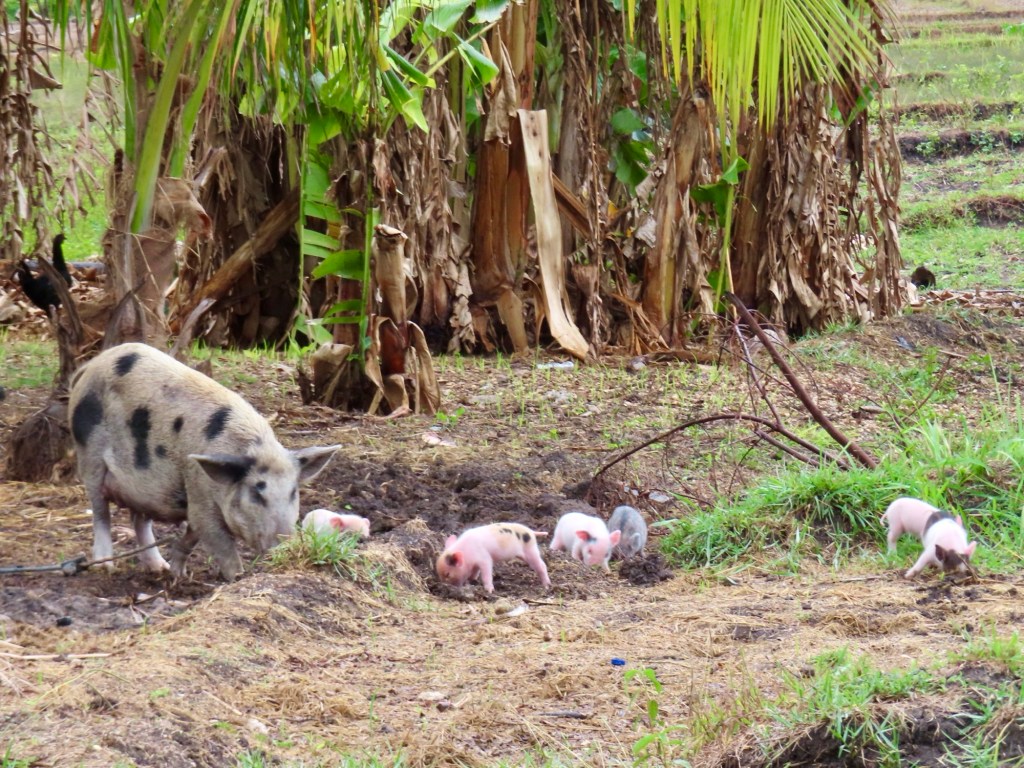
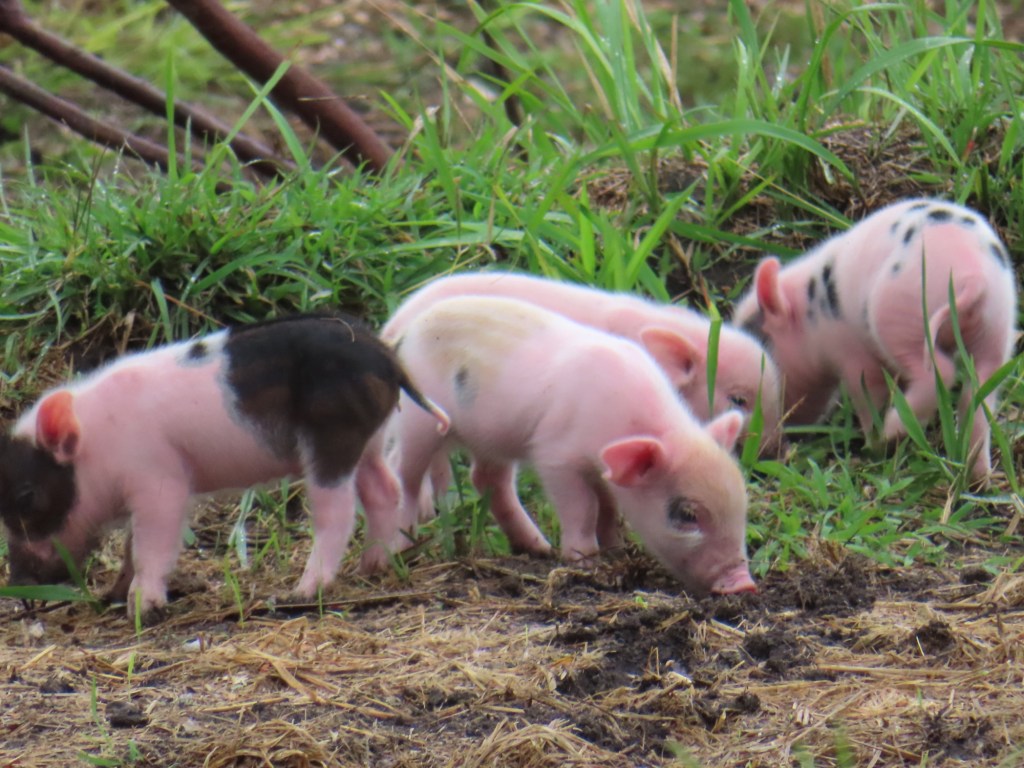
So many goats…. not for meat but milk. Fences built from pieces of tree branches that sprout.
Brahma DetourSo cute!Live fence started with branchesCatholic church
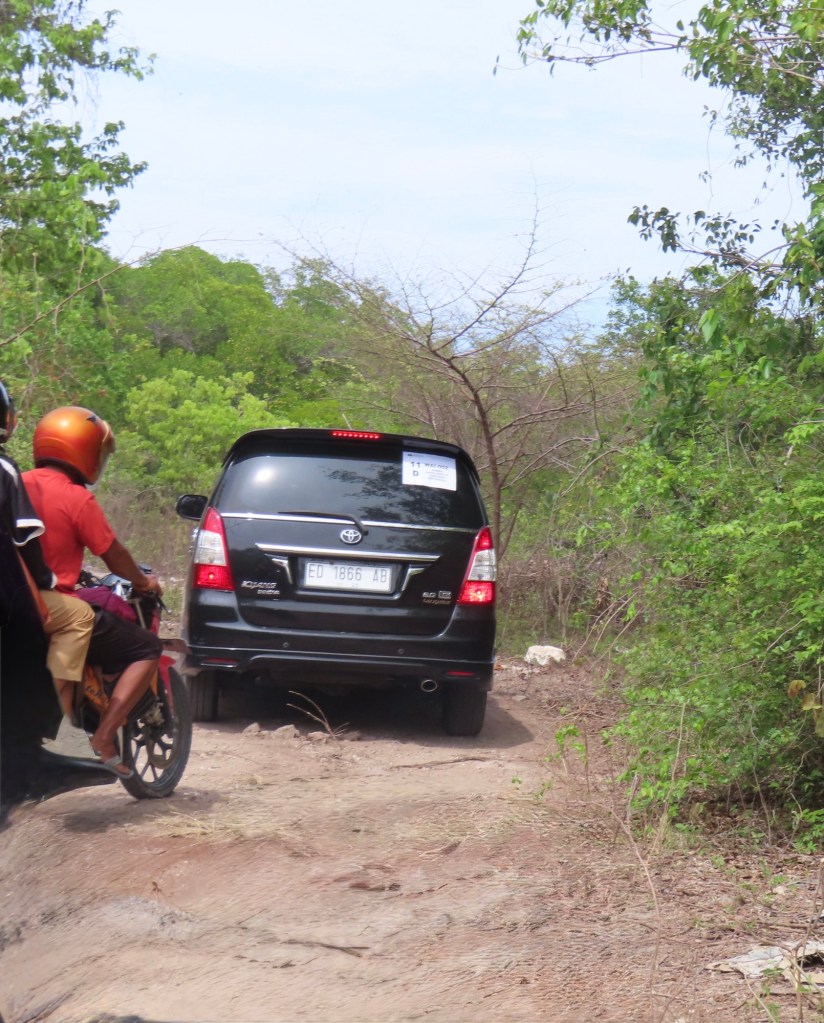
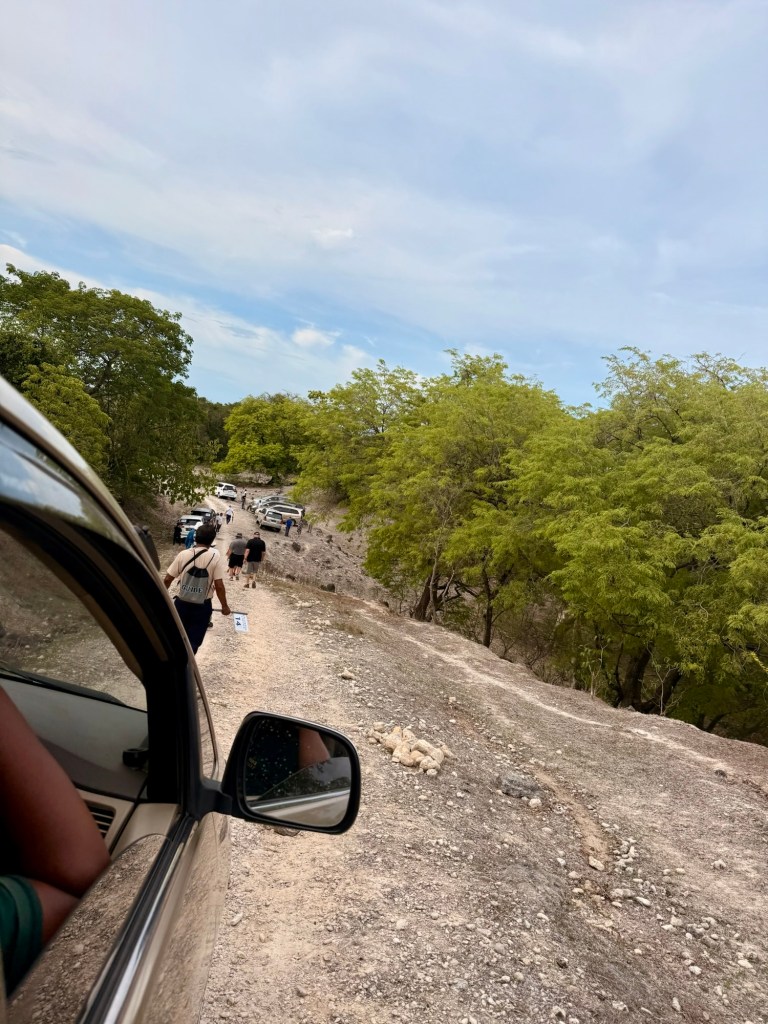
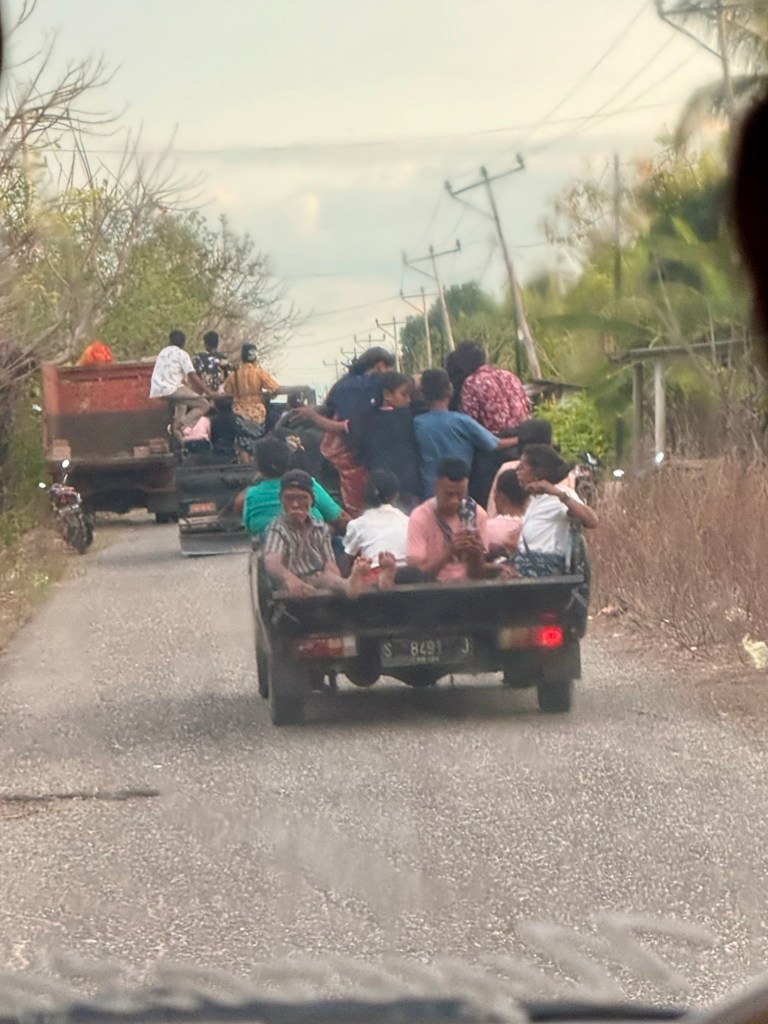
One car in the caravan of private vehicles used for all our tours, broke down so had to transfer people around. 40 cars in line like African safari where everyone is chasing the illusive leopard.
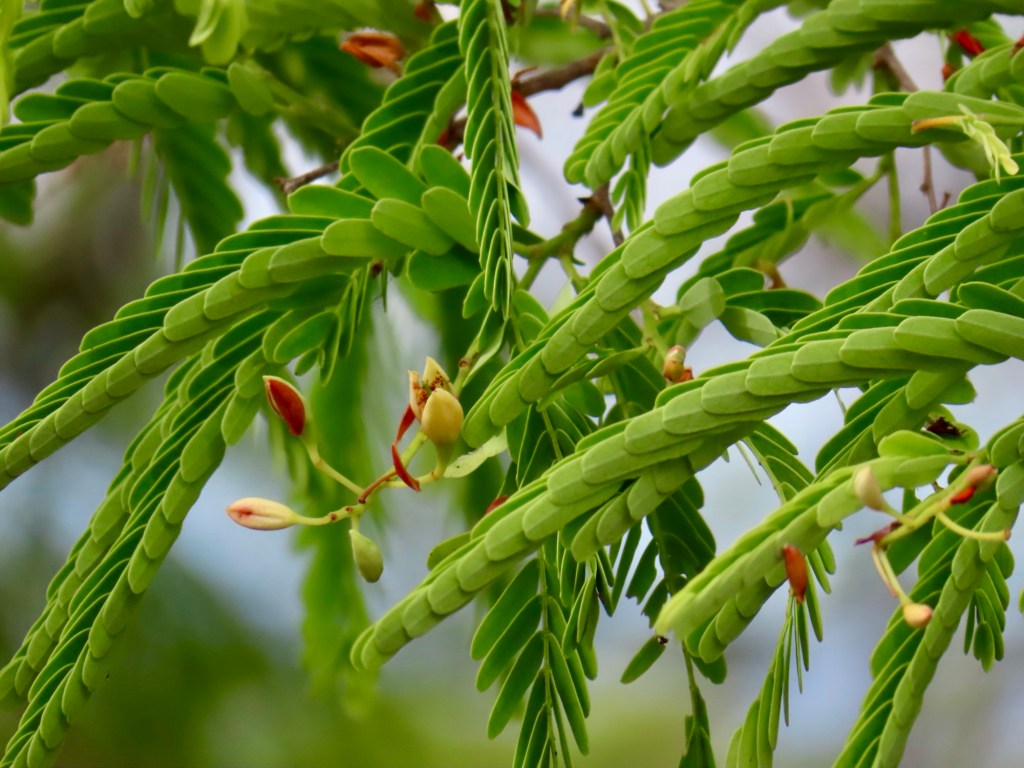
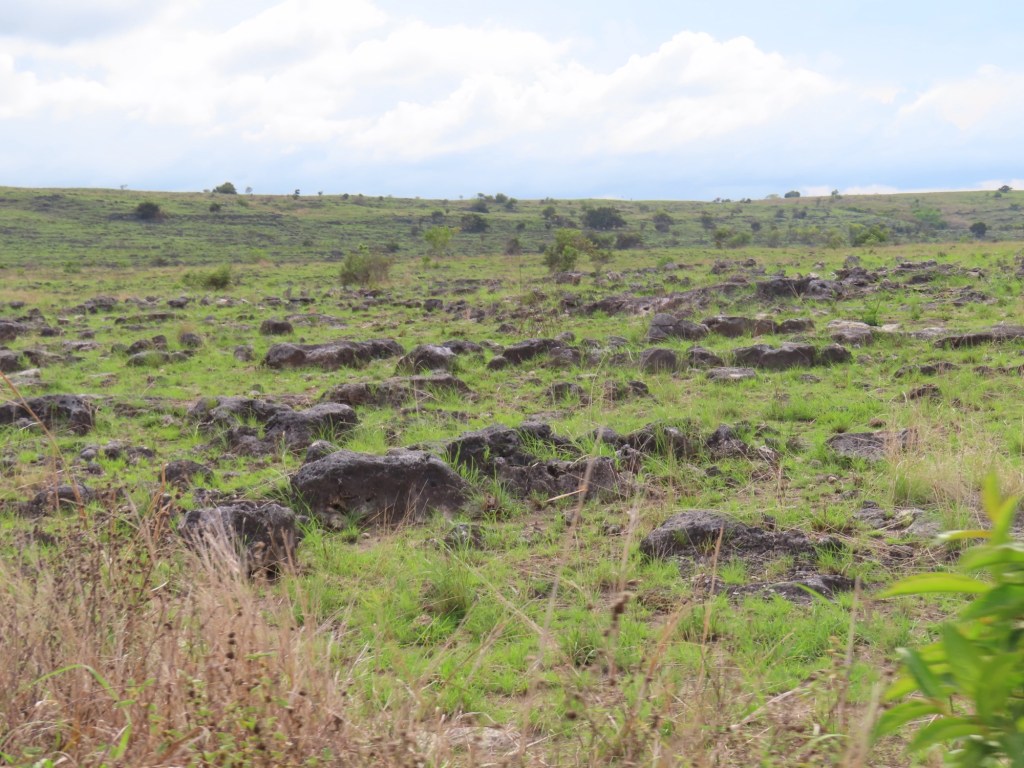
Went to Savannah…. Looks much the same as the area we’ve driven through …. barren but it is valley with trees that look dead. Apparently they will sprout once the rains come. I think maybe they are acacia as in Africa.
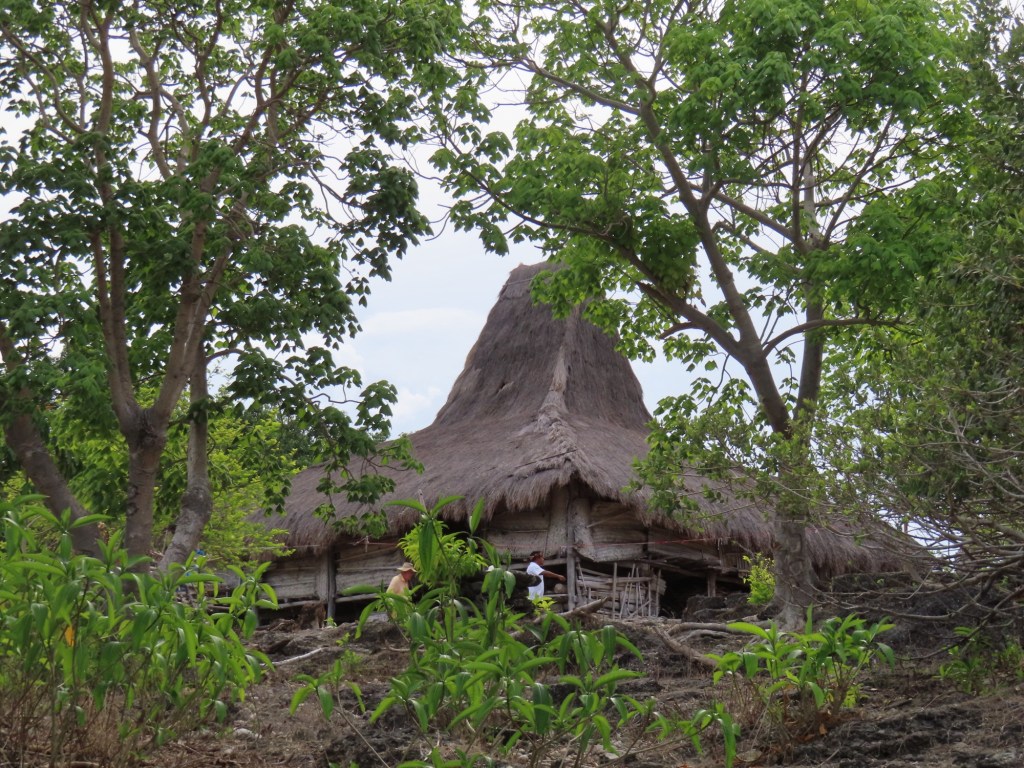
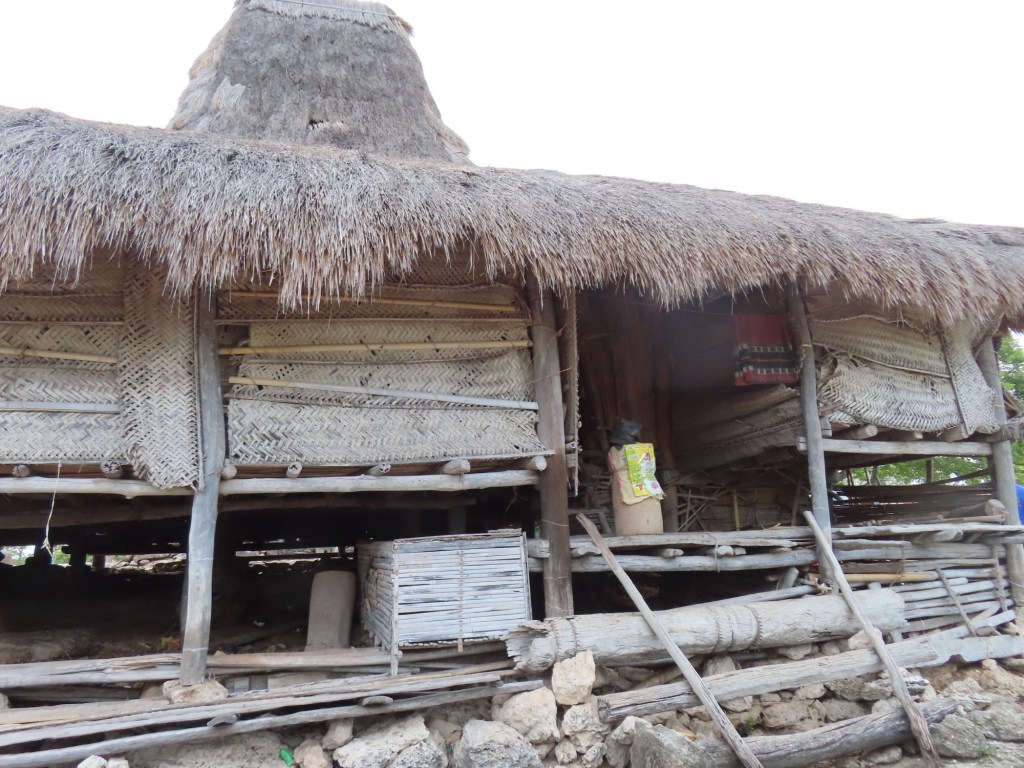
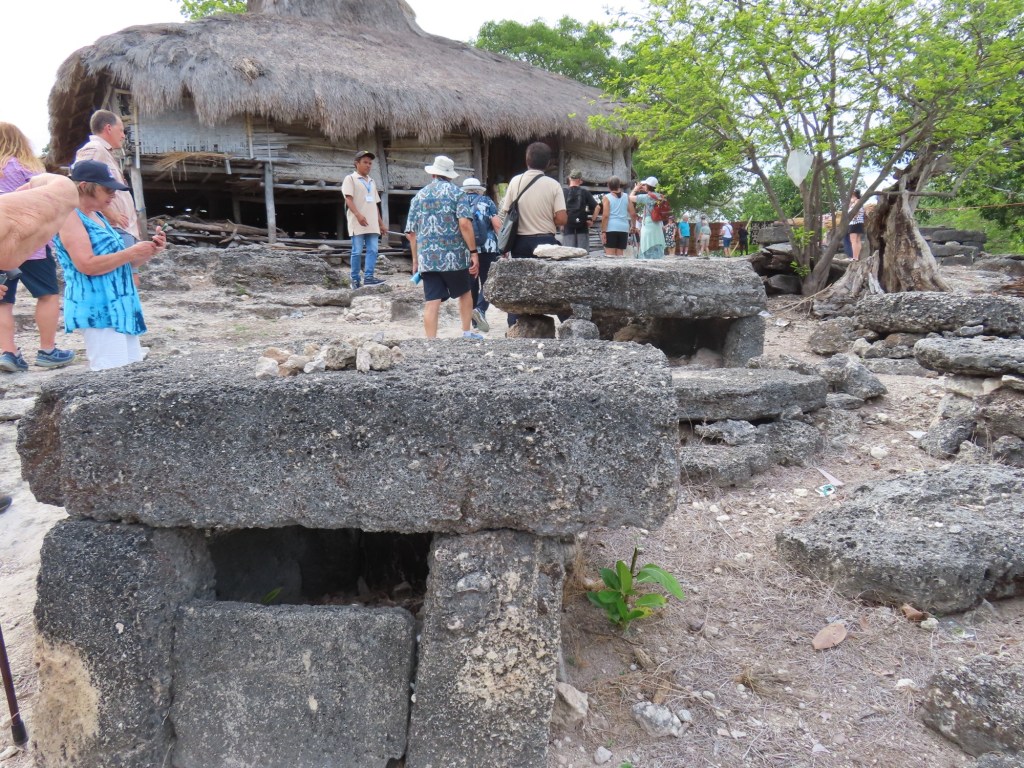
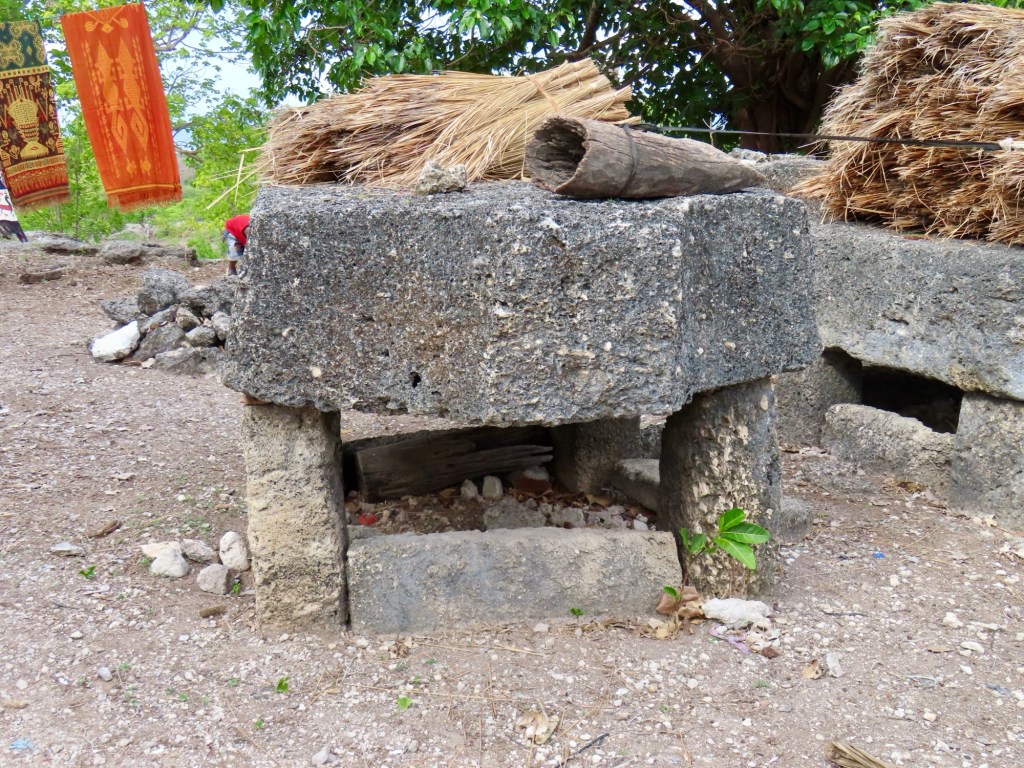
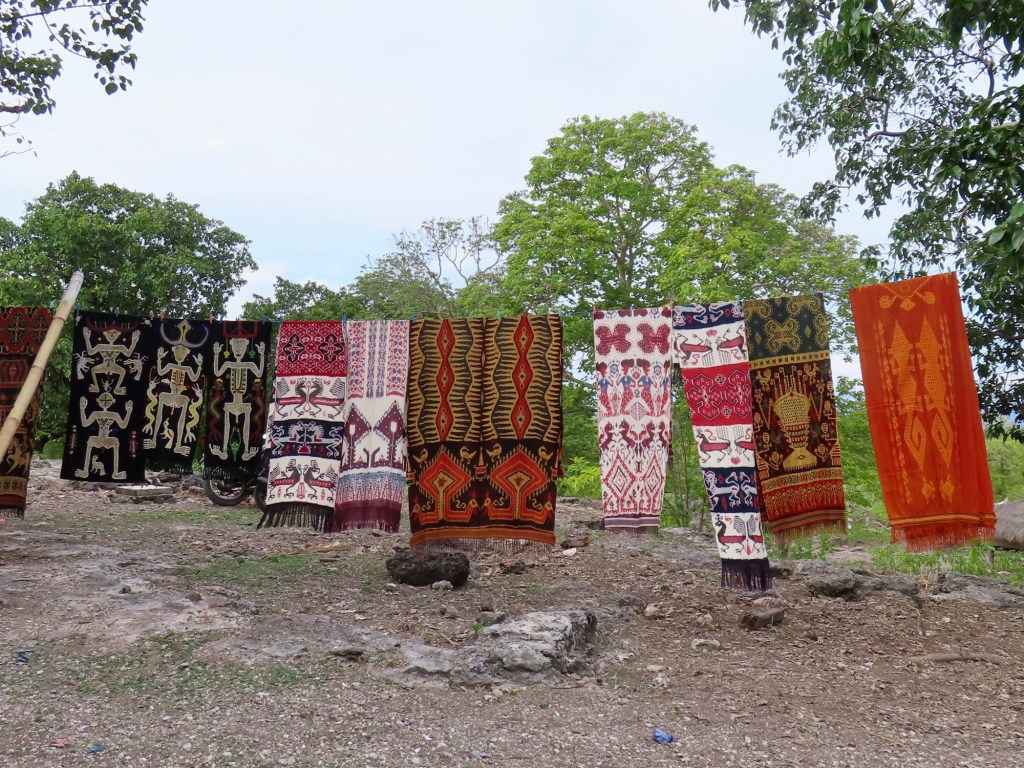
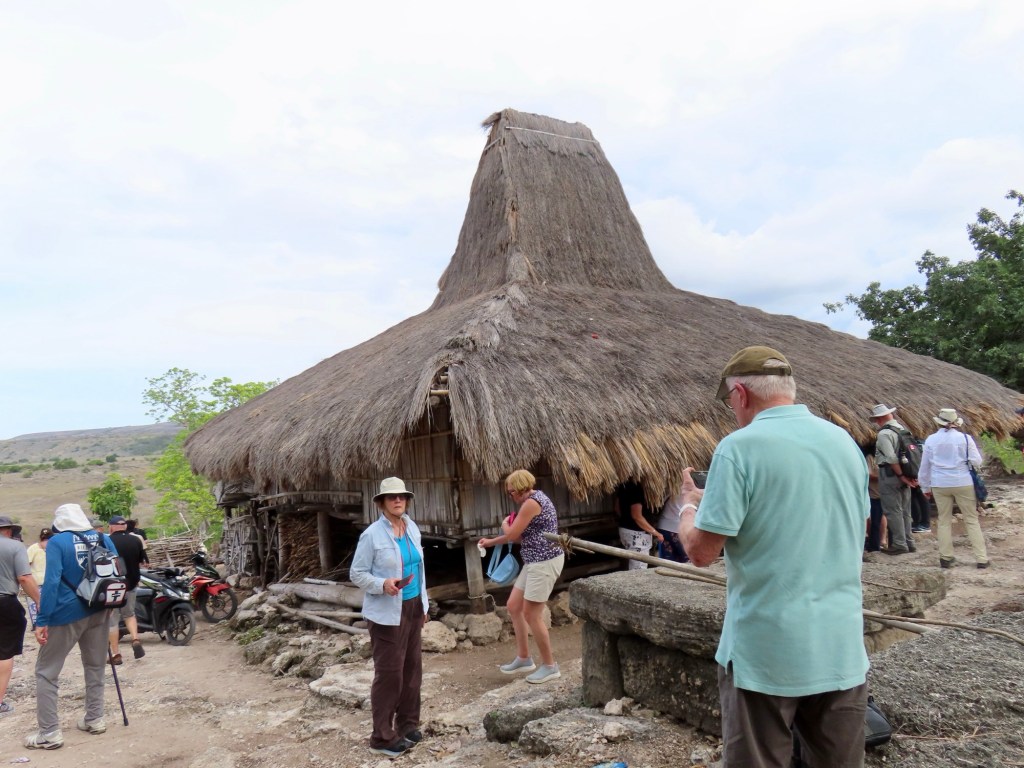
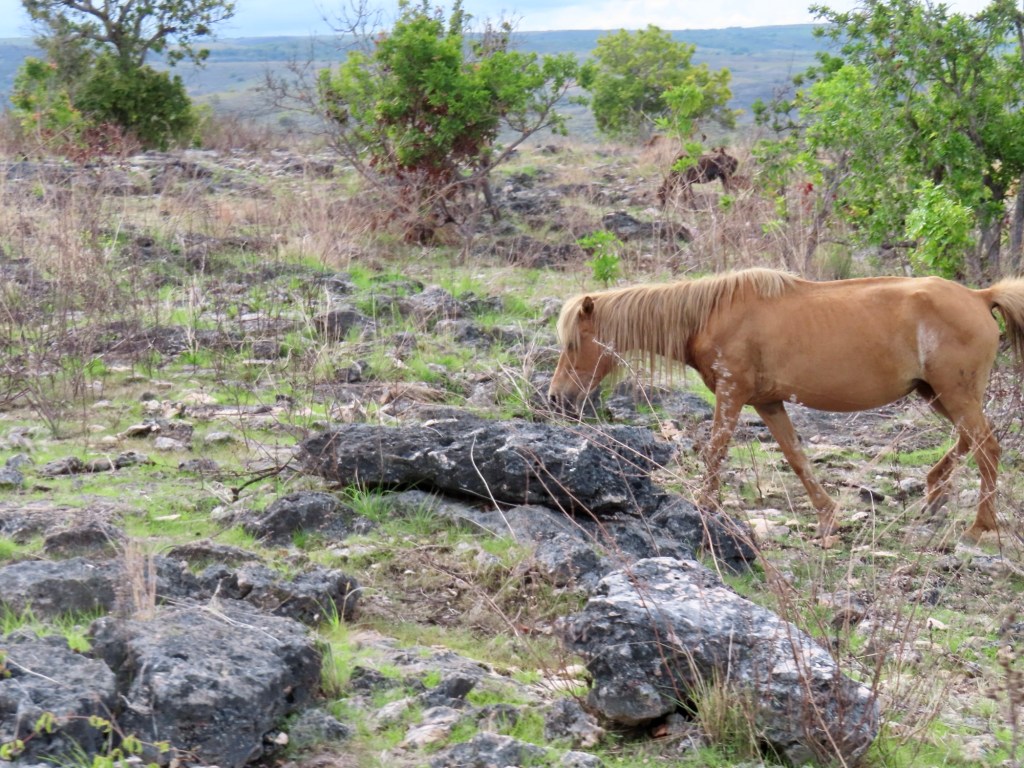
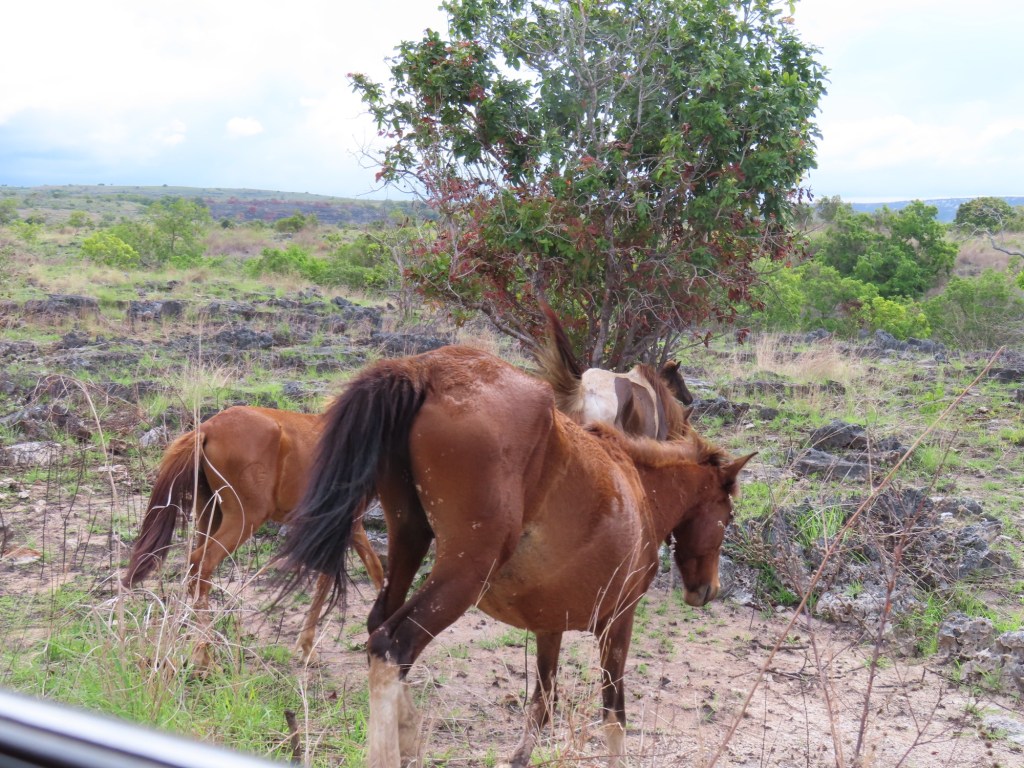
There are quite a few horses wandering the barren hillsides, are raised to be sold for racing in Java. They are the income to the village we visited. Throughout the village there are lots of chicks and hens and monoliths…. The whole village is like a graveyard with these stone structures scattered around.
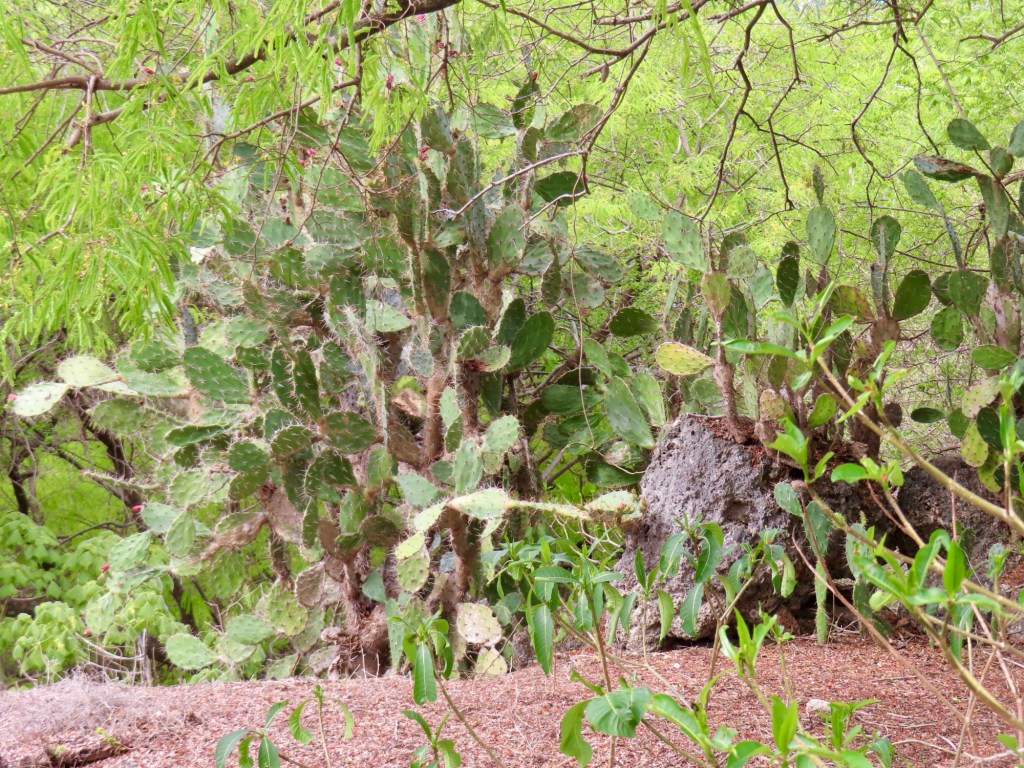
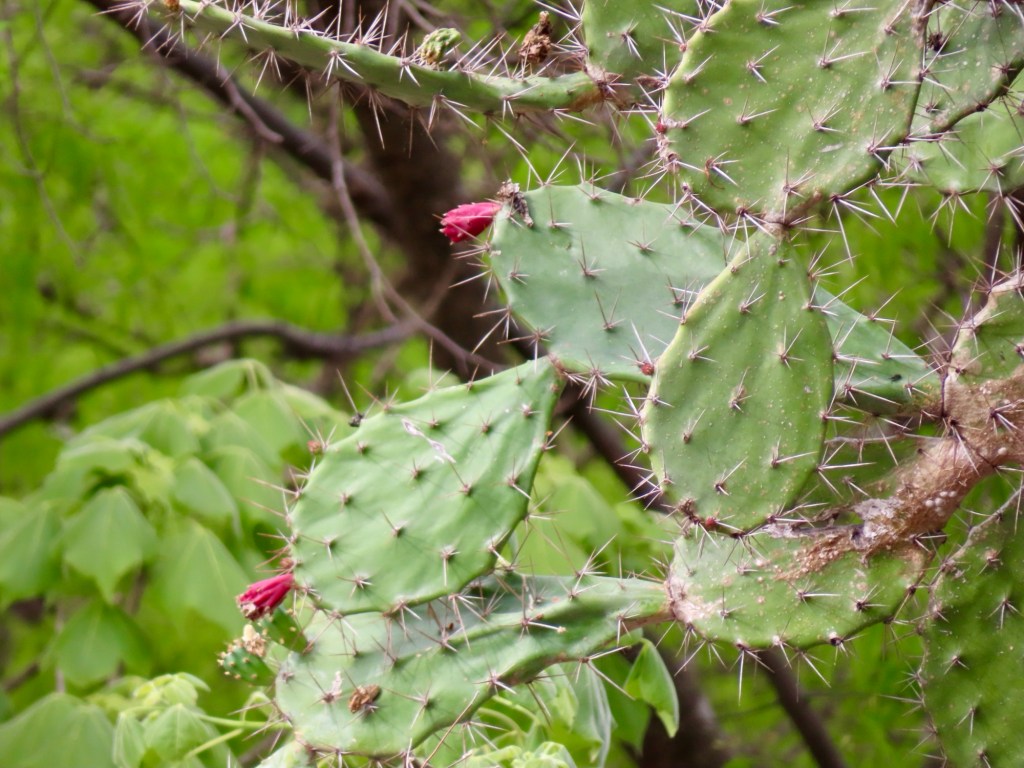
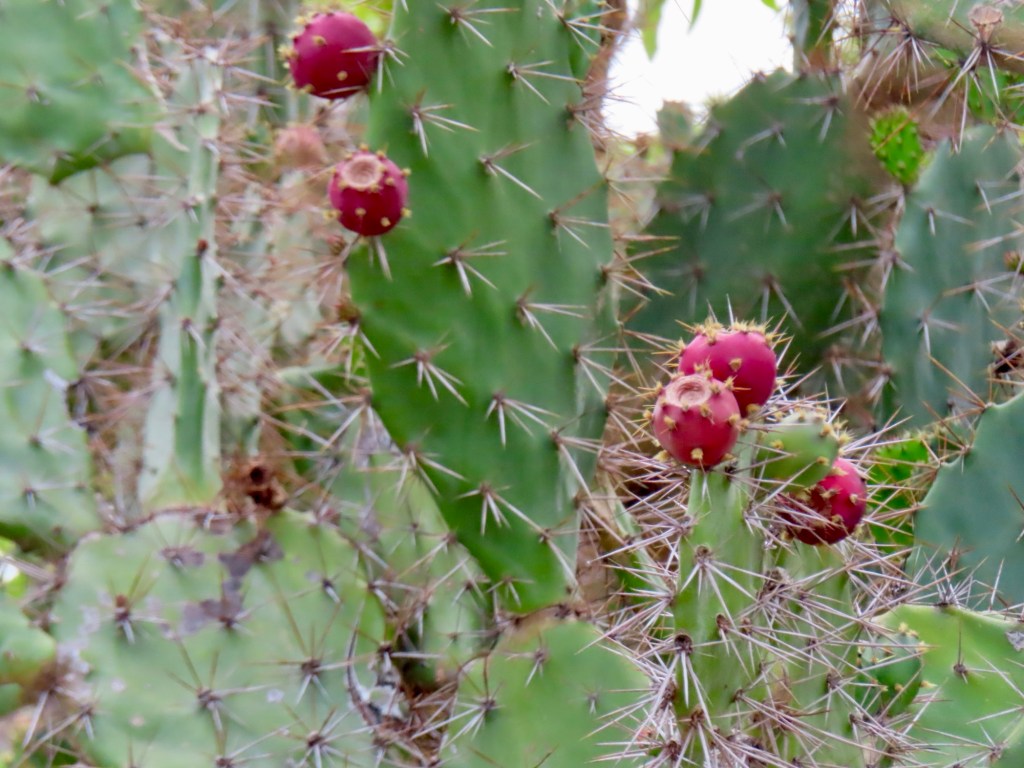
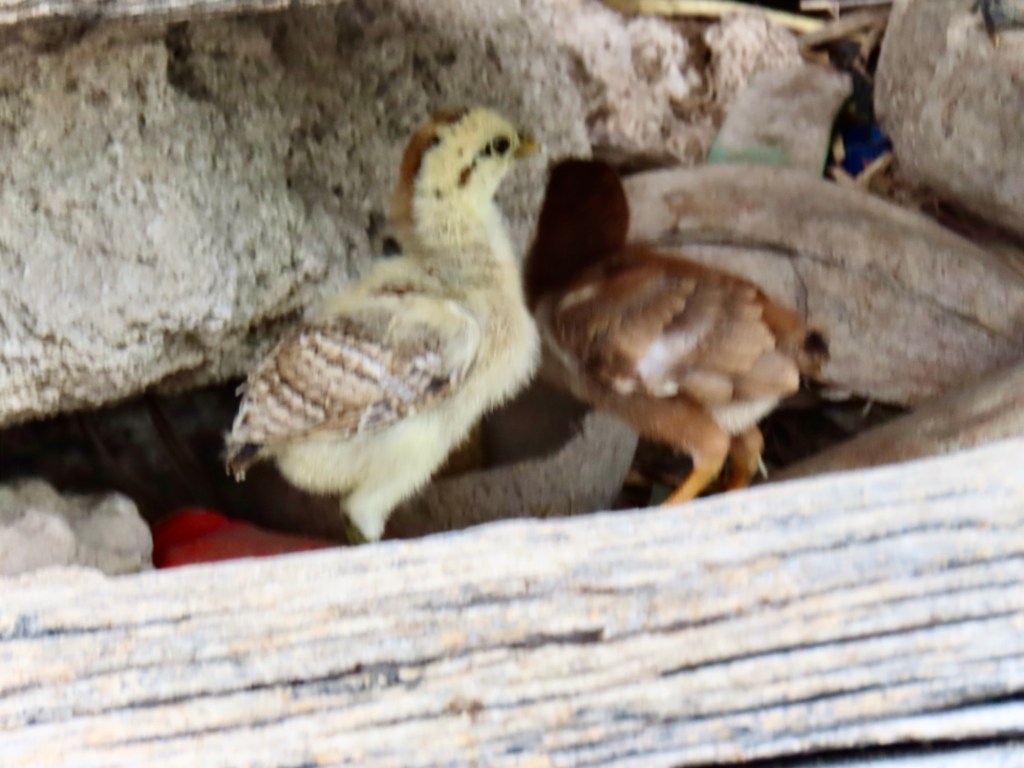
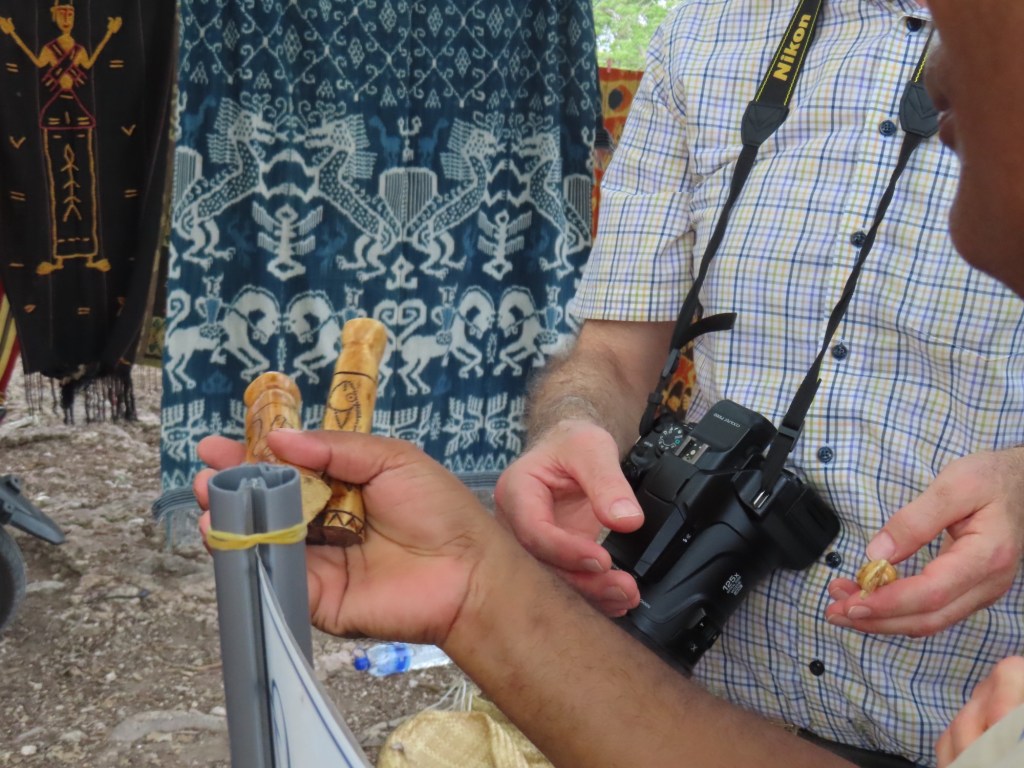
Prickly pear… only area we’ve seen these Not sure Hen house Cute chicksMonoliths where whole family buried Woven blankets Device for grinding betel leaves made… from cow hornNice roadMore horsesRocky barren terrain
Next we are off to see the waterfall.
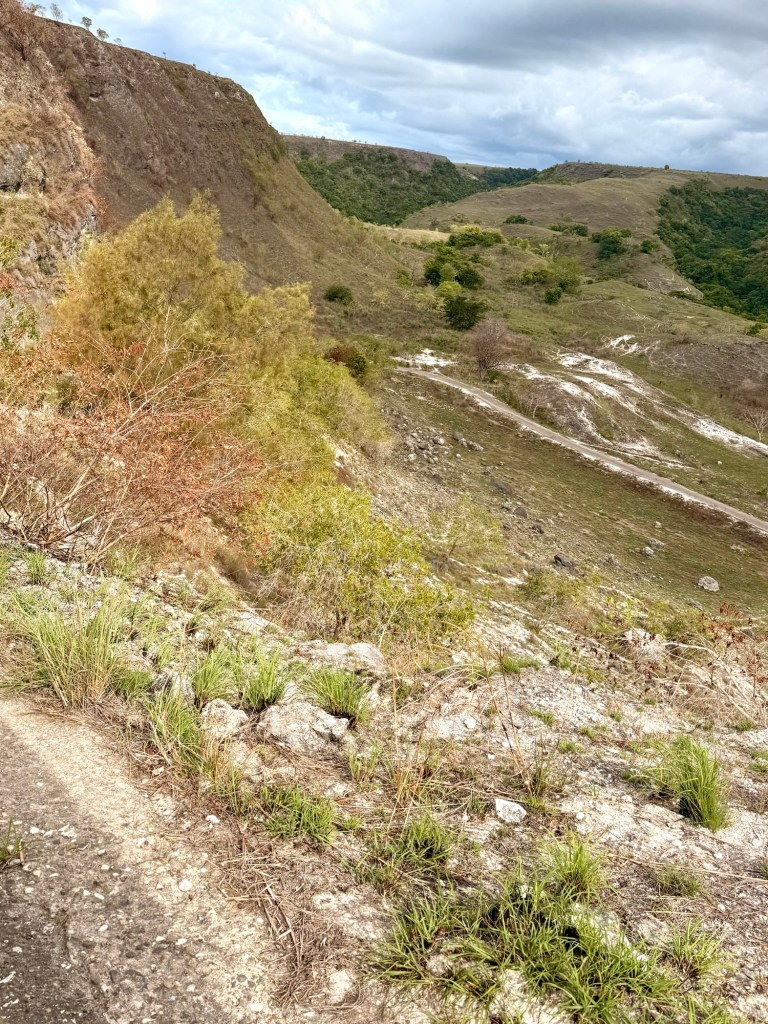
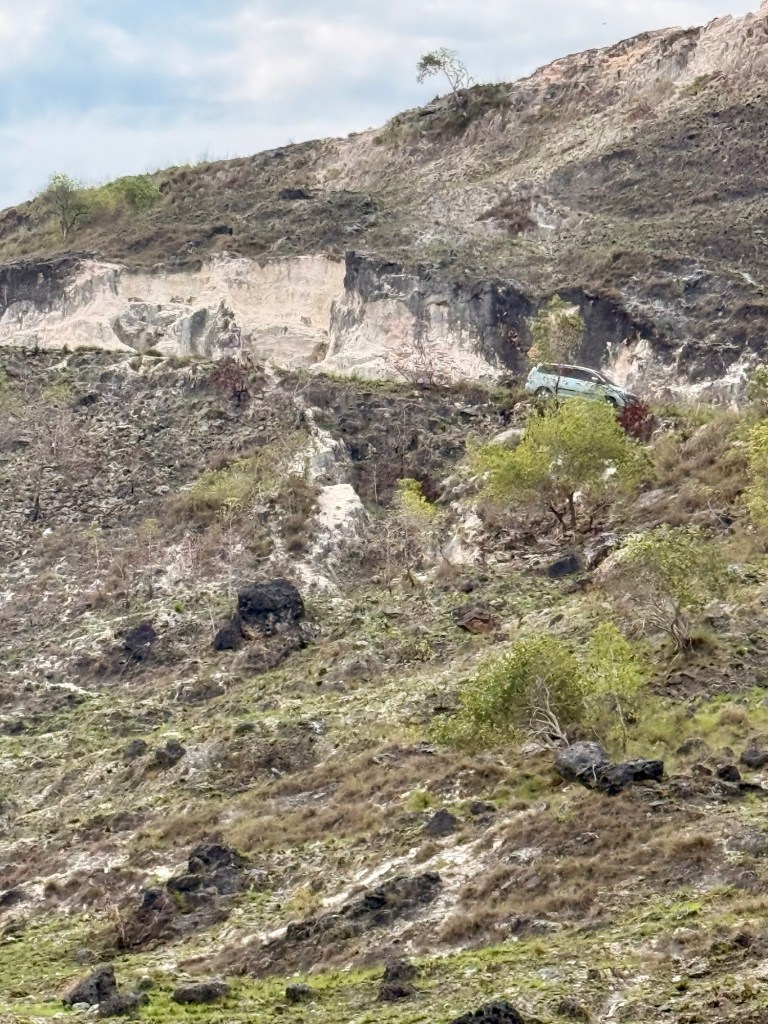
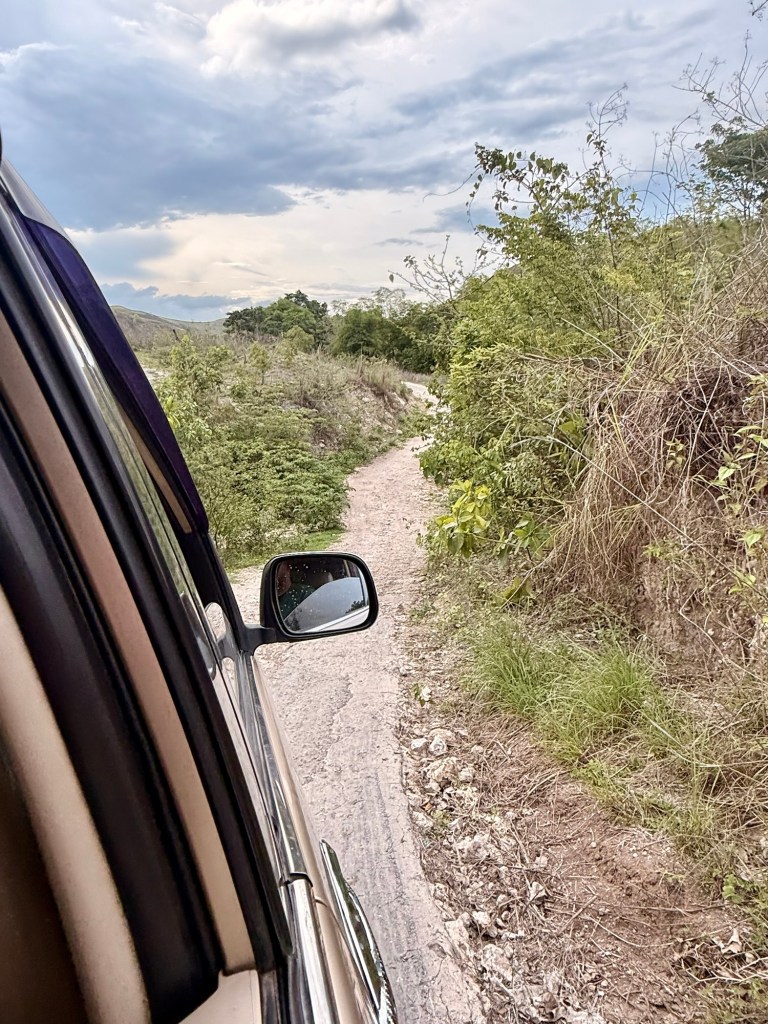
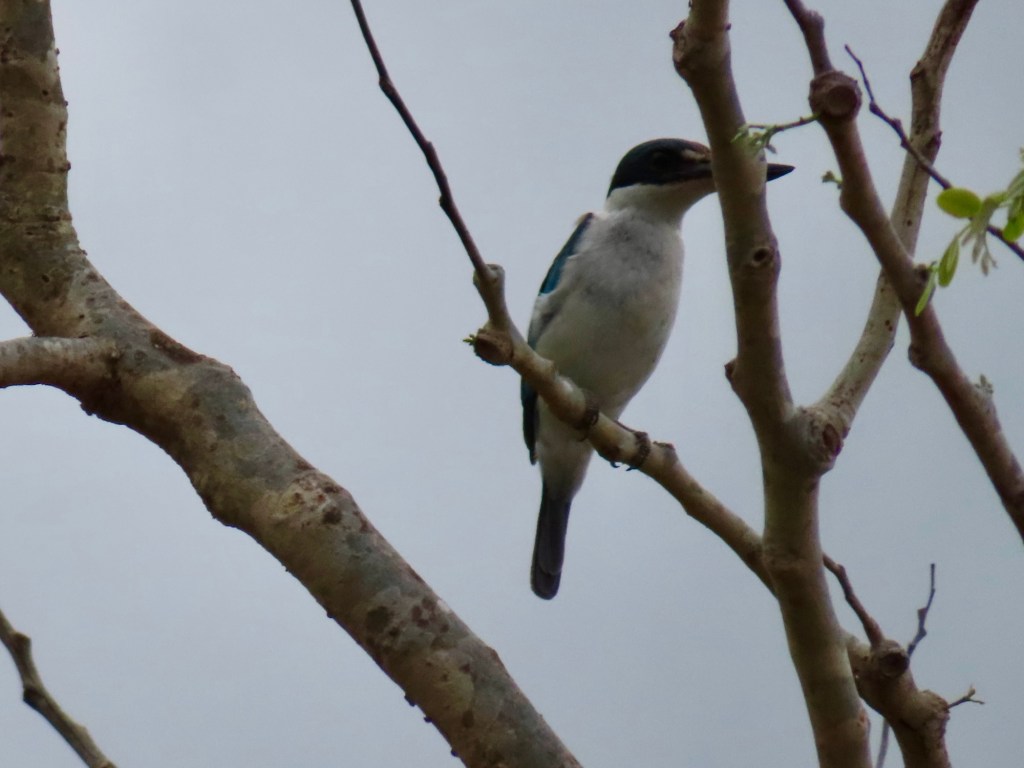
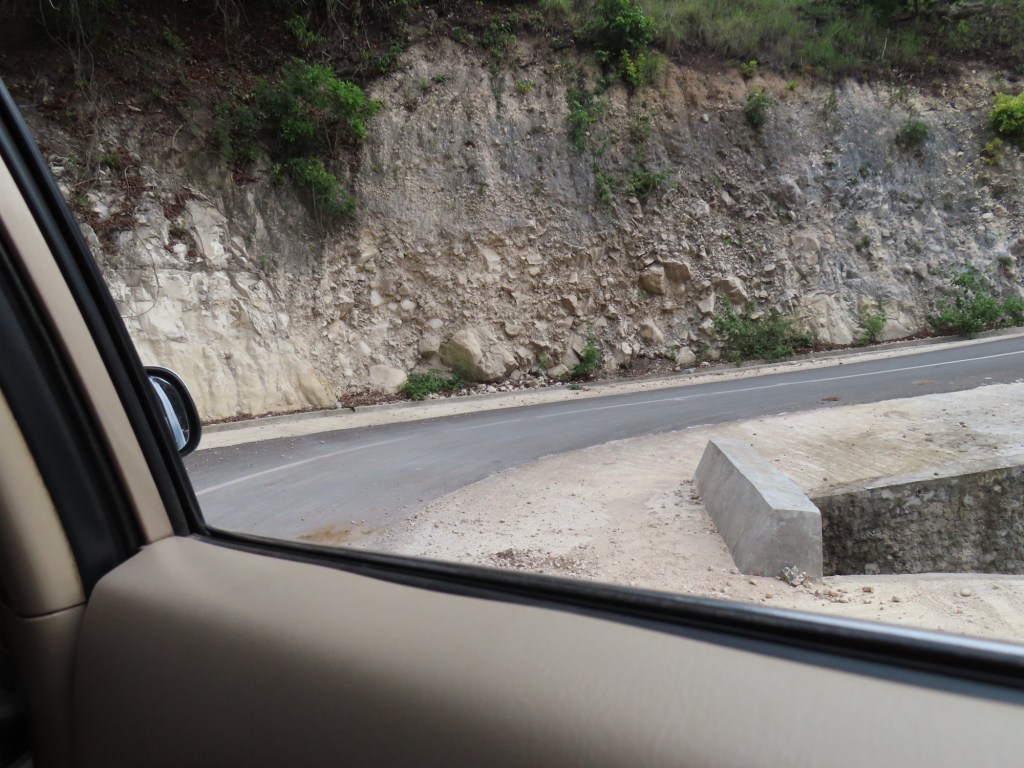
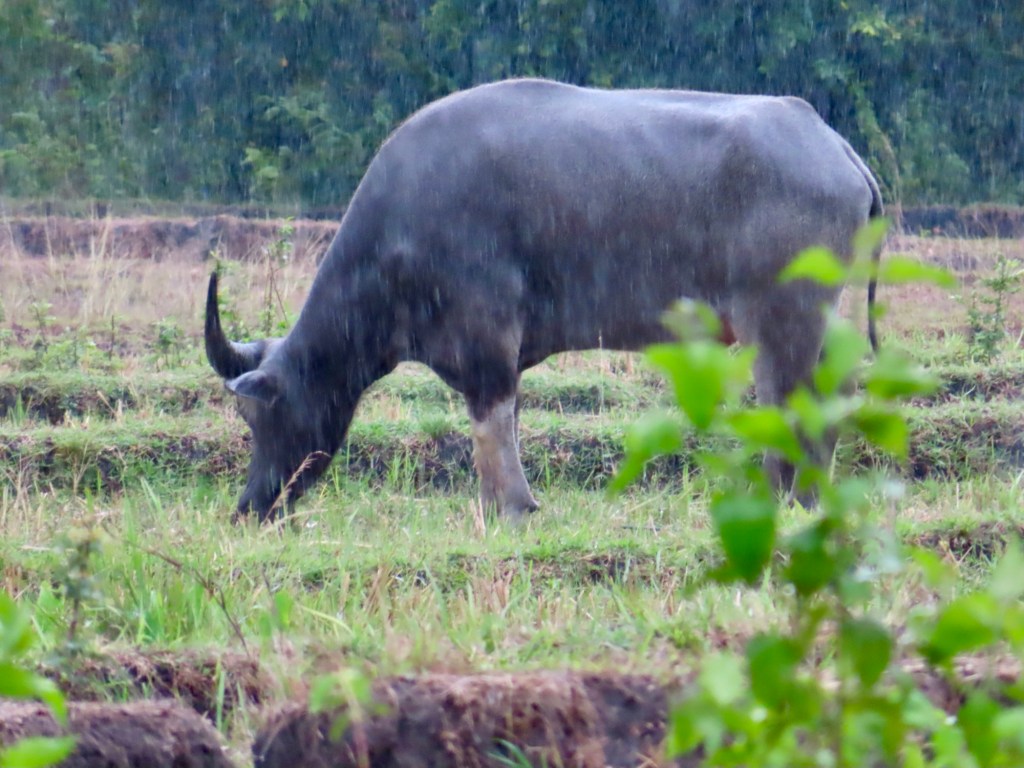
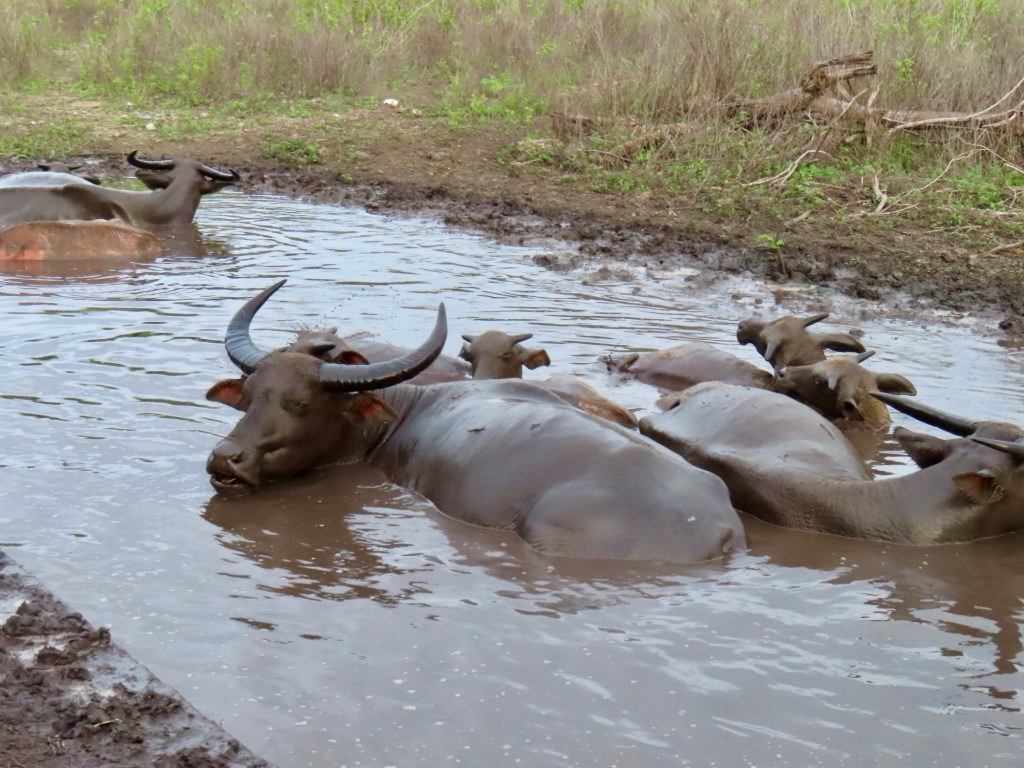
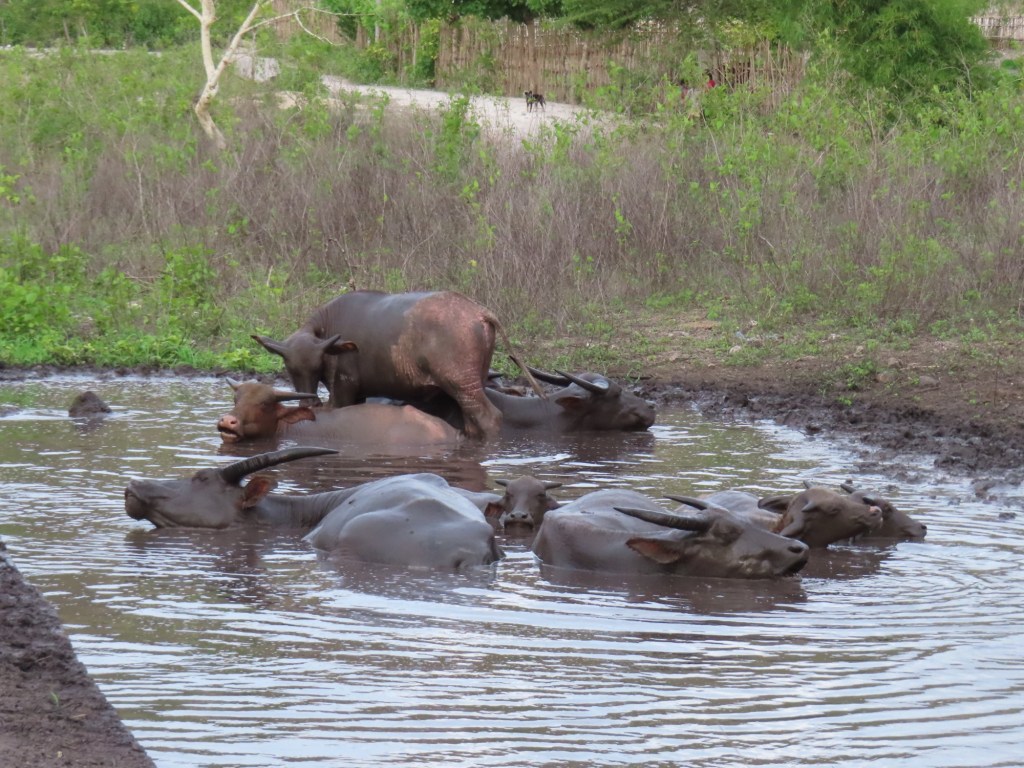
Almost straight down See the vehicle coming down the steep grade where hillside drop s off. Awful crappy roads Kingfisher not kookaburraWater buffalo enjoying the midi
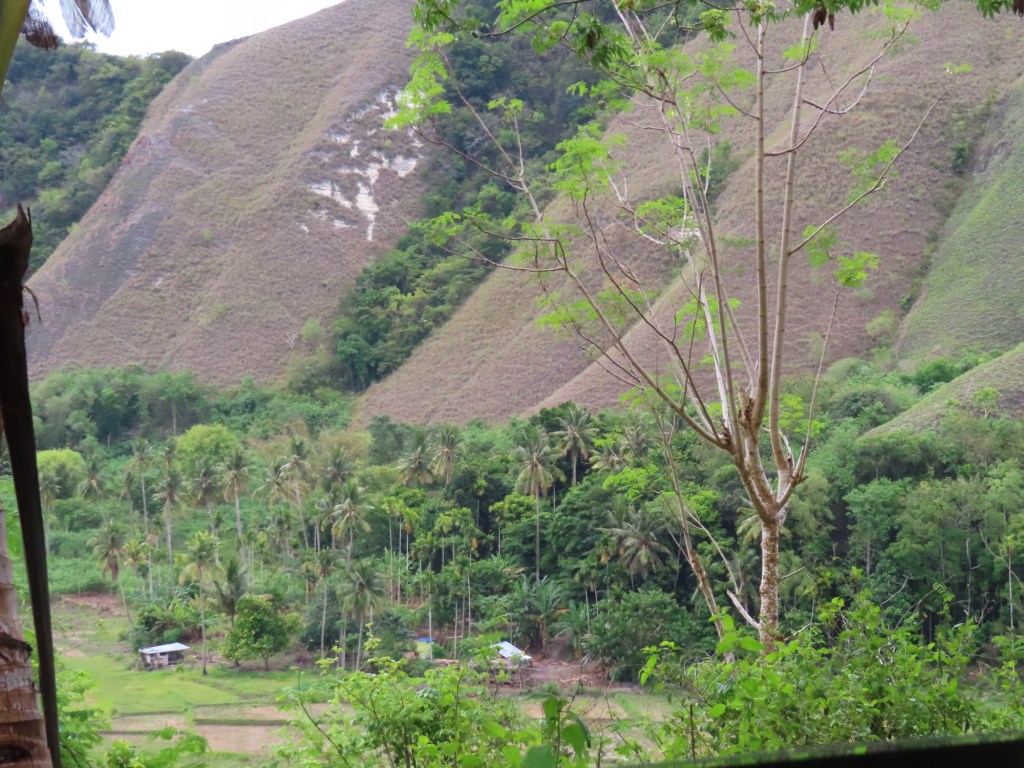
We are driven over horrendous roads, steep on the precipice of a lush valley. As we arrive there is lightning and thunder and then downpour that then made it unsafe to see the waterfall. According to the guide it was 242 step down and 242 steps up. Probably would have been the only thing worth seeing on this tour. I would have gone forked to the waterfall but would have had to cross over a metal bridge that given that there was an electrical storm happening, might have been dangerous. The absolute disorganization of the guides and the yelling and indecision was so annoying. All in all disappointed to the tune of $433CAD….grrrr! So many people were peed off.
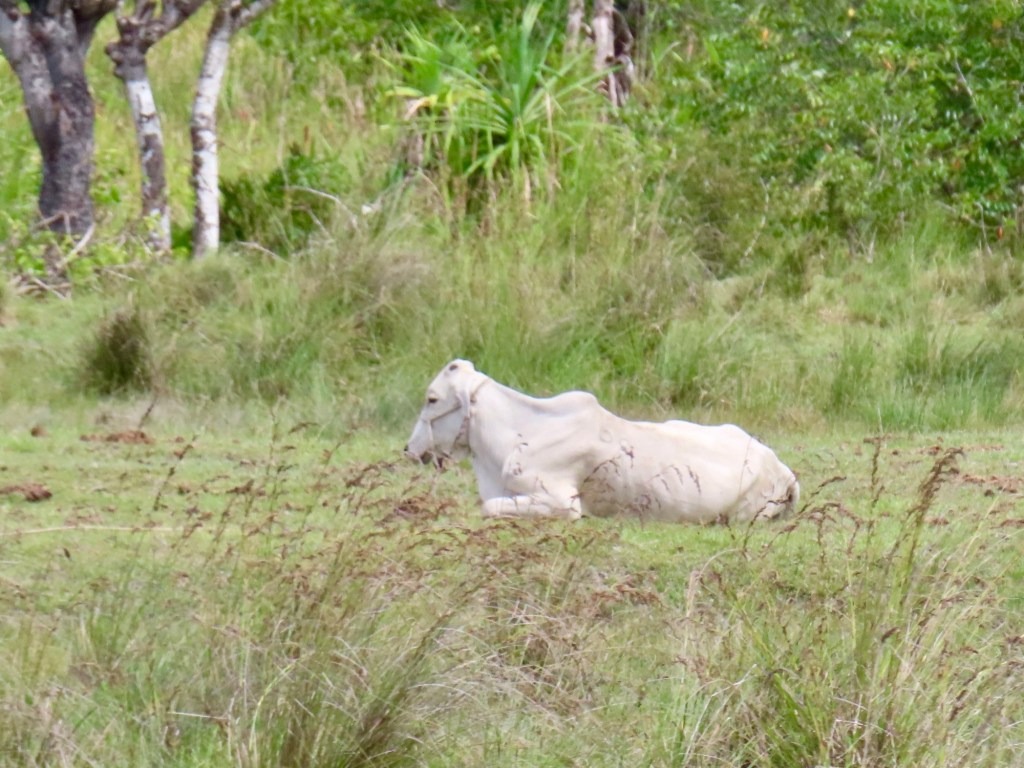
On the return to the port we stopped to see water buffalo rolling around in the mud….. probably as a result of the rain.
Highlights were seeing the goats, horses and water buffaloes.







































































































 gailstraveladventures