First the talk and later on the 25th/25, I will be seeing them.
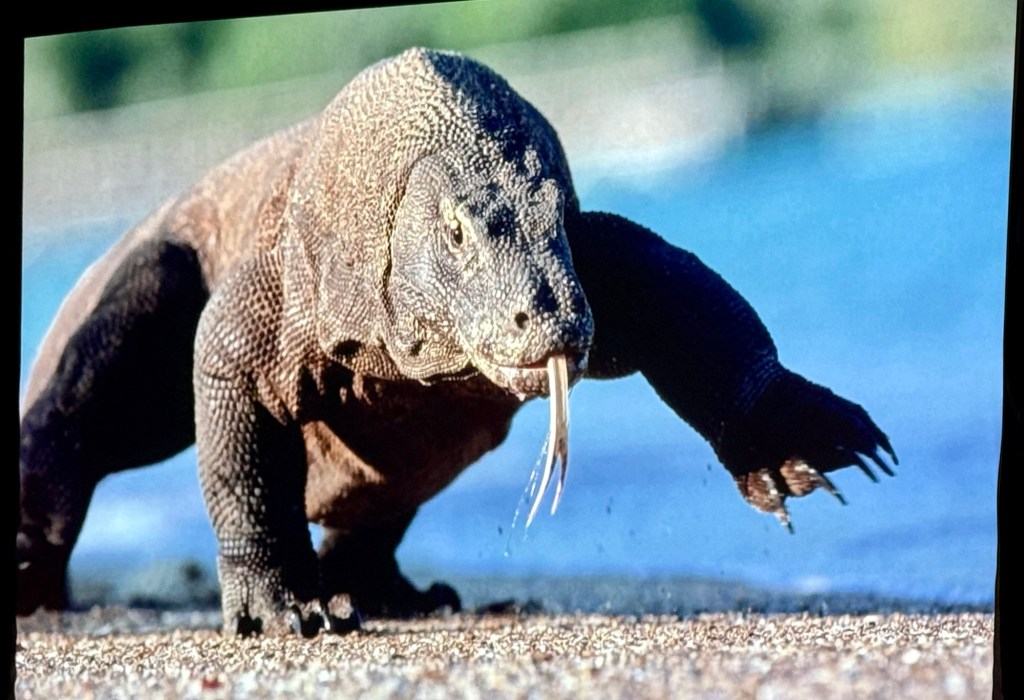
Apparently they represent an enormous danger. Variants – largest of monitor lizard. They began life in Australasia along with mega fauna 3.5 M years ago and haven’t changed. Many animals from that time are now extinct….. climate change at that time being the culprit. Australasia used to be larger land mass than just Australia. Besides New Zealand, it also included New Guinea and other islands like Komodo.
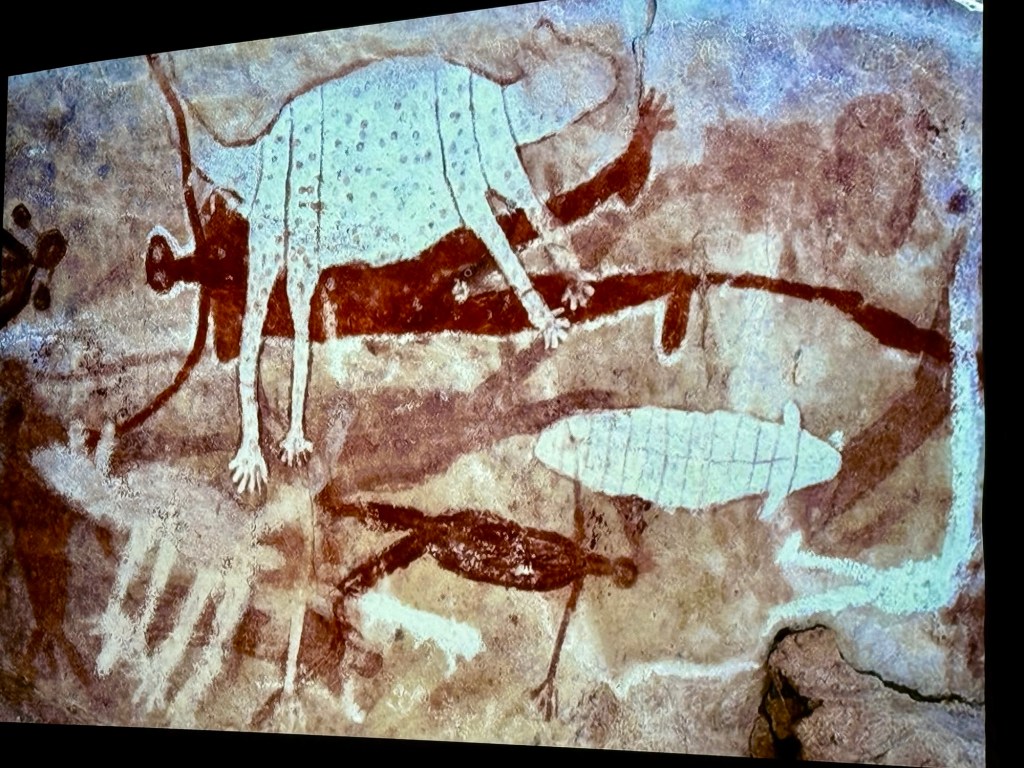
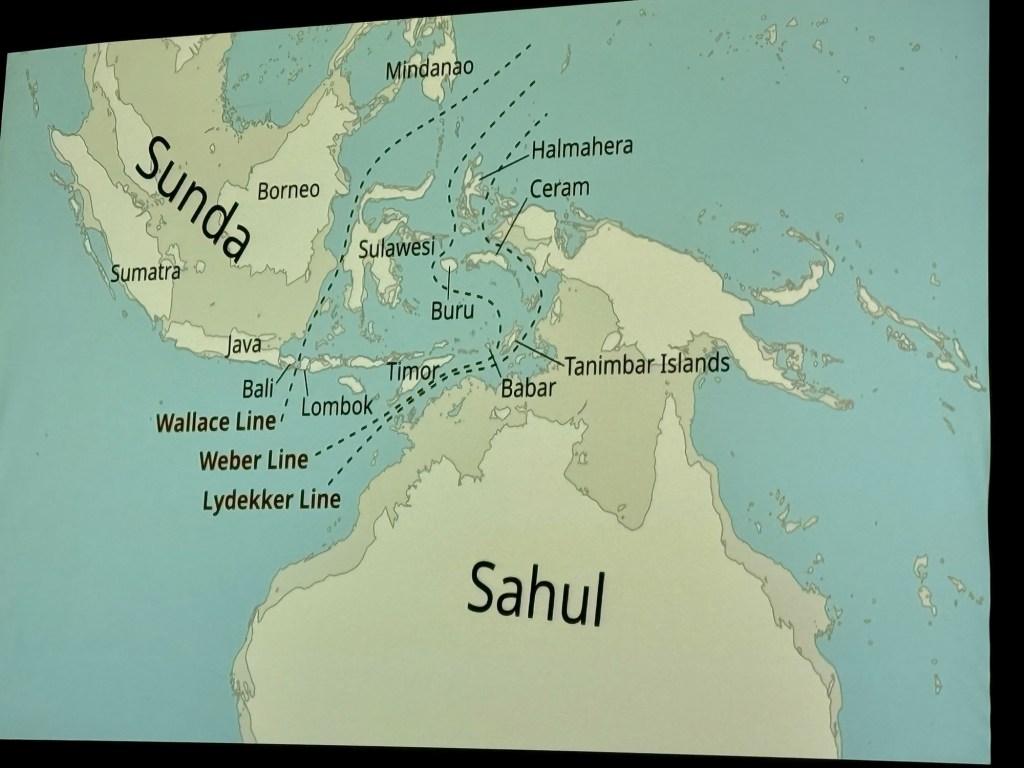
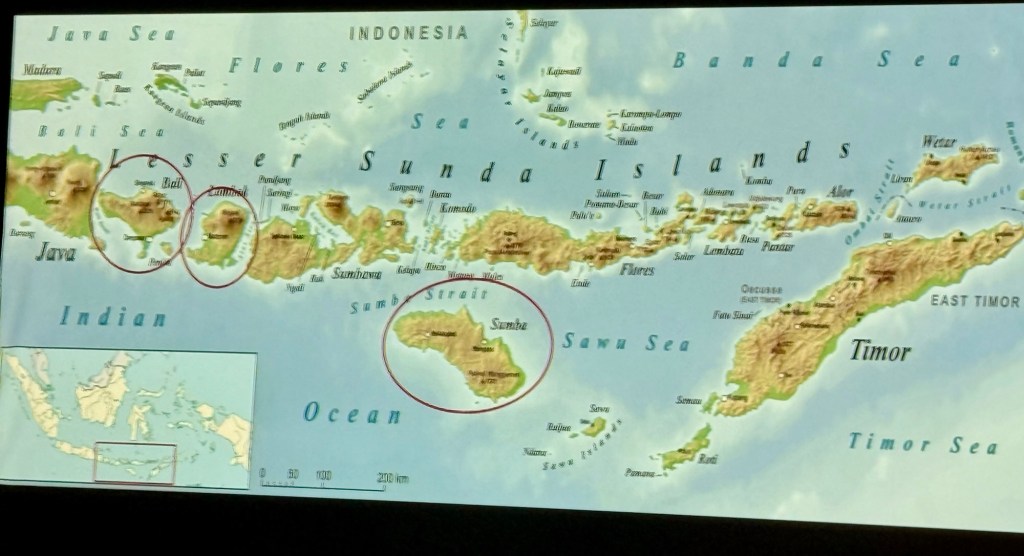
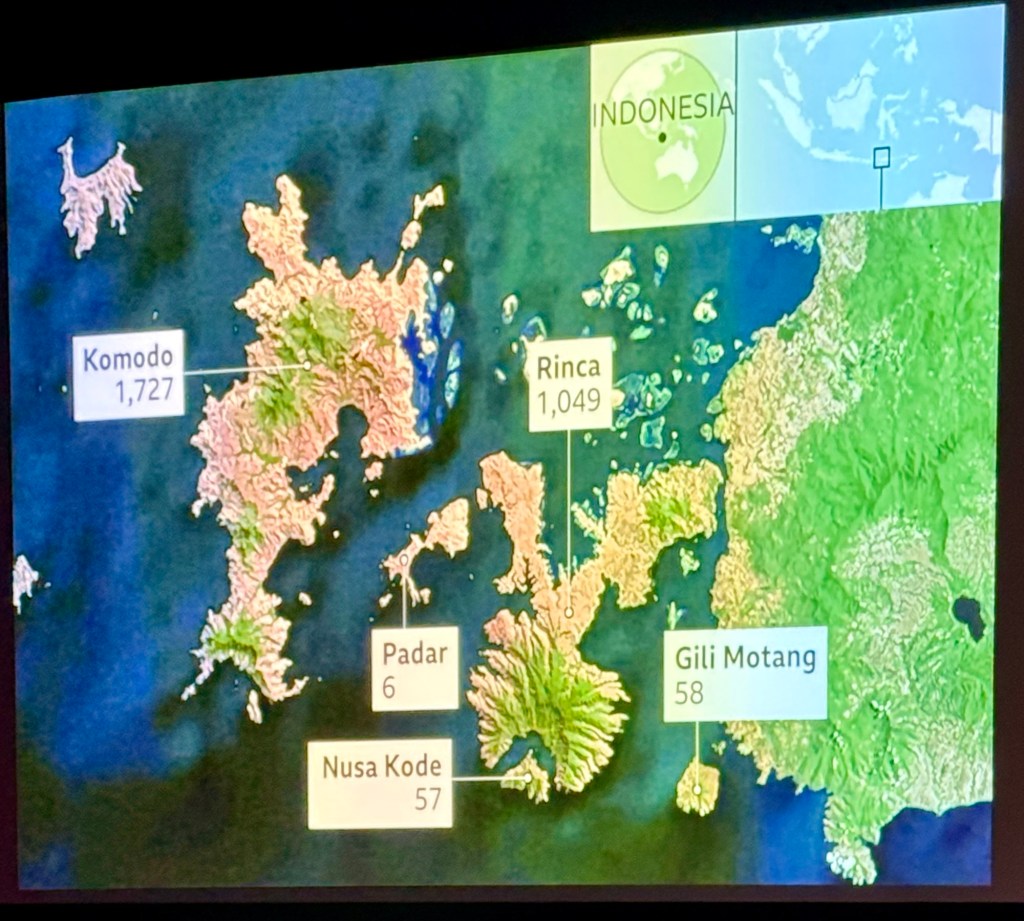
They can swim but not large distances. They don’t move from their home location and environment. They are loners and live on only 5-6 islands in wild small volcanic islands. There are only 3.5 thousand left and are now considered endangered. They never have crossed the Wallace line.
In 1910 a Dutch lieutenant discovered presence of them after hearing reports of a “land crocodile”. He killed and skinned one sending it to Zoological museum in Java…. naming them in 1912. They have a long forked tongue and sharp claws like “dragon” so got the name.
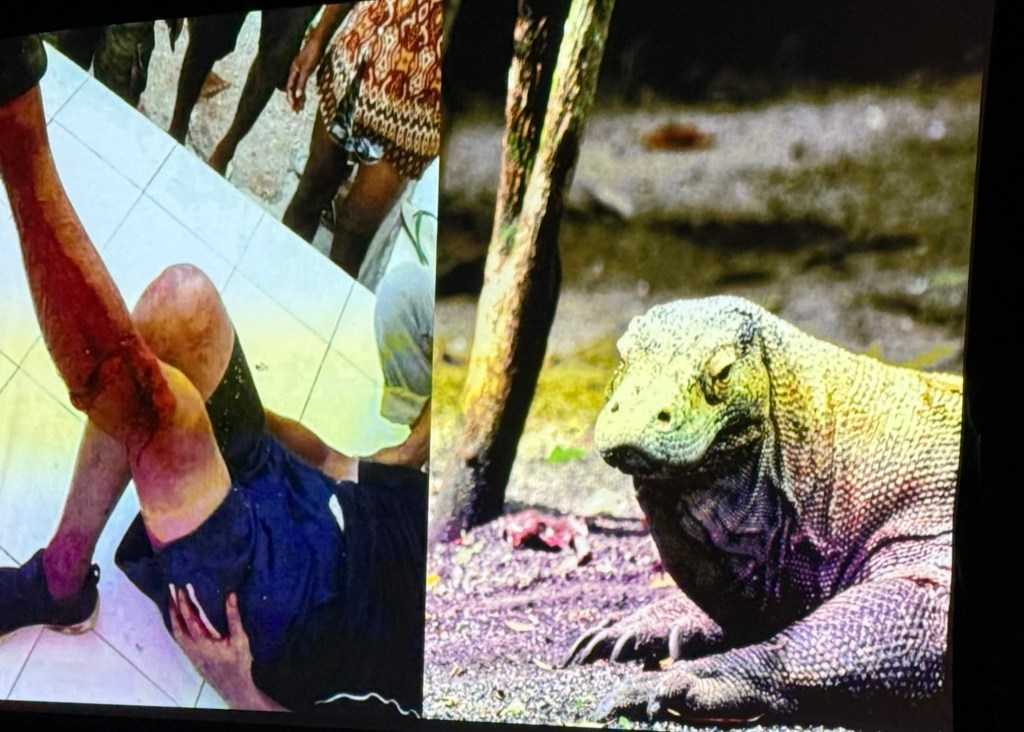
Are they dangerous …yes, they are potentially lethal. They grow to 8-10 feet, 100 kg. Some larger. The biggest being 165 kgs. Females are bit smaller. They look docile but can travel at 20 m /hr.
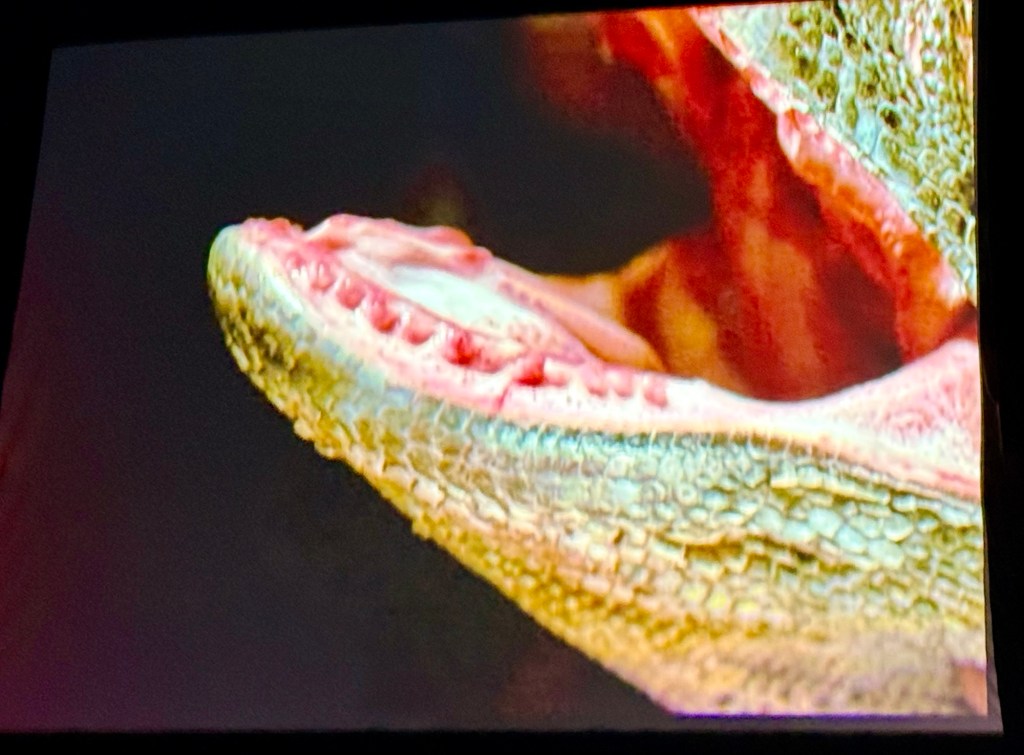
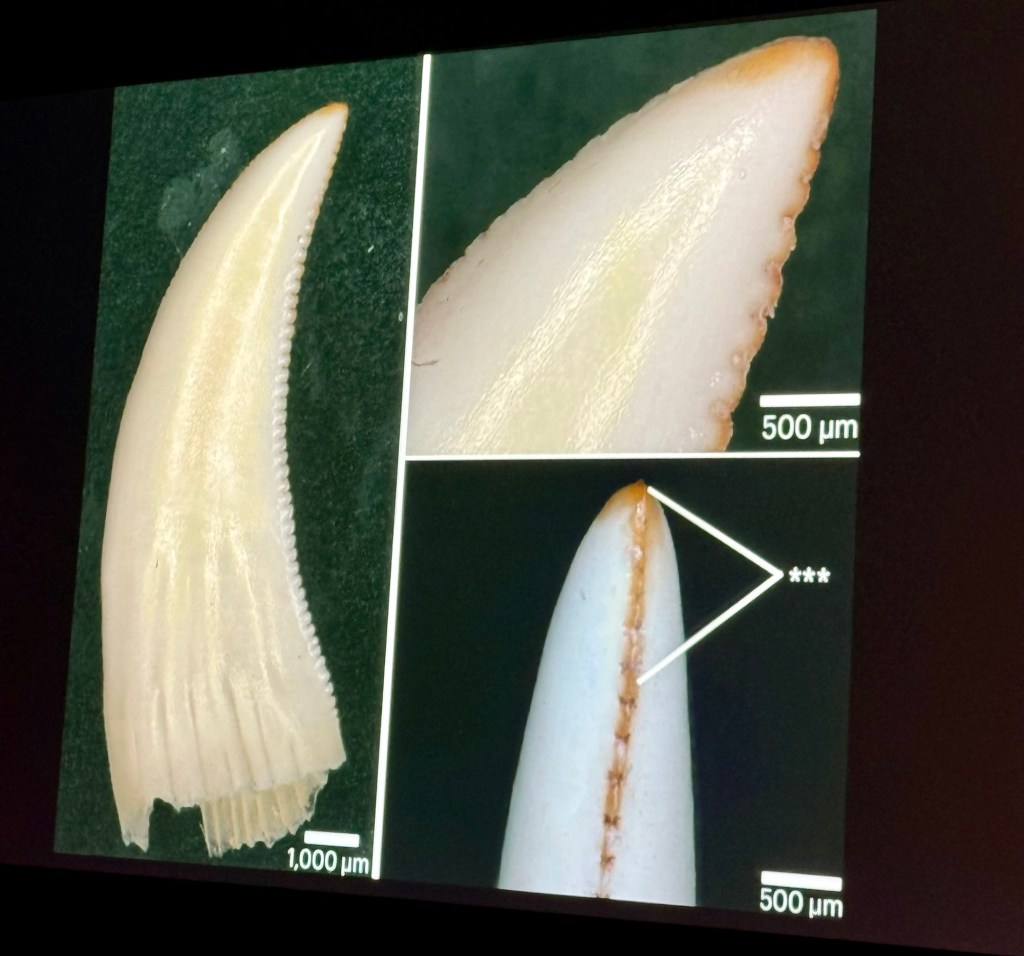
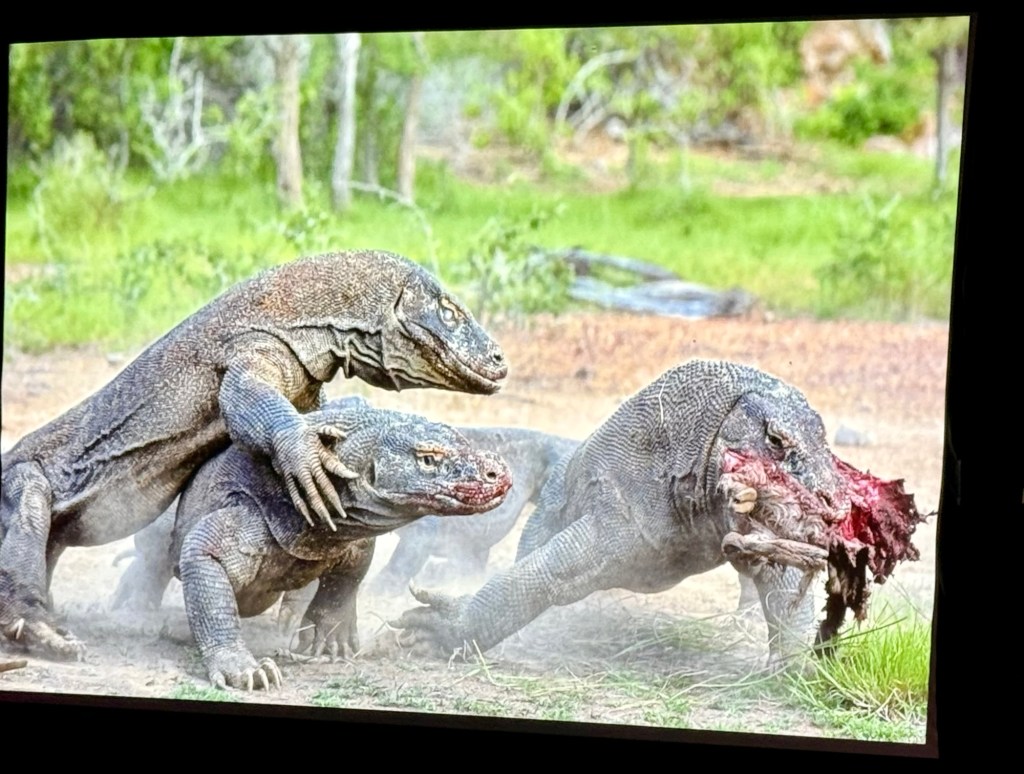
Their teeth are triangular and serrated with an iron enriched coating. They have a strong sense of smell through their tongue. They can see well in day but not at night. Their saliva contains an anticoagulant. They are carnivores catching their prey by surprise. They can eat up to 80% of their body weight having to lay in sun to help digest after eating. They are canniblistic. If food is unavailable they will eat their young. The young live in trees for first few years as a means of survival.
In 2006 scientists discovered that females are asexual parthsngenucs… virgin births. 15-20 eggs are laid in September with a 7-9 month incubation period. After the birth, the mothers stay with the babies for 3 months then abandon them. The Komodo dragons don’t stop growing for 20 years and only live for 30-35 years.
 gailstraveladventures
Quite an adventure Gail! Threatened by the Komodo Dragons and nearly drowned whi
LikeLiked by 1 person
great stuff
LikeLike
hello hello
LikeLike