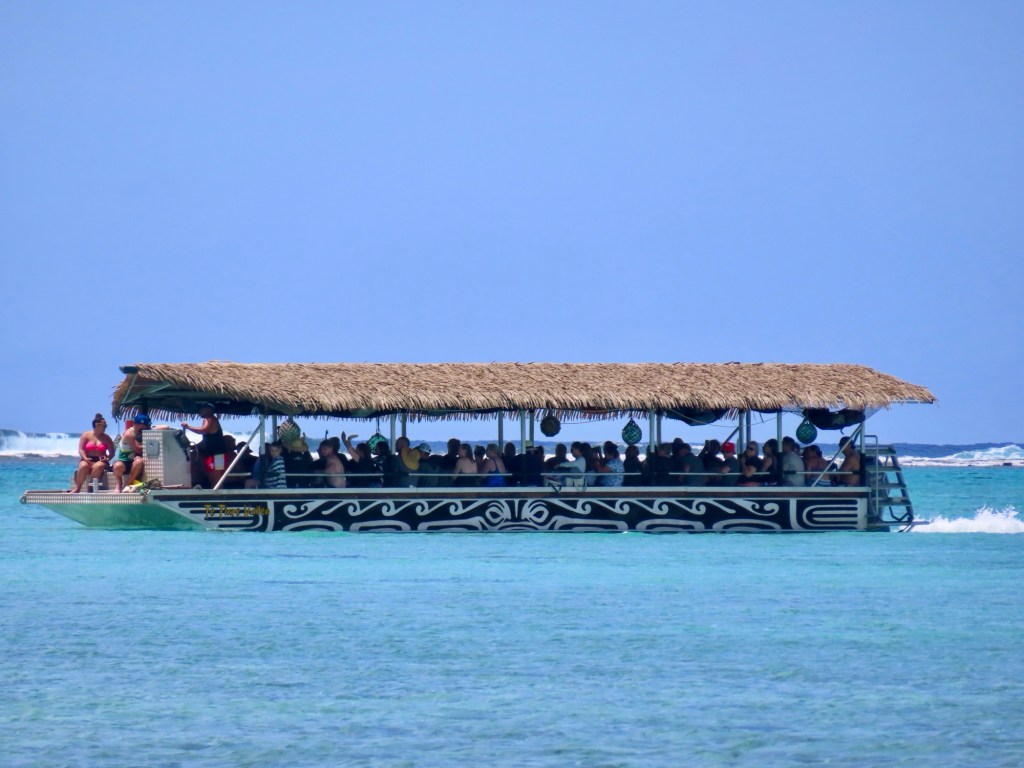
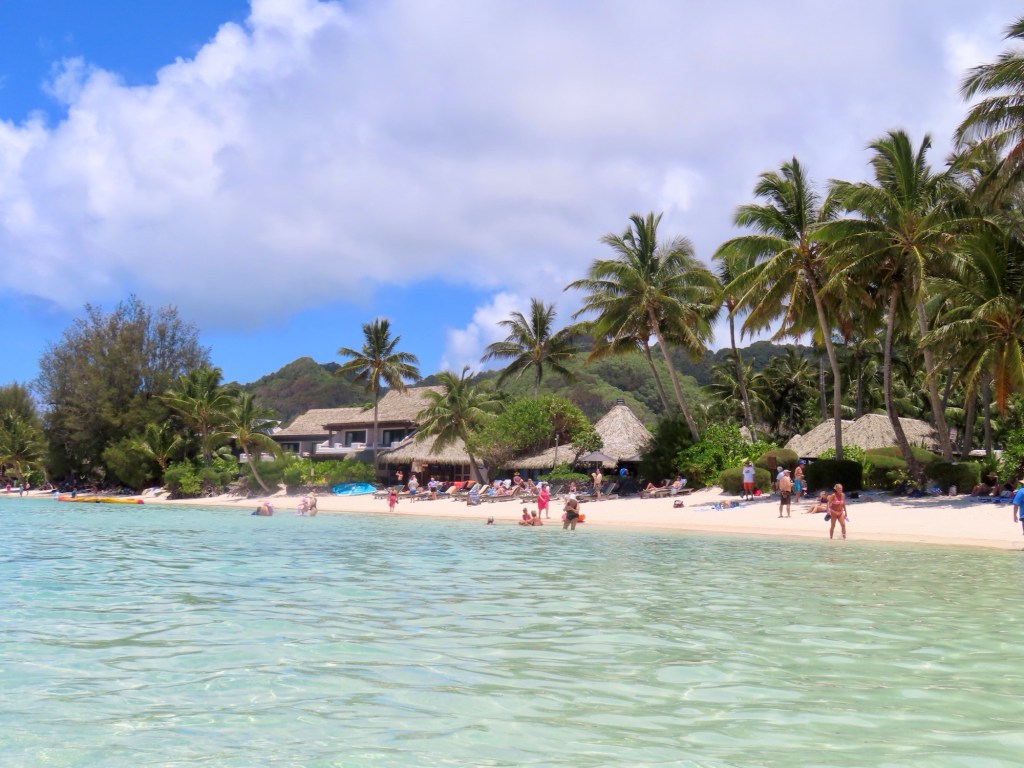
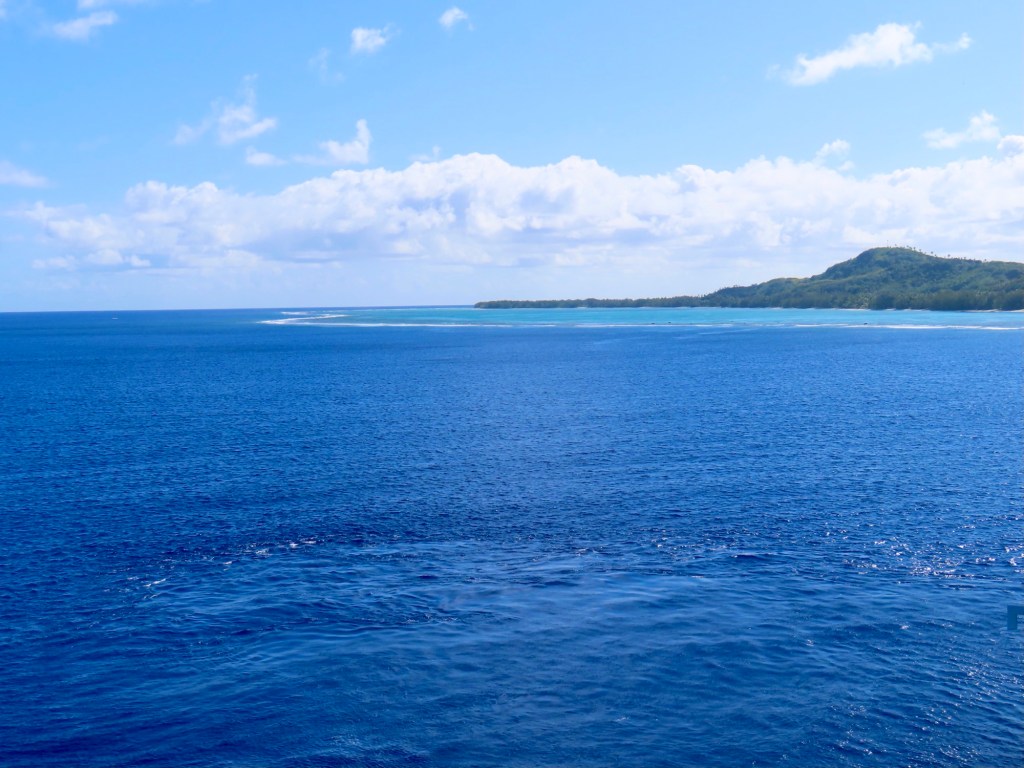
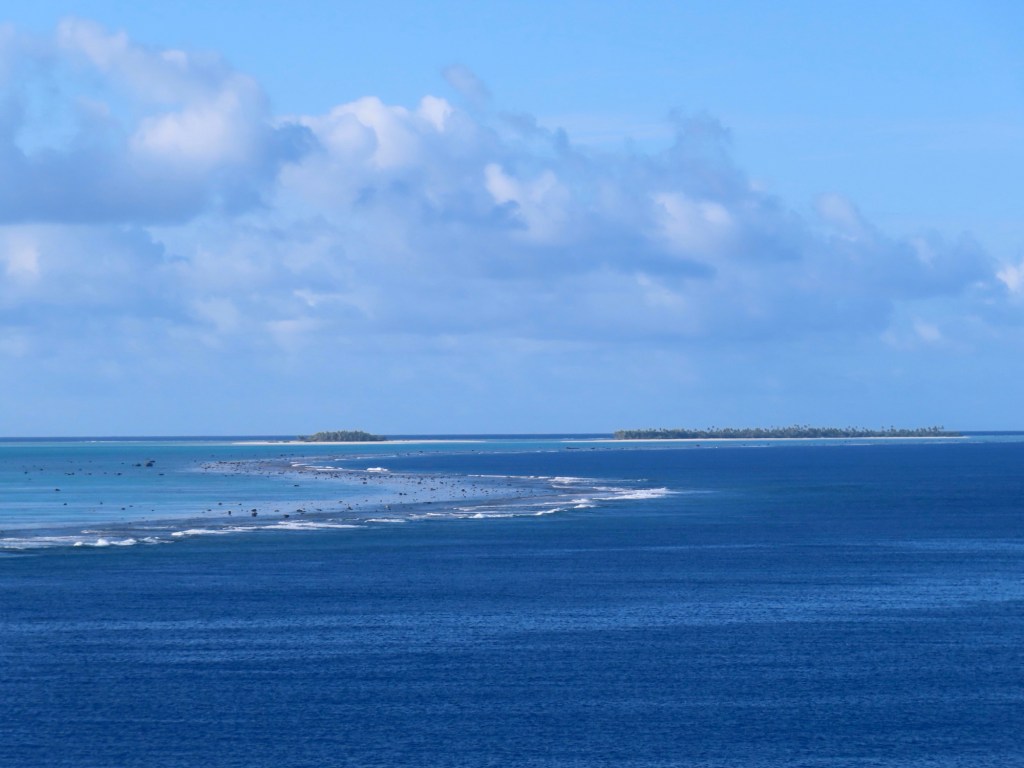
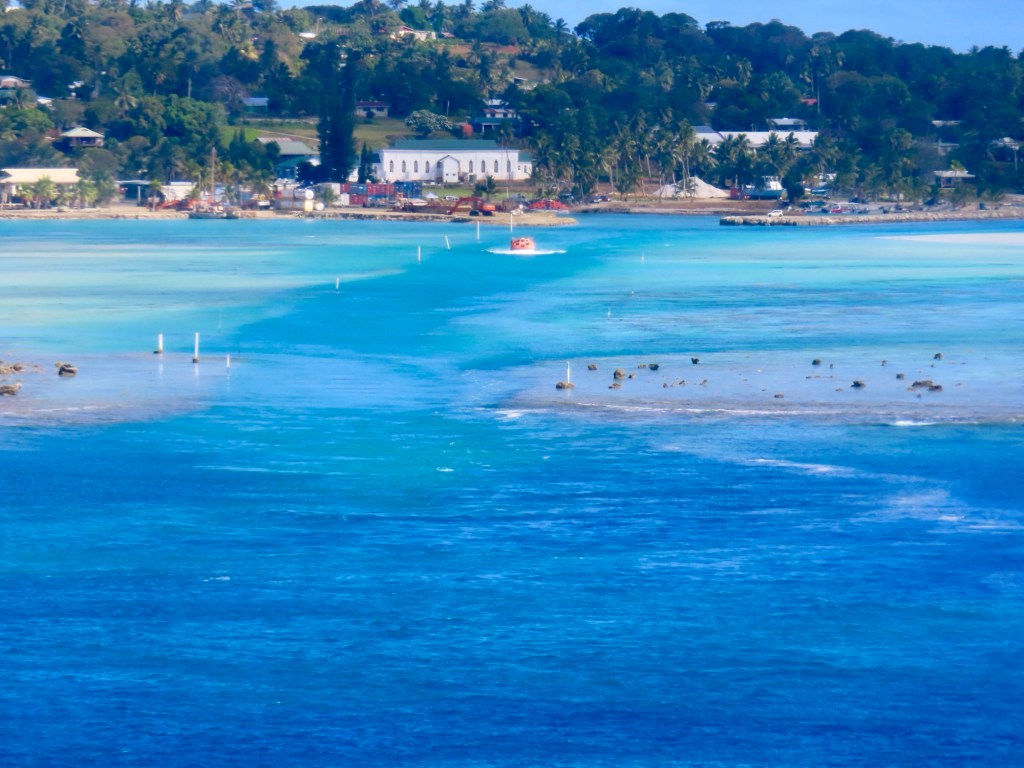
Day 35-Oct 30/24-off shore of Neiafu

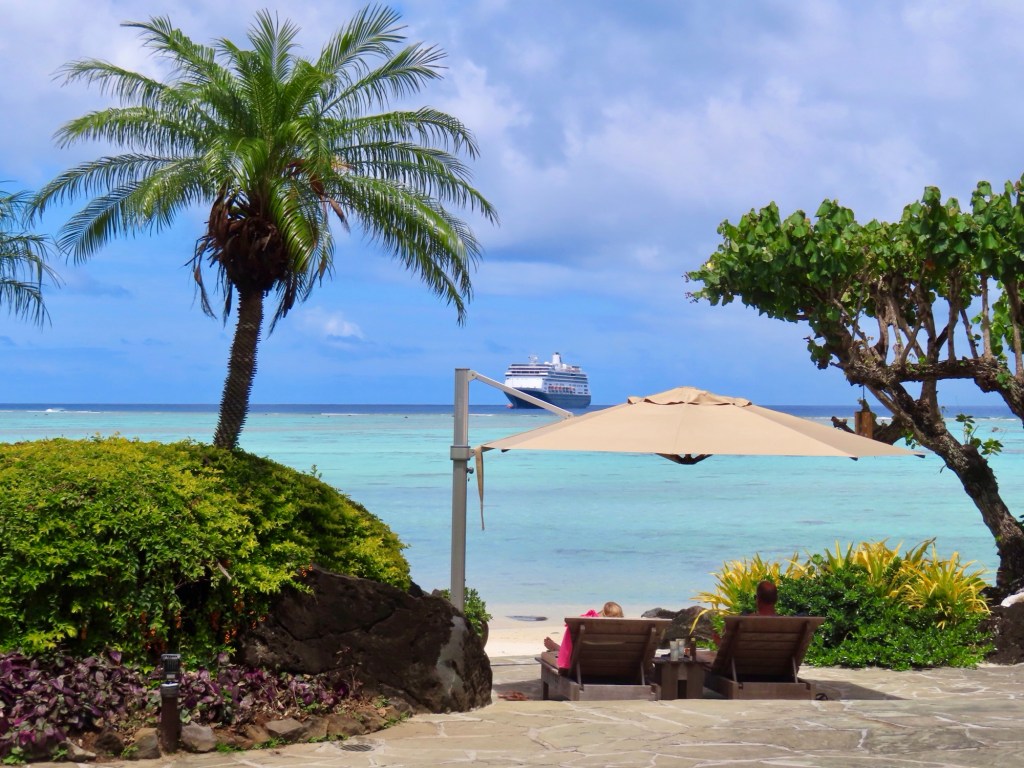
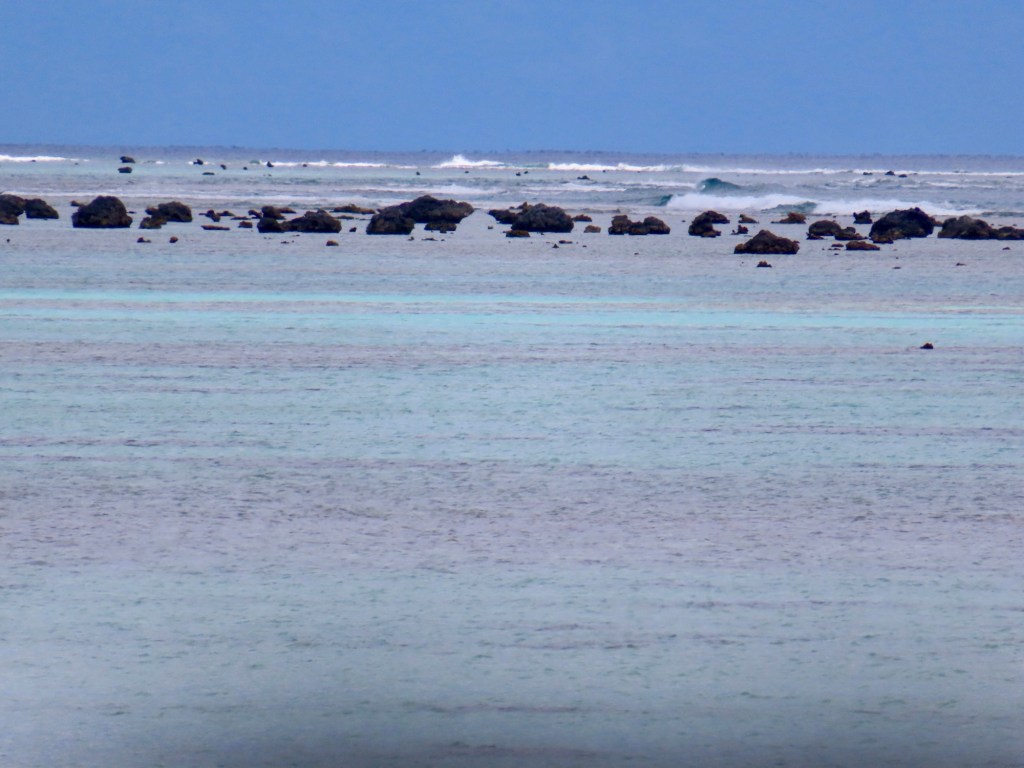
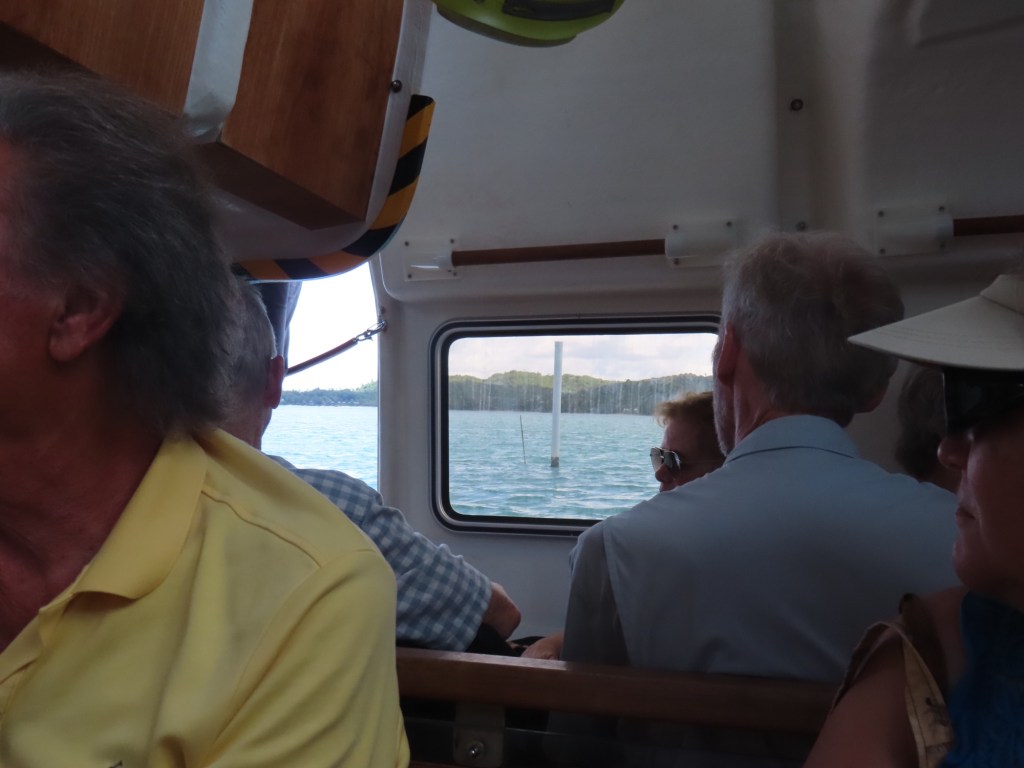
We were scheduled to head off to our next port of call in the Cook Islands but instead, as mentioned before, the ship is waiting offshore from Neiafu….awaiting the arrival of an air ambulance.

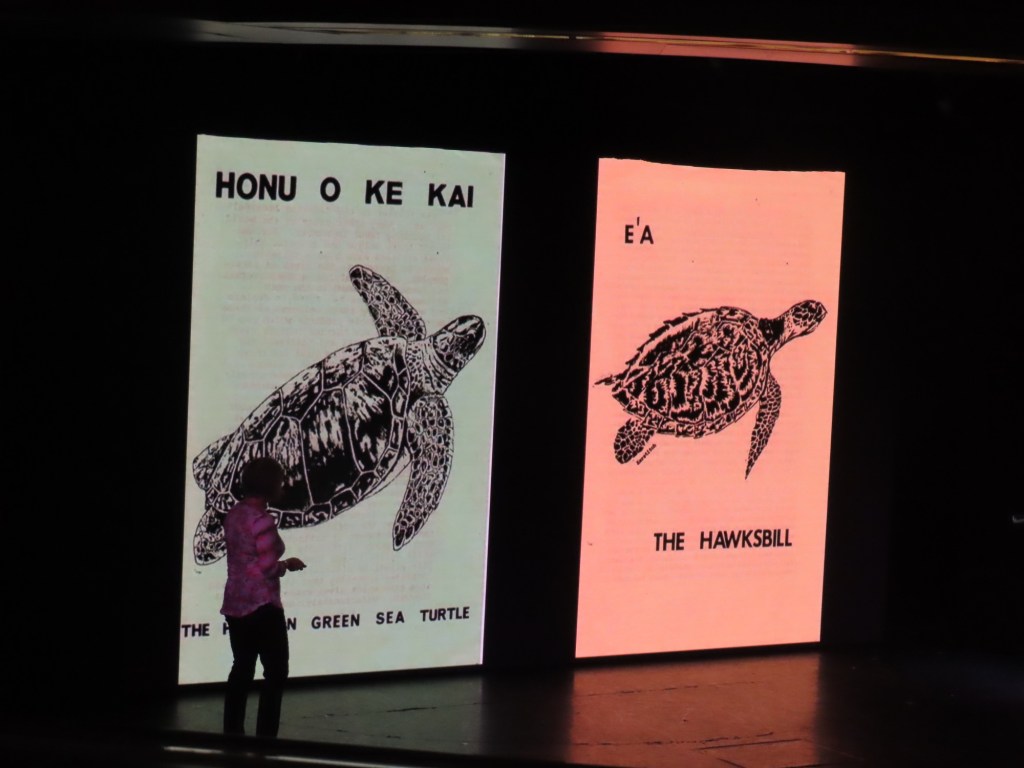
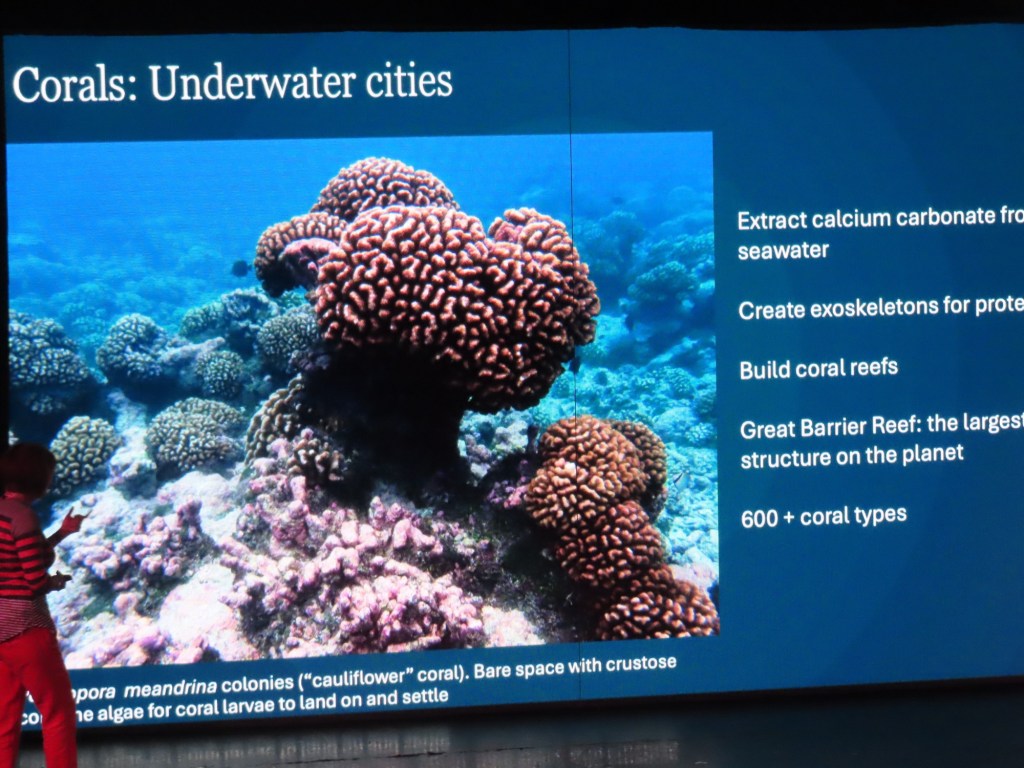
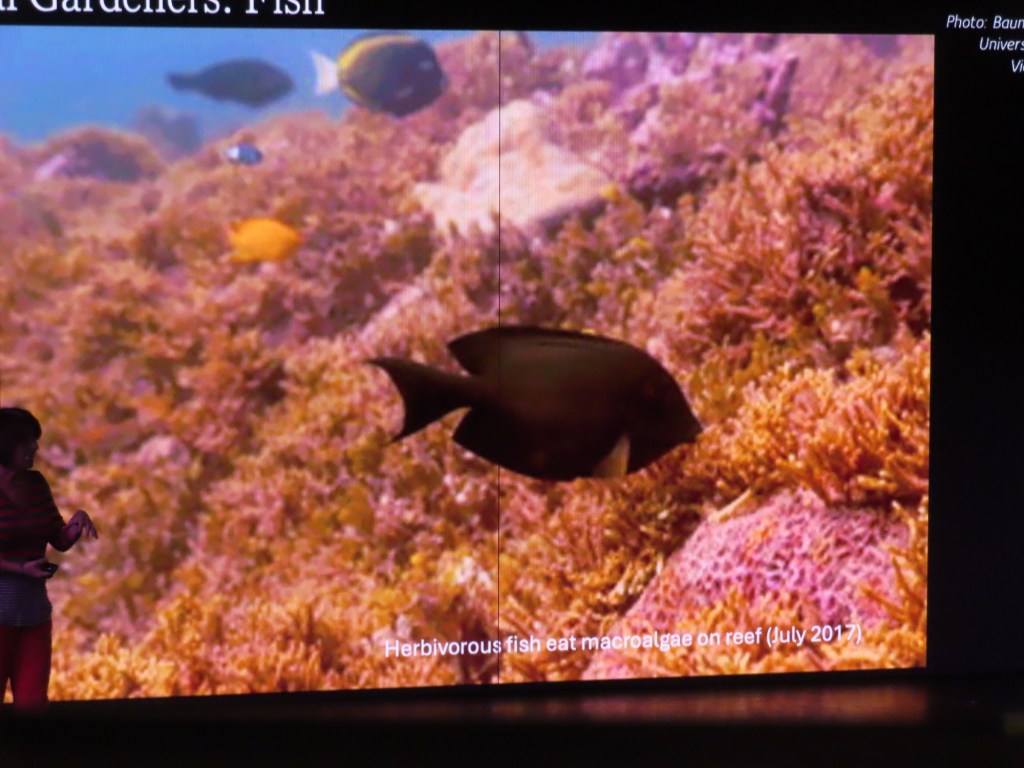
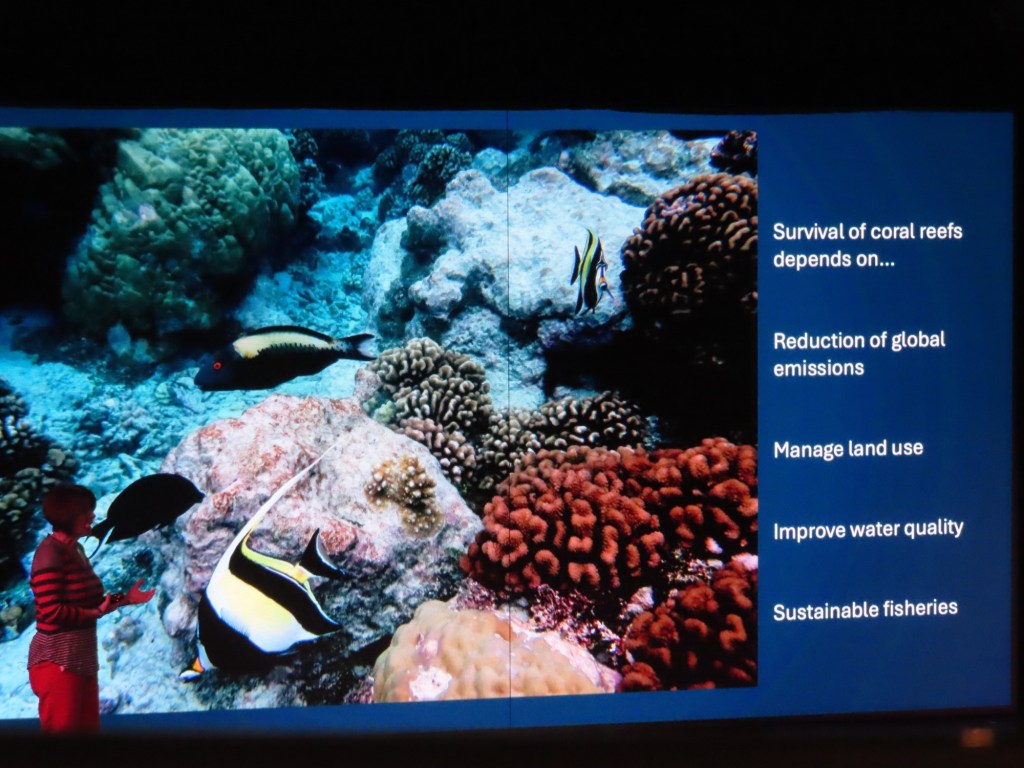
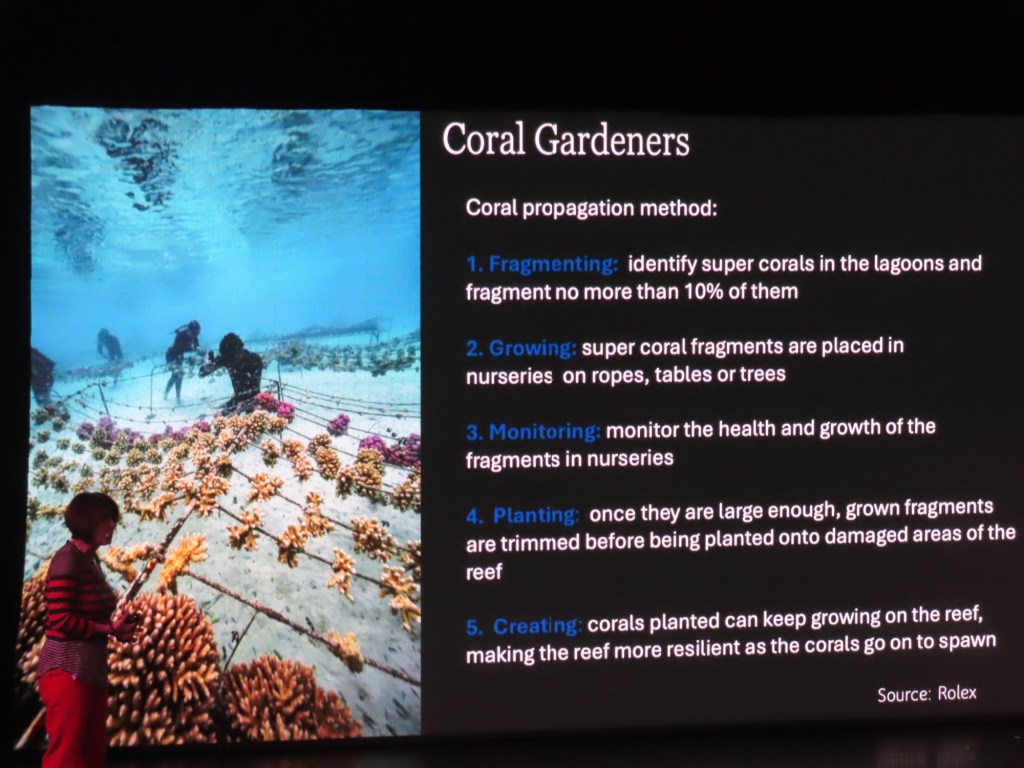
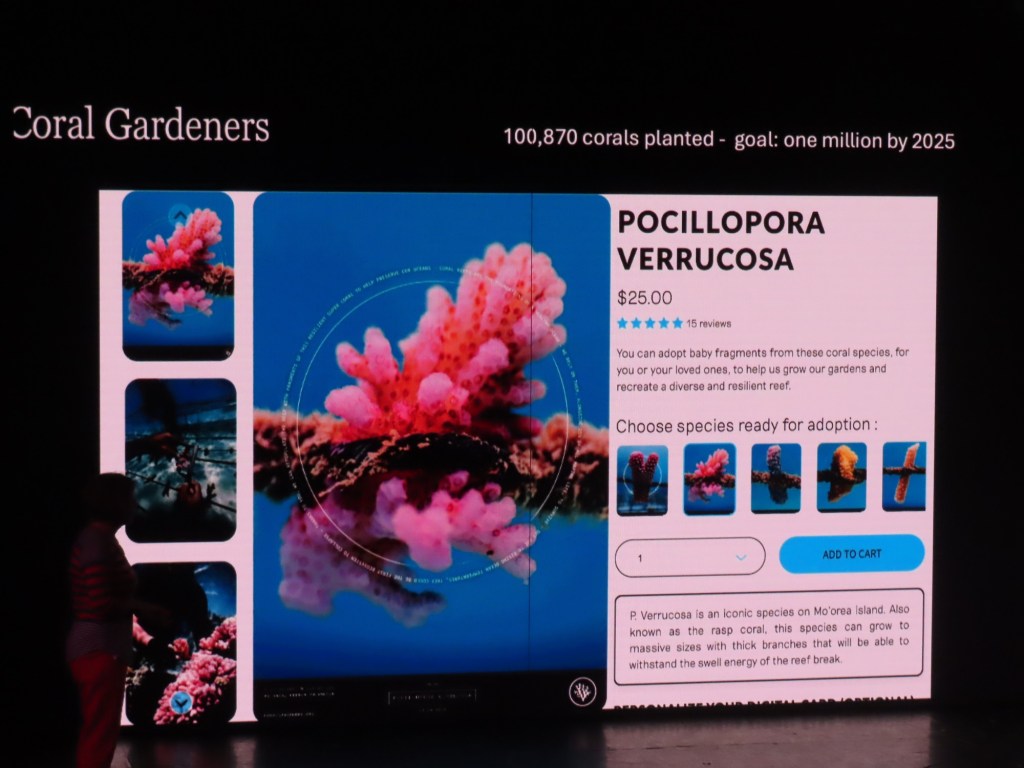
Lecture on Polyps and (how they are similar to ) people 

The Great Barrier Reef off Australia’s east coast provides 2.3 billion income and employs 69,000. Coral on Great Barrier Reef is 133,000 sq miles. Cook discovered it because his ship ran around. There are 1500 different fish plus snakes, birds, etc. There are 600 types of coral on Great Barrier Reef

In Fiji, the reefs provide employment for 1 in 10 of the population. Belize barrier reef is largest in Northern Hemisphere.

There are several types of reefs…..fringing, patching, atolls and barrier reefs.  All coral are animals. The hard ones have 6 tenticals, the soft have 8 tenticals. Flowerpot corals look like daisies. There is also smooth cauliflower coral & finger coral.

There are two kinds of reproduction…..Sexual is the coral spawning once a year with the coral casting sperm & eggs during the full moon in November when there is low tide movement.  Most though is asexual reproduction which means they split and divide.  The more colourful the coral is determined by algae and plankton

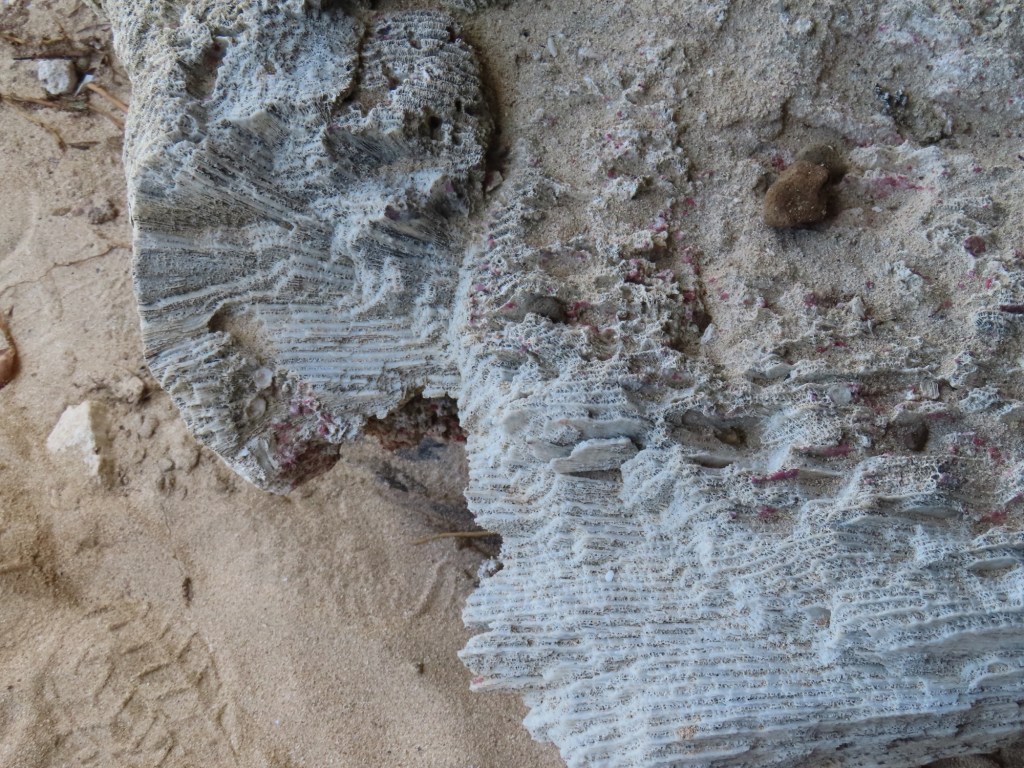
Coral bleaching is when they are all turning white at same time, is caused by increase in ocean temperature, extremely low tides, pollution or too much sunlight  causing the coral to starve to death……but it can regrow on top of dead coral.

The Rings of Fire…by Dr Charlie Paxton

Earthquakes and volcanos are caused by the splitting apart or building ridges. Iceland is being split apart at a rate of 18 milimetres a year.

Oceanic crust under continental crust….

1350 potential volcanic eruptions in the world but 500 are active.

Volcanoes types are:- cinder cone, strata volcano, shield (Hawai’i)…are largest, 

Volcanic ash is big problem. And a half inches in. Lava flows create lava caves/tubes

Pyroclastic flow….the most dangerous.

Mt. St. Helens in 1980 was a Plinian eruption creating 200+C. temperatures, causing melting snow that causing mud slides. Name is taken from name of scientist that studied Mt Vesuvius.

Mt. Erebus…..in Antarctica, is the southern most volcano in the world. Erebus is the world’s only presently erupting phonolite volcano. 

Yellowstone blew this year…2024. 

In this area is the Tonga trench, with one side sliding under the Australian plate.  Because of the volcanic activity here, they are able to use the hot spring near Savusavu, for cooking.

In 2015 here in Tonga, two volcanic island erupted at same time joining up to make one island.  Then in ‘22 activity started happening again in the middle, blasting way causing the largest atmospheric explosion ever recorded. With the Hunga Tonga-Hunga ha’apai eruption and tsunami it then became two islands again….

Earthquakes…

Tsunami….”slump-type” is from landslides. Tsunamis waves way out in ocean can be 100 miles apart but increase as it gets close to shore. The Tongan eruption tsunami took 7 hours to reach California

When a tsunami is approaching, the water recedes before being hit with the wave.  The waves are erratic on the shore as well.

Tsunami can have second wave 1-1.5 hours later.  In 1952, the population of Kamchatka  knew to go to higher ground after an earthquake but returned after the initial wave hit.  Unfortunately, another wave hit an hour and half later causing 39% of population to be killed. 

9.2 in 1964 earthquake in Alaska, was the largest ever recorded in North America. Recently, new earthquakes have been happening in areas that are not in places where there are fault lines and the like, are caused from fraking.

Humpback Whales…the return of the Ocean Giants…. By Isabelle Groc

They are called Megaptera novaeangliae after their giant pectoral fins.

Baleen plate……have no teeth and eat only small fish. They range in length 42-50 feet long.

The indigenous peoples of BCsaid that there used to be so many in the Salish Sea that you walk across the tops of them.  But then commercial whaling began about 1876 through to 1908 in the Salish Sea, when it was closed to whaling. Outside of the Salish Sea,  it continued until 1967 .  The first sighting of a returning humpback was 1997 off Race Rocks, the first in 100 years.  As a child growing up in Campbell River, we would always see lots of Orcas but never saw ANY humpbacks. 

Originally the only way they would feed was what is called “lunge feeding” where they come straight up out of the water catching with their mouths open catching their food. Now  they also use what is called “bubblenet feeding”.  

In “Big Mama” the humpback has been seen in B.C. waters 2003 -2023 with 7 calves.  6 Times as a grandmother, 3 times as a great-grandmother.  Now over 500 humpbacks return to B.C. every year.

95% of the world’s population of humpback had been killed with only 1200 remaining at the time.

Their migration is from Alaska to Hawaii travelling 4800 kms. 

Along with the humpbacks, the only shorebird that feeds in Alaska is the Bristle-thighed curlew that travels 6000 km.

In South Pacific the numbers had been reduced to 1%. From the Vava’u archipelago (Tonga) the whales migrate over than 5000 miles, taking all different routes.  Enroute will be visiting to underwater seamounts.  Only males sing…to lure that females.  Each group sing their own song but now it seems they are adopting similar sounds, adopting from other groups, maybe when together in feeding grounds of Antarctica.

The whales are identify by photo ID from underside of flukes

Oldest catalogue Glacier Bay.  One male, #159….has returned every year since 1974.  Happy Whale is photo ID catalogue.  Matches are correct 97-98% of the time.

Pectoral fin….not good enough for identification nor is head shots….tails are the only one used for identifying (because they don’t have enough photos of those areas).  Only 2% of the humpbacks go to Mexico, the rest go to Hawaii.

New catalogue from B.C  has introduced “mouth” pictures that can be used in identification. That is because the whales have taken to “trap feeding”.

Whales travel at max. 5-14 knots per hour. They don’t pay attention to noises of ships til it’s too late and so are injured.

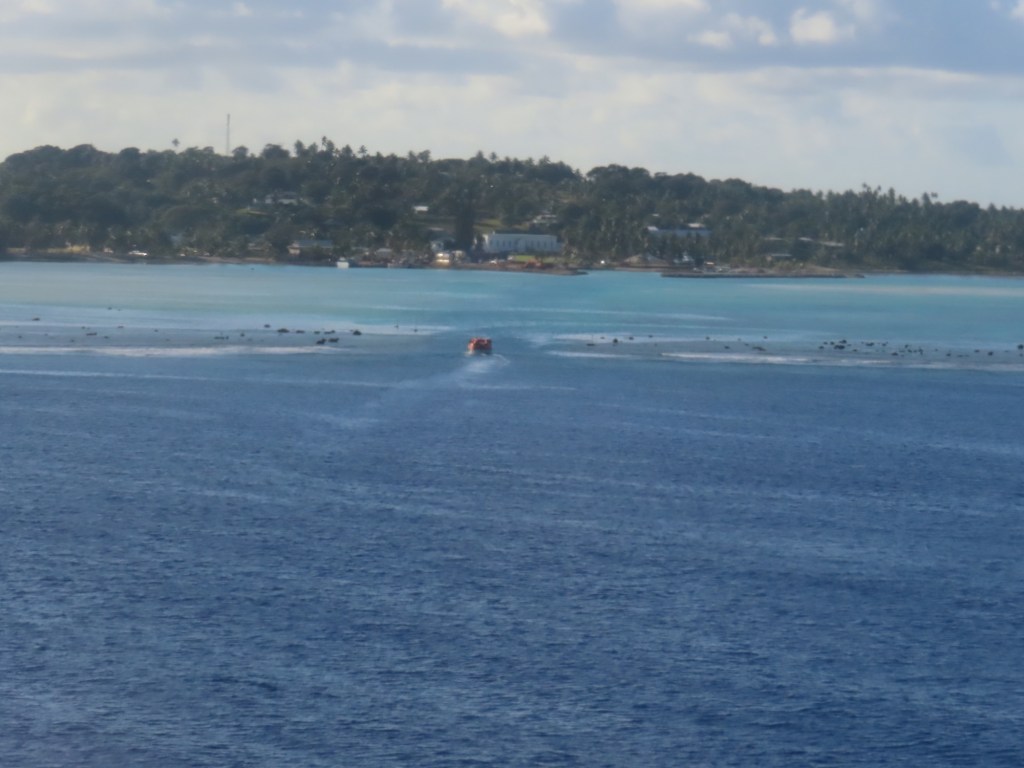
We kept getting updated announcements throughout the day from the captain regarding the arrival of  the air ambulance.  Finally it arrived in Neiafu after a refuel in Fiji and the patient was transported to shore on the tender.  I do hope the patient recovers from whatever was the emergency. After the tenders returned to the ship, we were underway at approximately 7:30 pm., a full day and 3 hours late.
Day 34-Oct 29/22-Neiafu, Tonga

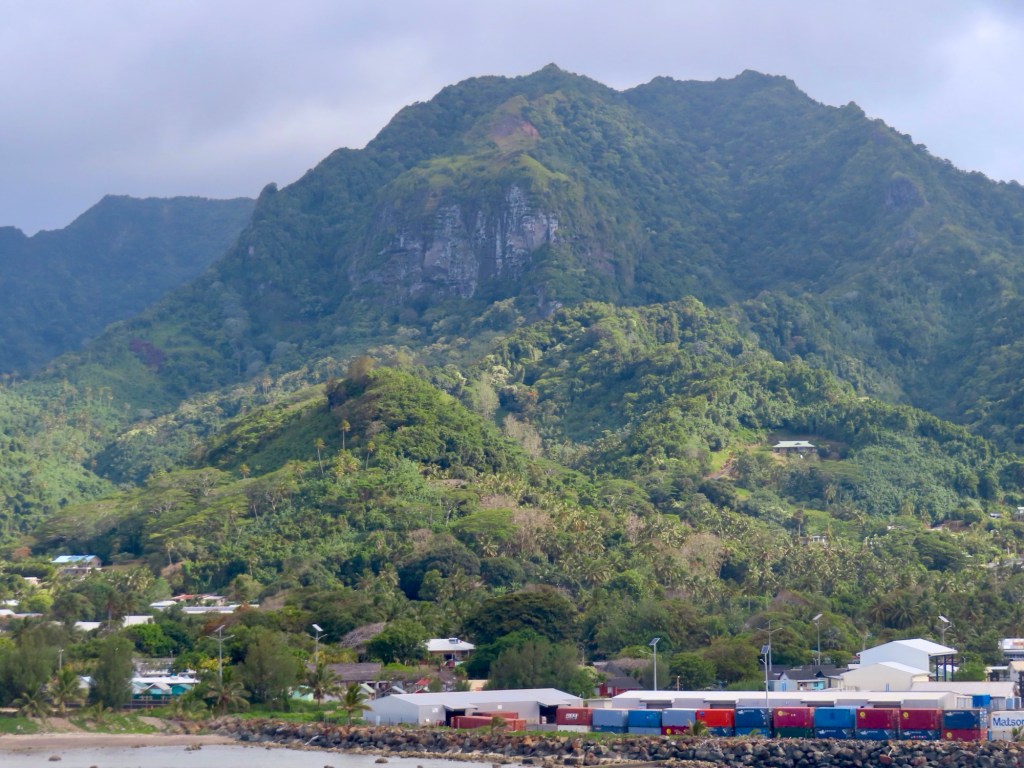
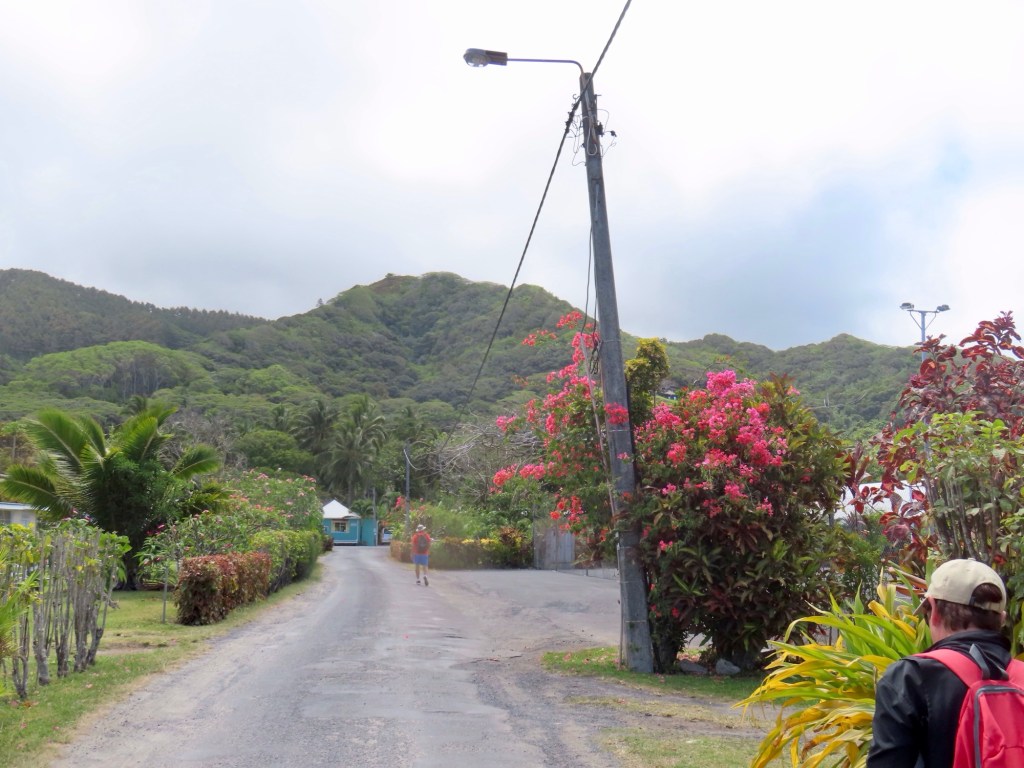
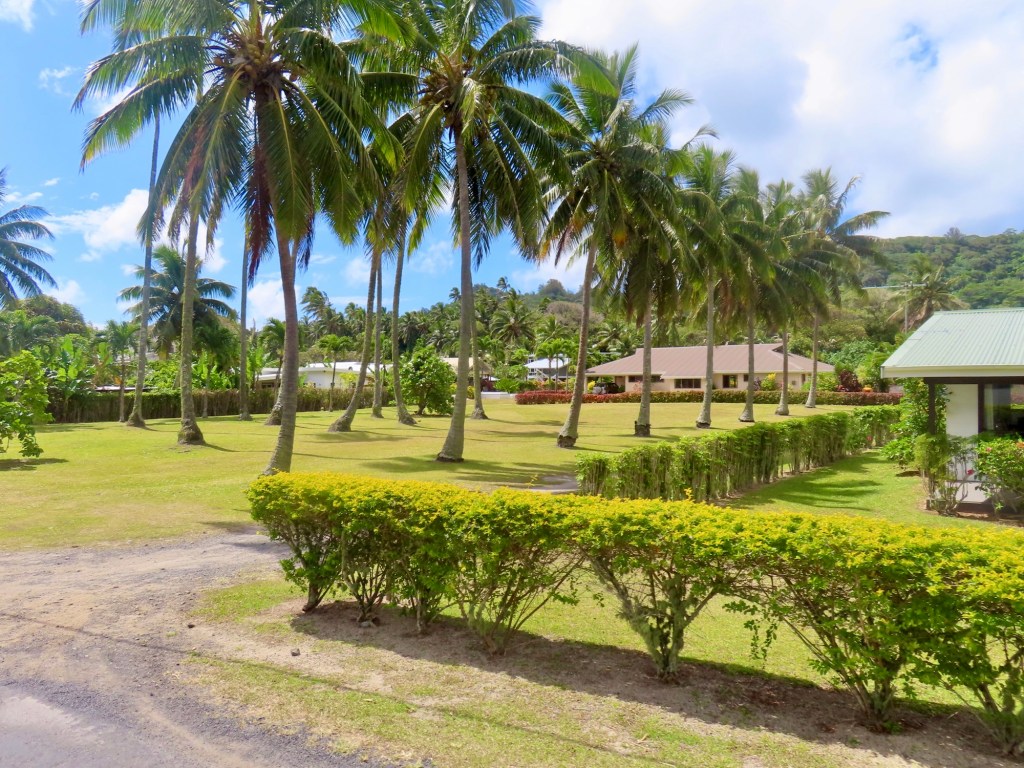
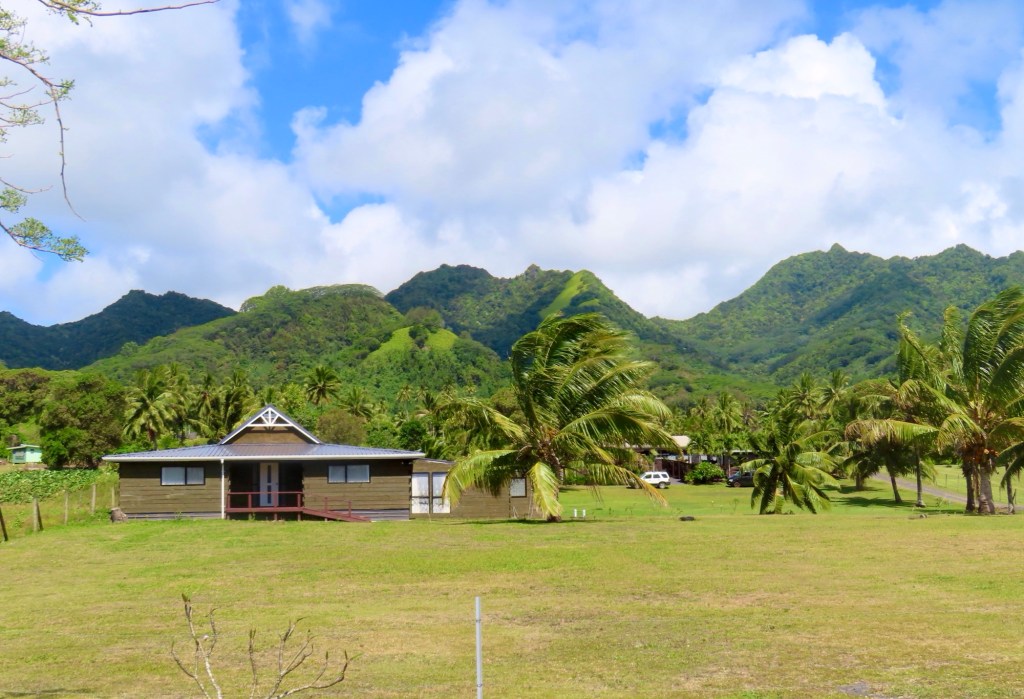
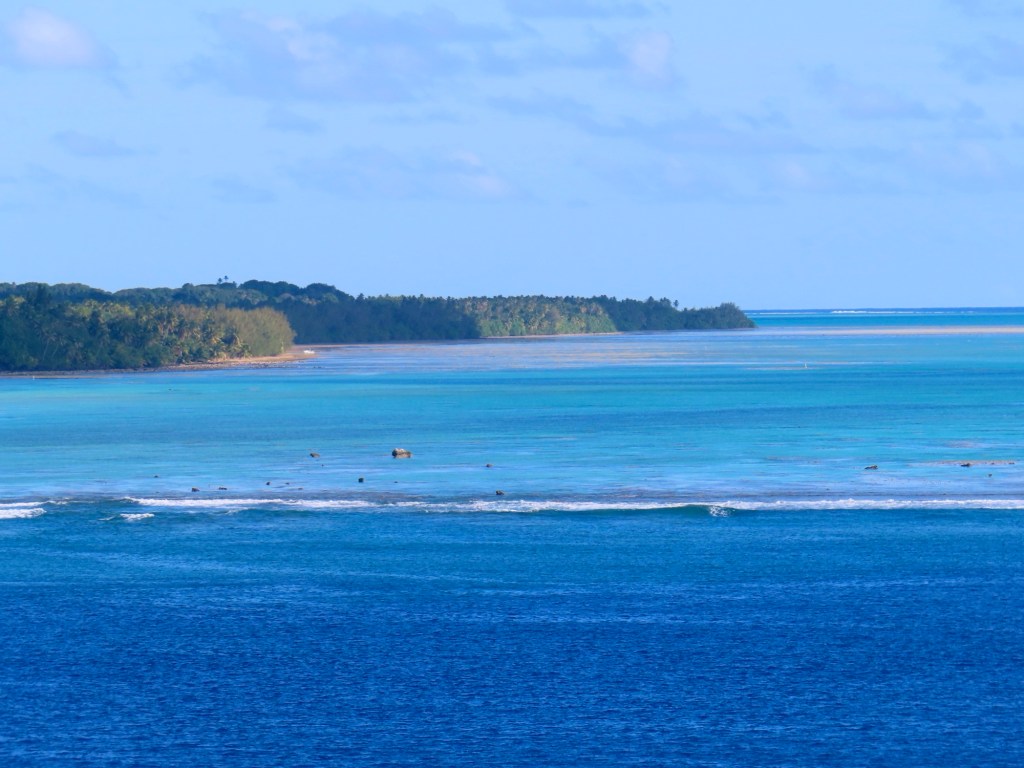
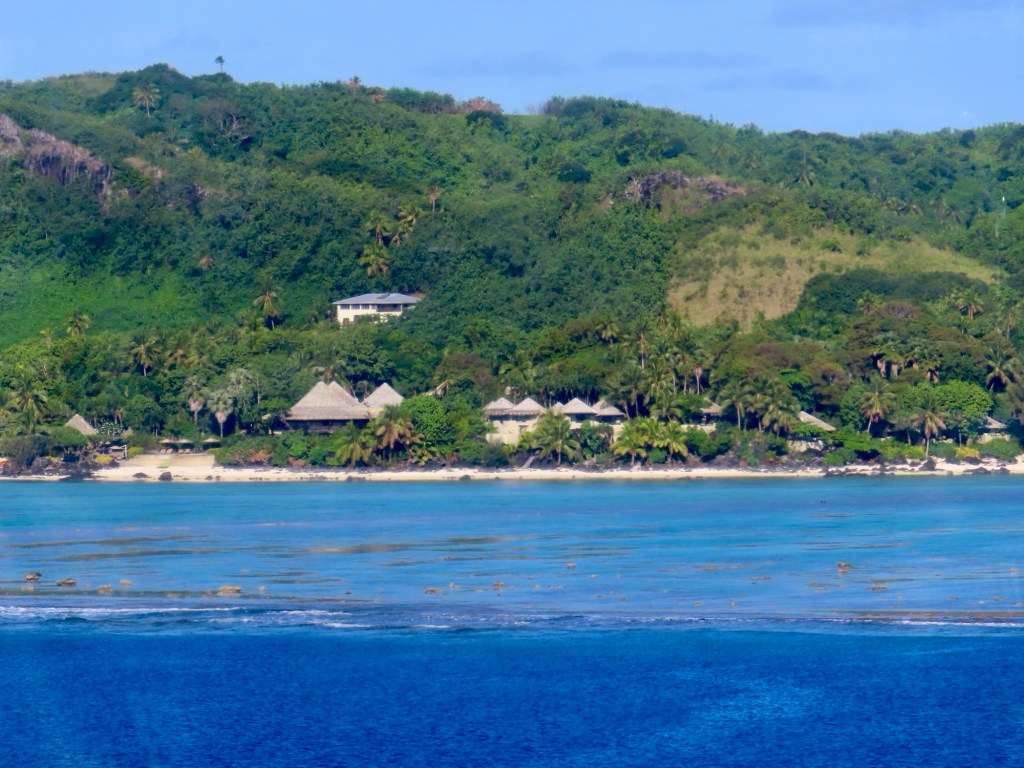
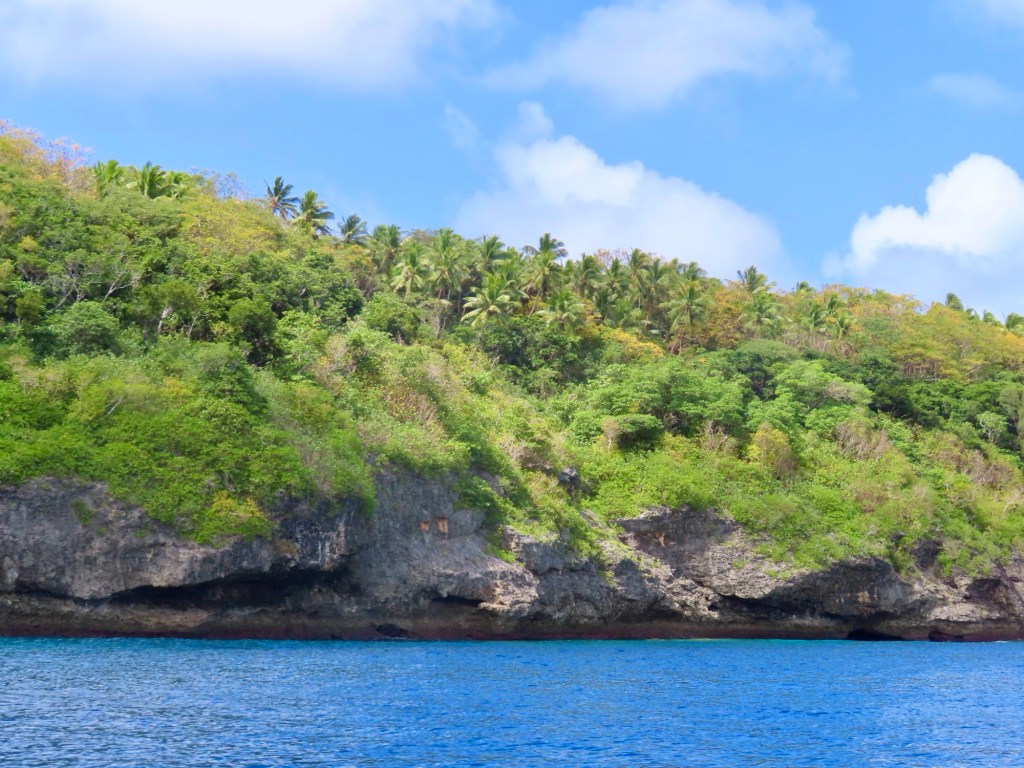
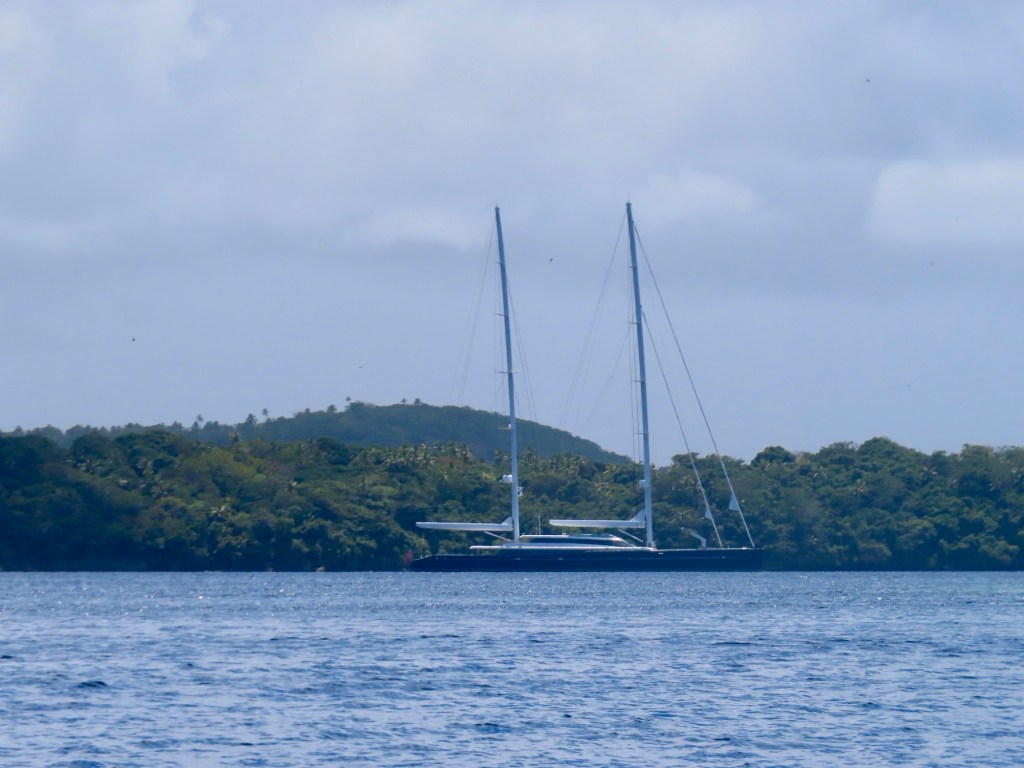
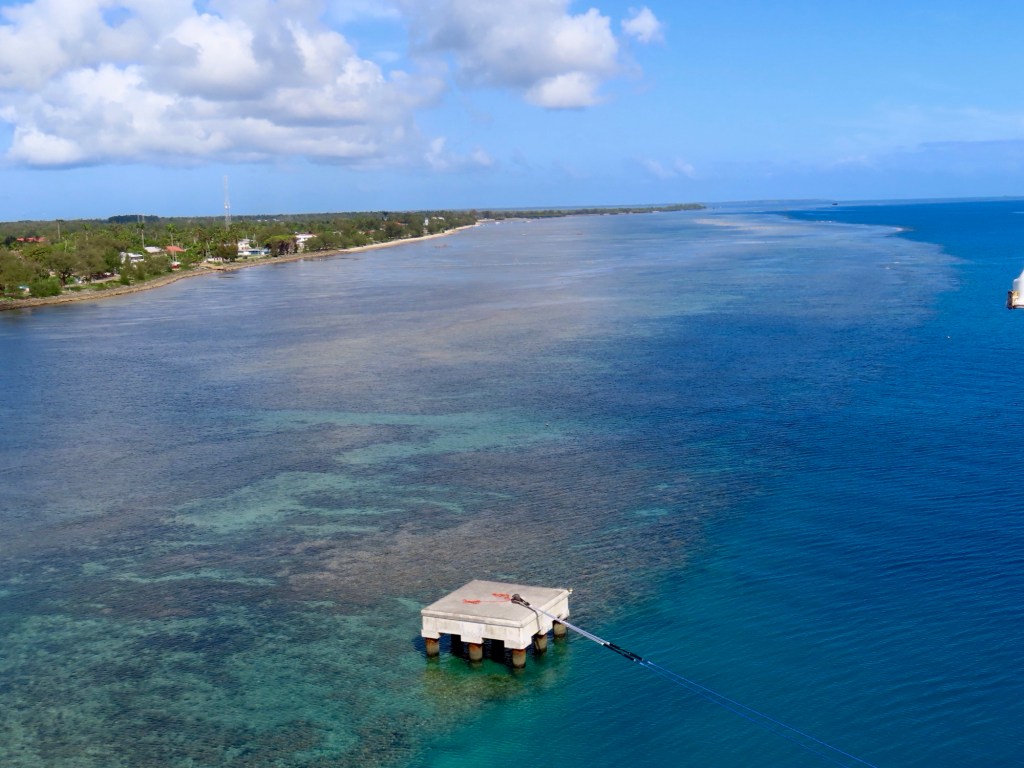
What a lovely sail into this port.  In many ways it’s like sailing through the Gulf Islands except that the hills are covered with palm trees.

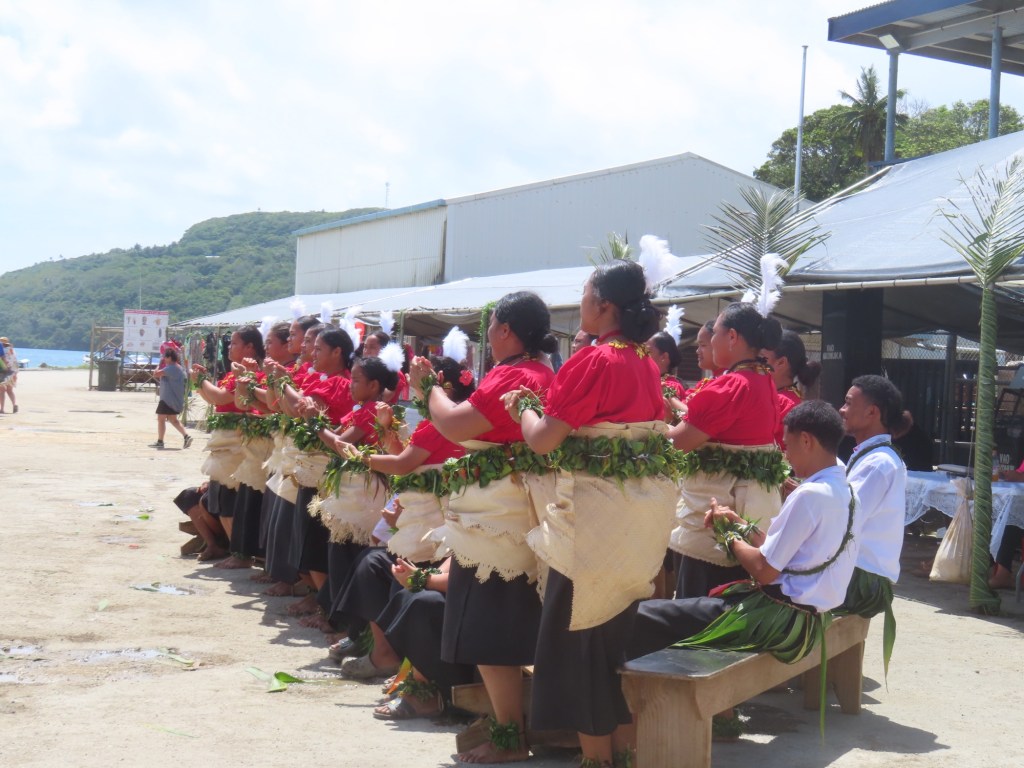
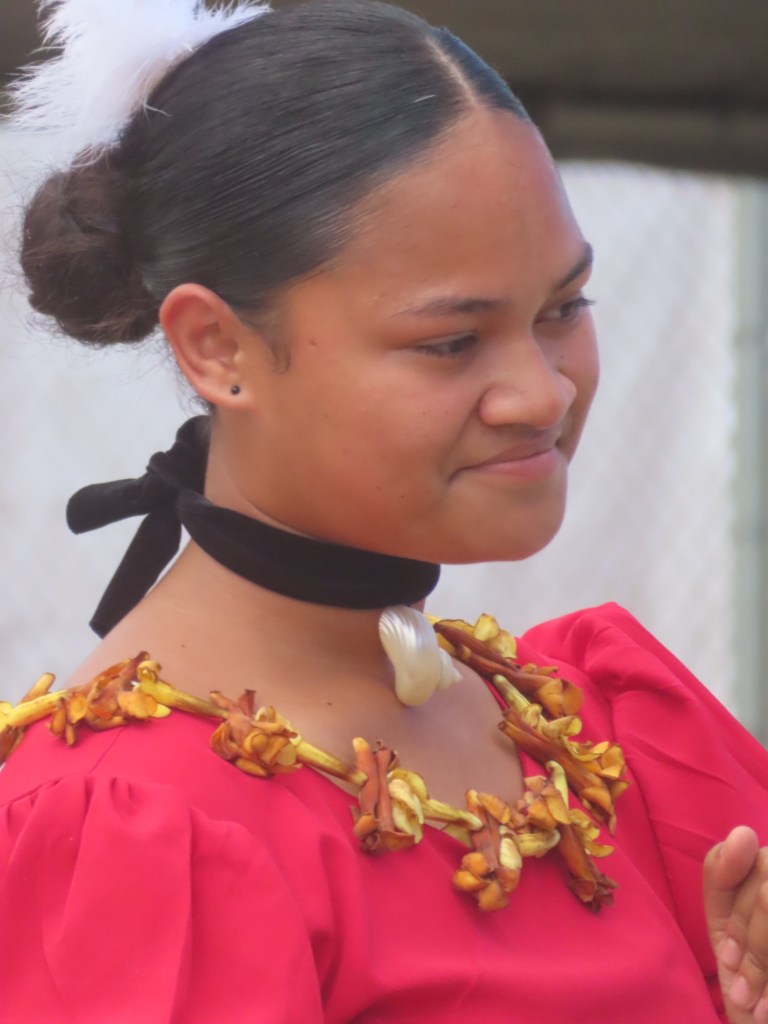
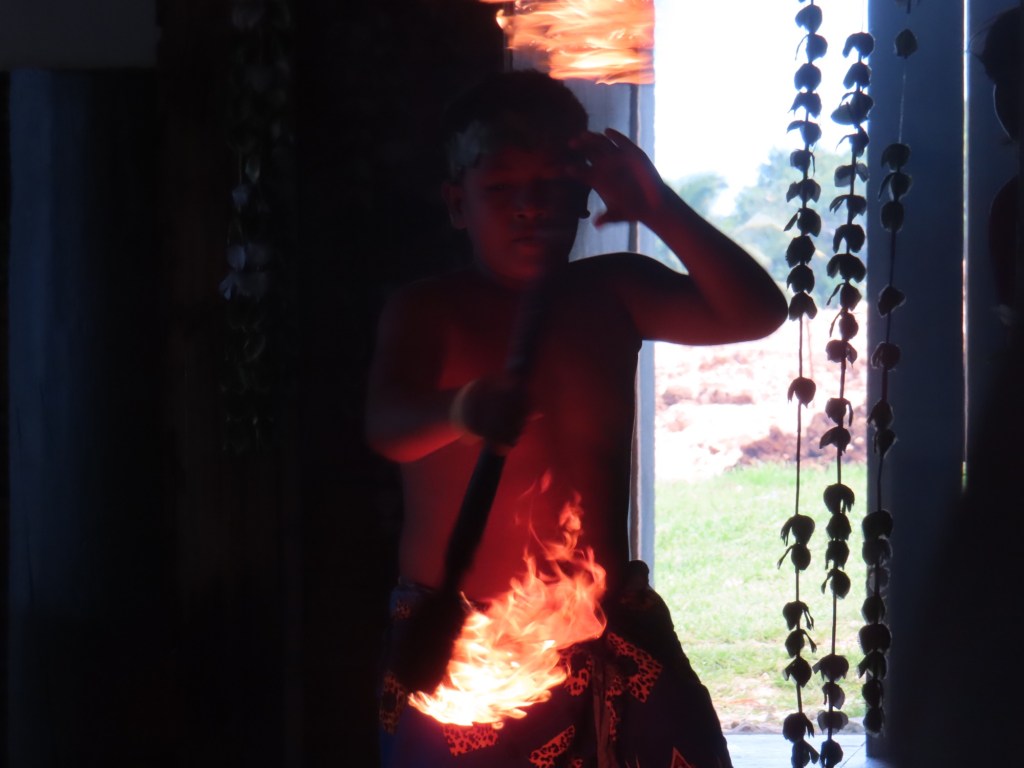
We are greeted again by local dancers in traditional garb.

Tour today is Nuku Island and Swallows Cave

Snorkelling for me was not nearly as good as what I had experienced in Savusavu.  There were others that swam farther afield than I, that said the coral and fishes were pretty spectacular. 

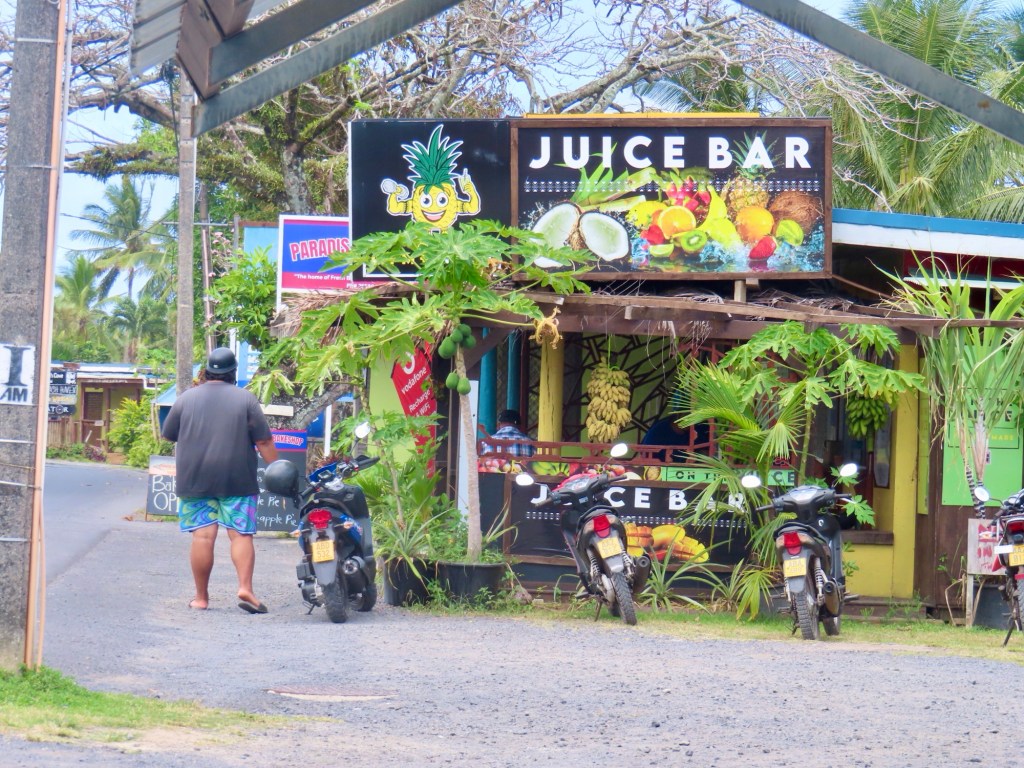
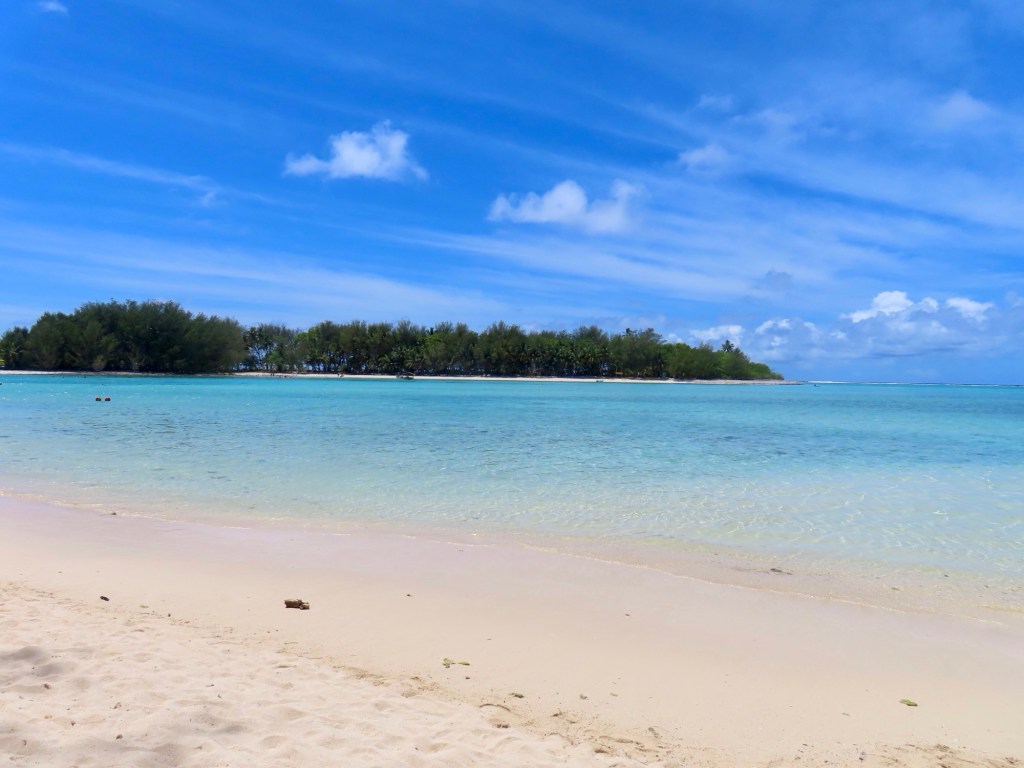
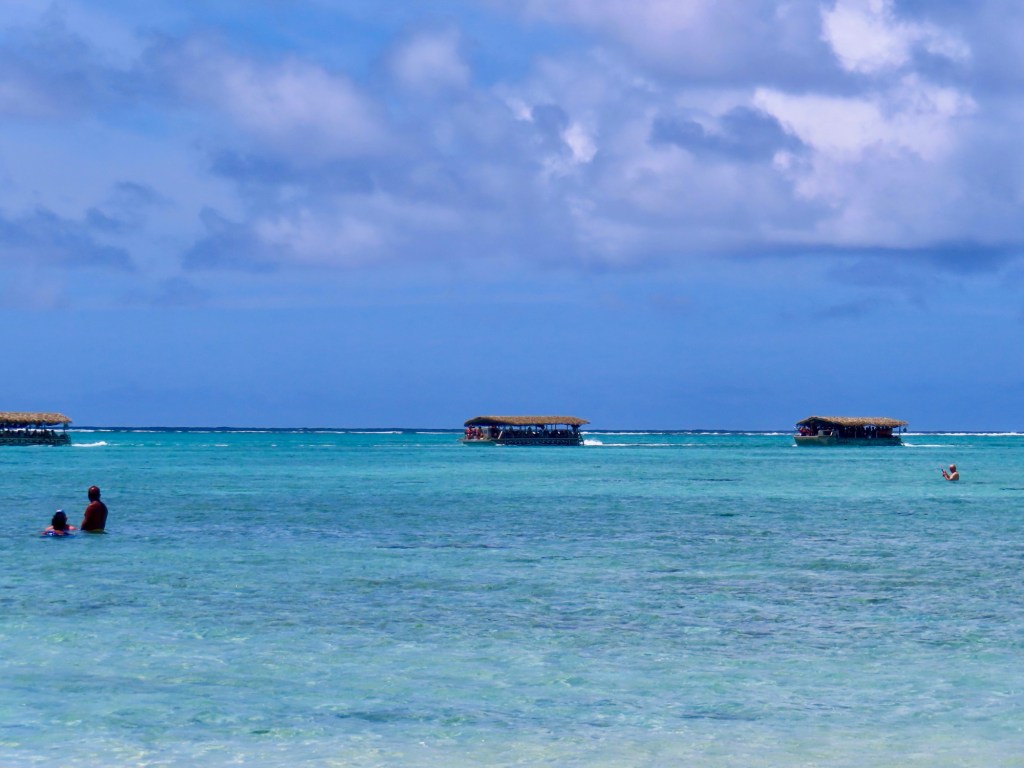
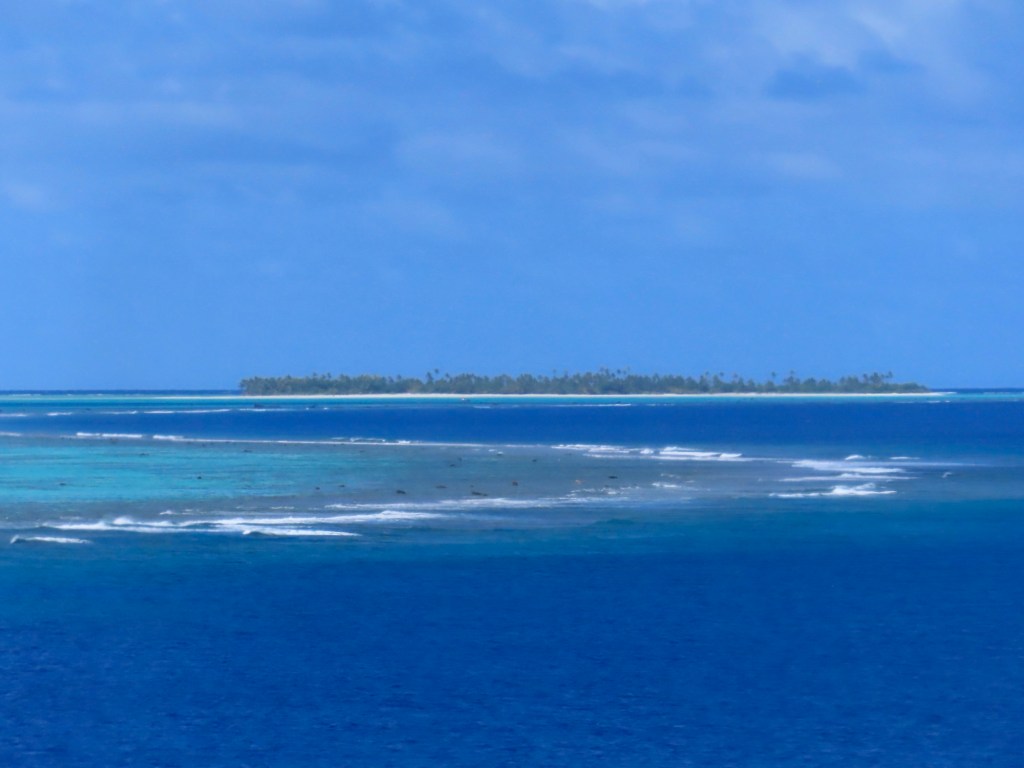
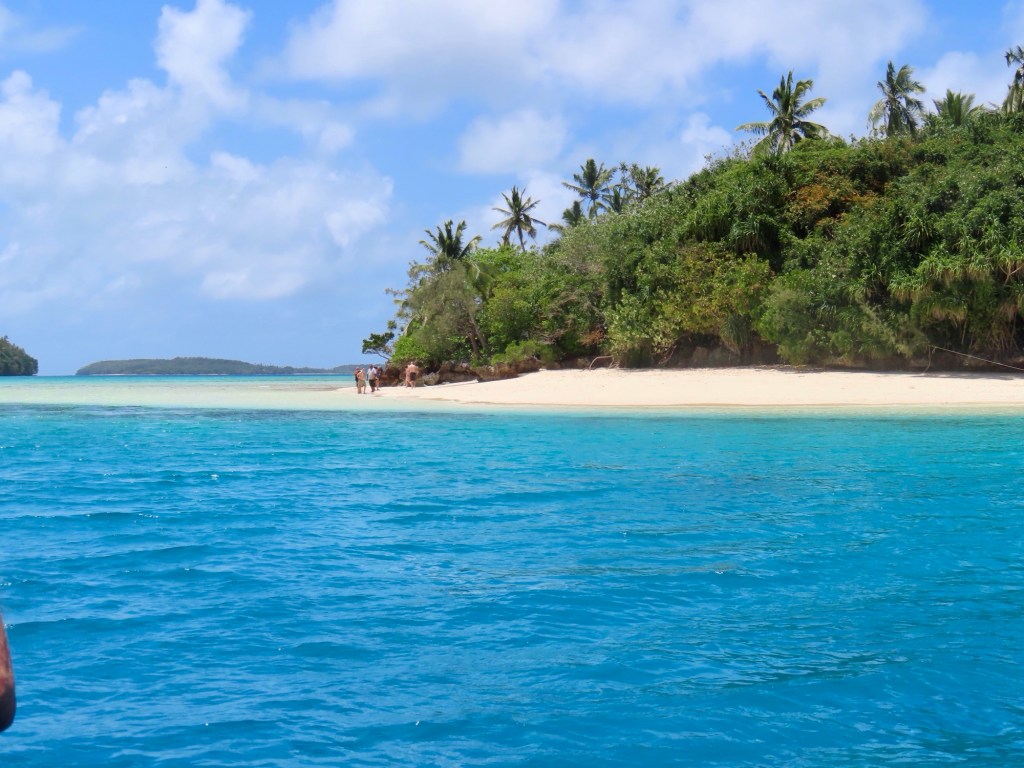
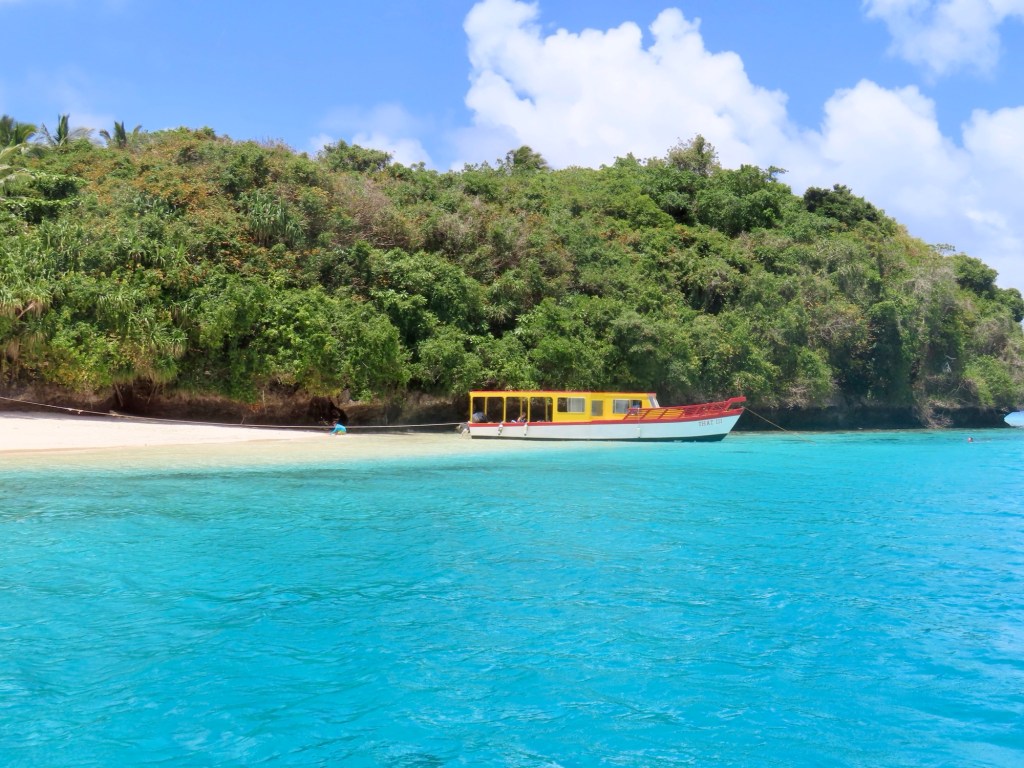
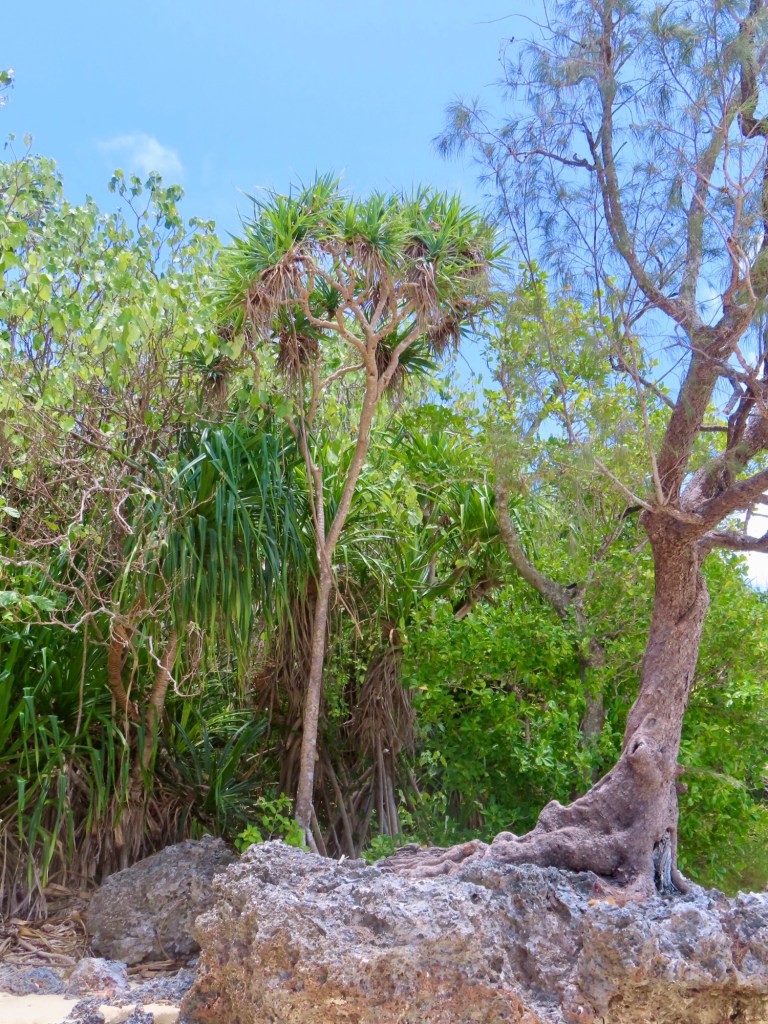
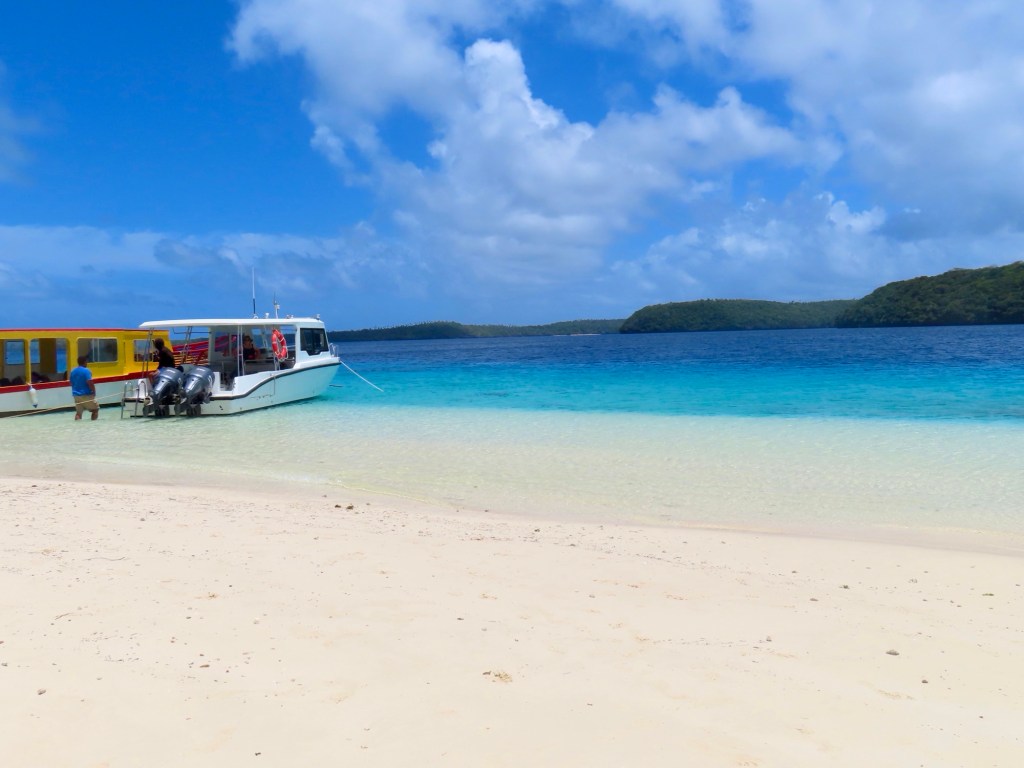
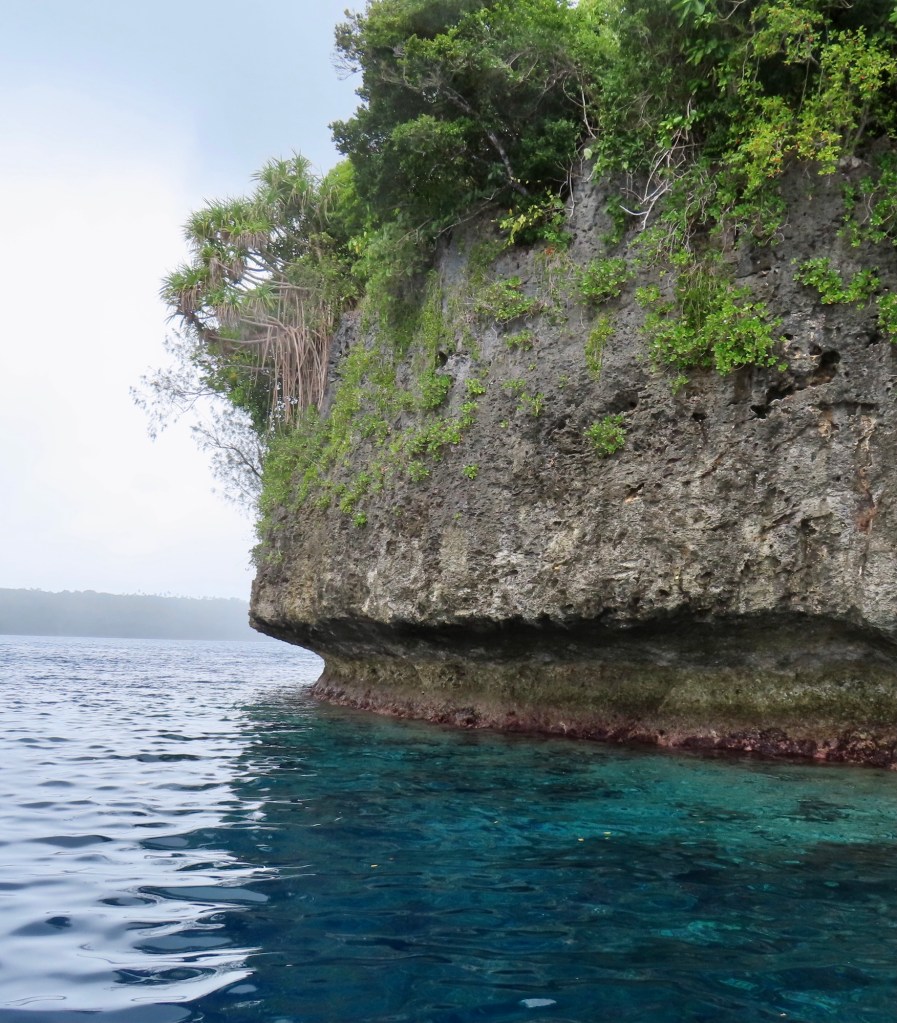
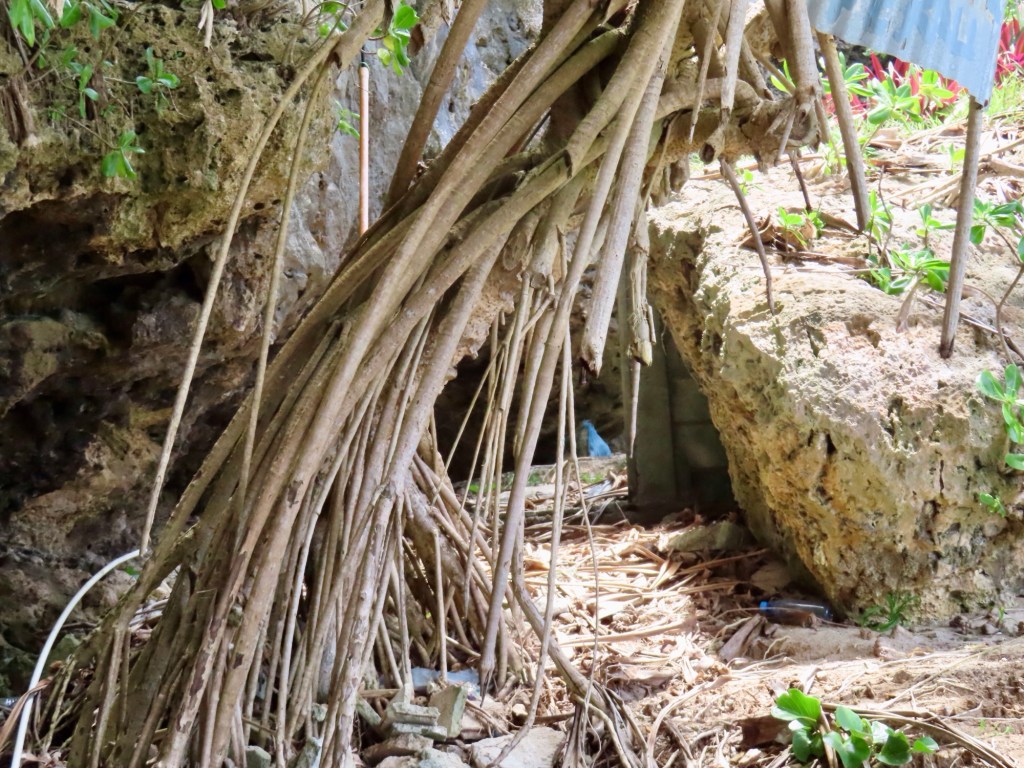
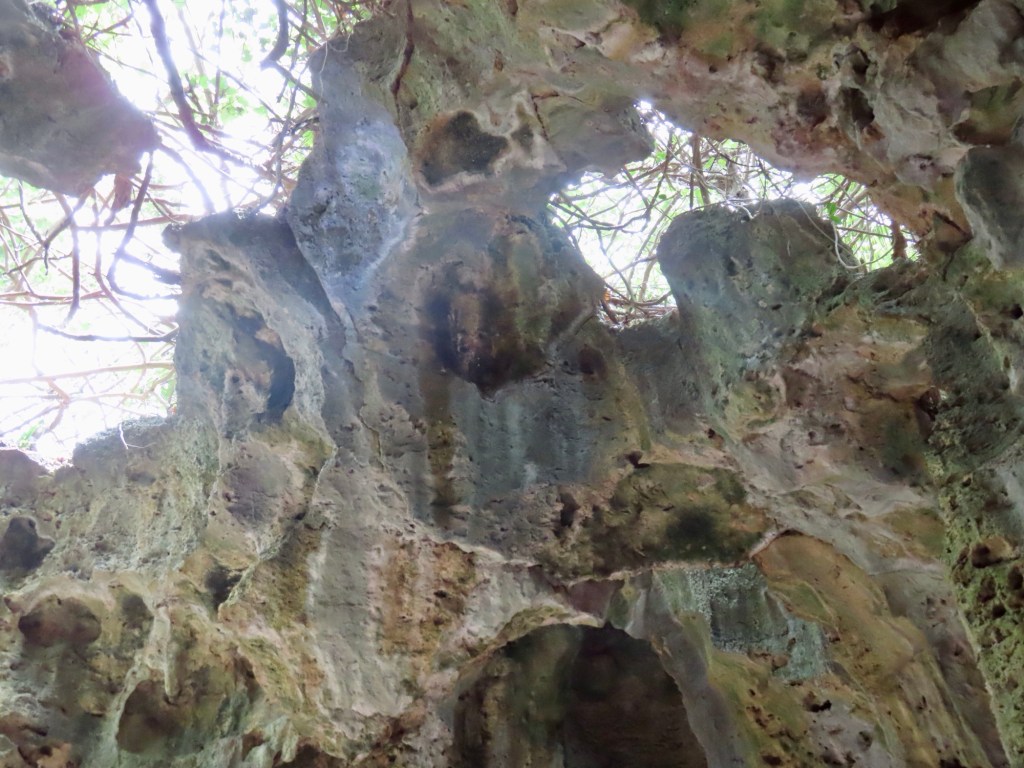
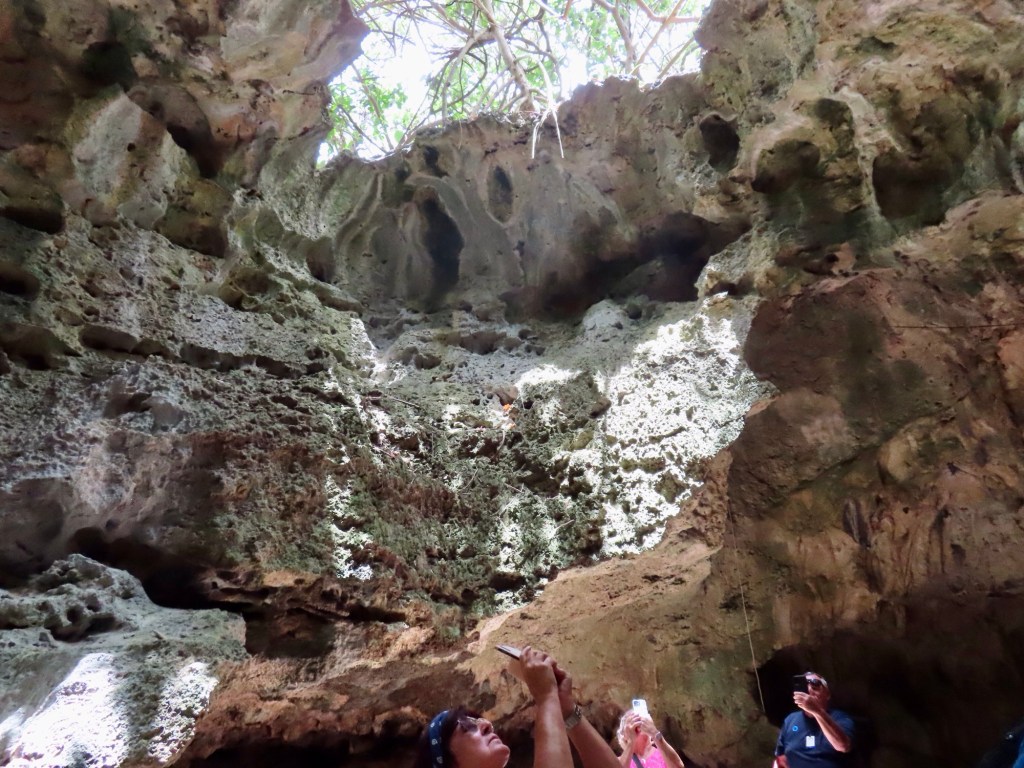
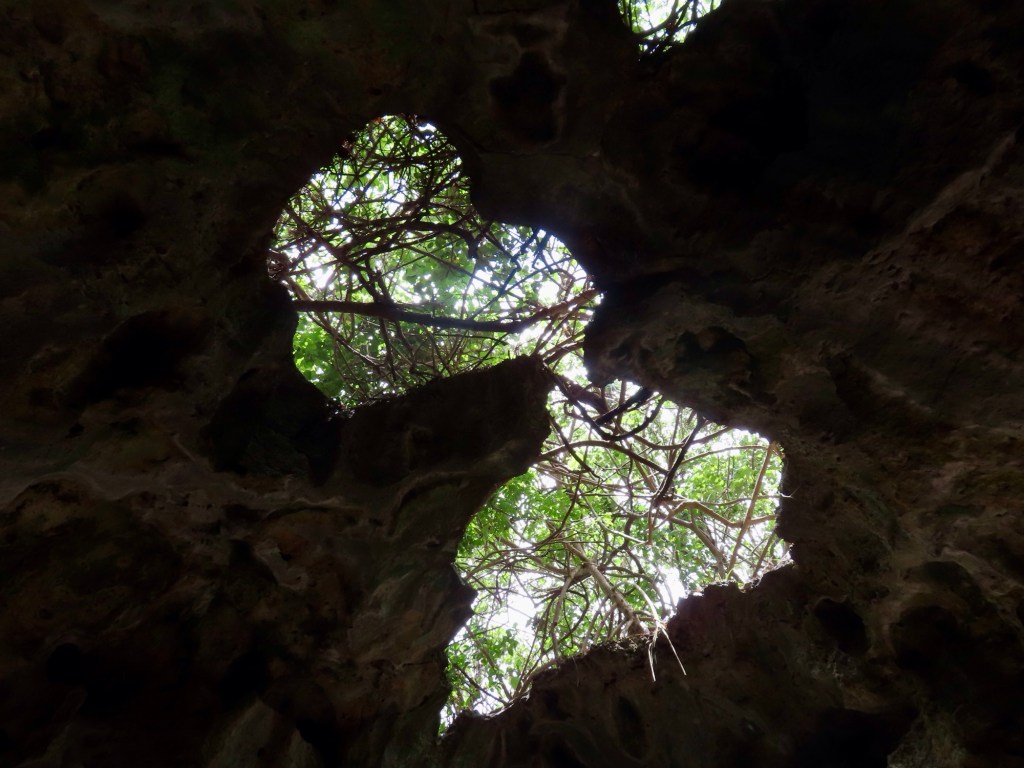
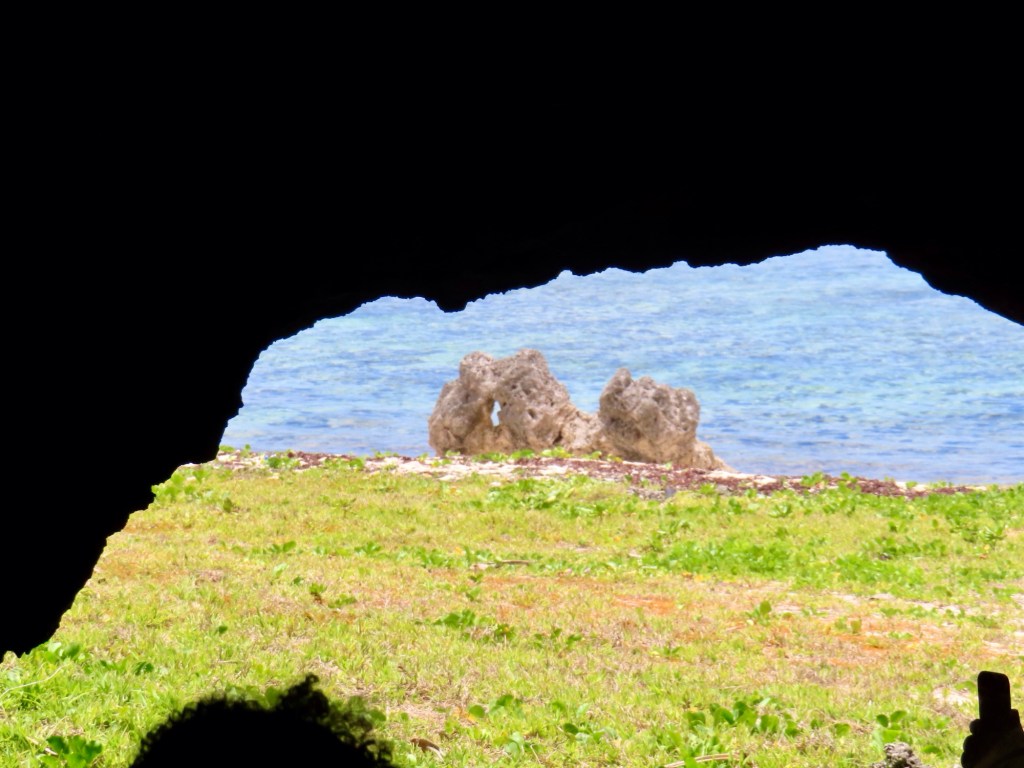
The Swallows Cave had no swallows in it. They were just flitting around above the entrance to the cave.  Maybe they got scared off by us.  The cave itself was, although not extensive, was quite colourful and the water in it, was like a black hole….so deep!  We also stopped for a short beach time.  I have to say that, wow, the waters are so incredibly beautiful, so turquoise.  Your jaw just drops in awe!  As for too-numerous-to-count islands, it is quite obvious that they are all volcanic.
So everyone was back to the ship for a 4:30 sail away.  As we waited on several of the decks (one in particular that is never open to the public), the captain finally came on to say that we would not be leaving as planned….in fact probably not til tomorrow, because someone had a medical emergency that required that they be airlifted to Australia for immediate treatment.  An air ambulance will arrive Wednesday morning.  We will then depart towards our next port of call.

Day 33-Oct 28/24-Nuku’alofa, Tonga

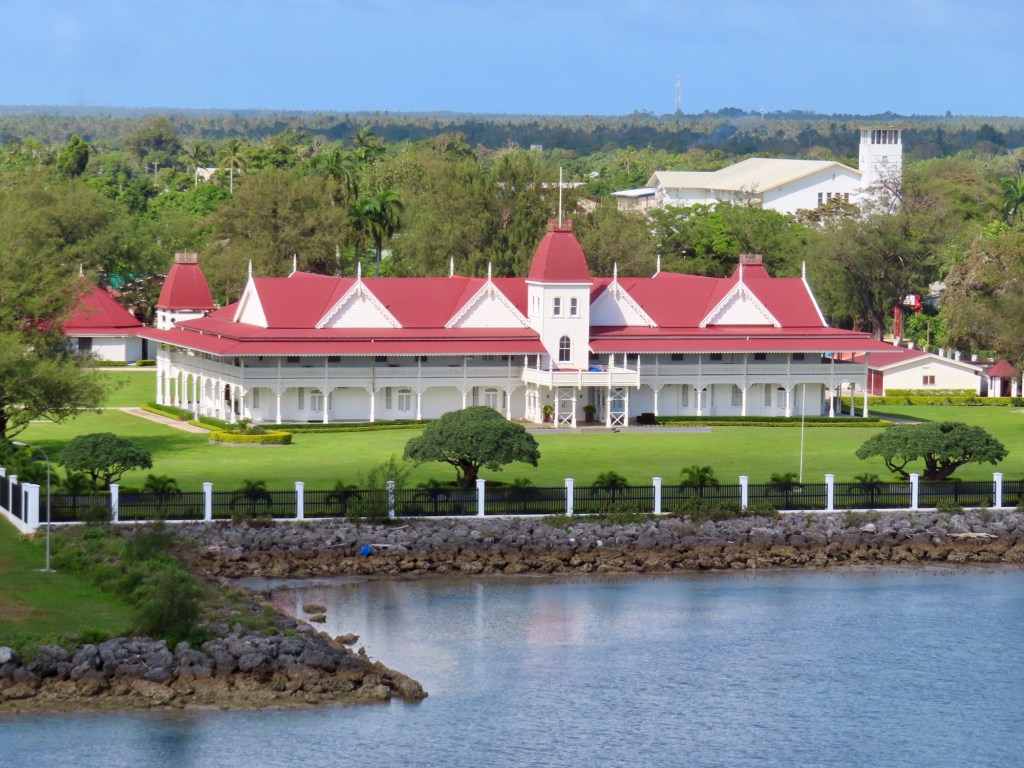
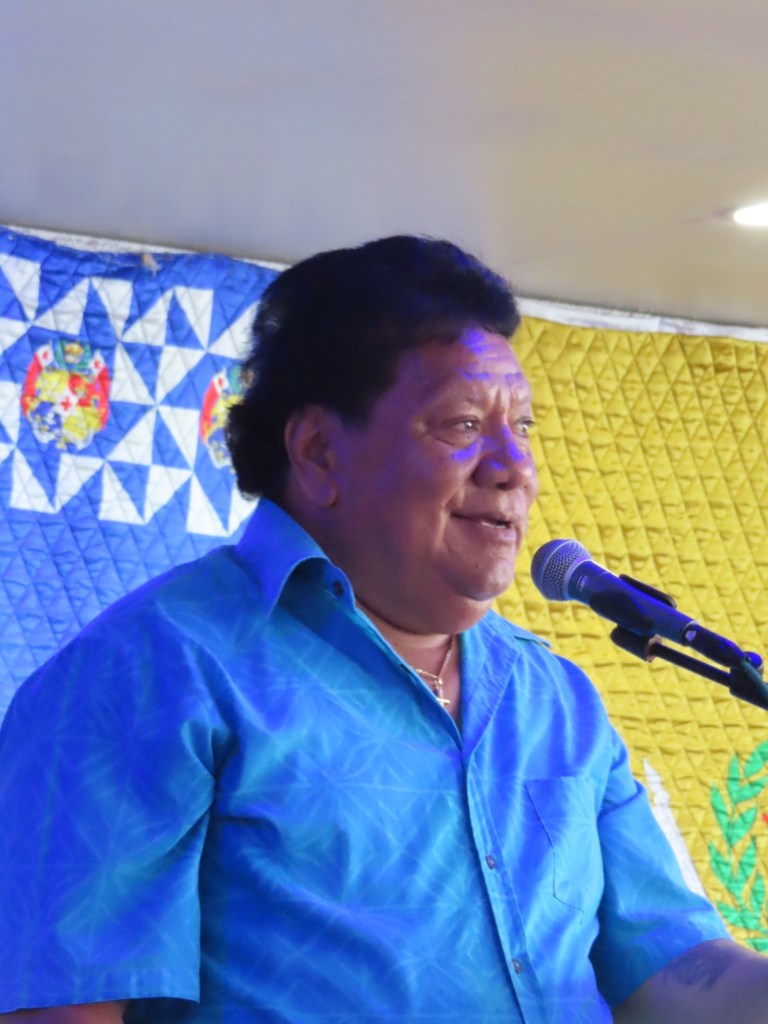
Nuku’alofa is the name of this the capital of Tonga …….Nuku mean small and aloha, something that you love. No one is in palace today.  The king is at one of his other homes. We passed by where they want to make a parking lot on sacred ground???

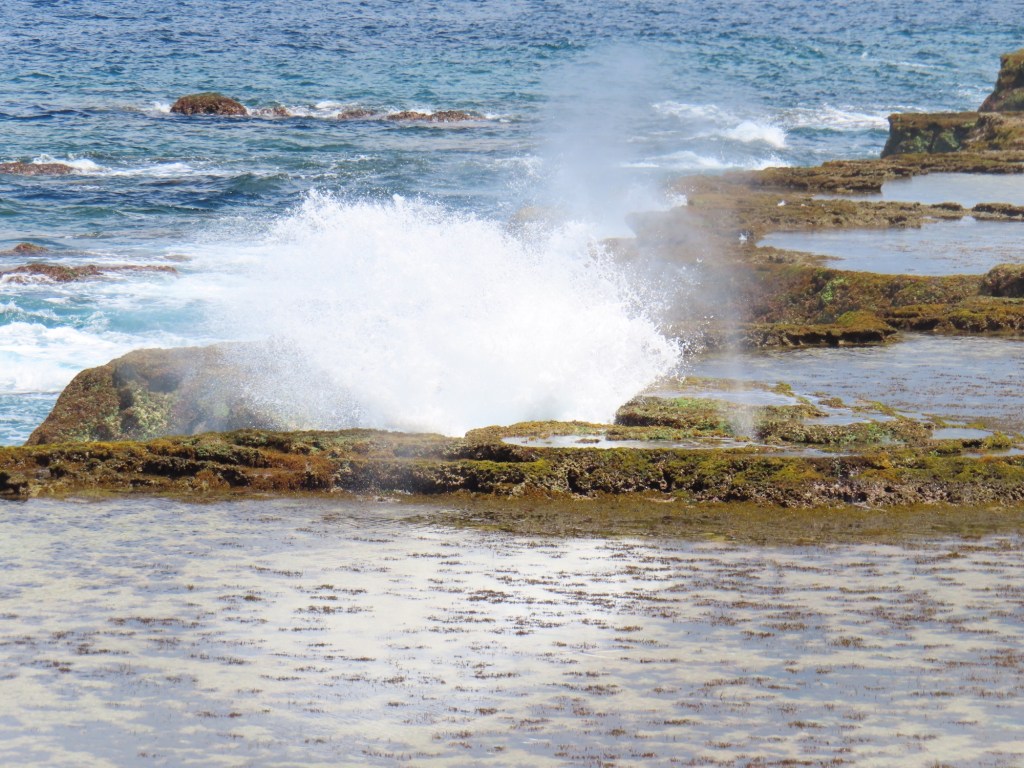
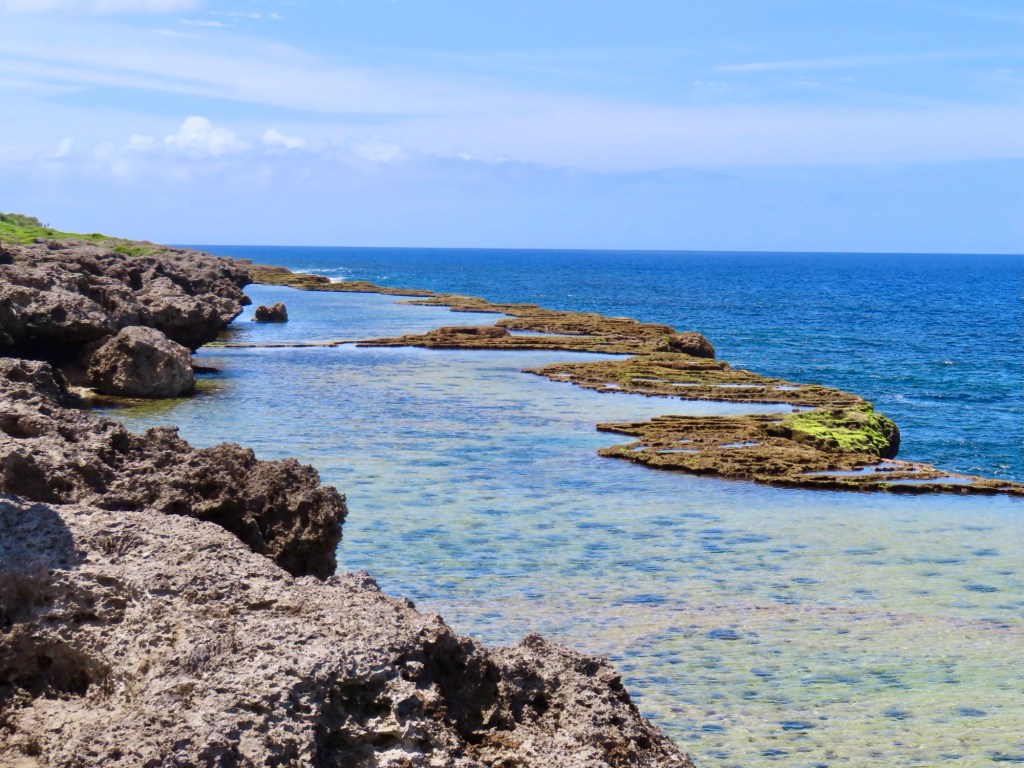
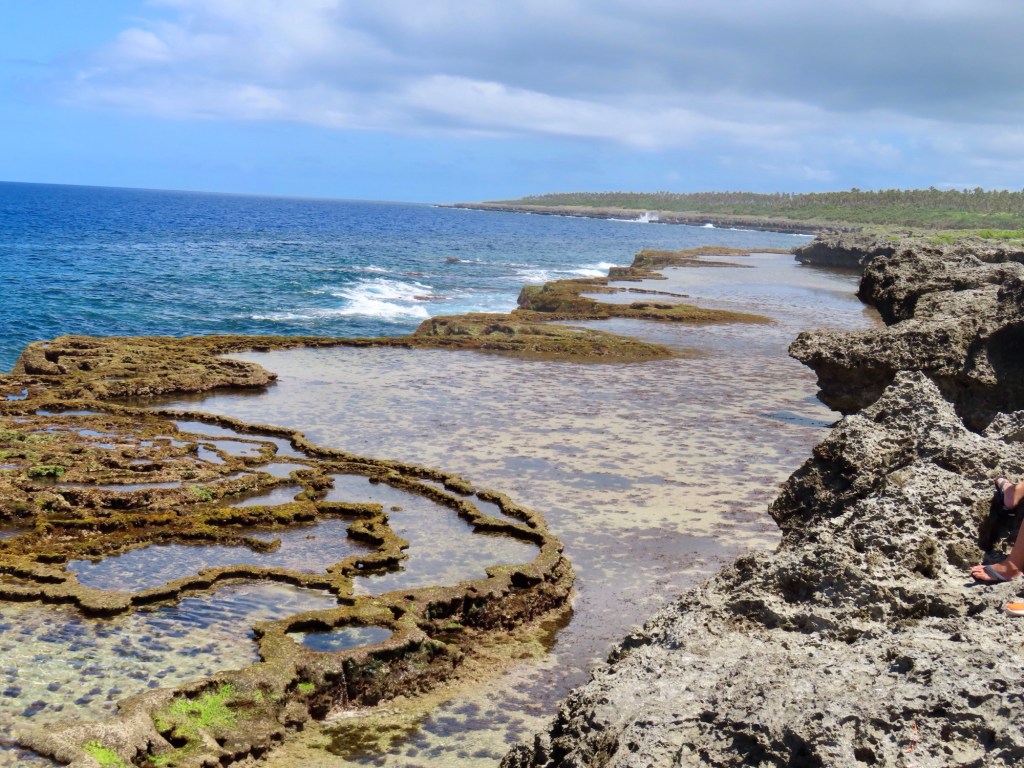
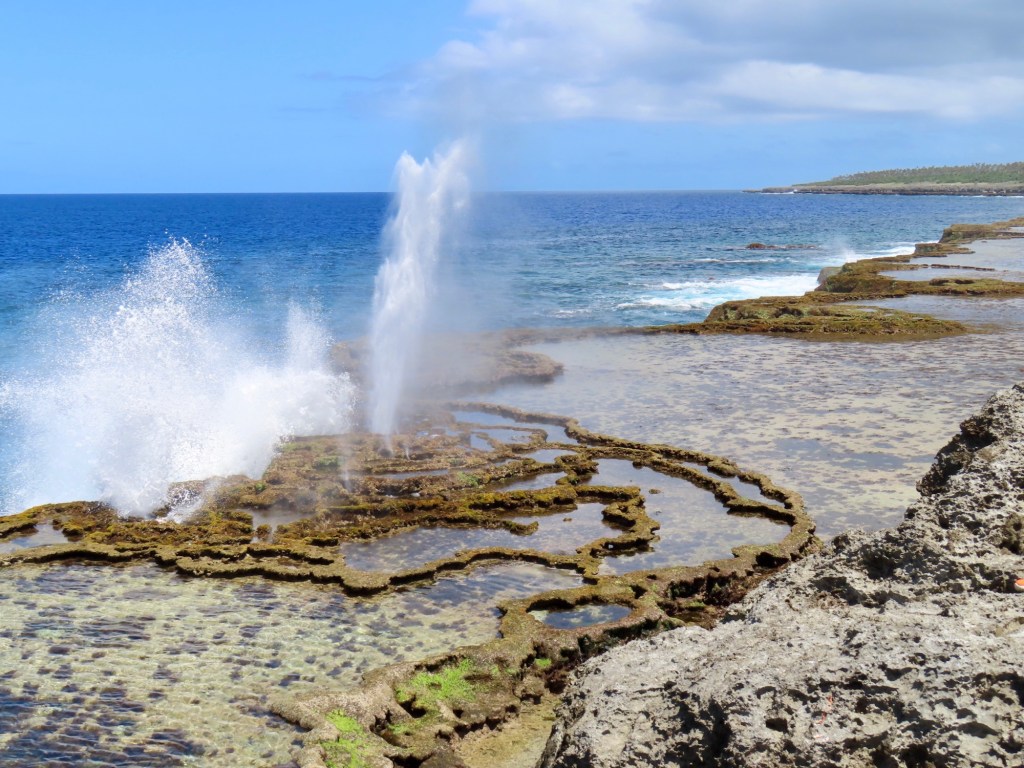
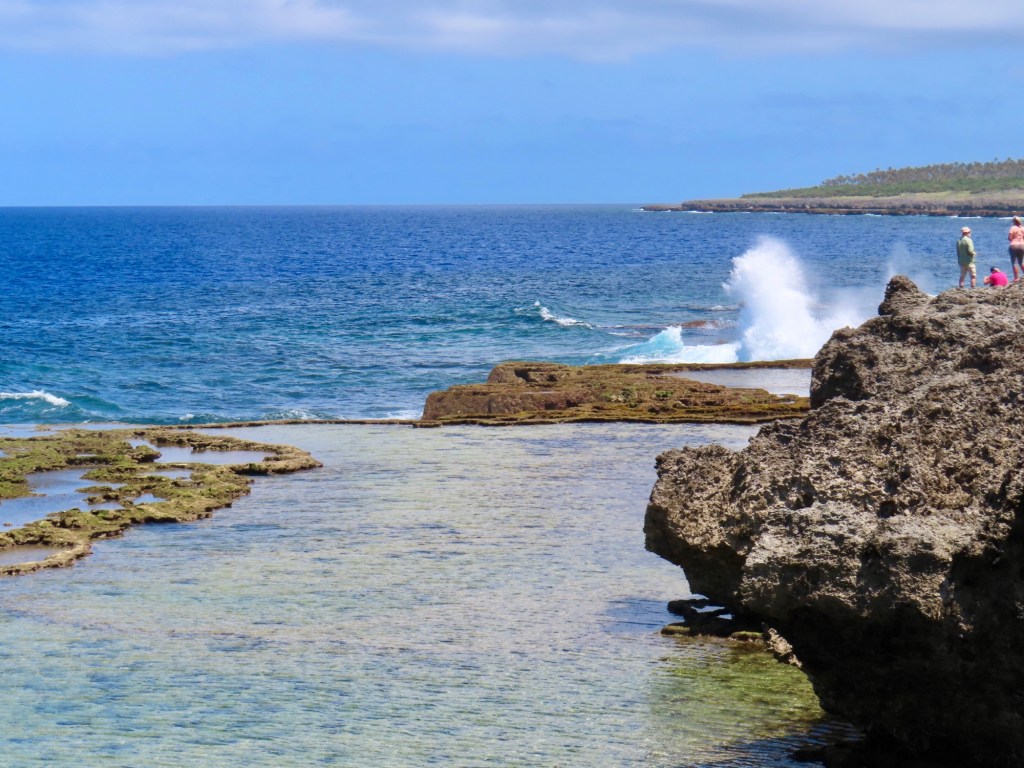
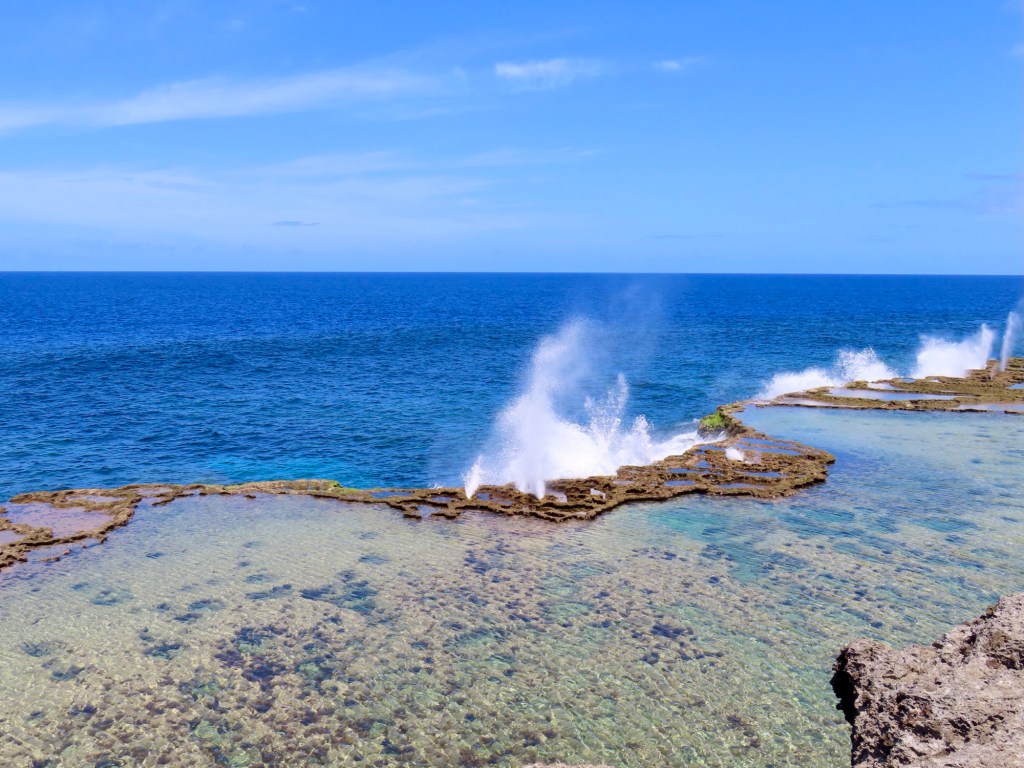
The blow holes on are on west side of the island.

The male guides wear “skirts”. They are cloth wrapped around along with decorated ropes.  He explained that it was like wrapping myself with my country.  Sisters outrank men.  

All girls college for handicrafts

Cemetery plots are 6-7 feet deep.

Tongans have conquered Samoa and Fiji amongst other Issland countries.  They used the stars for navigational purposes.

The country is composed of 170 islands that appear and disappear. 

2022 January 15th there was a volcanic eruption that caused a tsunami……more about later.

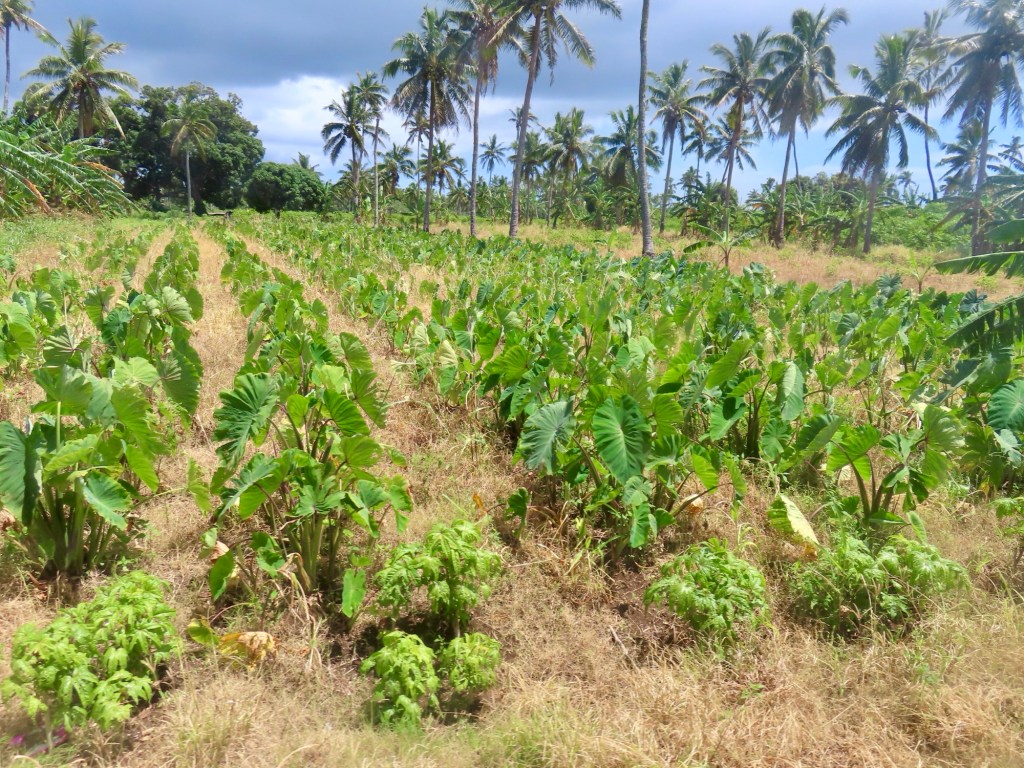
We pass by tapioca plantations, yams and taro

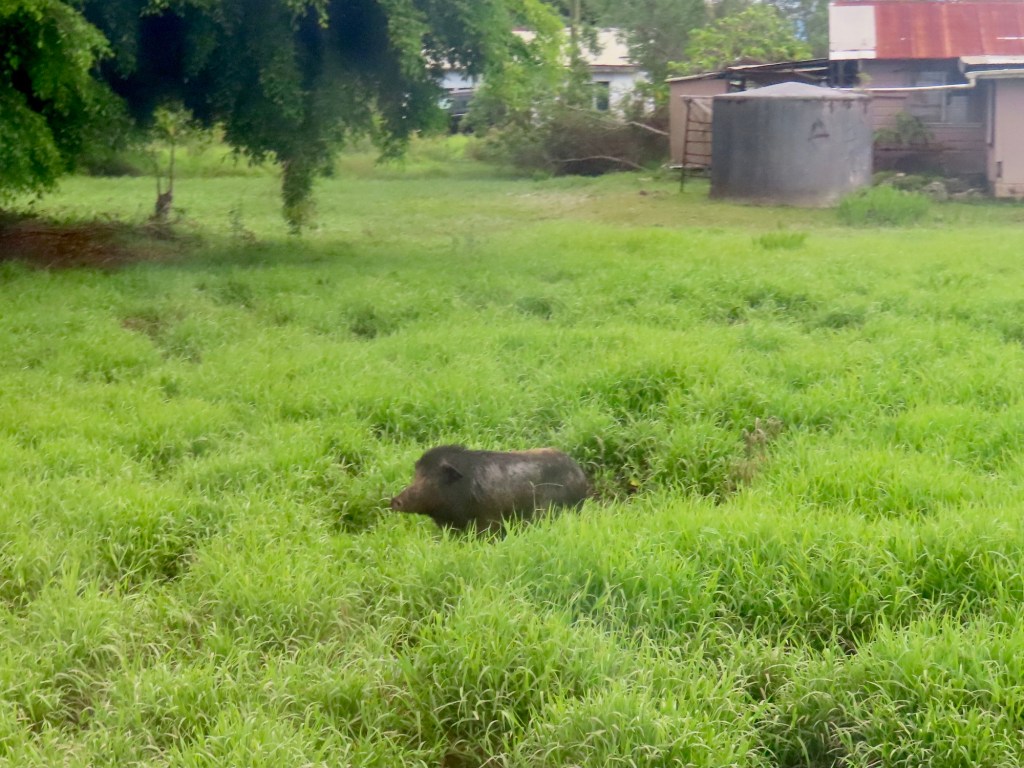
The Sabbath (Sunday )must be observed or you can be fined or sent to prison.  All animals…..pigs, cattle or whatever must be kept in pen or you can be fined but dogs run free but if they bite someone, you can be fined.

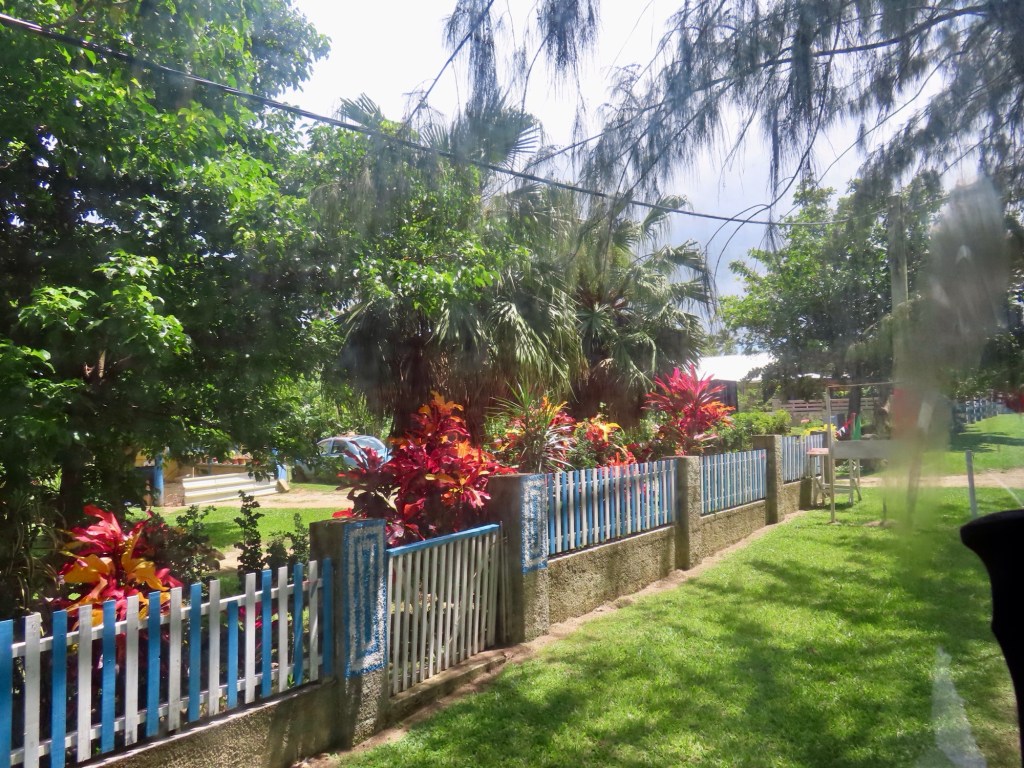
For the most part, the homes and gardens are cared for….people take pride in their places, decorate fences.

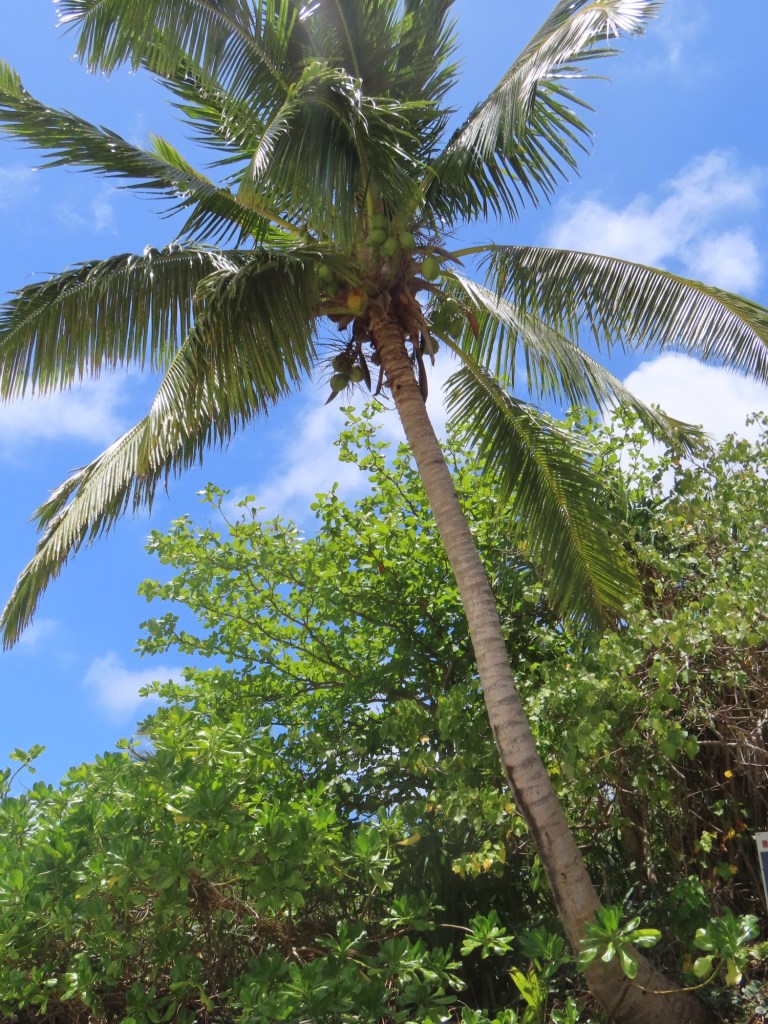
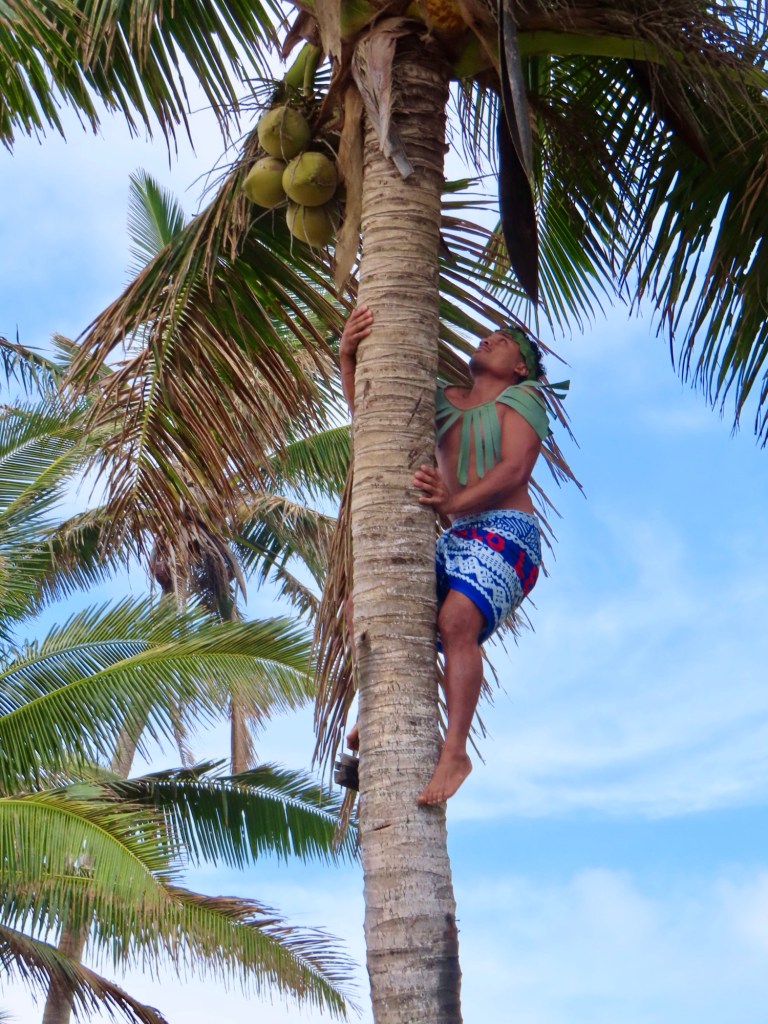
Coconut palms are totally used.  The roots are good for stomach aches and the like, wood for poles for buildings, leaves ….baskets, roofs and of course the coconut itself, for meat, milk, cream, oil, etc.  The husks are used for burning….makes good charcoal.

Land is given only to males not females (funny when considering that it is a matriarchal society, that the women are revered).   No ownership to foreigners only leased…50-100 years.

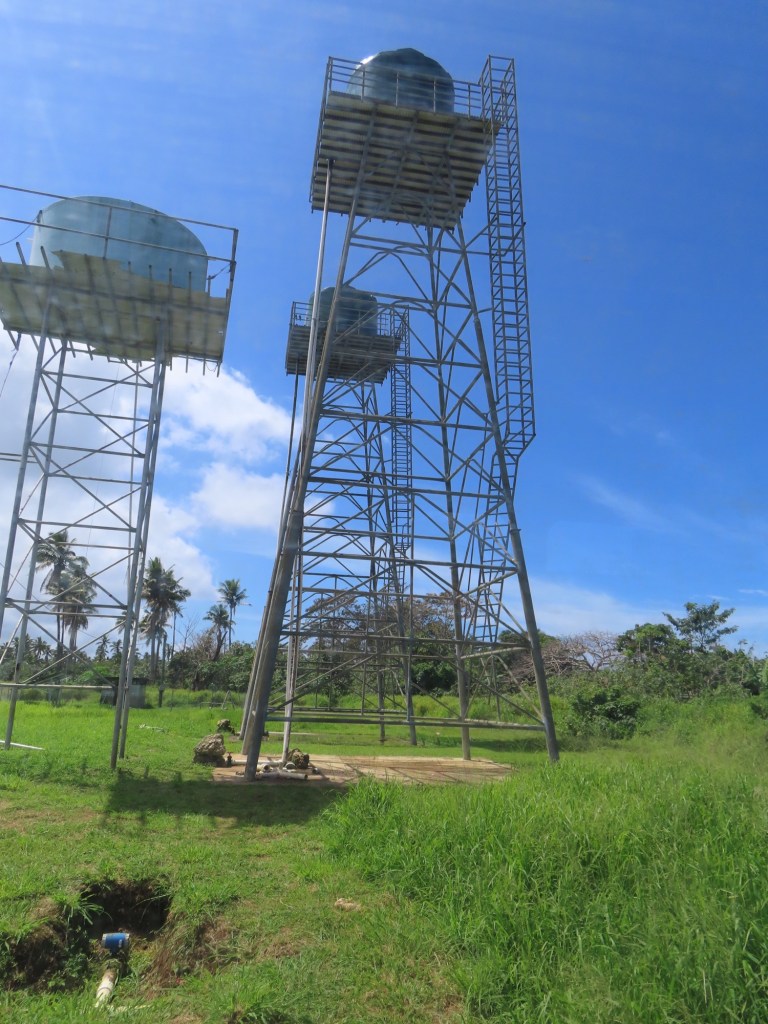
Rainwater collected into cisterns.  Wells don’t have clean drinking water so that water is used for toilets and washing.

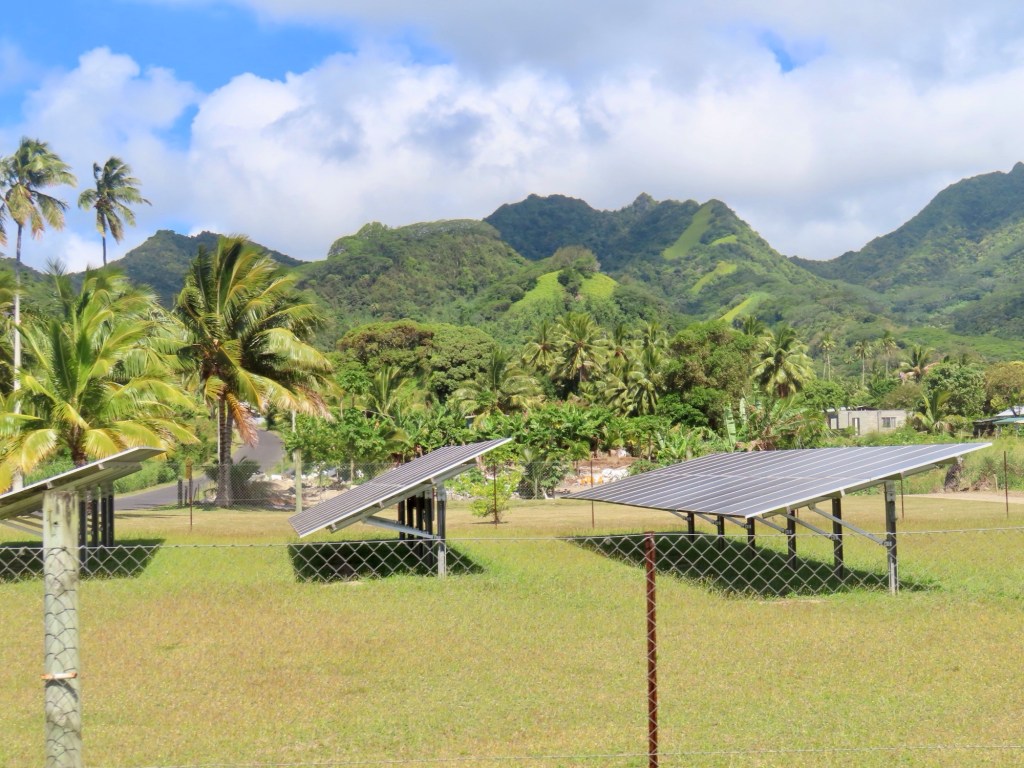
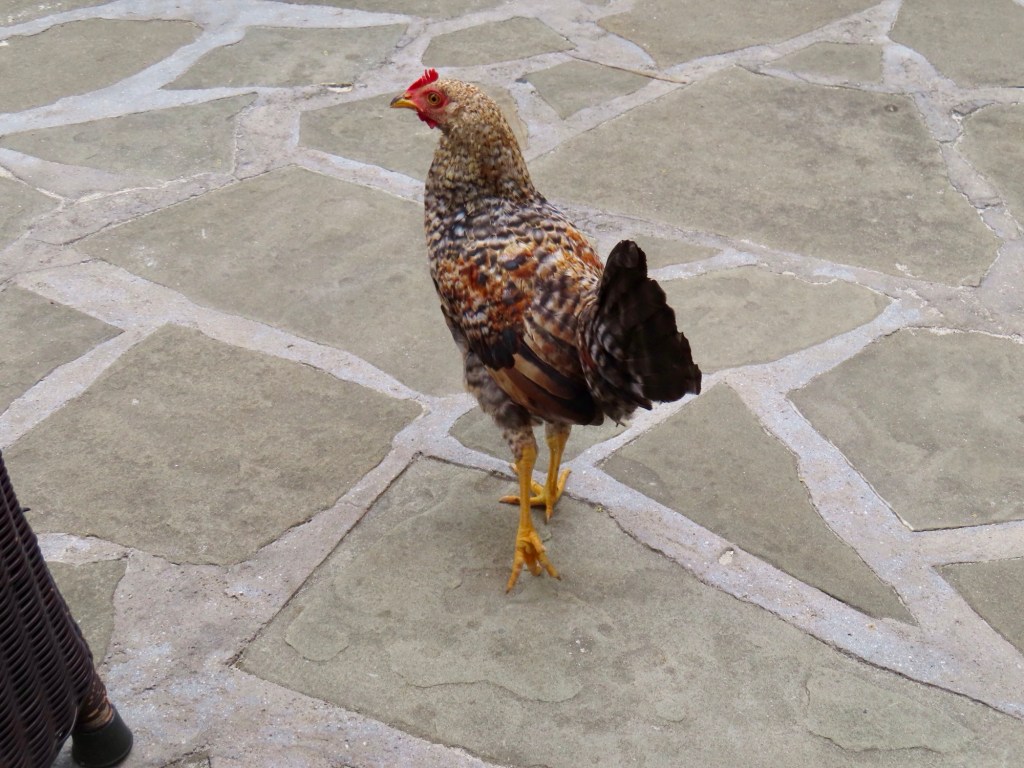
Lemon trees help keep the bugs away. Diesel and solar are sources for power. Barn owls take care of rats and mice.  No poisonous snakes, no bears. Free running chickens need to be boiled to make tender.

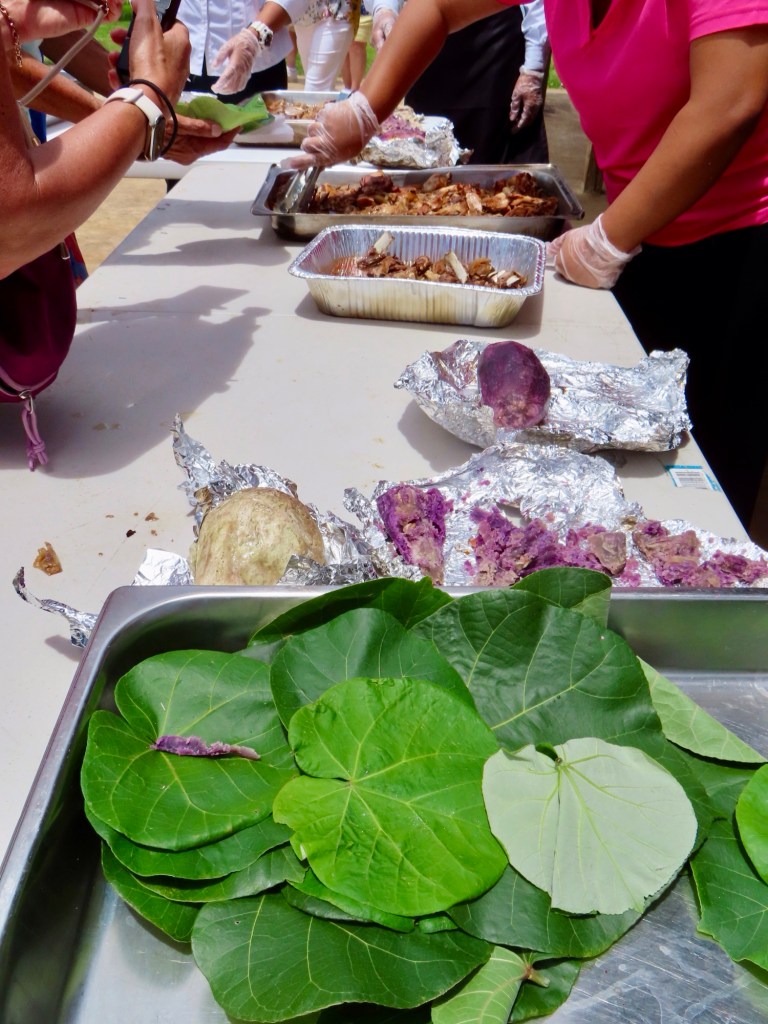
Local cooking method……hole in ground….Wood sticks lit, then hard rocks to absorb the  heat, then taro leaf and meat, tapioca, etc….roasted

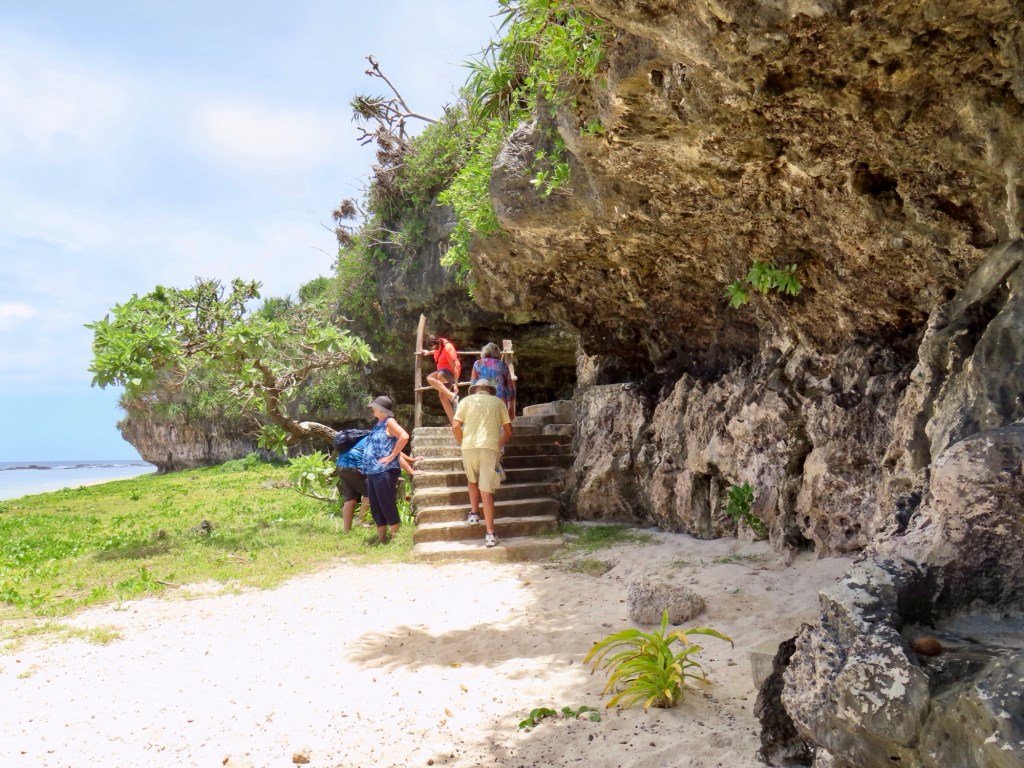
The legend of the Hina Cave is about a very beautiful 8 foot woman from Fiji that fell in love with a Tongan man.  They ran off to this cave but after a week or so Hina was hungry so the man went in search of food.  He never returned.  She looked out for him on the shore (where her soul is said to reside) but still he never returned.  She went back into the cave where she turned to stone.

The US 47th regiment hid out in Hina Cave during 2nd WW with 3 gun platforms on edge of the reef.

15 C is lowest temperature recorded here.

Bees on ground is sign of cyclone coming.

Most prisoners in the prison are there because of drug trafficking…250 is highest number of prisoners ever recorded.

Kava……it’s a drug but it doesn’t make you drunk like from beer. It just makes people sleep so is used as a sleeping aid. It’s also good for depression.

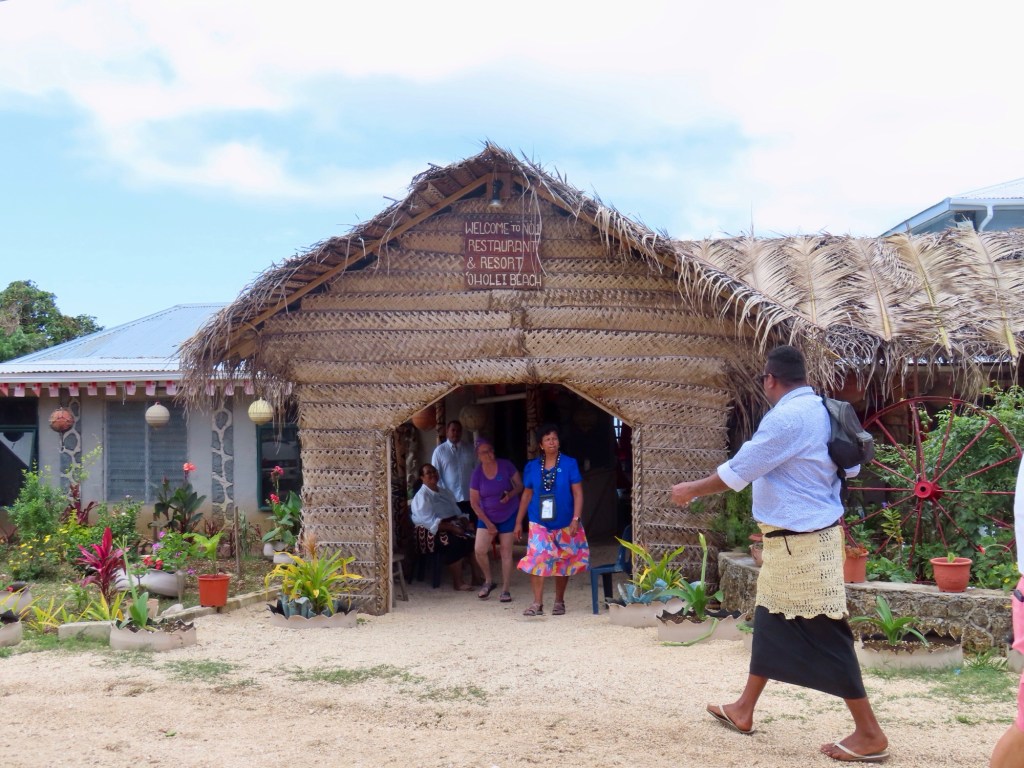
After coming back from seeing the cave, we were treated a a feast with foods that were baked in the special oven….incl suckling pig.  So many (15) dishes and traditional dancing and singing by local young people…   Before the dance performance came on we were entertained by 2 of the daughters of the big kahuna. One sang Anne Murray’s “Could I have this dance for the rest of my life”and Tina Turner’s “Simple the best”. They were very good.

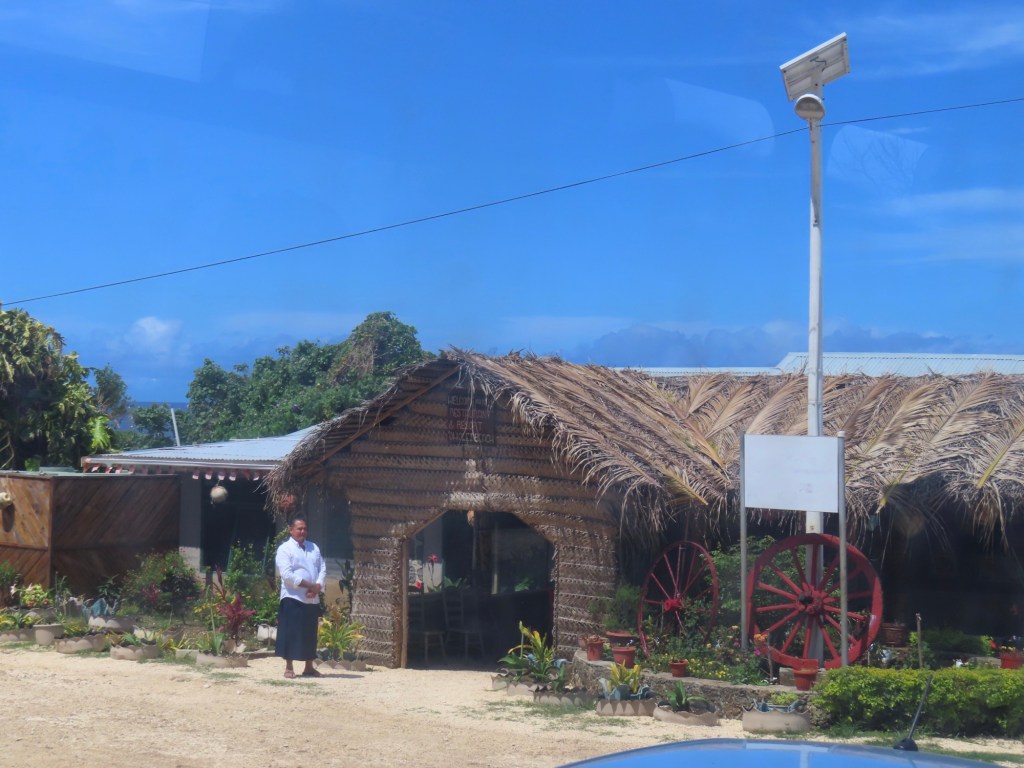
Only a few died from Covid but many lost their jobs and the tsunami on Jan 15/22 destroyed so many peoples homes and businesses. I believe that the Oho’lei Resort was mostly destroyed by the tsunami. And so they feed 3648 people every day.

Off the island is the 2nd deepest trough in Pacific…with very high currents. It is off Oho’lei Resort so humpbacks travel through in front. 

No charge to go to doctor or dentist.  School is free up to and incl 12.

Vanilla vine grows up coconut stalk. Apparently, the plant needs another for support.  

Apparently Chinese run lots of shops here but are also into investing. There aren’t any South Asians here like in Fiji.

Day 32-Oct 27/24-at sea 

Below are from lectures on board

Tonga

Tonga is the only surviving monarchy of Oceania. It is a nation of 170 islands ….36 of which are inhabited with a population of only 106,000. Tonga has been in settled since 888 +/- BC.  No foreigner can own land.  They have always had an extremely effective navy.  Europeans have never colonized.  In 1616…. the first Europeans set foot… In 1773 Captain Cook arrived.  Tongans are very religious.  Although the Europeans never been colonized, their missionaries did by converting them to Christianity.  George 1 Toupu, was the first king of modern Tonga.  George 11 brought in British.  After his wife died when daughter was 2, he remarried.  He sent his daughter to NZ to prevent her from being killed because of the tradition that if the father remarries, the children of previous marriage are to be killed..

She was Salote 111….the daughter and first queen, was 6’3”.  She lost her mother at 2, and was orphaned at 18.  She brought education to girls.  Tongans are extremely educated .  They have the highest numbers of PHD’s in world.  Parliamentary system….constitutional monarchy.

Tradition. It is a matriarch society.  Inherit through women. “Fahu”…. (father’s oldest sister) accorded the highest levels of respect at all formal and informal occasions from funerals to weddings and births. She acts as the family matriarch and oversees her siblings, nieces, and nephews.

DO NOT ever WEAR BLACK on Tonga.  It is a sign of mourning. 

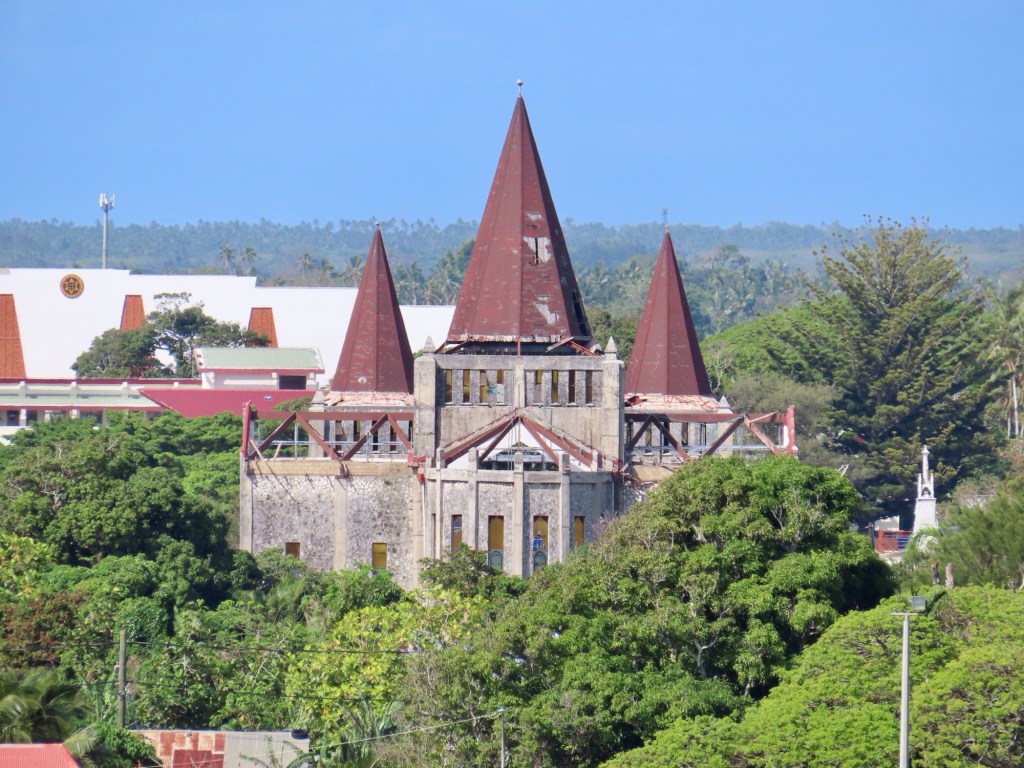
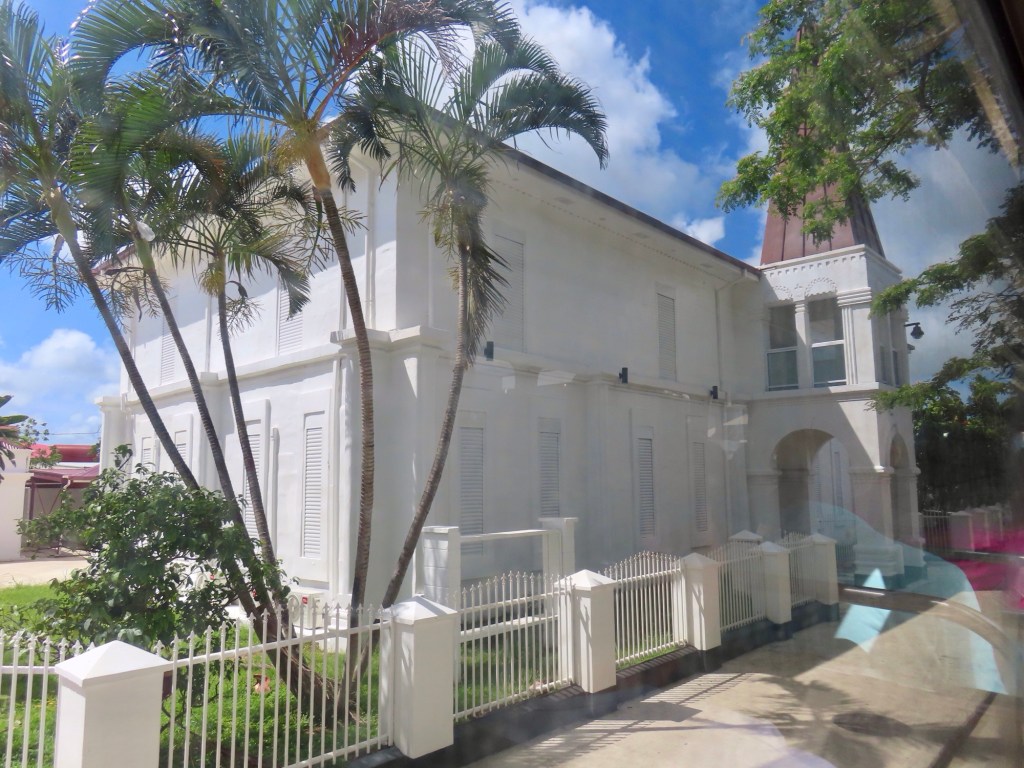
First stop….Nuku’alofa….Things to see:-Royal Palace, Royal Tombs, Free Church (there is no access because it was damaged by cyclone. It was made from coral)

Neiafu, is our second stop in Tonga.  Local market, Ene’io Botanical Garden, developed since 1972 and dedicated by the queen in 2006. Some other things to see or go to:-(Chiefs Whistles) Mapu’a ‘a vaea-blowholes, humpback whales.  Mt. Talau….131 metres high.

Hurricane Season lecture by Dr. Charlie Paxton

He had been involved during 31 hurricane seasons

Hurricanes do not develop near equator. There are none off west and east of South America cuz the water is too cold

P-3 Orion planes plus some others, fly thru hurricanes to get a truer picture.

Fiji has hurricane centre in this area.

Hurricanes are caused by warm ocean water, moist air, system disturbance, unstable atmosphere, low vertical atmosphere, warm air rising up into cold air. 

Sinking of air is where the eye occurs.

Hurricanes have a wind speed of 74 mph plus.

Because of excessive heat of water in east Caribbean this year,  caused the season to begin very early.

They start with a tropical depression then tropical storm to hurricanes.

Peak season in Atlantic is September in Atlantic/ Caribbean.  

Season here in South Pacific is from November to April where they are called cyclones.

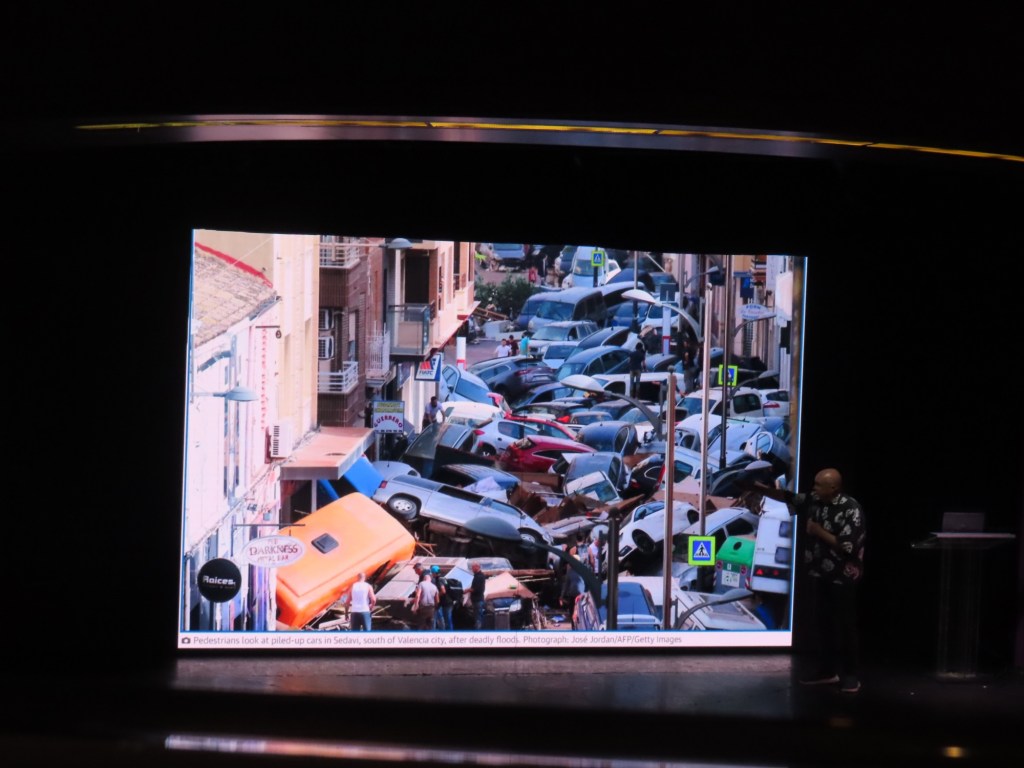
Most potential fatallities are from freshwater flooding, but also storm surge, depending on strength, size, tides, shallow waters and bays. Wind and waves are like a wrecking ball.  The greatest loss of life has been in Florida over the time they have been researching, then NY. Katrina…28’ storm surge. Tornados …offshoots from hurricanes 

La Niña, causes more hurricanes and they are stronger …..in Atlantic. There were 85% more hurricanes in ‘24  

Tropical cyclones 

Hurricanes don’t go through high pressure areas. Rain that went ahead of Helene cause most damage. Evacuation considerations….storm surge. Post stress causes…..Fire ants , alligators, rats, snakes 

The highest fatalities from a hurricane or cyclone has been in 1970 in Bay of Bengal with the death toll being 500,000, mostly from storm surge.

Exploring the Ocean Of Dolphins…by Isabelle Groc

Writer and photographer, film maker of nature from Vancouver but born near Toulouse. A photo journalist who works with scientists. Wrote book “Gentle Giants” about whales.

There are 18 varieties of toothed whales & 8 of balleen whales 

She worked with Robin Baird, a researcher in Hawaii.

Photo identification is part of research. Spinner dolphins & Humpback whales were the most previously research. Humpbacks migrate Dec to March, to off coast of Kona where there is very deep water, high mountains so it’s protected.

Beaked whales and Melon-headed whales.    

Orca are “killer of whales”, are really dolphins. Been observed in B.C. since 1958.  They are from family of blackfish. There are 5 species….. False killer whales, pygmy killer whales….rarest and only in Hawaii, short-finned pilotmelon-headed whales, beaked bait whales.

A lot of the whale family members can be identified because of marking left by Cookie cutter sharks. They suck on the whales, then bite them, leaving hole that when healed, leaves a scar.  The presence of squid is a sign there would be whales around cuz they are a food source.

In order to track, they attach tag, make Acoustic recording, use drones and dogs. “Conservation Canines” a book she has written. It is about how dogs work for environment. They can smell whale scat (poop). Researchers also take pieces skin to test for pollutants. Noise disturbances can destroy entire population of a pod of up to 400 members cuz they all hang together.

Nuku’alofa, on island of Tongatapu….the capital of Tonga

The ship is double the length of the pier. It is the only ship here for the month. 27C tomorrow with slight chance of rain & 85% humidity. 1 Tongan Pa’anga money =.59 CAD or .43 USD. Water is not drinkable. Time zone is GMT +13, drive on left, speak Tongan and English 

Oho’lei Beach and Hina Cave, near the ocean but not recommend you swim in the ocean. The water is too rough and sea is shallow. Must see…..5 kms of blowholes. A Stonehenge……..built 13th century …..“family tree made out of rocks”. Wear a tee shirt while on beach ….customs are to cover up.Currency exchange on shore.

Day31-Oct 26/24-Savusavu, Fiji 

It is a tender port 8-4:30

29 C….82% humidity… possible rain

3372 population.  Bug spray and sunscreen.  Less than 1 km walk from pier to town. Tourism, copra (coconut fibre) and rum are main sources of income.   To right….Nakama mud pots are not for enjoying in but for cooking…too hot at close to 100 C.

Rainforest reserve; Domo village.10$.  Flora Tropica Gardens, “Split Rock” for snorkeling….take taxi.

Excursion is Snorkelling with Cousteau

Gorgeous waterfront with sailboats, beautiful hillsides and nicer homes.  I think I could live here.

We took a short boat ride to Coral Garden Waterfront Reserve.  Oh my goodness….the coral was spectacular as were all the fishes.  I so wish I could take pictures.  I have asked others if they would share some of their pictures. 

I did notice that the seabed had a a grey covering that I asked about.  It was the dead coral from the cyclone that hit here 6-7 years ago.  I was told that the coral that we saw growing was only growing there since that cyclone.  Apparently the coral is started in a water farm close by.  Who knew!  The whole area is a reserve that no one is allowed to fish in, including spear fishing.

While there at Coral Garden snorkelling for quite sometime, my left wrist area began feeling prickly.  I would rub it so as to brush off whatever  was causing it.  I could not see anything.  It just kept on “stinging” my lower arm. And so I returned to the boat.  I asked if there were tiny jellyfish but they said no but there were sea lice.  Within a few minutes I smallish hive-like lumps on my skin.  When I could I asked “Mr. Google” about sea lice.  Turns out that they are in fact the larvae of the tiny jellyfish or anemone.  There were no long lasting effects thanks to a fellow snorkeler that had Benadryl spray.

We left that area to go to another spot called “Split Rock”.  As you are probably aware there is a section on the Malahat Highway that is called by the same name.  This spot like the previous was really quite awesome.  

Day 30-Oct 25/24-Dravuni Island

Lecture from night before

Floating jetty only….tendering, bug spray.

No vehicles, no roads, only 125 population.

Something to do besides doing the beach is climb a hill …450 feet…view of so many little islands that dot the ocean.  Snorkeling…part of astrolabe reef.  Take picture of map to find snorkel beach.  Pigs, birds, gannets, coral, fish.  The waters are very swimable….no boat necessary.

Fiji is part of Melanesia, not Polynesia.

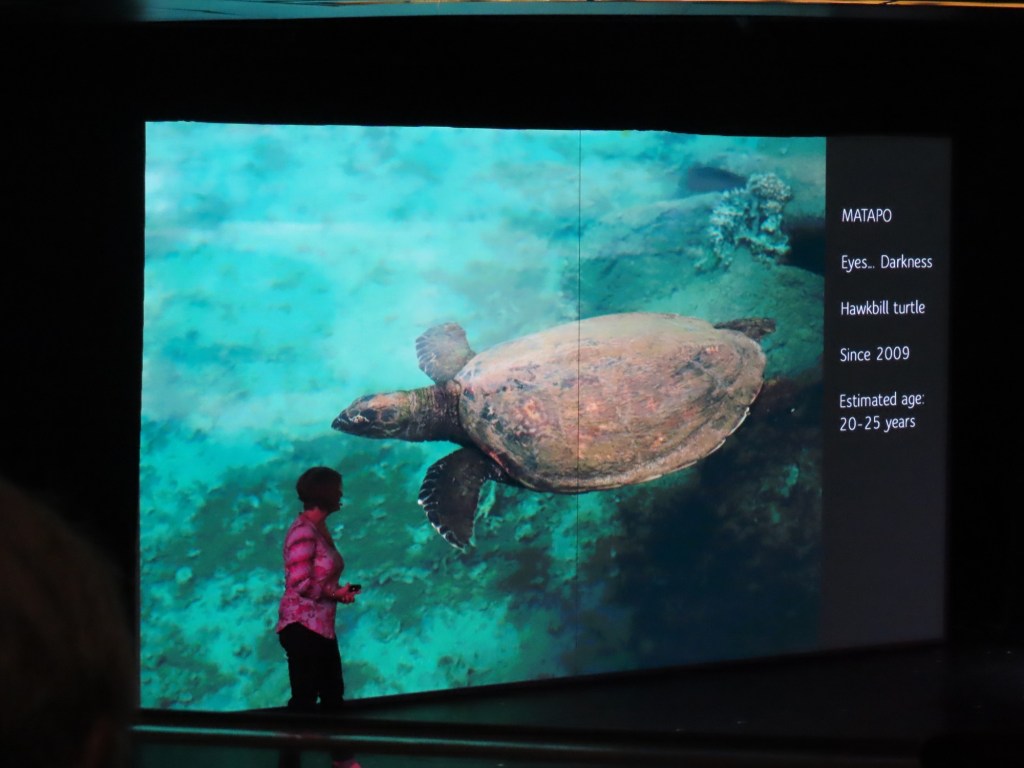
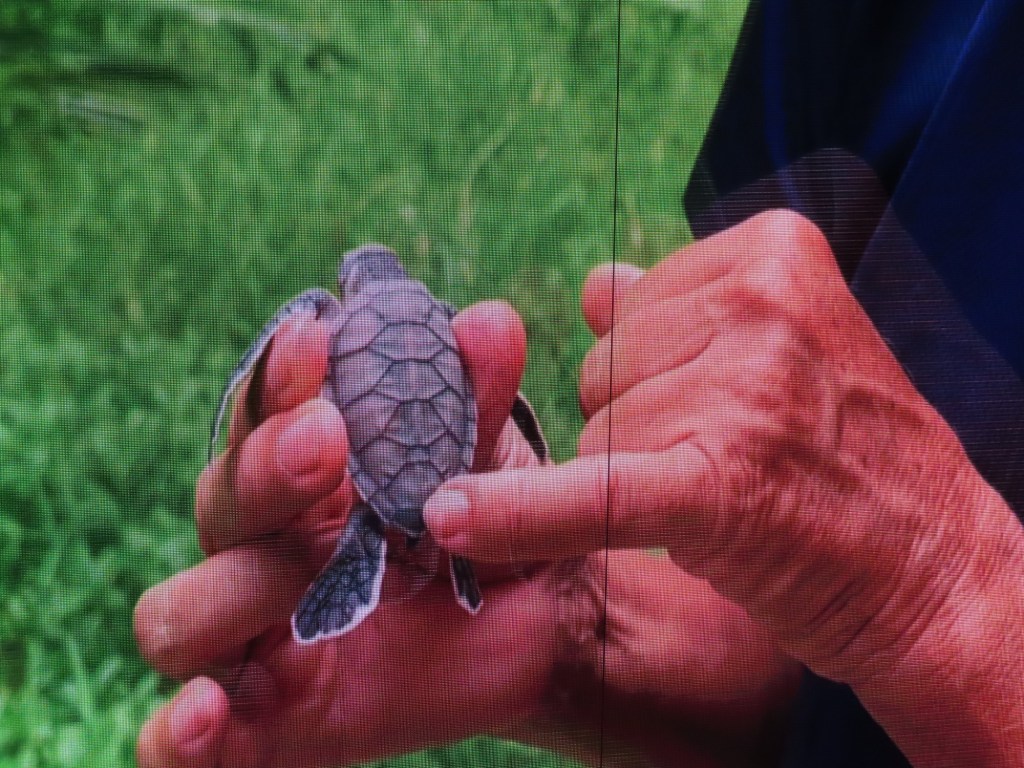
I tried to see some fish but alas….i barely saw any but two were so different. I am missing that I cannot take any underwater pictures. I have one picture of a turtle…. from the FB post for this ship

Day 29-Oct 24/24- Leisurely Nadi

Lecture on Lautoka from evening before.

It will be 26 C temp …65% chance of rain even if it’s on the dry side of island.

Use bug spray. McDs and Starbucks have wifi. 3 kms to town so take the free shuttle bus. LT……metered taxi, LH…..not metered taxi.

Laukota is the 2nd largest city on the island with 90,000 people.

There are lots of places to exchange money.  Botanical Gardens…15 acres…. Lots of orchids.  Garden of the Sleeping Giant.  Flights directly to LA, SF and Vancouver.

Bathing in mud hot springs. Savennie beach…so nice and sandy but filled with trash.  Nadi, is the main beach town on this island.

Don’t drink the water or have ice cubes.  The people that live here don’t have a problem but we just might.

Jack’s still sells cannibalism forks…lol!

333 islands & 522 islets make up the nation of Fiji.

Excursion called “Leisurely Nadi”. Any word that has a “d” will be pronounced as if “nd”, hence Nadi is said like Nandi.

Indians are the 2nd largest population in Fiji with 44% of population. The main source of income here is a giant sugar mill. They also export pine wood chips to Japan. There is also a rum factory. Rum is made from sugar cane…. Rail lines are for sugarcane only, not passengers.

Foreign investors are leasing land for hotels etc. but there is no water on small islands.  Tom Cruse has one island. 

Largest Hindu temple in southern hemisphere in Nadi, where we stopped by the take pictures….from a distant. We are not allowed in. Diwali is coming up, is referred to as festival of light…is national holiday. 2-3,000,000 FJD for Hindu temple built in 1992-94. 4 full time priests now but used to be 7.  The temple is painted every 2 years because sun and humidity bleaches paint.  If you buy a new car they have it taken to temple to be blessed.

Sheep farming not successful because of high humidity so they cross bred with goats.

Tin houses are on built on leased land so that is why they don’t build anything permanent….hmmmm!

5 universities in Fiji…. 2 are run by religious groups.  English is official but 300 dialects for under a million population.  If you don’t pass English in any grade of school, you don’t pass to next grade. Every Fijian is registered to father’s village even if not born there.

Vacant lands that used to be used for sugarcane farms now are now being leased for industrial or commercial. Foreigners can own land if it is owned 5% by Fijians.

 Volcanic islands. There are no dangerous animals other than boa constrictors. “They just squeeze the life out of you. Then they eat you.”

DMC is like KFC but run by Koreans. There are also Burger King, Mcds.

Nadi International airport was built originally as airforce base during WW 2.  Built by NZ navy.  Suva airport can only handle maximum size of 737’s but Nadi can take bigger planes. You can fly non-stop from here to LA, San Francisco or Vancouver.

Base of mountain  is mud thermal pool….mountain of the sleeping giant. The one to the right looks like a woman on her back that is 8-9 months pregnant. Man is to left.

Trunks of trees at the base of the mountains are so wide it take 5-6 men spreading arms to reach around. 3500 years Fiji has been inhabited. 99% Fijian natives are Christian… 73% Indians are Hindus, balance are moslems. “Happy clappers” and “ceiling painters” are what the locals call Pentecostals.

2.80 $Fijian/ litre for gas

Education is compulsory  and free, composing of 3 terms except private religious schools that have 4.

Seafood is necessary in any feast.

End of October to April is monsoon/cyclone season…..so high humidity and up to 33C….must have ceiling fans in homes.

Villager look out for all ……incl children if parents are out, give money to help feed a family. 

50 USD for hotel here.  Rugby is national sport. F$120,000-250,000 (75-155,000 CAD) for very nice homes.  New govt recently moved retirement age to 55.  Now theywant to move it back to 62. Civil servants have housing but have to vacate at retirement but they have pension then.

38% GDP is from tourism.  There are tourist police to protect tourists.

Fiji is still a member of British Commonwealth even if has been booted out twice before.

Drove by Alligator Head mountain.

“Rolling of the golden orange”……the way it used to be to find your life partner. The man lets the orange roll toward the women. The women jump for the orange….sometimes there is a fight for it….lol!

15 mango for 2$… right now.  Later in year they are cheaper.   You can get drunk from the sweetness. Brown coconut used for cooking, green are young…for drinking the milk.

28% unemployed before Covid. But the country has opened up to foreign investors to open businesses and so unemployment has decreased.  Was FJD 2.60/hour income. Now $4.00/hr.   FJD 14-15/ kg for meat. Needless to say they don’t eat much meat. Their protein source mostly consists of fish

Recently police confiscated 3.6 tons of methamphetamine plus another 1.8 tons …..drugs are a problem here (as well as in the rest of the world it seems).

Below are just an array of pictures that I took when I took the shuttle into the town.

Day 28-its Oct 23/24 here in Suva, Fiji but 22nd at home

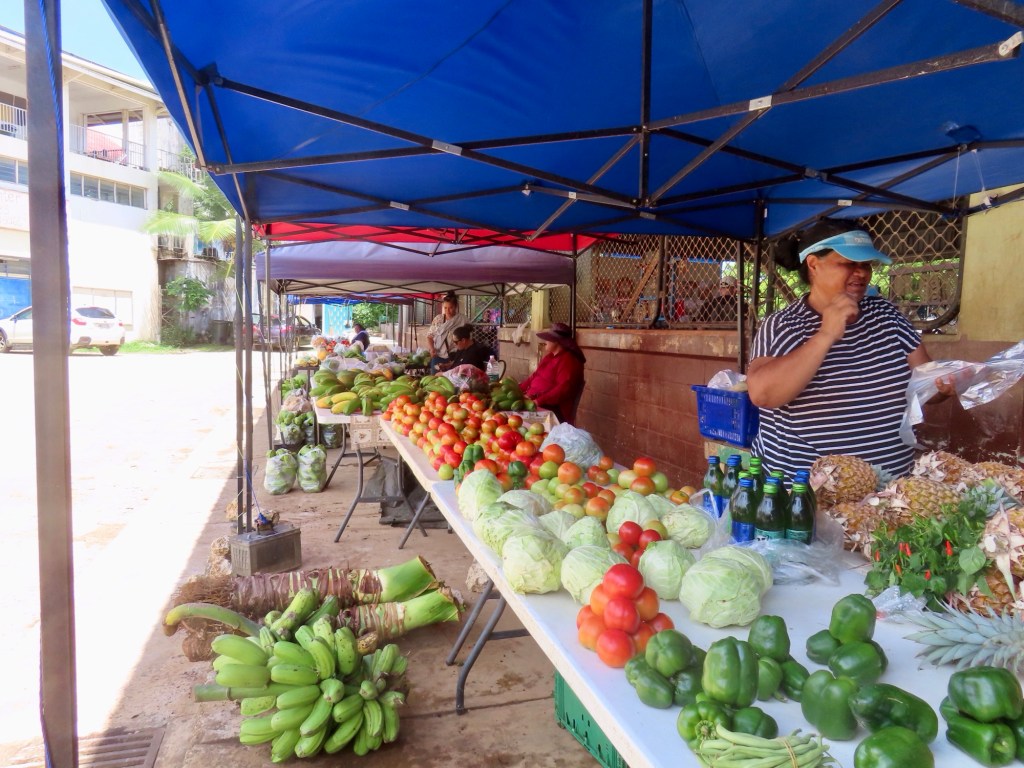
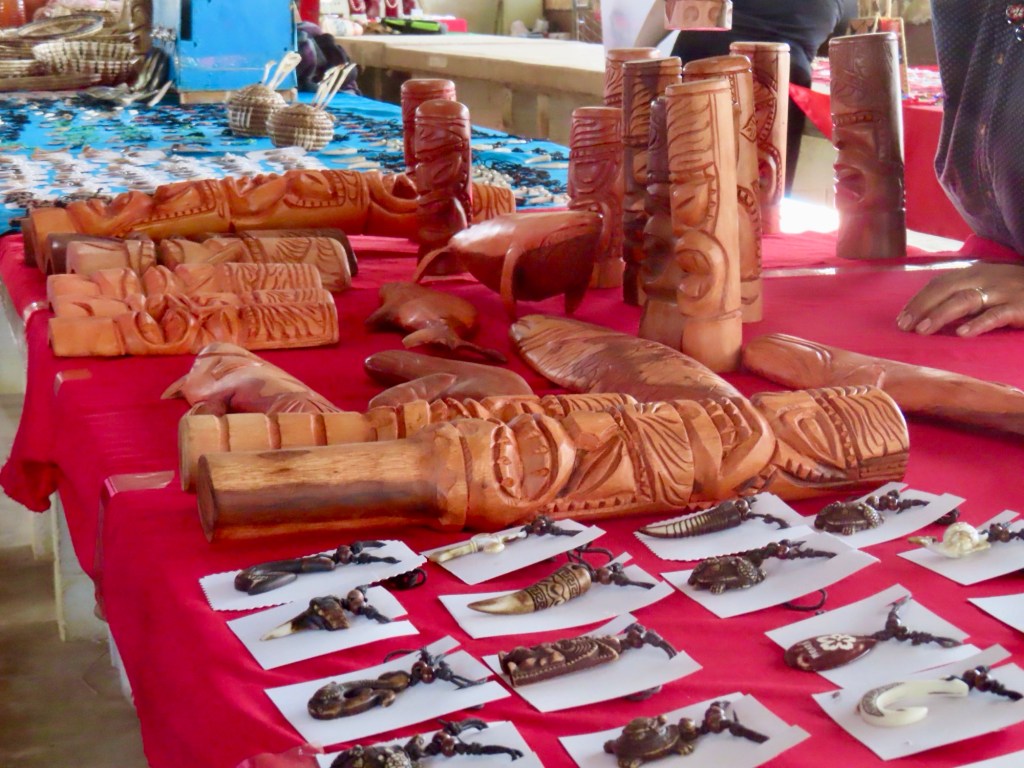
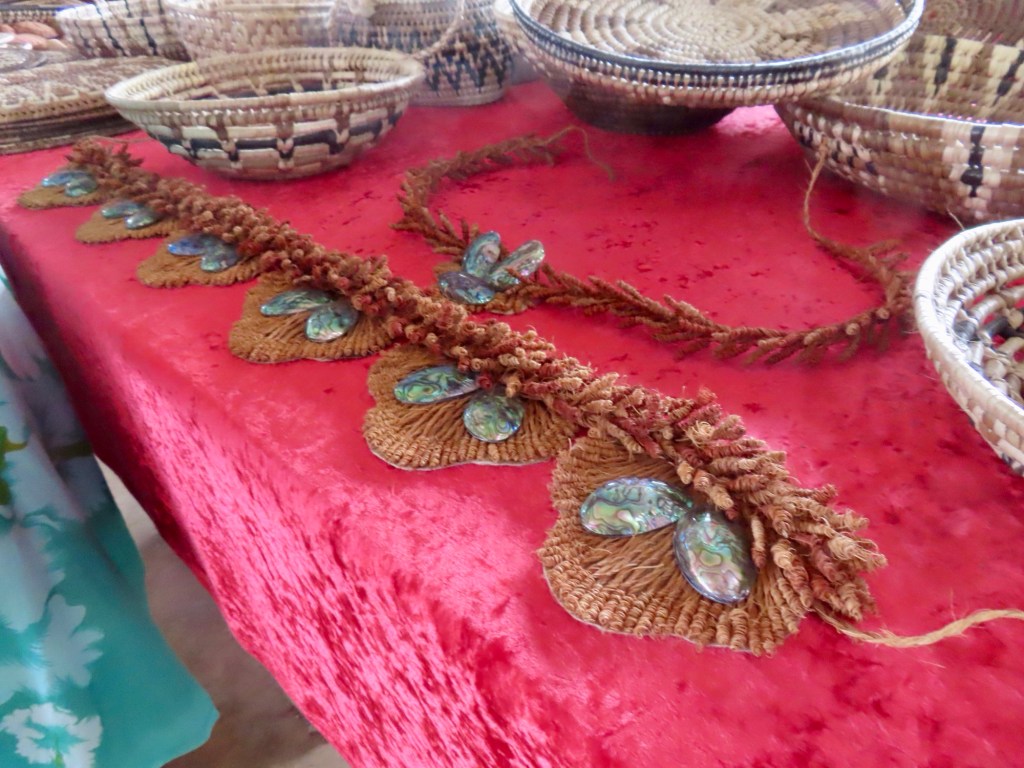
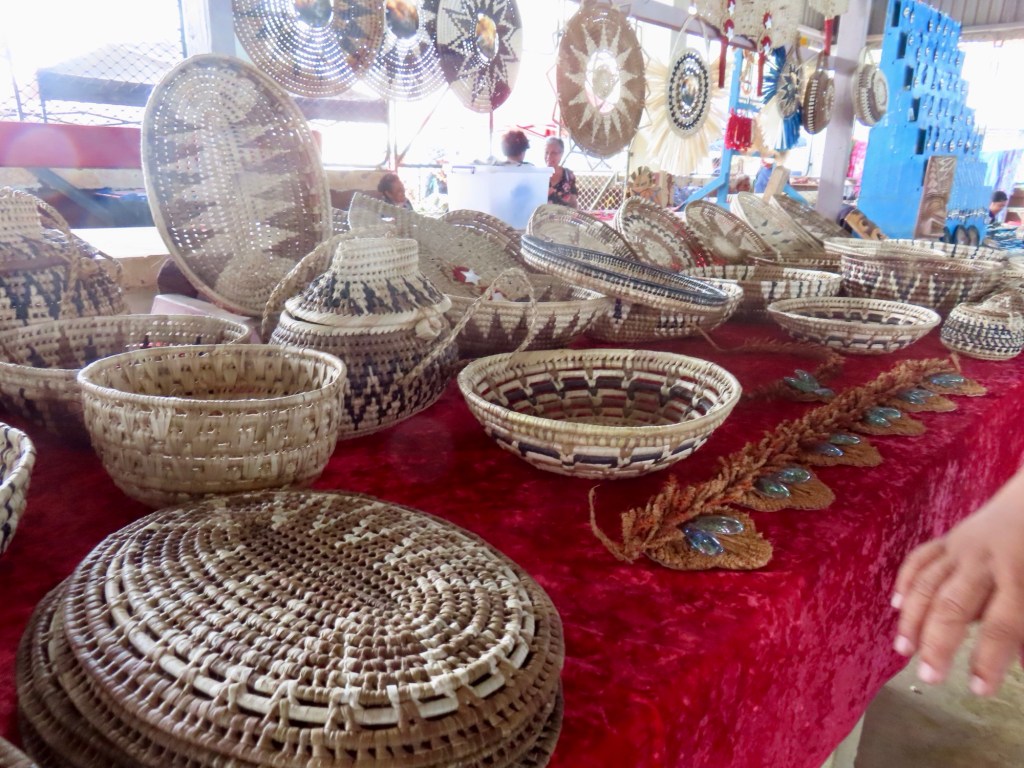
I didn’t do an excursion today, just did some catch up and then went for a bit of a walk first through the local market and then through some of the streets of downtown Suva with friends May and Lindsay. So just some random pictures ….

Days 27-Oct 22/24 Suva, Fiji….25 & 26-were at sea

Lecture about Suva and the rest of the stops in Fiji

Don’t drink the water they are telling us.…30% of US bottled water comes from Fiji……but 53% of the population in 2011 didn’t have access to clean drinking water. Deep acqifered water is supplied from under volcanoes,creating perfect filtration system.  Fiji is the number 1 source in US, for bottled water. The Californians Lisnick family bought the rights  to the water in 1996.  Now the income from water is $43 million. It is the number 1 income…is  24% of all exports.   So many of the Fijians still don’t have a clean supply of drinking water though.

An Italian firm is developing something to clean the water using seagrass….to clean up coastal water.  It is being looked at to solve the problem.

Fiji used to be known as cannibalism isles.  It had a rumoured reputation so not many were keen to stop here.

Many came though as ”beachcombers” from shipwrecks. In 1874 it became British crown colony. They made it illegal for non Fijians to own land. Brits brought South Asians in as indentured labourers to work the sugarcane. And so they remained.  I think I heard that they are 40% of the population. In 1970, Fiji gained independence from Britain.

#1 & 2 stop-Suva, apparently became known as the NY of Pacific.  There are not so many good beaches beaches

Sigatoka sand dunes I’d like to see….also Suva national park

#3 stop-Lautoka…..sugar exporting port, botanical garden., sugar mill, beach 

#4-Dravuni island…beaches island is only 1.5 miles long… great snorkeling.  There are no tours. Bathroom are not available

#5-Sauvasauva……snorkelling….marine park…amazing corals, turtles,

250 varieties of palms, hot springs….maybe can try that.

Biggest income is from tourism brought about by the export of Fijian water that so few locals still have access to.  Something is wrong with that picture in my mind 

Oct22 (here)….Suva

As we sail into the Suva harbour, I notice that there are so so many “dead” ships.  It looks as if the “bay” is wide open but then you notice that the reefs are all around, just below the surface making for a narrow accessible passage in. (It reminded me of another place ….in India, that the beaches were littered with rusted-out hulk of ships.  I think it was in Mangalore).  Looking beyond, the mountains are really quite rugged.  One mountain “Joske’s Thumb” is a volcanic plug, looks as though there should be a statue atop it.

Before getting our excursion, Keith and I walked to the “Apple” repair store.  It was way further than we had anticipated.  And we had quite an experience getting across a round-about when they are all driving on the “wrong”….lol, side of the road……..it was a little 😨scary!  Unfortunately, all they could do there was dry it out and that was no guarantee.  If it needed parts, it would take 2 weeks to get them …..from Australia ……and would probably cost the same as a new phone.  I guess I am just SOL! 😩. 

Tour to Col I Suva park and waterfall

“Bula” is hello in Fijian, vinaka(sp) is thank you

330,000 in area….90,000 population in city.  Suva is distribution centre for many of the other countries in the South Pacific.. 

Main source of income used to be sugarcane now but is tourism (and water).  From here on in I could hear so little, mostly cuz the diesel bus we were riding in had the door open as the driver accelerated up the hills to the Colo I Suva Forest Park/Reserve, it was extremely noisy. And so I put my iPad away.

After arriving at the park entrance we walk down a gravel road where a guide pointed out different jungle vegetation.  The description of the tour had mentioned birds.  We never say a one.  I was very disappointed!  Only heard cicadas but did see some butterflies.  At the end of the road we trekked down a somewhat treacherous trail to a string of waterfalls.  It was very hot and humid so I decided along with a good number of others, I would go for a swim.  Oh my…..it was mighty cold getting in but then……it was sooooo nice…..not bad at all.  Unfortunately, what goes down must go back up.

Some of my observations of the areas that we drove through getting there…..some quite lovely homes in the area near embassies/consulates but oh my, talk about tin shacks and I am not talking just the roofs.  Pretty poor! We also saw banner flags on hydro poles like we see advertising coming events/festivals.  They were advertising about AIDS and HIV……”it only takes once”, a picture of a guy say that he’s been living with AIDS for 10 years, “get vaccinated”, etc.  I don’t think I have ever seen that wherever I have been before.

Day 24-Oct 18/24-Pago Pago in American Samoa

We were greeted  by singing and dancing on the pier. 

Not a good video but….

Women are all wearing matching tops with long skirts called a pulatasi. It is worn for special occasions.  It is a sign of respect. For every day though it’s shorts and tees. The men on the other hand have short skirts and bare chests.

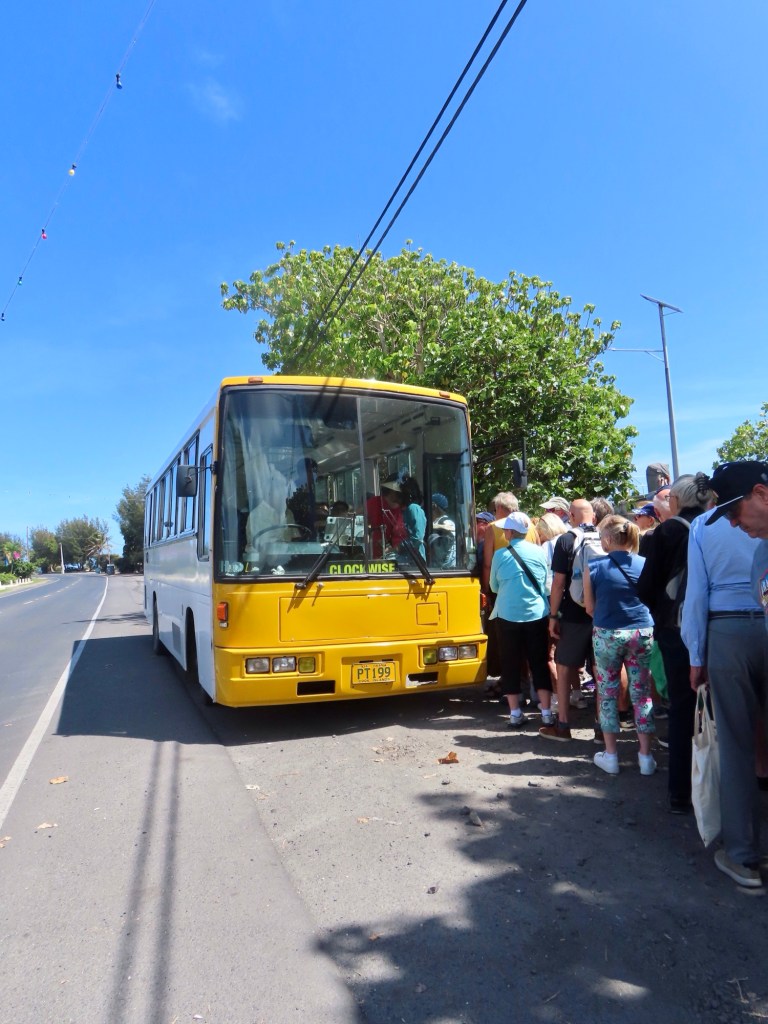
The vehicle we travel in is the most rustic buses I think I have ever ridden in. The benches are wooden. The driver builds the bus made from wood of poumuli.  Teuila flower is national flower….from the ginger family. The buses have them attached to the outside…

First stop is the “Flower Pots”. It is 2 rocks just off the shore. ….It  shows a couple ….fatsu at back and mafutti (a woman closest to road). The story goes that they went swimming but have to be on shore before dark, they were late and so died there.  She almost made it.  There are curfews still that say you must be out of the water and not outside by 6 pm for evening prayers. “At 9pm the bell will ring signifying the village evening curfew for all students. At 10pm, the bell will ring signifying the village curfew for EVERYONE”.

Must always be respectful ….very religious …Christian.  There is a church at least every kilometre. They are not particularly beautiful. John Williams brought Christianity to the islands…. Before that they were canniballs. No swimming on Sunday. You must keep the sabbath. White Sunday…. Children wear white 2nd Sunday every October. I can’t remember the rest of the tradition.

Samoans are bilingual (Samoan and English). There is 1 movie theatre, 1 hospital , 3 clinics, 1 prison.

2nd stop is at Tafuna….stop where TAOA is where you go for assistance with elderly family.

There are no public cemeteries so they bury their loved ones in the front of their property

Chiefs and high chief are inherited position.  Only vote for local government. People are called nationals … cannot vote in American elections.

Last tsunami here was in 2009 that killed about 200 in both Samoas. We stopped here in Leone where there is a memorial for those that lost their lives.

Sunday after church they always have a feast… which is cooked by the boys in the traditional way….outside.  Other foods on other days are cooked by the women in the house 

Public school is free including the food and bus ride.

Coconut good for upset stomach

Third stop….At the village….

Boys cook as long as they’re up to it….lol! First they start with taro leaves then coconut milk, spinach, breadfruit, banana leaves. The more banana leaves the hotter the inside gets. 

In Hawaii women wear a flower on left same as ring finger to signify they are married but the opposite is true here in American Samoa.  Here it is worn on the right.

Each family runs a separate tour so this tour, the interest is to this village. All participants are from same family.  Another family will run a tour to a different place.

Population of American Samoa is 60,000 plus…. There is only one community college that you can go for 2 years then you have to go mainland US. 

This small island is spectacular with its steep mountains covered with lush jungle.  Oh my goodness though, jungle, tropics and ocean means heat with extreme humidity…..phew…sweaty!  The weatherman had promised rain but that didn’t happen.  That might have been a good thing though.