Sept 9/23-Nairobi to Kampala (Entebbe)

We finally got a chance to sleep in. It was a good sleep last night….. in a real bed.

We are to be picked up at 10 (was a half hour late) to go to the airport for a flight to Entebbe at 2:15pm.

If you think security is tight all over the world….. this place takes the cake. You get out the vehicle a few kms before the airport and walk with your carry-on through a building with security then get back in the vehicle on the other side and then drive another couple of kilometres. Once at the airport you have to show ticket and passport just to get through the door. Once through the door it’s bags and luggage through the X-ray machines, then to check-in counter with your bags. There you have to show passport, visa & tell them what flights you are on to leave and when we are to leave Kigali (Rwanda). Then through another checkpoint and then another X-ray machine, taking off shoes, jackets, watches and iPads (which recently I have not had to do) but… I had a small sealed bottle of water that got through. Surprise, surprise.

Only about one’s hour flight to get to Entebbe. Believe it or not they offered drinks and food ….for free.

We have noticed that the majority of women have their hair braided in corn rows ….with what I think are hair extensions of different colours. Beautiful!!

No gas when driver went into a gas station to get some so off to find one that does.

Huge market on the street with second hand clothes

Finished ditches, even frontage road along main are paved

Idi Amin-1971-79…. Very good plan development. No corruption in his time cuz he killed anyone not abiding by his rules.

Lots of military personnel on the streets today. At one point we witnessed a motorcade of the president….. travelling between his home and parliament. By the way he has been in power for something like 40 years.

1962 independence from Britain

65% are catholic, 15% Muslim, plus Hindus, Bahai.

Murchison Fall biggest and best NP according to taxi driver.

40 M population in the country.
Sept 8 -heading to Nairobi

On the road by 630 oh my God the storm last night was absolutely incredible the thunder and lightning and torrential rain was just terrific

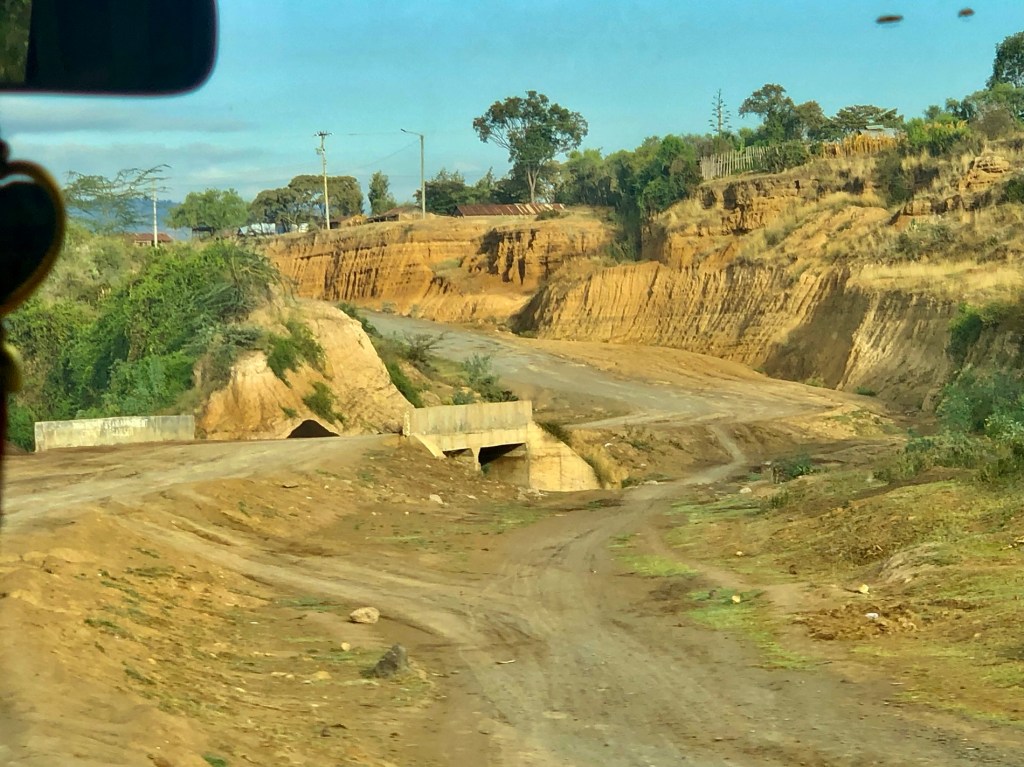
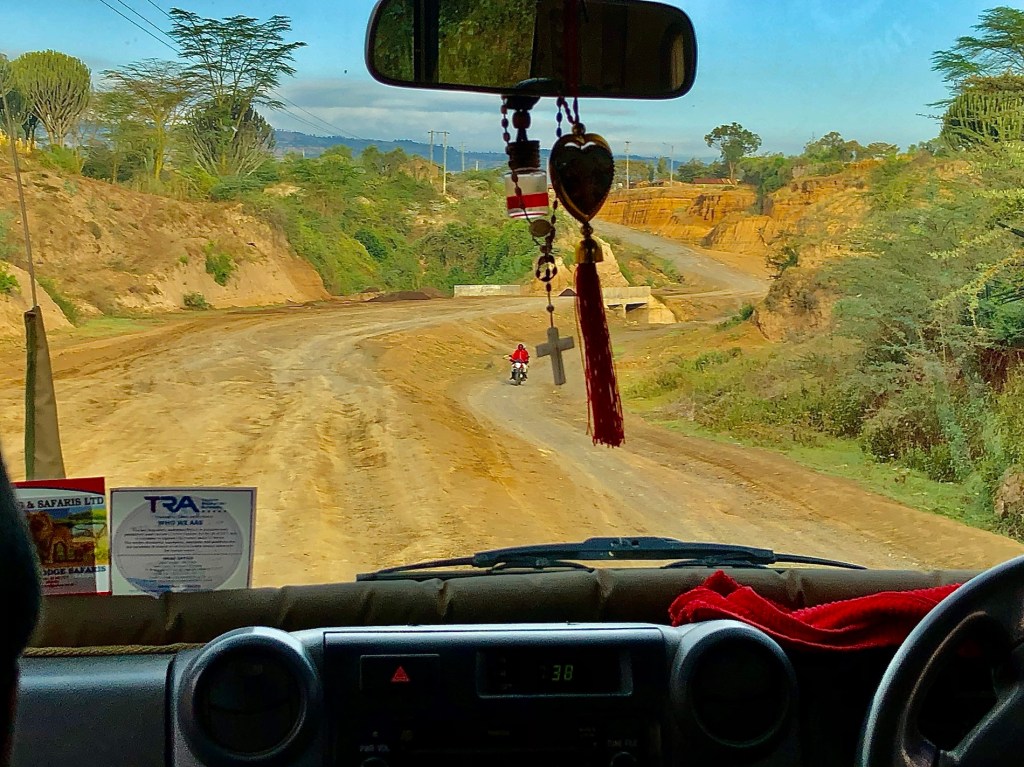
The roads amazingly horrible. It’s not surprising that they are in such condition they are in caused by torrential rain.

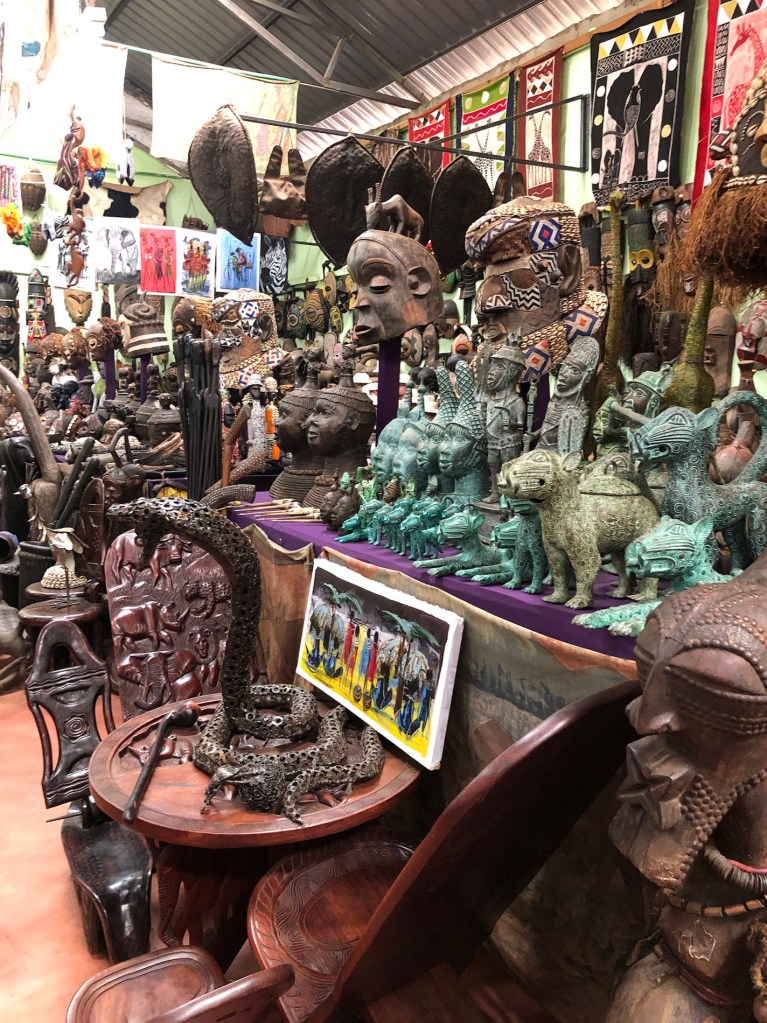
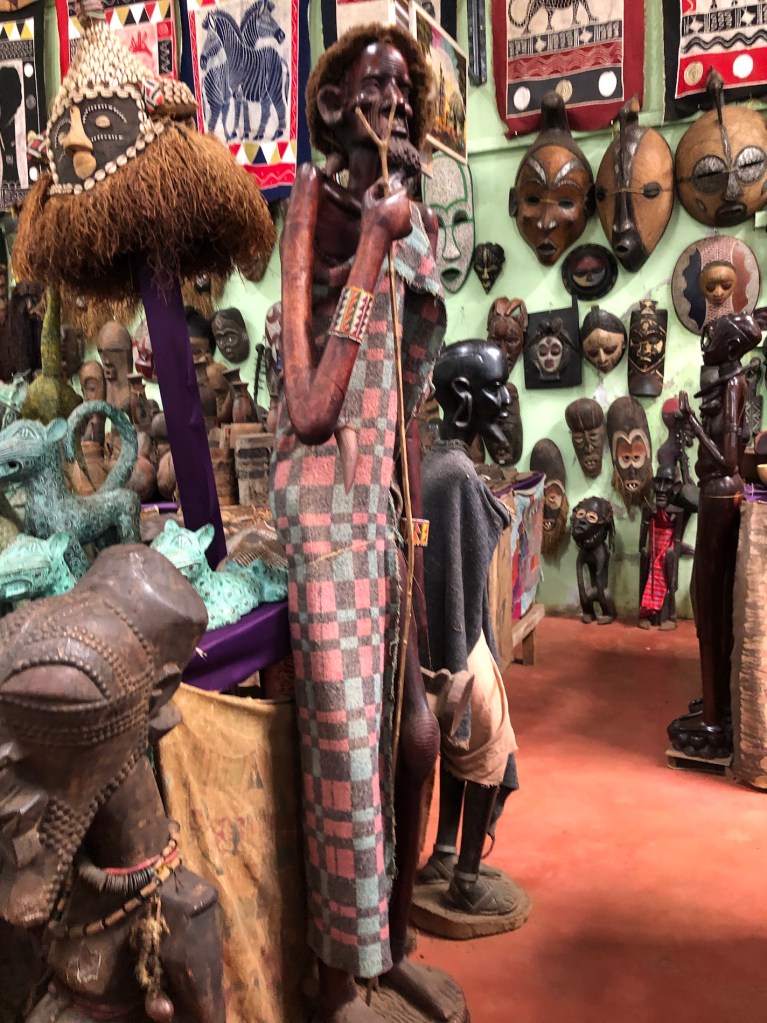
Bathroom break place is as is the case, a shop of African curios and the like. Humongous amount of stuff. They should export.

Next was a road stop by rangers checking who has been in the Maasai Mara. Interesting …..with spiked boards and rocks, diverting vehicles off the road where the driver shows where we’ve been.

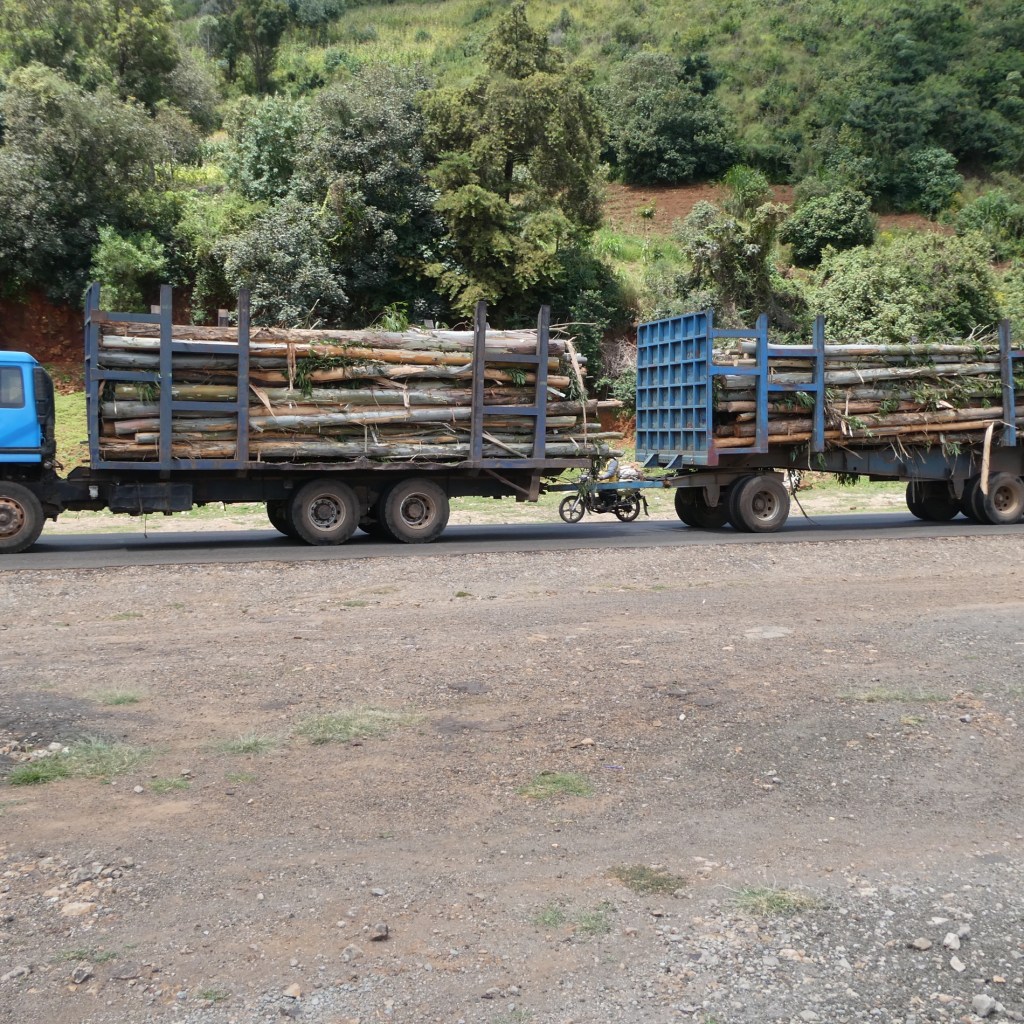
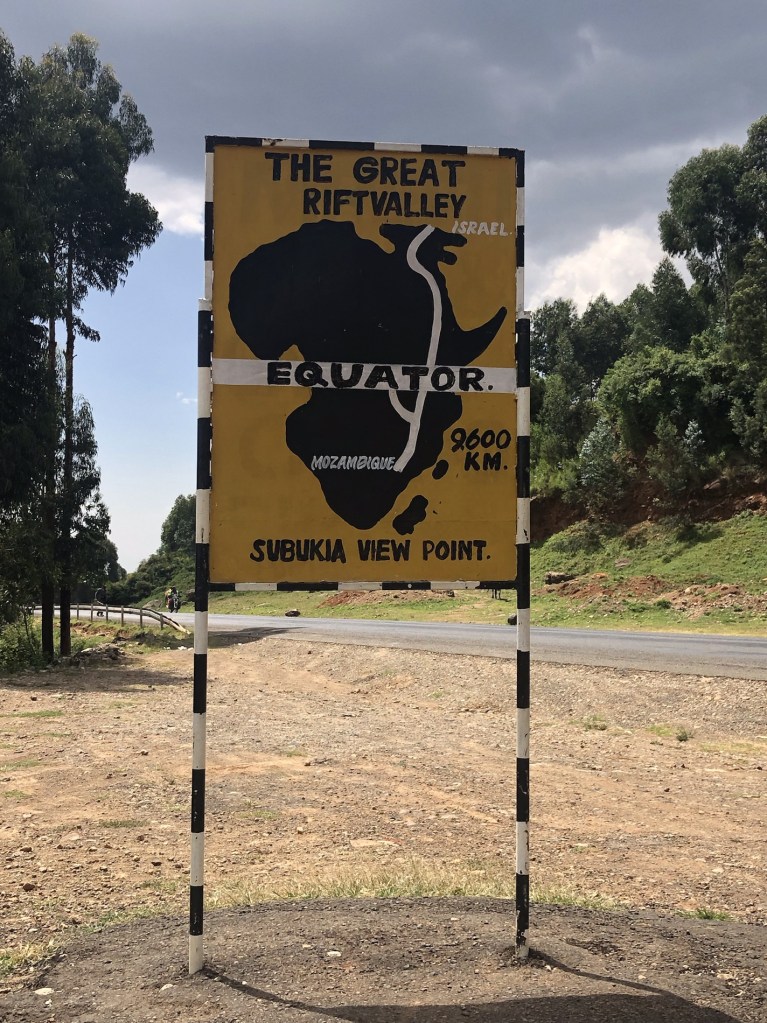
We make the climb over the mountain on a highway built in 1942 by the Italians. (I can’t imagine building anything in this heat). It is a main route to Uganda and Burundi, from Nairobi and Mombasa. Consequently the number of trucks is extreme…, and very slow. As we ascend, we get a great view of the Rift Valley.
Sept. 7/23-Maasai Mara
Up before 4 am to be picked up at 4:20. We travel along on horrendous roads for over 1 hour to arrive for a balloon ride over the Maasai Mara. Along the way in the dark we saw zebras, a huge herd of cattle that slowed us almost to a stop & a hyena with something in its mouth. That was exciting but they are so fleeting we didn’t get a picture.

We left the ground at 6:45

The balloon climbed to 350 m. It dropped down as low as 21 m.

Mara means “spotted” in Swahili. The bushes (and probably the termite hill) seen from the balloons… the landscape is spotted. Termite hills in winter become wet and so malleable. The pumbas (warthogs) dig into them and make a nest/burrows out of them. Termite nests when dry are like rock and cannot be dug into.

The grasslands have been controlled burnt allowing the grass to grow back quickly and very green. That attracts the animals with fresh grass. Otherwise they may leave for the Serengeti.

Hyenas are most effective hunters. Females are bigger than males. The males will eat the babies. If mother see that, it will sever the male head off and leave the carcass without eating it.

Thomson gazelles have harems with maybe 30 females and one lonely male. The other males congregate together into a smaller group. The natives refer to them as losers.

Zebras are useless for humans. Their backs are too weak to ride and too wild to be domesticated.

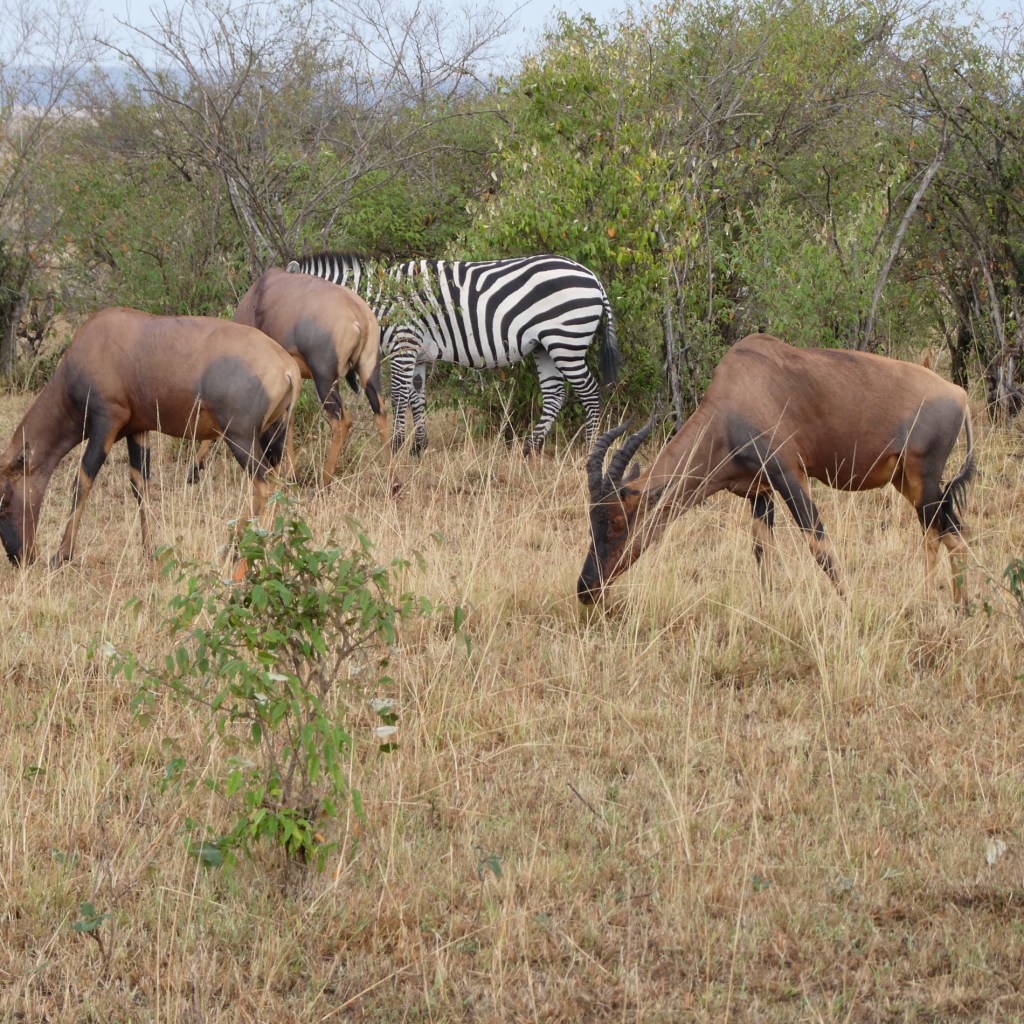
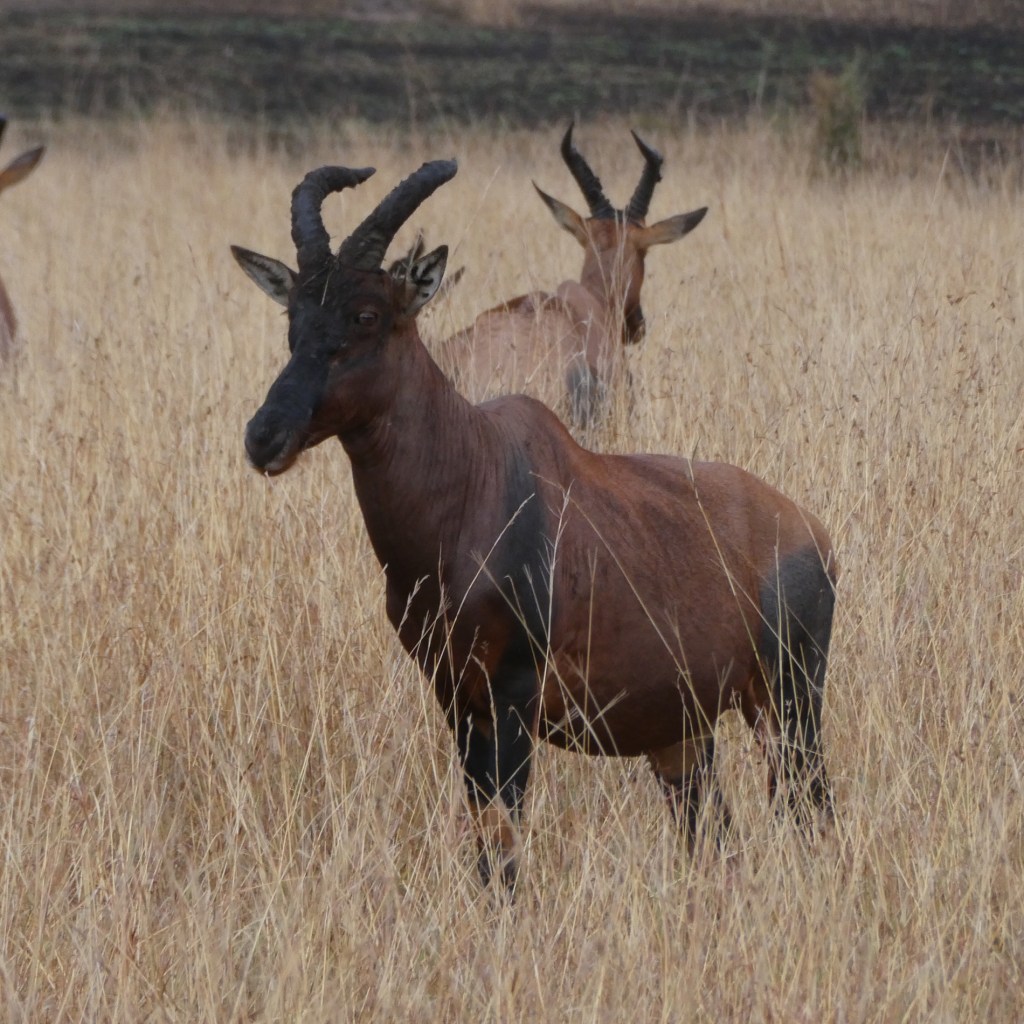
Topis antelopes have very dark defined legs

Red Hartebeest

Rainy season is October/November. Every year the roads and bridges have to rebuilt. Funny…, this is little early but roads are wet and mucky now with lots of vehicles getting stuck today.
Carlos our pilot told us that lines on plains not as defined as vehicle ruts, are hippos trails. They travel at night and into the water in the daytime.
After 1 hour and 20 we landed with a bit of bump….. very close to Tanzania. Driven to have champagne breakfast. Short time later reconnected with rest of group.

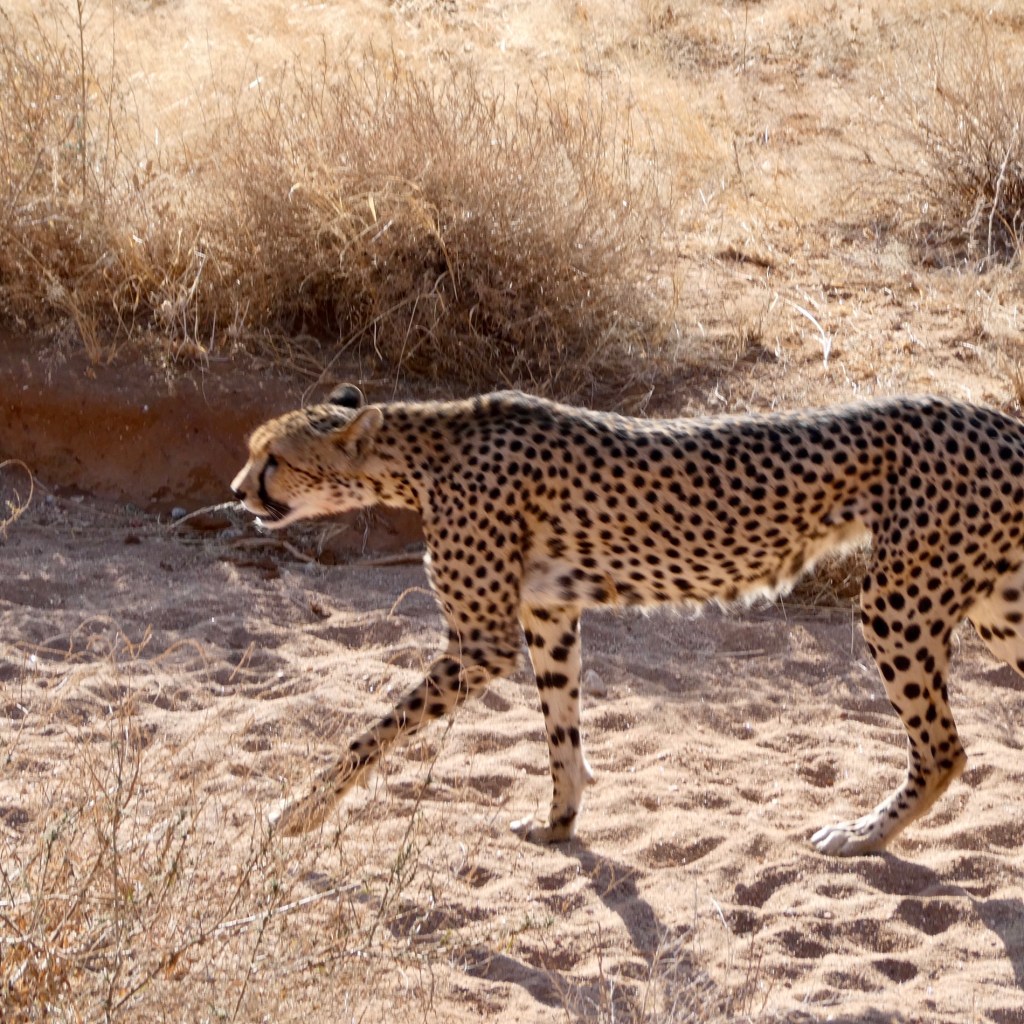
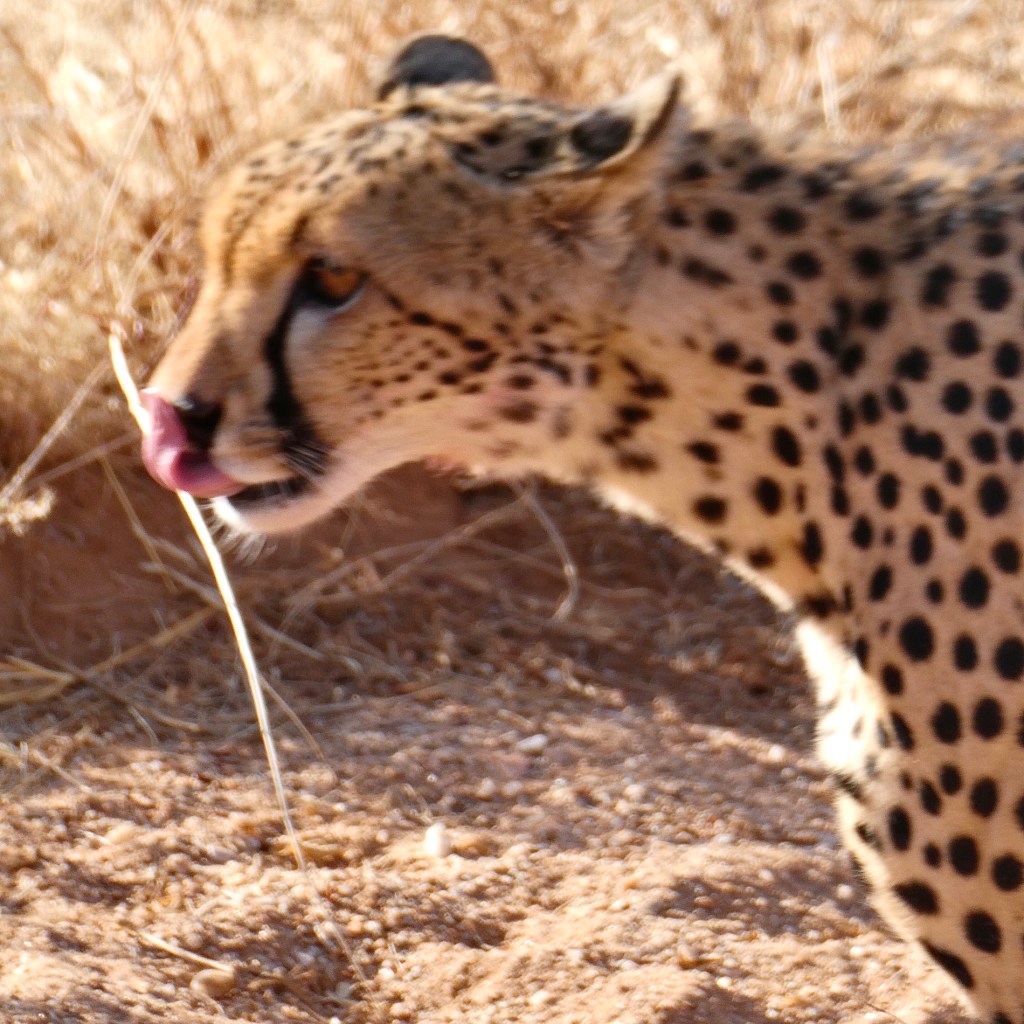
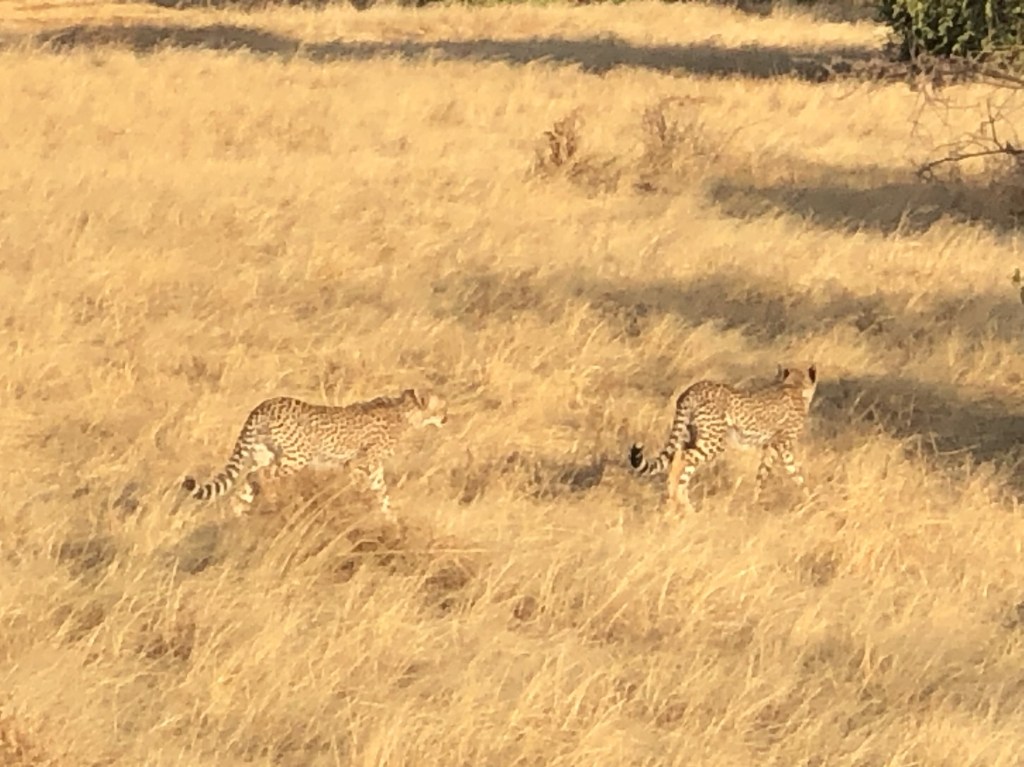
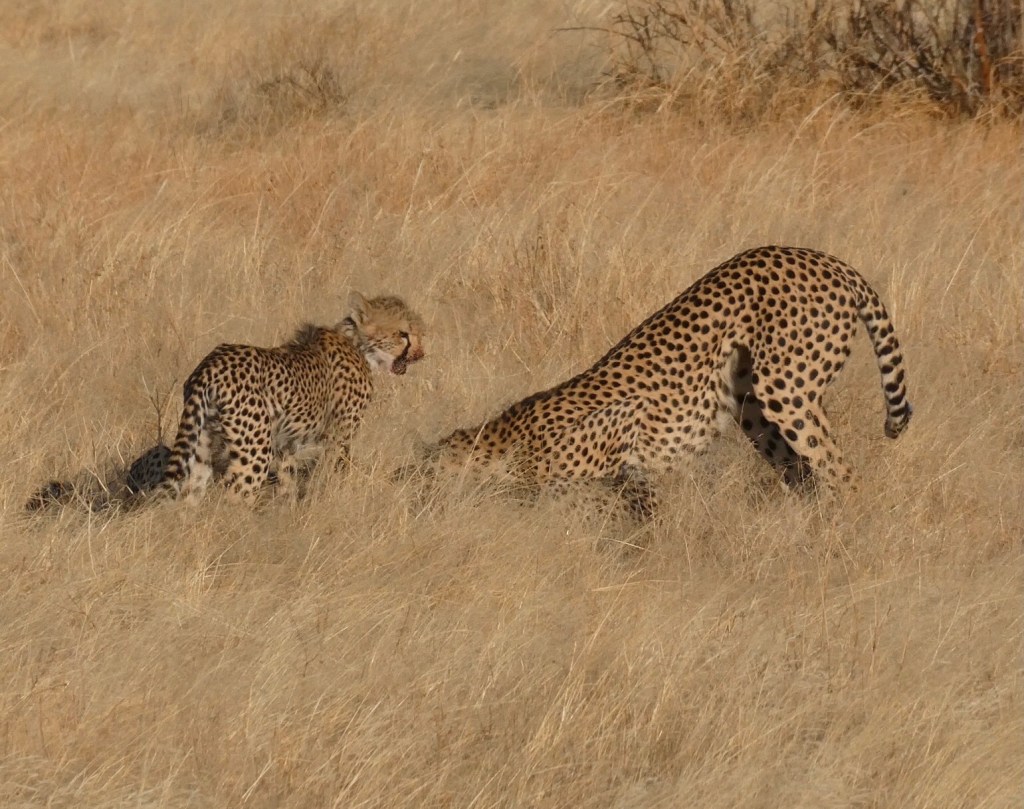
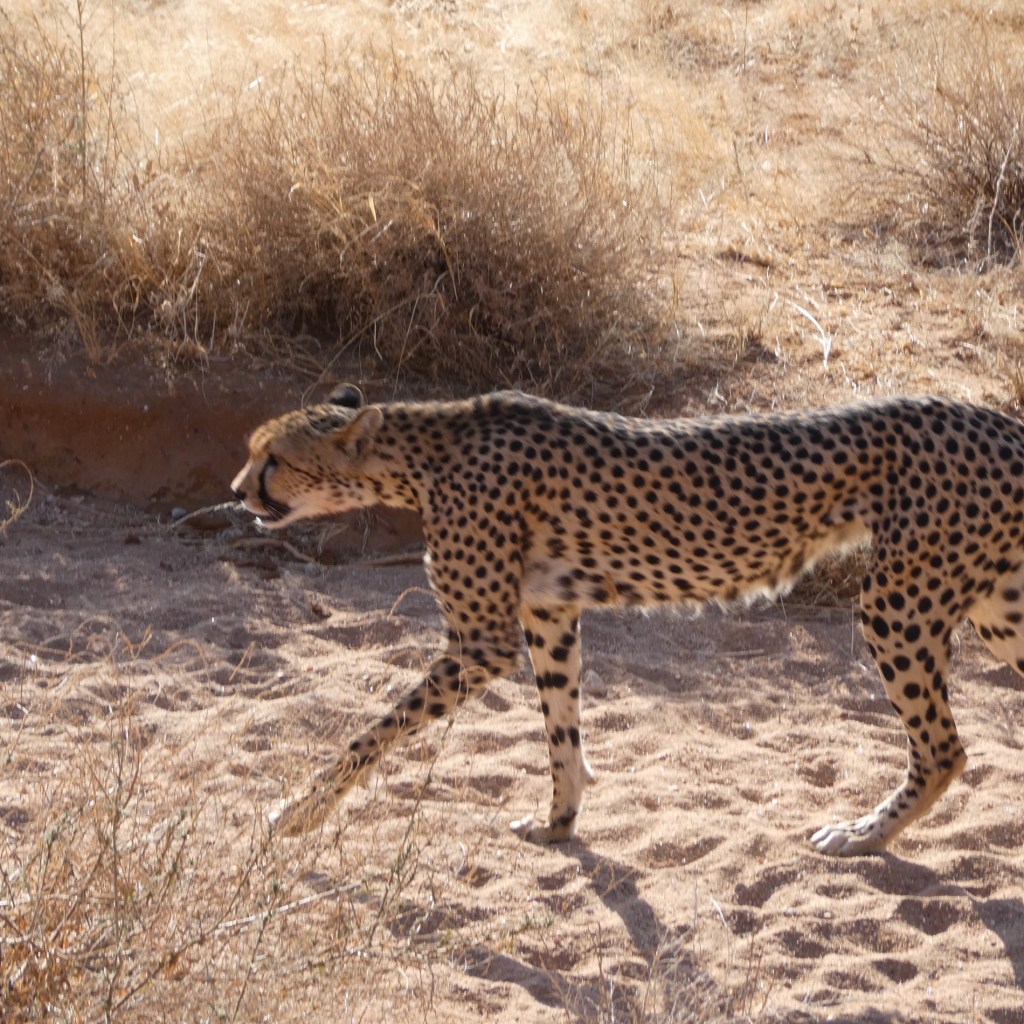
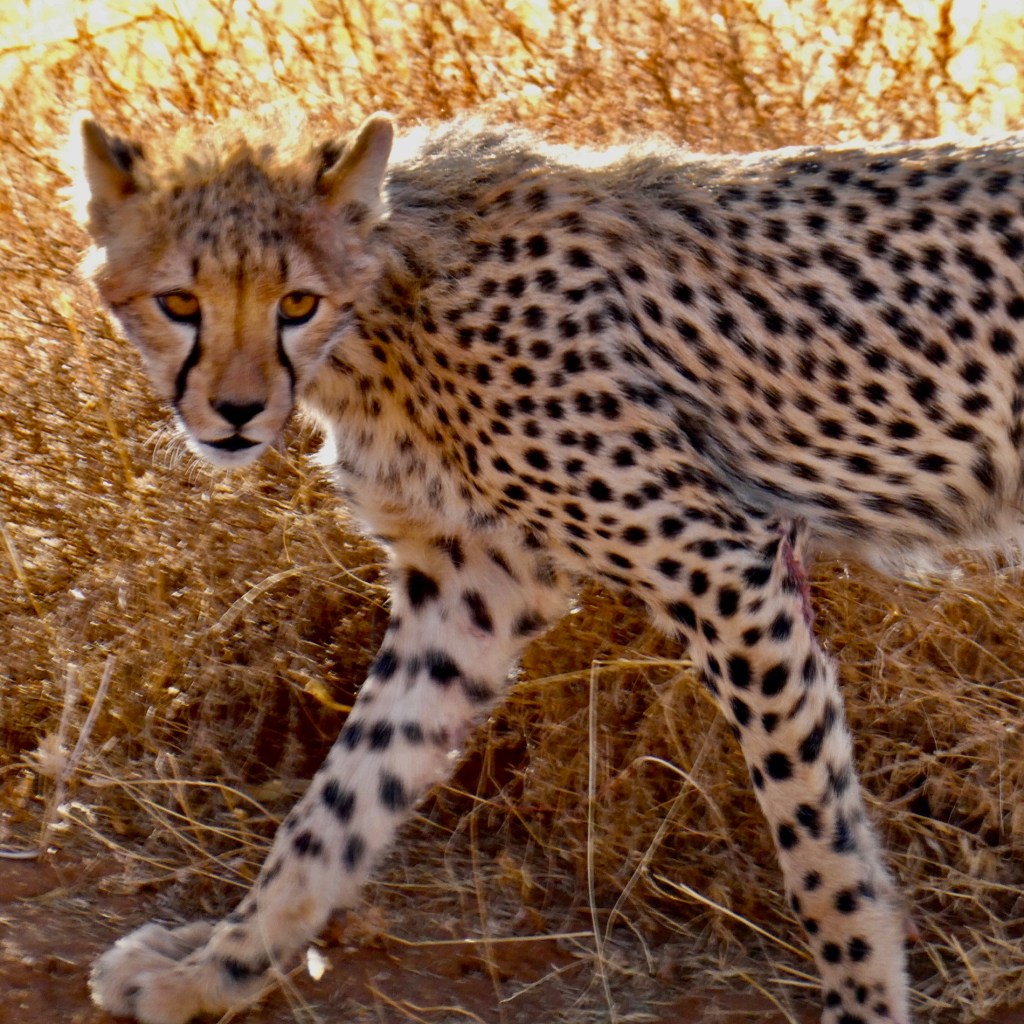
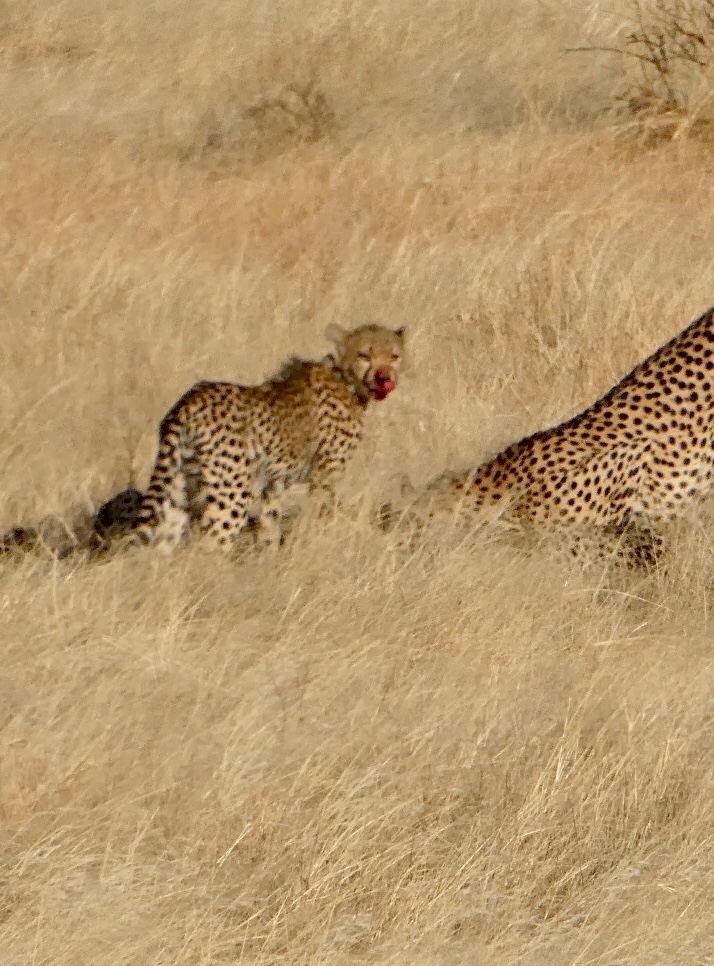
Cheetah in the grass. It was having breakfast. You could see some kind of kill in the grass but we not able to identify what it was. Blood on the mouth of cheetah.

4 female lions stalking a water buffalo for lunch but changed their mind.

Hippos

Crocodiles

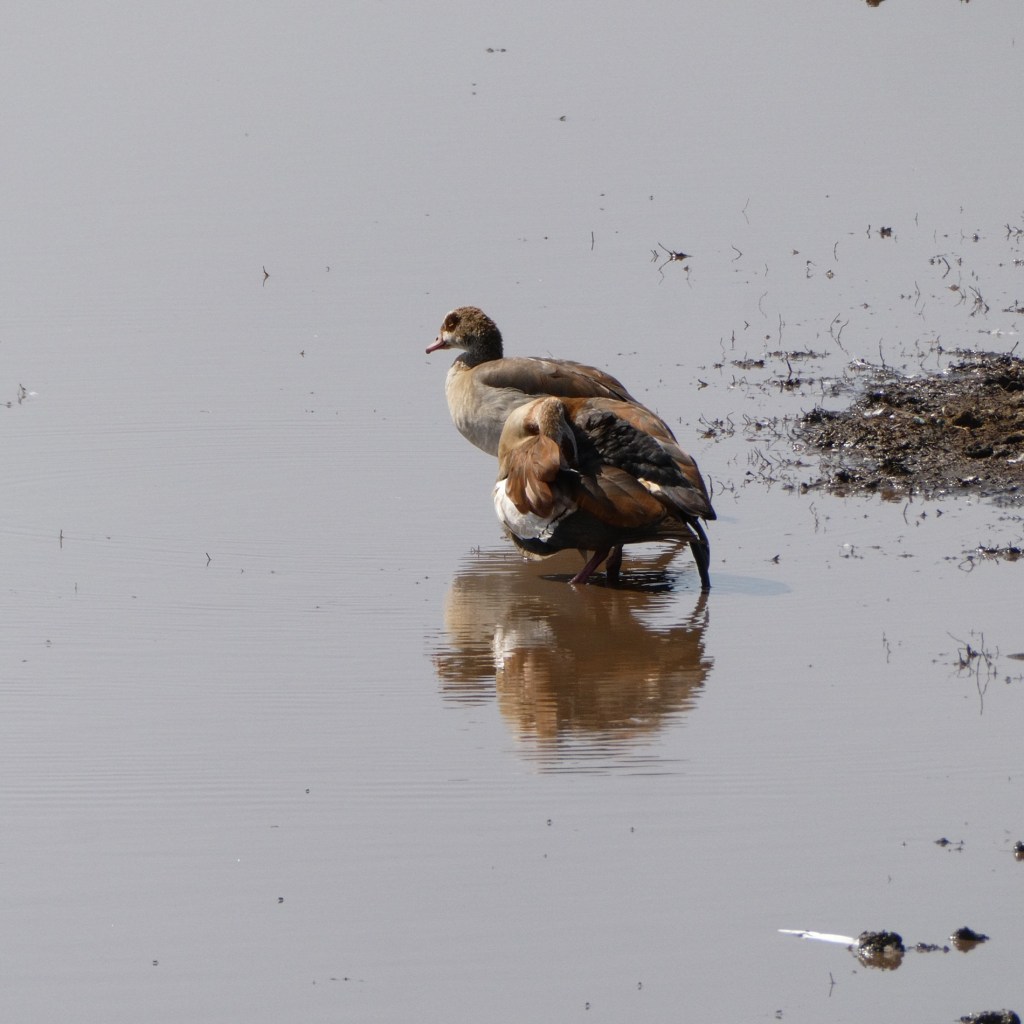
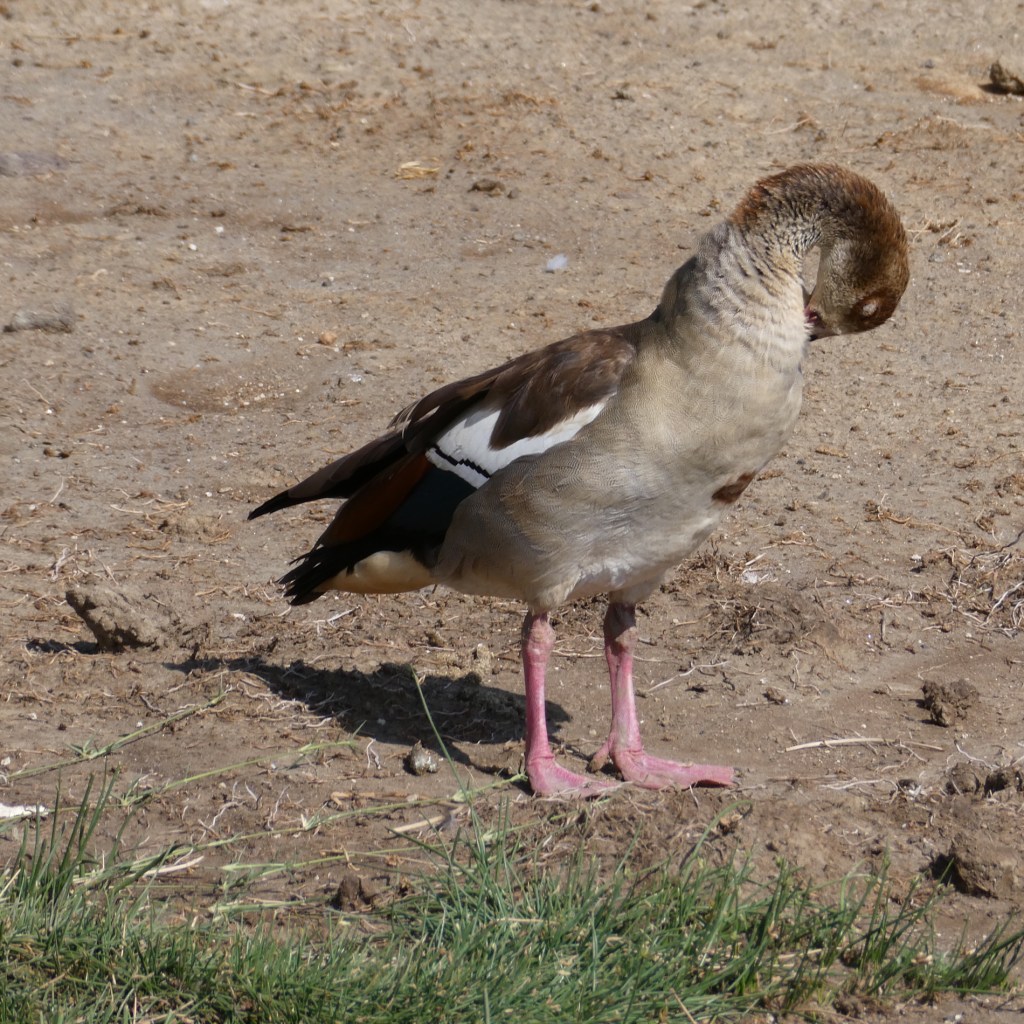
Egyptian geese

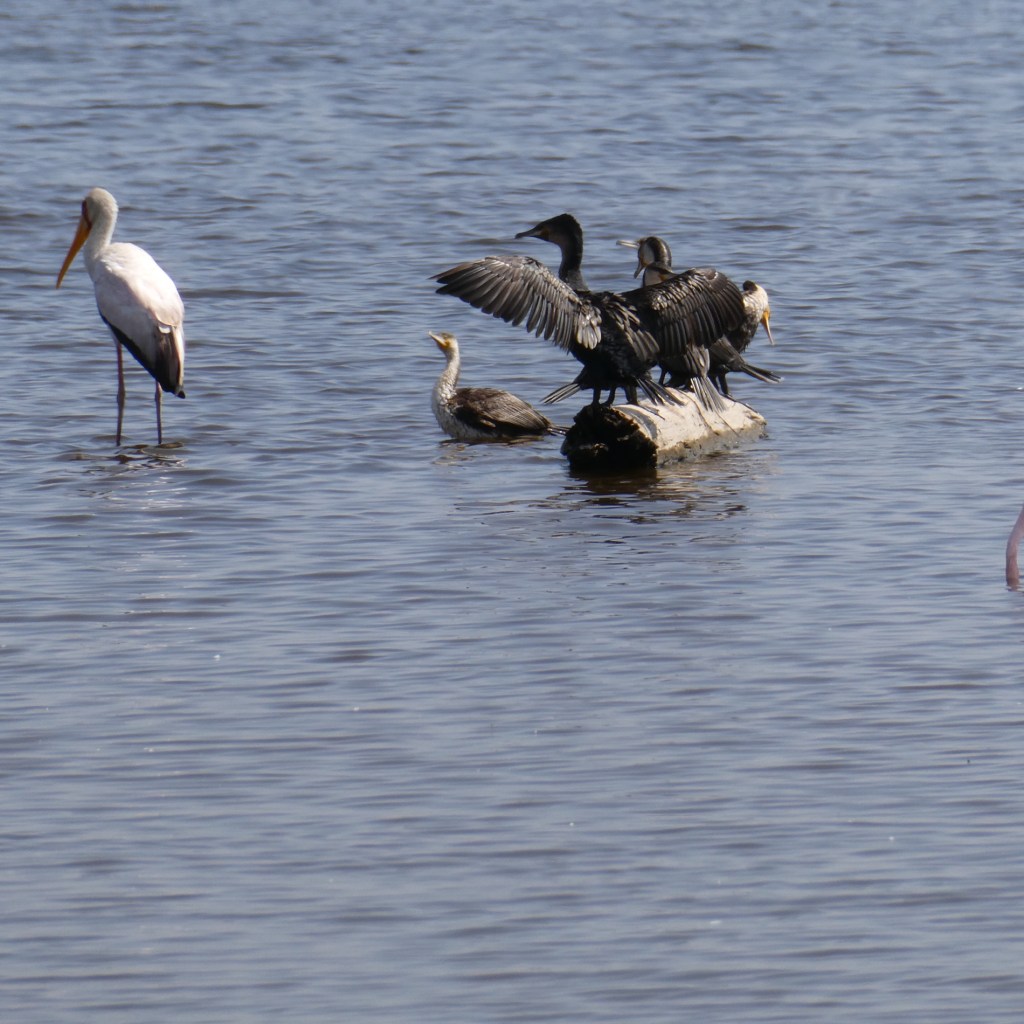
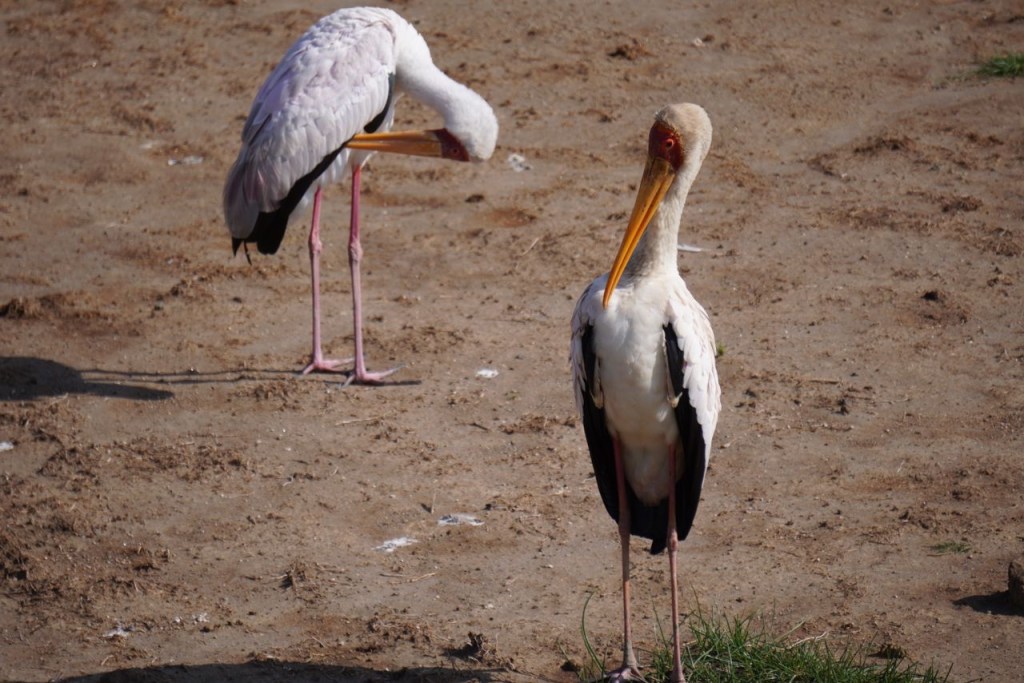
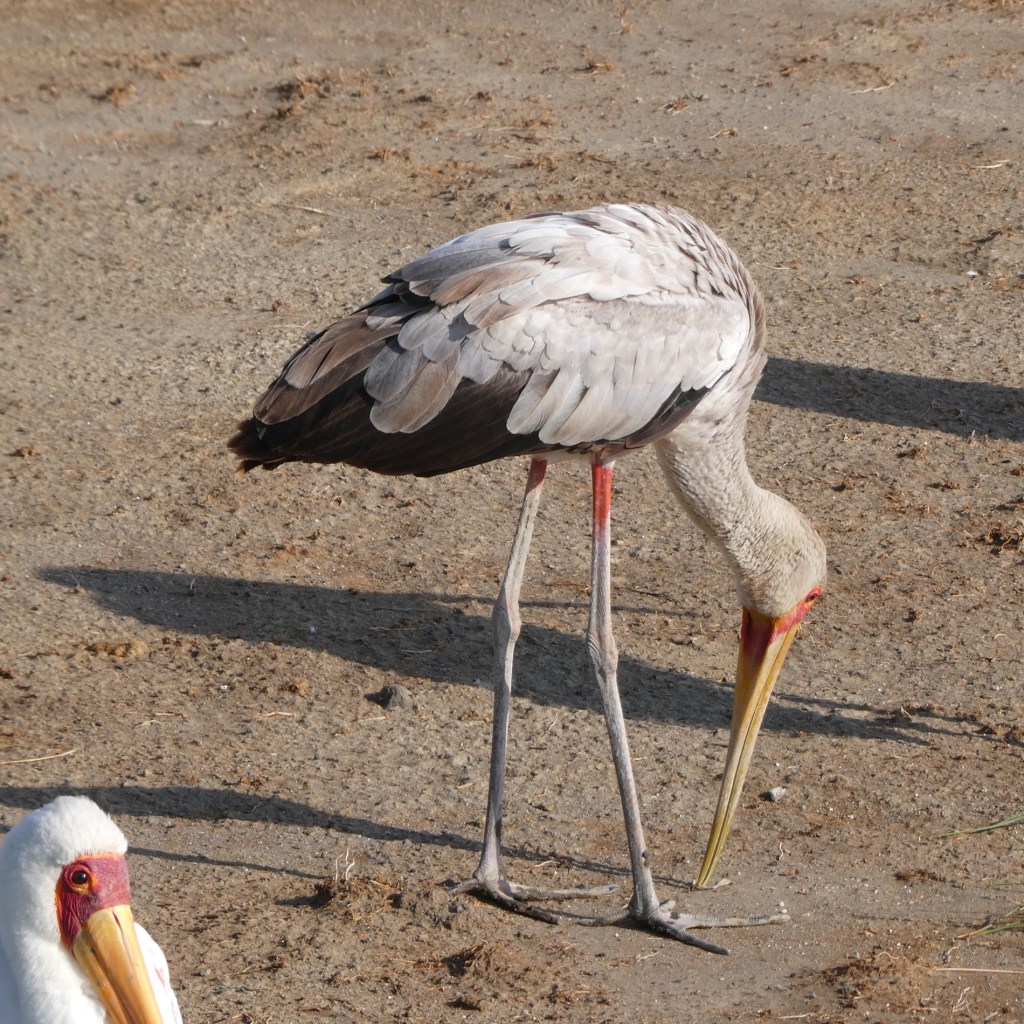
Yellow billed stork

Everywhere on the hills are wildebeests everywhere, I mean EVERYWHERE.

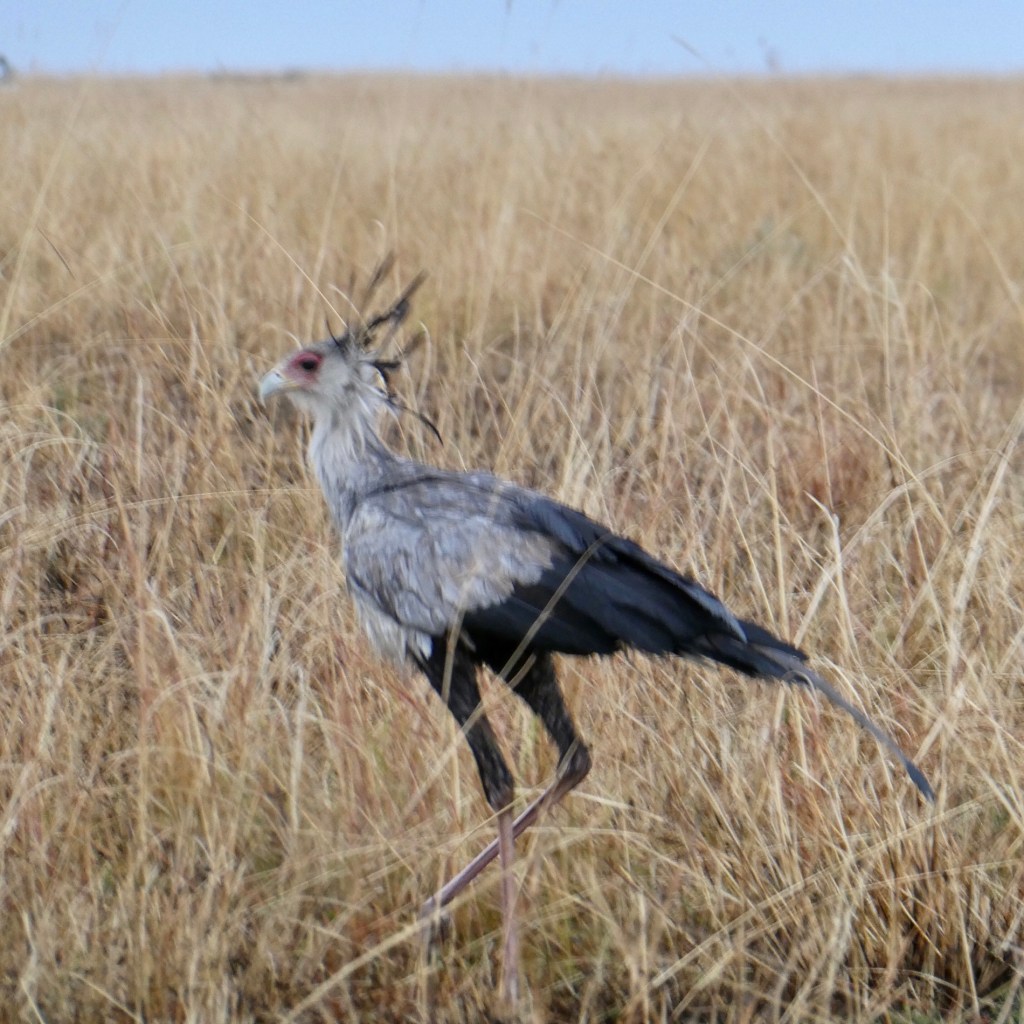
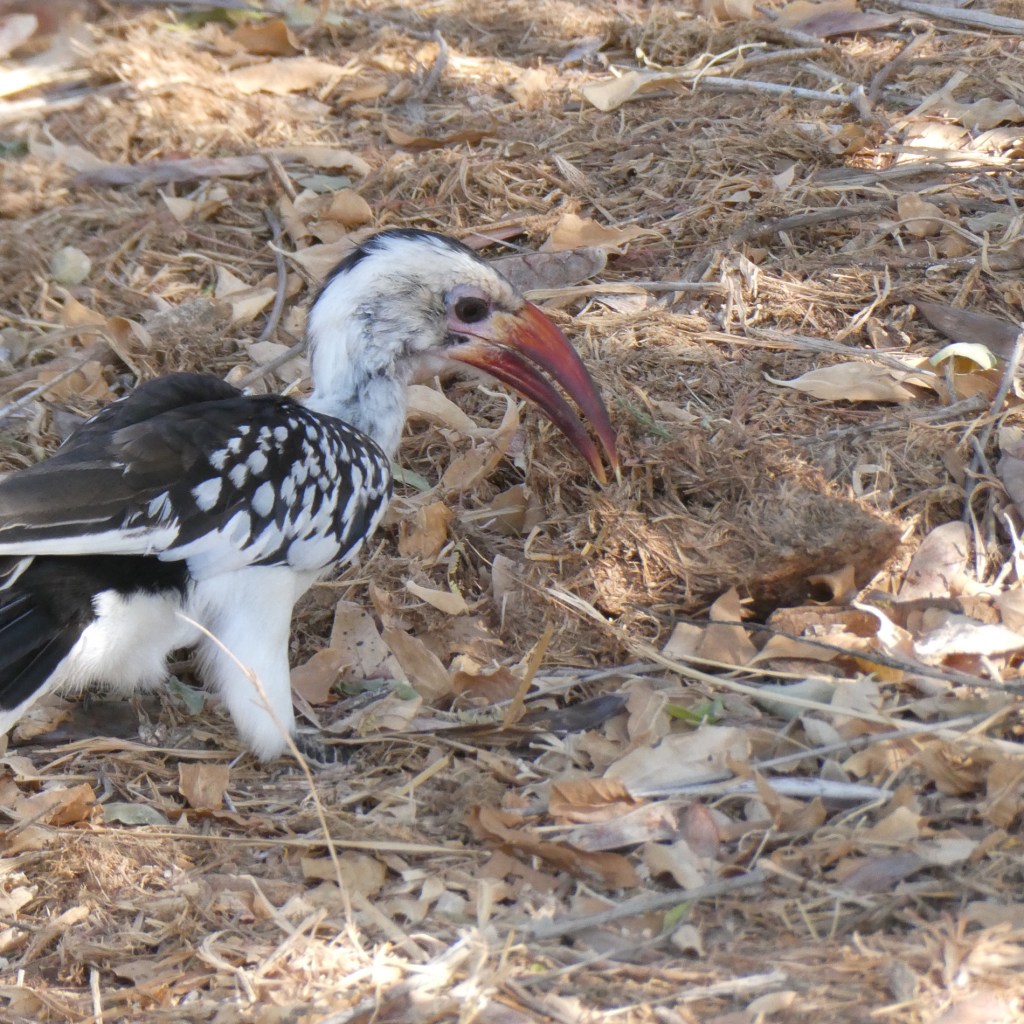
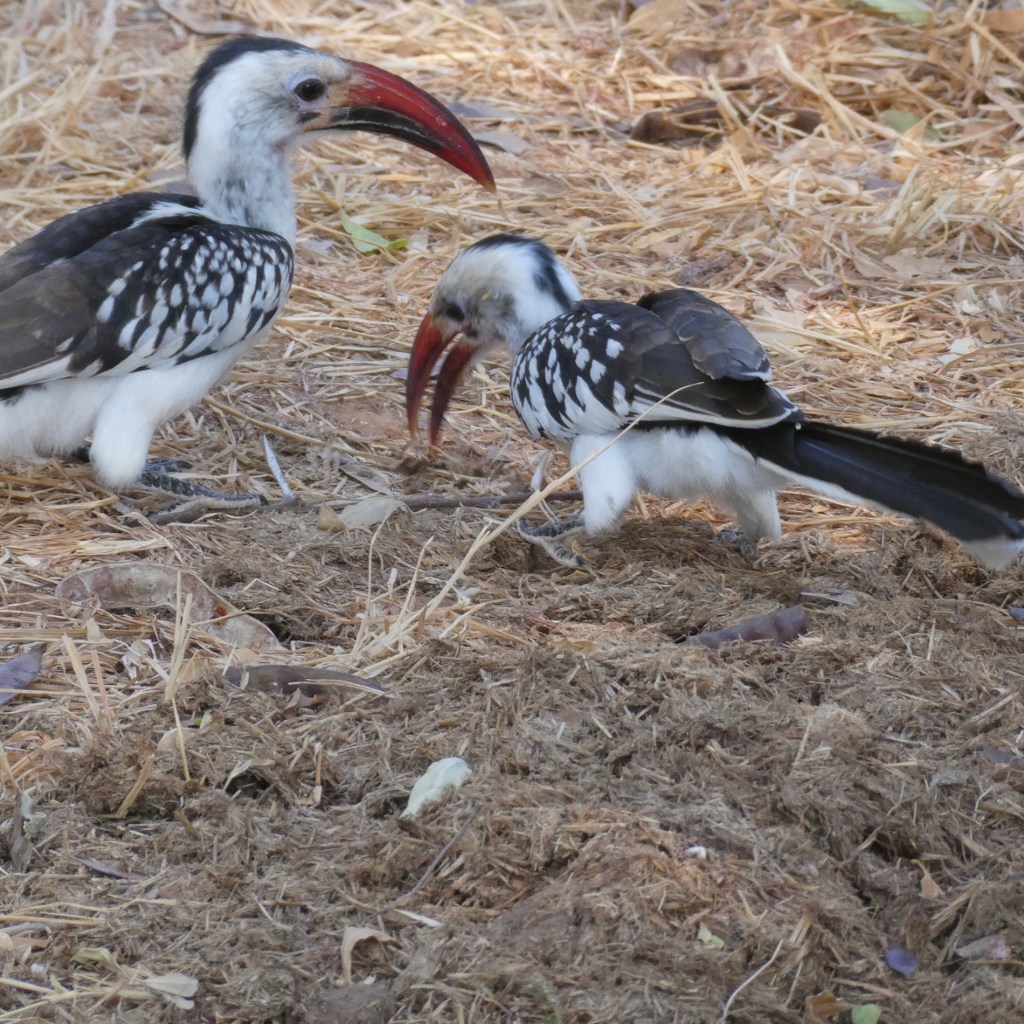
Southern ground hornbill

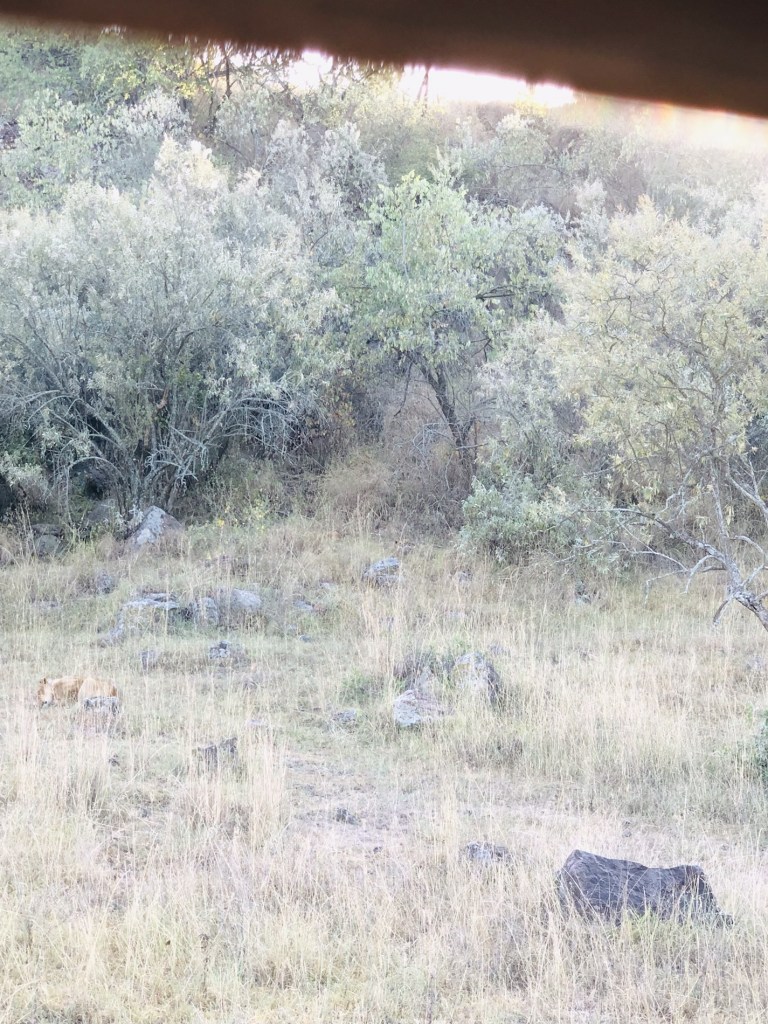
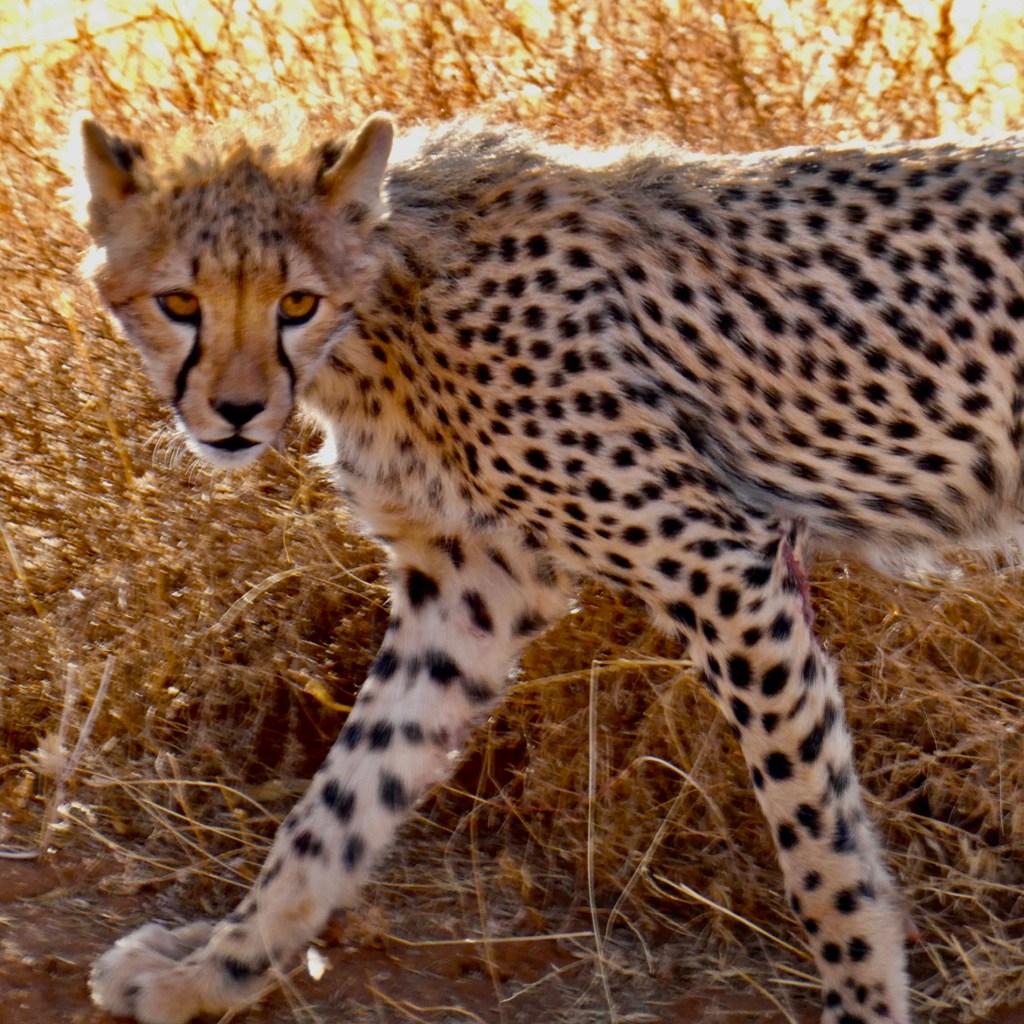
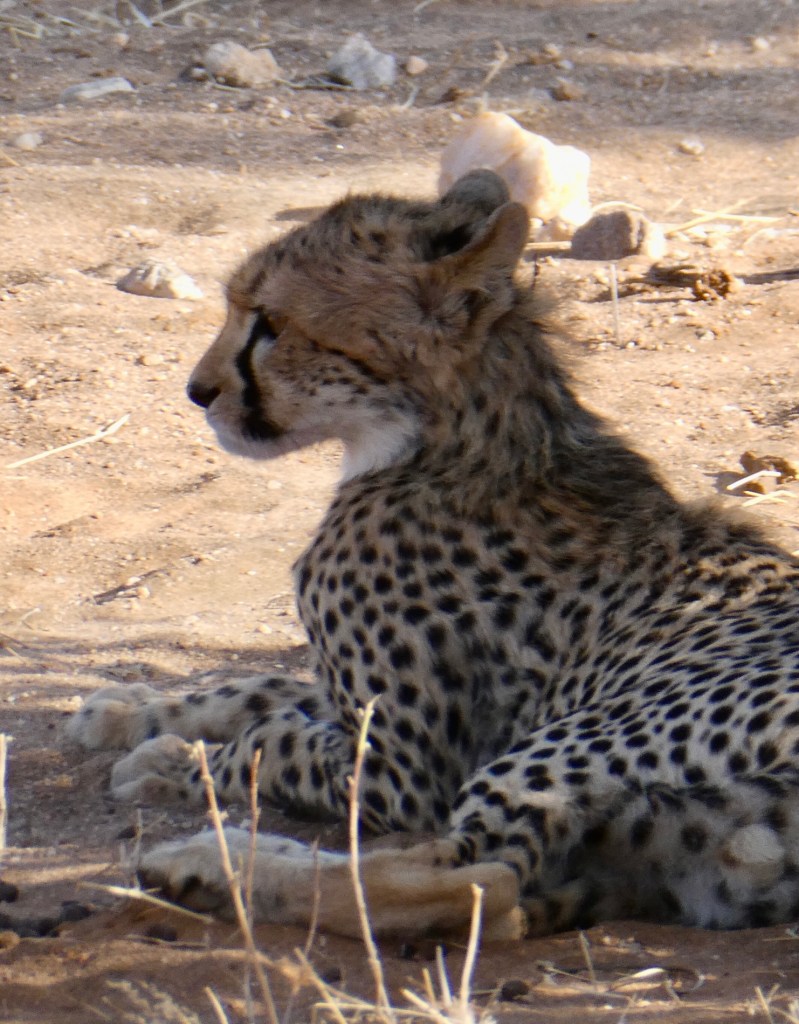
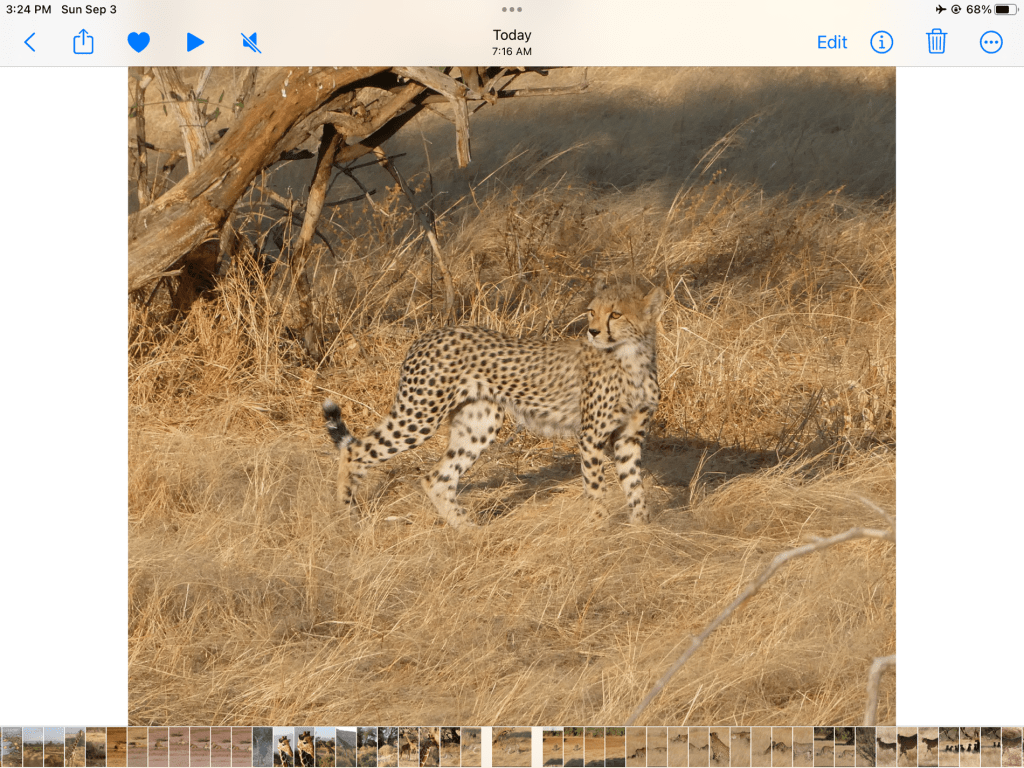
Young cheetah snoozing in a dip in grass.

Sept 6/24- heading to Maasai Mara

After saying goodbye and jointly leaving tips to the local staff, we head off just after 7am.

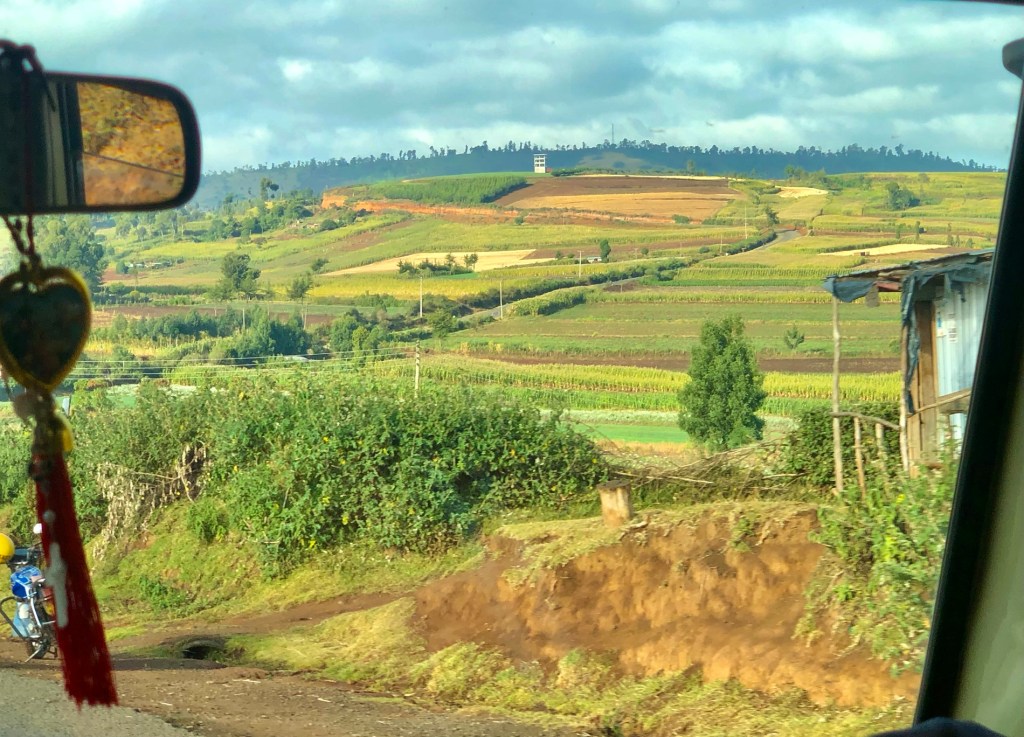
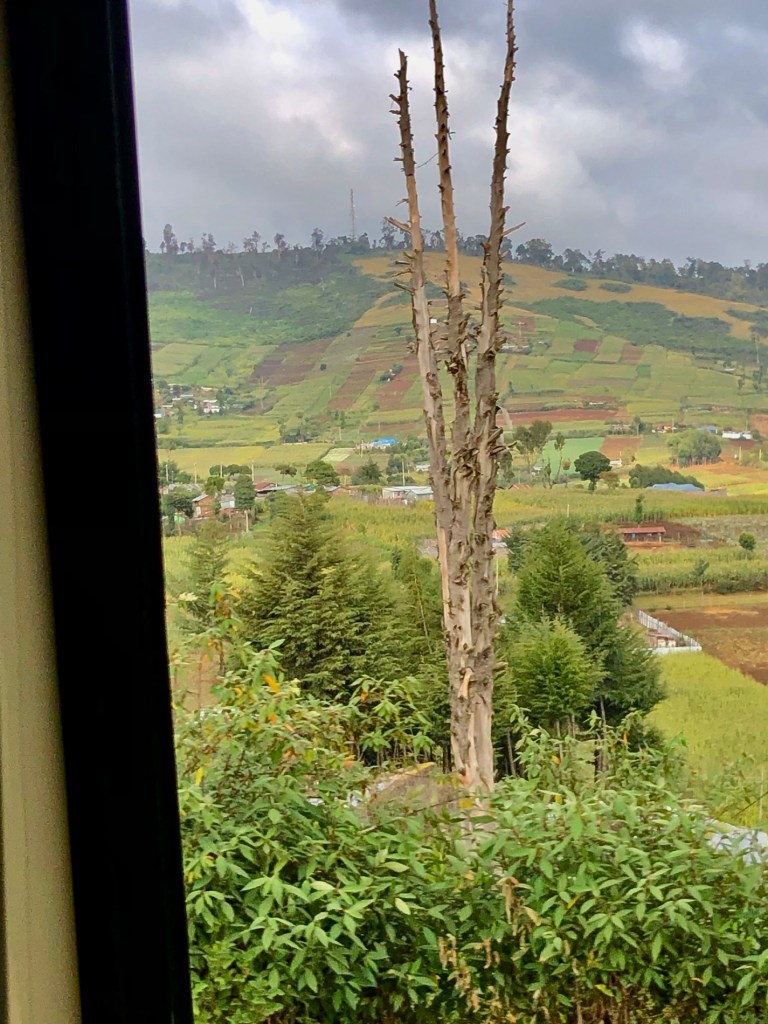
Horrendous roads but beautifully laid out farms on the mountain side. Lots of corn ( a main staple) grown. Lots of trucks waiting for the potato crops to be brought in from the farms…. To be taken to Nakuru and Nairobi

True it is cooler this morning but you see so many local people wearing hoodies and woollen toques . So many up and at it, waiting to be taken to work at the farms. Some farms are privately owned and some are owned by wealthy people in the government. Some pay a little more(/day) &/ or give added perks like lunches and so are always certain to get workers quickly.

Narok (meaning black or dirty in Maasai language) is the name of the city after the river. It is a more modern, very busy, thriving city. Shopping centre ringed with bottle brush and hibiscus bushes.

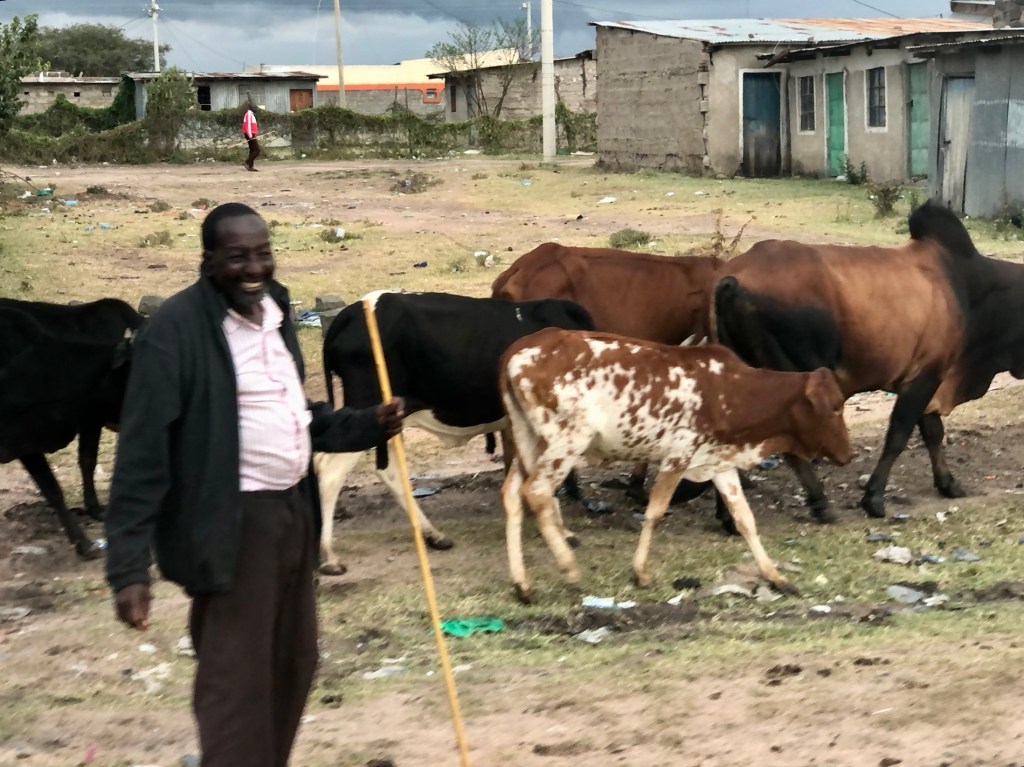
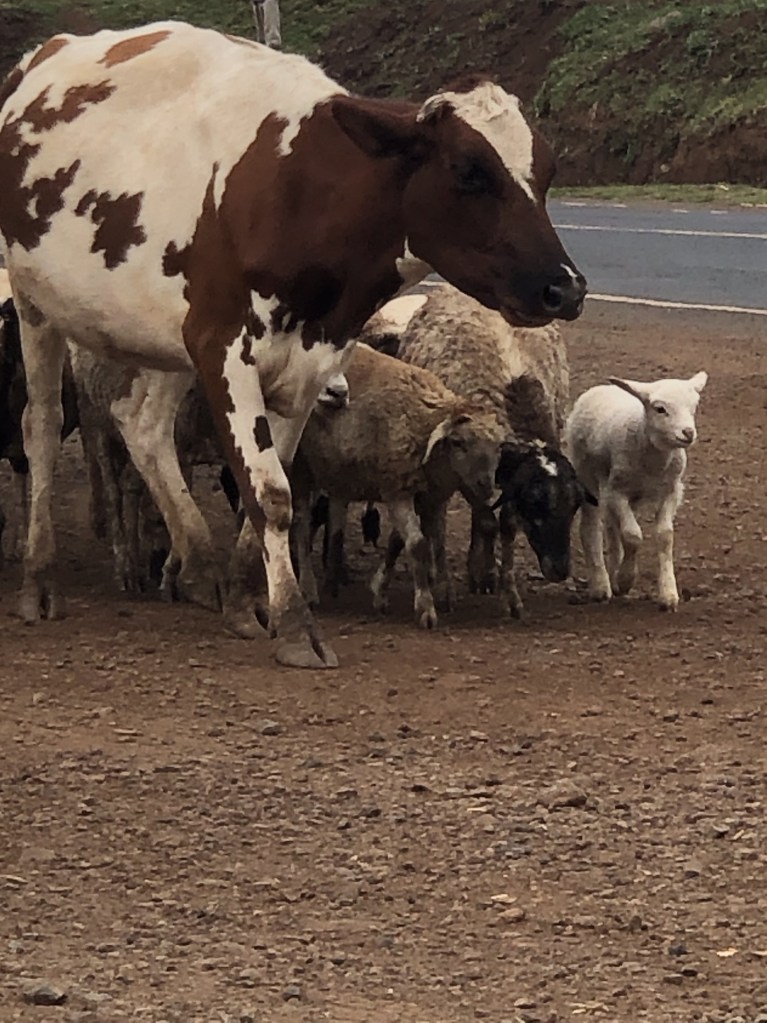
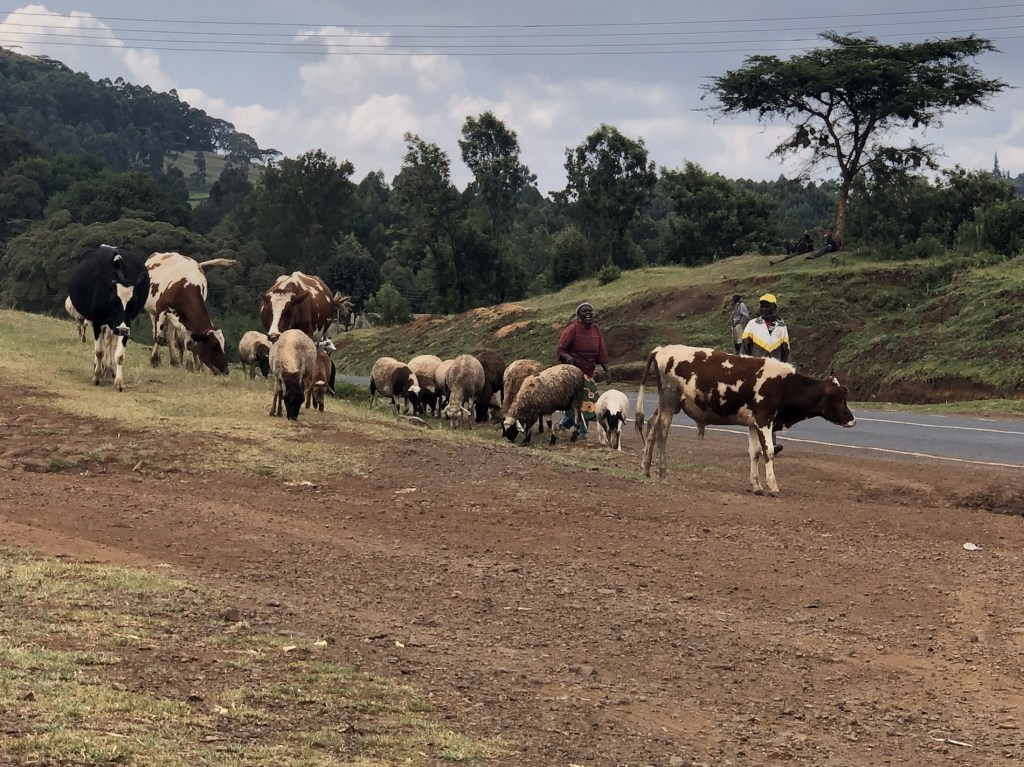
Lots of livestock (cattle and goats) being herded along the highway right of way, some crossing and preventing us from passing.

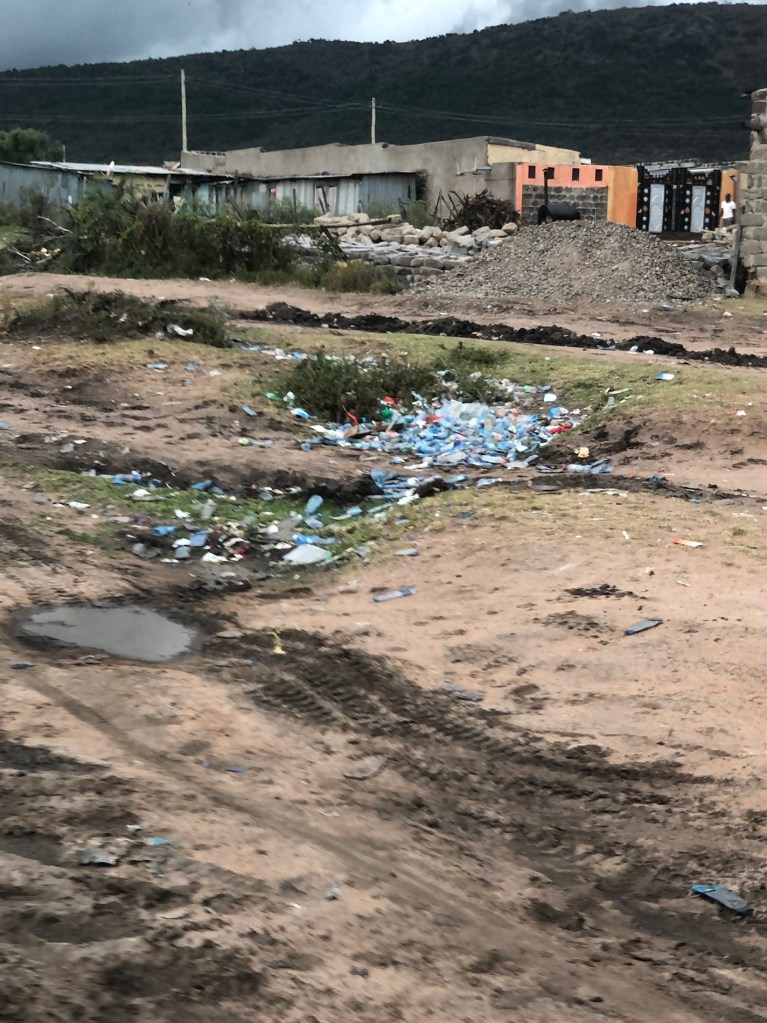
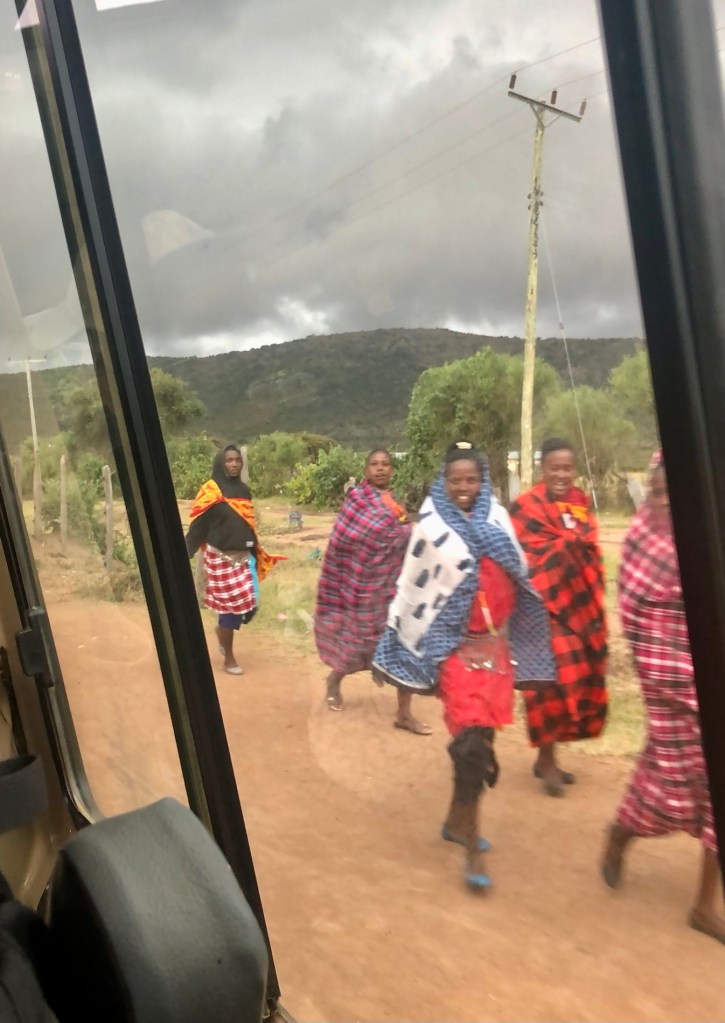
We headed out through a Maasai village. It was disgustingly filthy with garbage and plastic strewn everywhere.

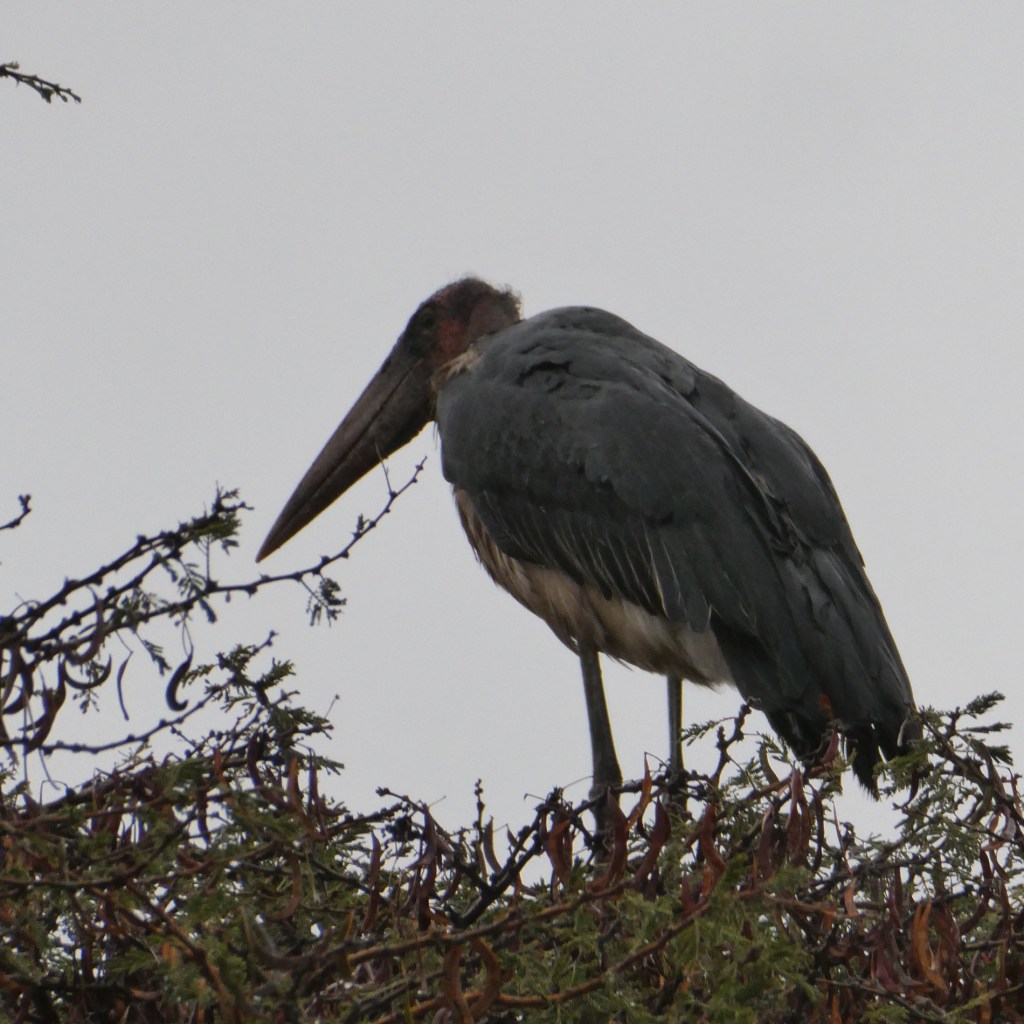
Maribu stork

Zebras

Herd of elephants

Wildebeest

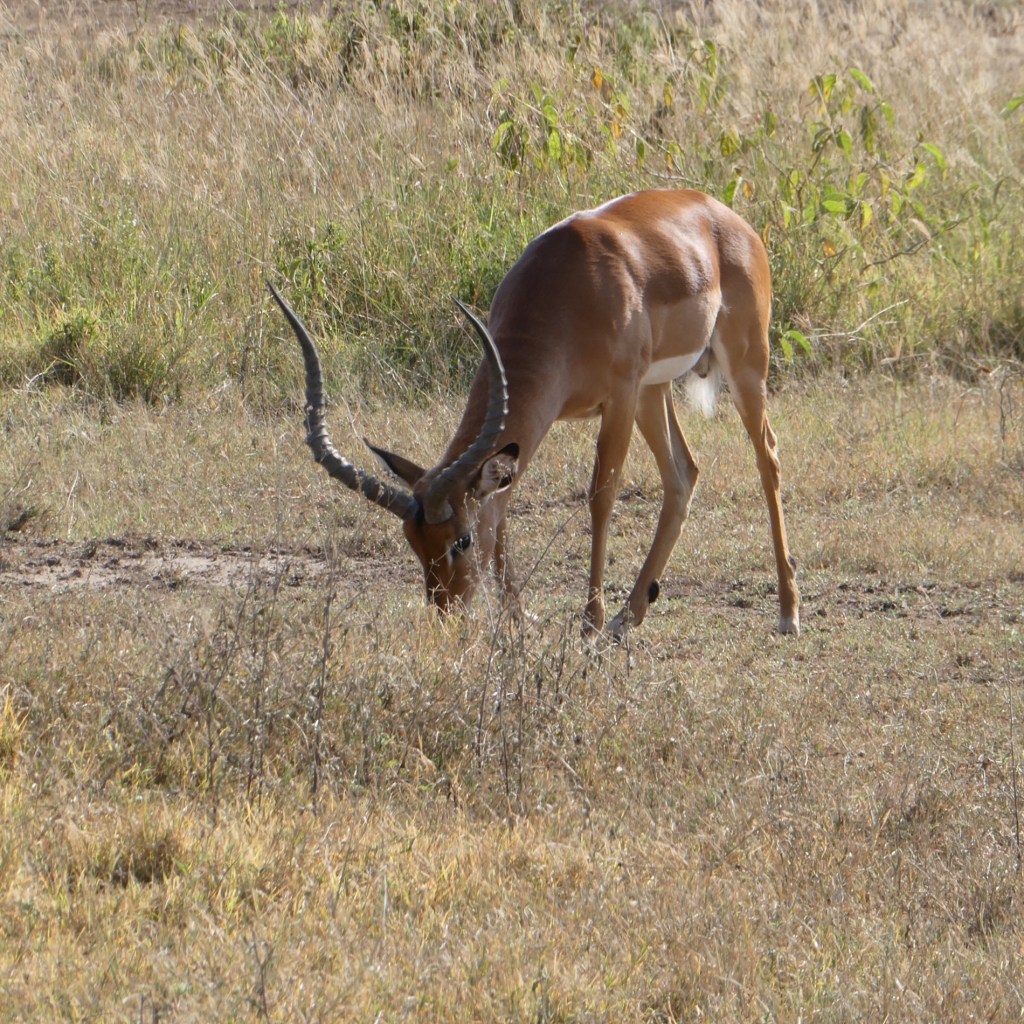
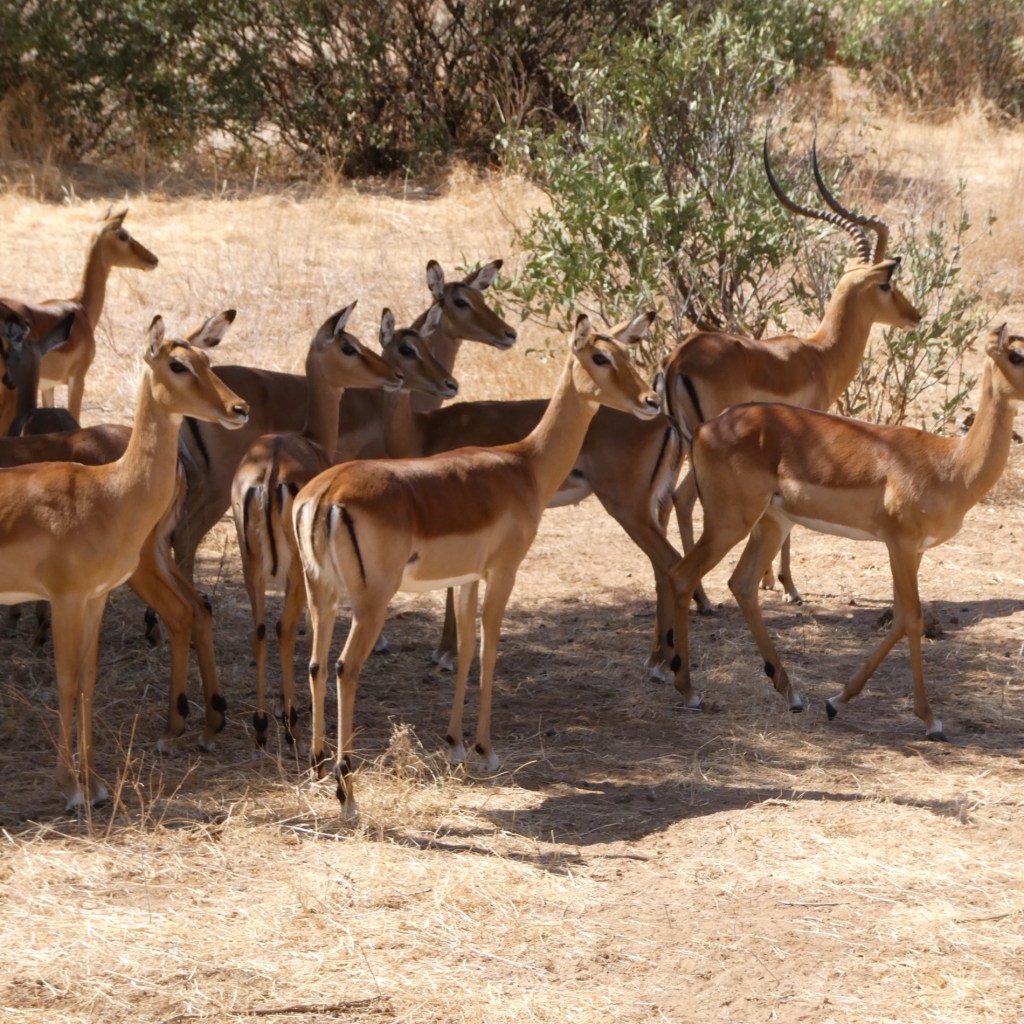
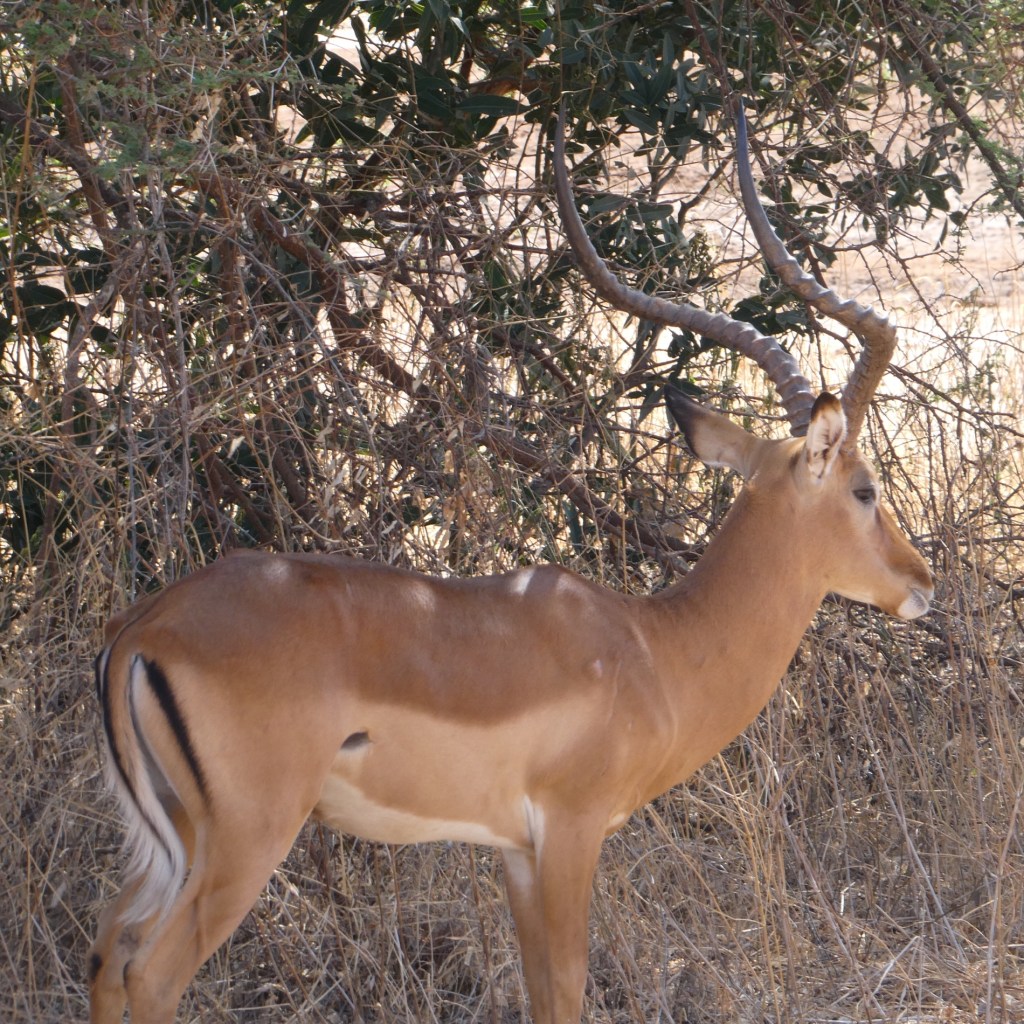
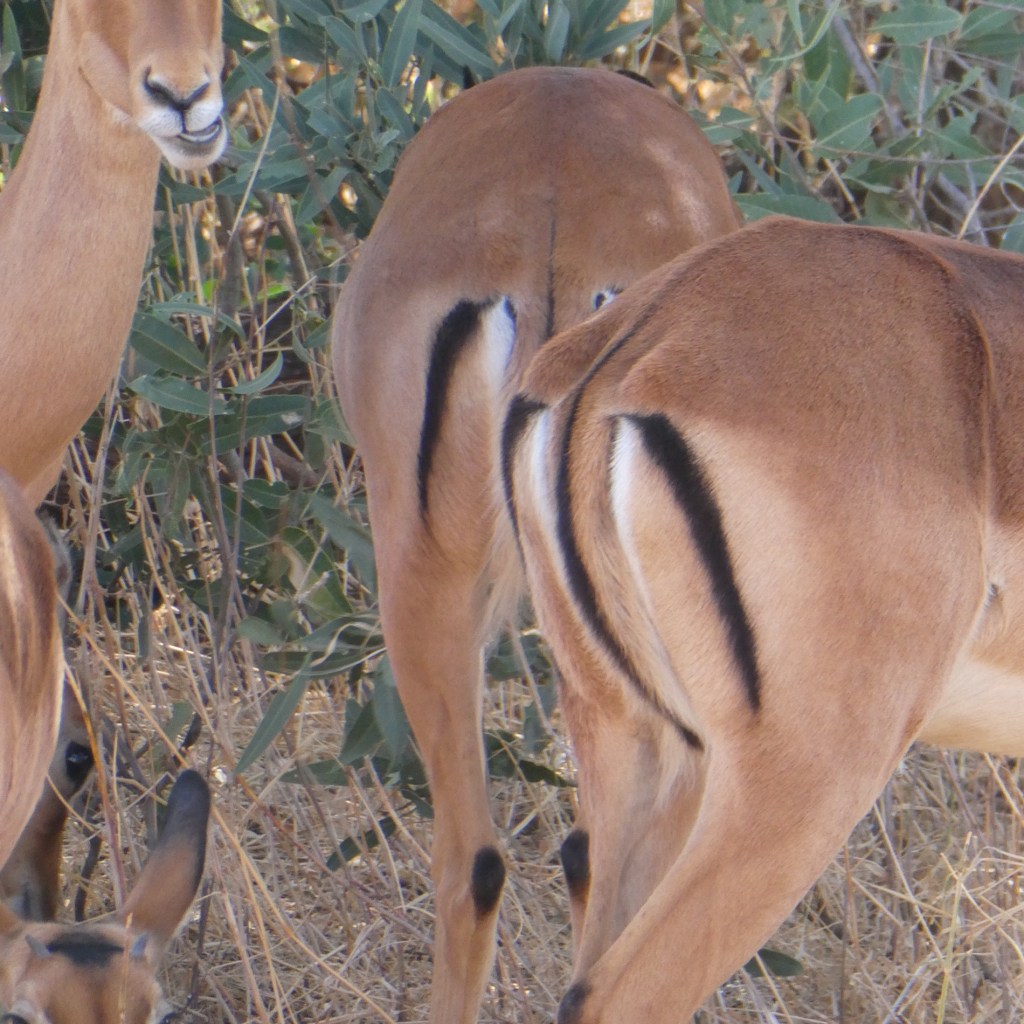
A male impala and its harem. He was hot on the trail of one female

Hyenas on the run

Then the group impala “losers”…. The males waiting in the wings to get the harem.

Topi antelopes

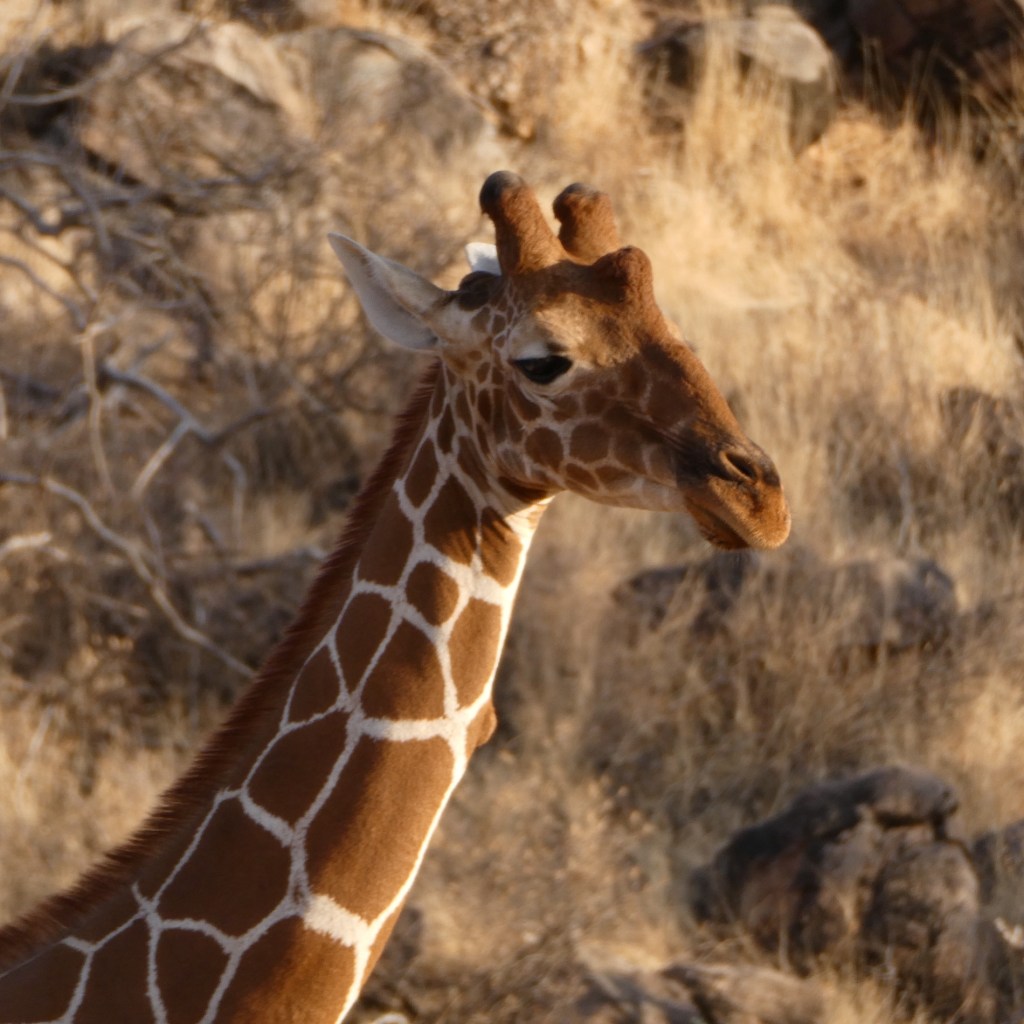
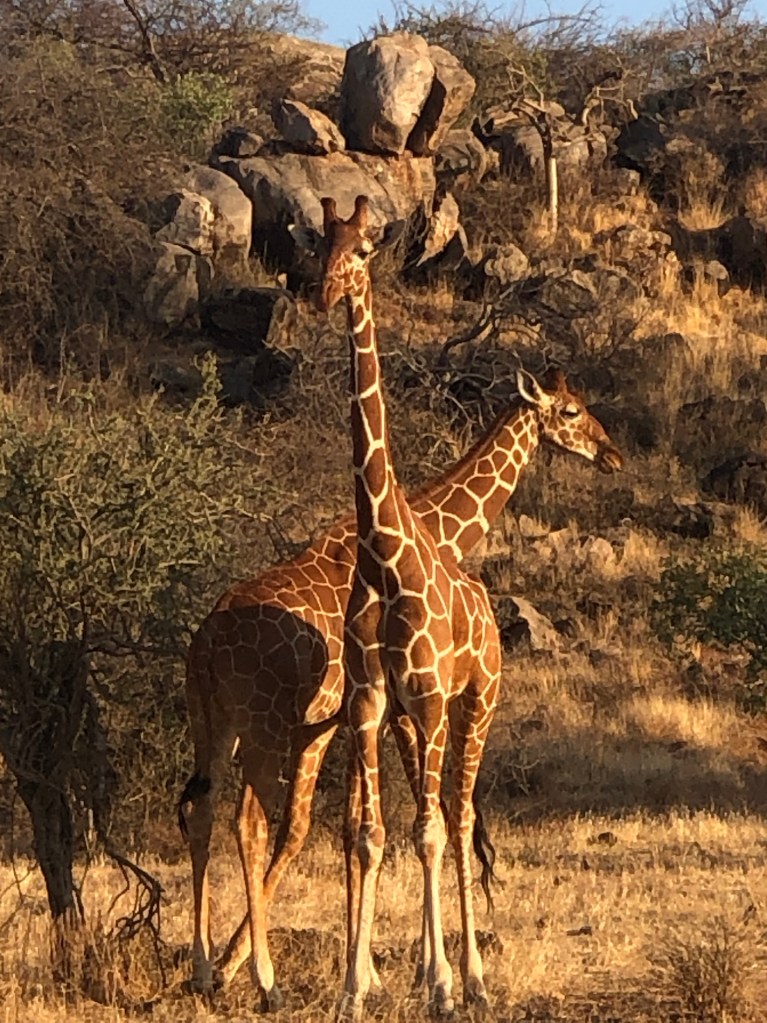
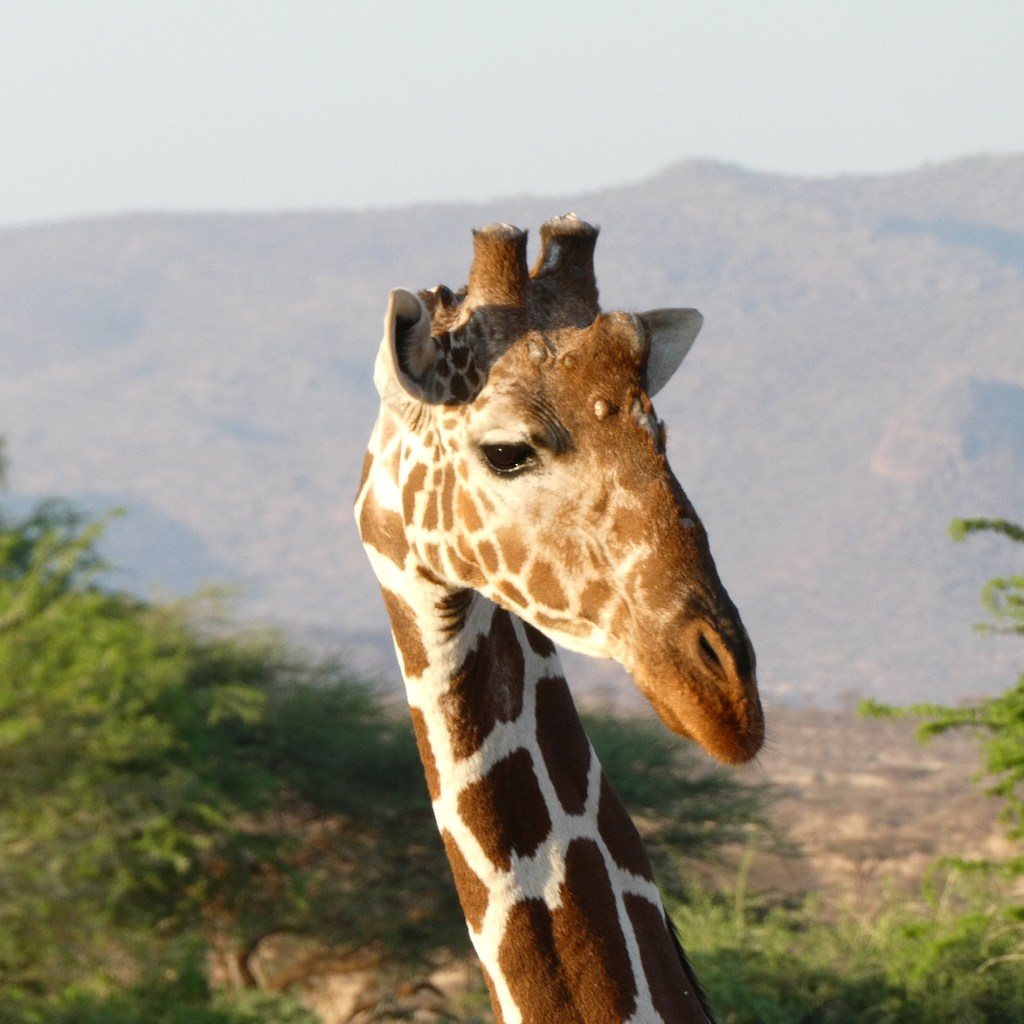
Giraffes

Water buffalos

Jackals

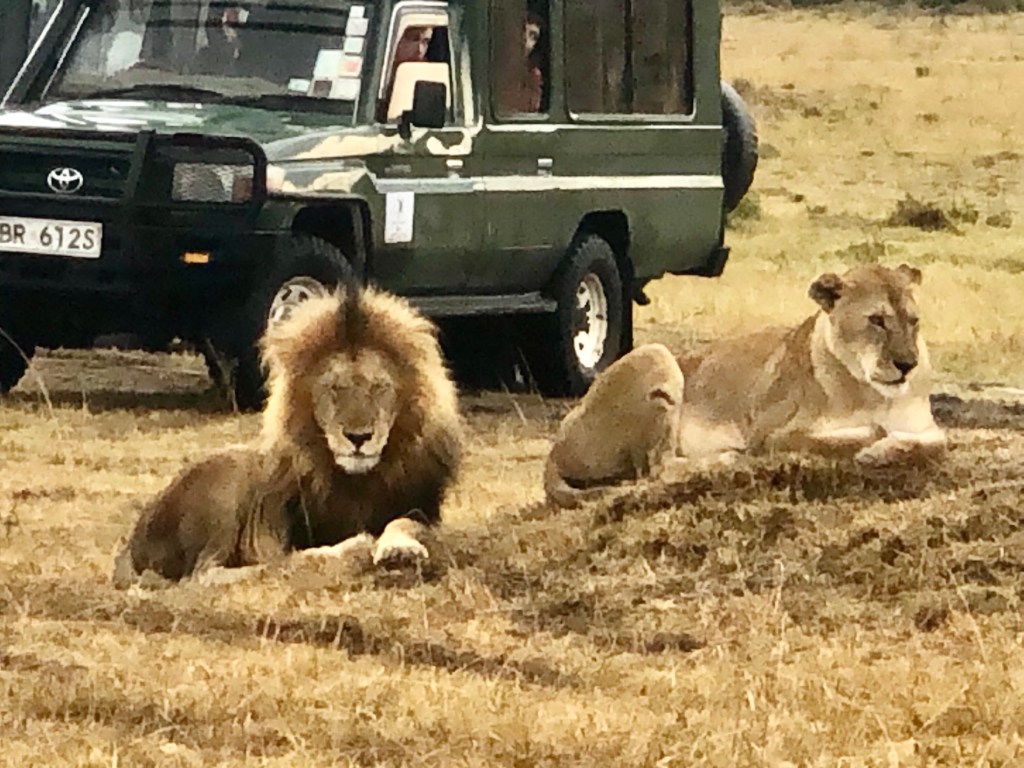
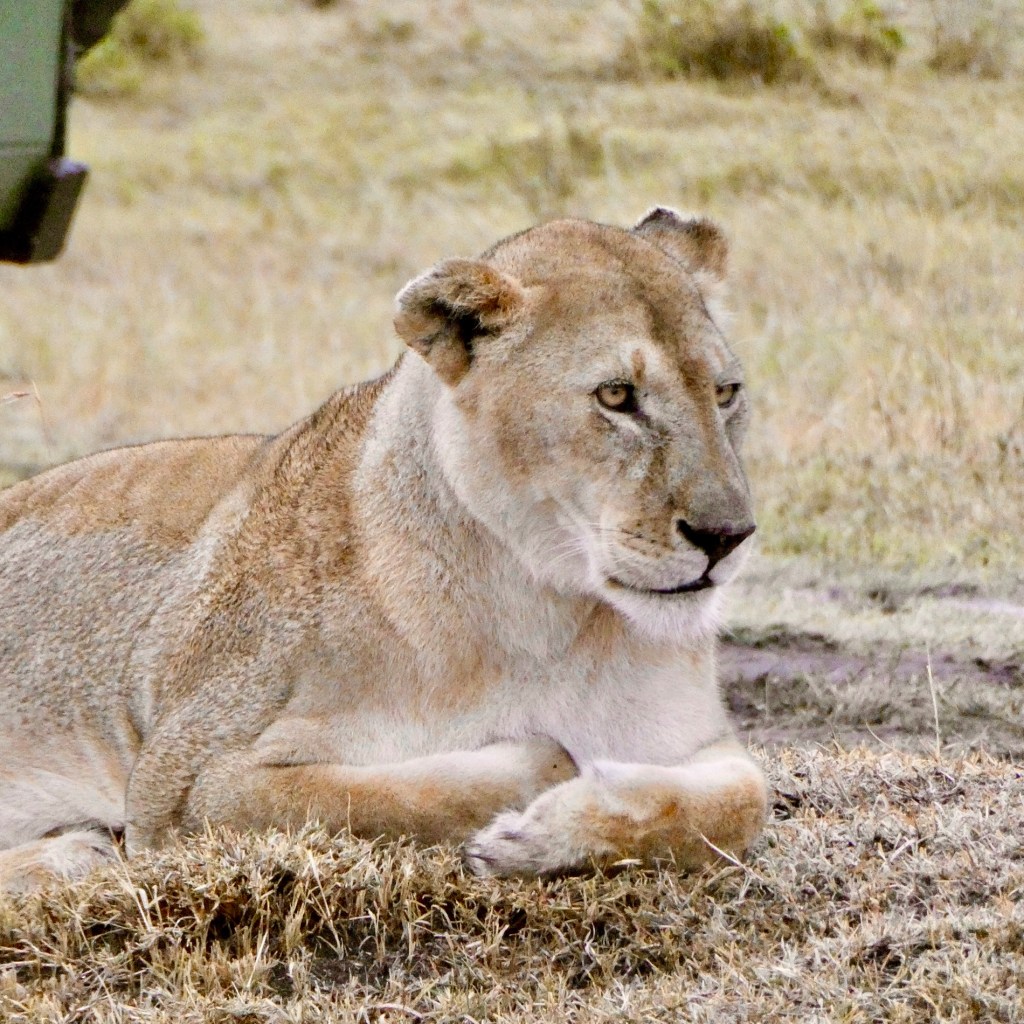
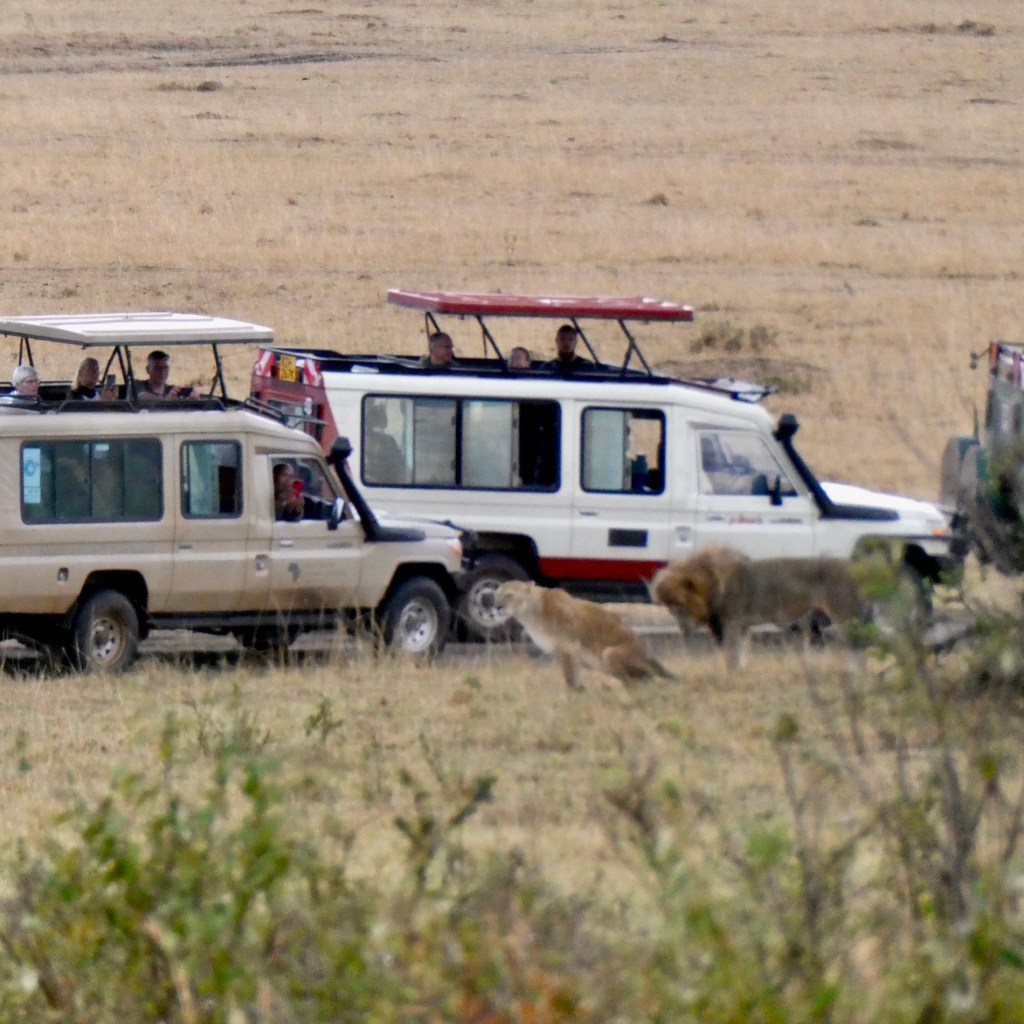
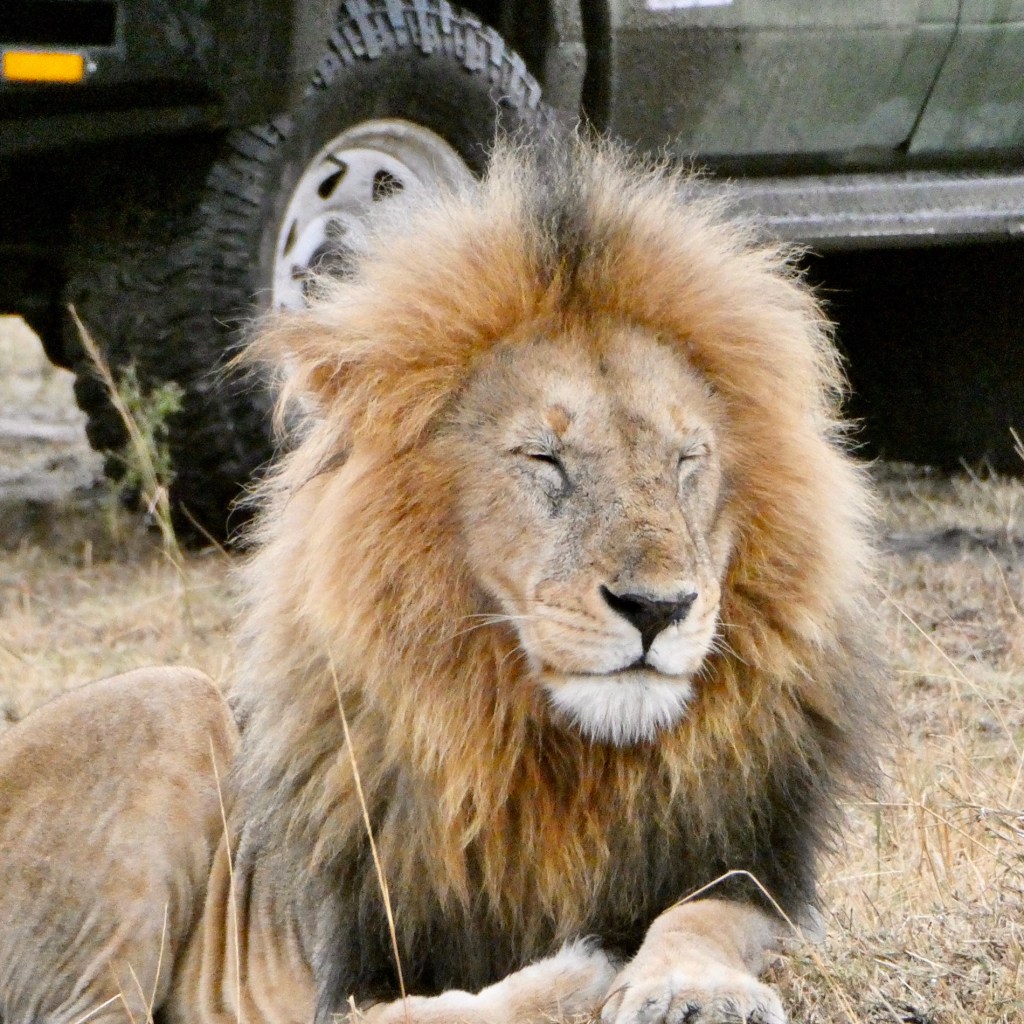
OMG….our driver is amazing what he made this vehicle go through to get to the other side to get a better view of…..a convention of 21 safari vehicles all watching a lion couple

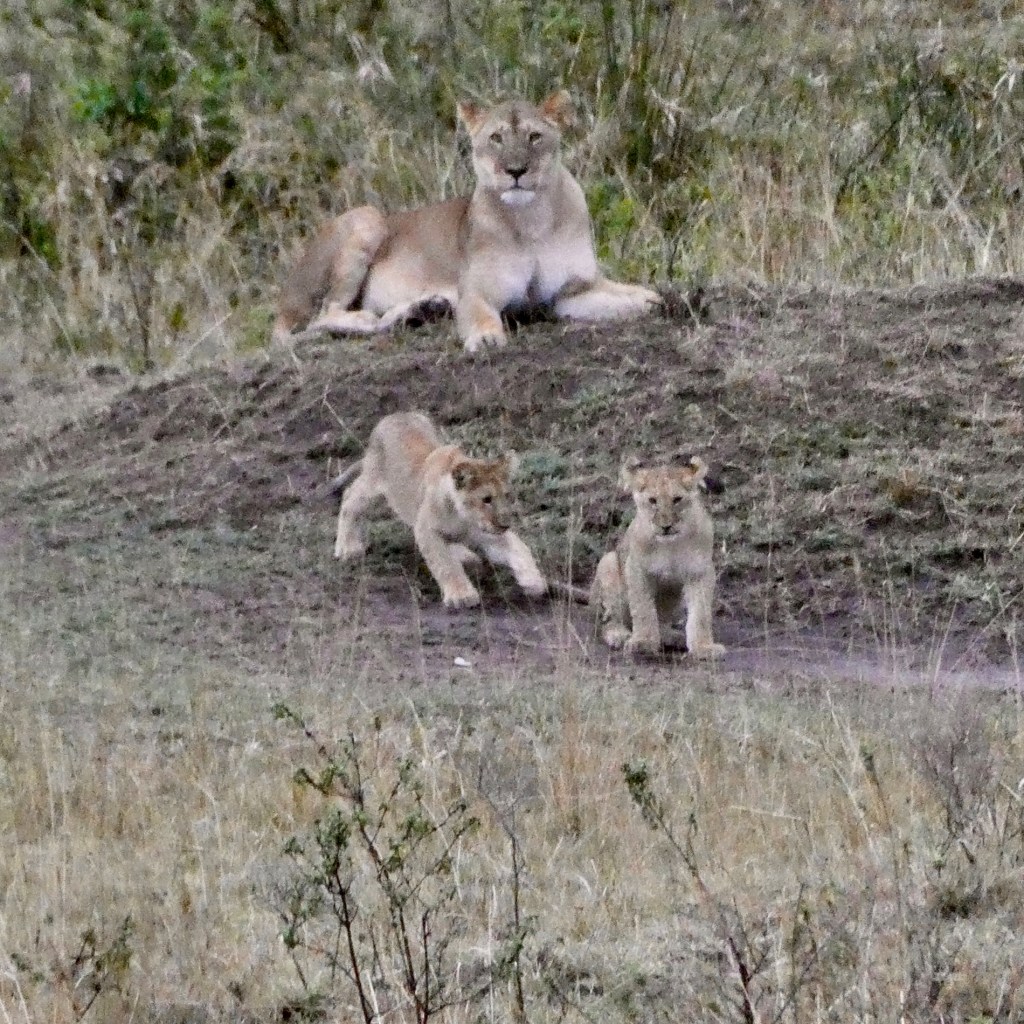
Then we start to leave only to see another female with 2 cubs

John told us that all kids wear the same uniforms, all get heads shaved…. Girls or boys so rich or poor , girl or boys all same treatment.

Even when we are hooked to wifi it’s almost impossible to add pictures. What I think I will do is post without pictures but post them once I am home but….. who know!

Sept 5/23-Nakuru Nat’l Park

Horse riding training centre as we leave the camp around 7:15 this morning.

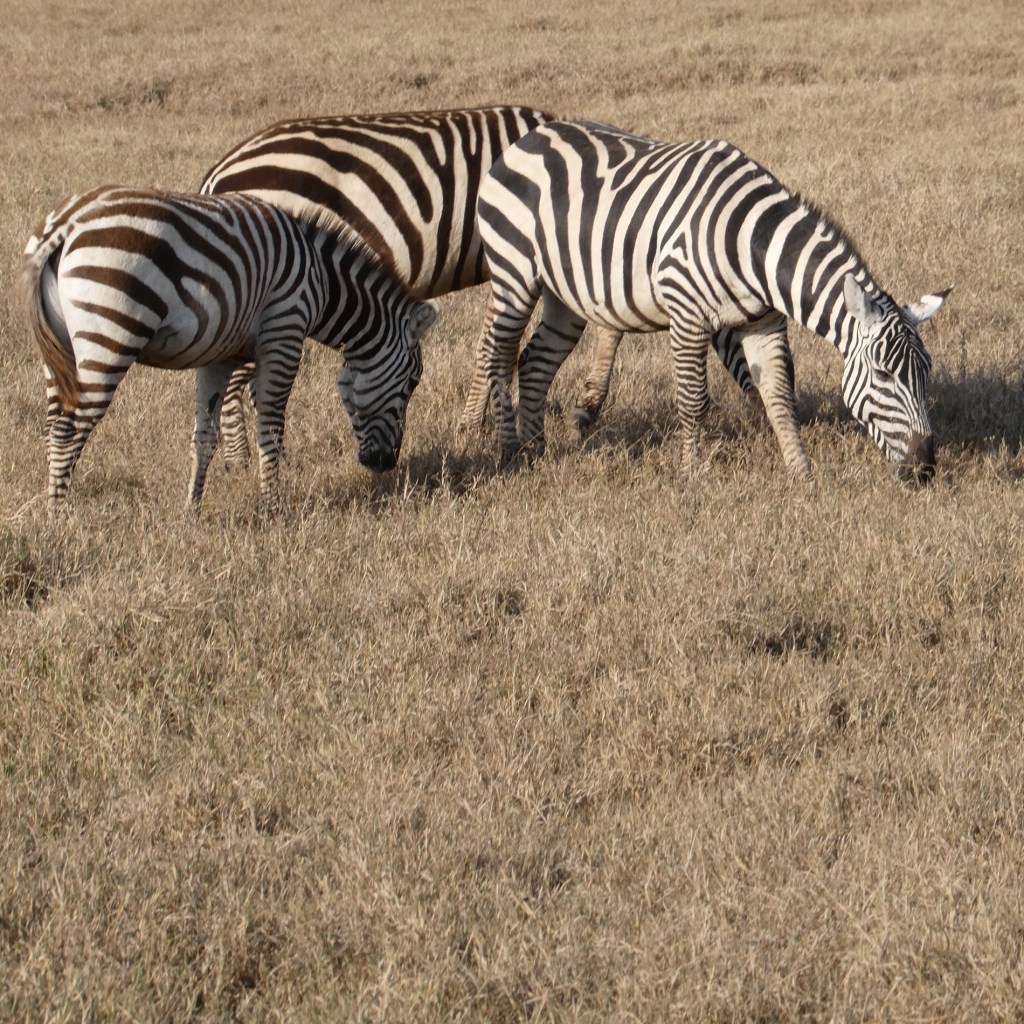
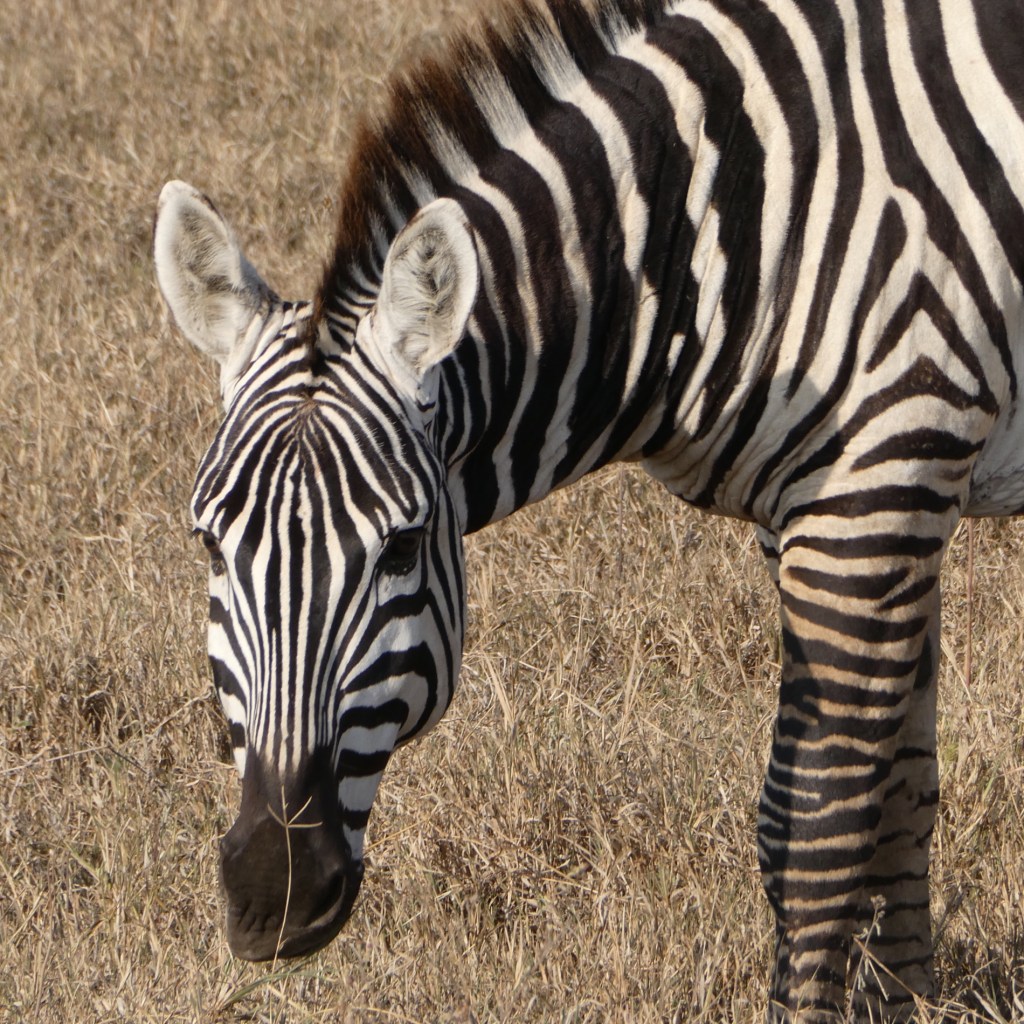
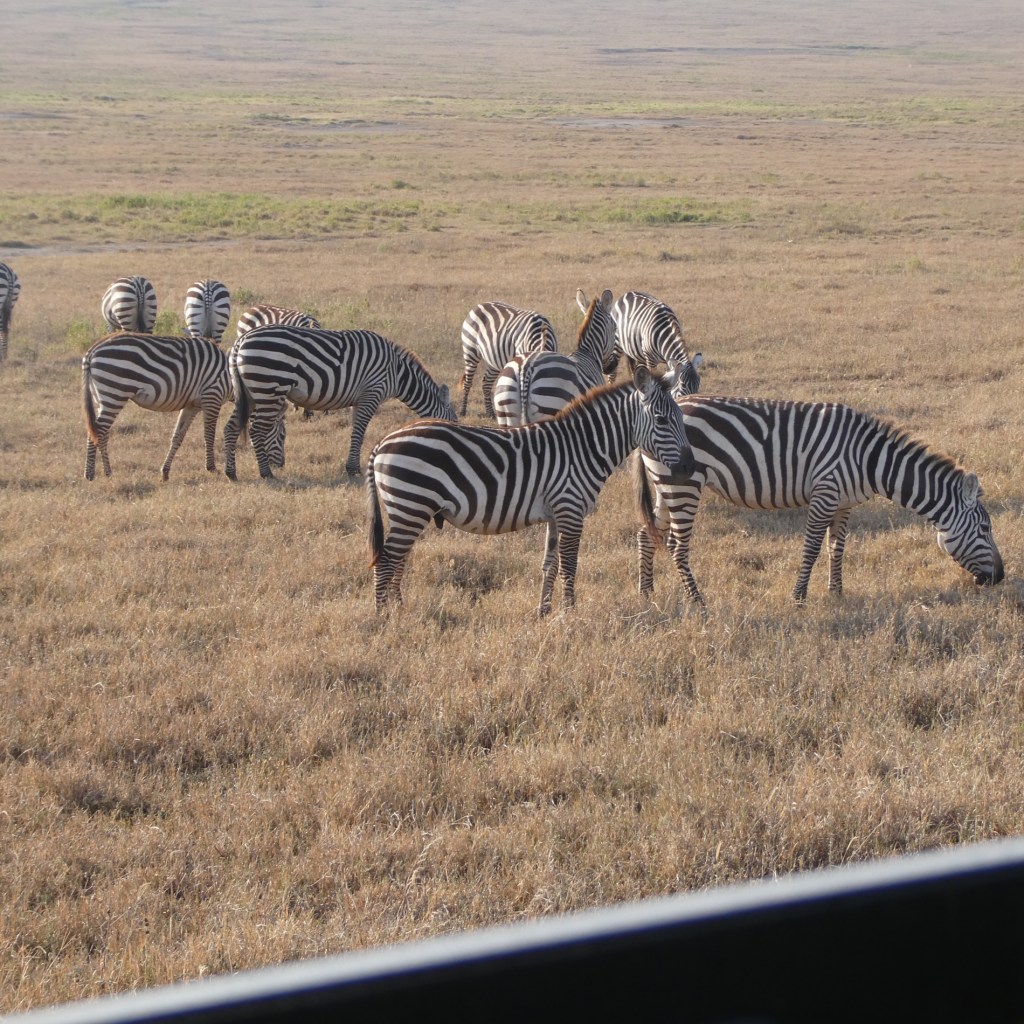
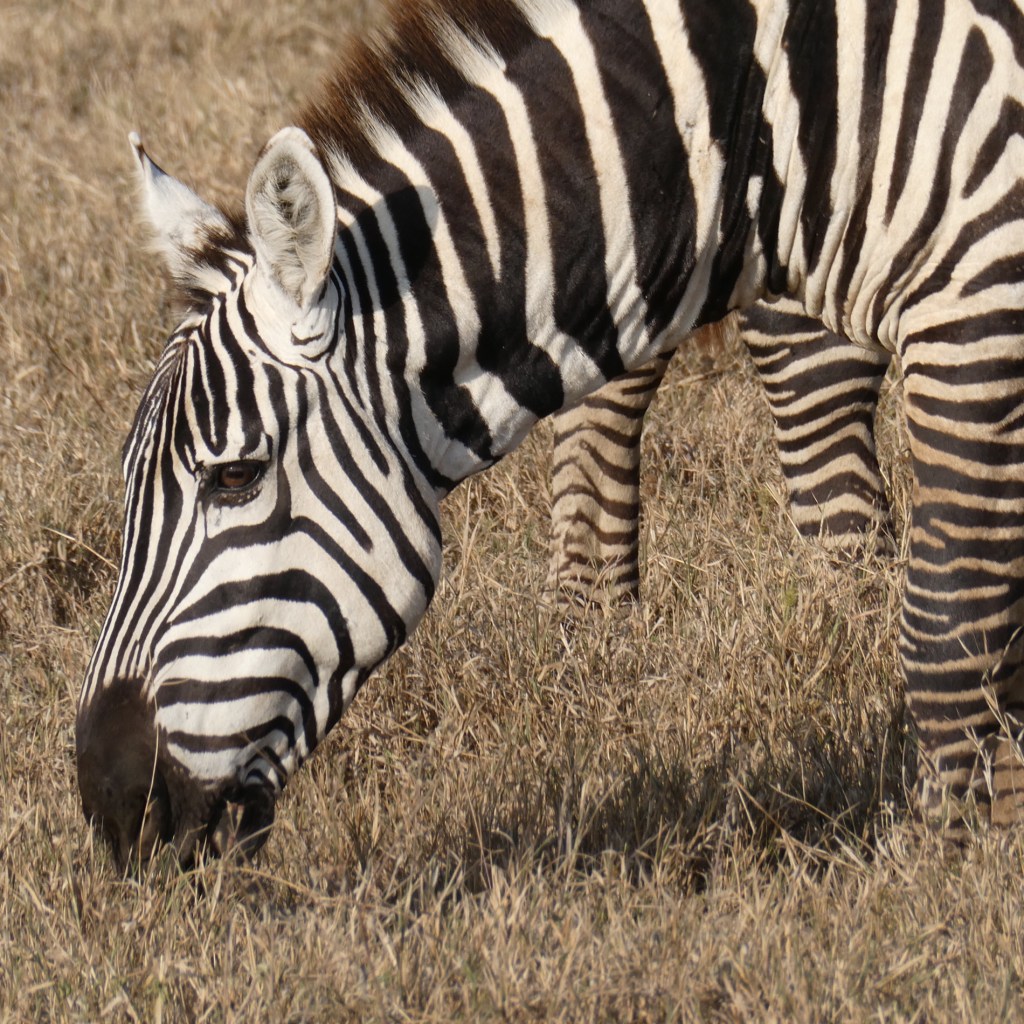
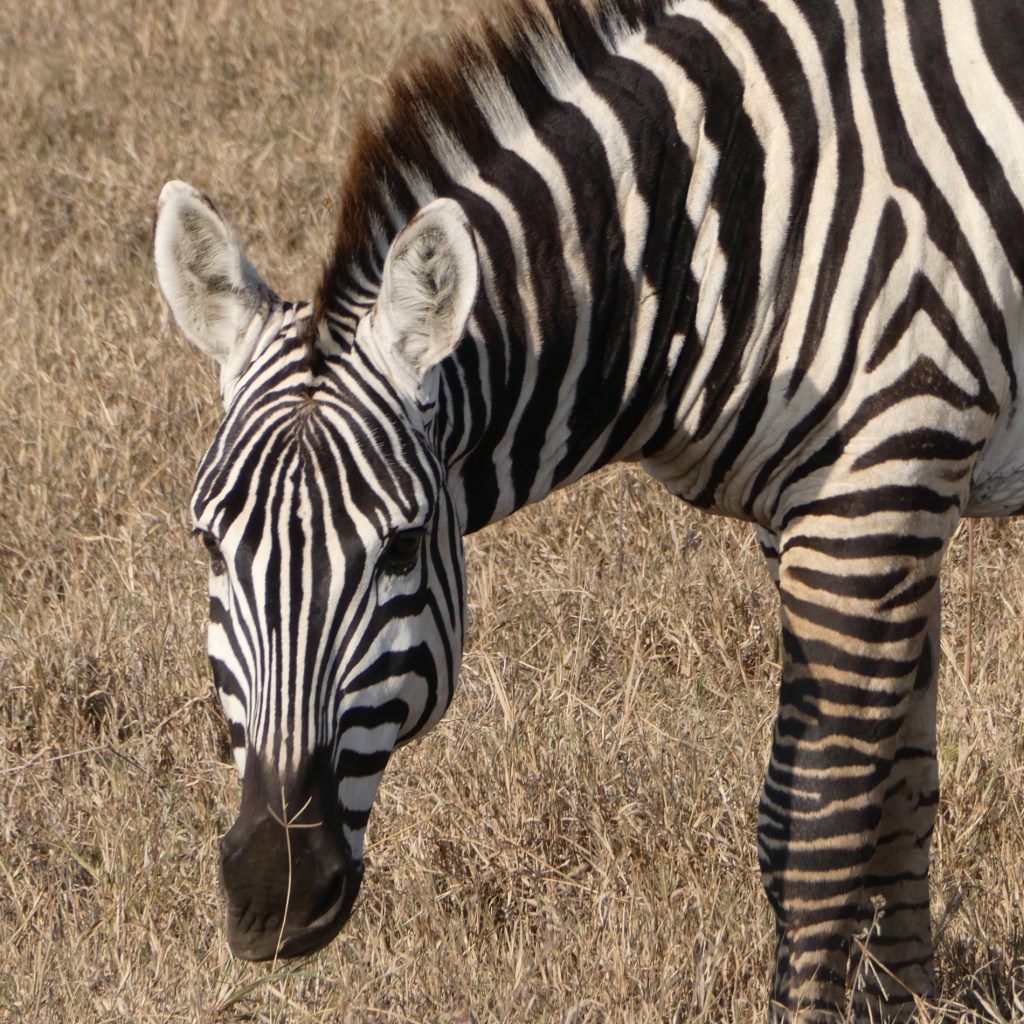
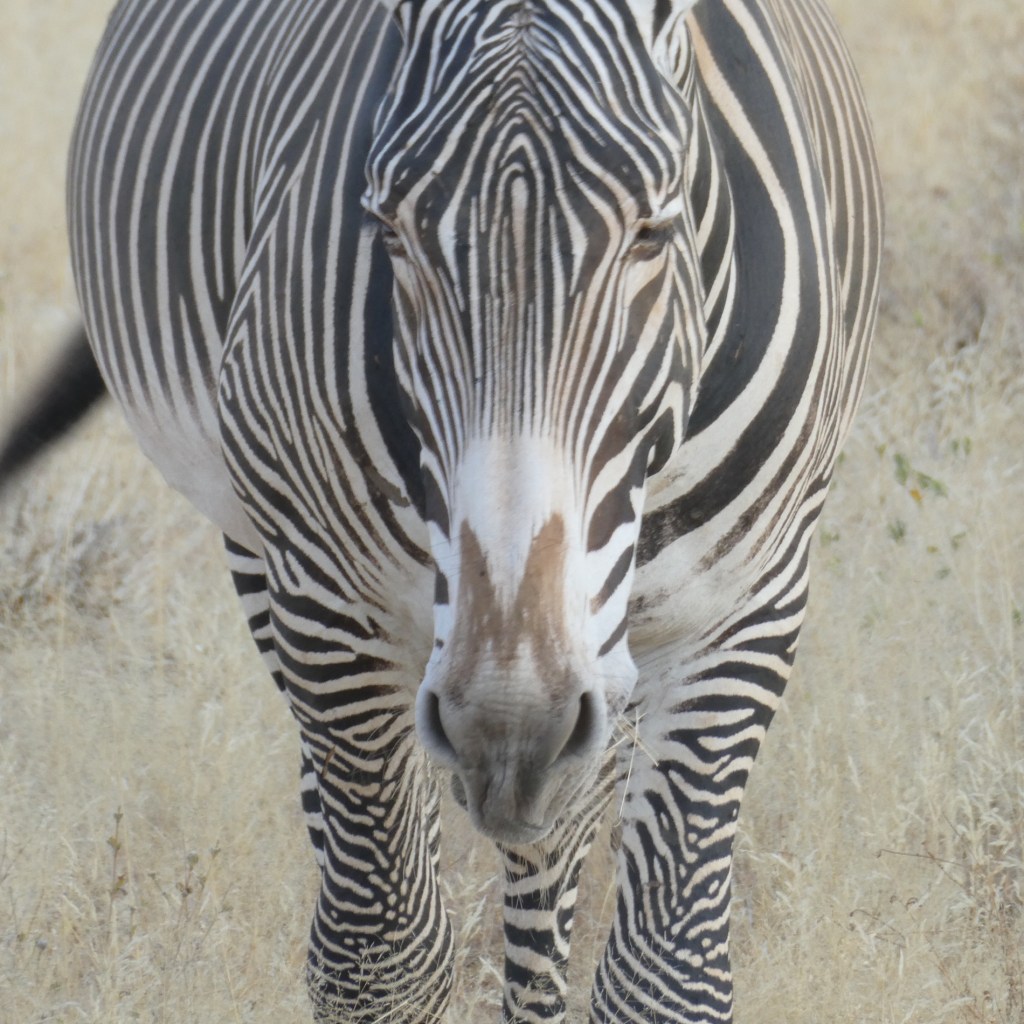
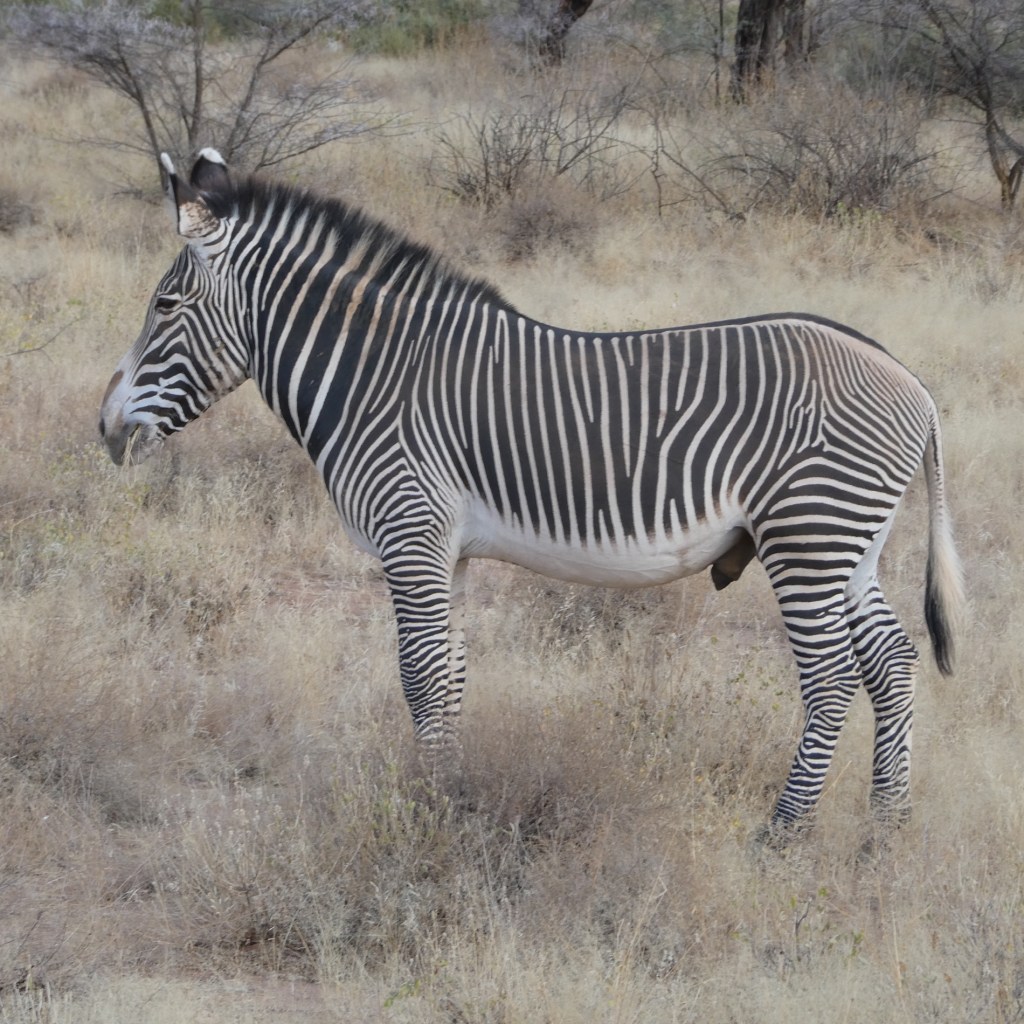
Nakuru zebra… the common zebra has wider stripes that go through from one side to other side under the belly.

We see quite a number of yellow fever trees. The trunks are “yellow” and people in the past believed that they were the cause of fever. The actual scoop is that they grow in swampy areas where mosquitos breed.

Grants Gazelle

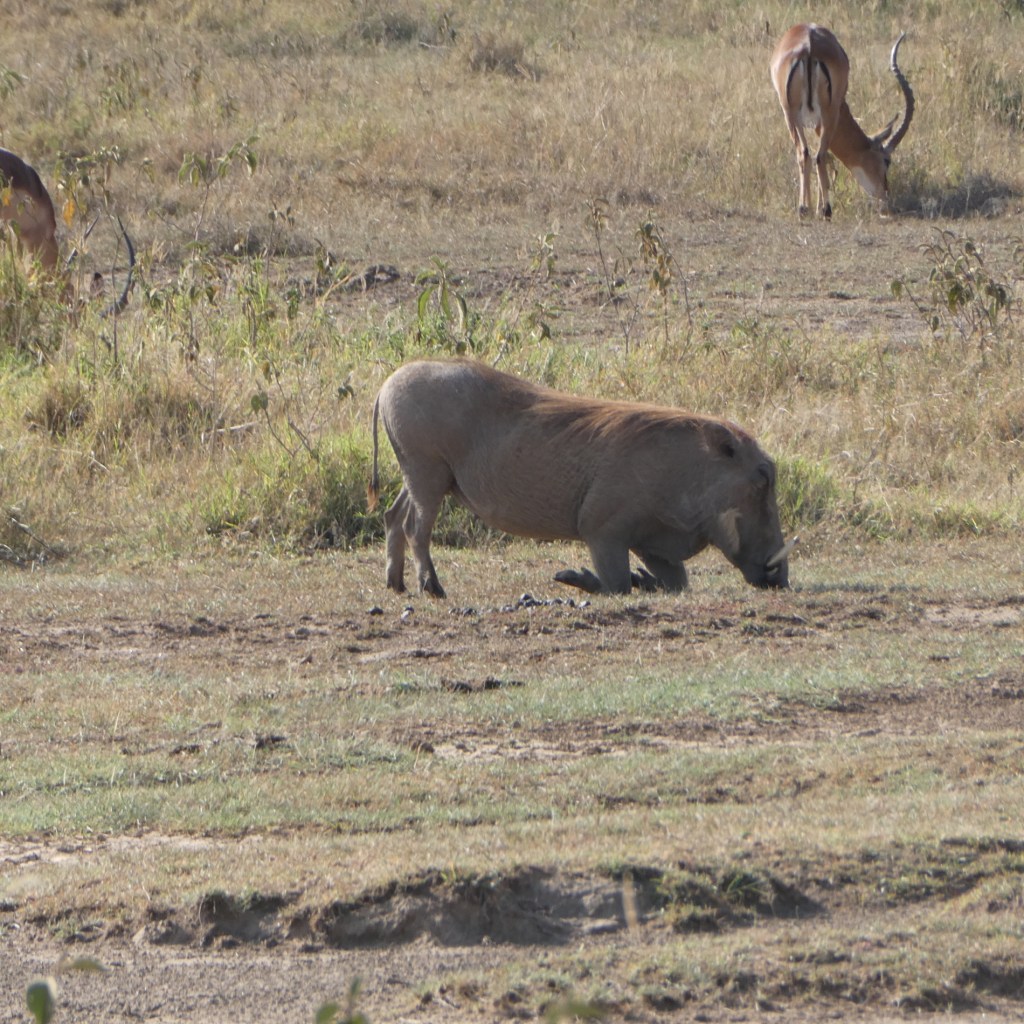
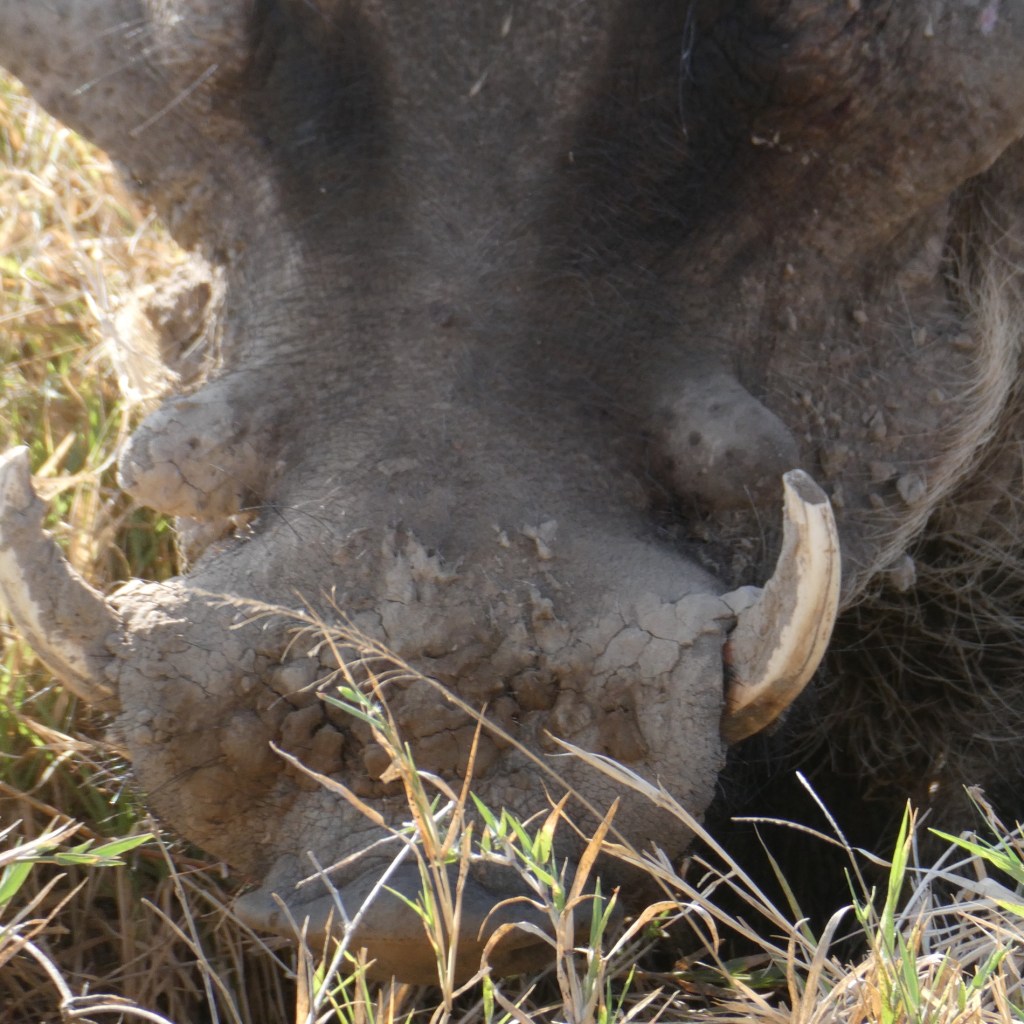
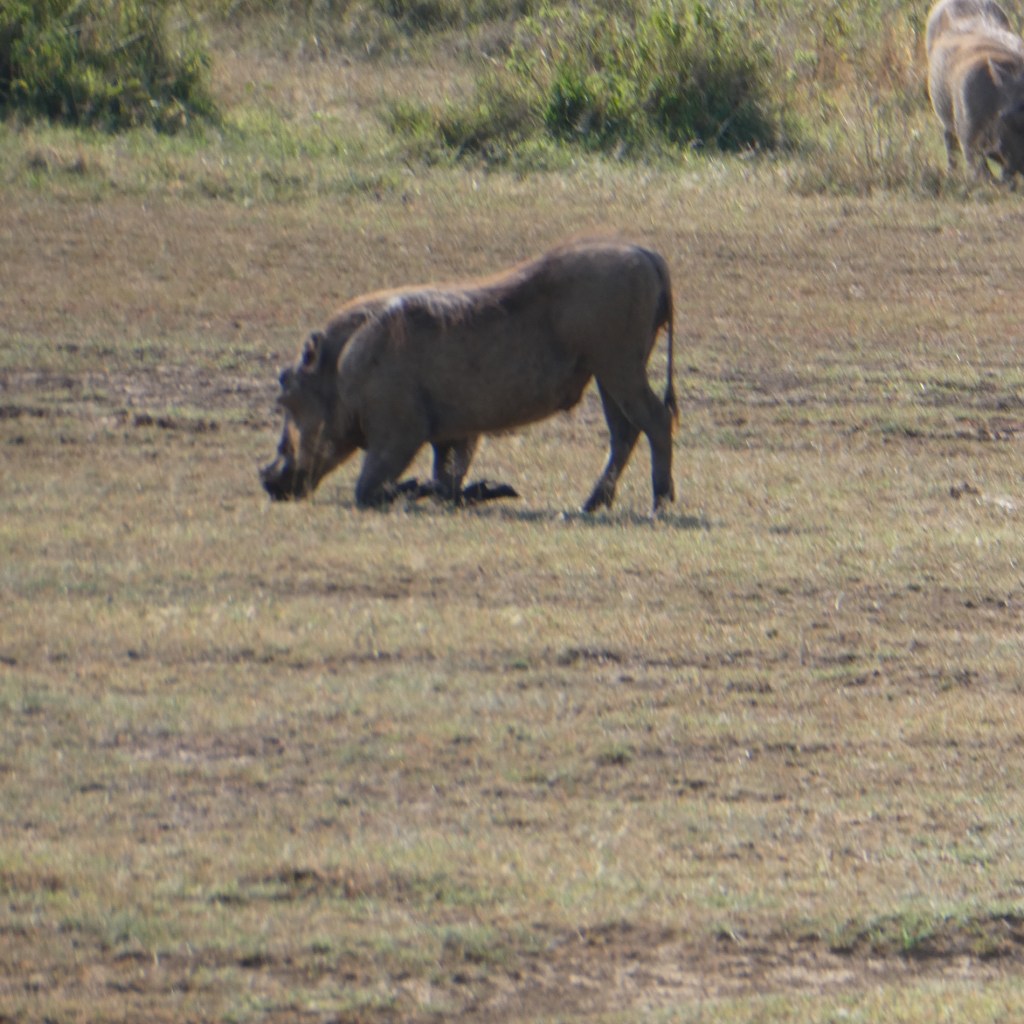
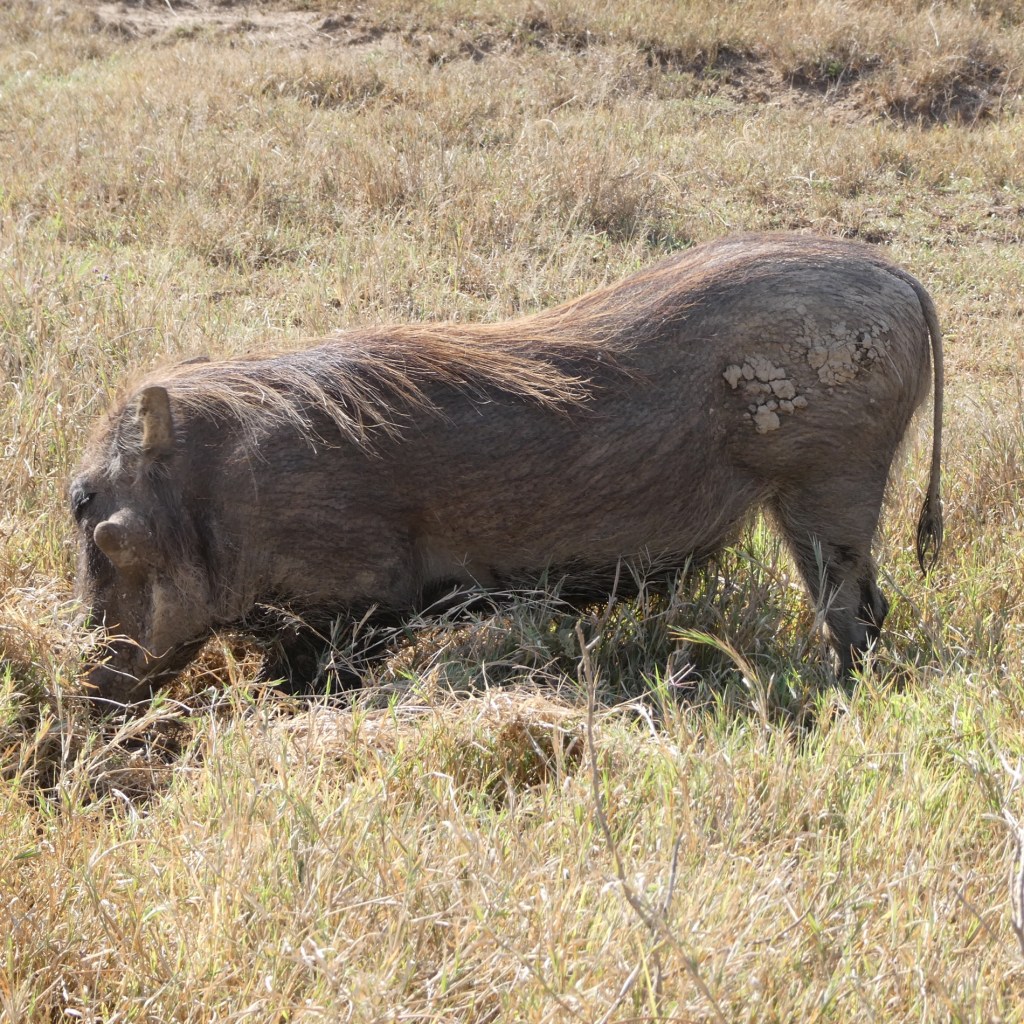
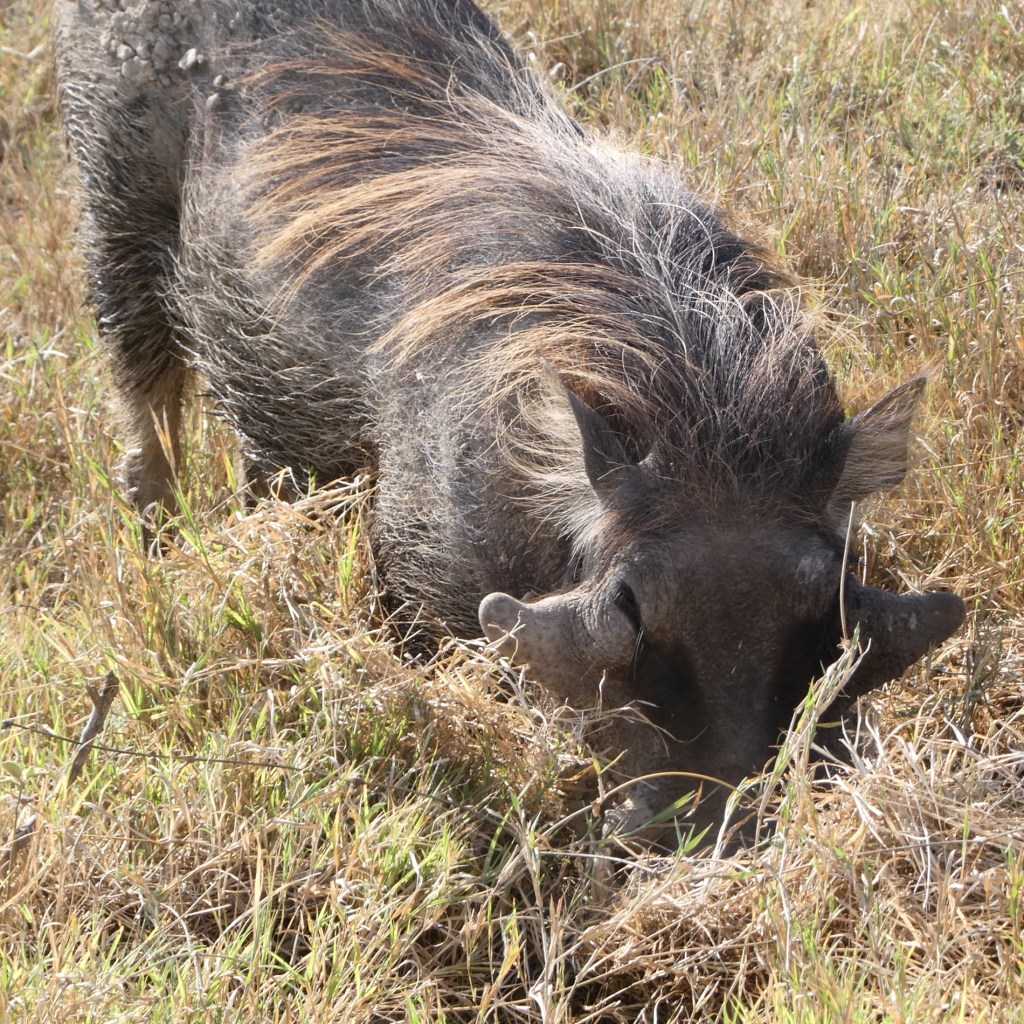
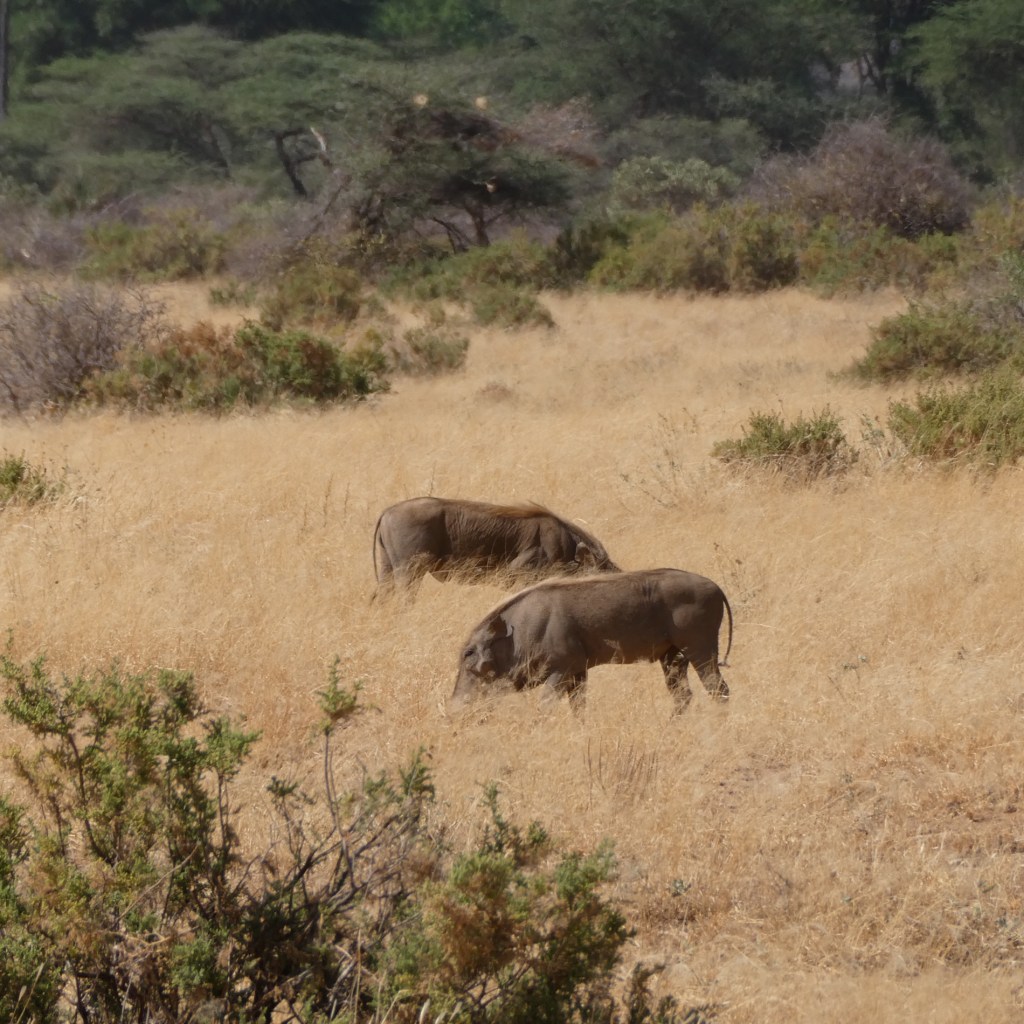
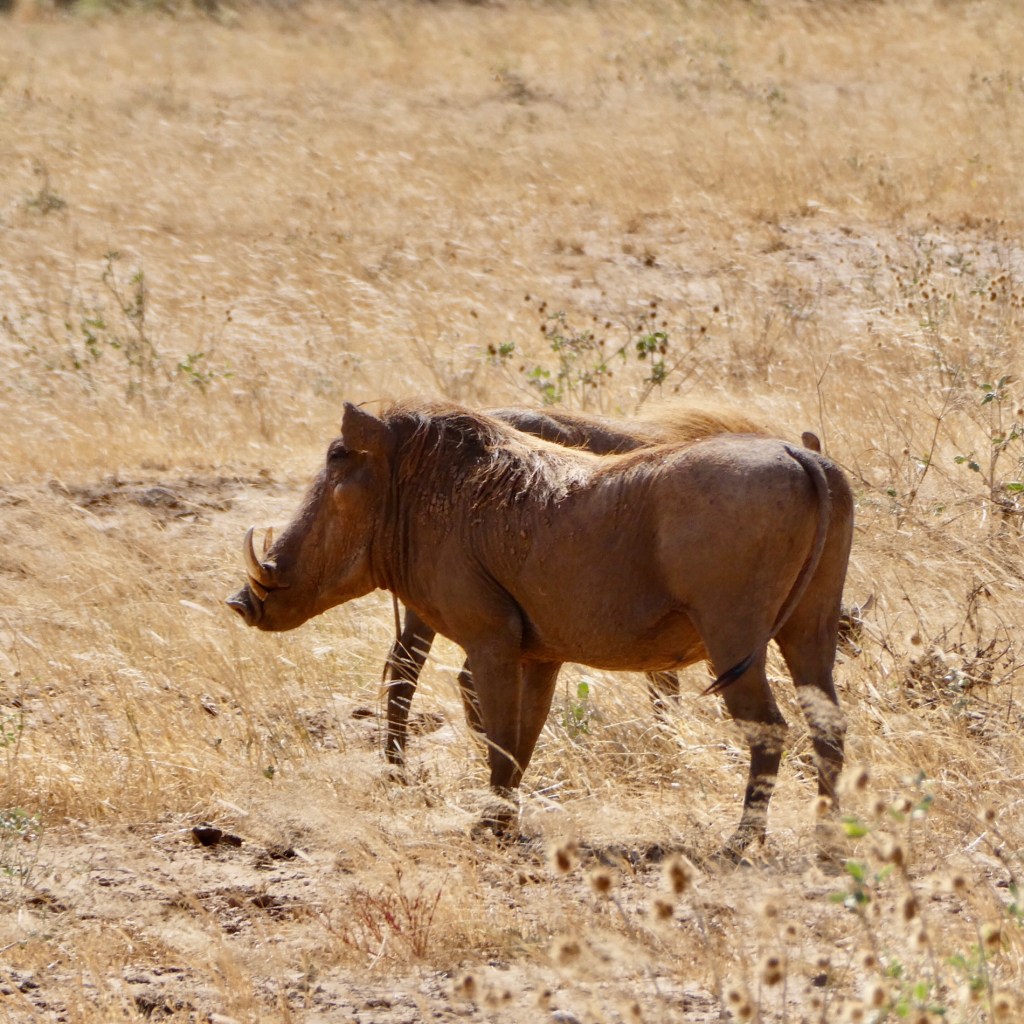
Warthogs

Thomson gazelle

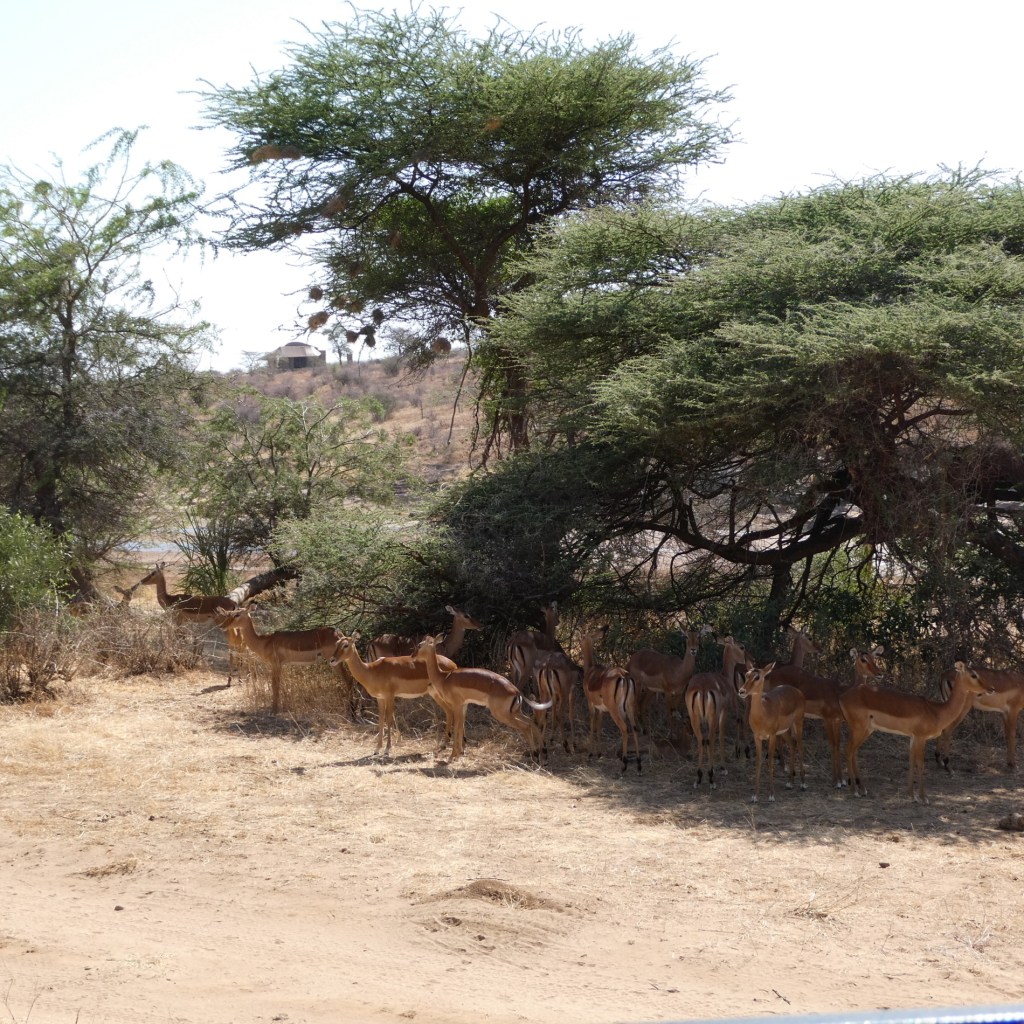
Impala

A lion pride of 2 brothers, one female, 2 cubs plus 2 females coming down from higher up… pretty exciting

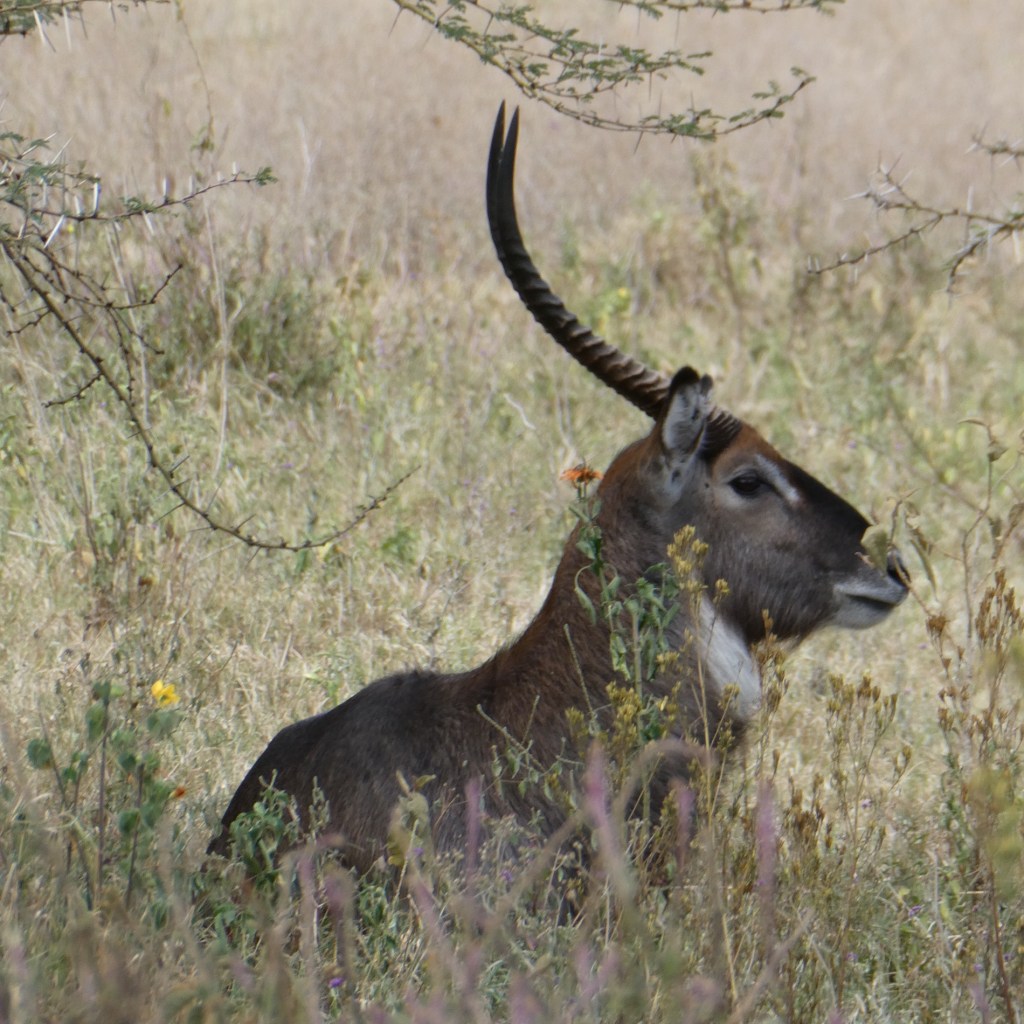
Defassa waterbucks

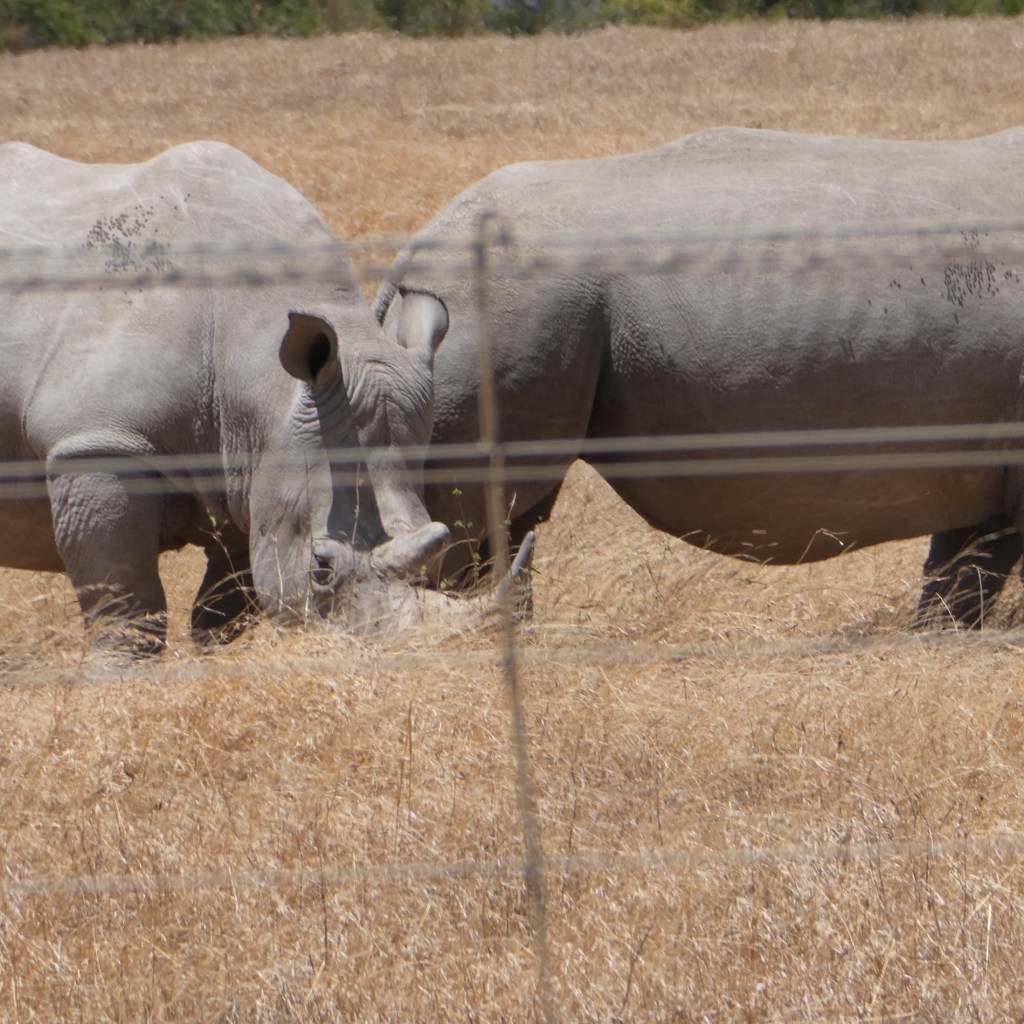
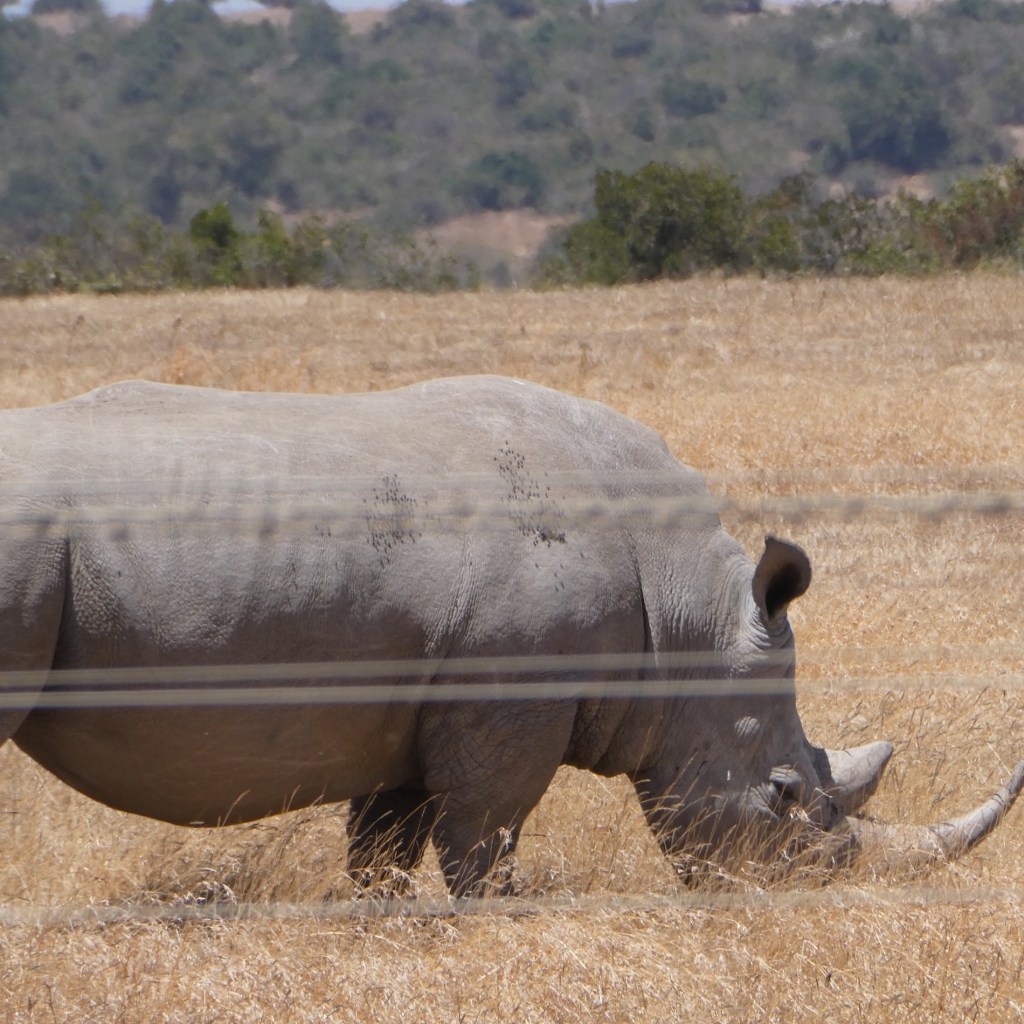
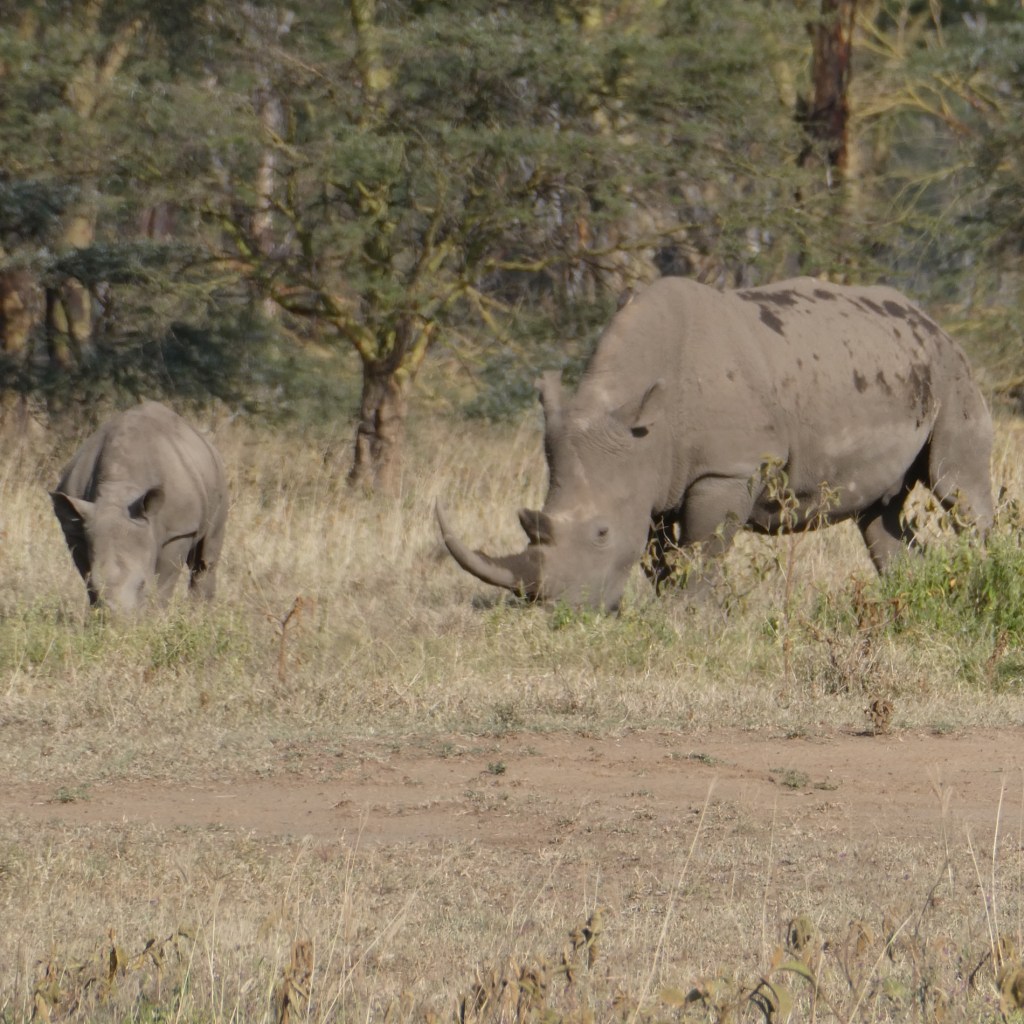
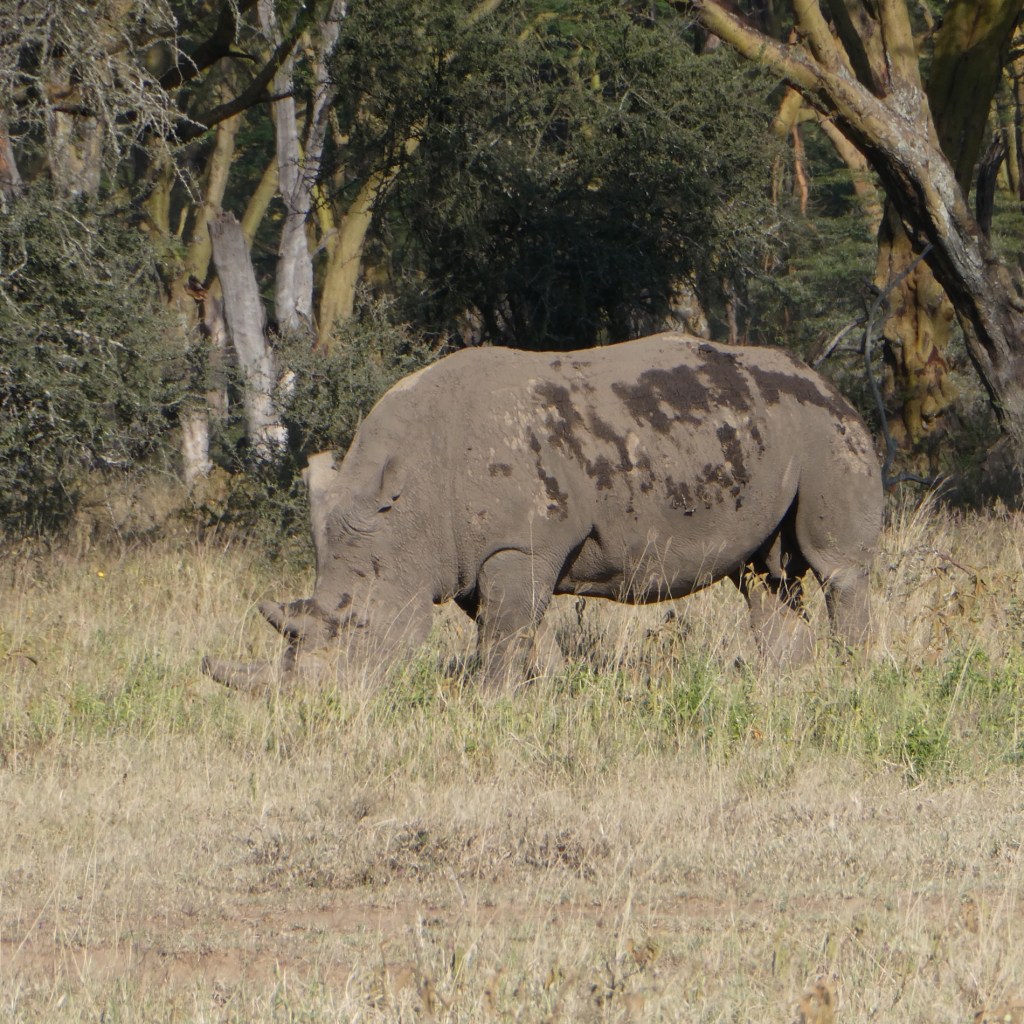
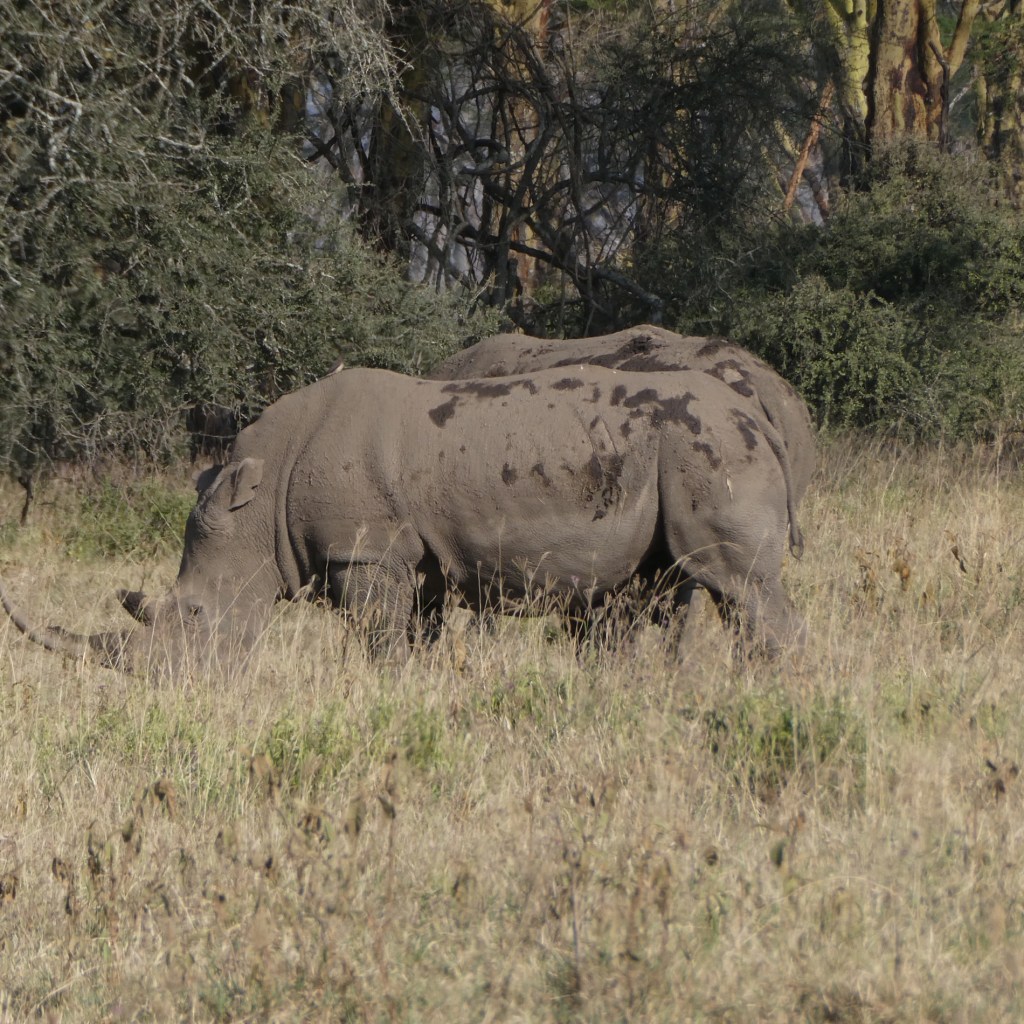
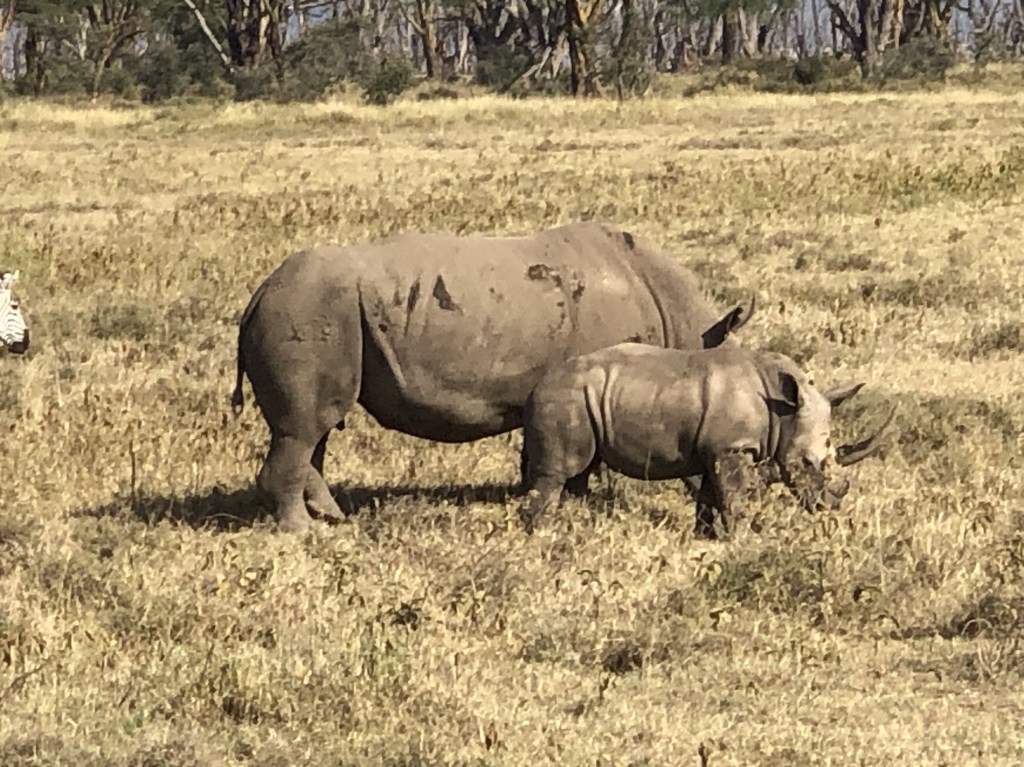
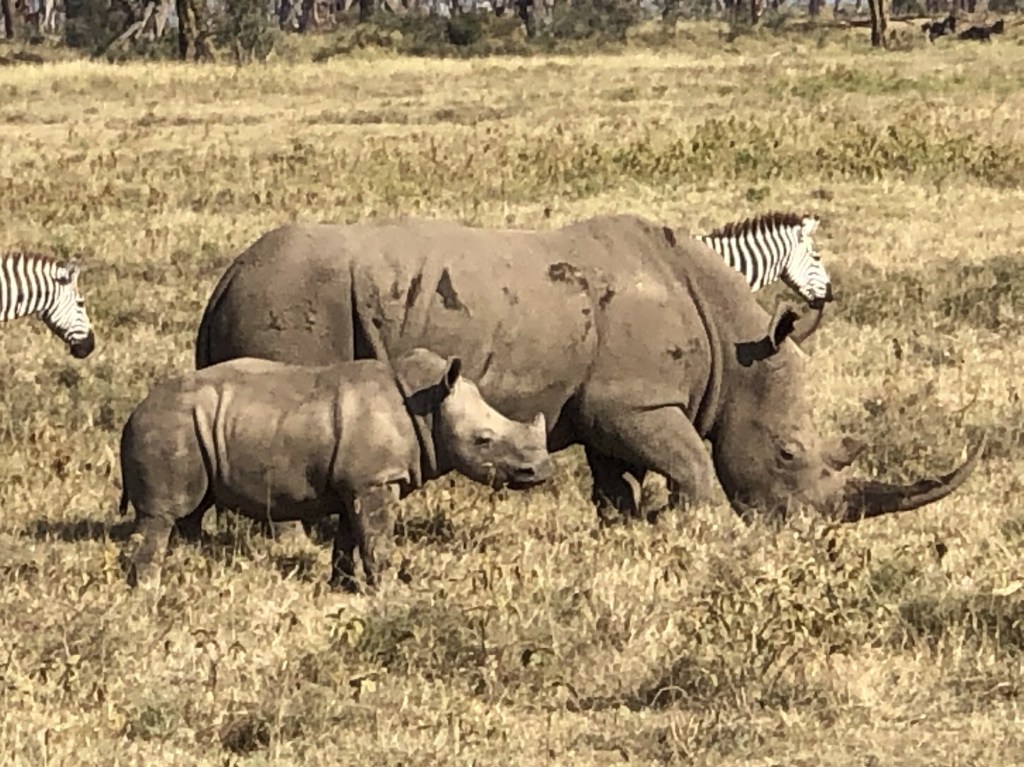
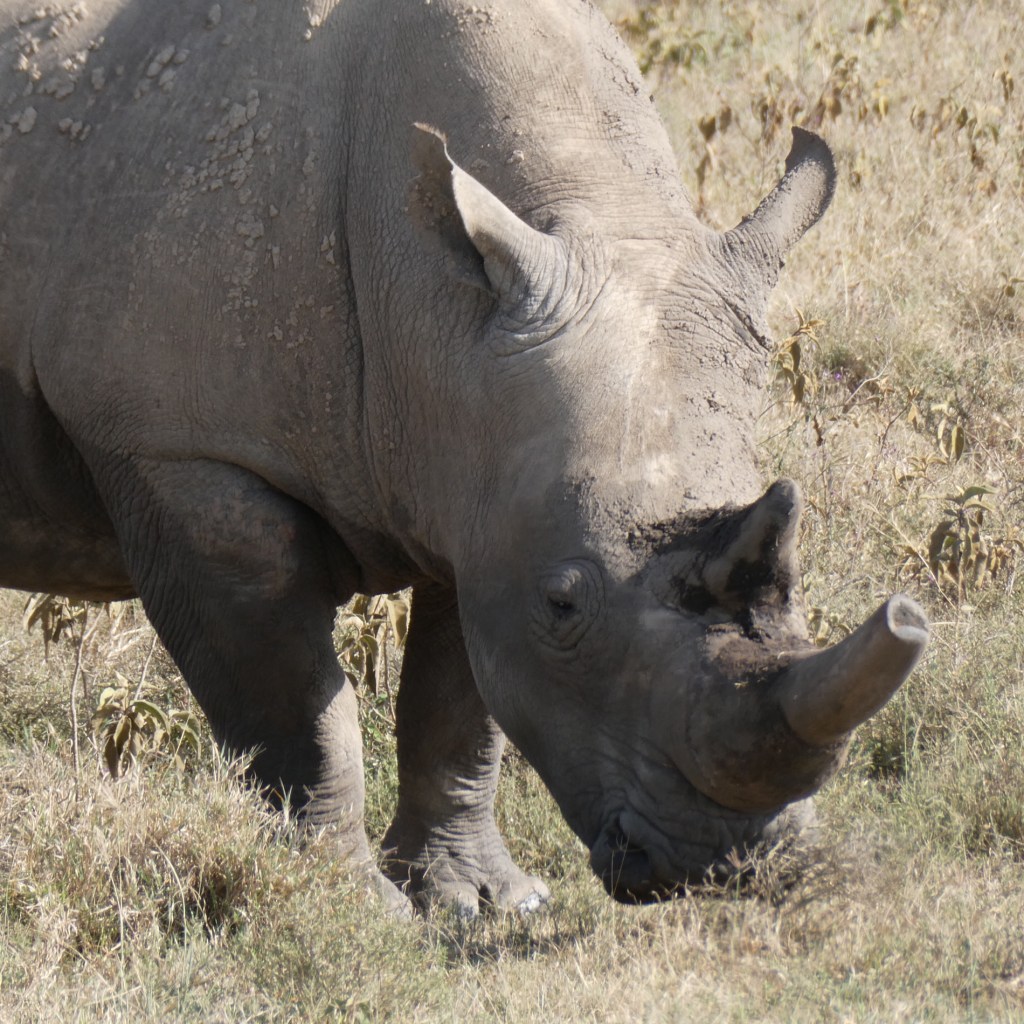
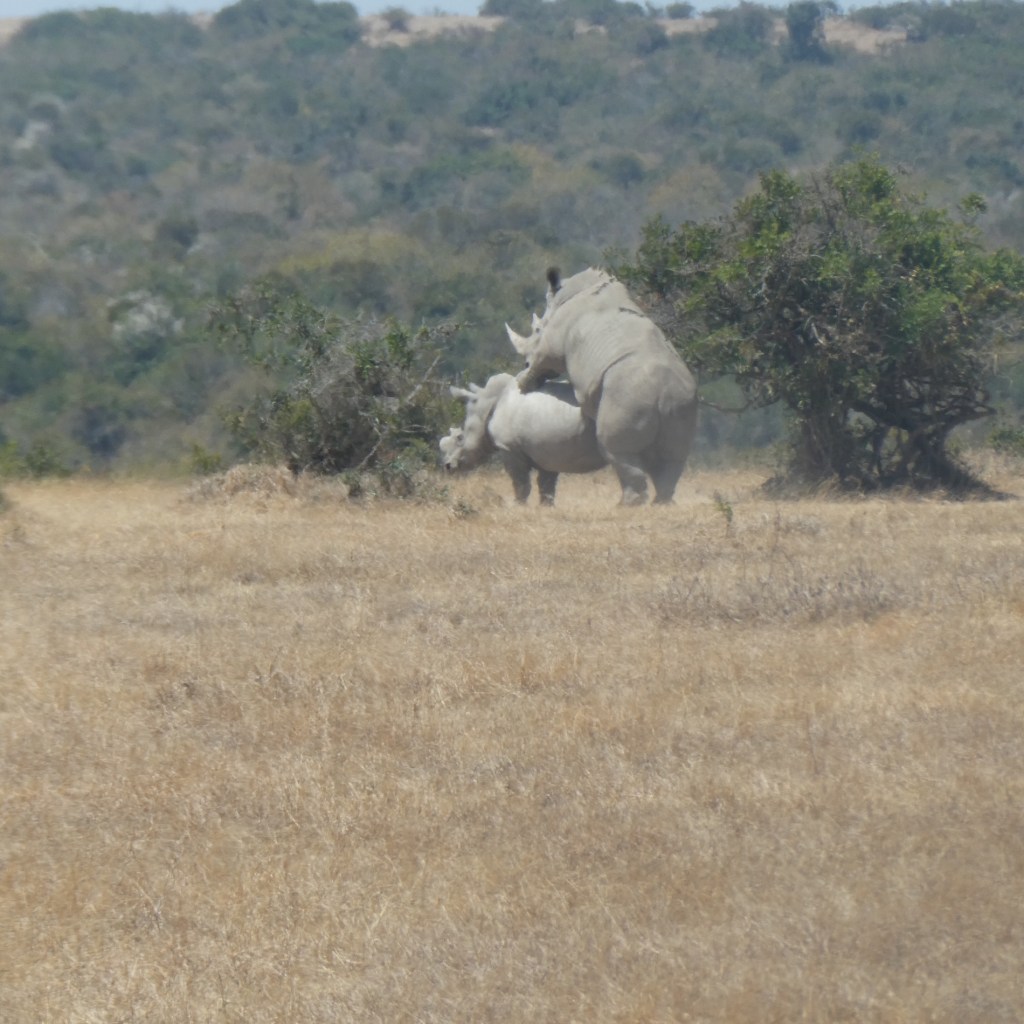
Two adult and 1 baby wide mouth rhinos

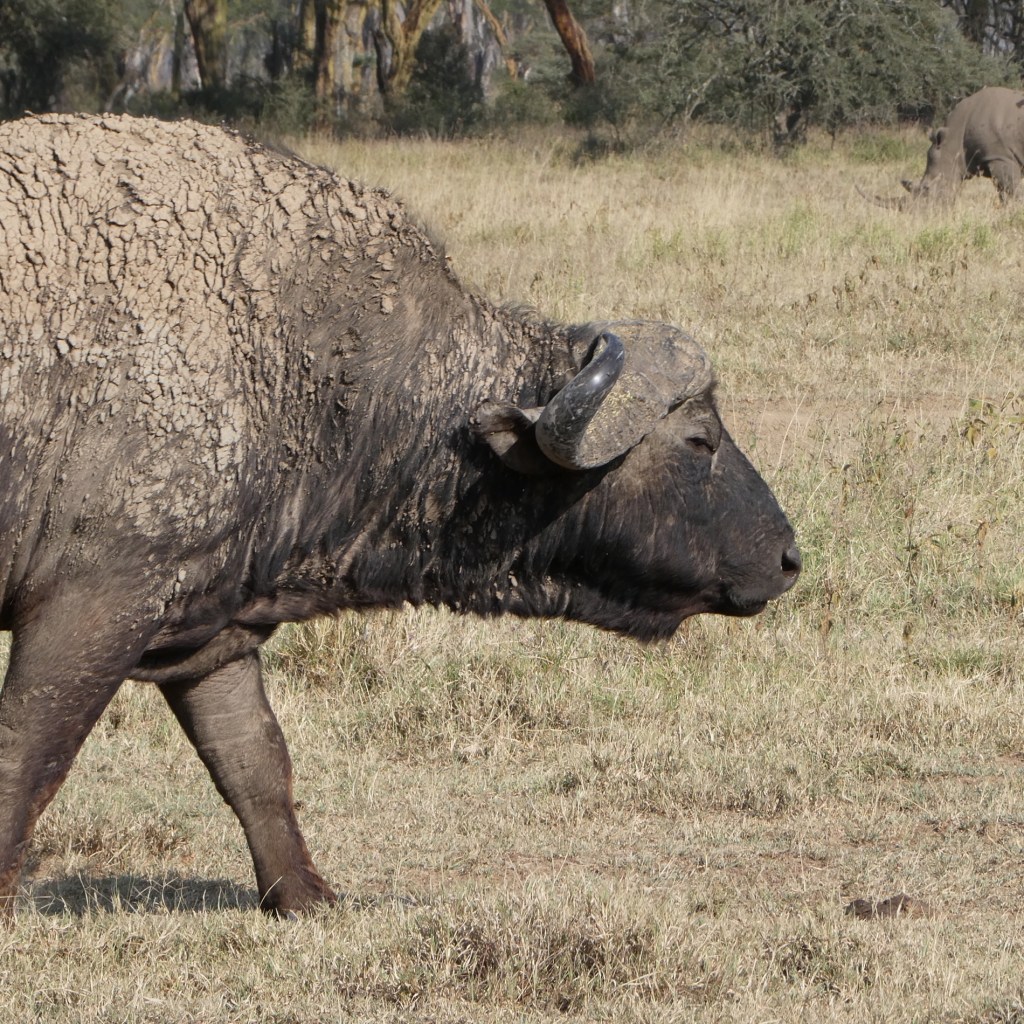
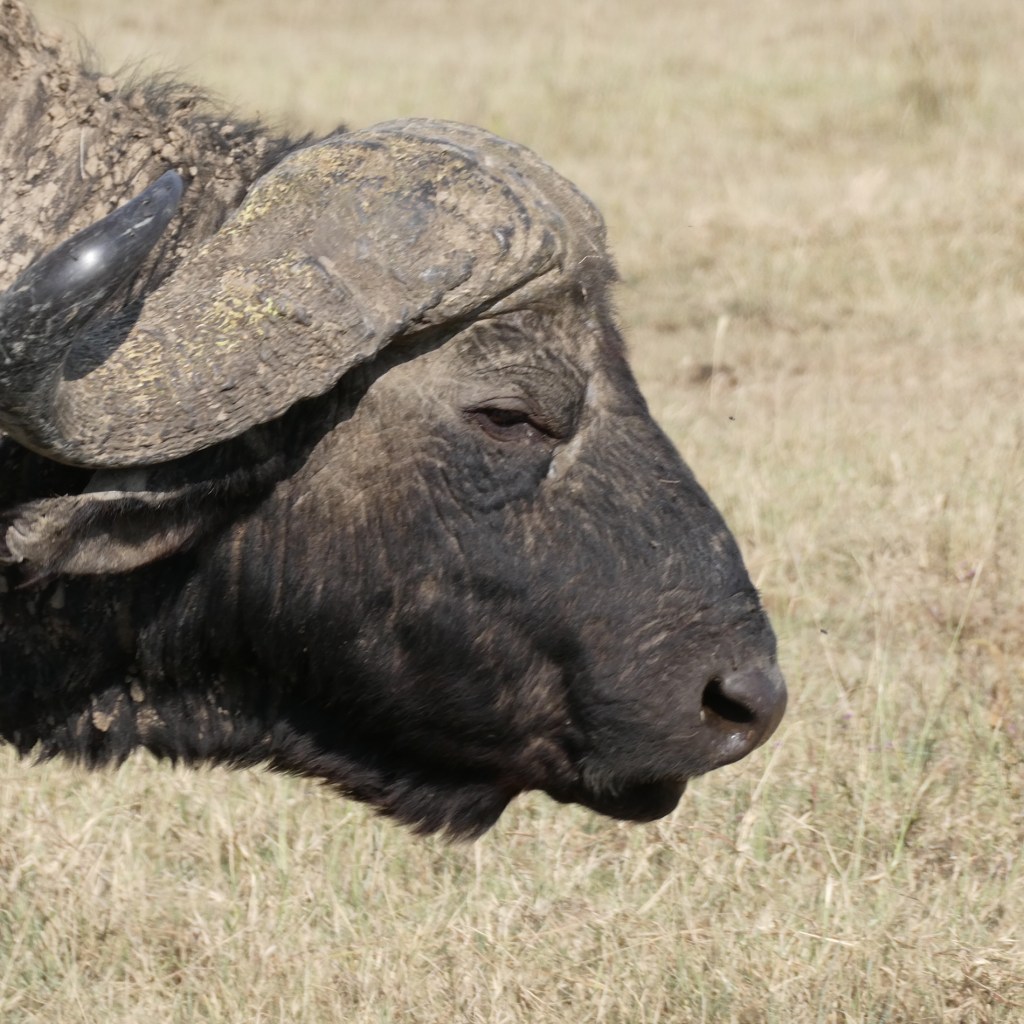
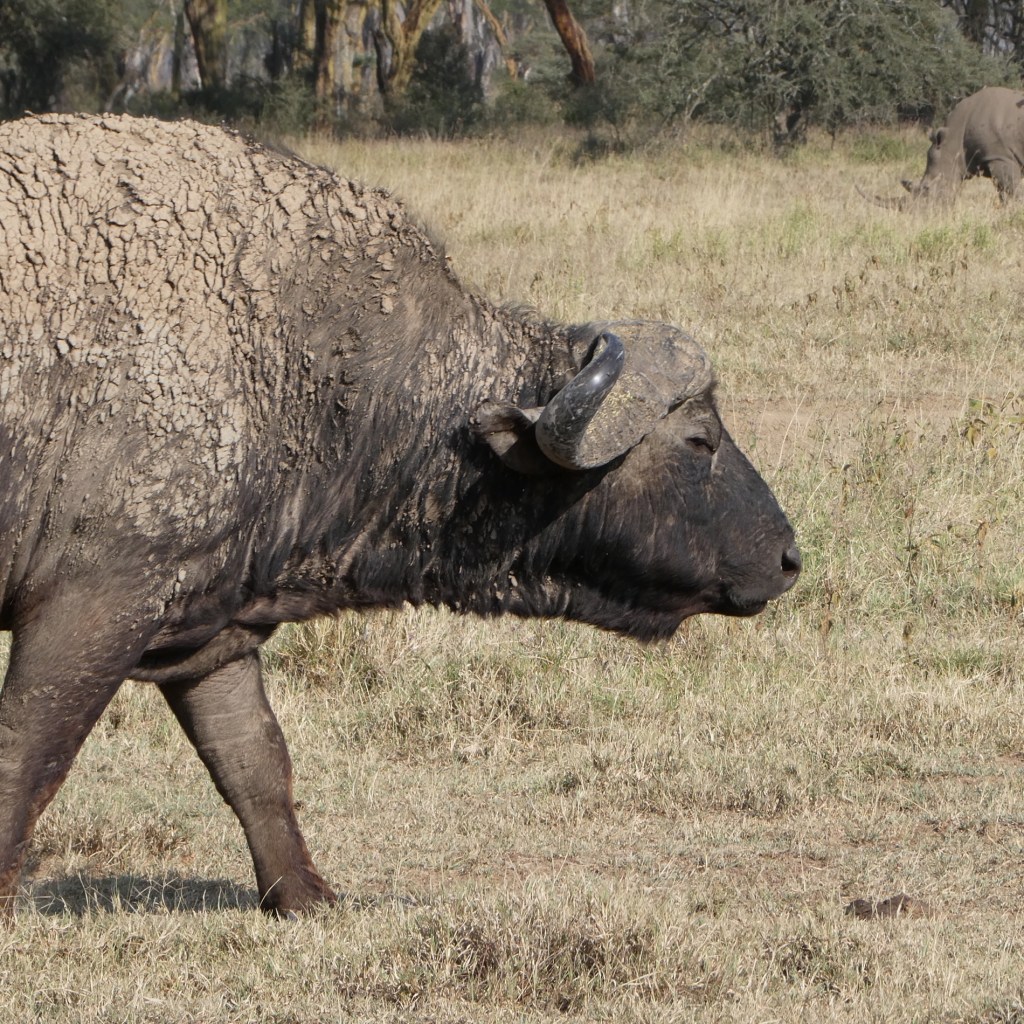
African water buffalos

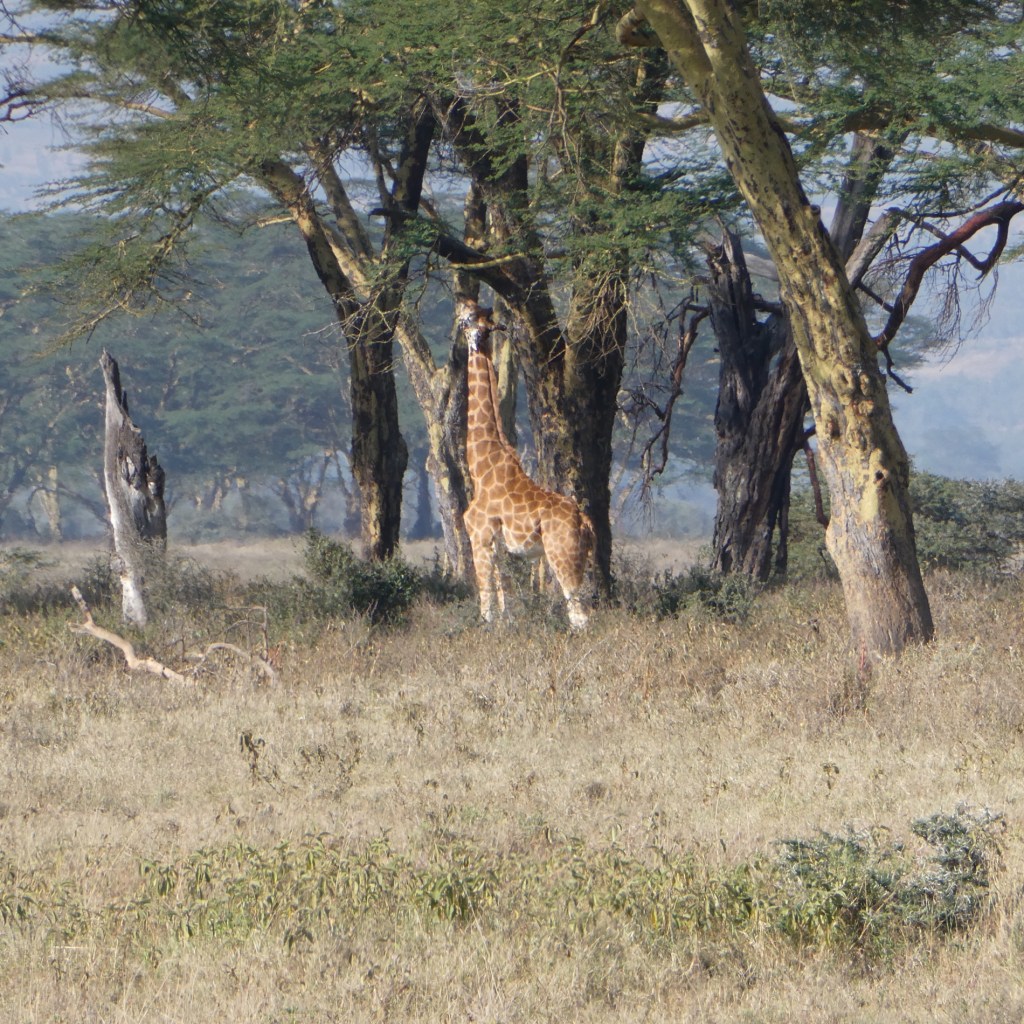
Nakuru Giraffe

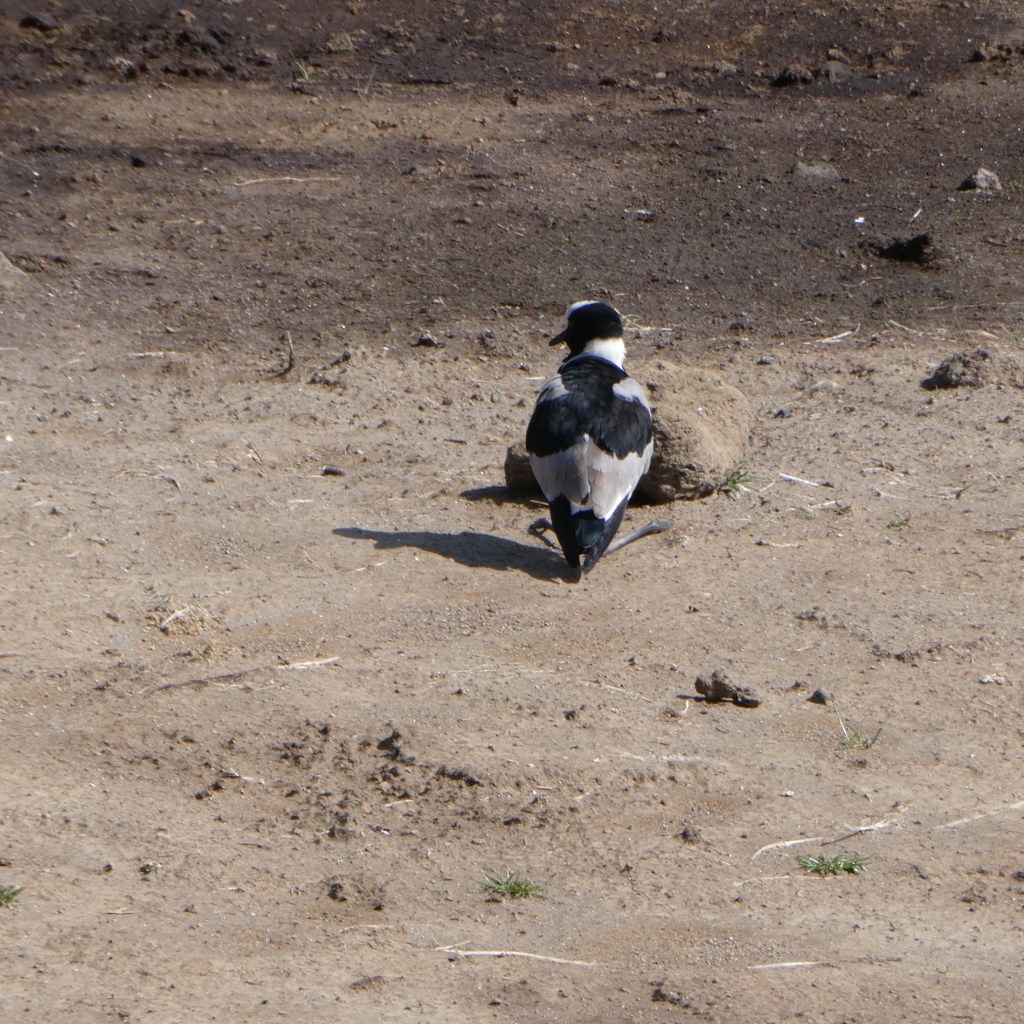
Blacksmith plover

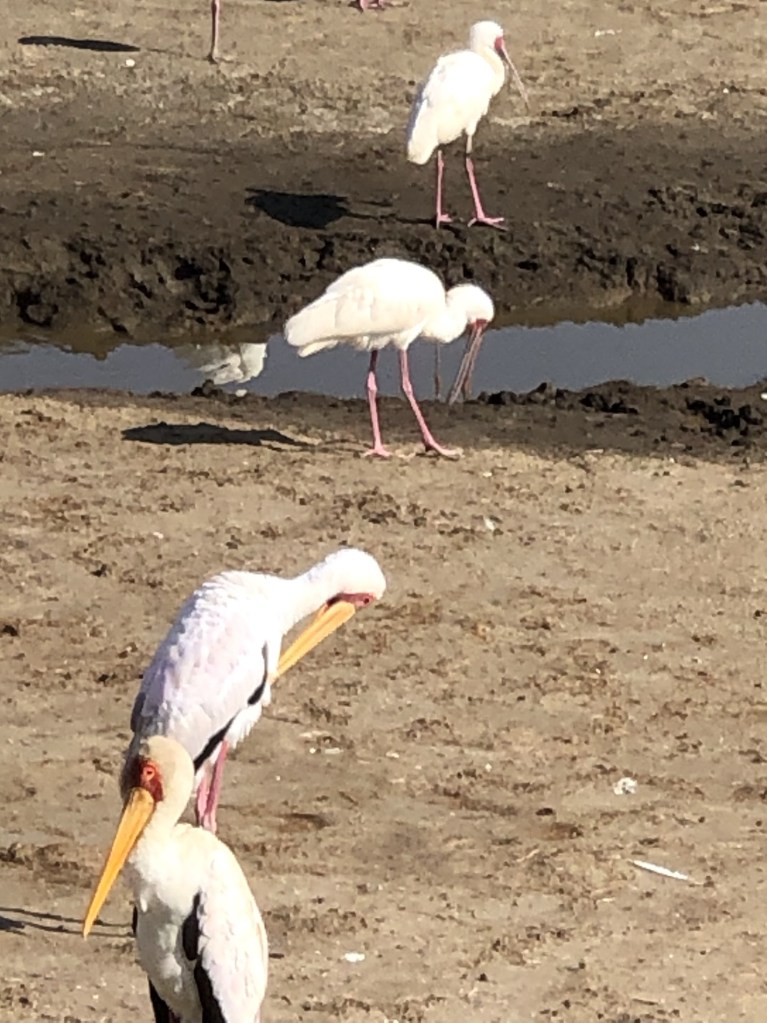
Yellow-billed stork(has red at top of yellow beak)

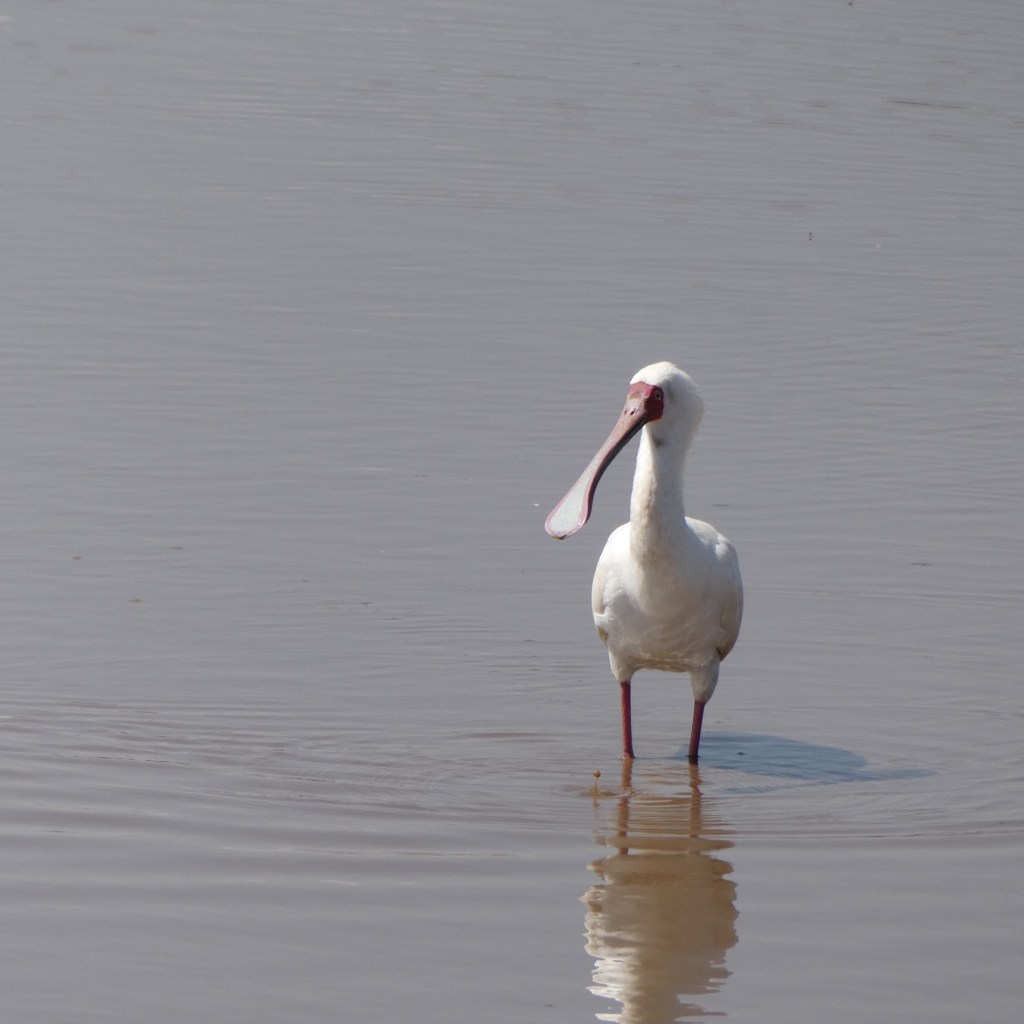
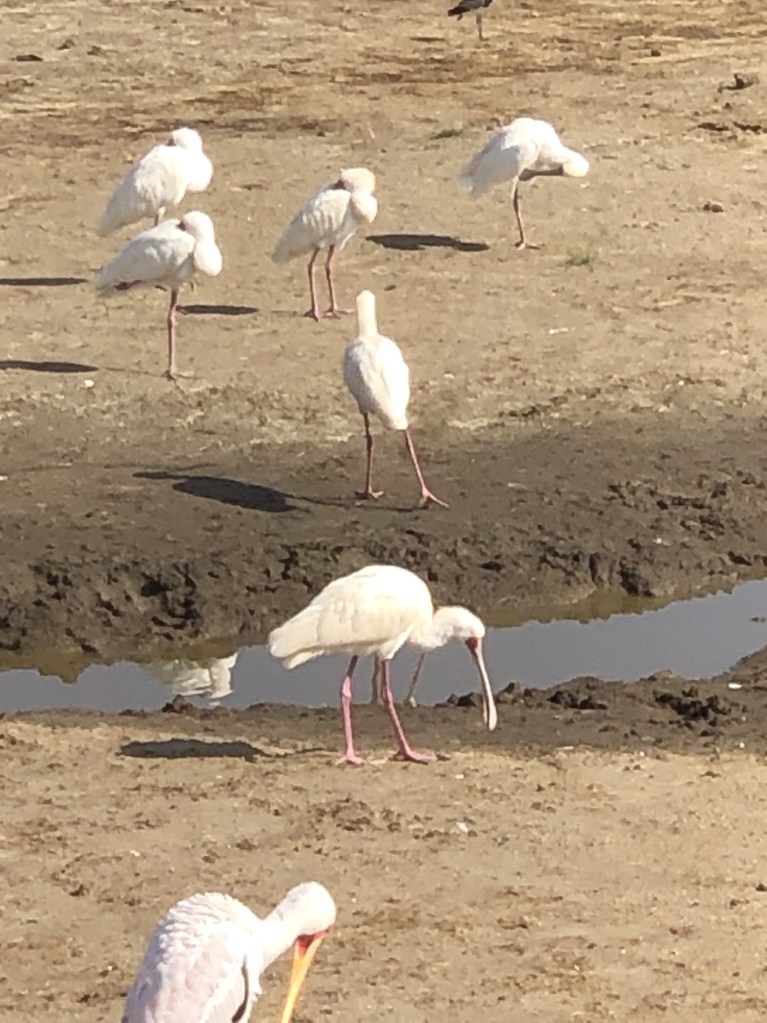
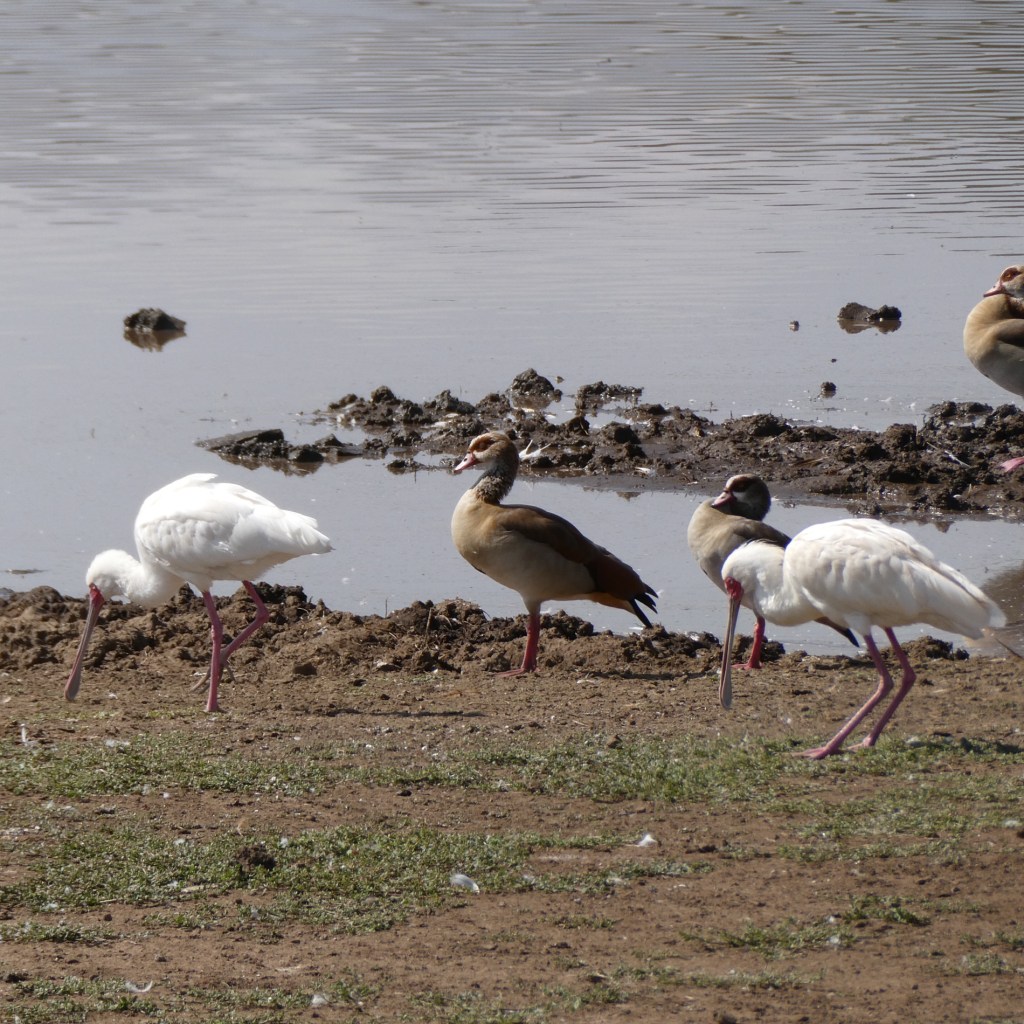
Spoonbills

Maribu stork

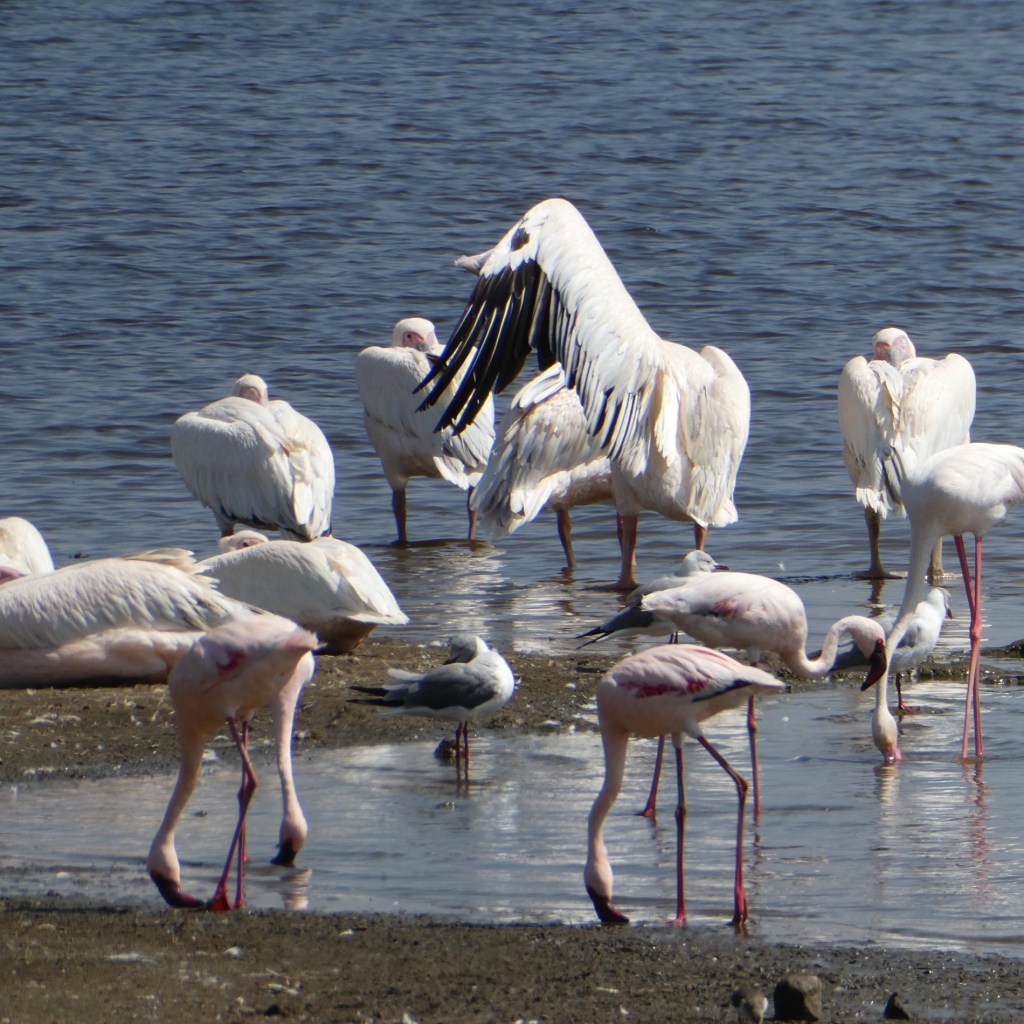
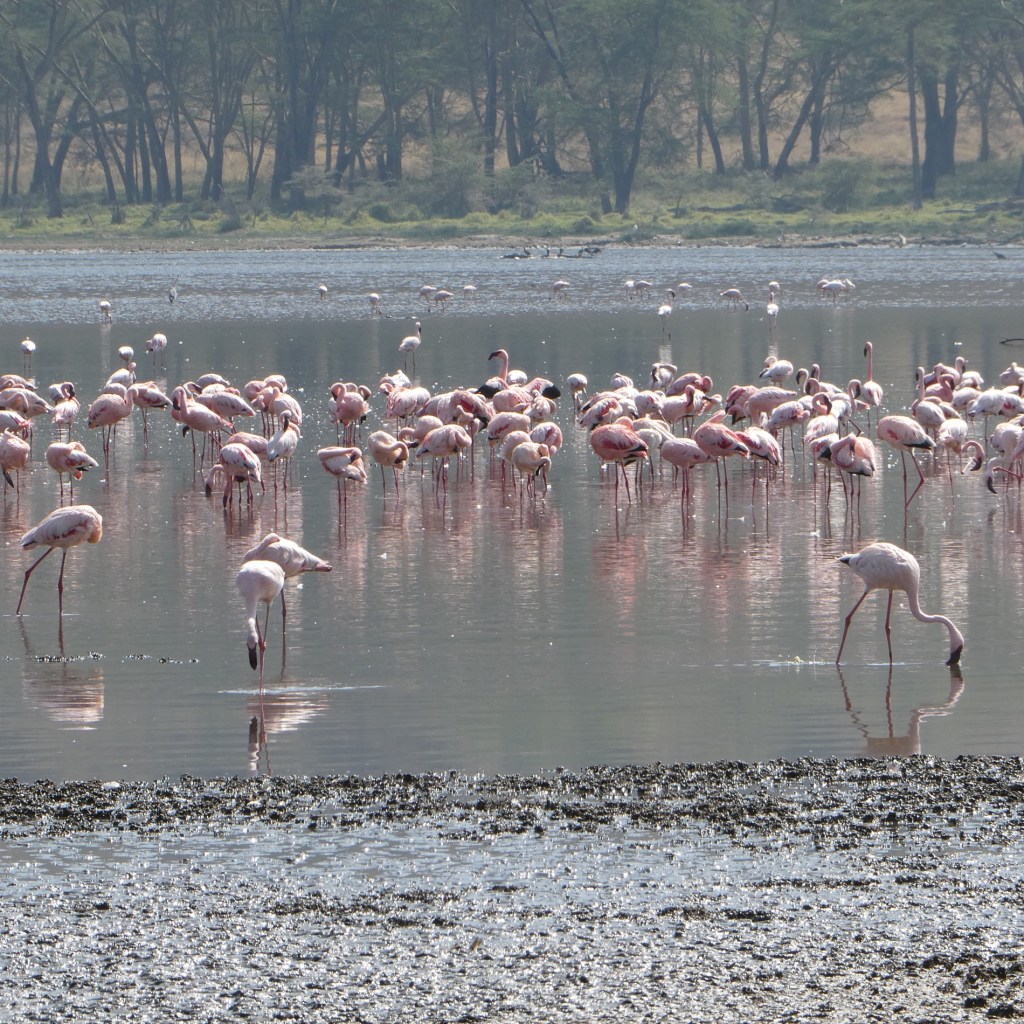
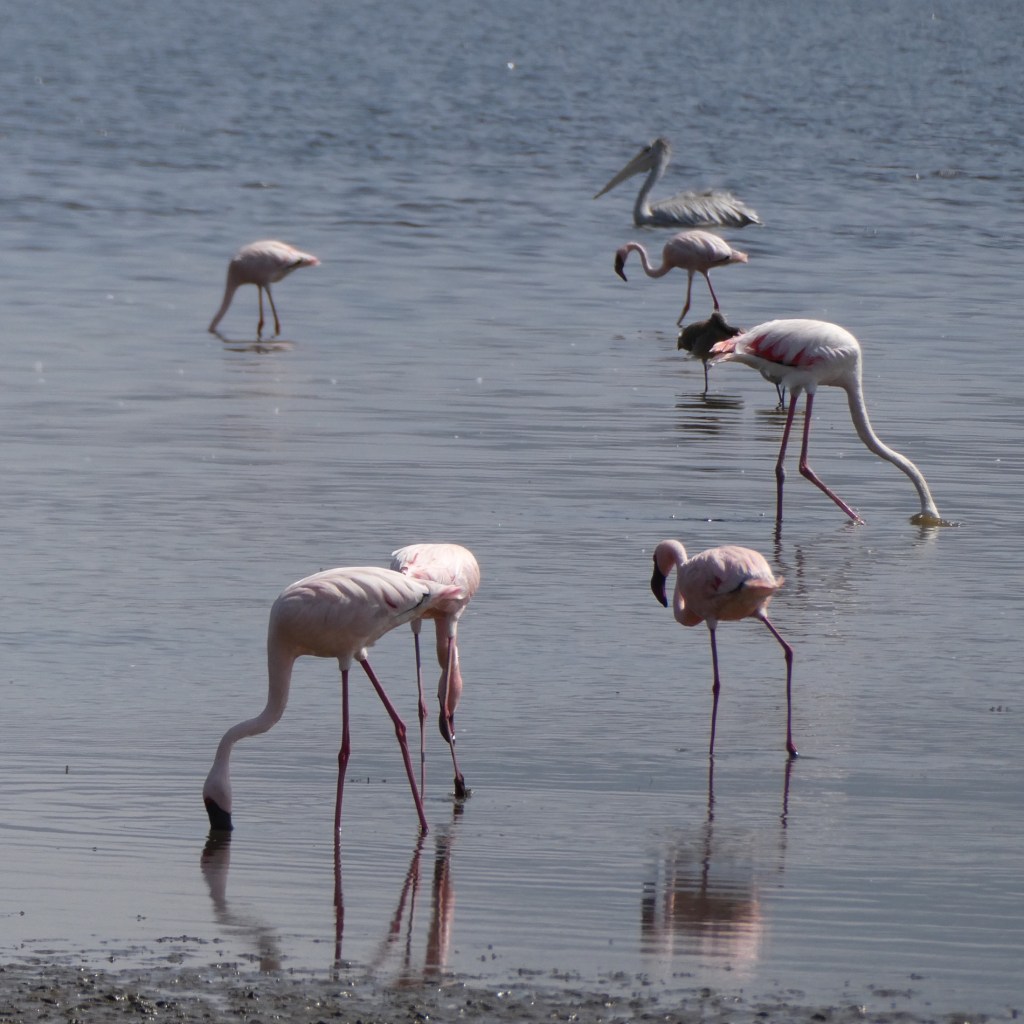
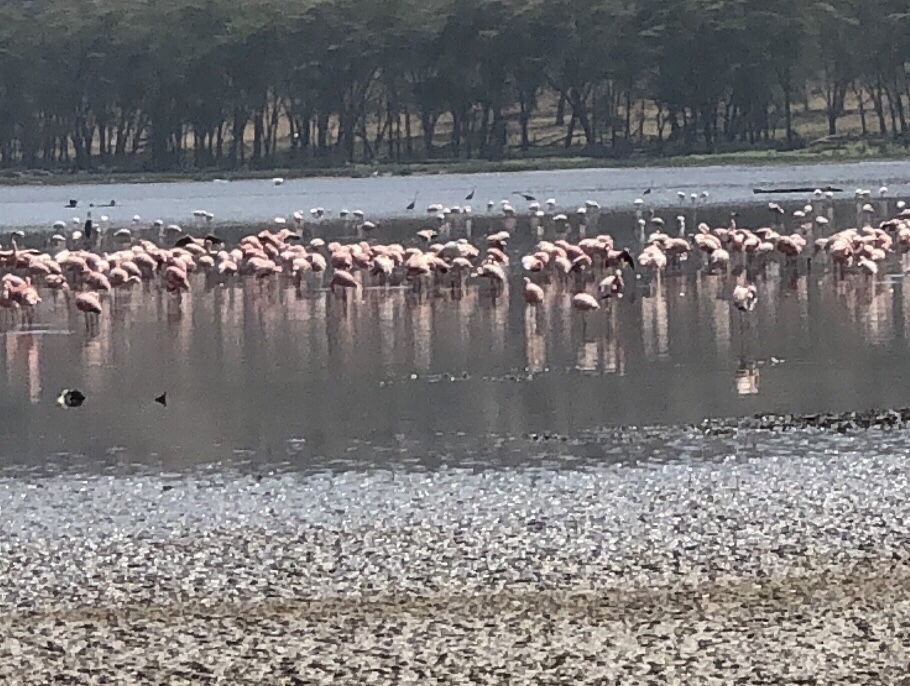
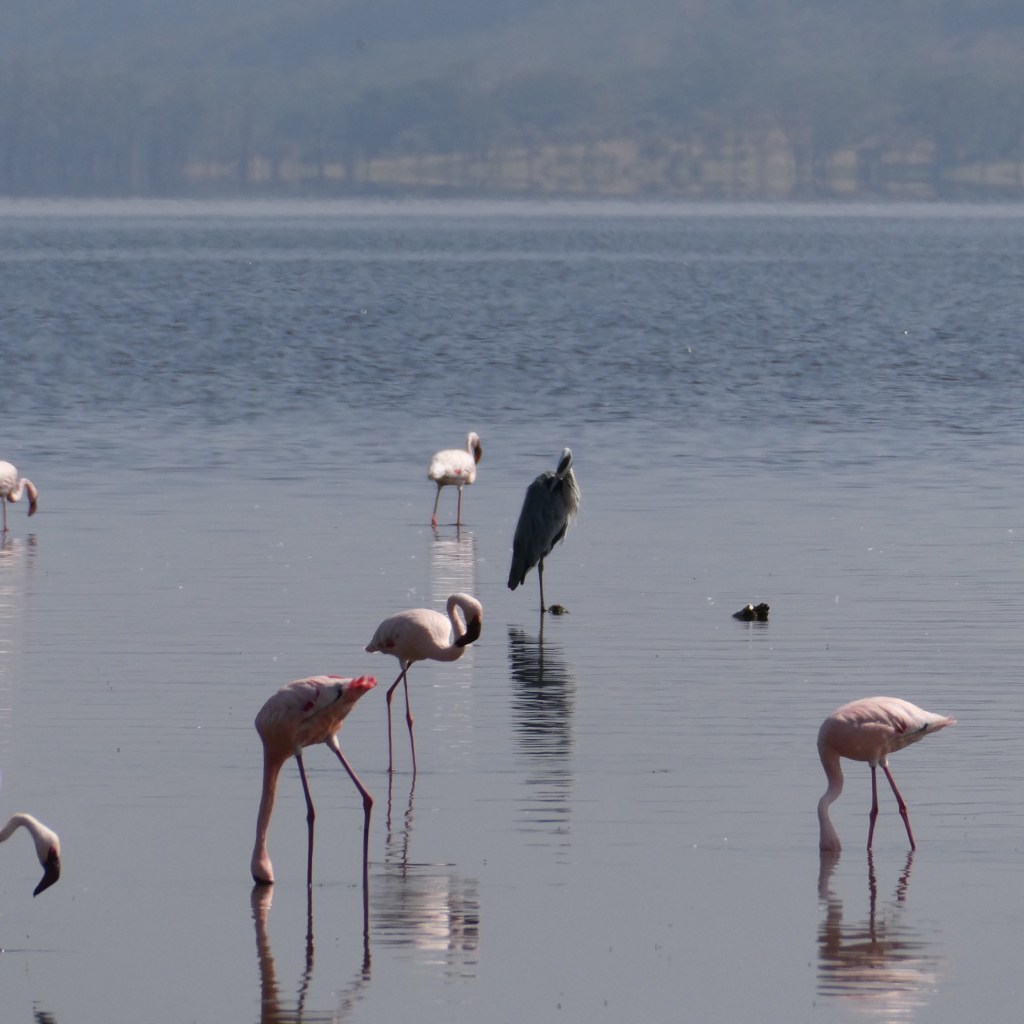
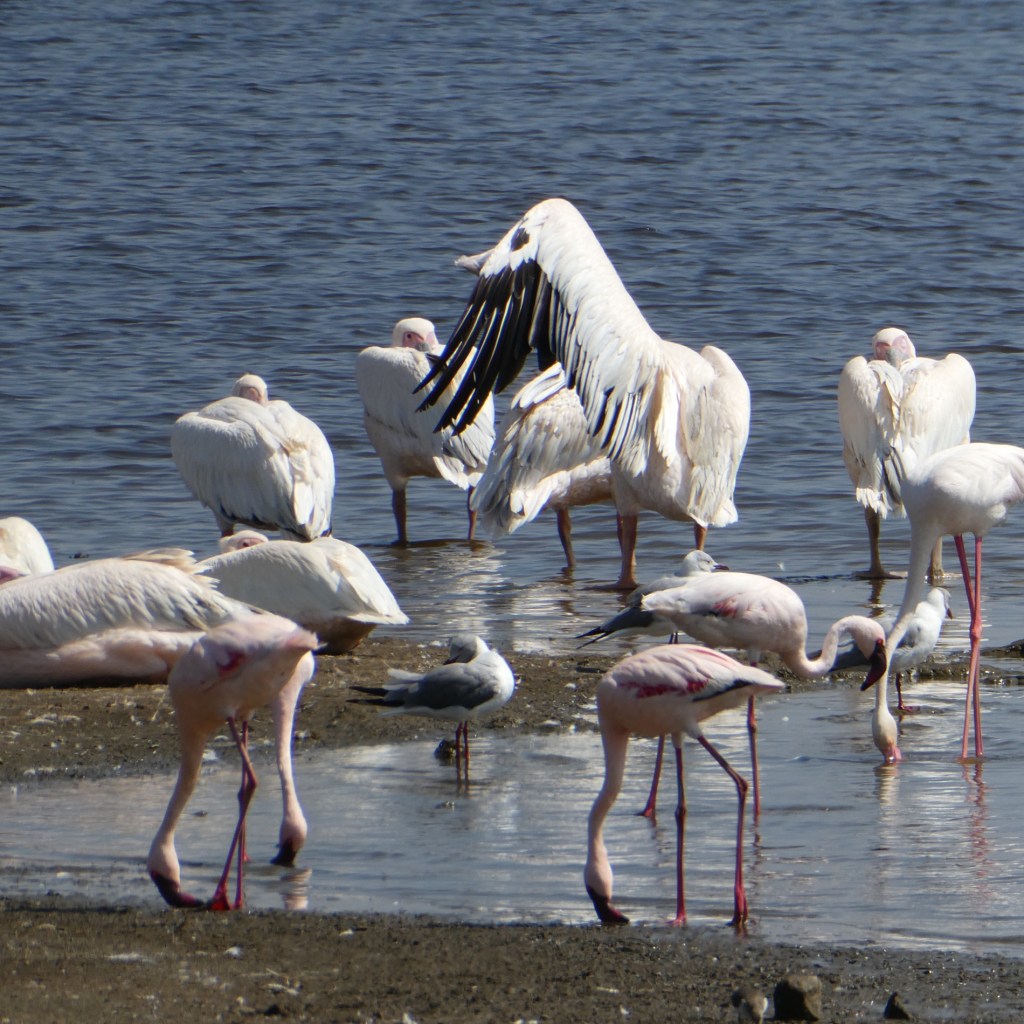
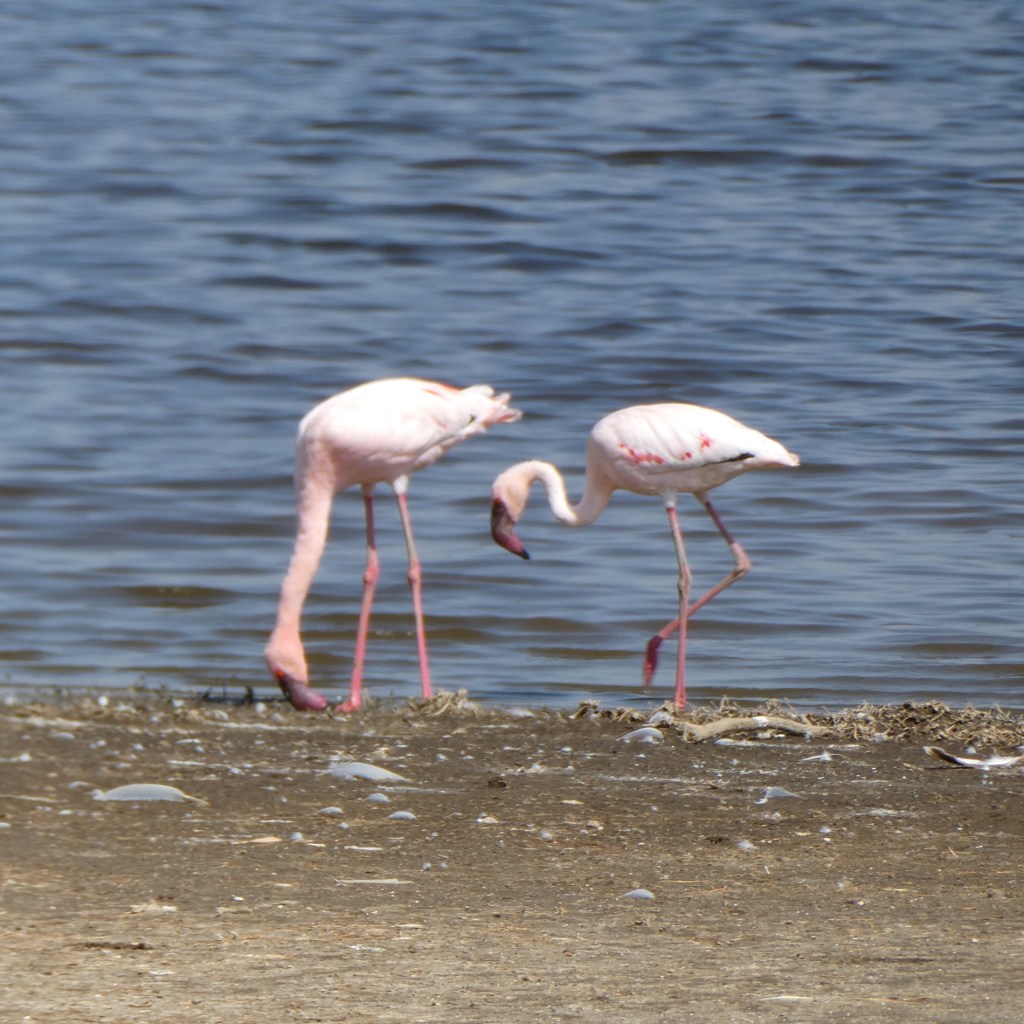
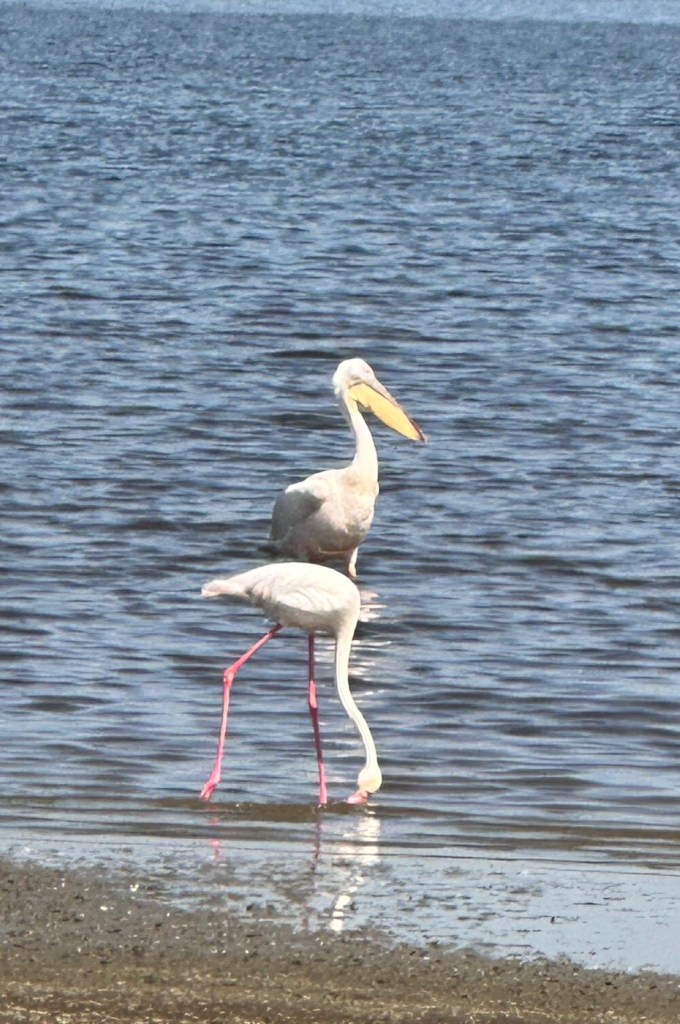
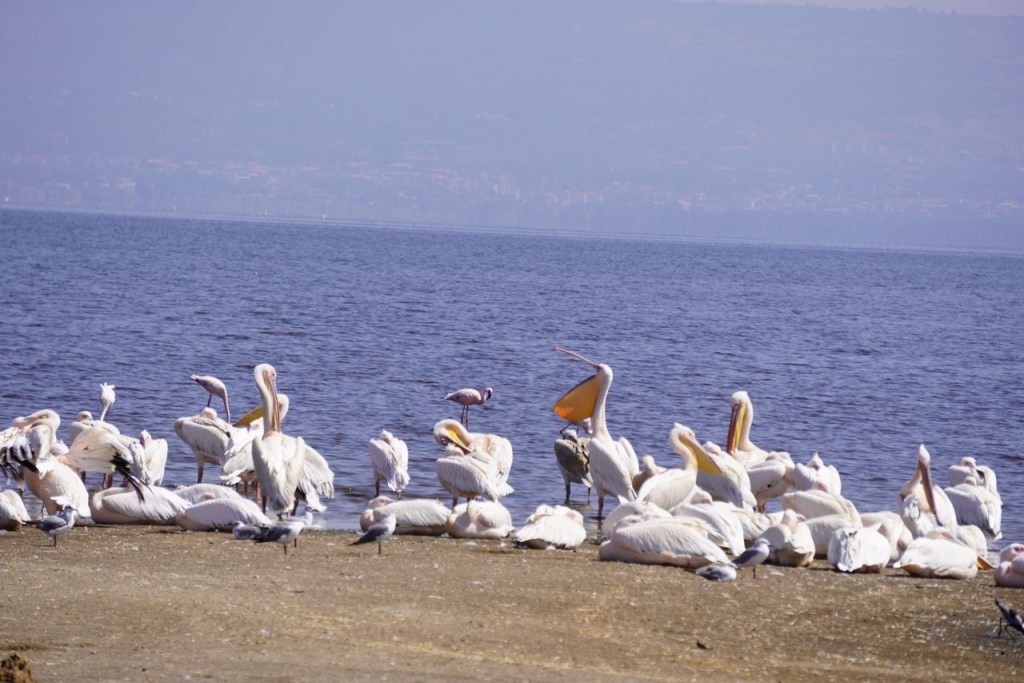
Lesser (more pink)and greater(less pigment) flamingos -the pelicans used to be more pink a few years ago but because of the amount of rainfall has been so great, making it more alkaline. It has diluted the water. It not only has affected the colour of flamingos, it has also caused the trees to die.

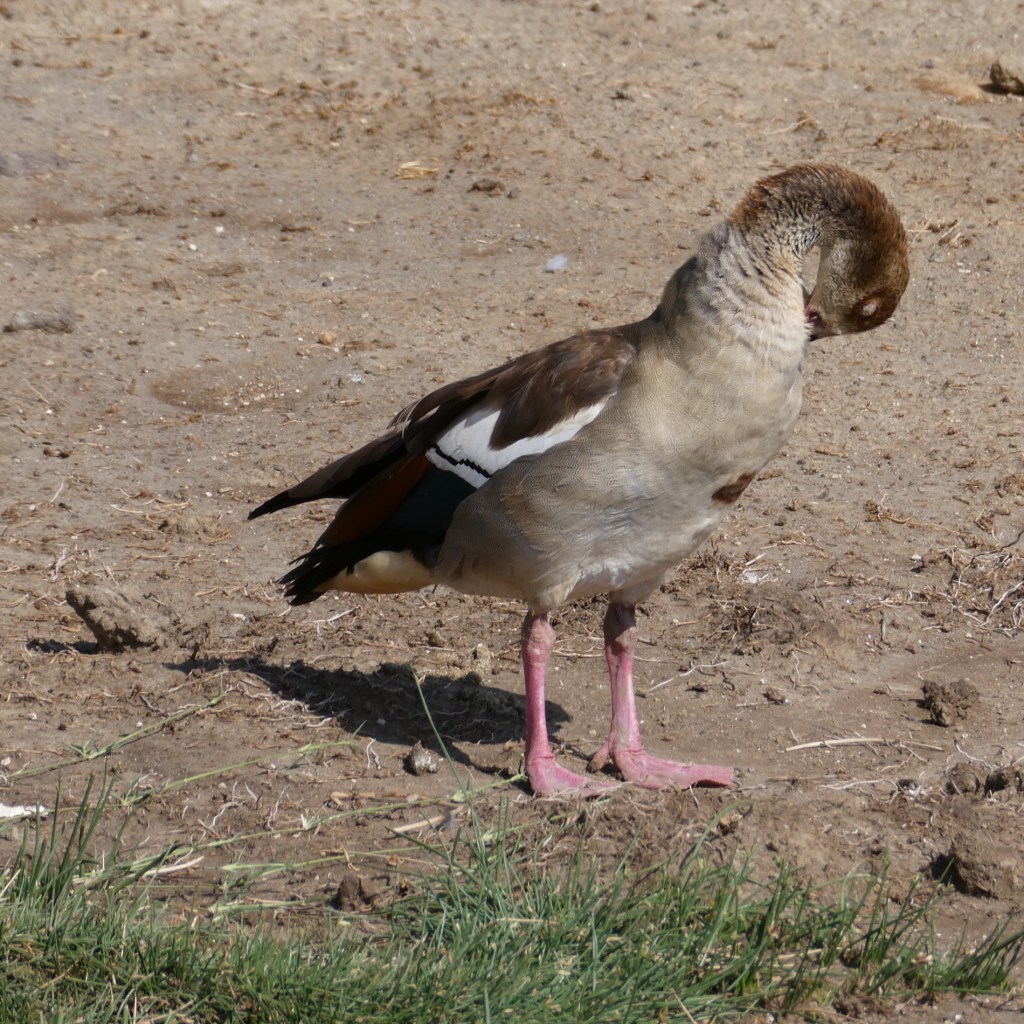
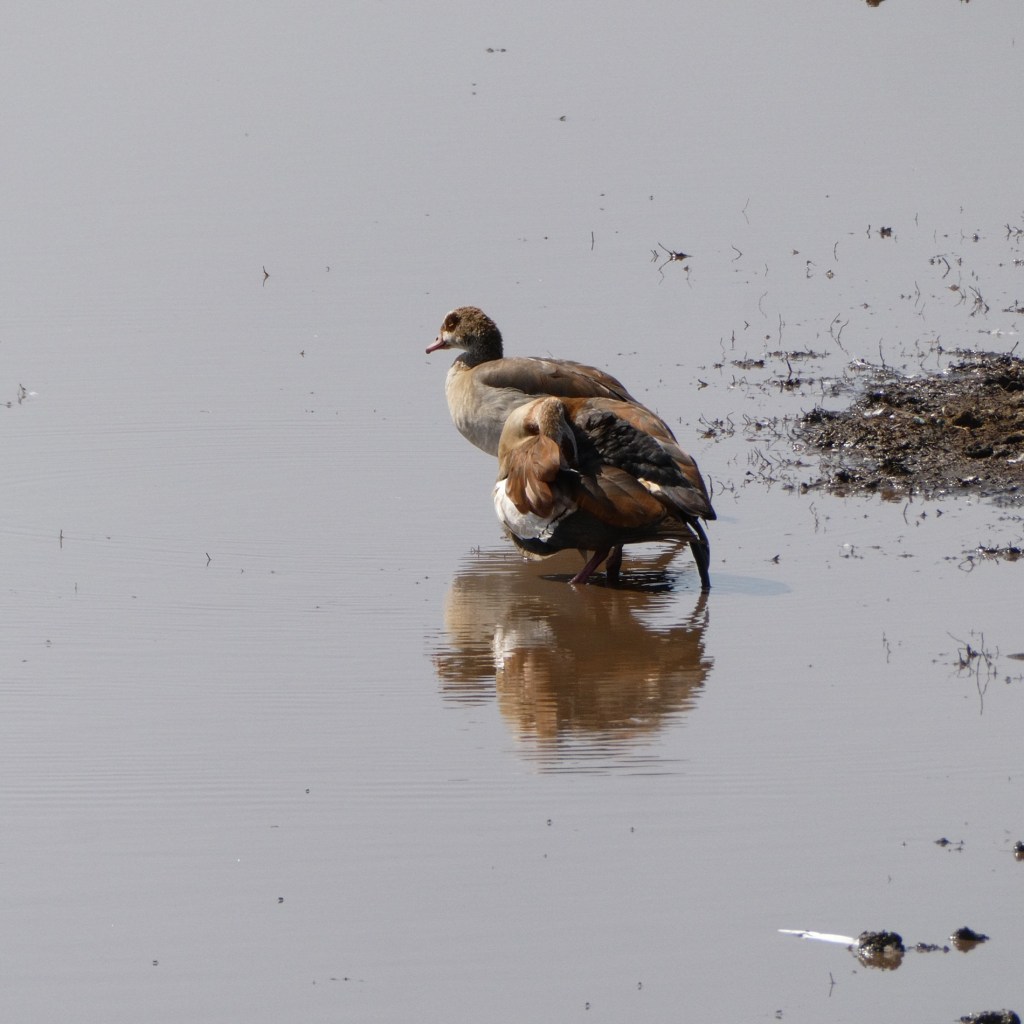
Egyptian goose

Sacred ibis

Stork swimming by

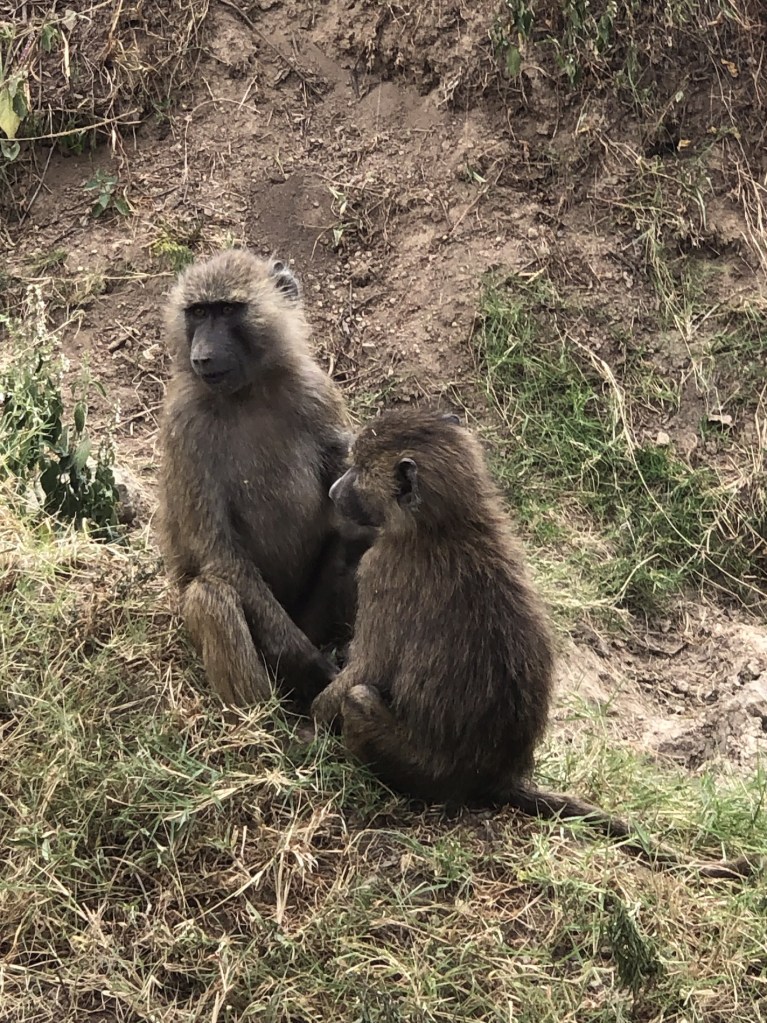
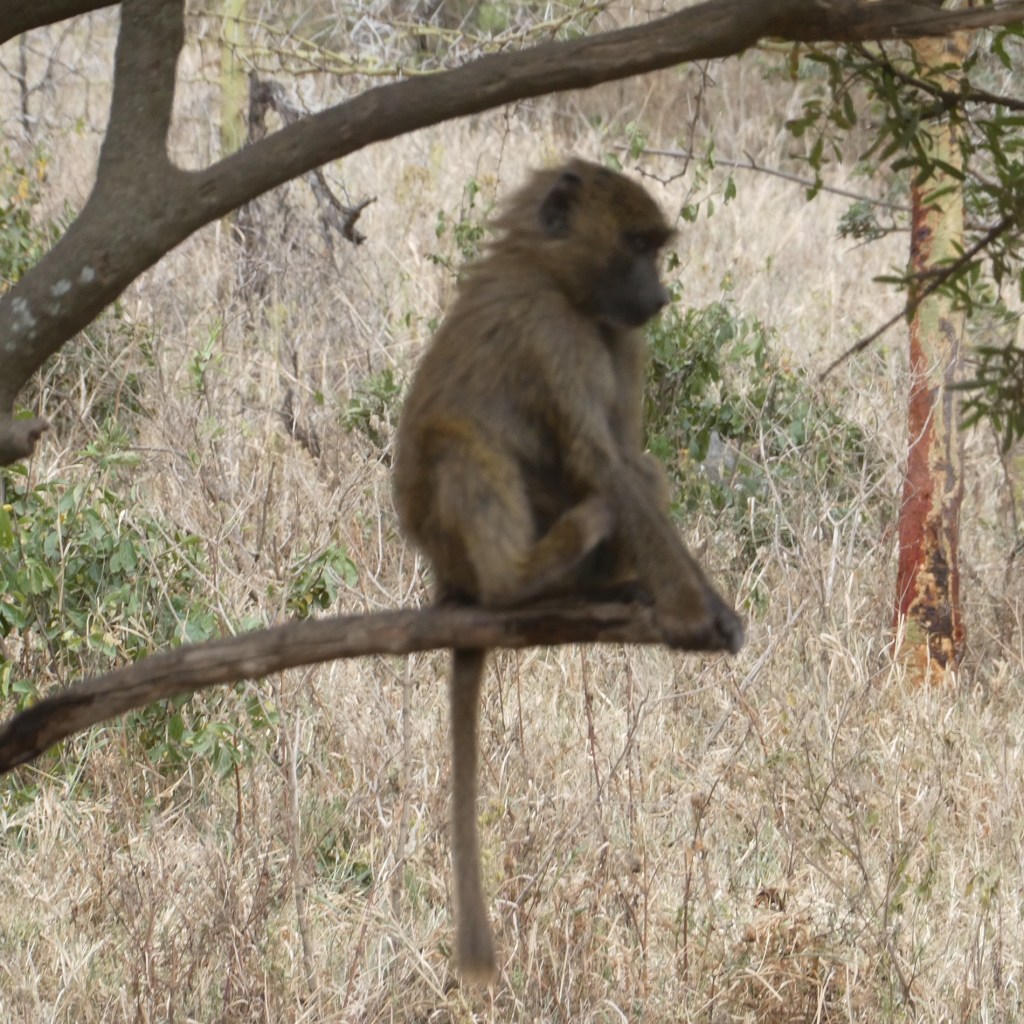
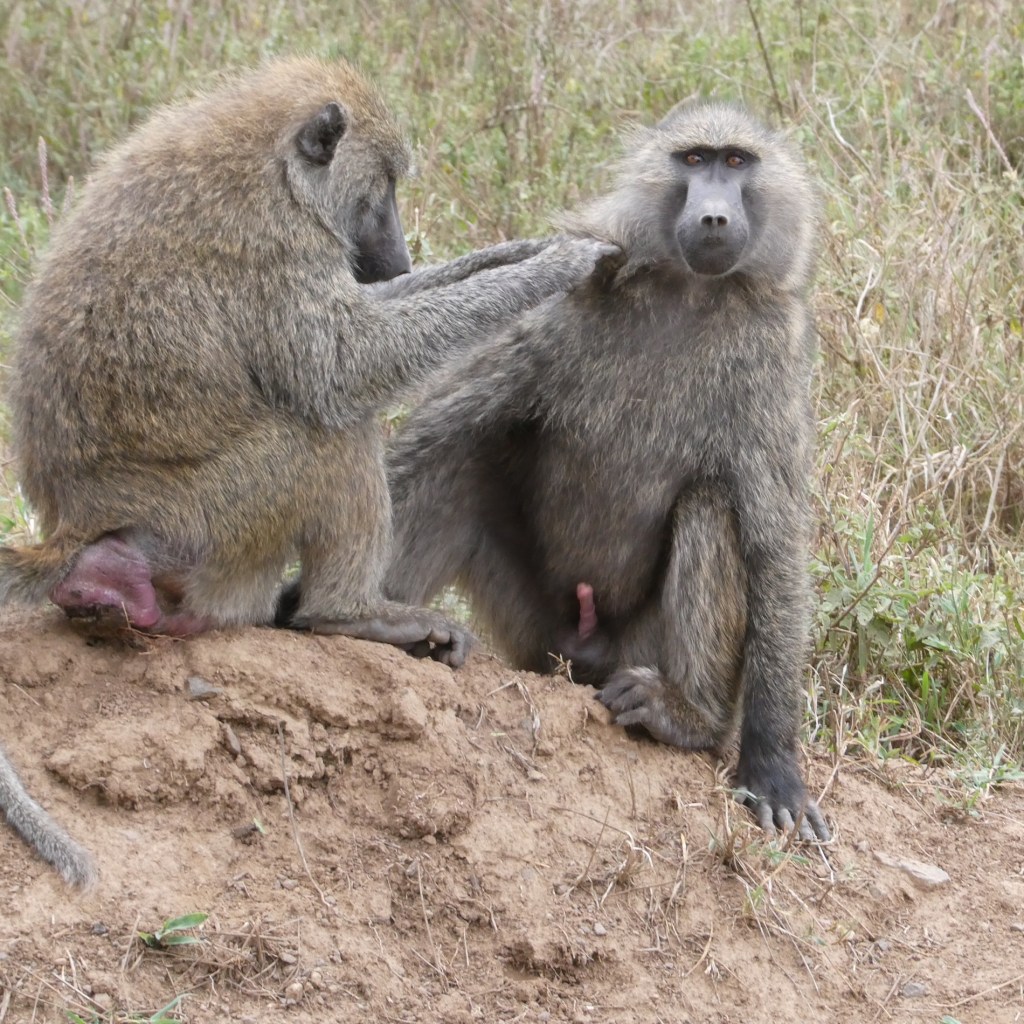
Baboons

Grebe crane

Cormorants

Hamerkop … likes big home/nest

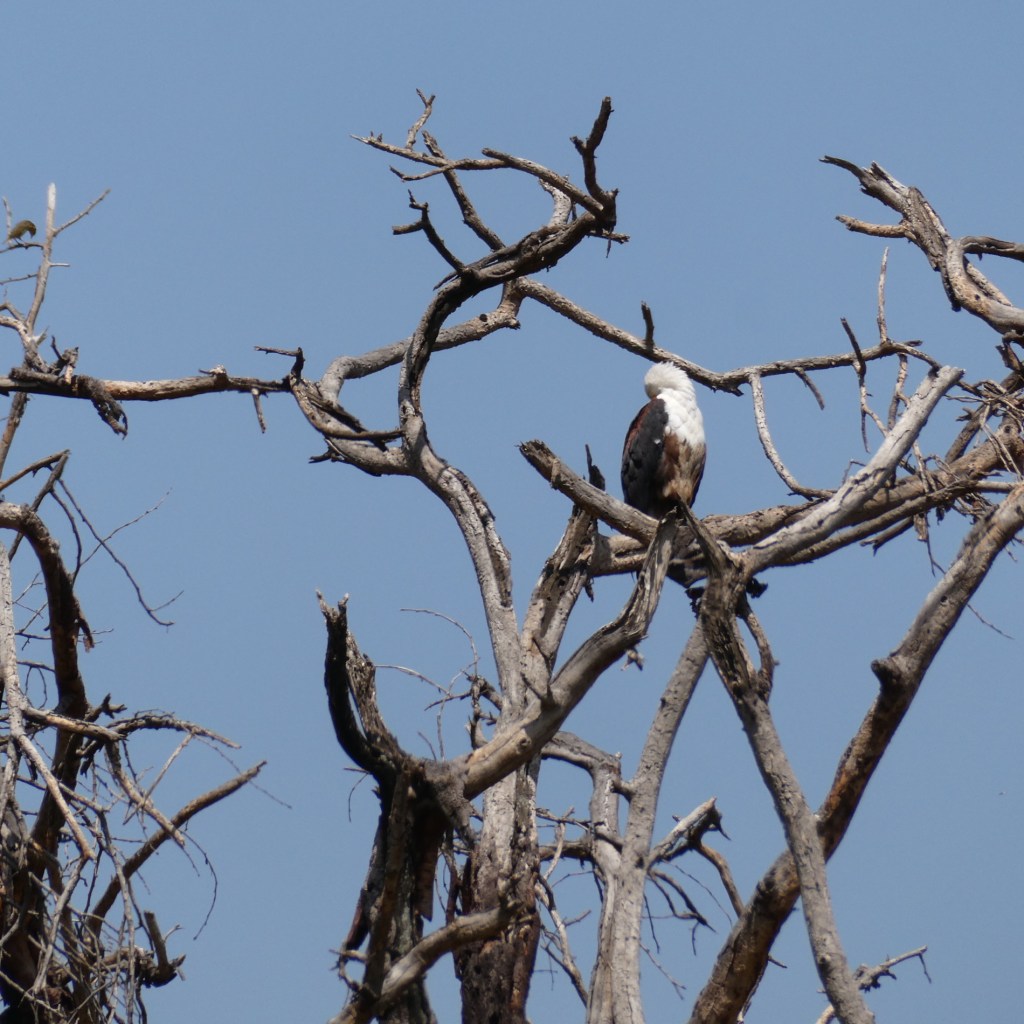
Fish eagle

Common eland…. Biggest of antelopes

Warthogs (pumbas)

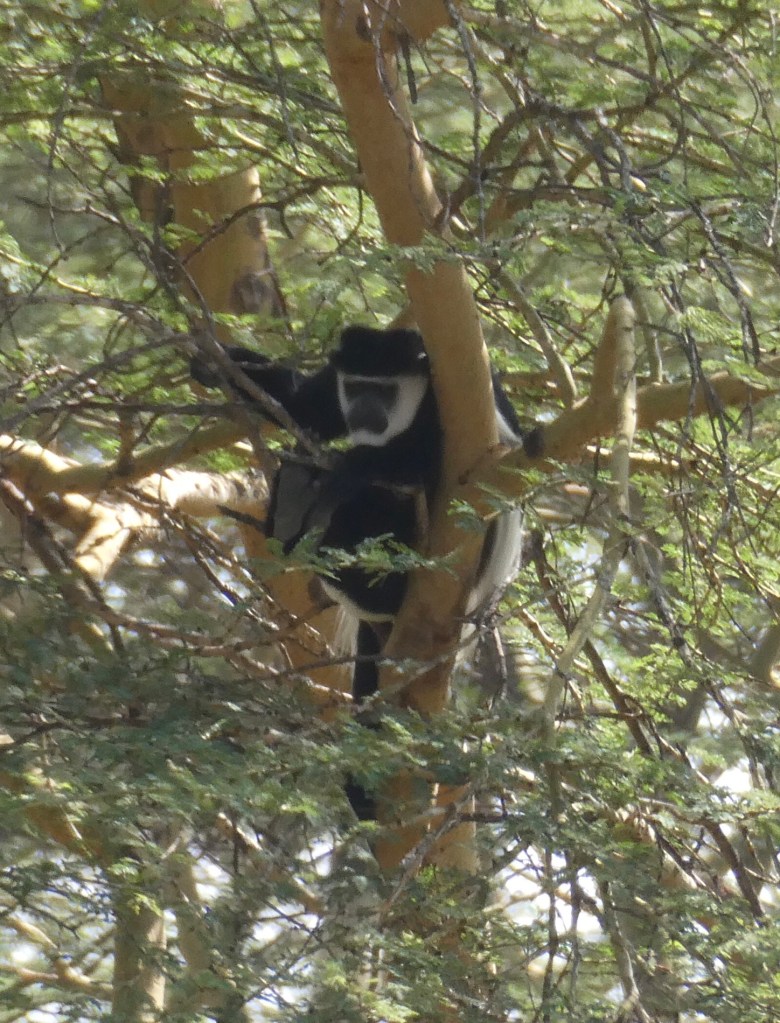
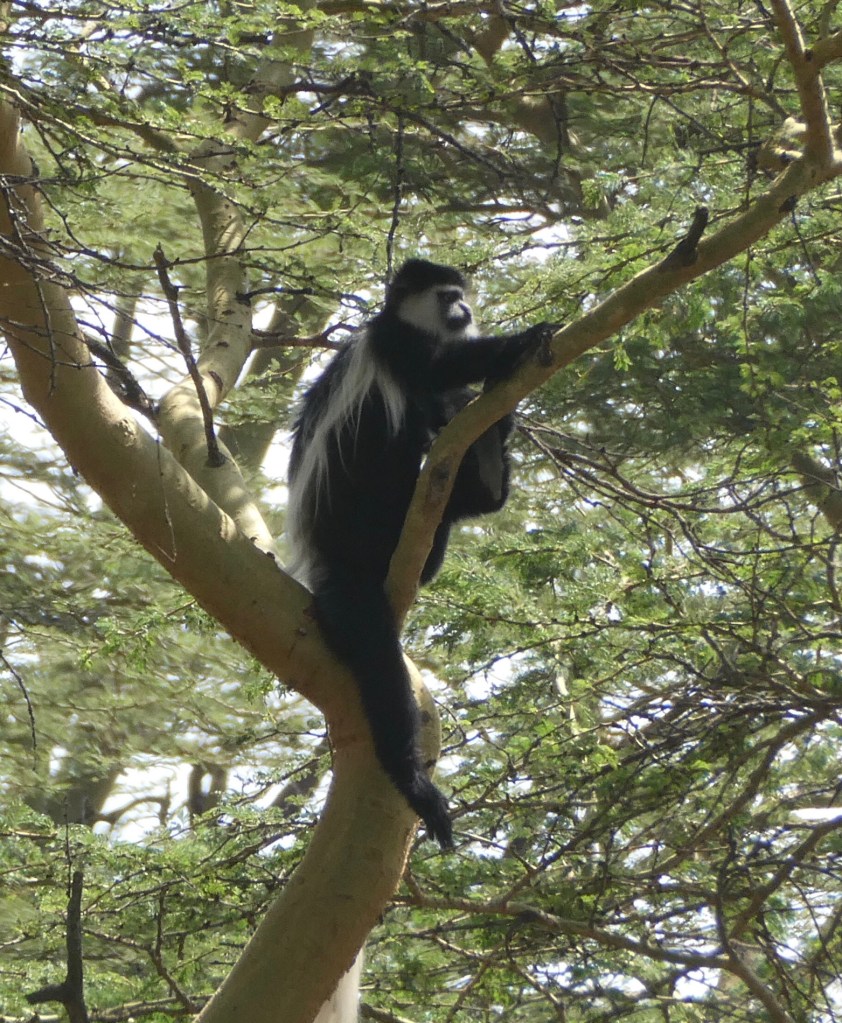
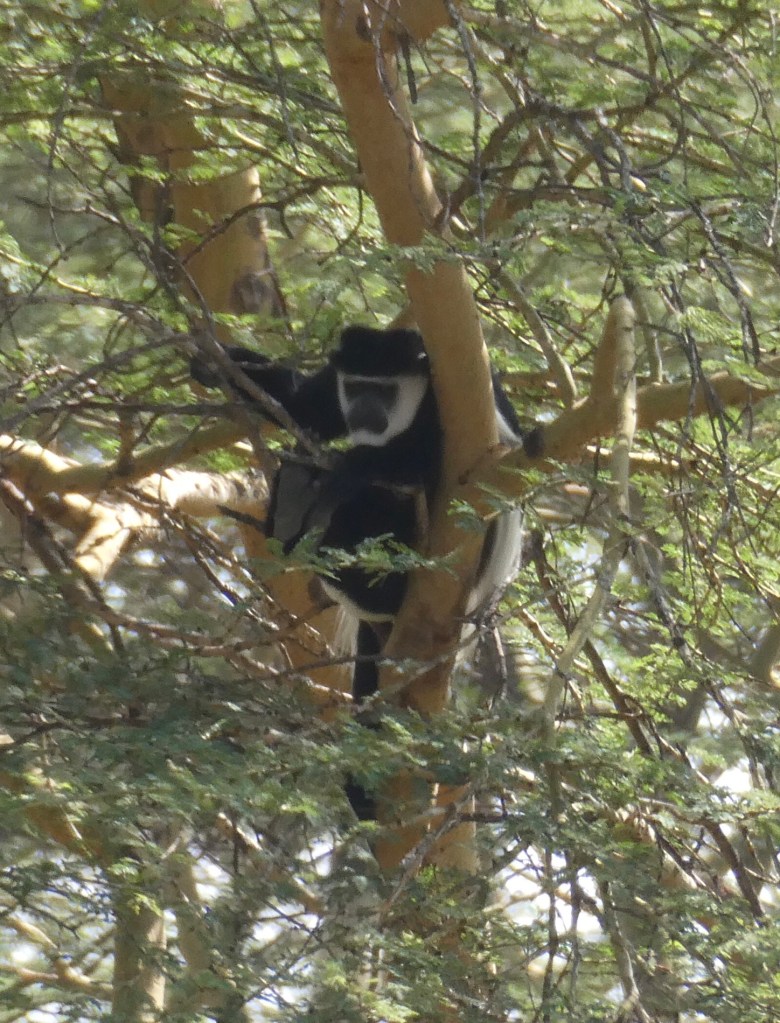
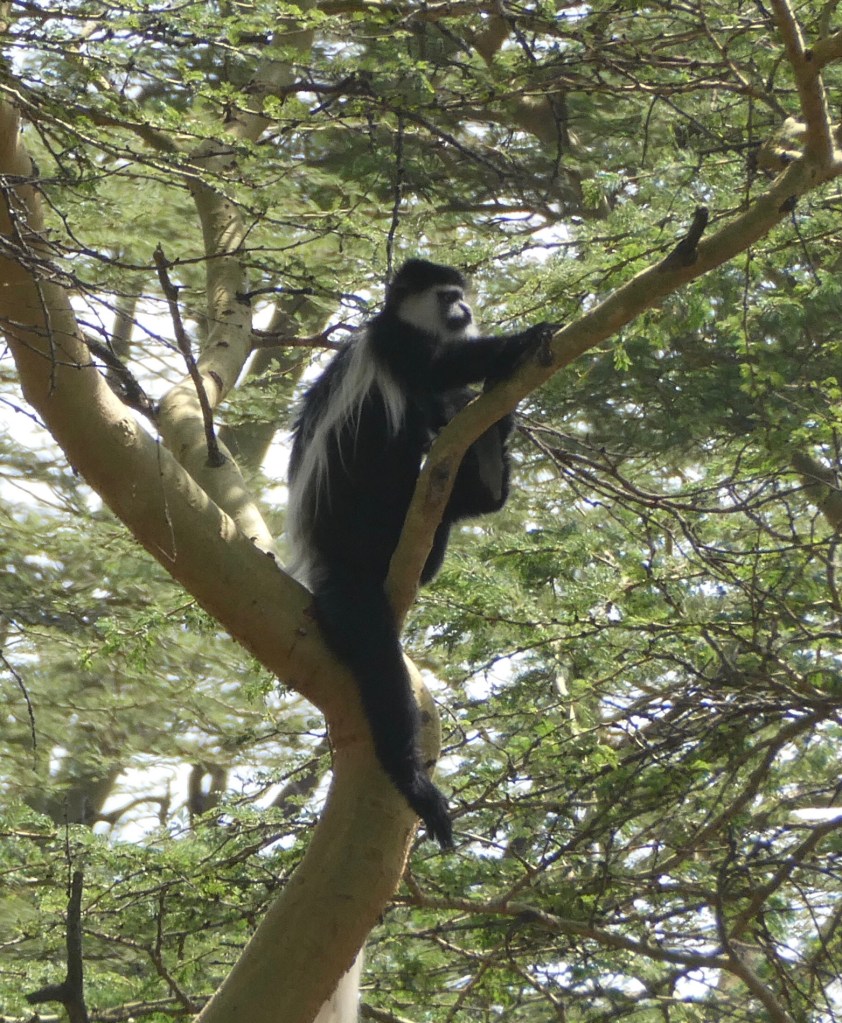
Black and white colobus monkeys in tree

Colobus monkeys

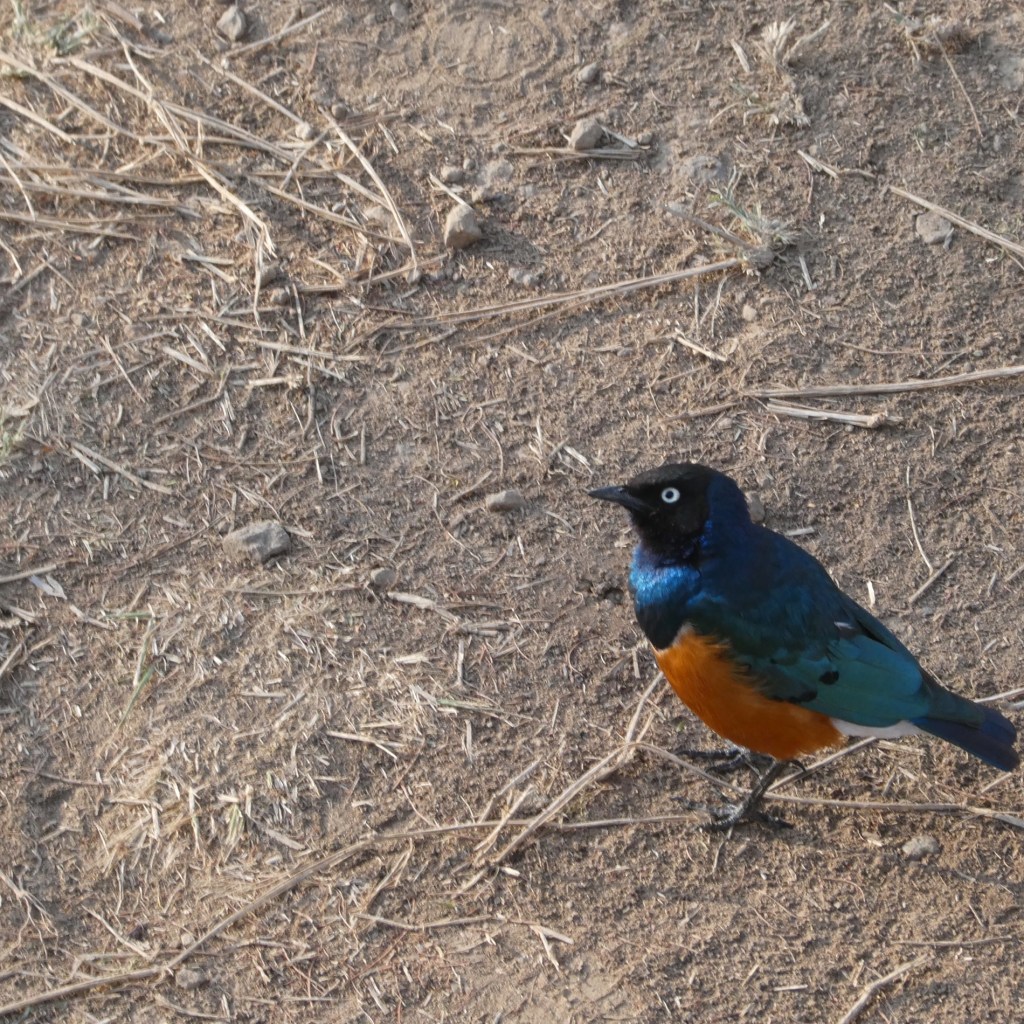
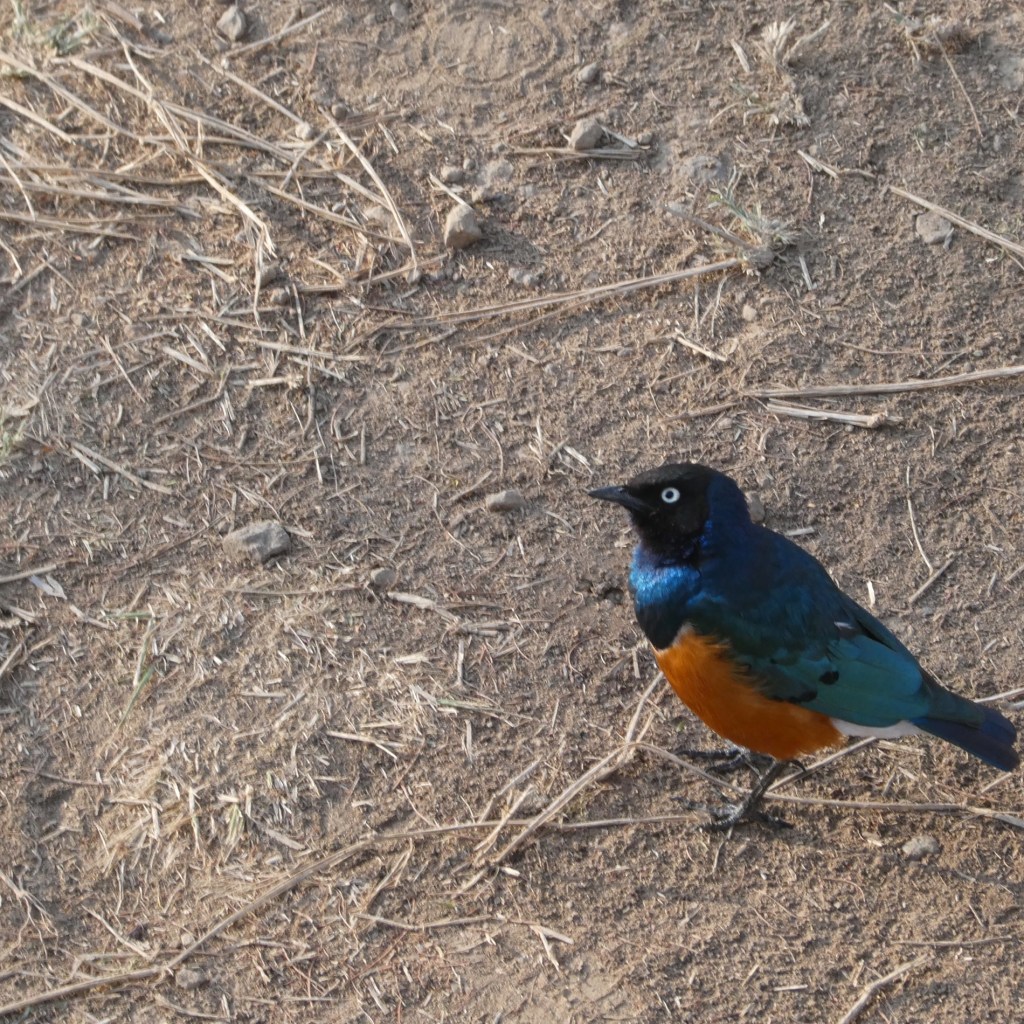
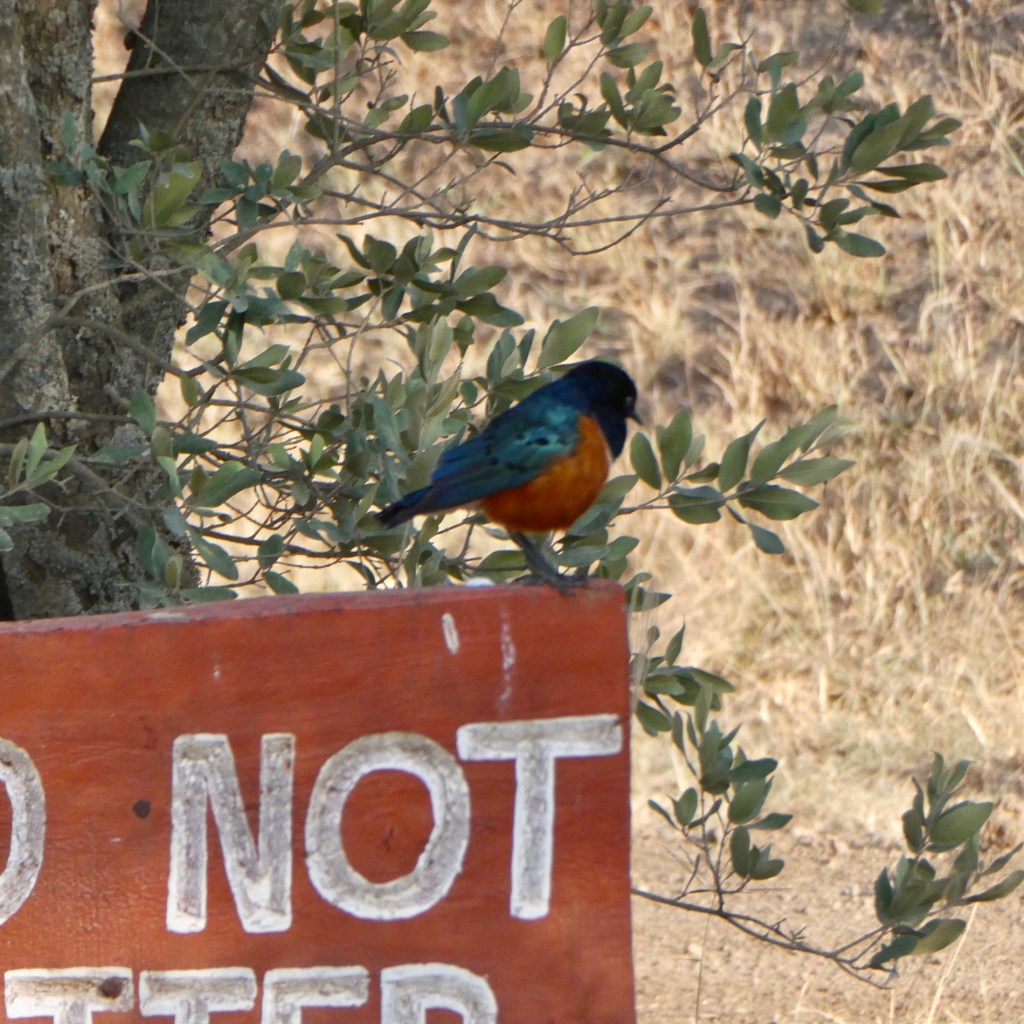
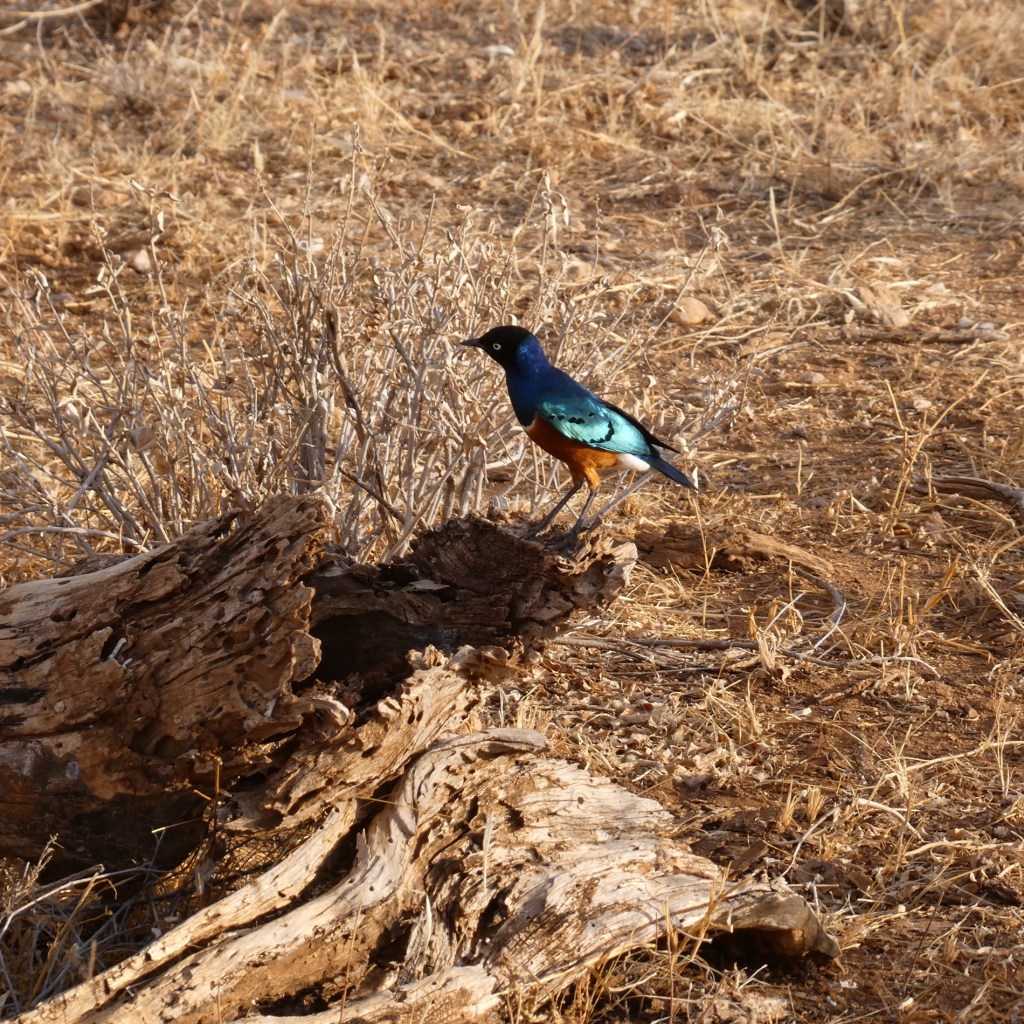
Bushell starling

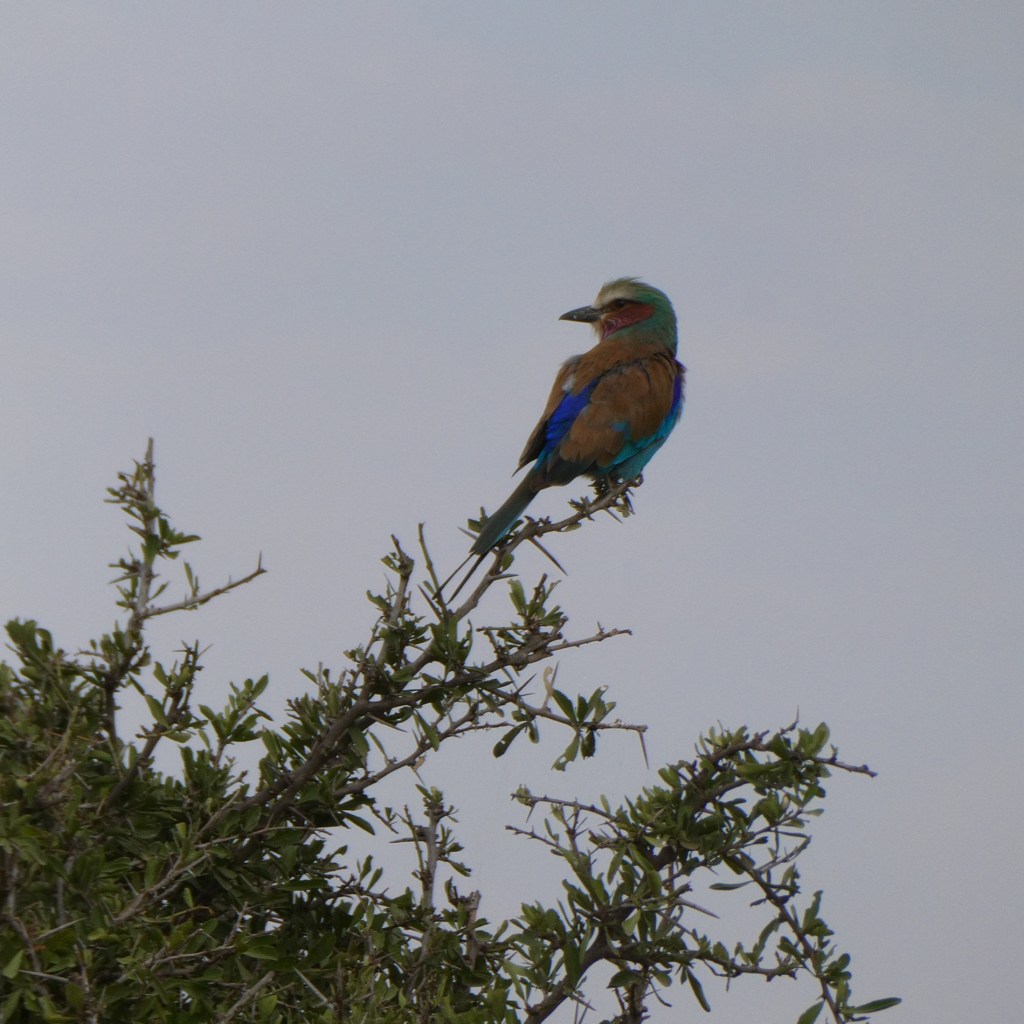
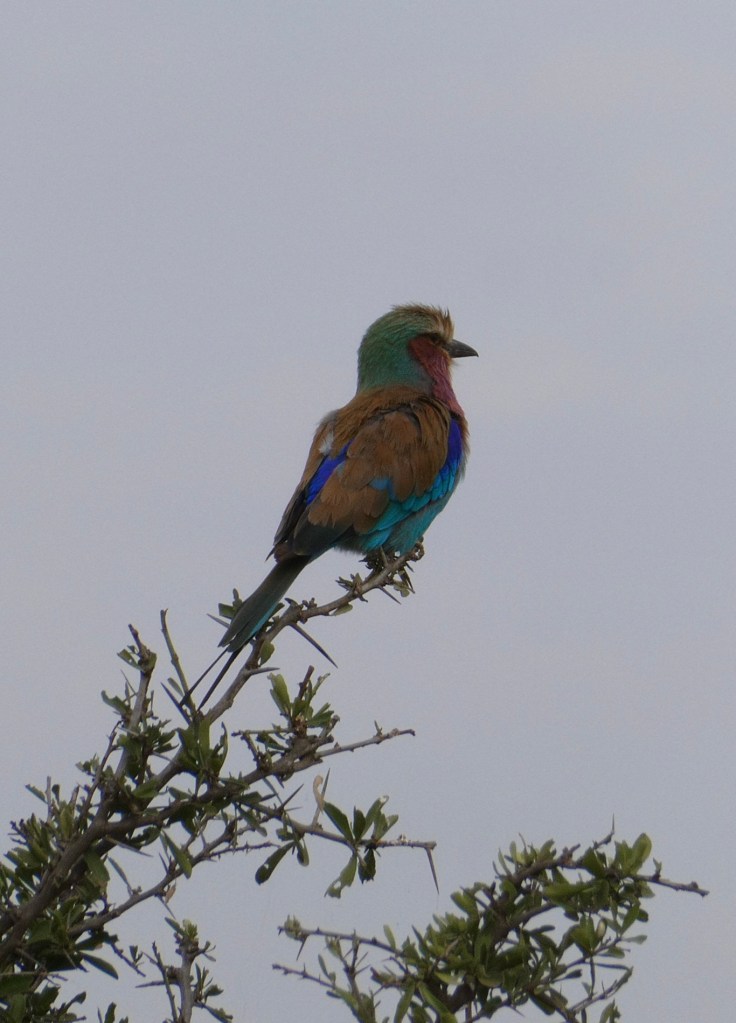
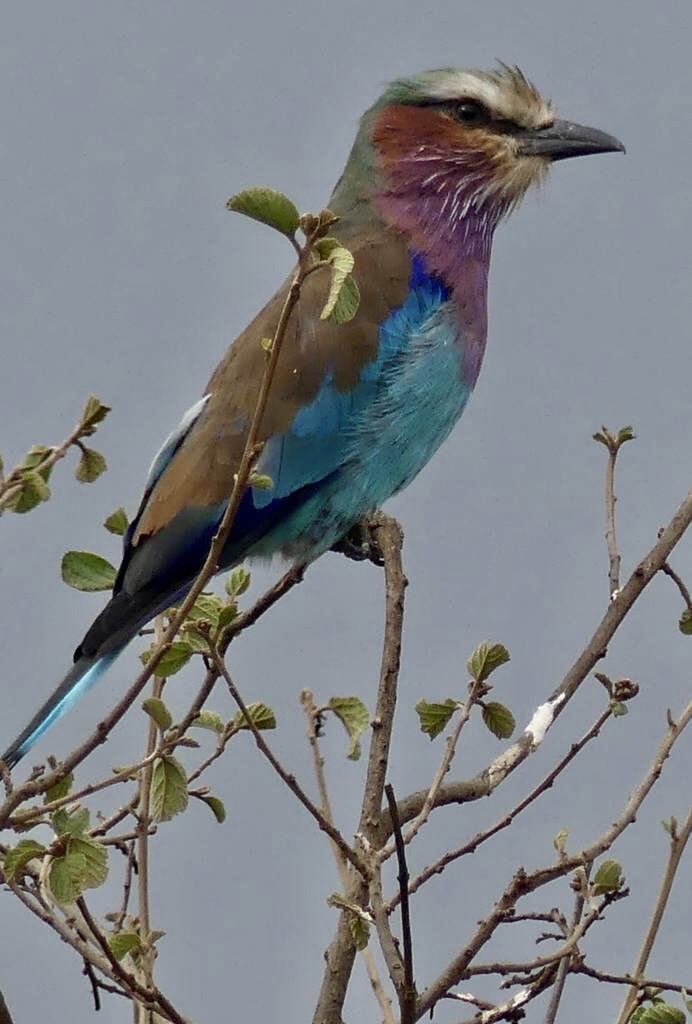
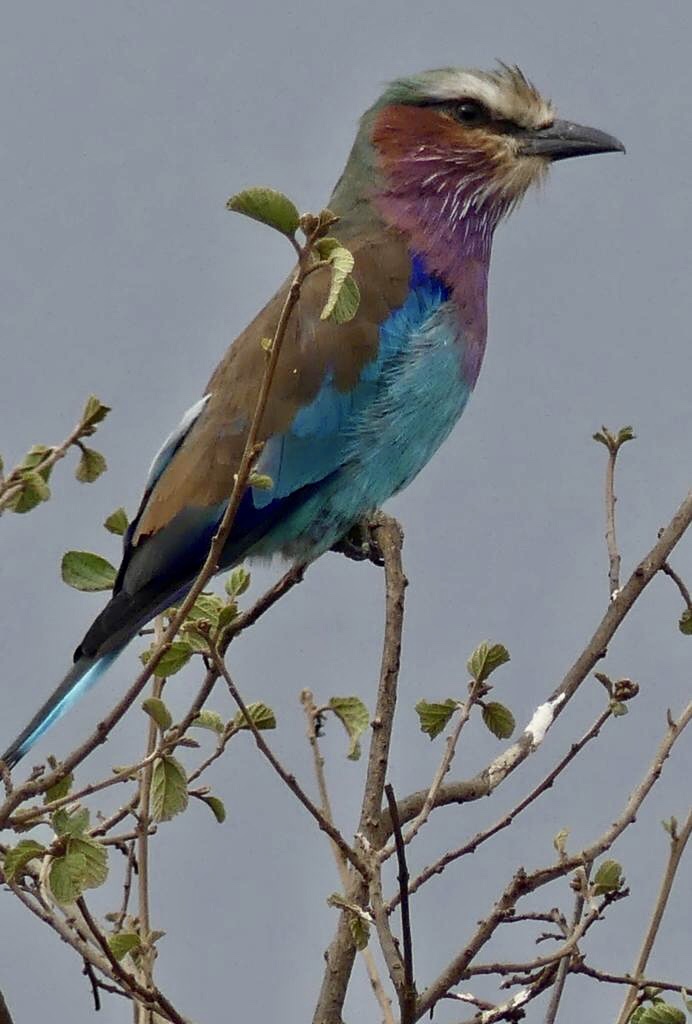
Lilac-crested roller…. Beautiful

Male lion killed a pumba feeding in the grass

I must say that the temperature here was much more comfortable. There is at least 5 C difference between here and Samburu. After arriving back from the safari drive the skies opened up. Got a really good downpour.

Earlier in the day with the help from one of the other people on the tour, we had wifi so we were able to get out messages that we were all safe. We were not able to post anything since Nairobi.

Sept 5/23-Nakuru Nat’l Park….more pictures added Oct 10

Horse riding training centre as we leave the camp around 7:15 this morning.

Nakuru zebra… the common zebra has wider stripes that go through from one side to other side under the belly.

We see quite a number of yellow fever trees. The trunks are “yellow” and people in the past believed that they were the cause of fever. The actual scoop is that they grow in swampy areas where mosquitos breed.

Thomson gazelle

Impala

A lion pride of 2 brothers, one female, 2 cubs plus 2 females coming down from higher up… pretty exciting

Defassa waterbucks

Lesser (more pink)and greater(less pigment) flamingos -the pelicans used to be more pink a few years ago but because of the amount of rainfall has been so great, making it more alkaline. It has diluted the water. It not only has affected the colour of flamingos, it has also caused the trees to die.

Sacred ibis

Stork swimming by

Hamerkop … likes big home/nest

Male lion killed a pumba feeding in the grass

I must say that the temperature here was much more comfortable. There is at least 5 C difference between here and Samburu. After arriving back from the safari drive the skies opened up. Got a really good downpour.

Earlier in the day with the help from one of the other people on the tour, we had wifi so we were able to get out messages that we were all safe. We were not able to post anything since Nairobi.

I keep trying to add pictures and this is as far as I got

Sept 4/23 Heading to Nakuru National Park-more pictures added Oct 10

I had sent this posting before but now that I am home and have wifi, I am adding more pictures. I have tried this way, I am finding adding one at a time very frustrating so will try another method. Bear with me.

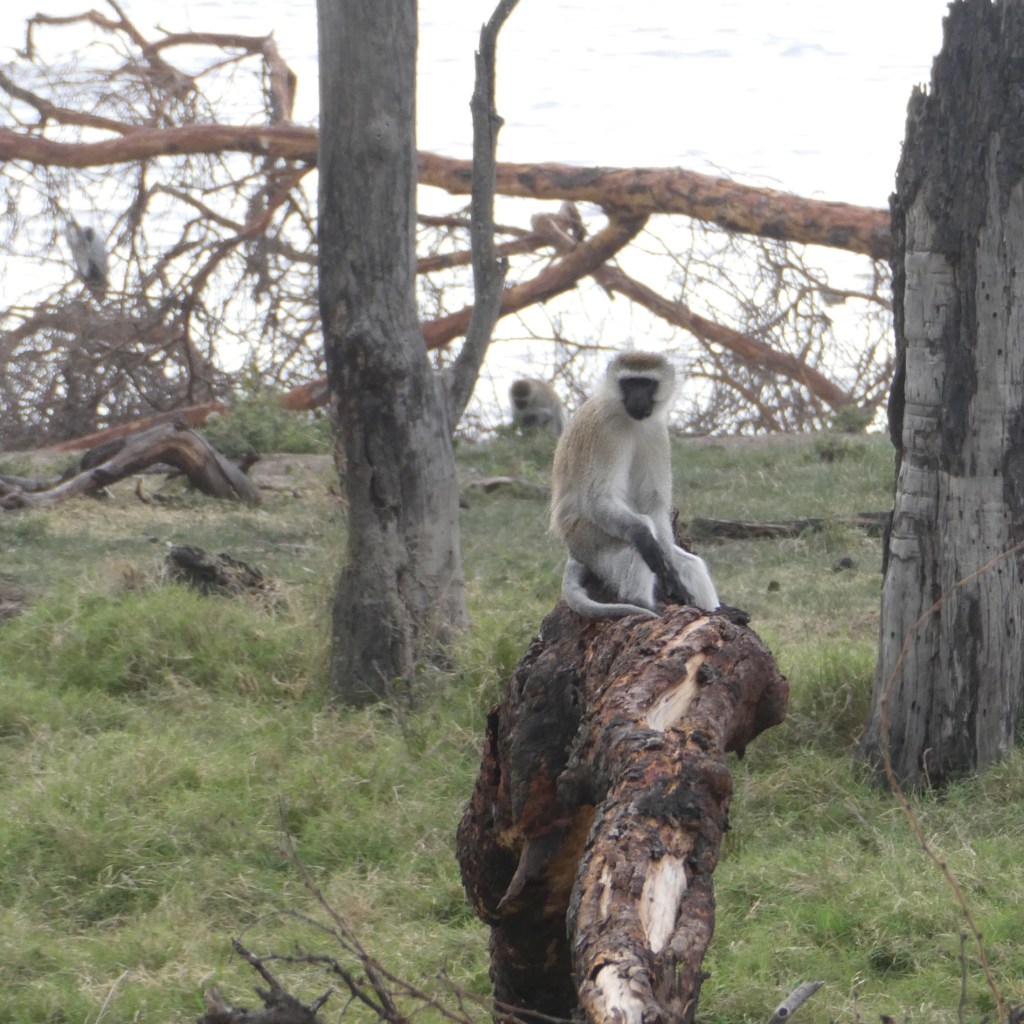
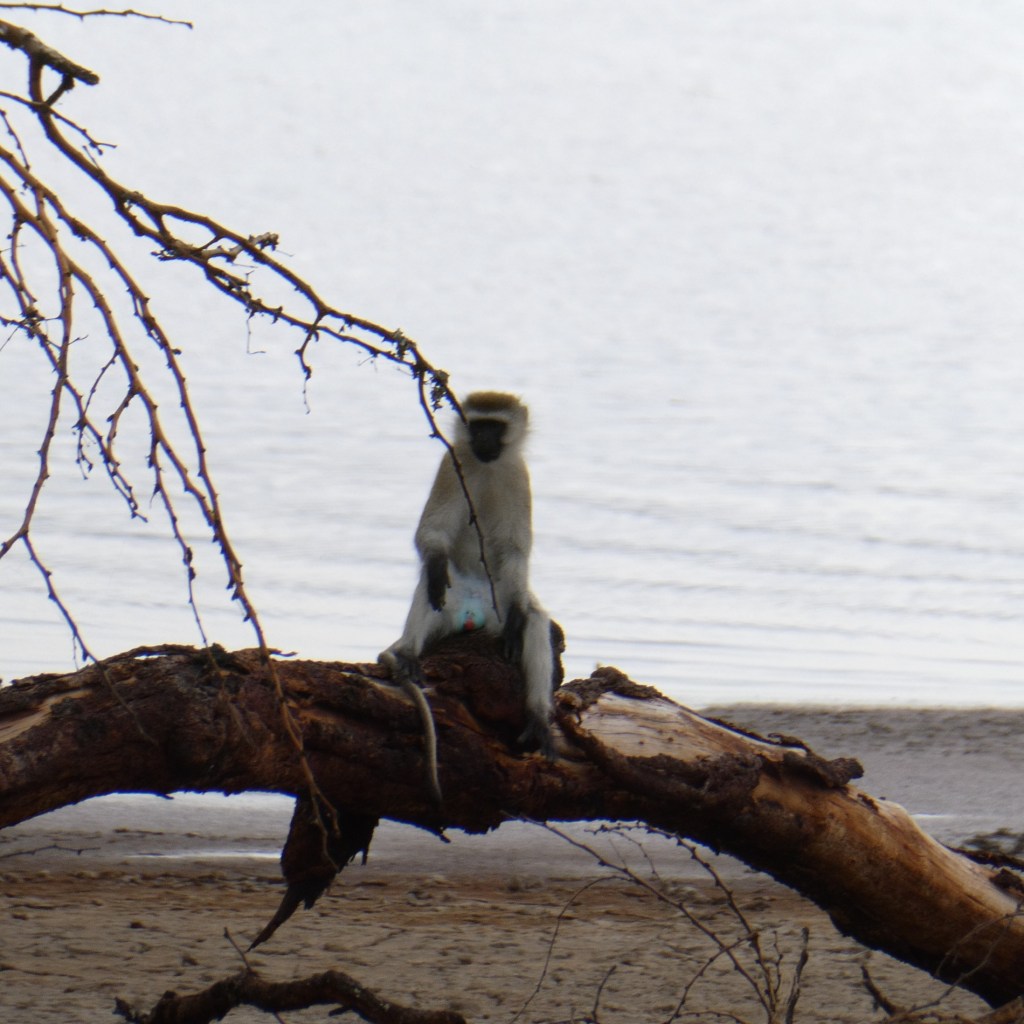
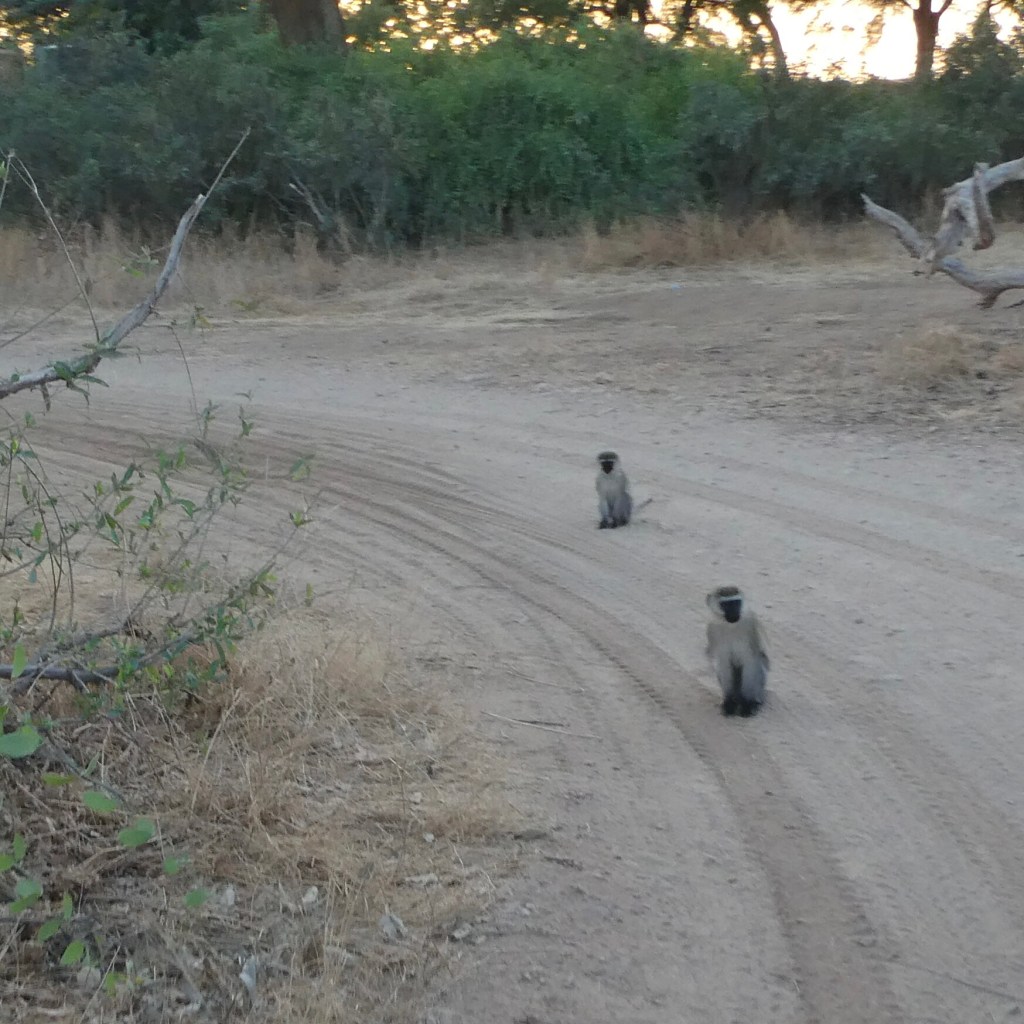
Vervet monkeys in camp

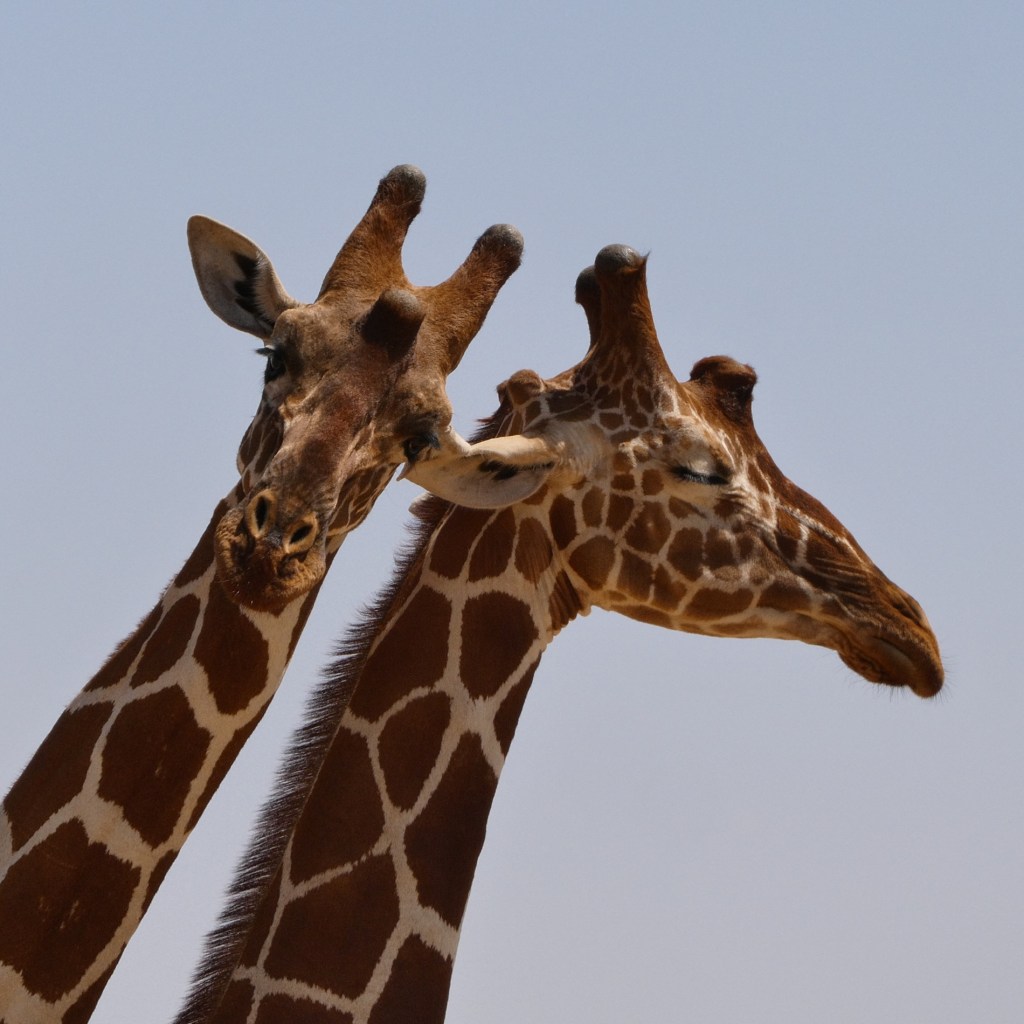
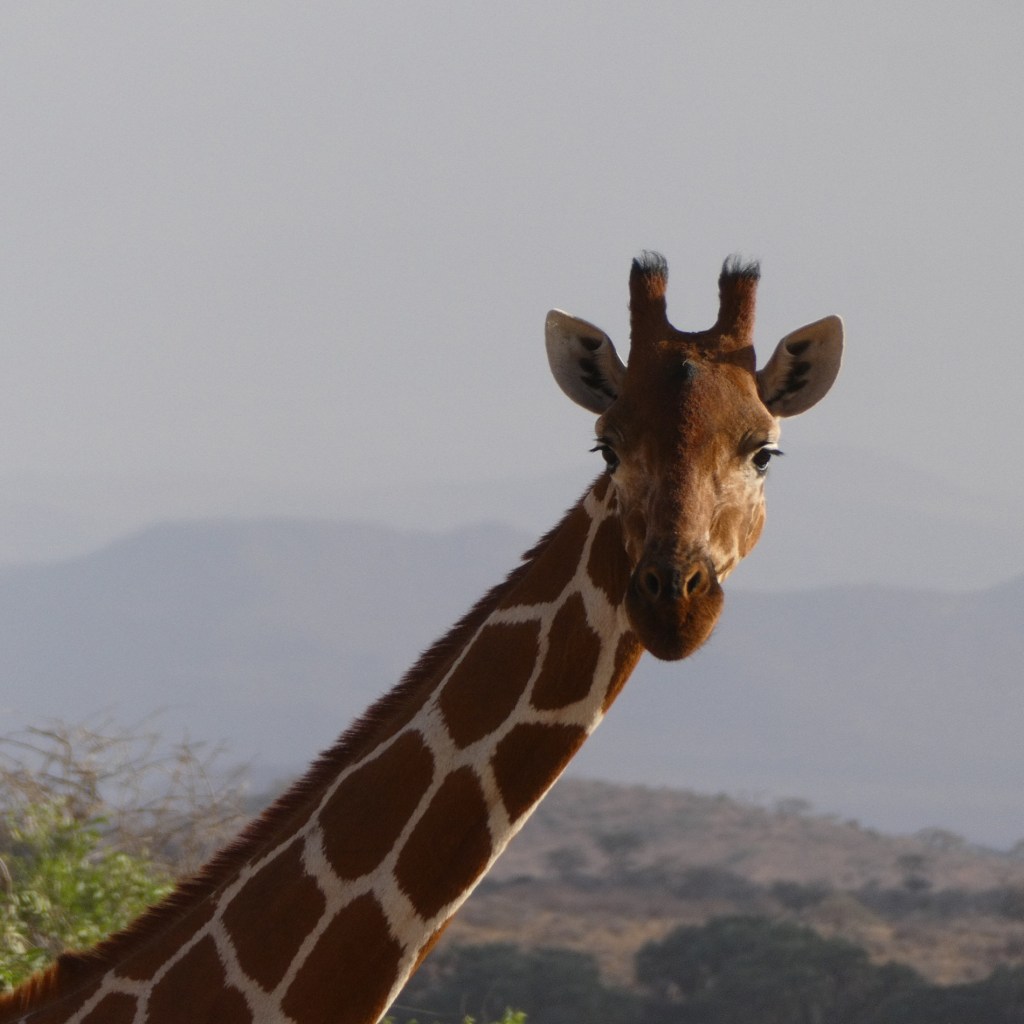
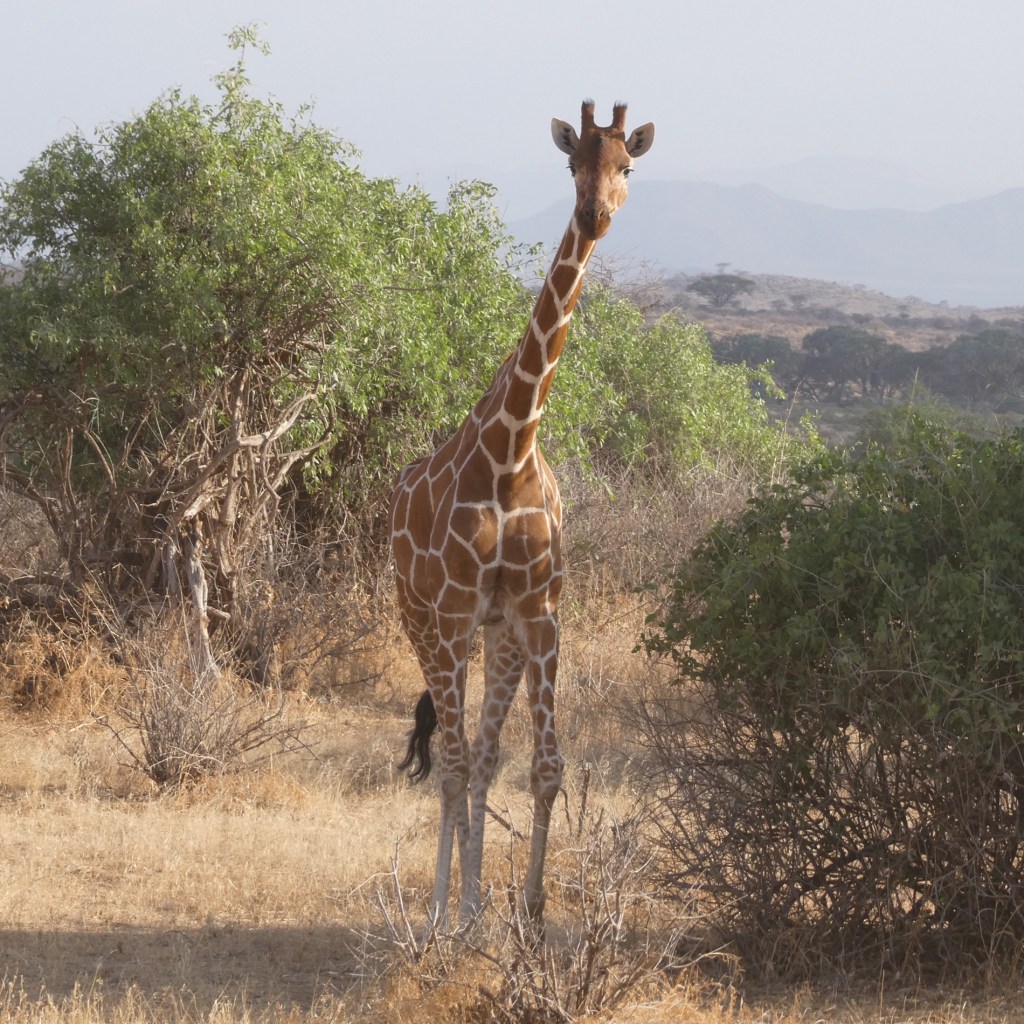
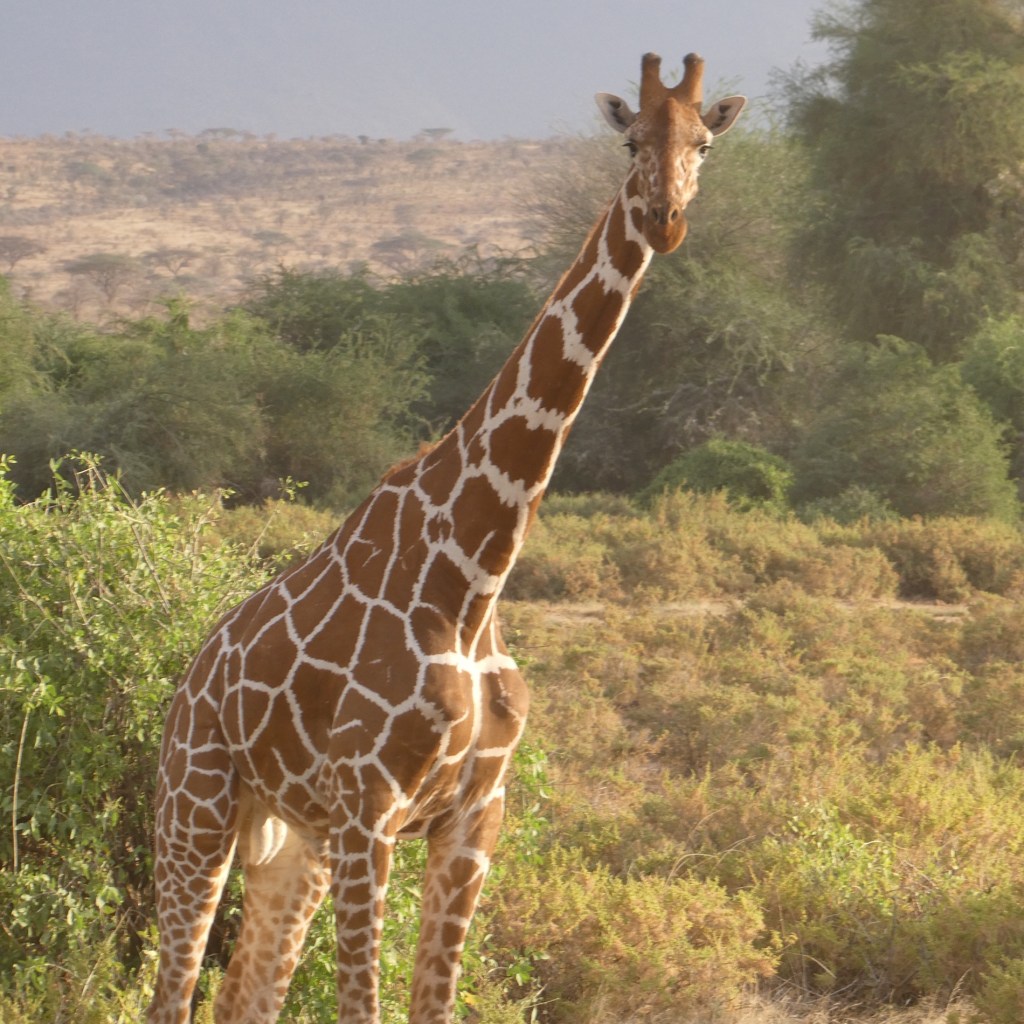
Giraffes

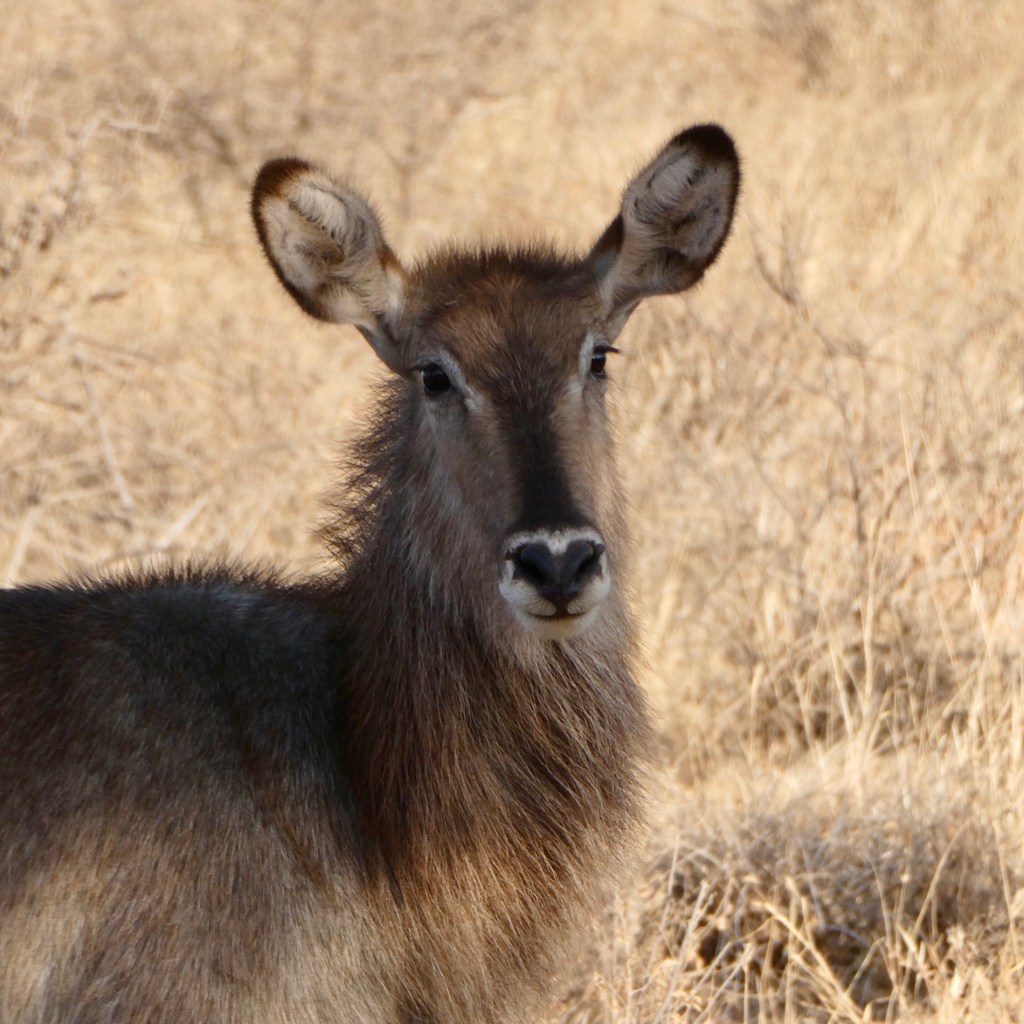
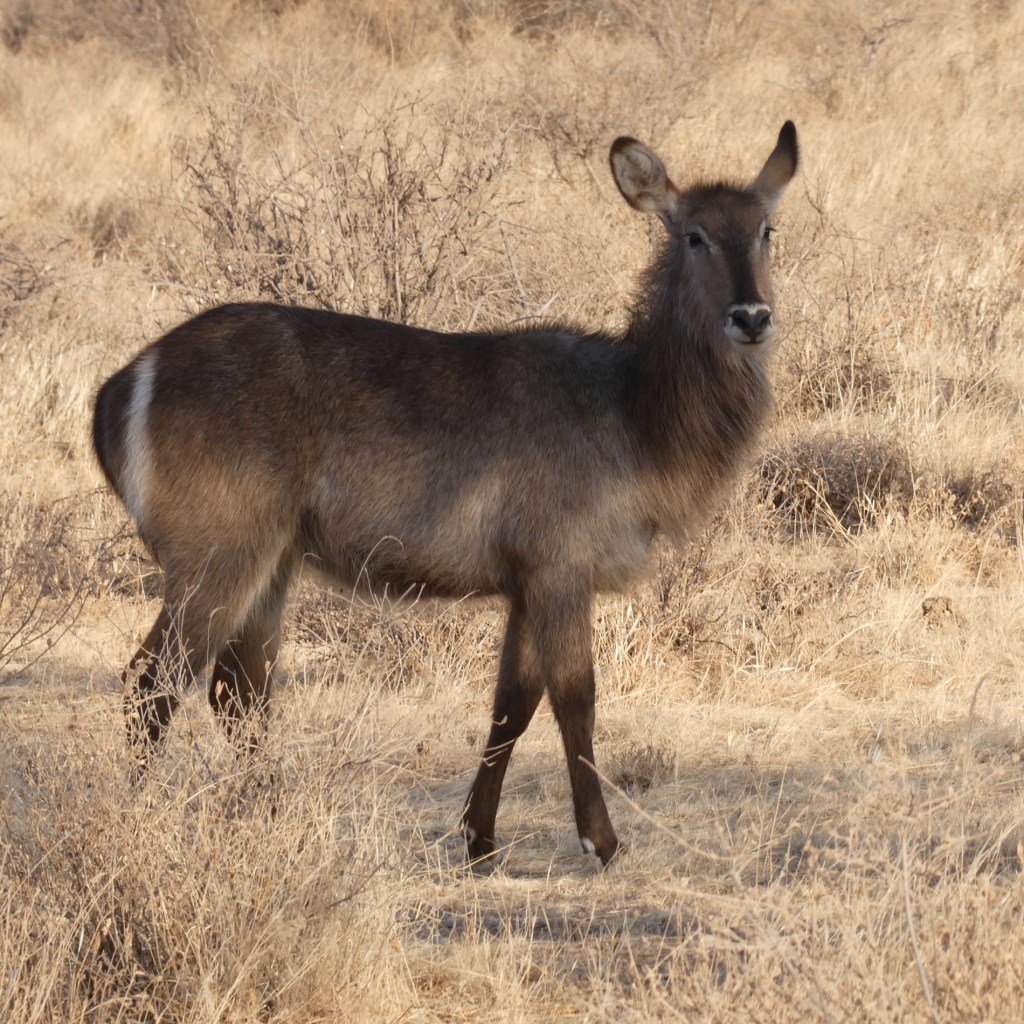
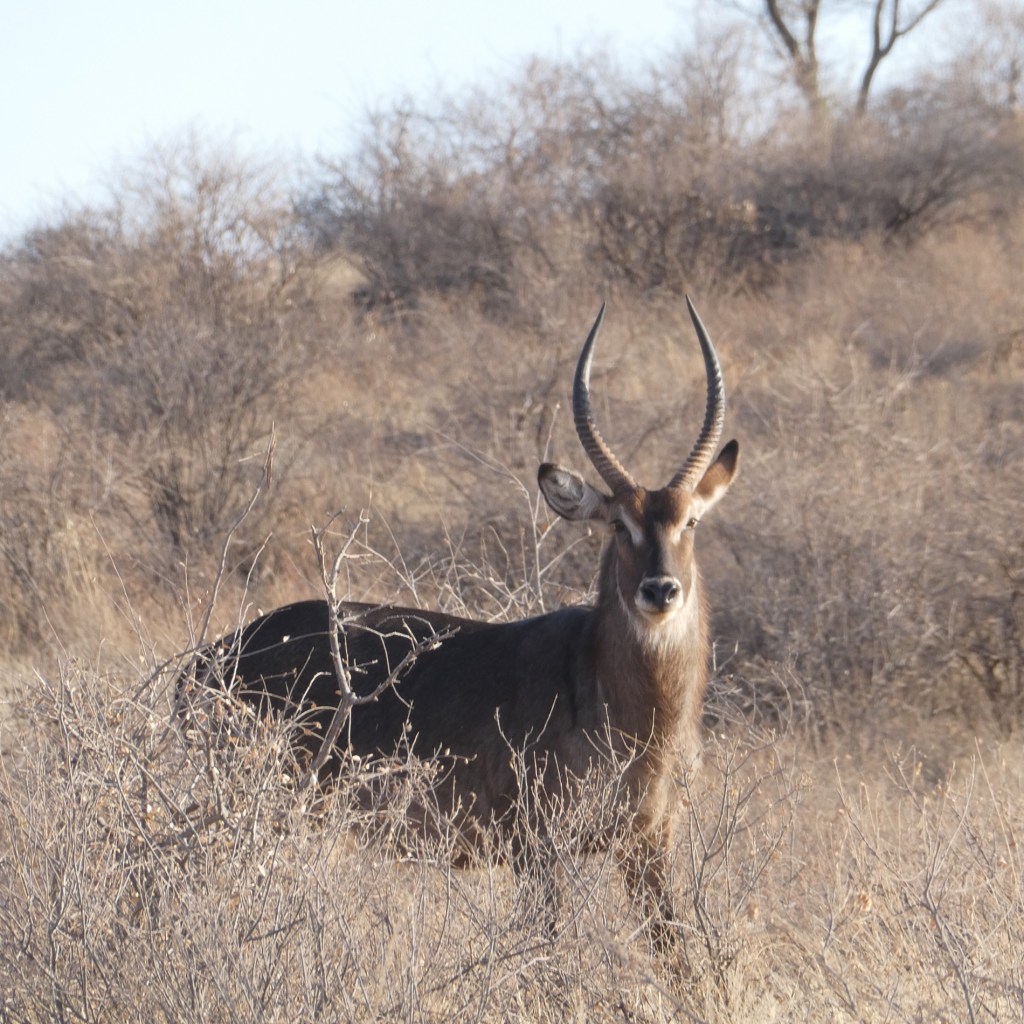
Common waterbucks -male & female

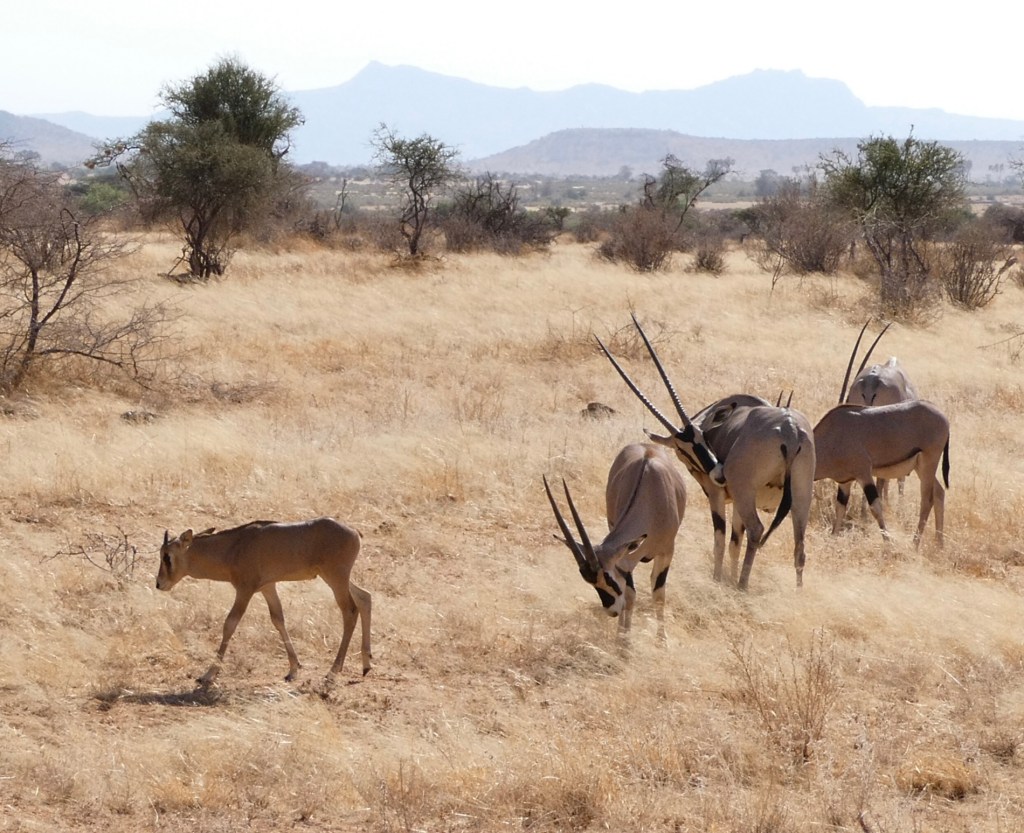
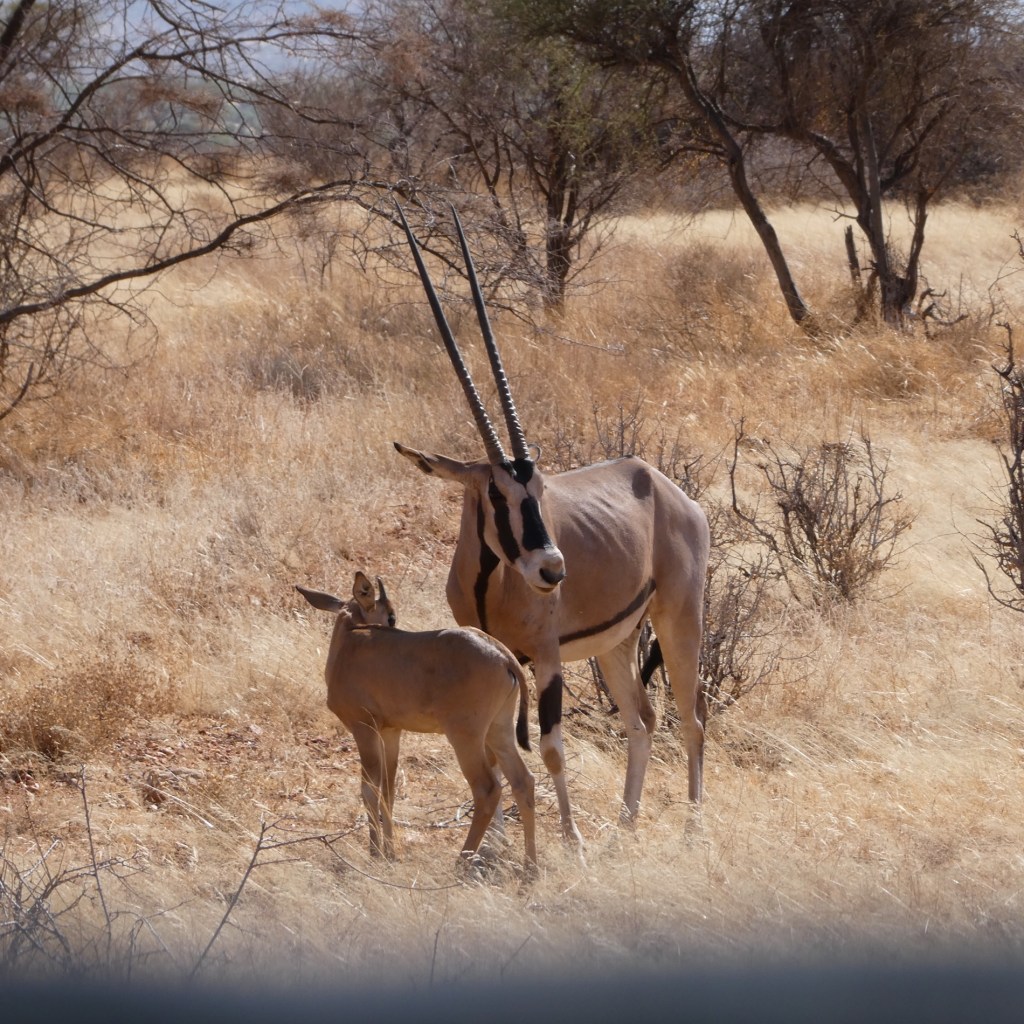
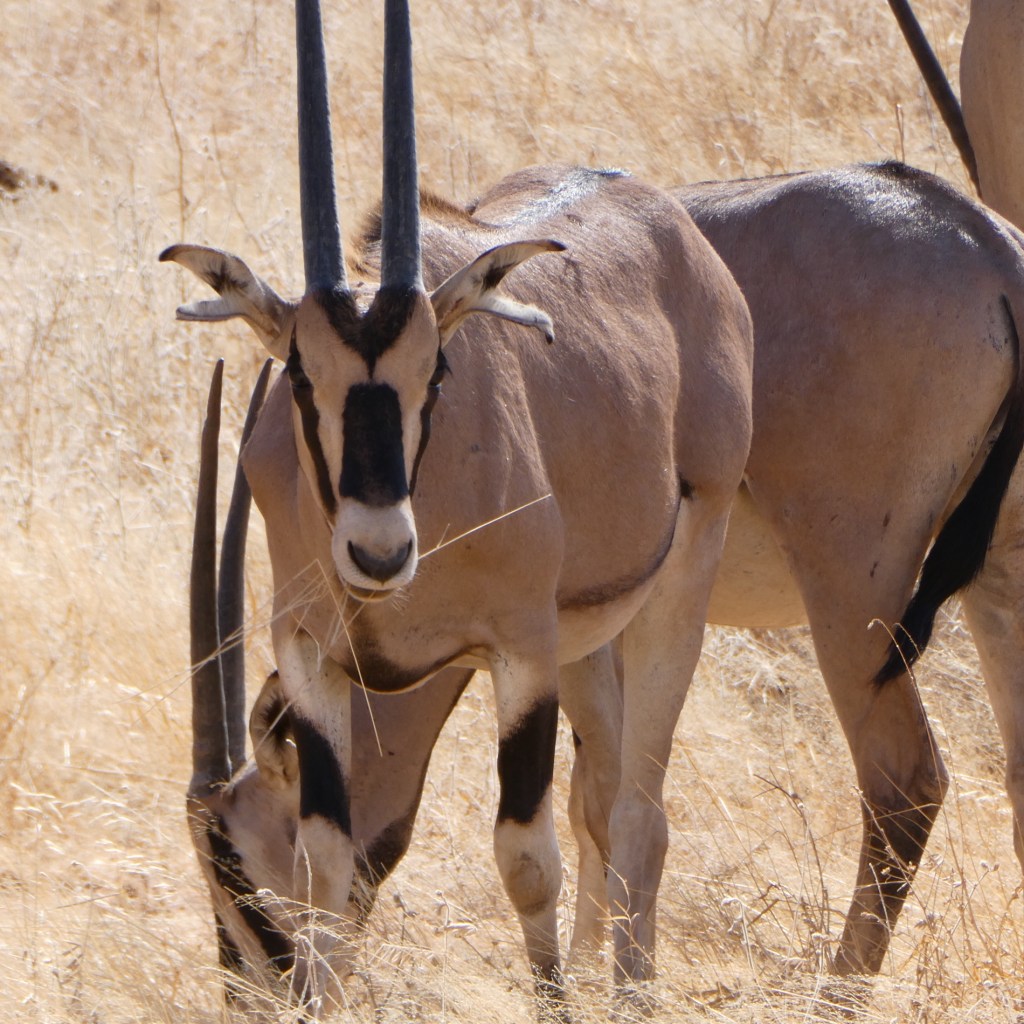
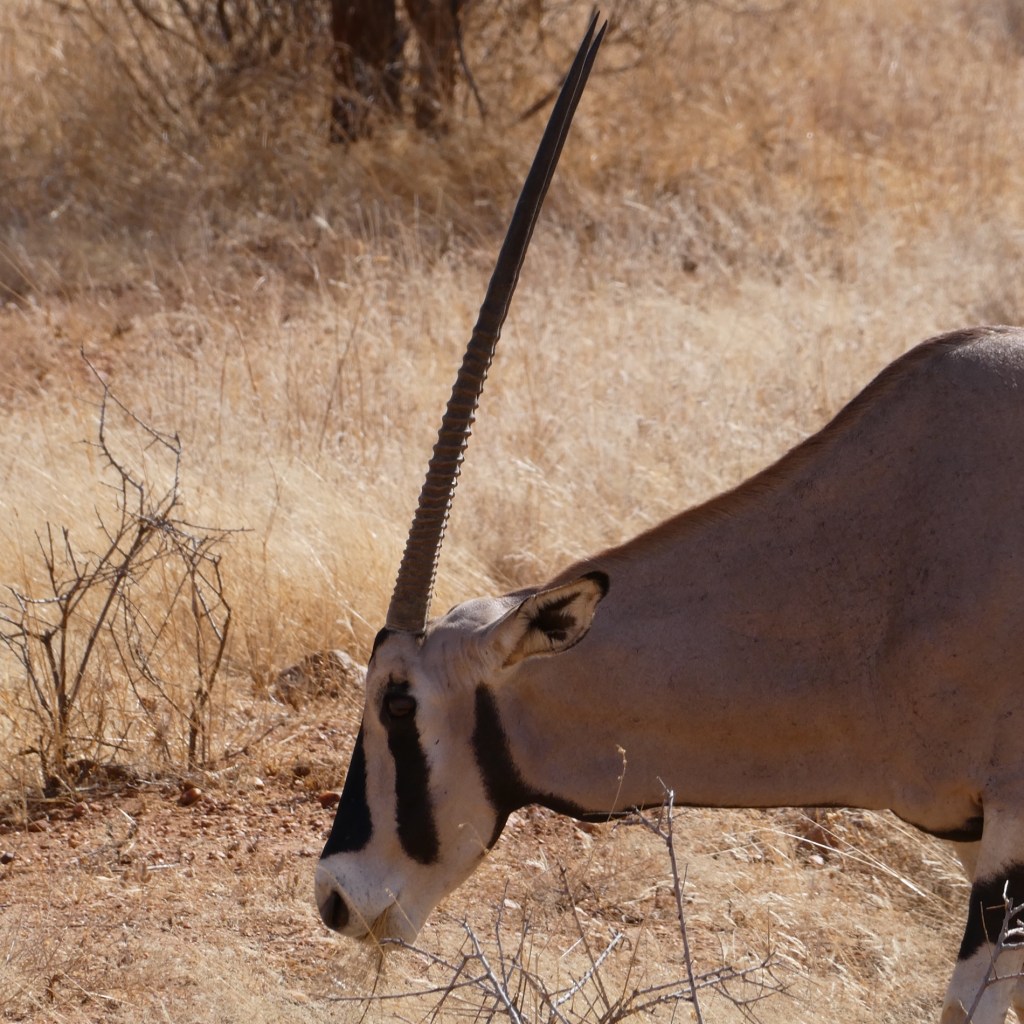
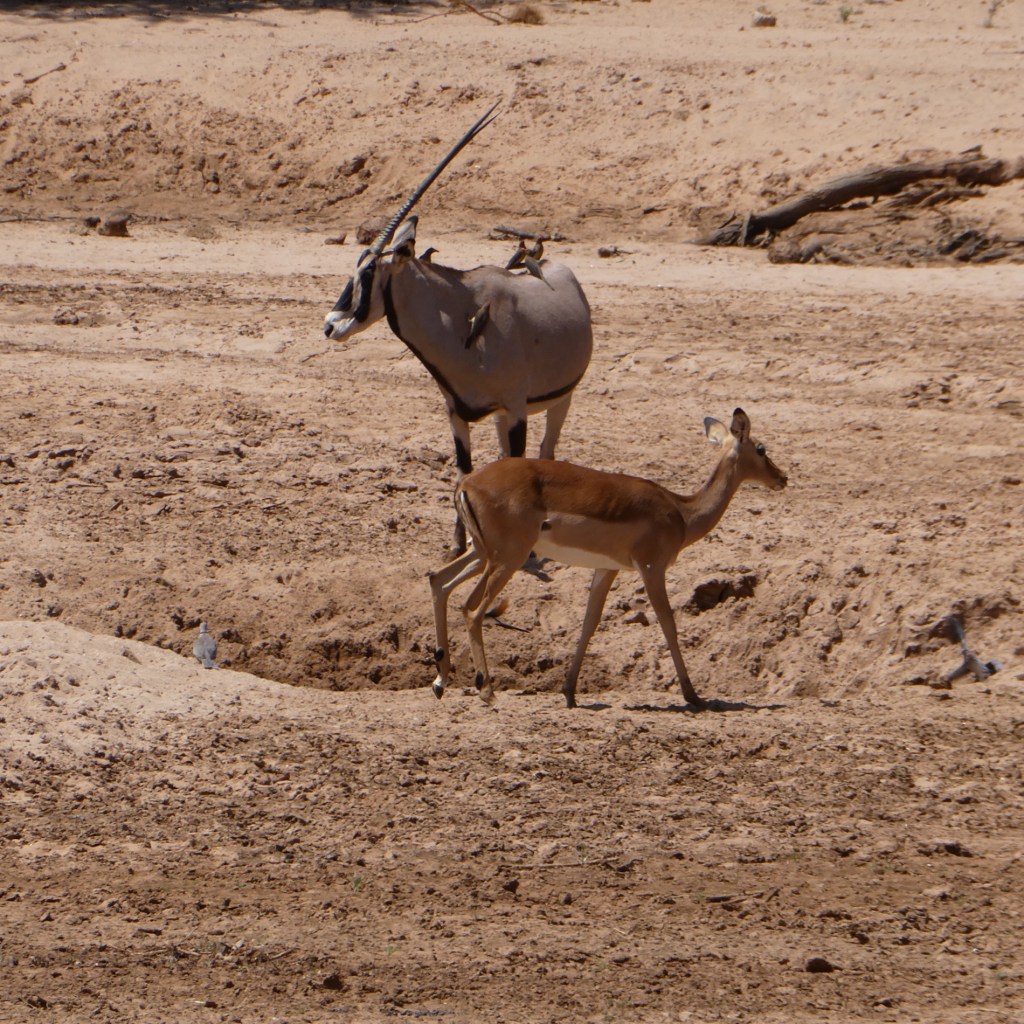
Oryx

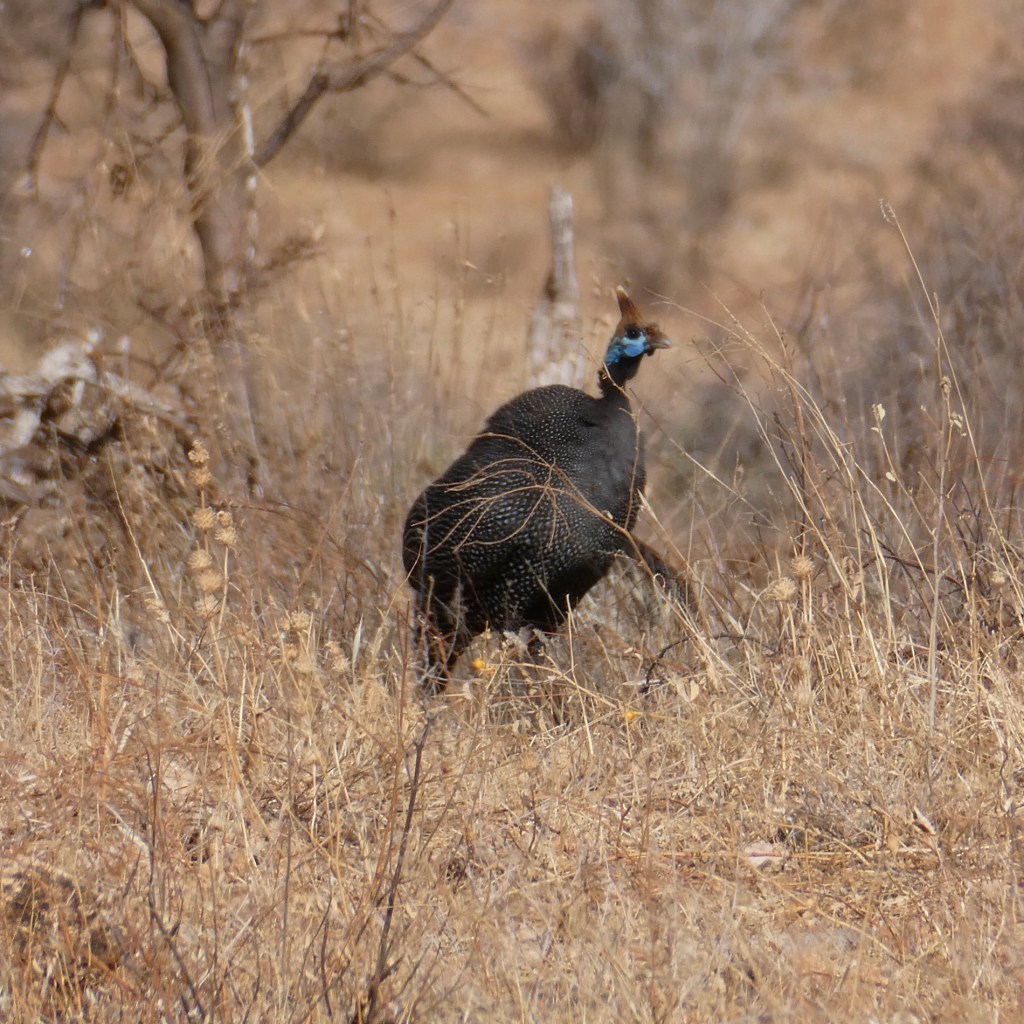
Helmeted Guinea fowl

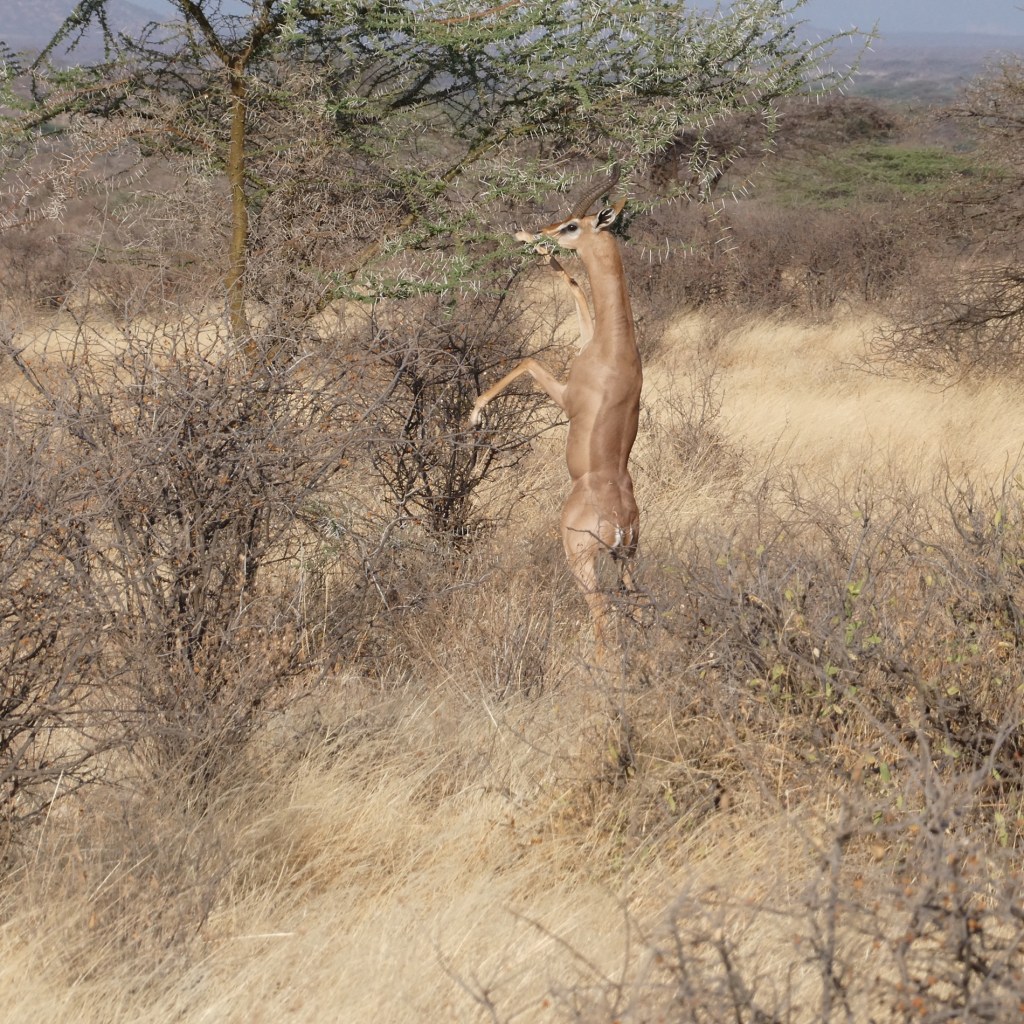
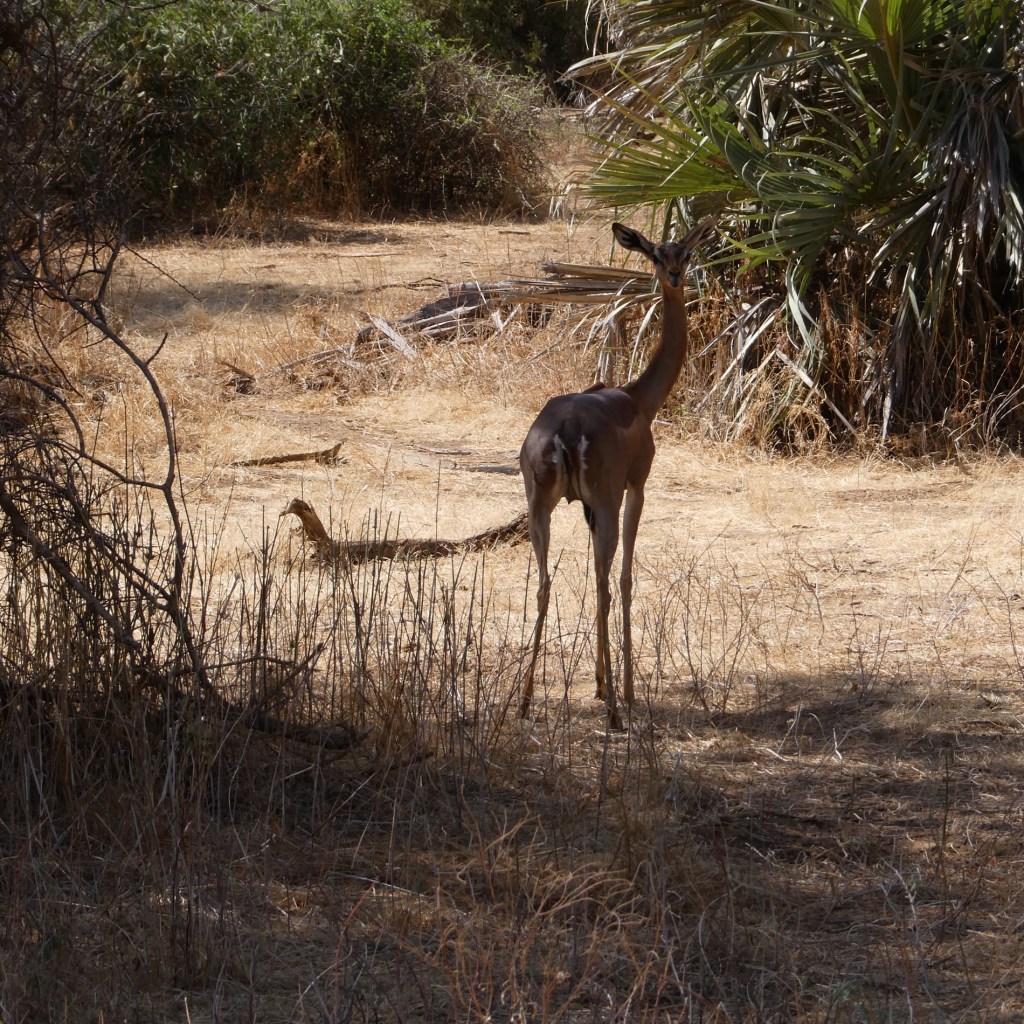
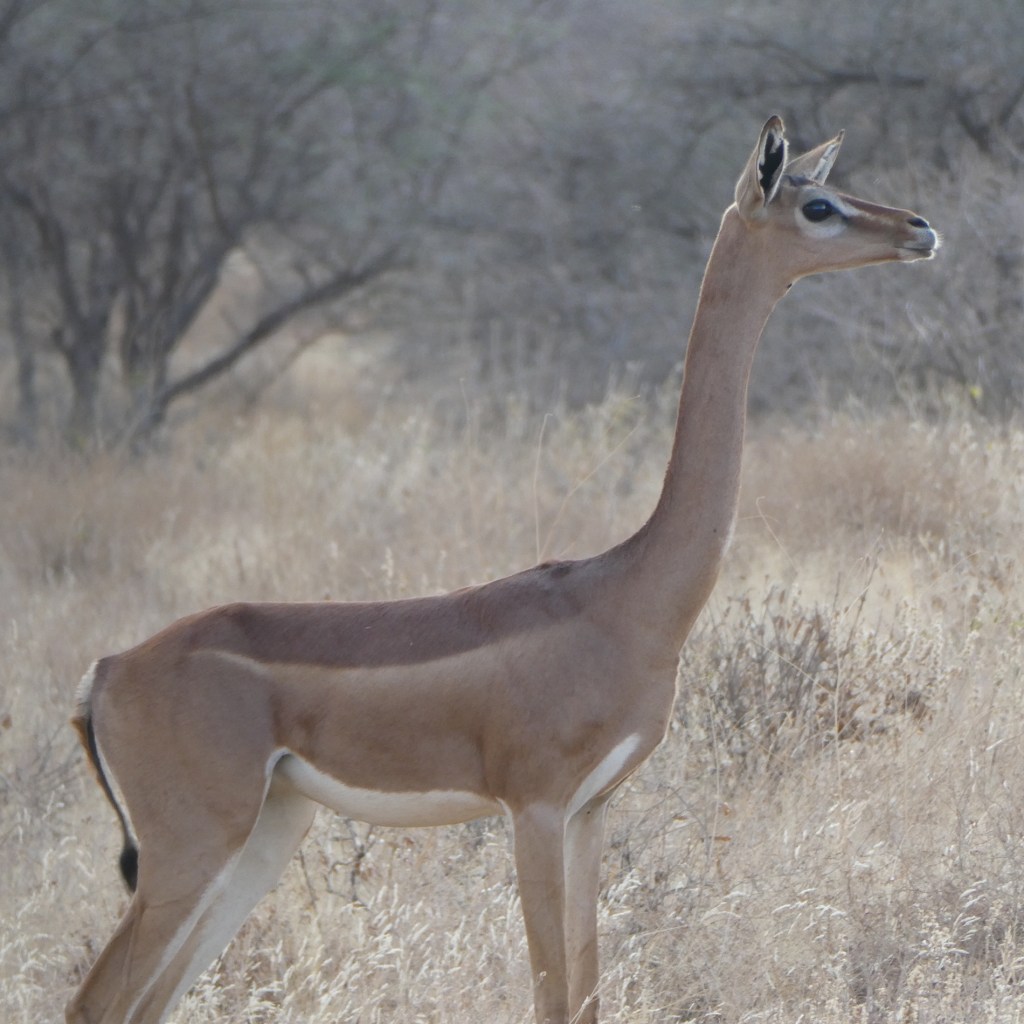
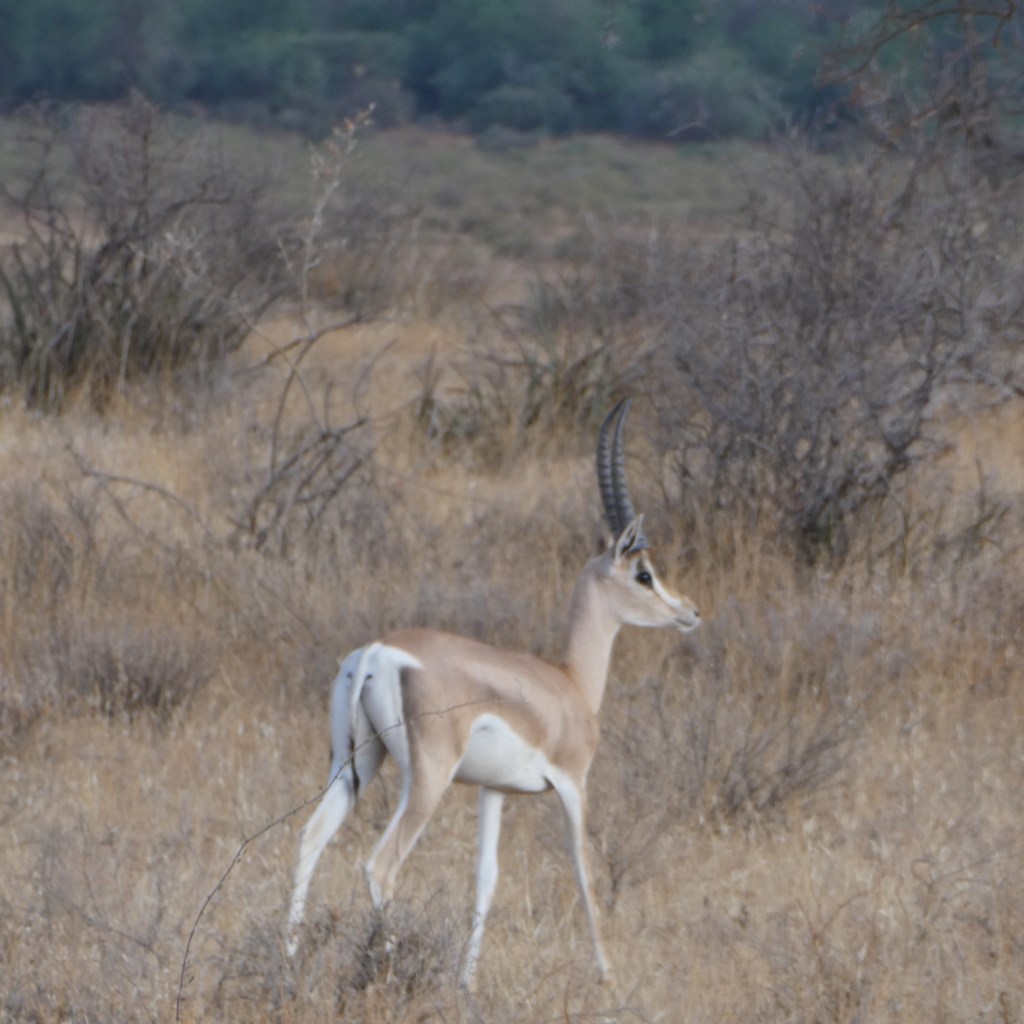
Gerenuk standing up

4 children on back of motorcycle

School children waving like crazy

2 goats besides 2 people on motorcycle… going to market…. Lots of overloaded motorcycles

Isiolo….1 of 4 largest cities in Kenya

Houses with highway frontage- companies will pay owners of homes/shops if they can use their building to advertise.

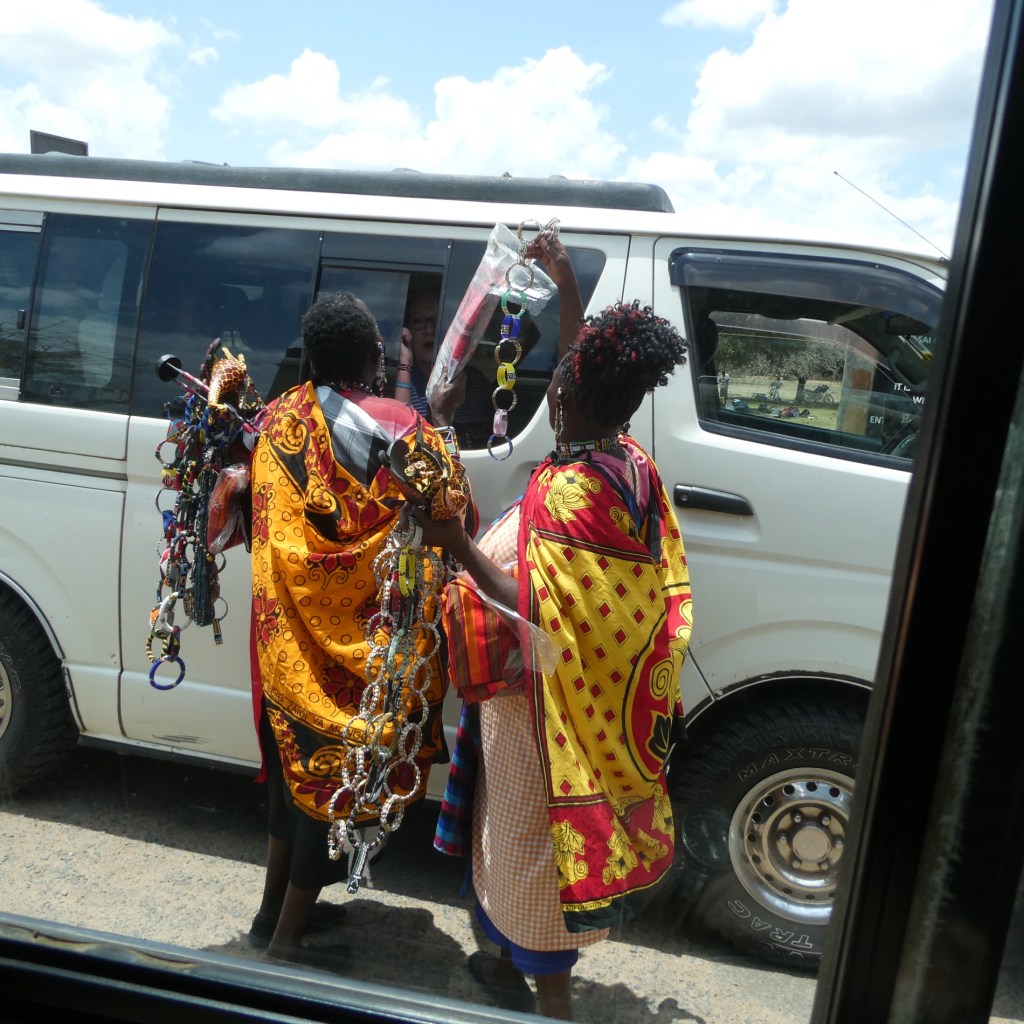
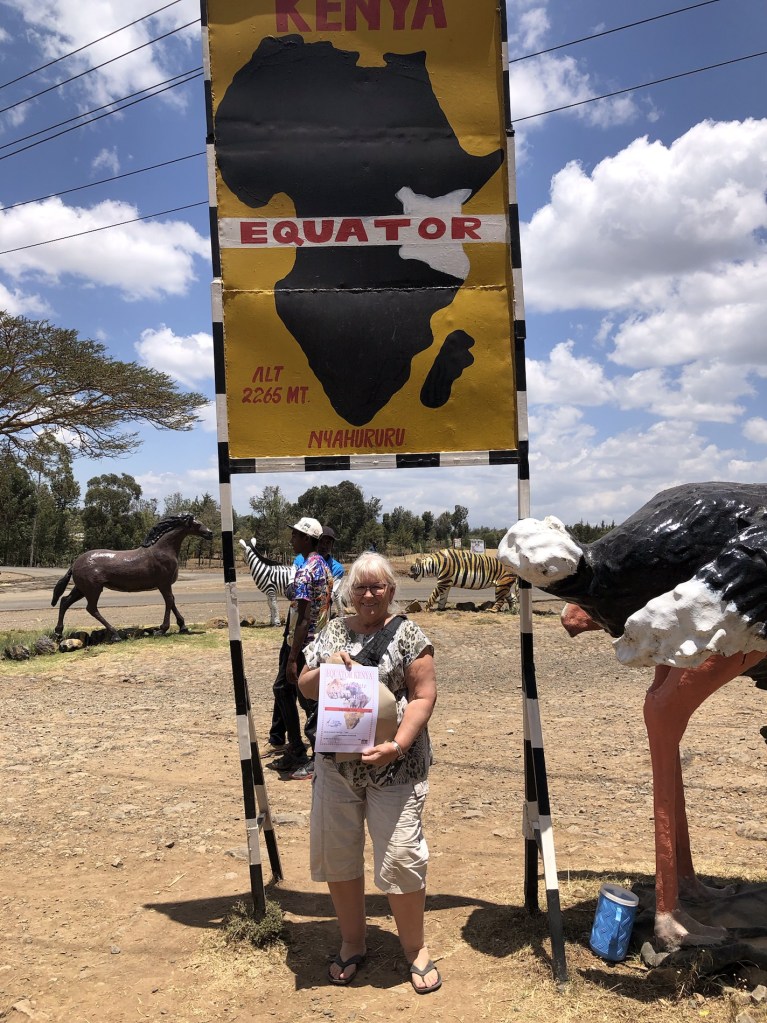
Stopped at the equator ….. got a certificate and had lunch made by our own chef. Artist coop similar to others we has seen and like the others, the sales people are relentless

Most of food for the country is grown in the Rift Valley.

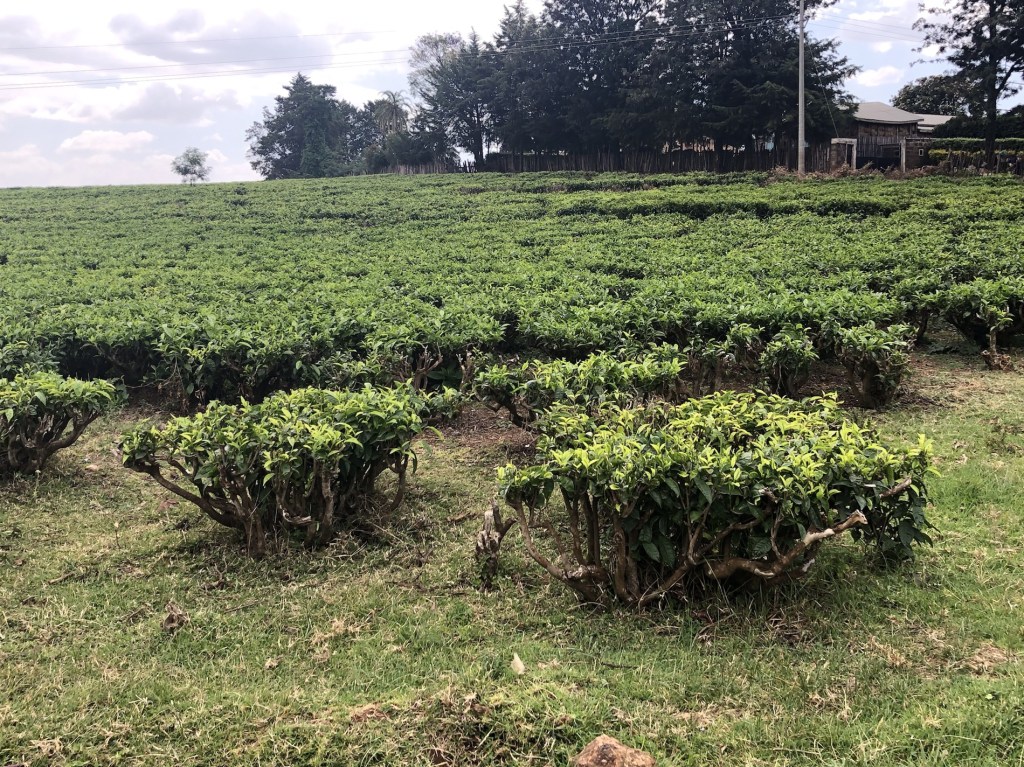
Tea 1920 introduced …3years cuttings grow into producing plant. Pruning/cutting every three years. Cut 3 leaves, process together…. Smal top is best quality, second is second quality and 3rd…3rd quality. Tea plant can produce for 70 years.

Coffee arabica

September 3 Samburu National Park

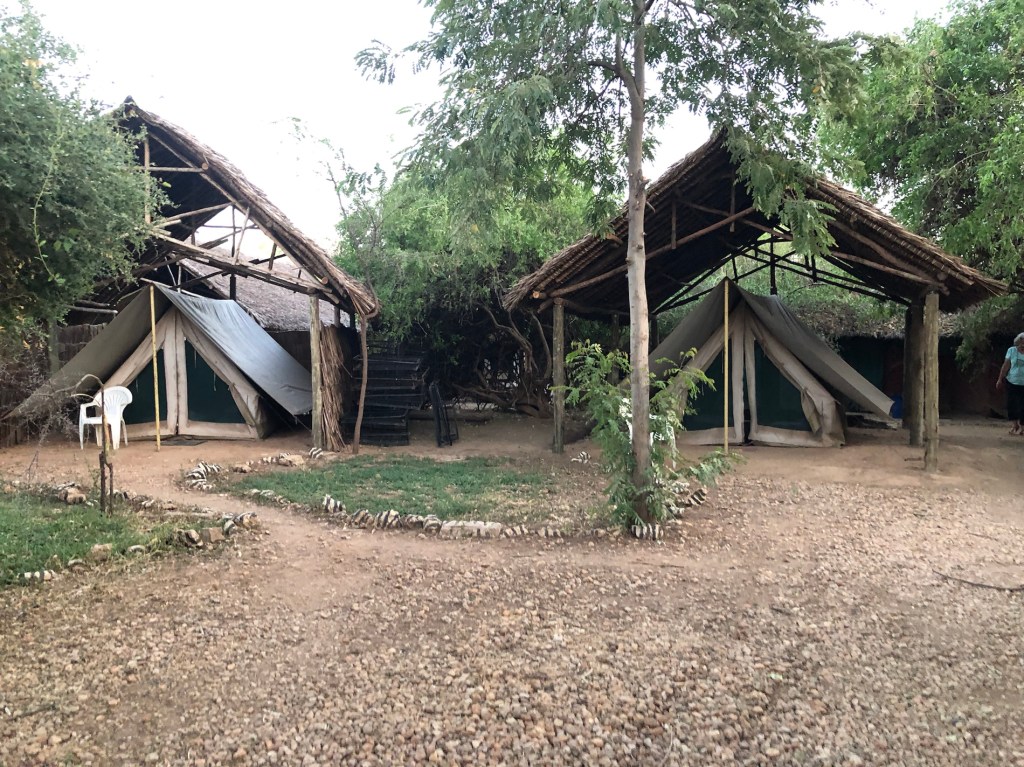
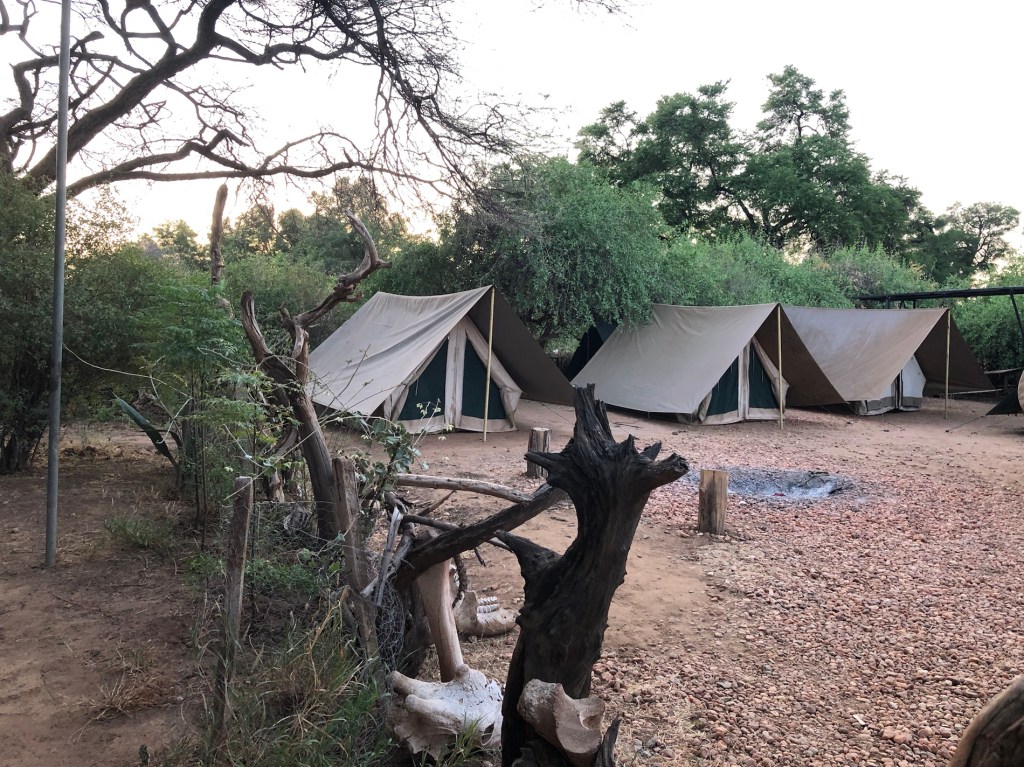
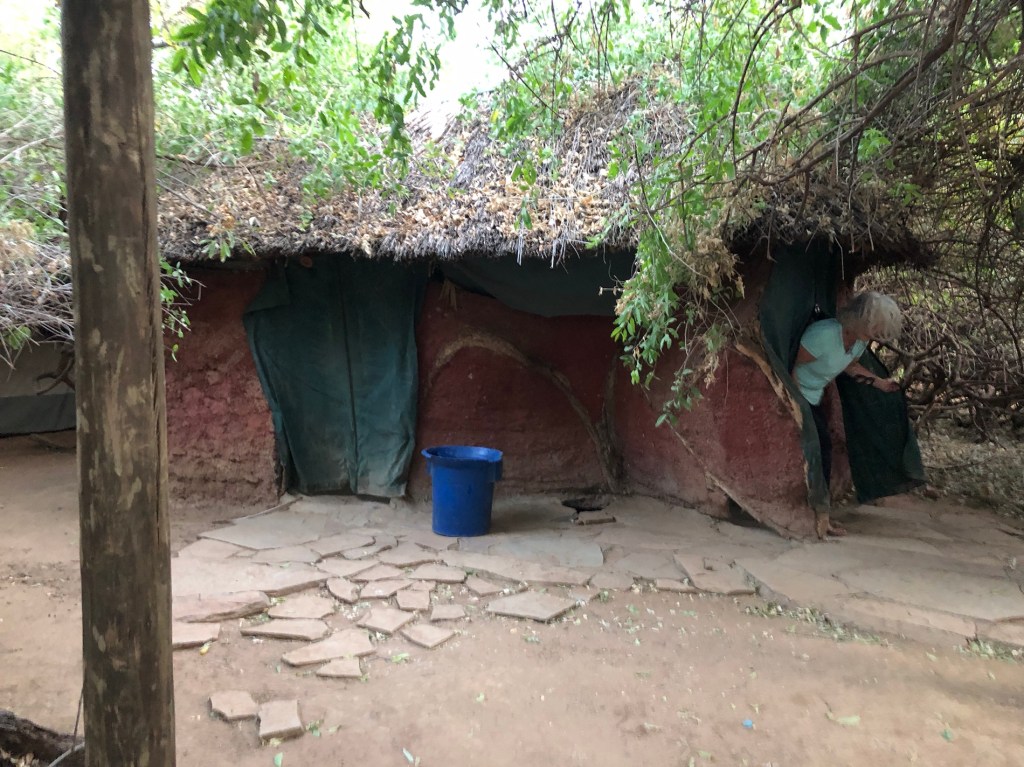
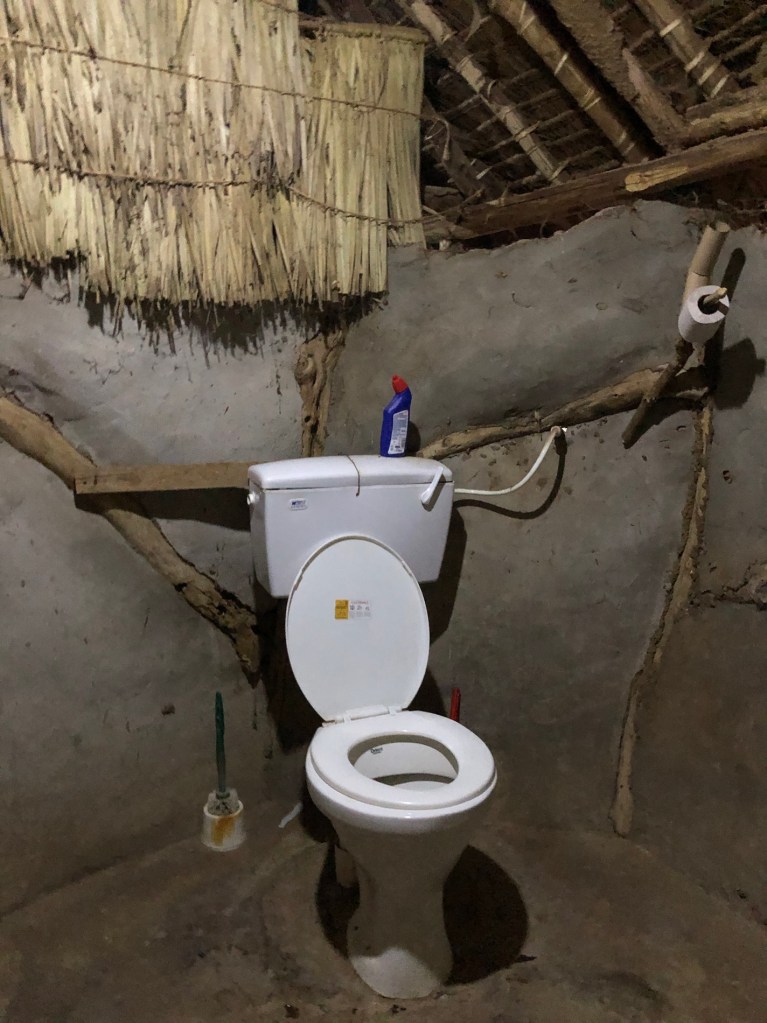
We leave for camp at 6:45. The skies are clear. I had the best sleep I’ve had since coming here. We slept in tents on the ground with just a foamy underneath us. We were told to bring sleeping bags but that was pointless. It was too hot to get into a sleeping bag. The “washrooms” are rustic to say the least. The doors are like the opening of tents. If the zipper is down all the way, it’s occupied. The showers are in the “toilet” room…. No temperature control. They are very pleasantly cool.

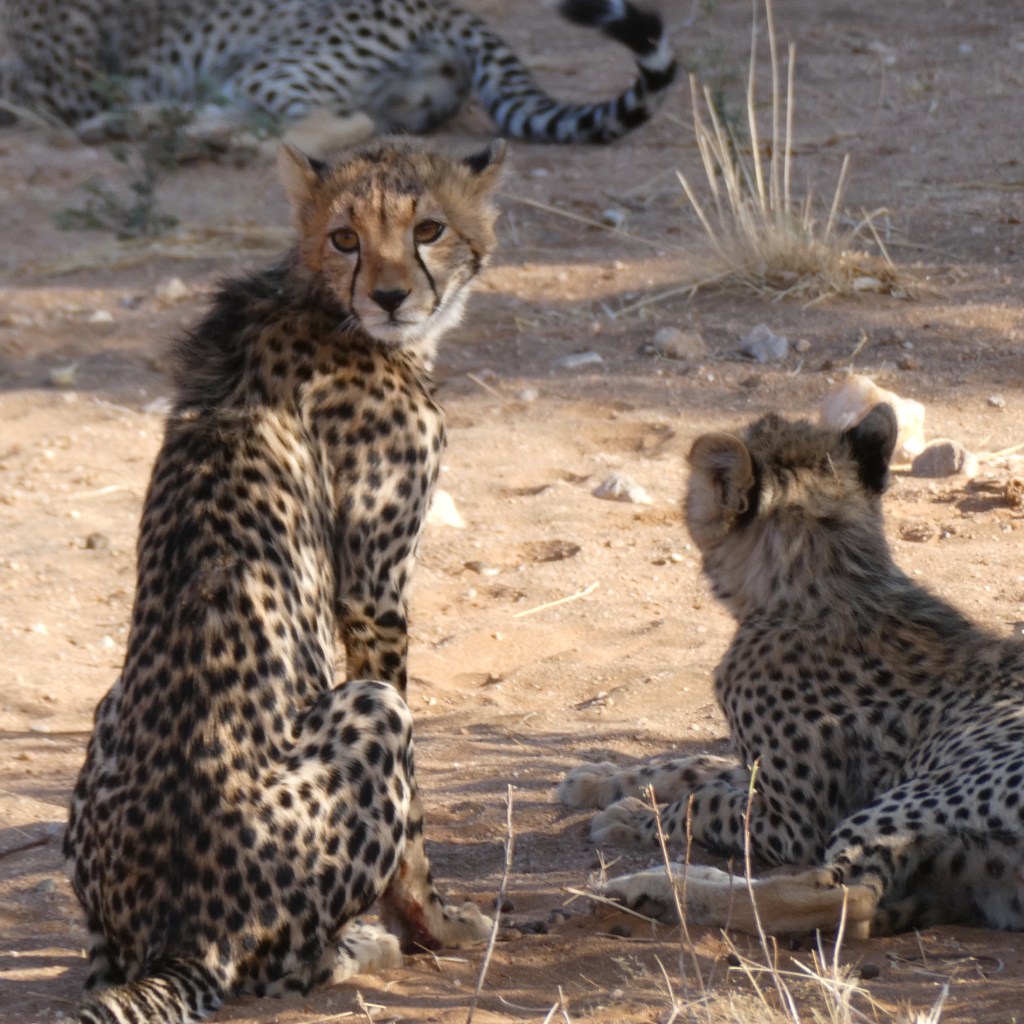
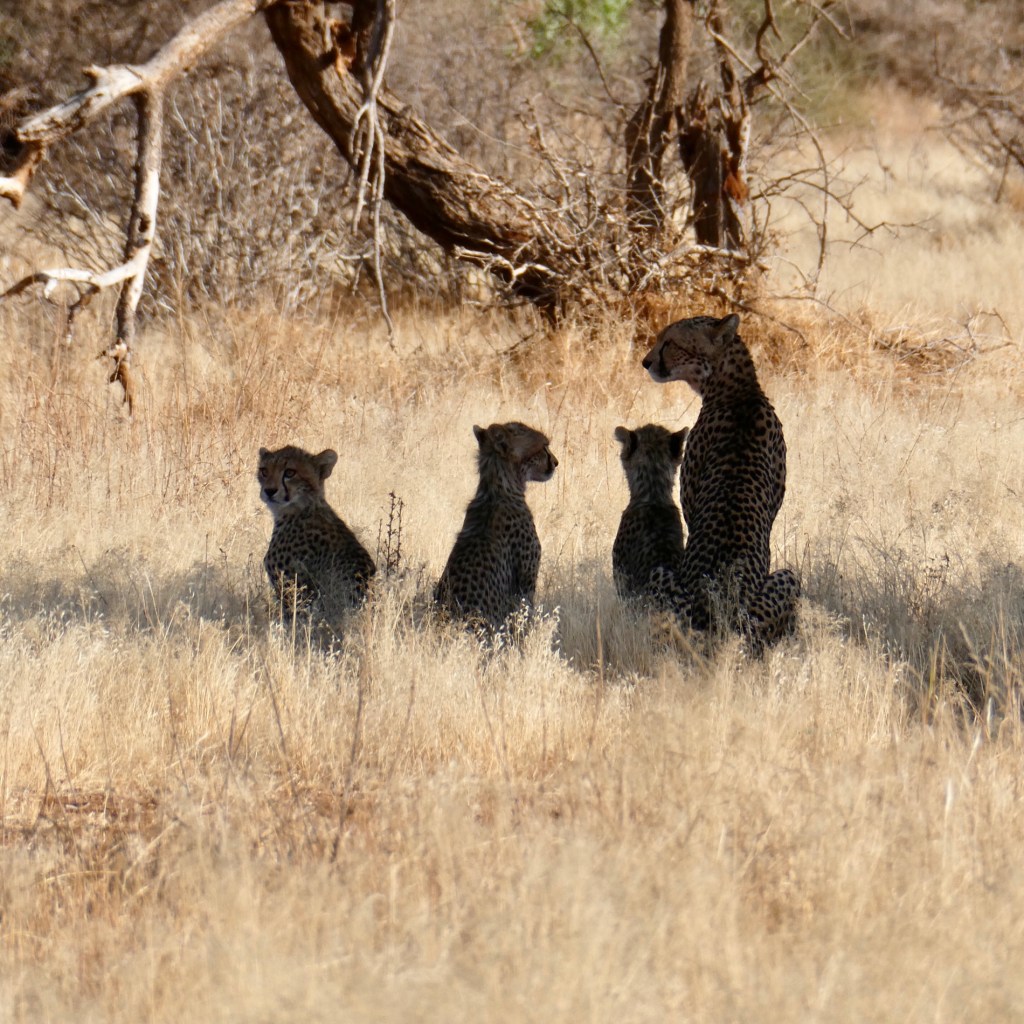
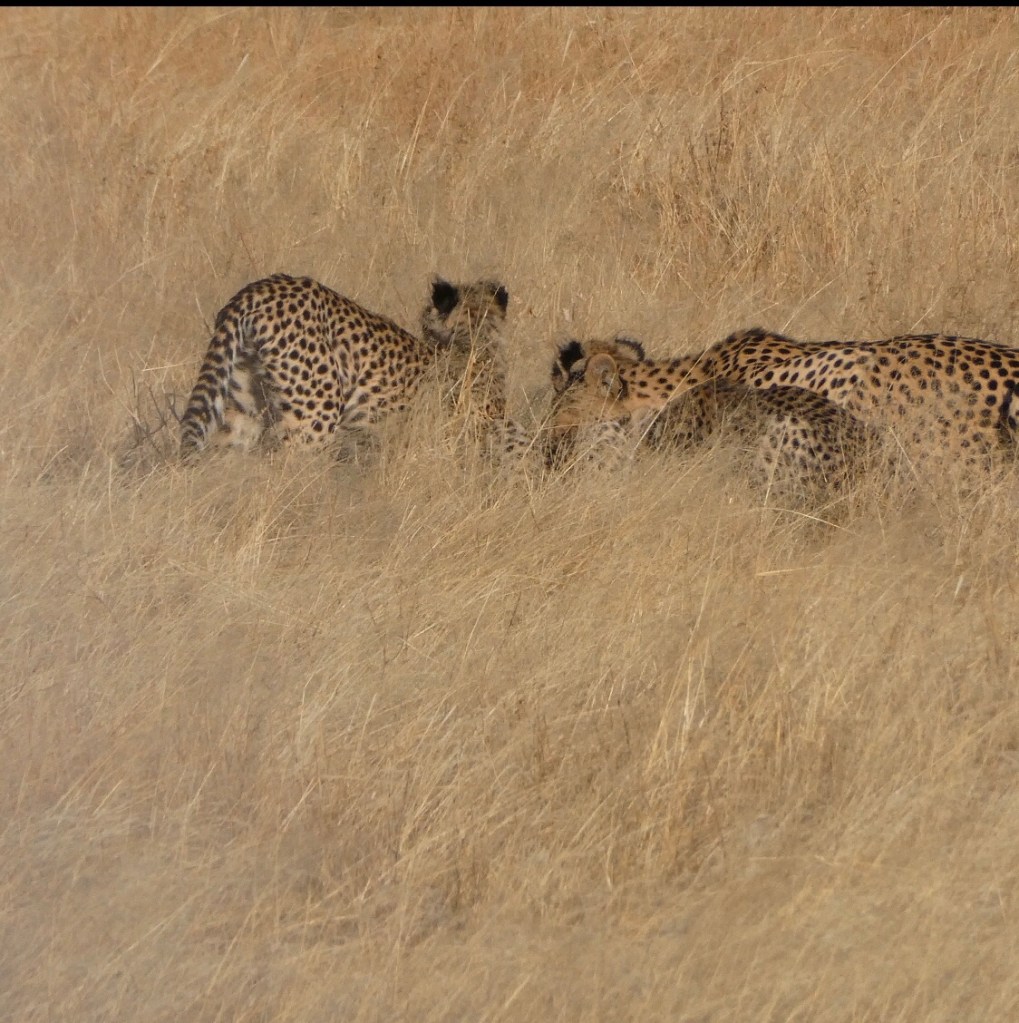
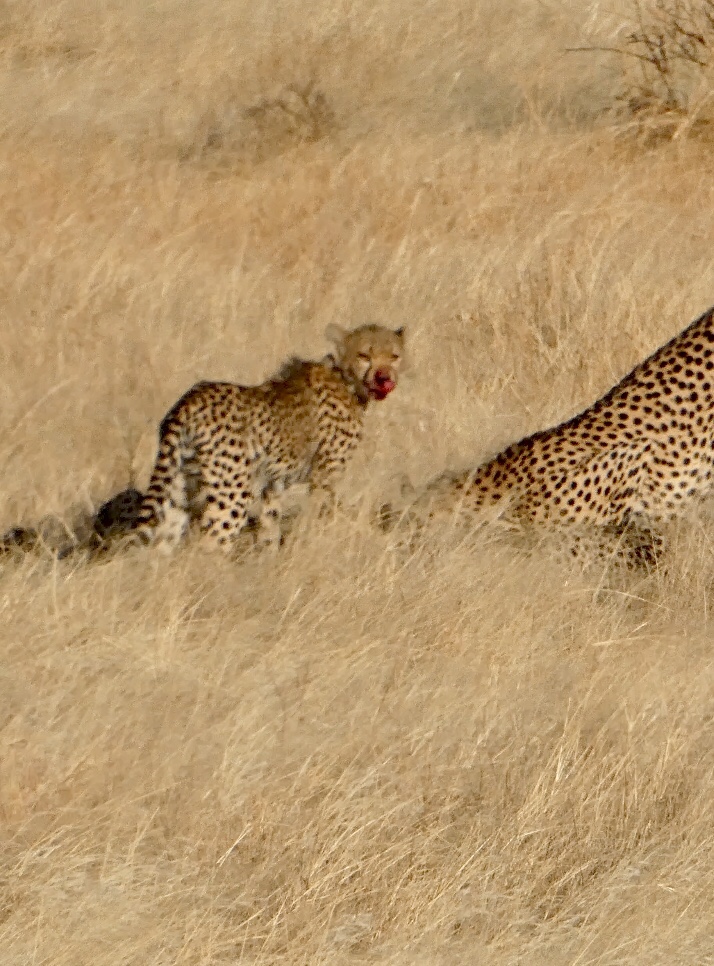
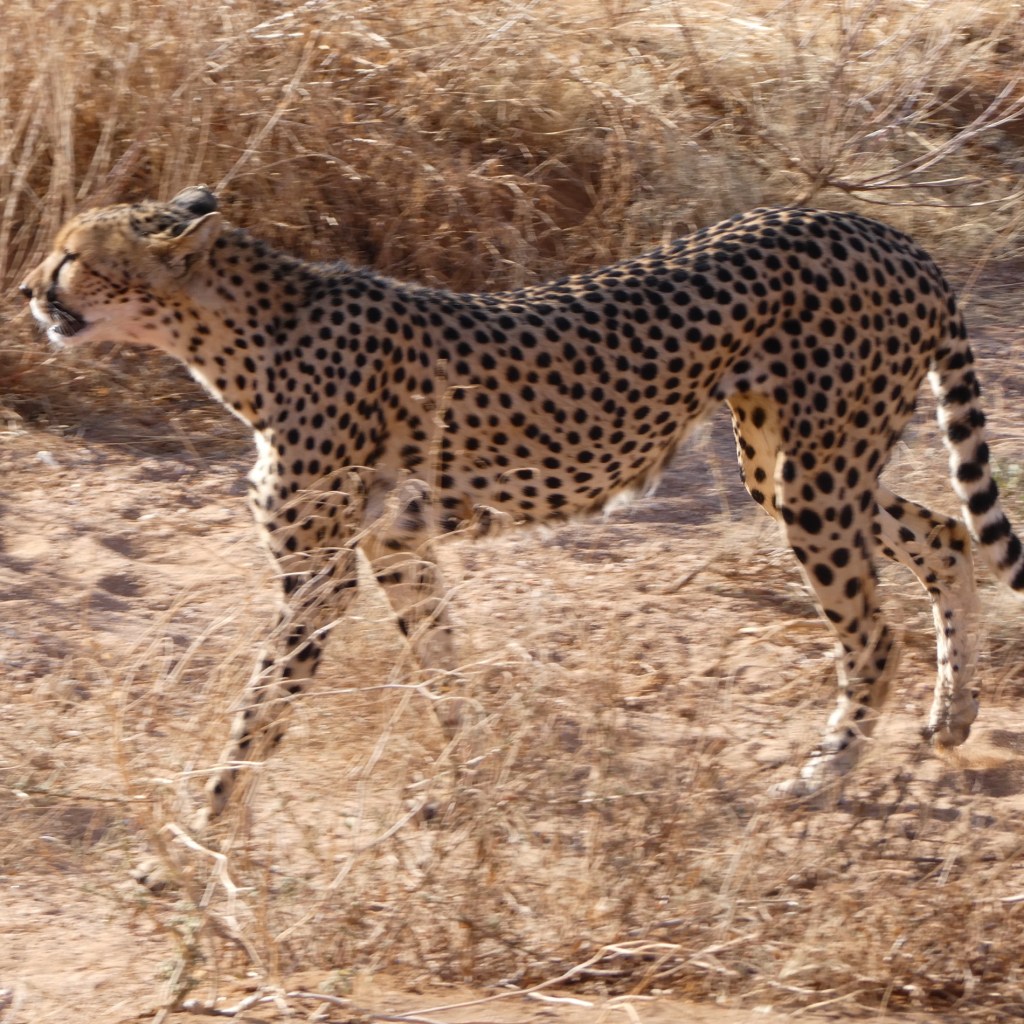
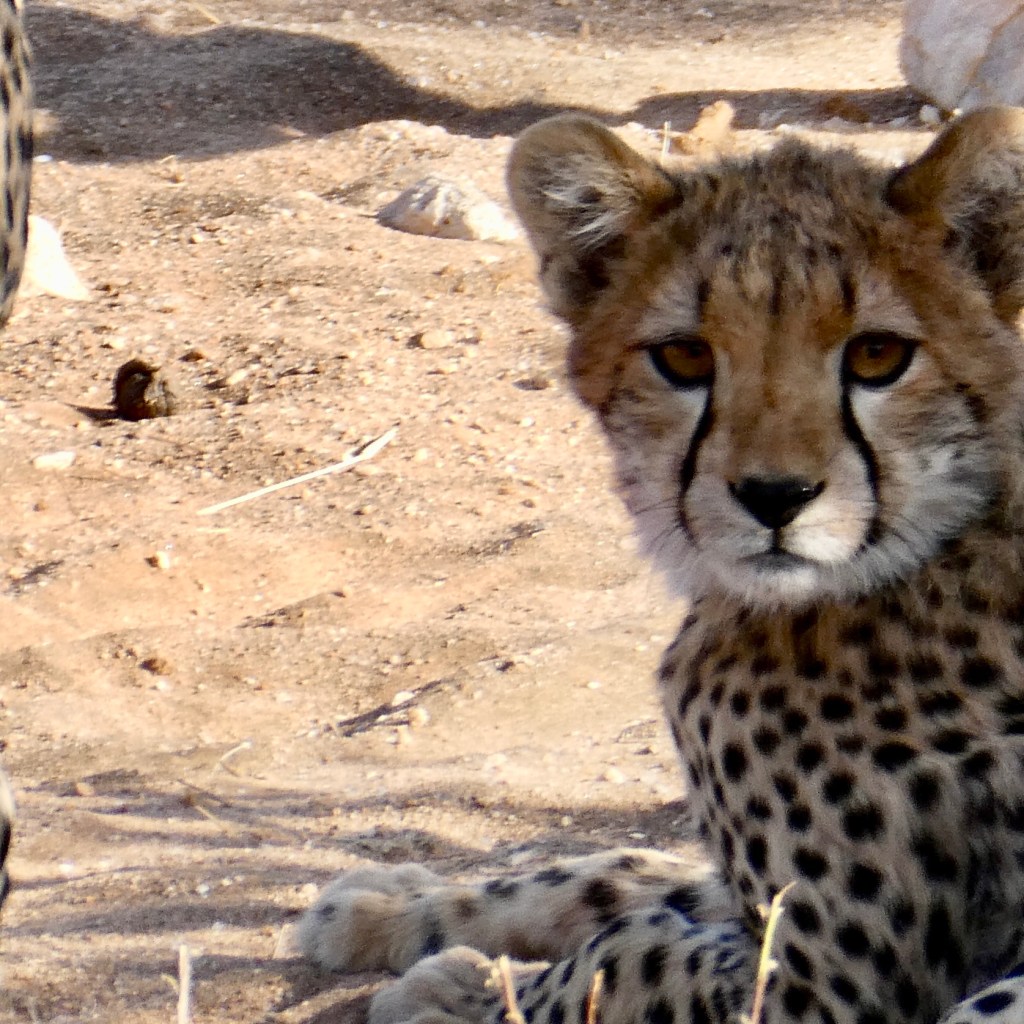
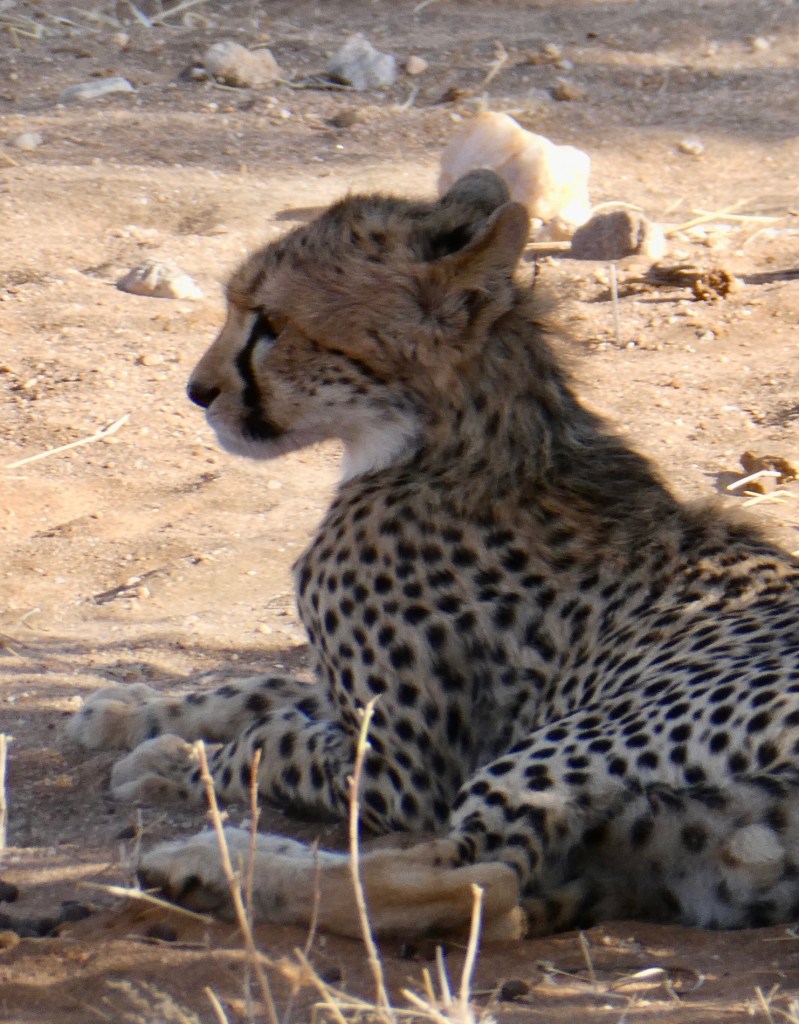
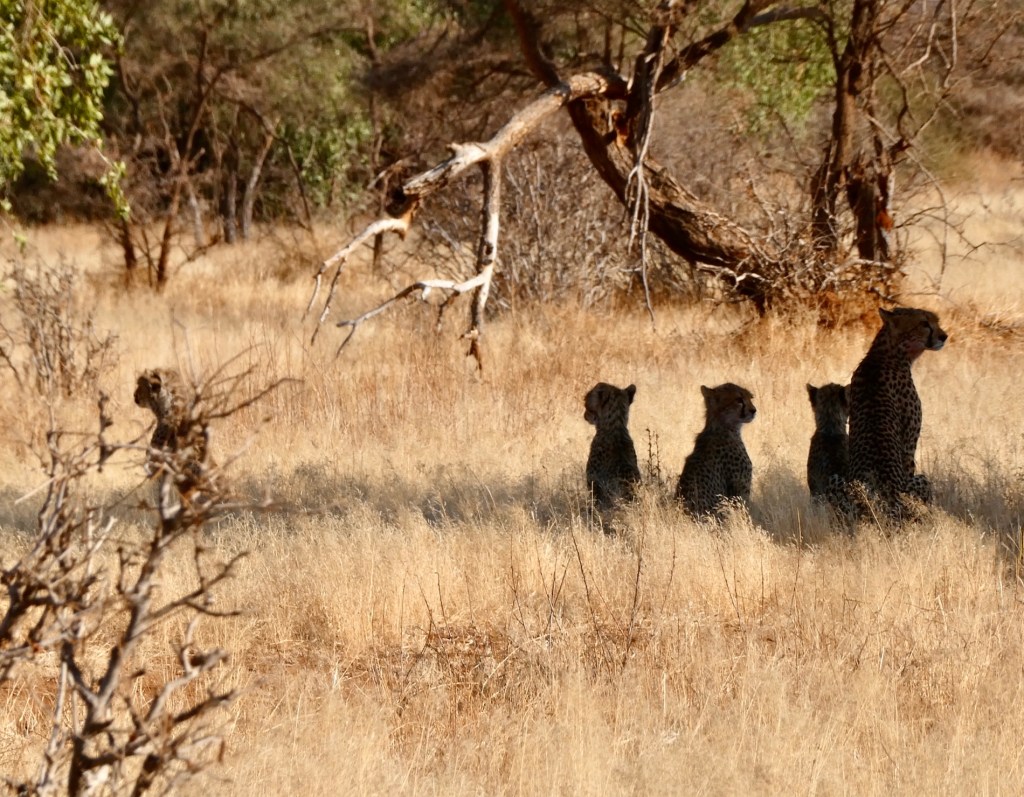
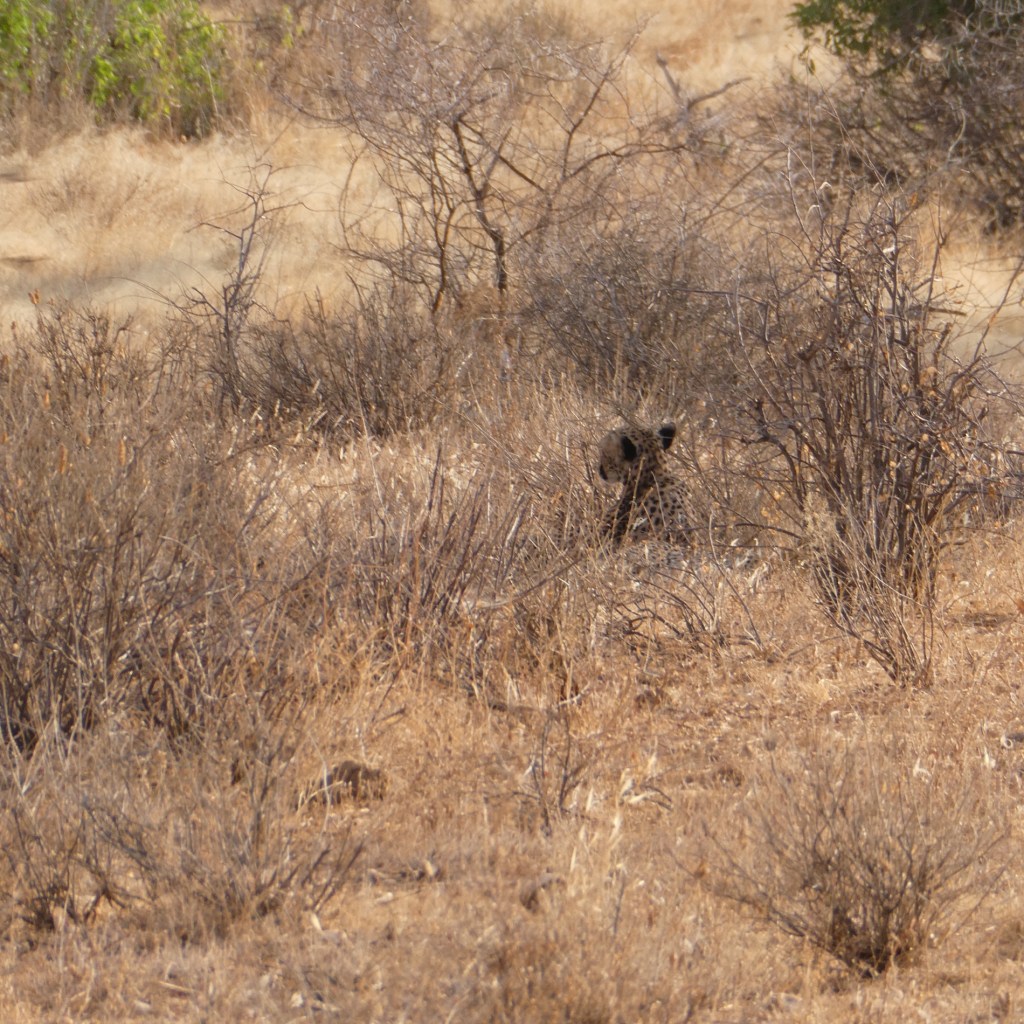
4 cheetah cubs and a mom. They chased after a dikdik and killed it. You could see blood on their mouth.

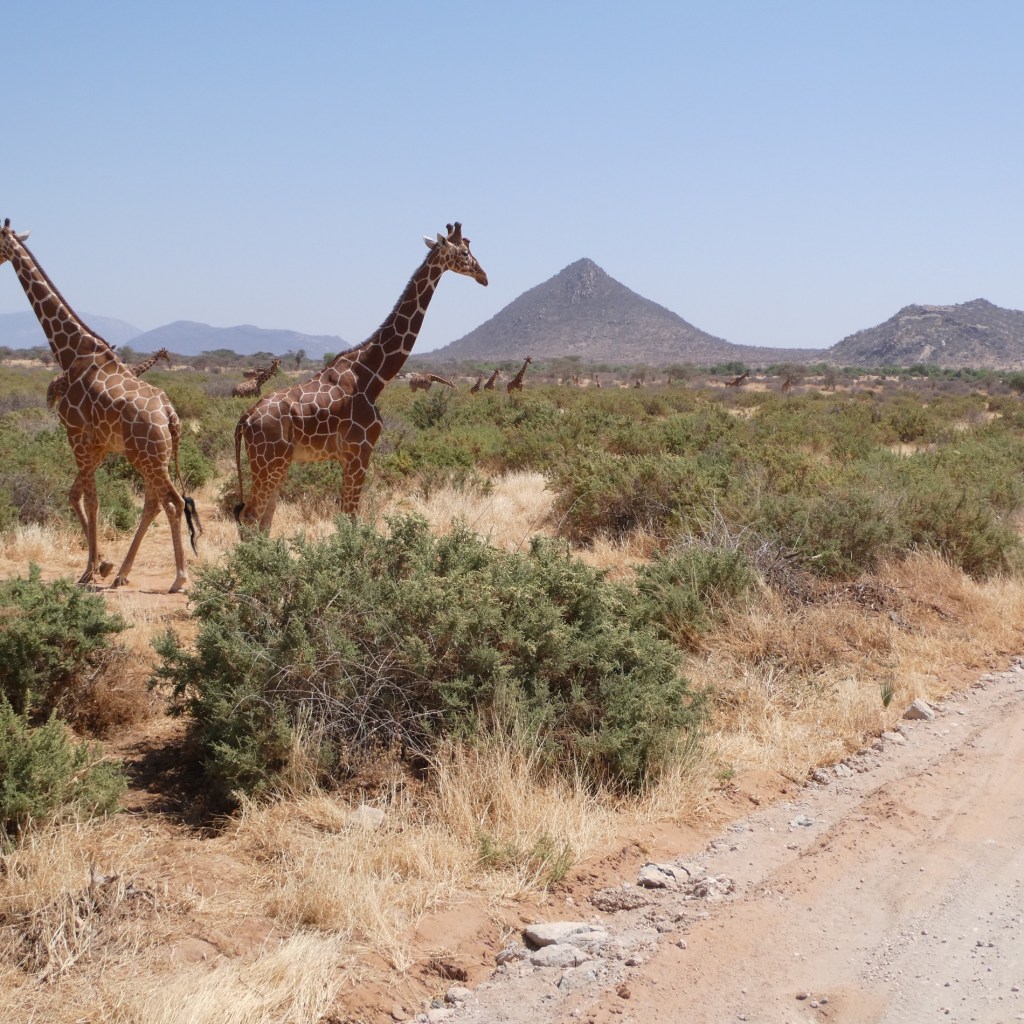
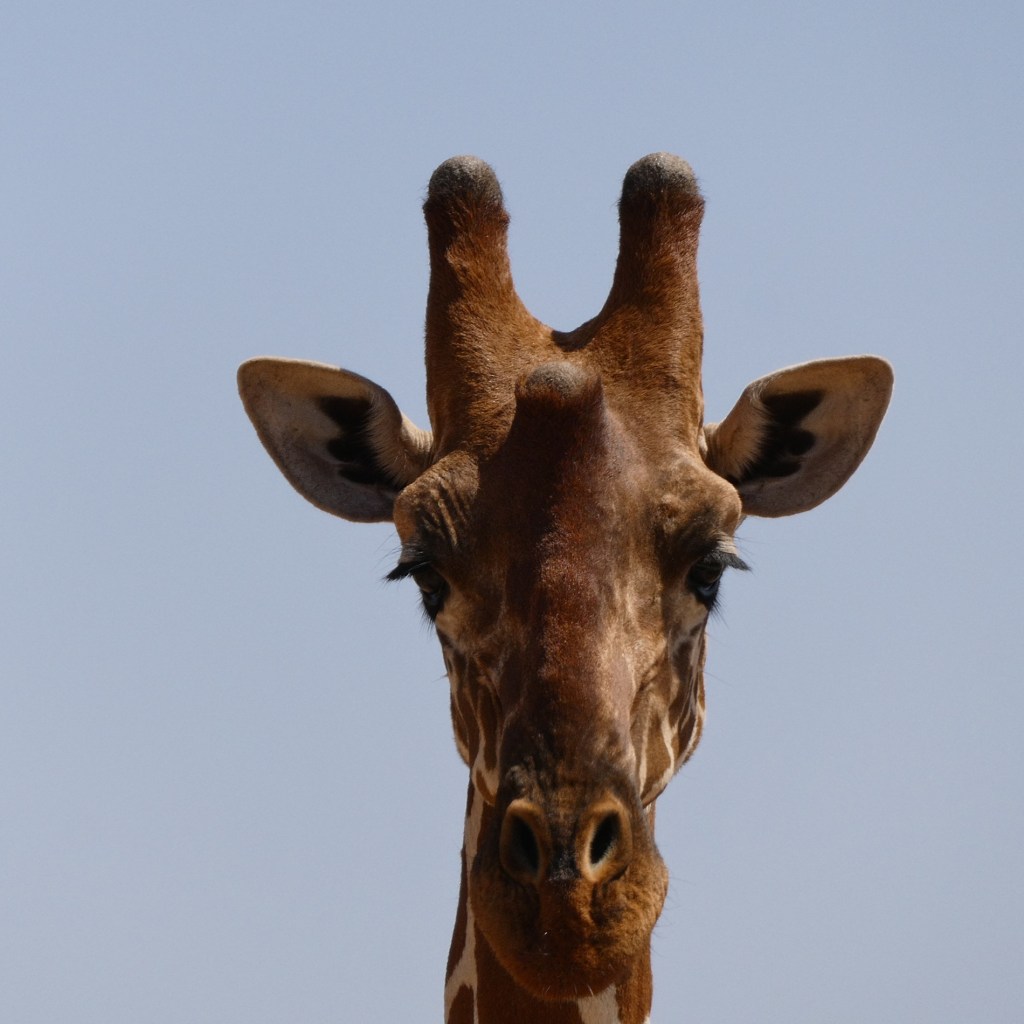
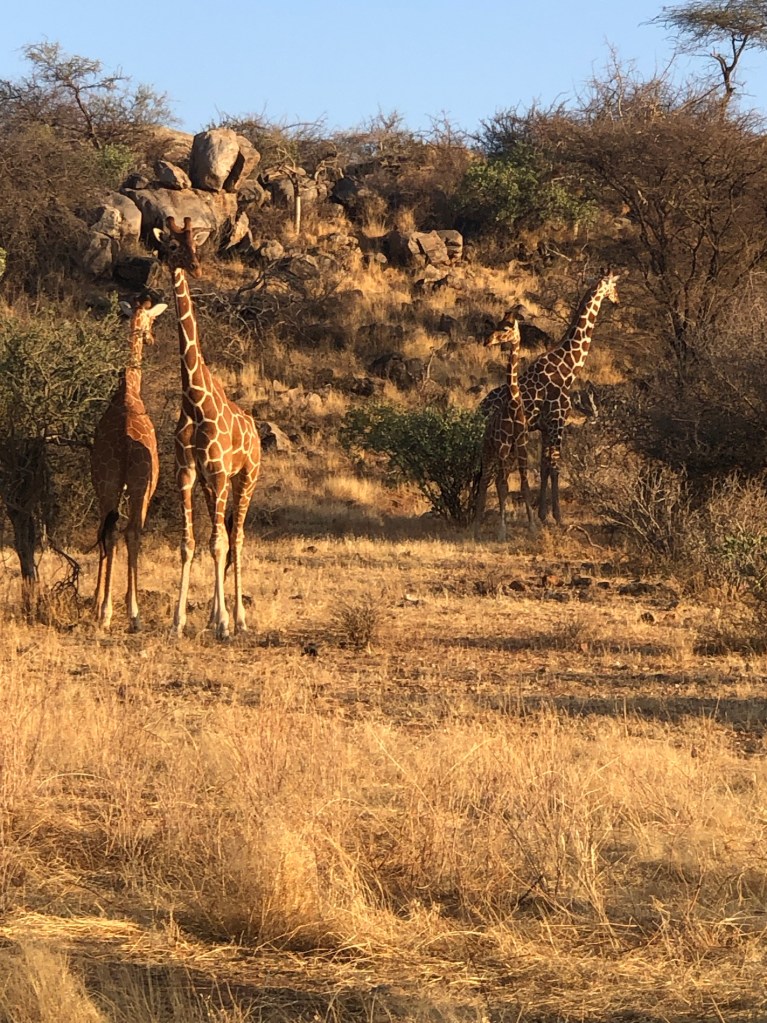
Reticulating giraffes galore

Grants gazelles

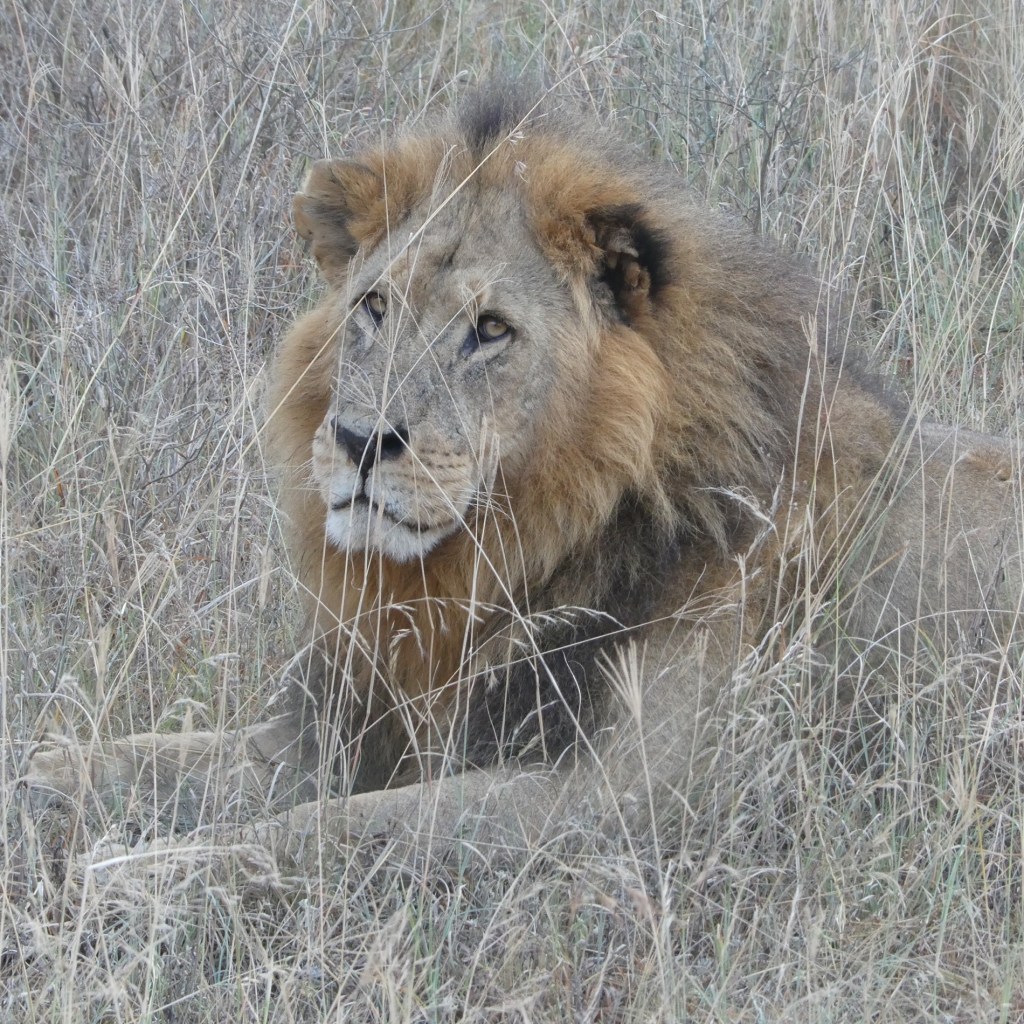
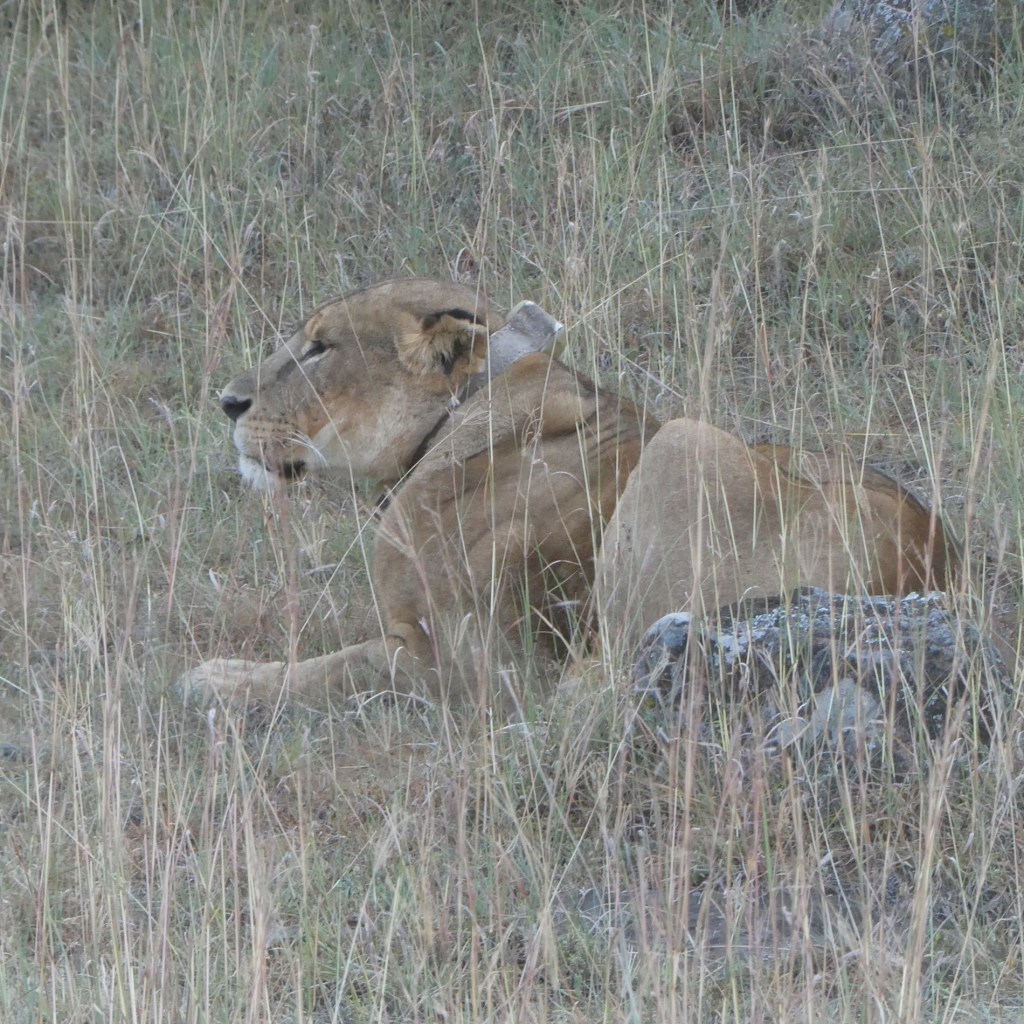
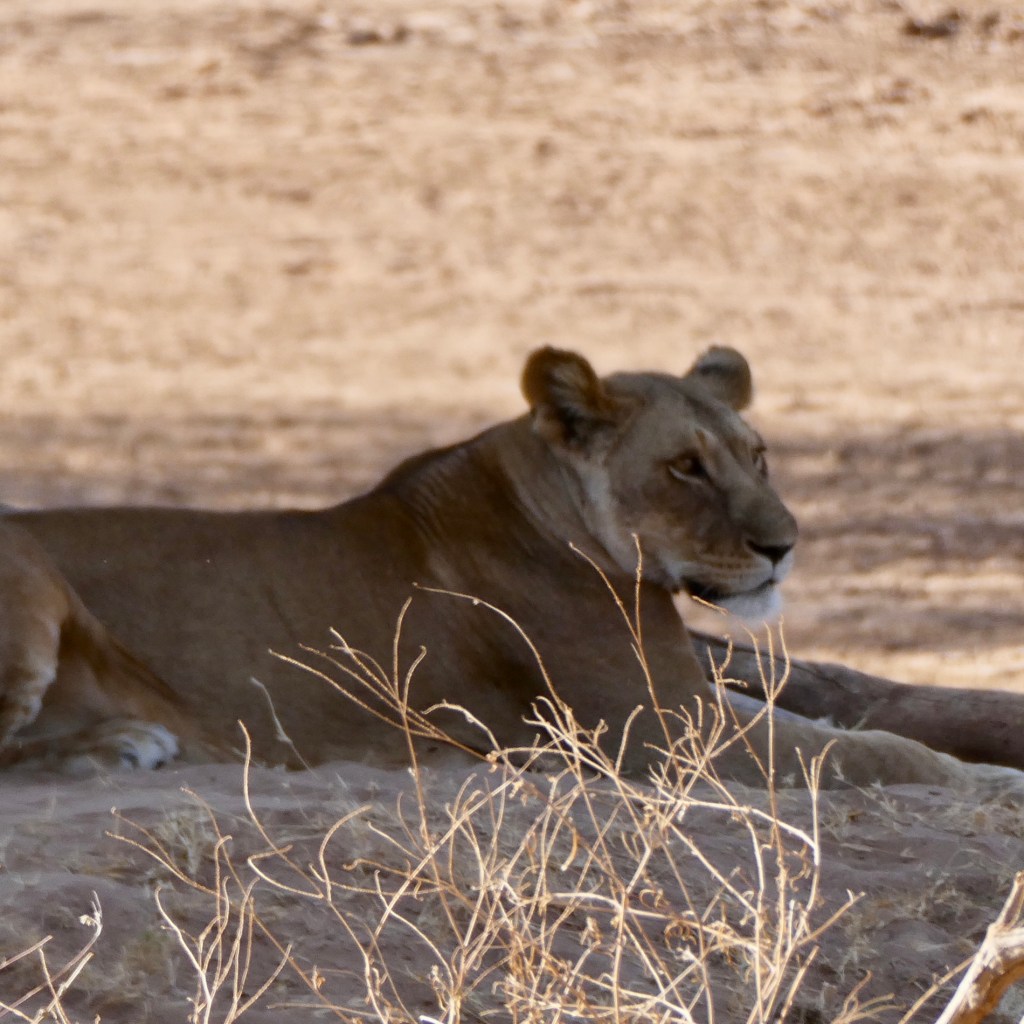
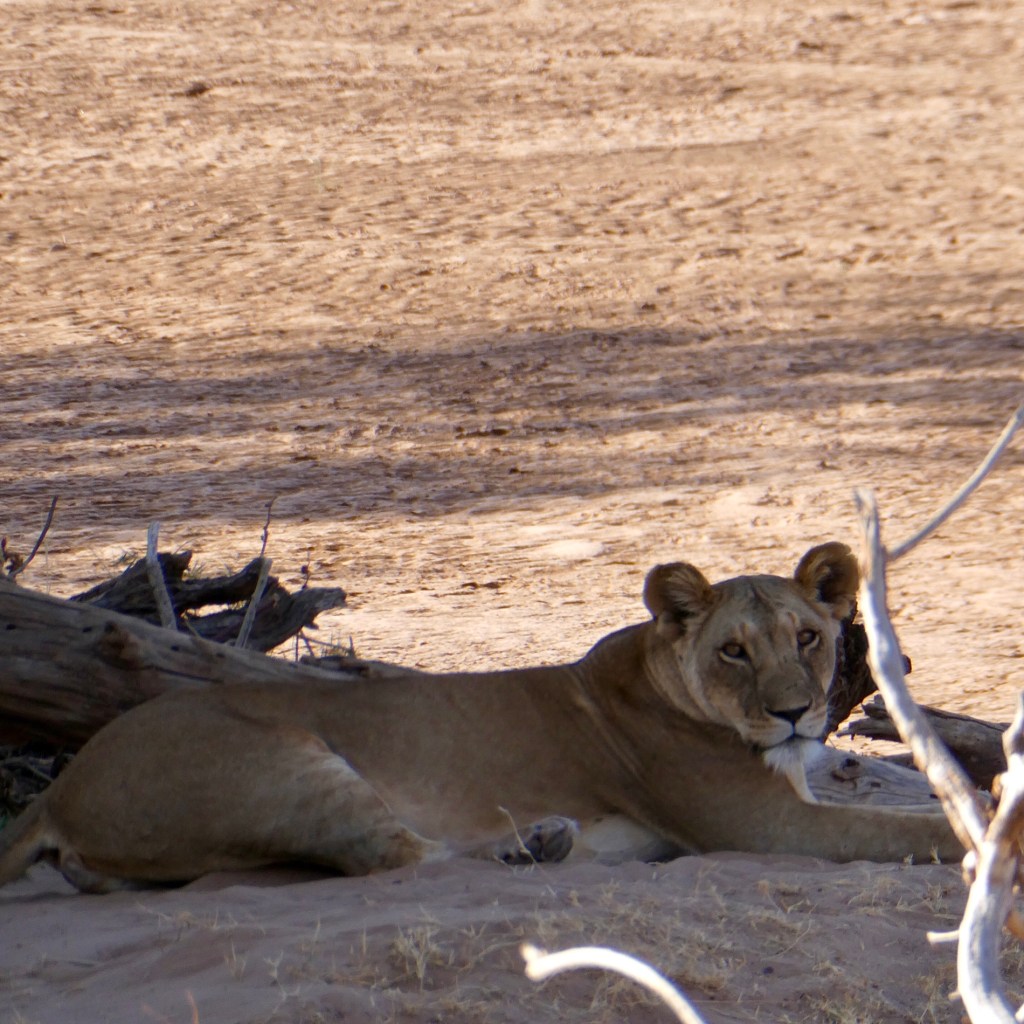
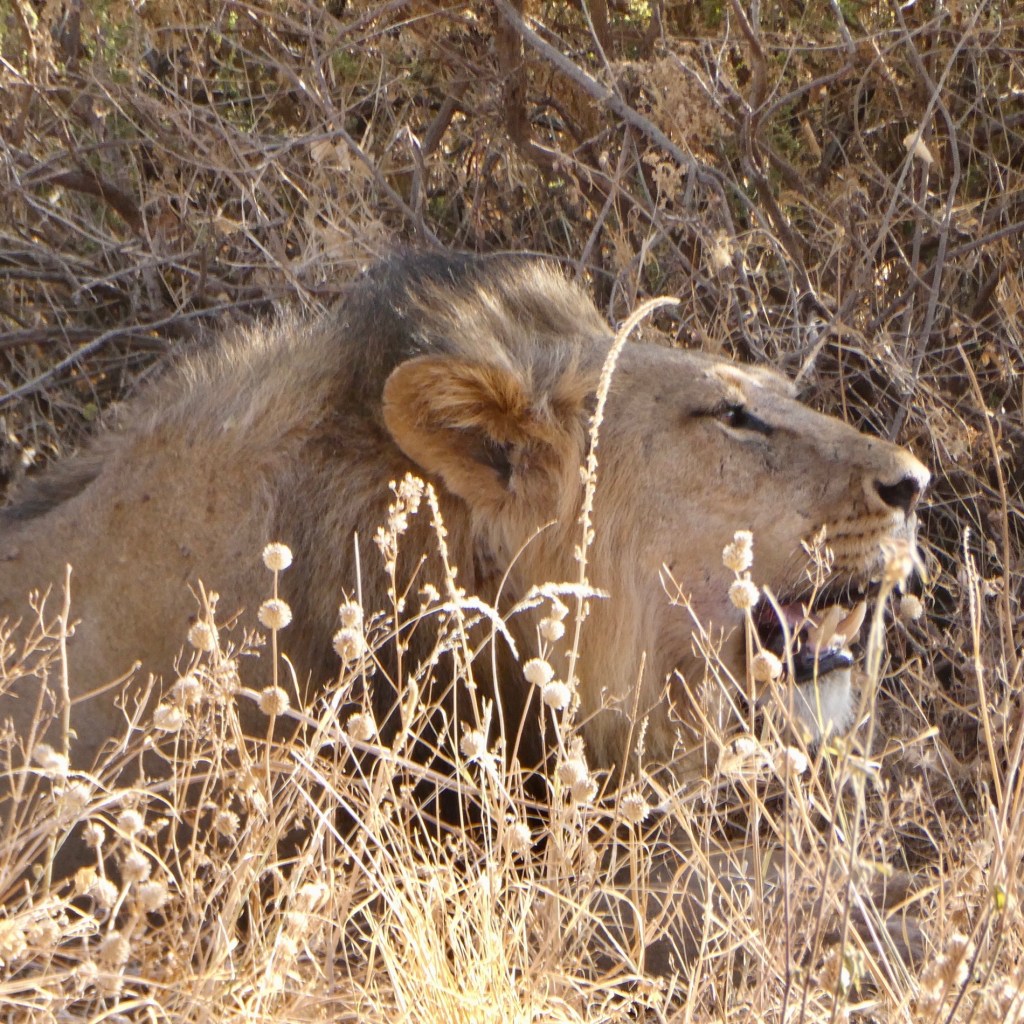
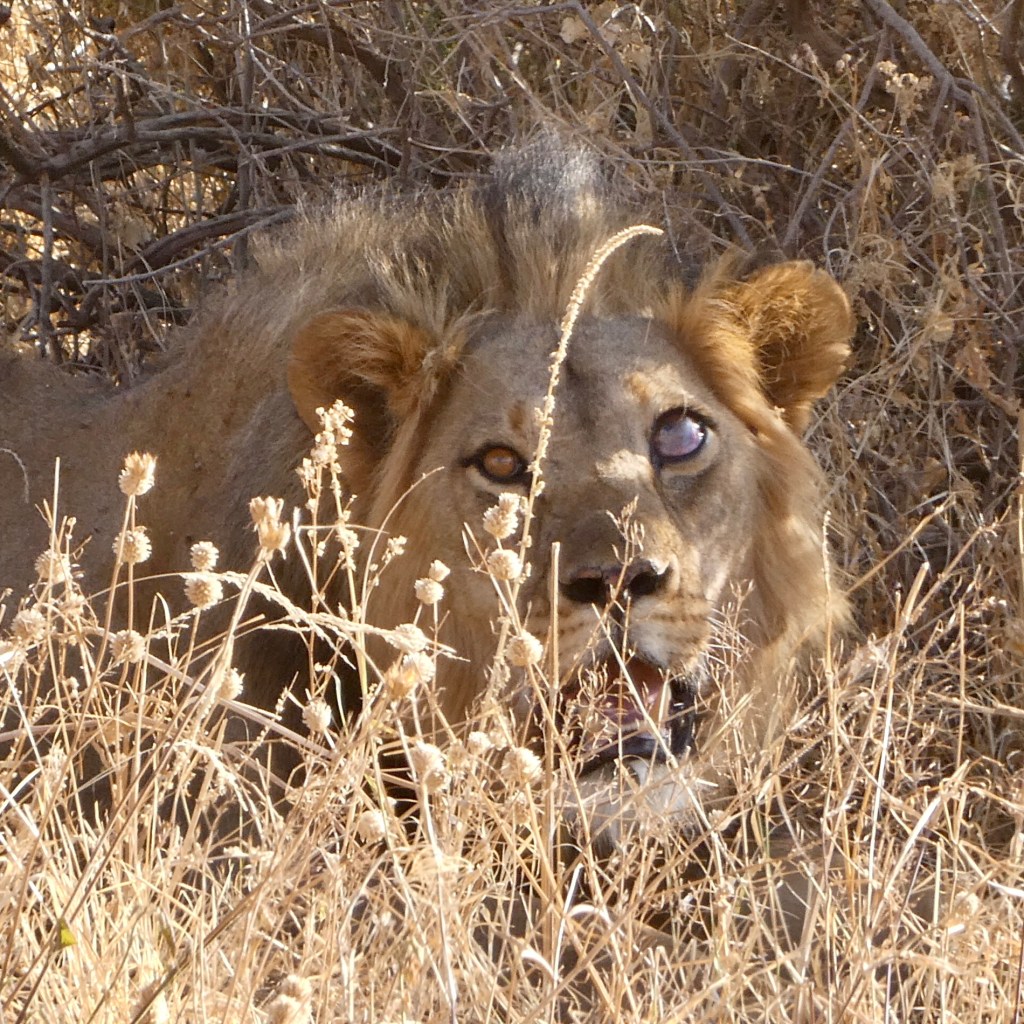
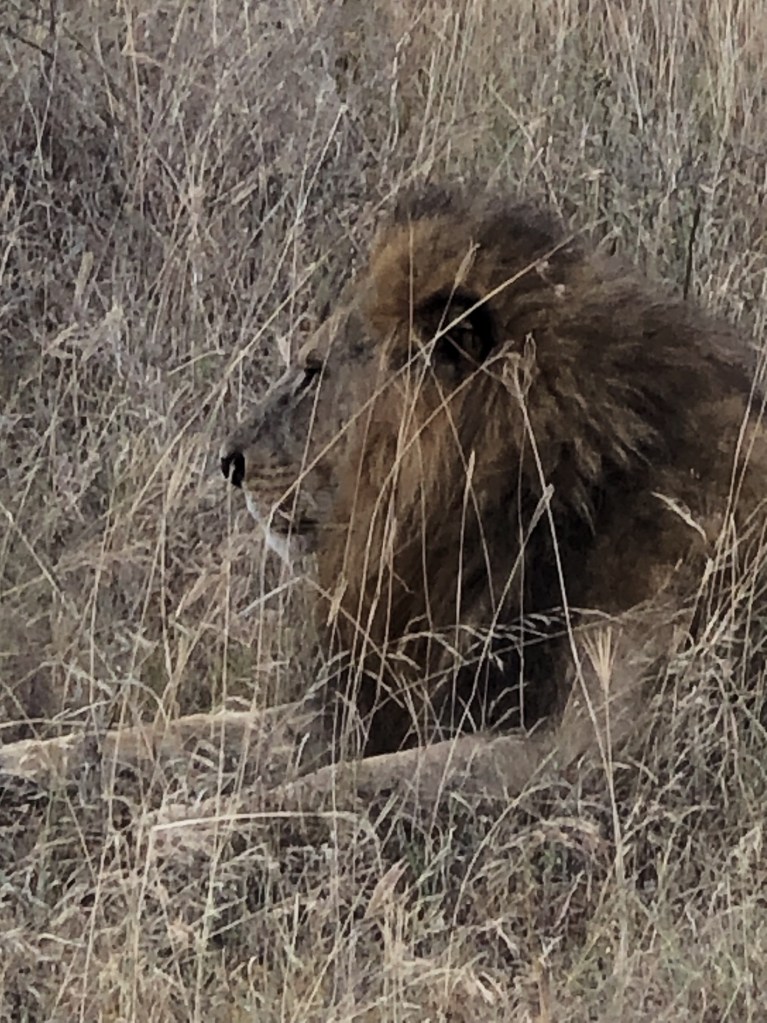
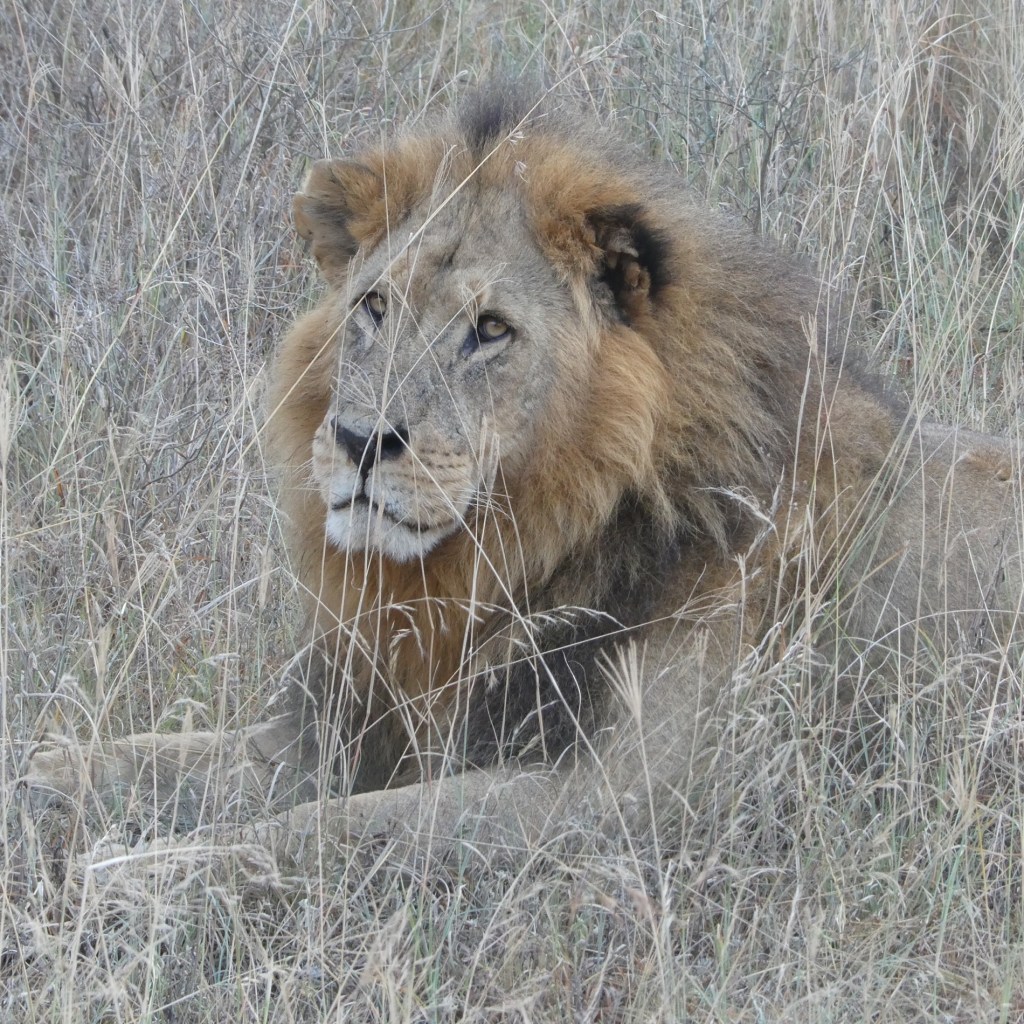
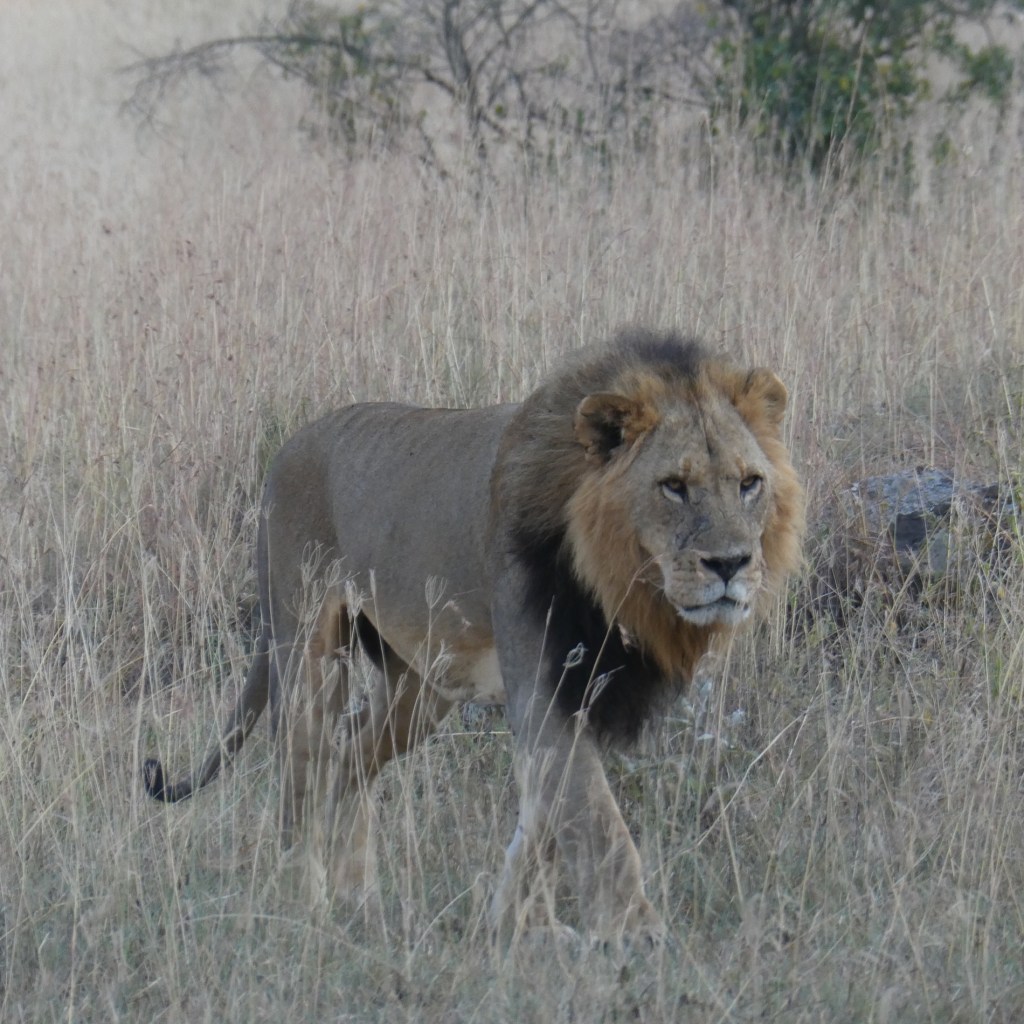
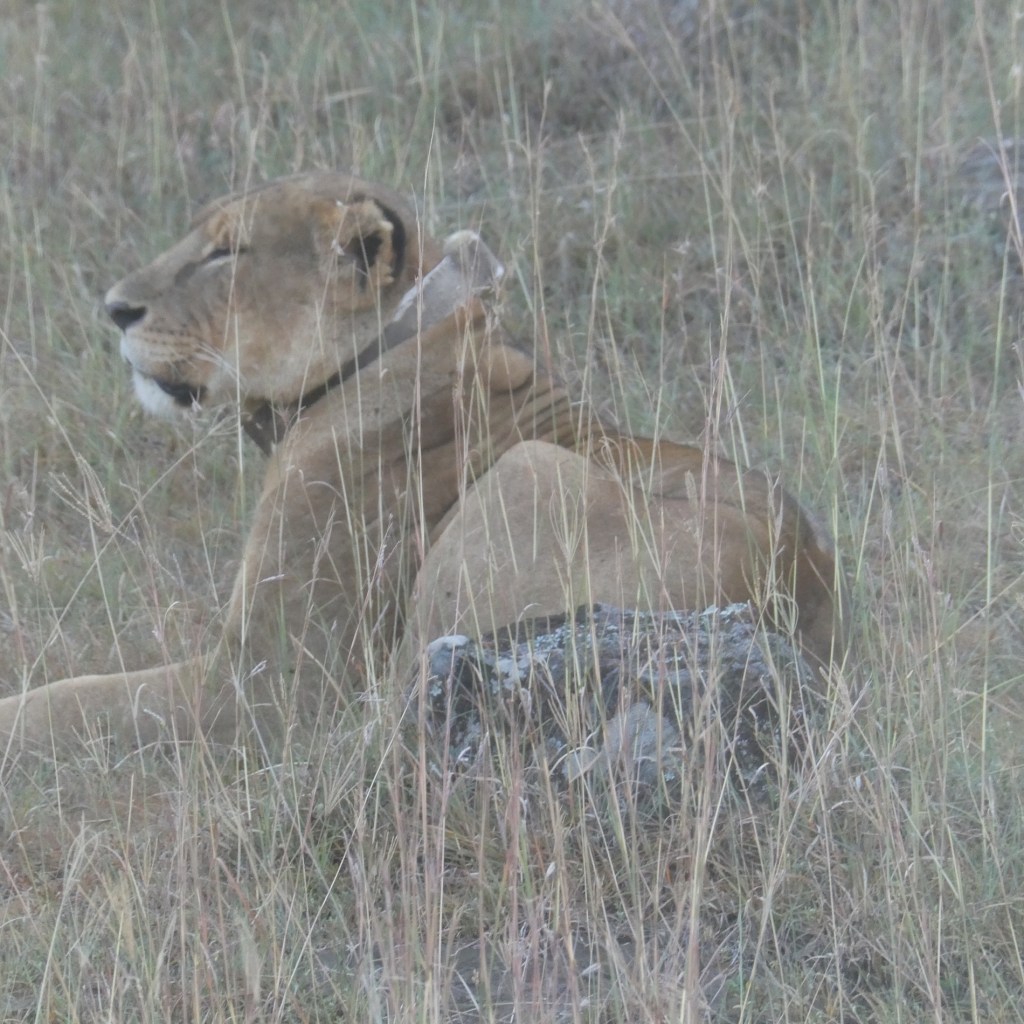
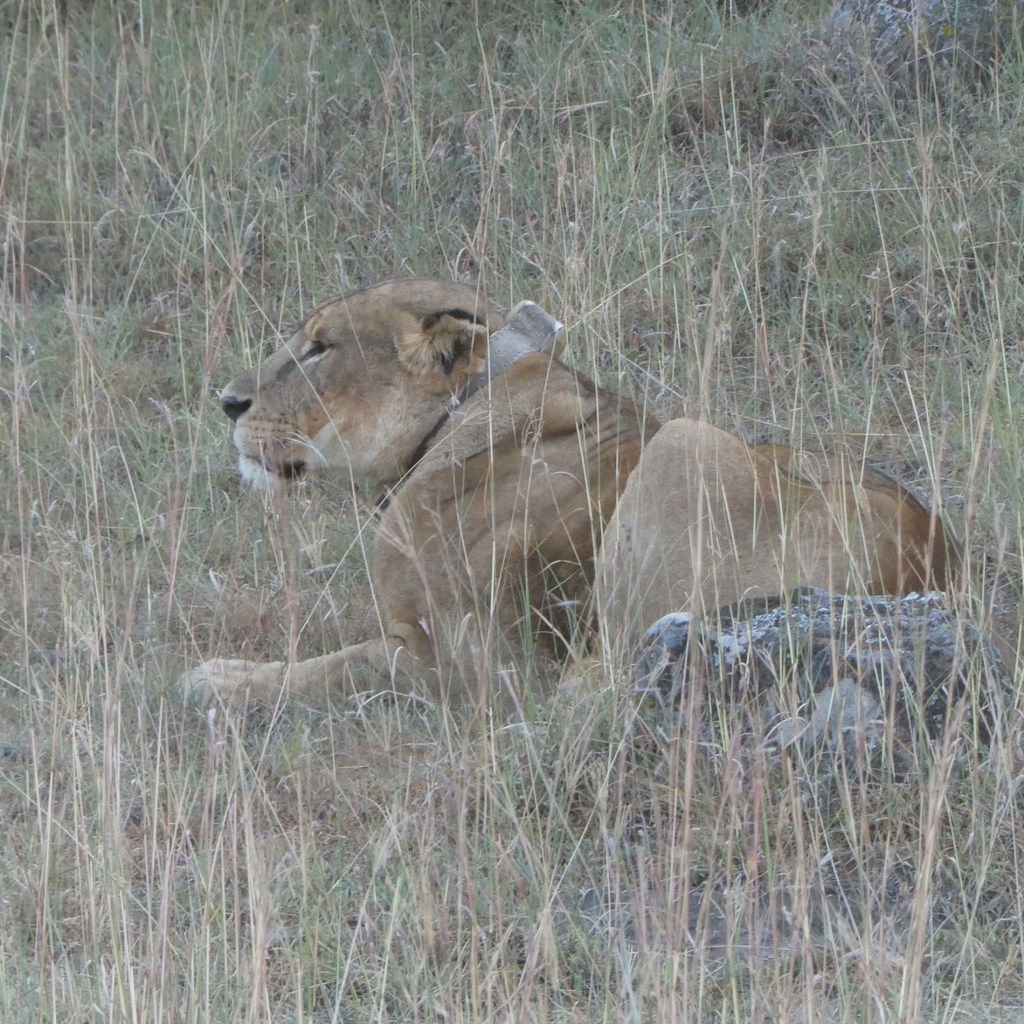
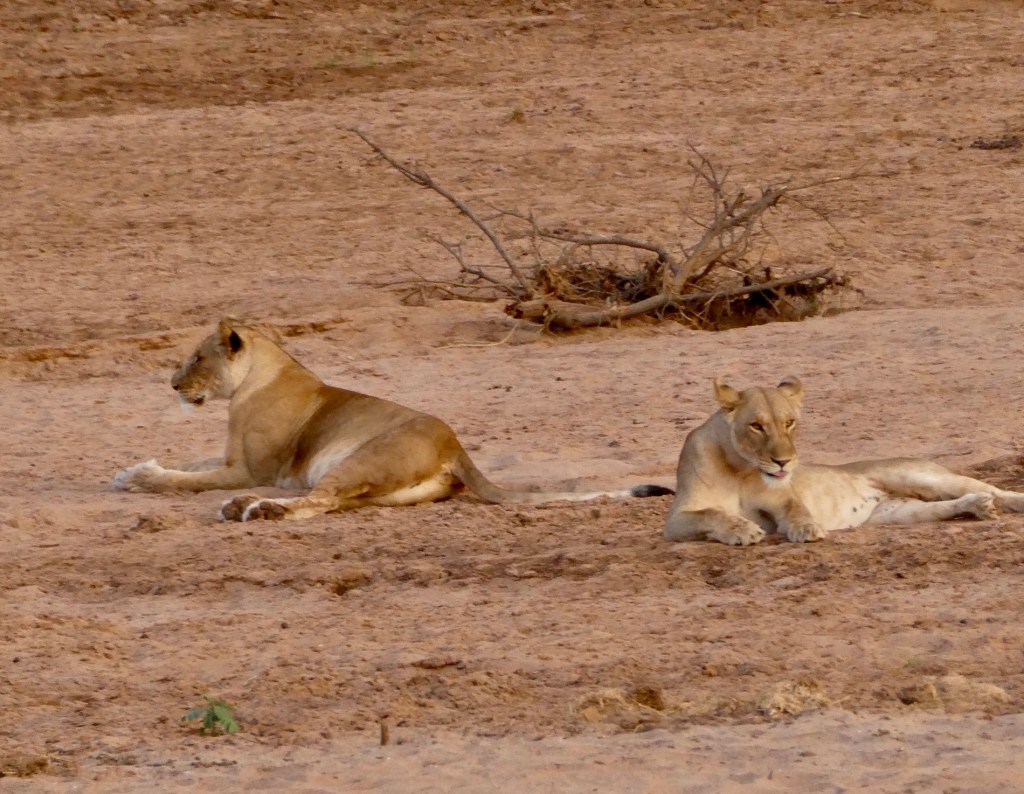
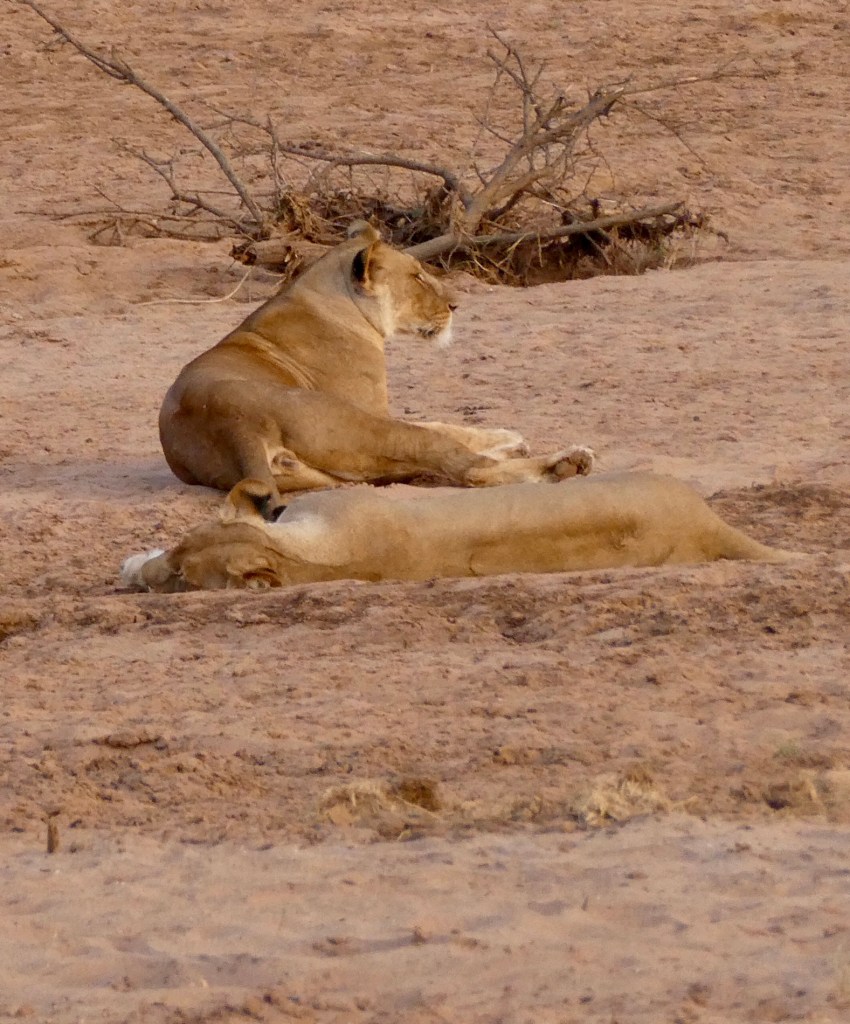
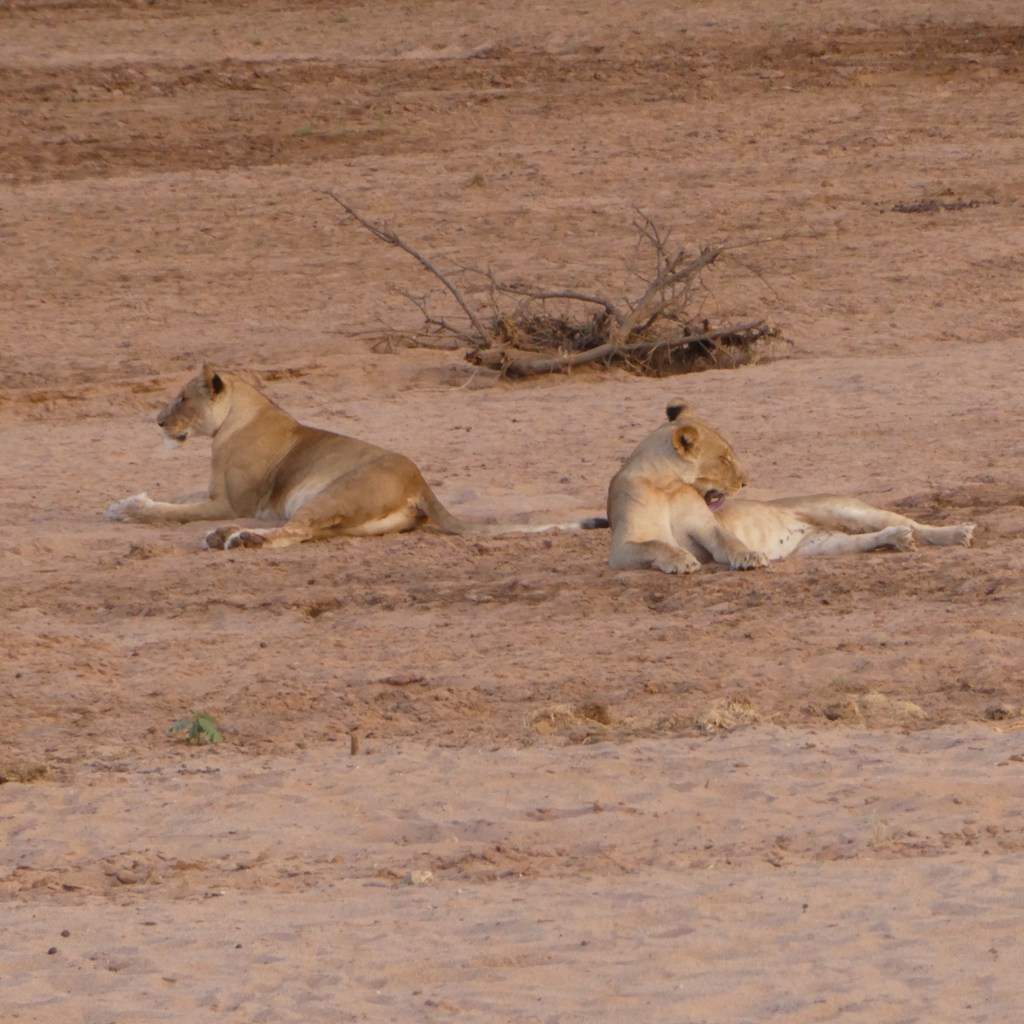
Female lions on the bank of the river…..later we saw 3 laying on the sand in the dry river. On the afternoon drive in the shade of a tree in the scorching heat, laid a male lion panting. You could see that he was blind in one eye. There was another not too far away but couldn’t see him very well.

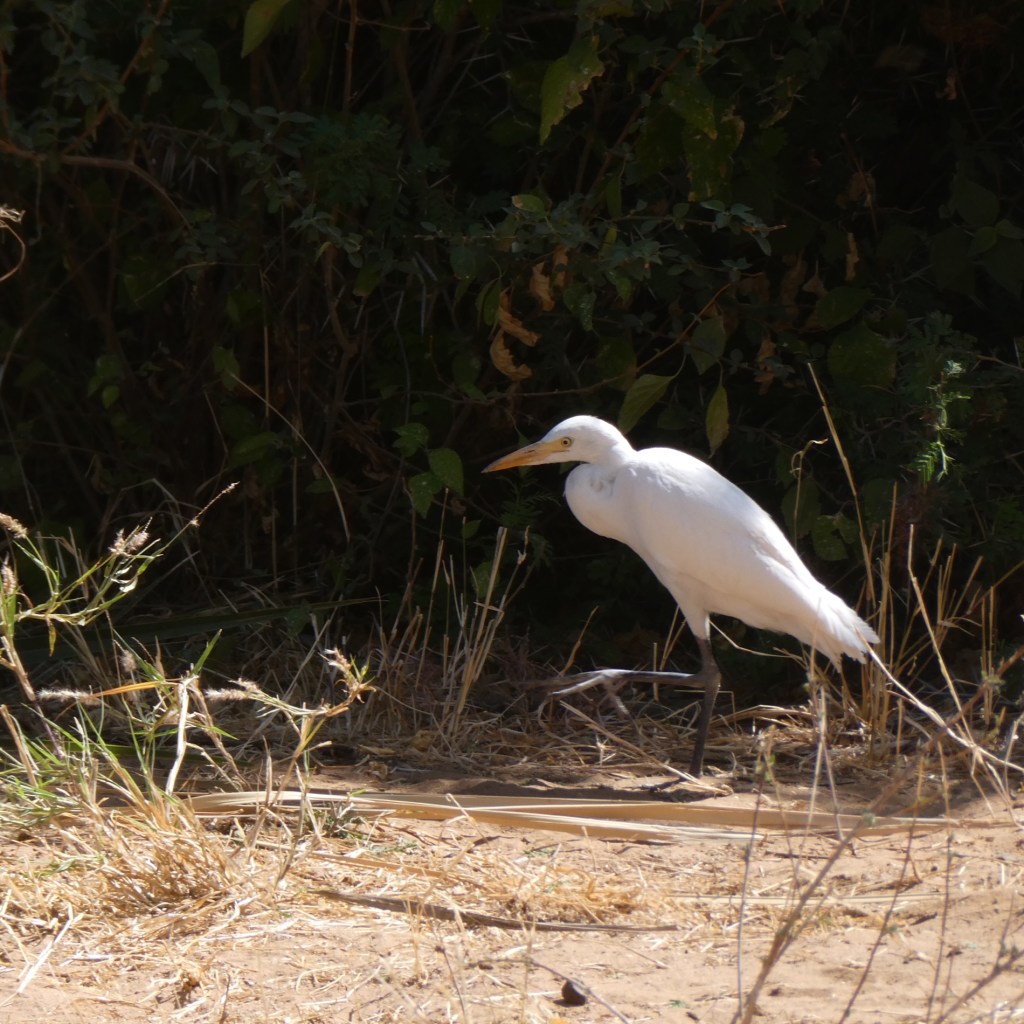
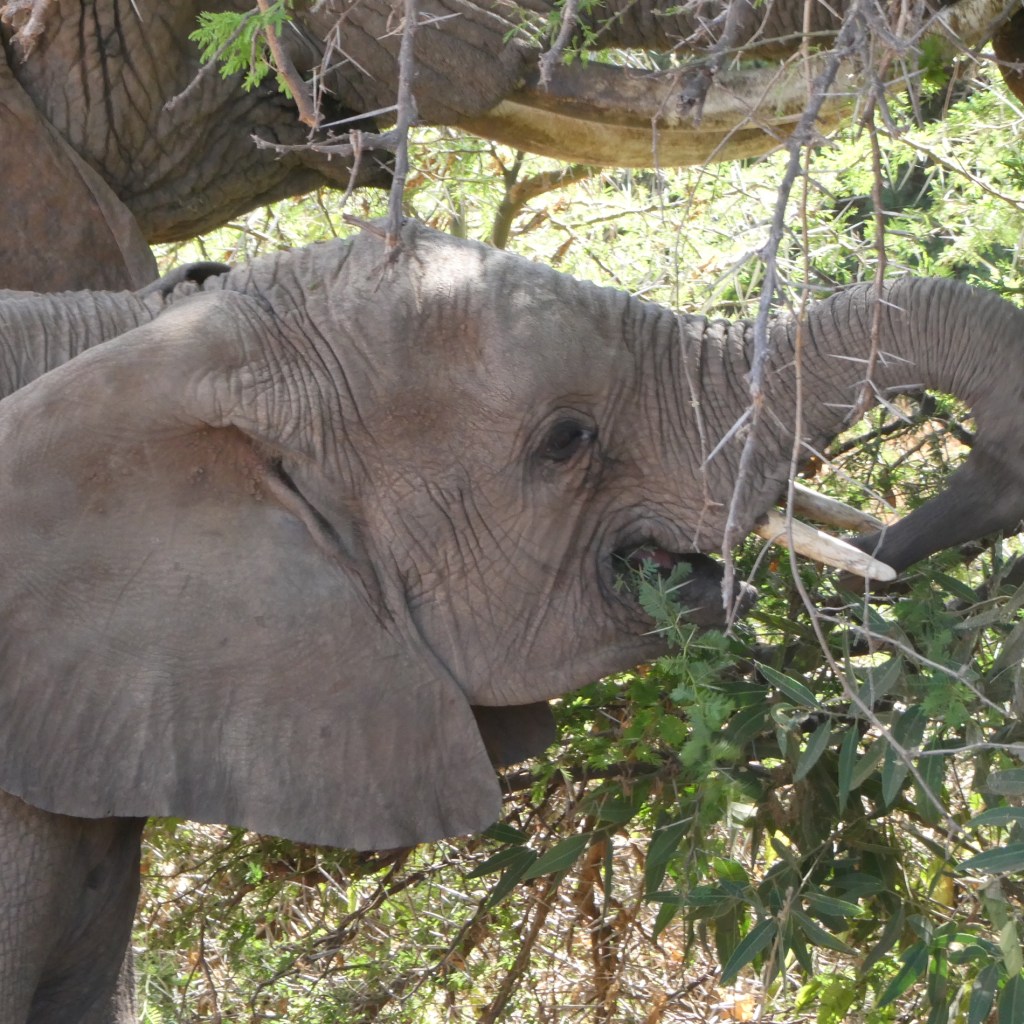
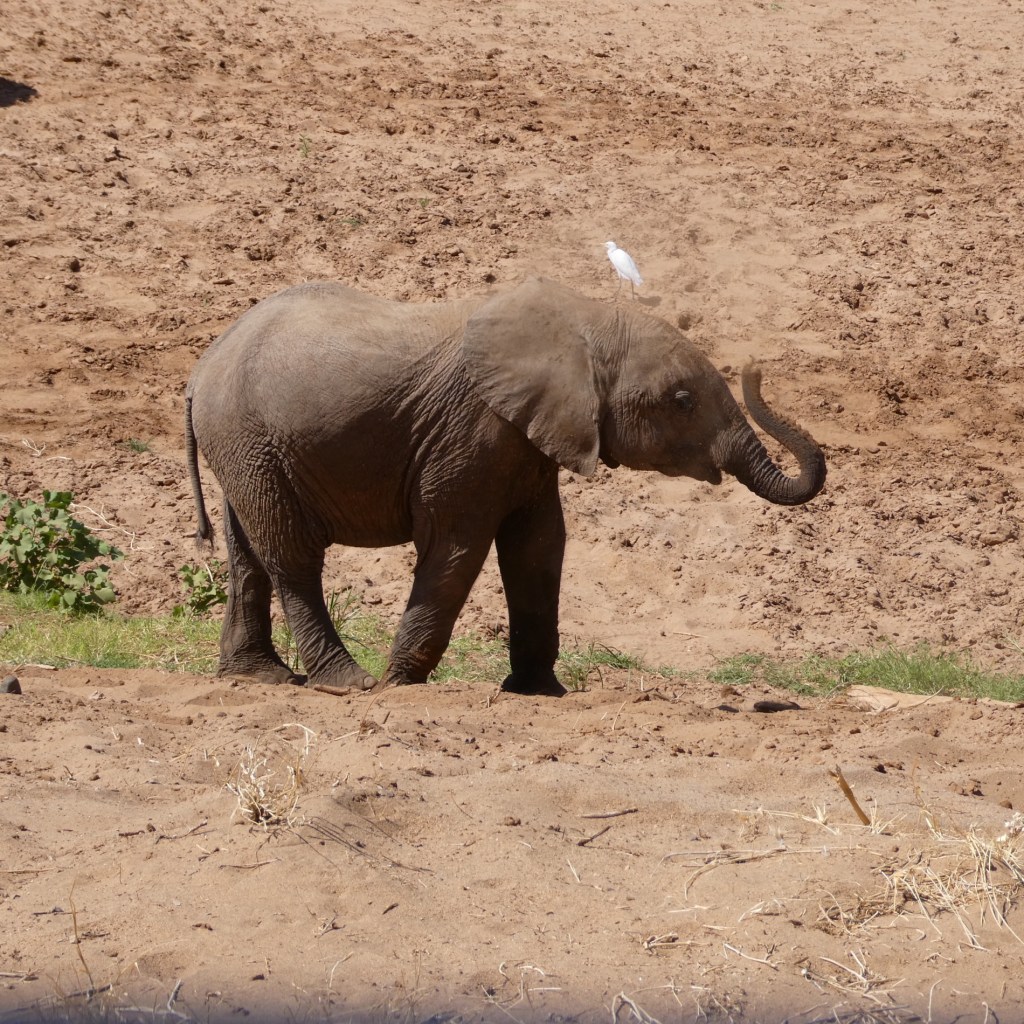
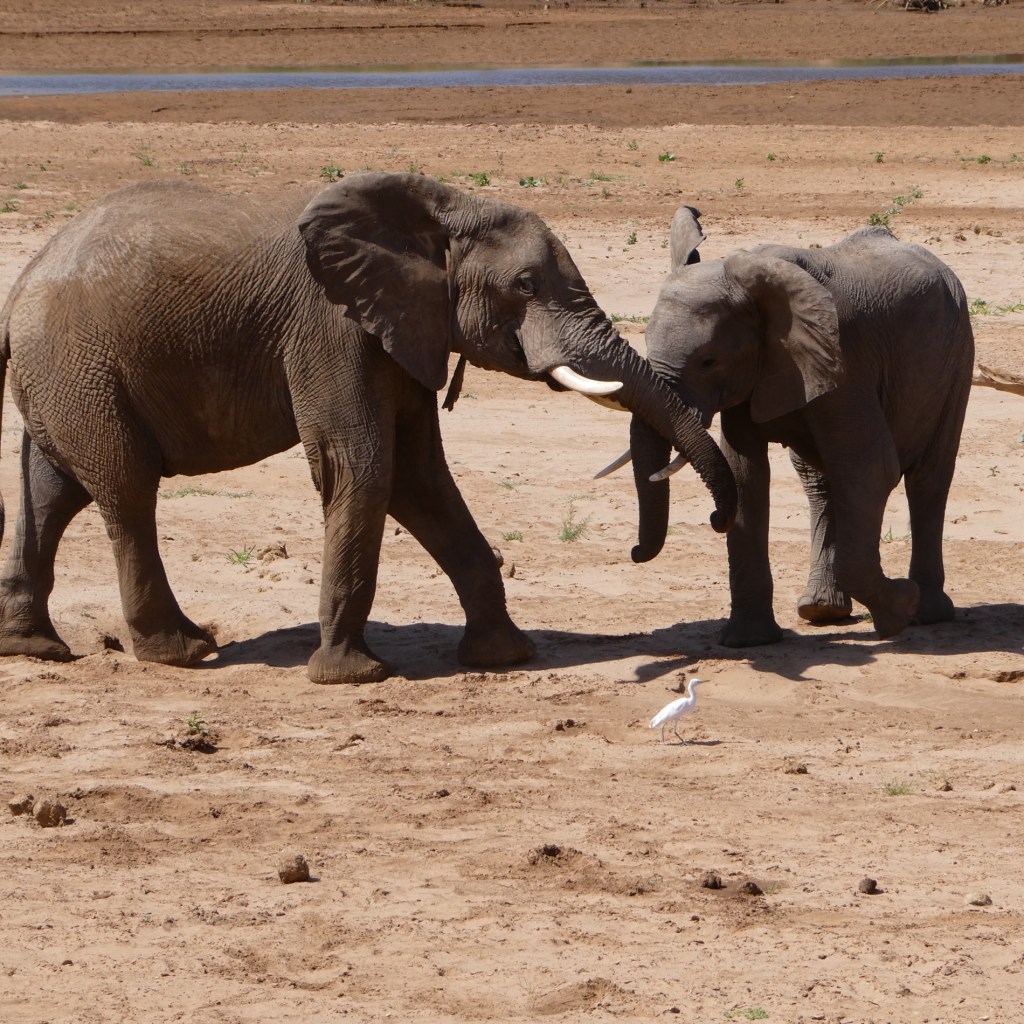
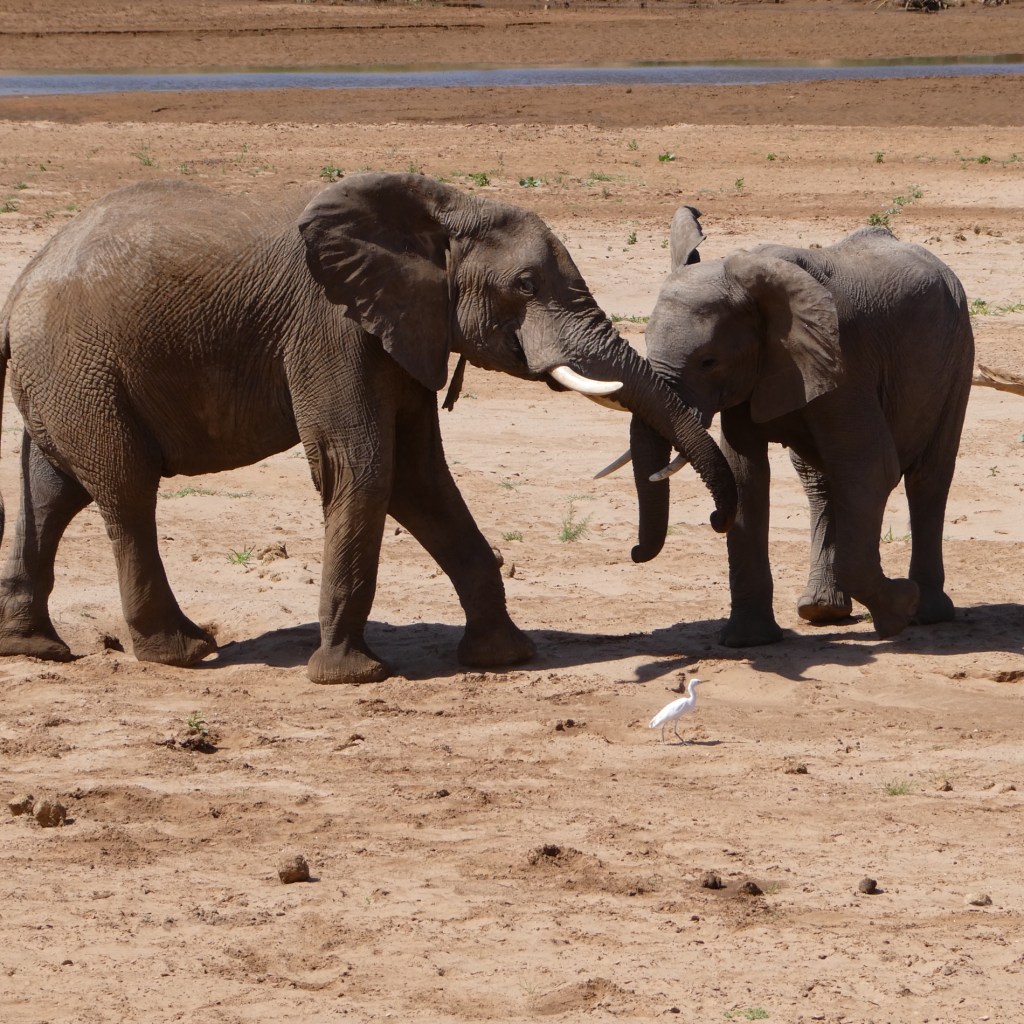
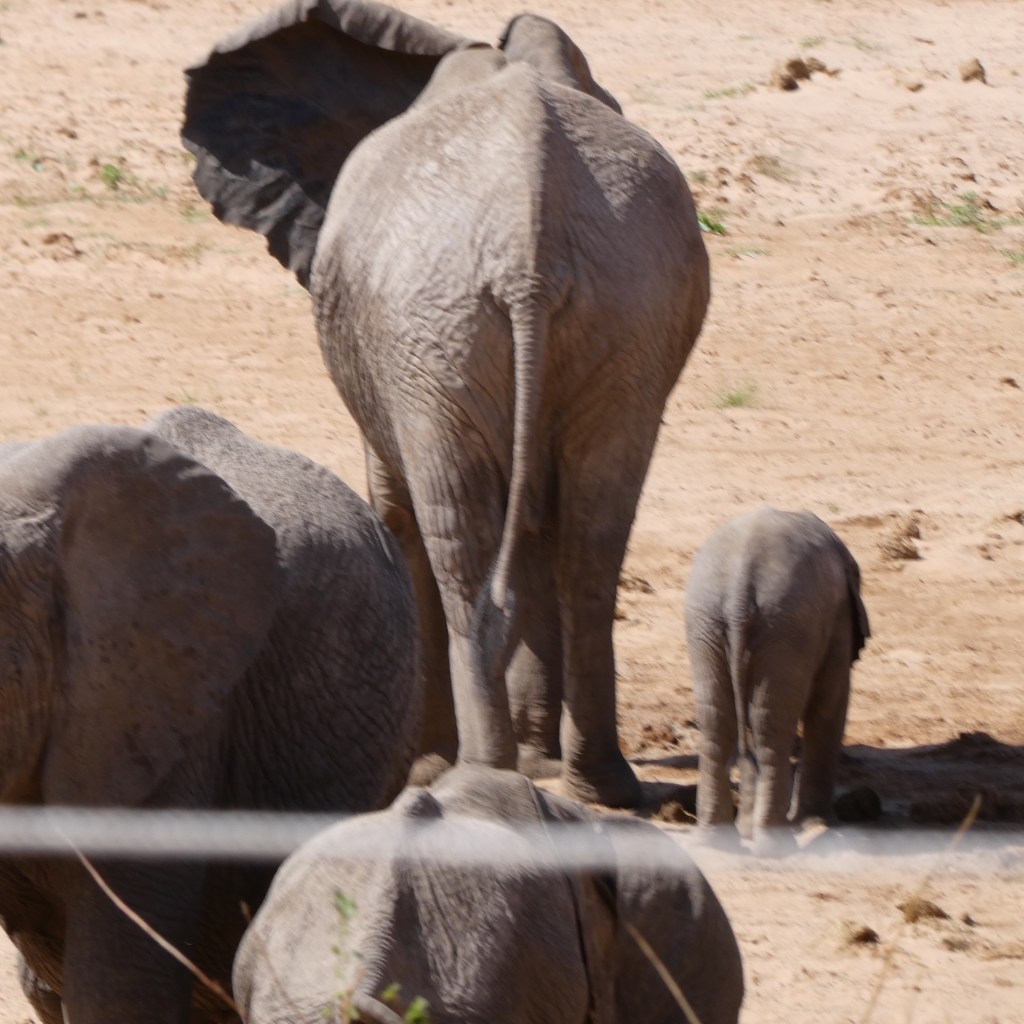
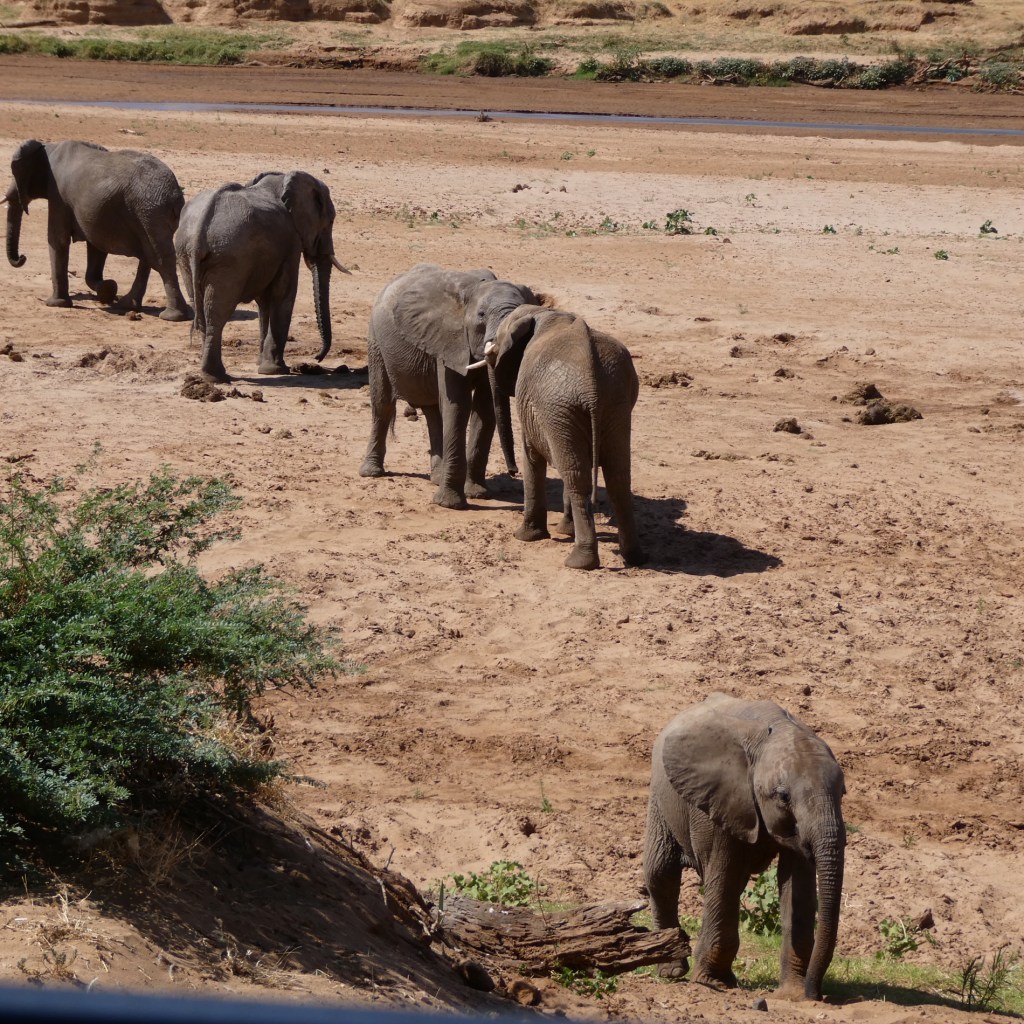
Lots of elephants… some digging for water in the very dry riverbeds. The cattle egrets follow the elephants because when the elephant lifts it’s hoof, there are flies that fly away. That’s what the egrets are after.

Giraffes have no noise cuz “by the time it is expended from their chest to mouth, the sound would have disappeared”… lol!

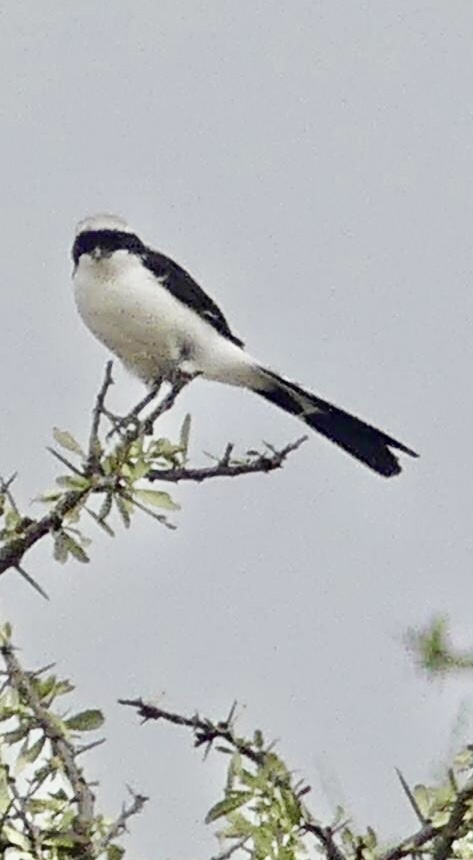
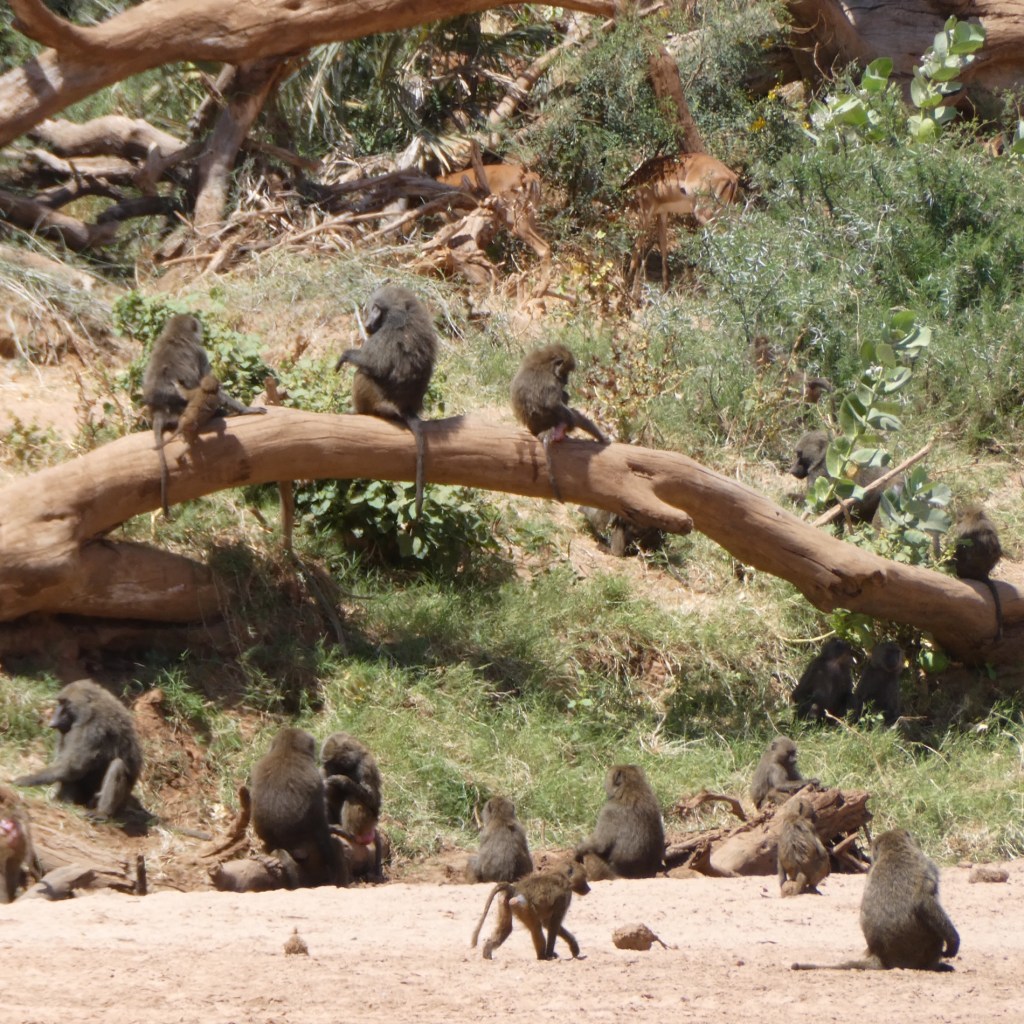
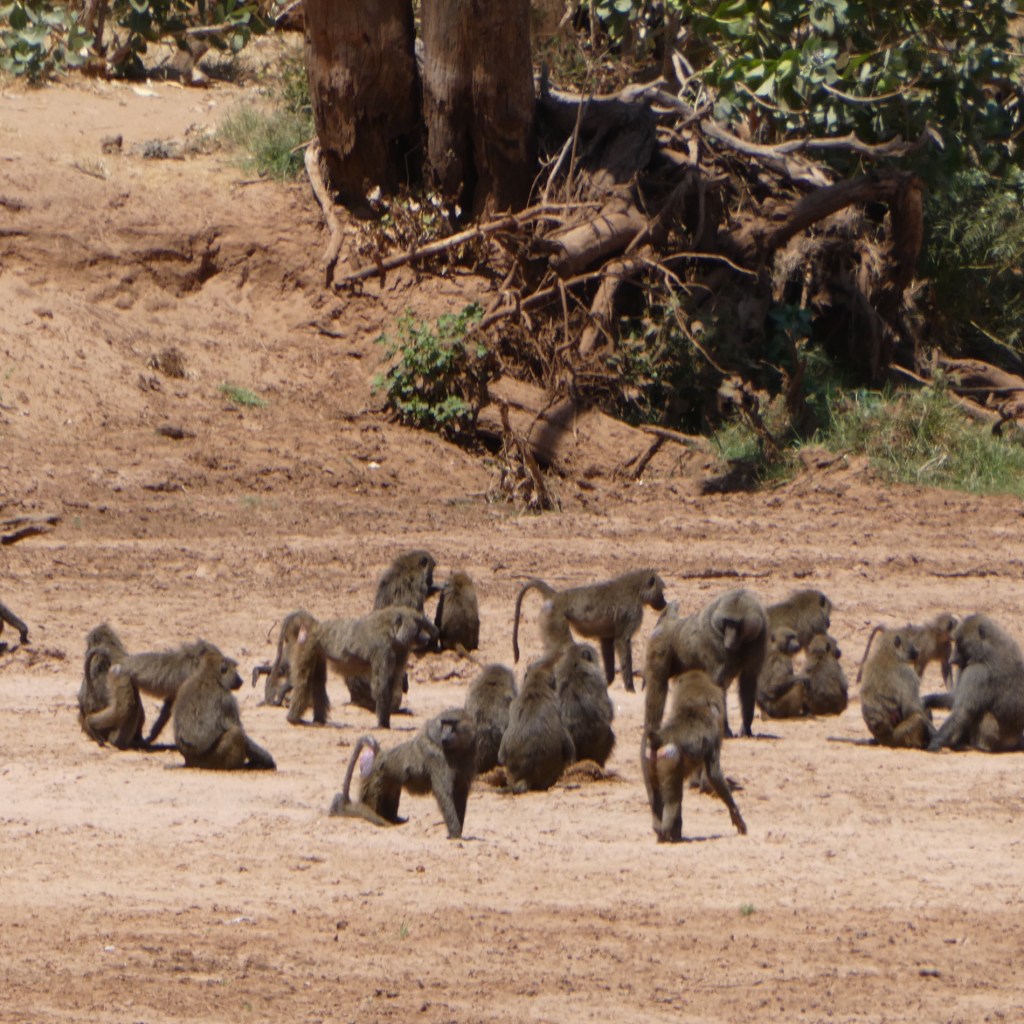
Olive baboon… only in Samburu. Gerenuk …. Giraffe gazelle- stand up on hind legs

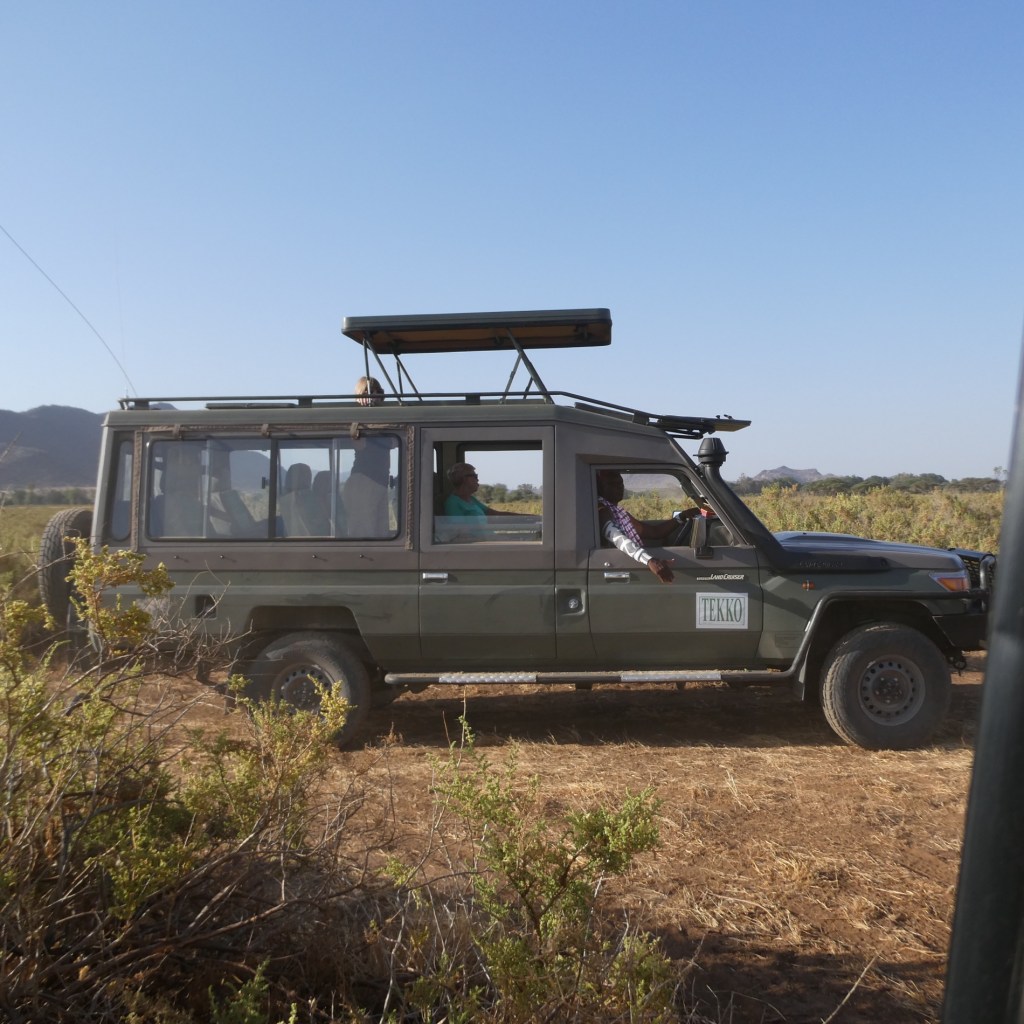
At one point there must have been 20 safari vehicles chasing an elusive leopard across the Savannah. One person had seen it jump down from a tree and then the search was on racing here there and everywhere. It was reminiscent of a sports game…..”he’s got the puck, down the ice he races, he shoots, ooooh….he misses”.

We asked about what the law was around gun ownership. Strictly controlled. No one is allowed to own just because.

We have wifi right at this moment but I’m having a lot of difficulty downloading pictures to this phone. I may send less at a time.

Sept 2/23 ….Safaris here we come

Up at 5:30. How to shower in scolding hot water? We were barely able to stand it. Then it’s down for breakfast for 6:30. We are supposed to leave at seven but we’re actually on the road at 7:15. Pretty good I’d say.

There 6 million people in Nairobi… huge! Part of the reason there as many people as there are is that there are lots of migrants that come from the villages because they don’t have employment at their home villages. They come in search of work. They come into the city and then compete with the locals. The locals that have been educated and professions can’t find work in their fields, work at the menial jobs the the migrants work at, for a lower pay… just to survive. There are lots of pop-up “car washes” with just a bucket and hose, along the the highway. Anyway to make a buck.

We noticed many trees along the highways. John says that they are eucalyptus …..used for power poles. They are absolute poker straight. If somebody has a large piece of property they will grow them as a way of making money. The problem with growing eucalyptus is they will suck any moisture there is out of soil. They need lots of water. Some village chiefs will say “no” to growing them at all cuz they will deplete the water supply.

As we get further out of Nairobi you see vegetable stands, nursery plants. A little further they are sell charcoal for cooking.

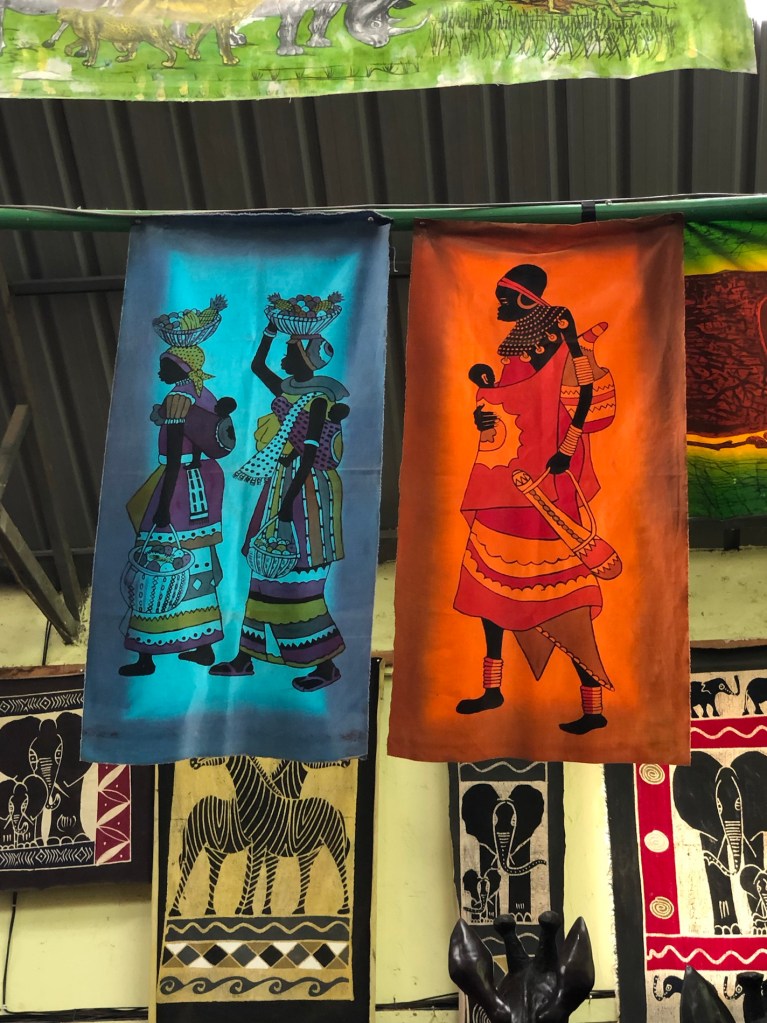
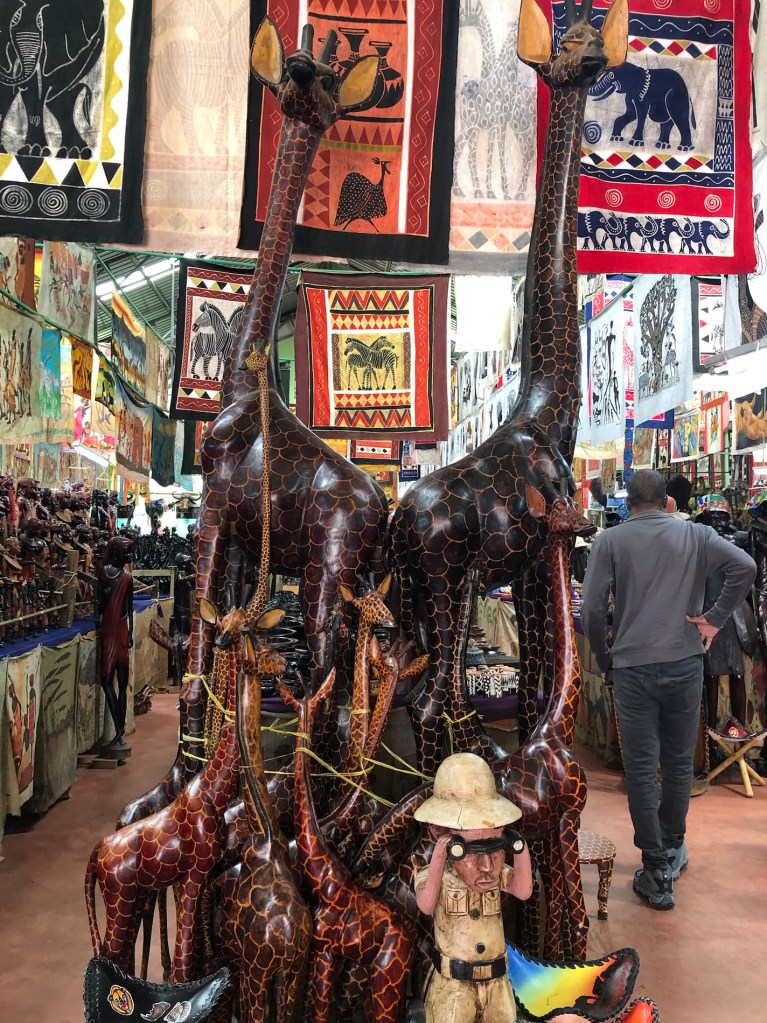
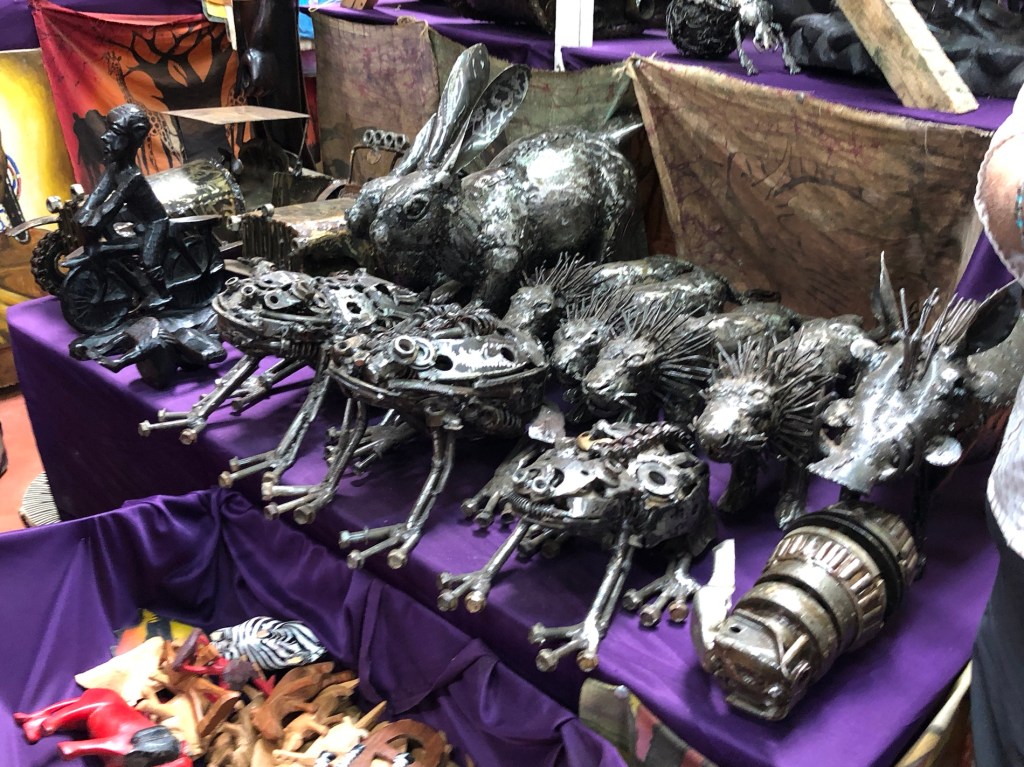
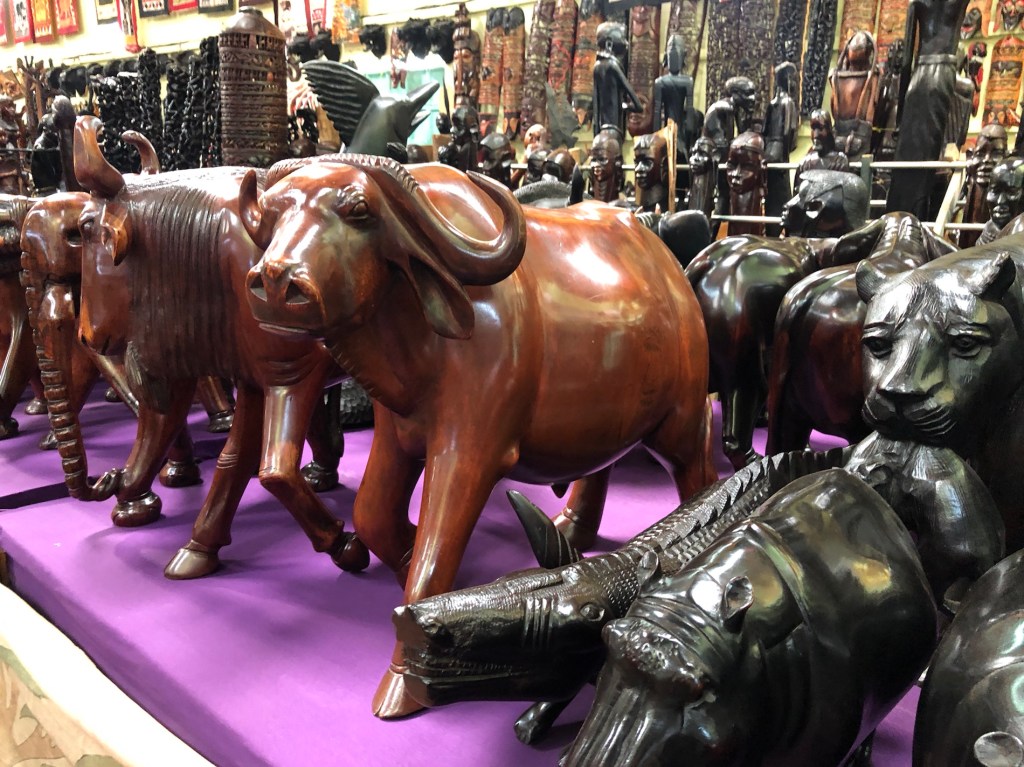
At several rest stops where they had art co-ops …..unbelievably beautiful carvings of all different mediums stone, ebony, teak….you name it.

At one point we passed by Mt. Kenya (5199 metres) but unfortunately it was shrouded in clouds. The further we travel, the warmer and dryer it gets. Hydro power it the source of electricity here in Kenya. We stop near the equator (at Nanyuki) for snacks and drinks …..enough for next 2 days.

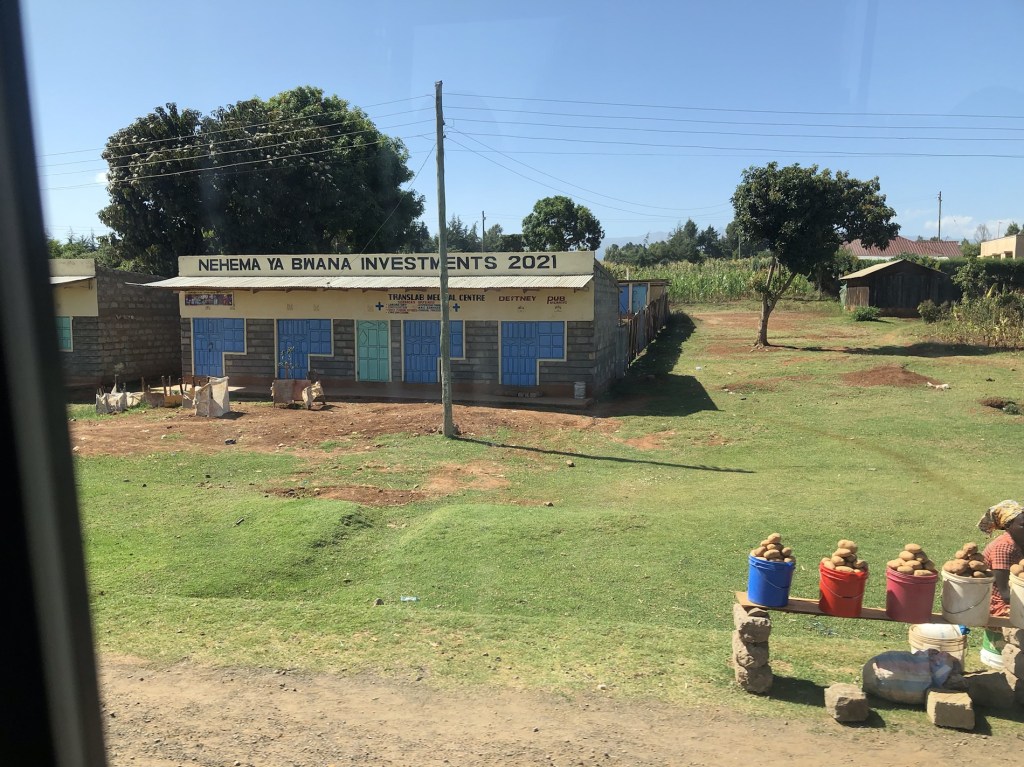
Potatoes being sold along the road. Huge number of massive greenhouses used for growing flowers for export. Lots of sheep and goats grazing along the road.

Huge wheat fields like in Canada.

At one point our driver pulled over…. Said he had to “check the pressure”. What he and our CEO (guide) wanted to do was take a pee…… good one, lol!

In Isiolo there was a medical college, airport, huge outdoor market. Gas is cheaper here… about 1.82/L. In Nairobi I think it was 1.97. Still very expensive I would say for here. There is also a school of military engineering.

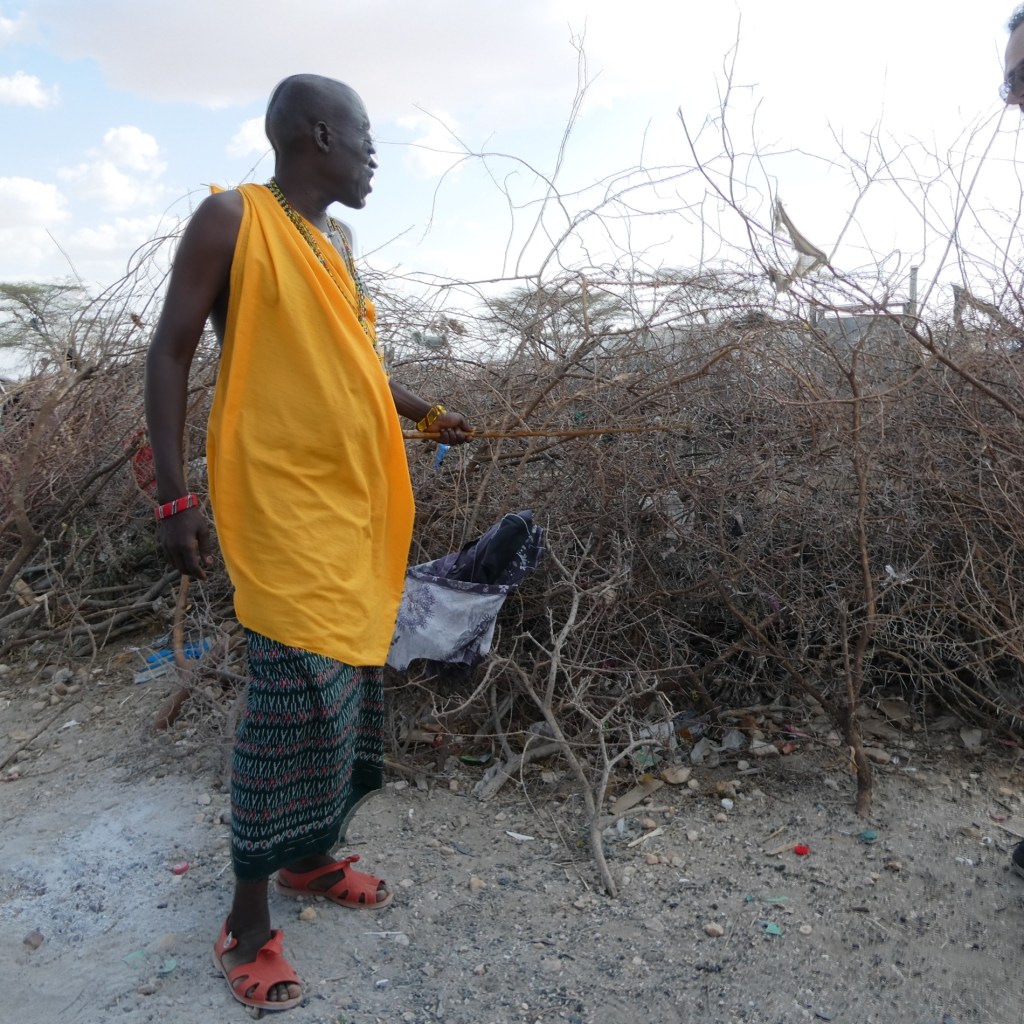
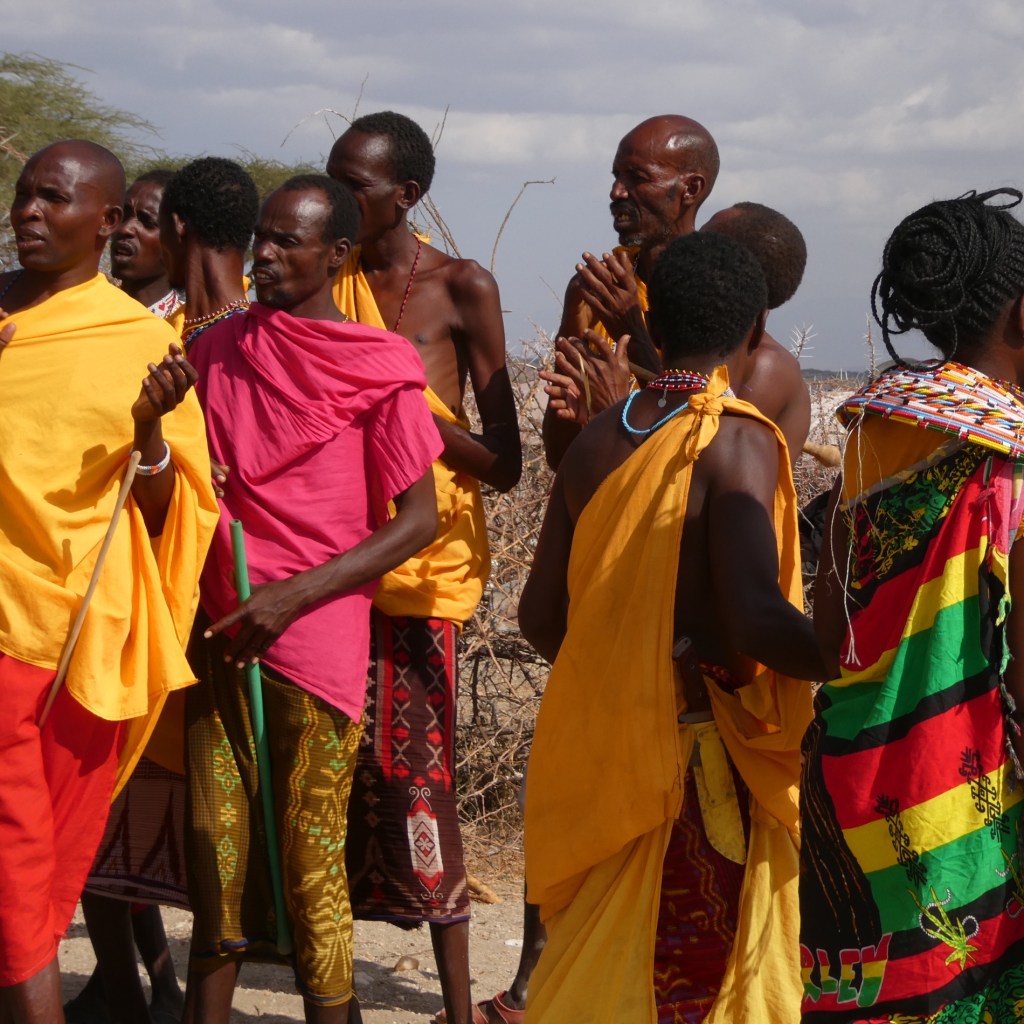
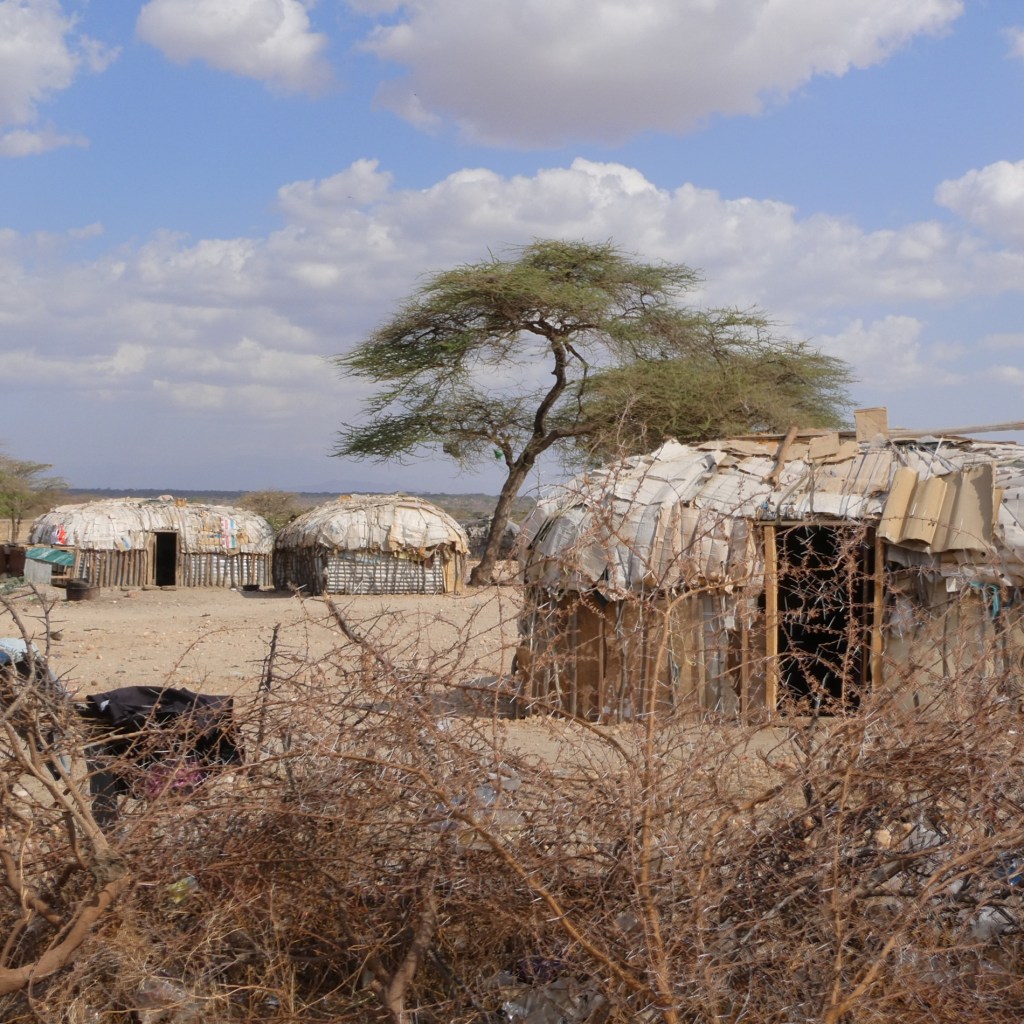
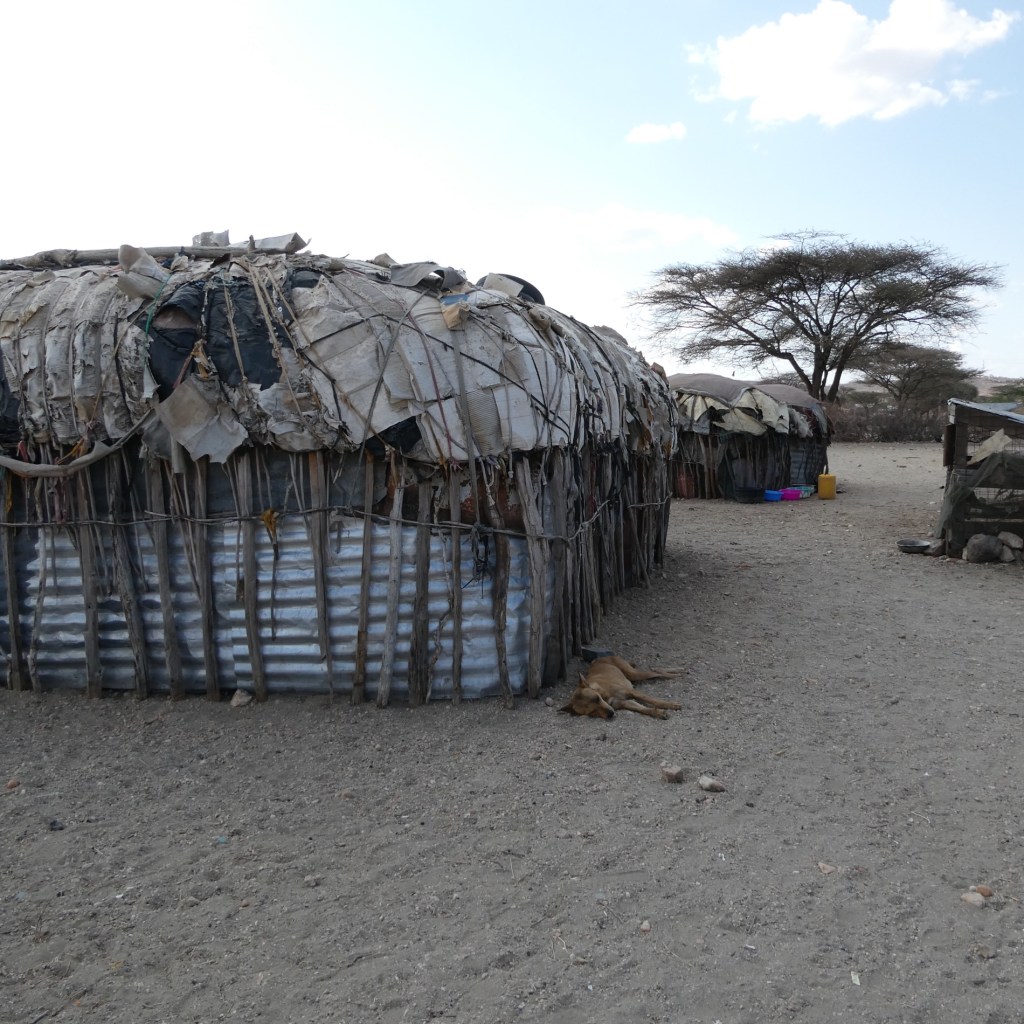
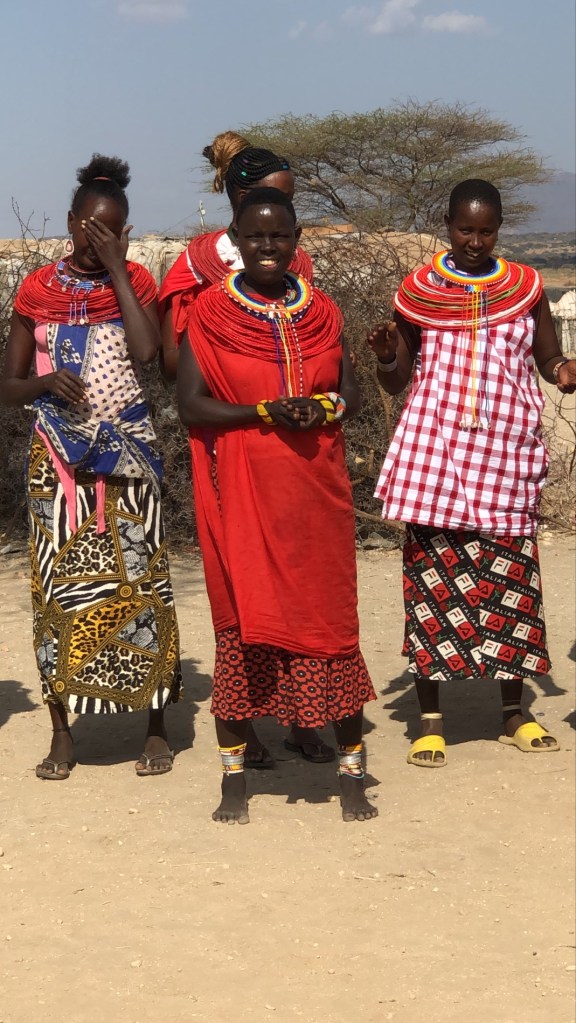
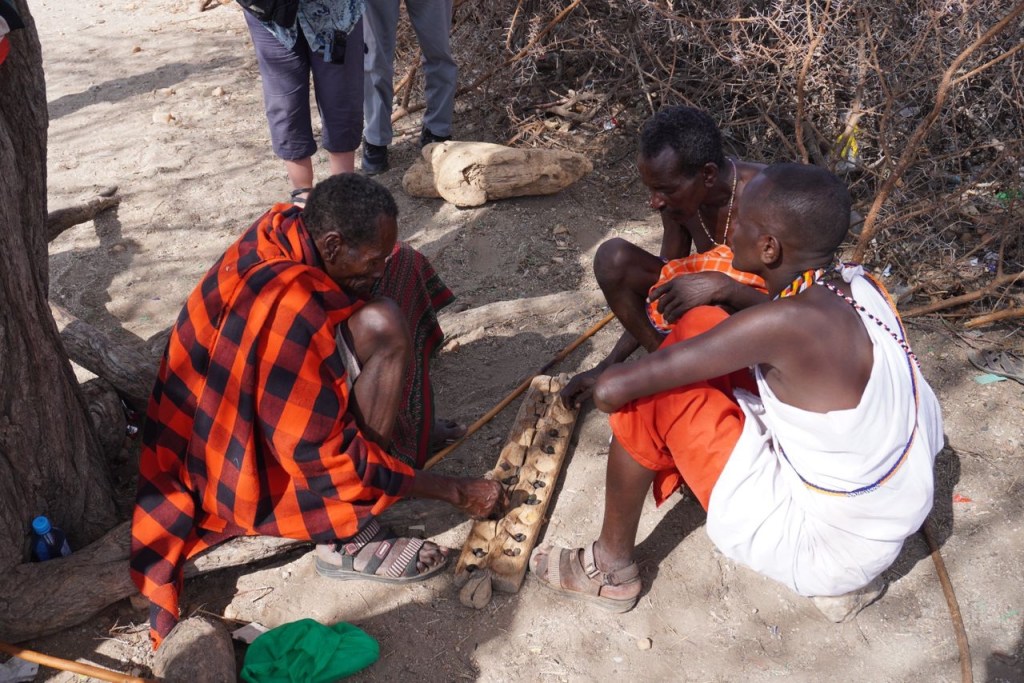
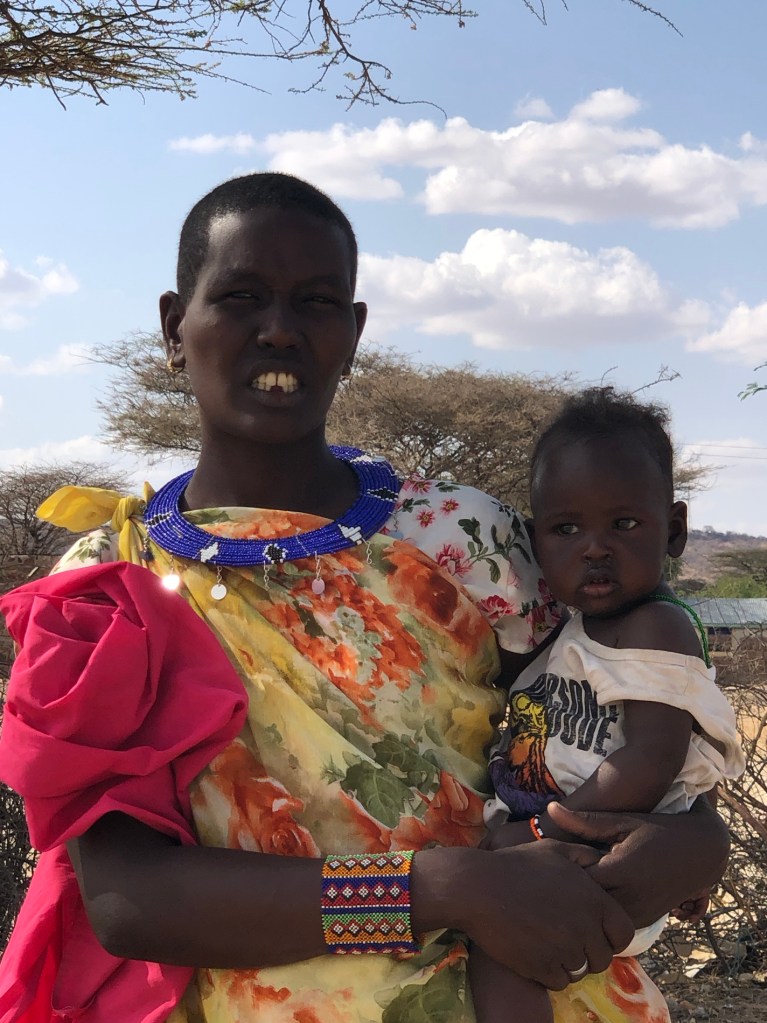
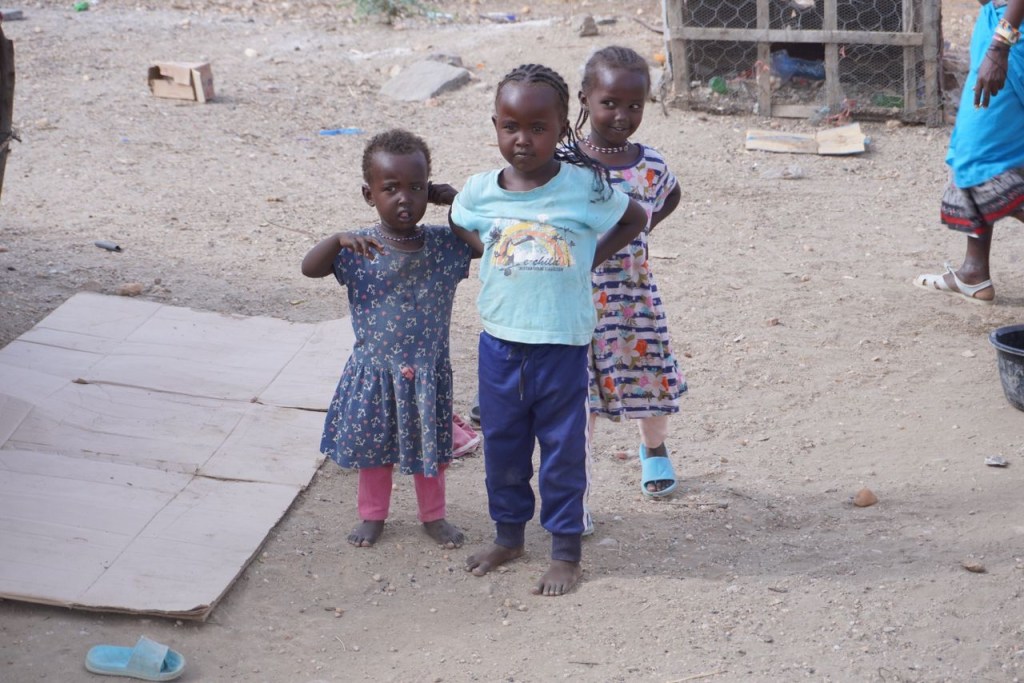
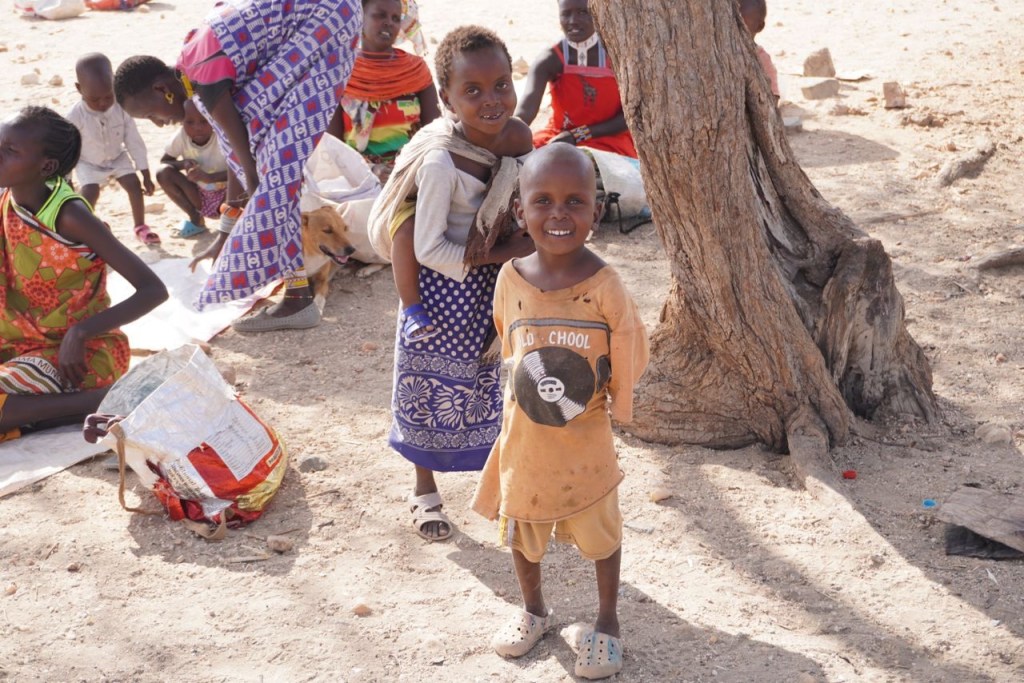
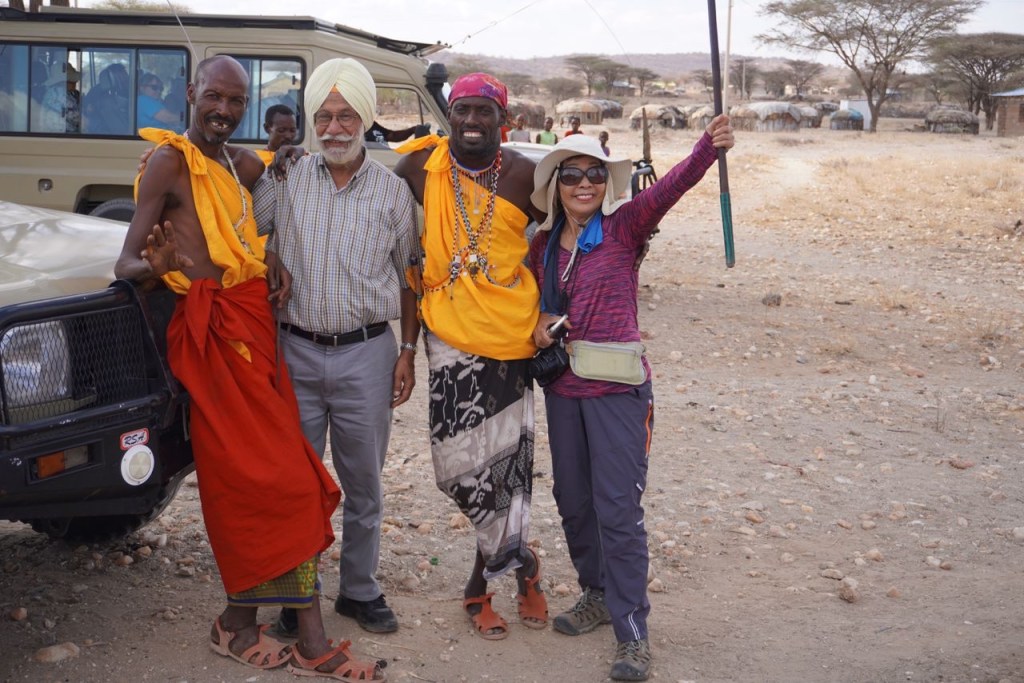
We stopped at a “Samburu” tribal village. The Samburu are nomads. They live on the blood that they milk from the animals mixed with milk from their animals and meat (no camel blood or donkey).

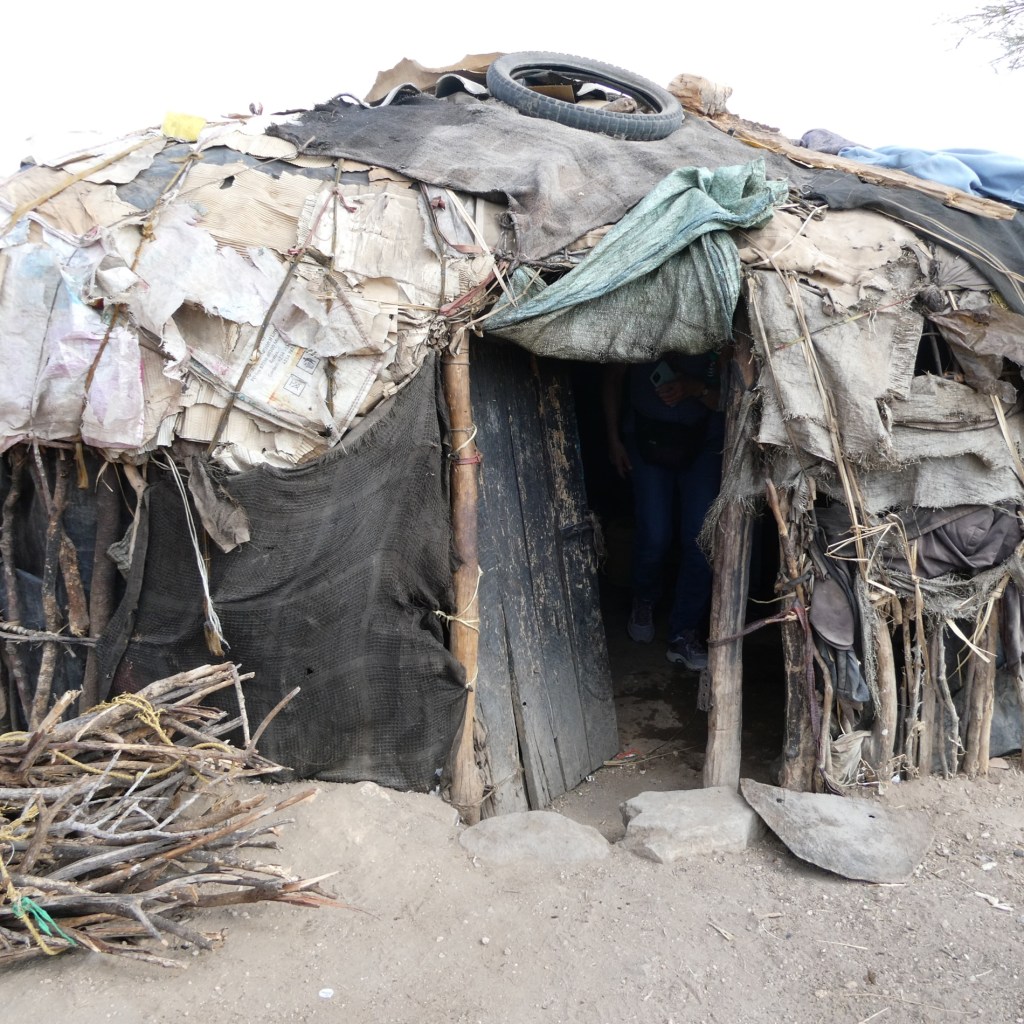
Usually they spend only 2 years in one place but they have been here for 6 year cuz there is a school nearby. The women “build” the homes, the men use the spear and knife to protect the village and their animals. Some leave the village for other work.

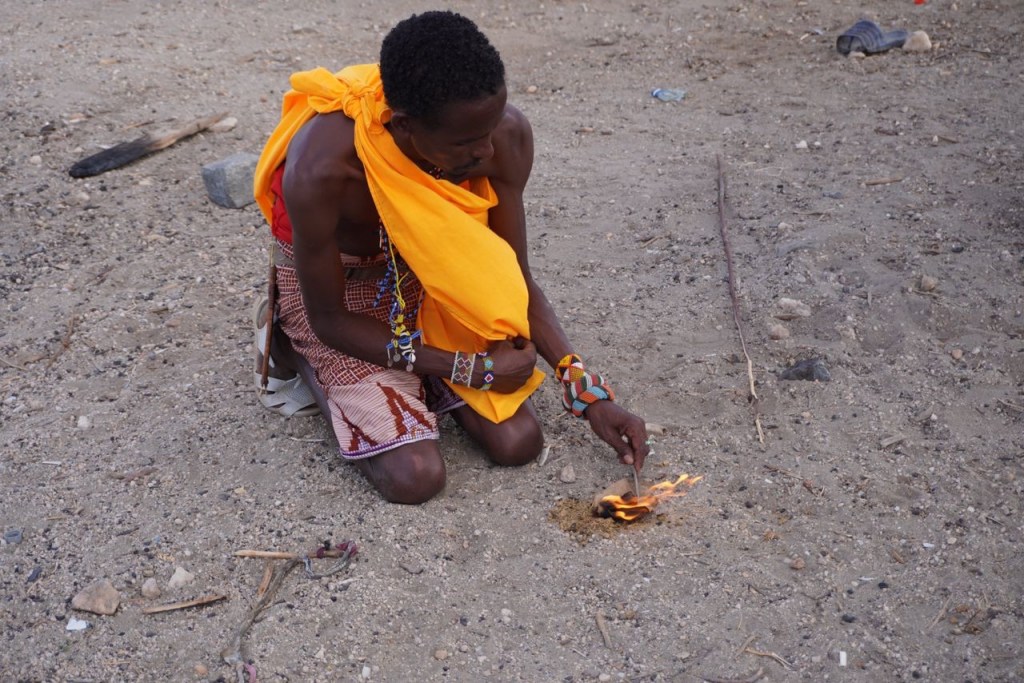
They have now been 6-8 months without rain. There are about 250 in village…..most don’t speak English. Only men are allowed to light fires. The women can then use that single fire to start their own to cook, etc.

the village is very close by, from where we enter the Samburu national park. It’s late but do an afternoon safari drive.

We see:-

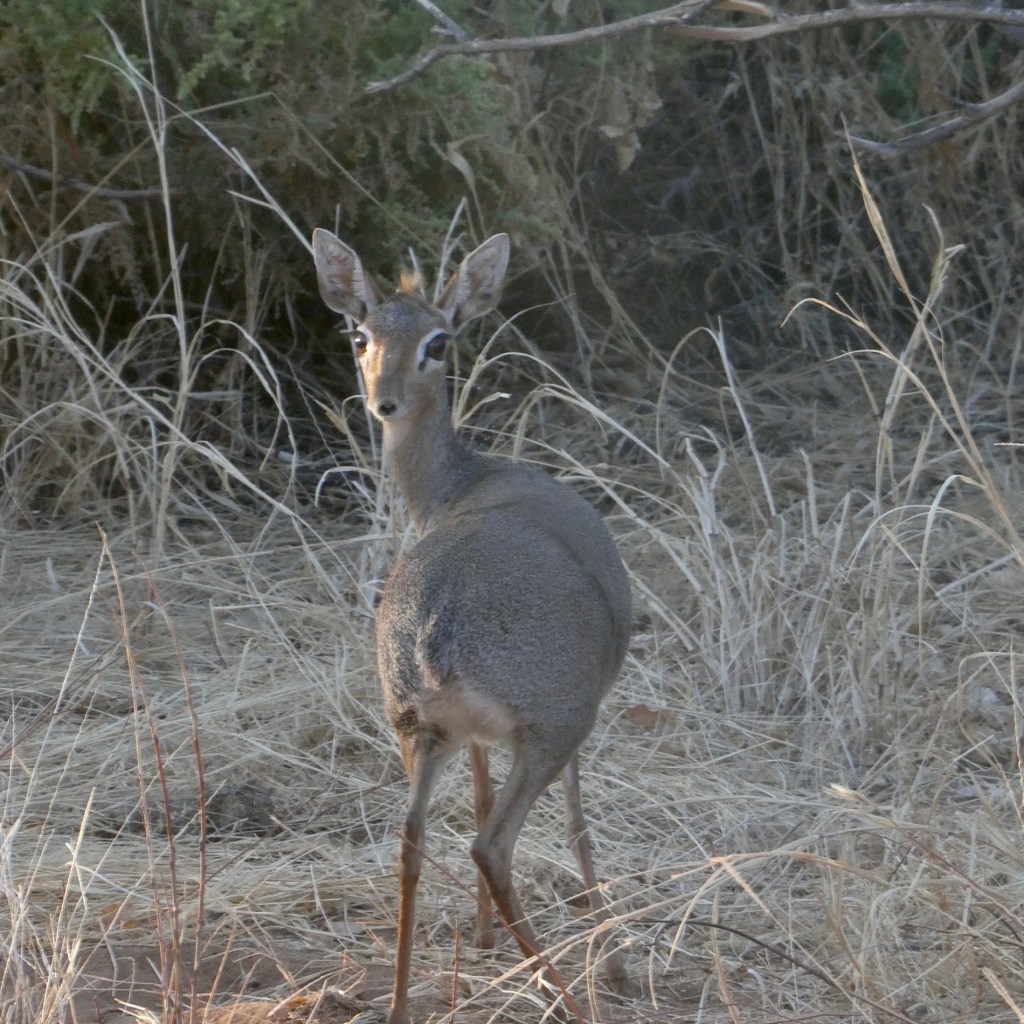
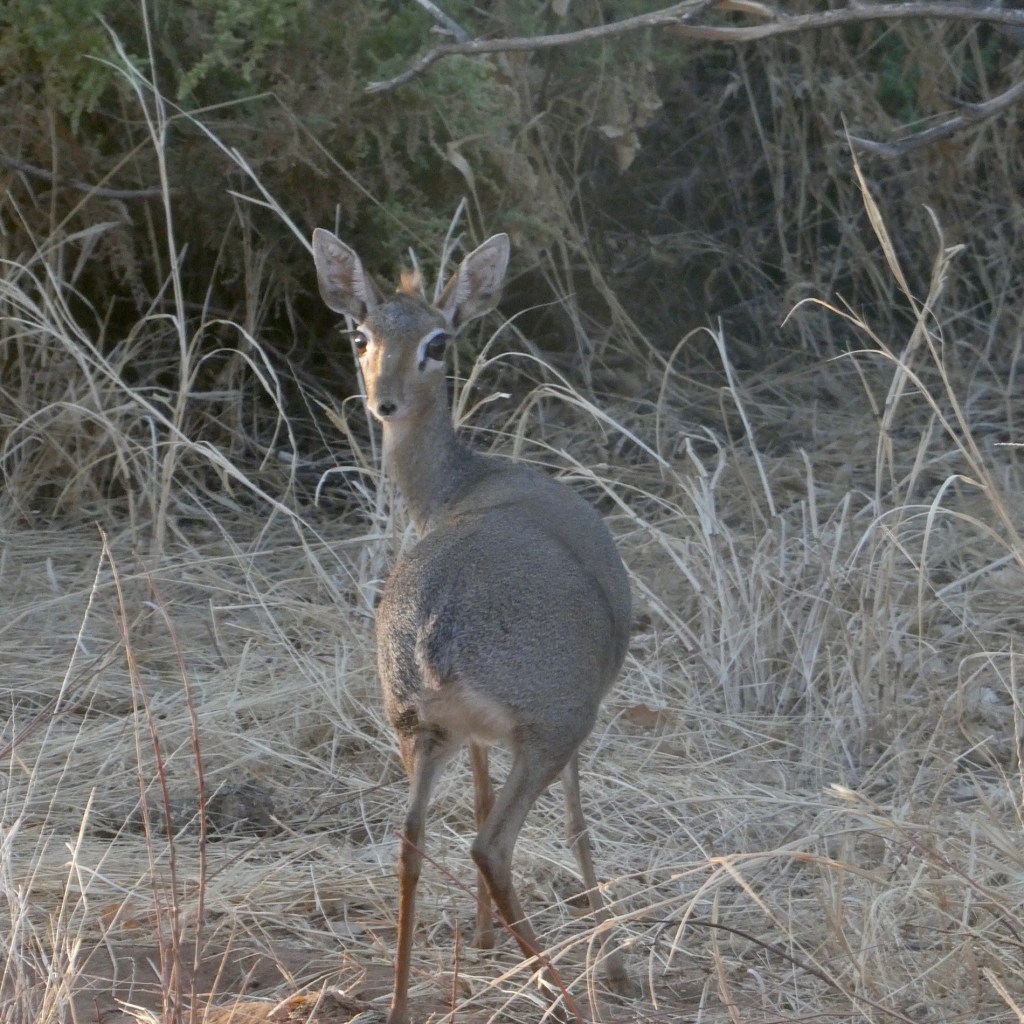
-Digdigs, spring-loaded tiny antelope. It’s hard to get pictures of these.

-Giraffes

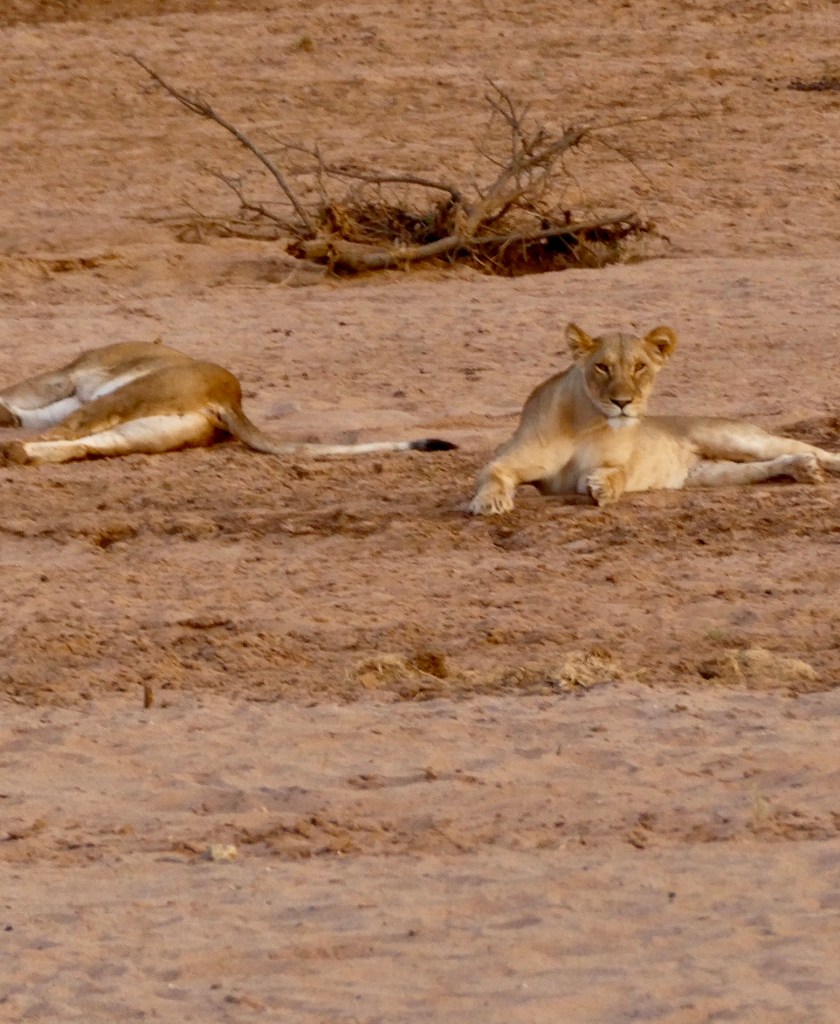
-Lions can have 4-6 cubs. They have a 3 month gestation period. We spotted 2 females laying on the sands of the “River” …..that has not a drop of water in it.

Females live to 20 years, males only 15 years.