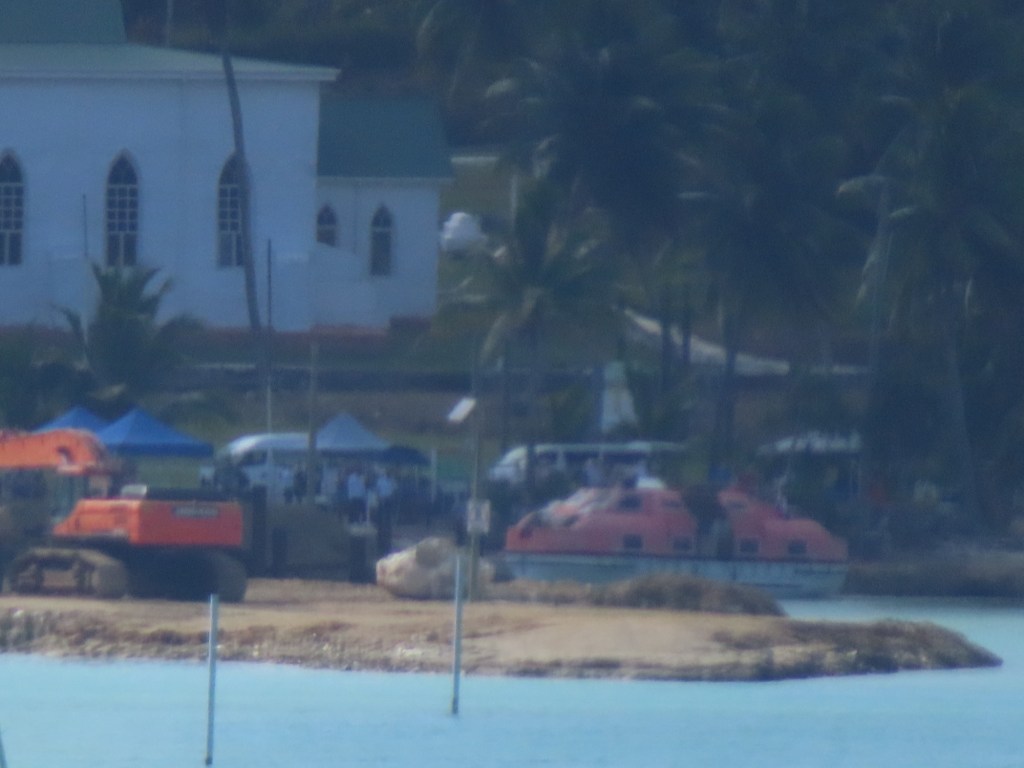
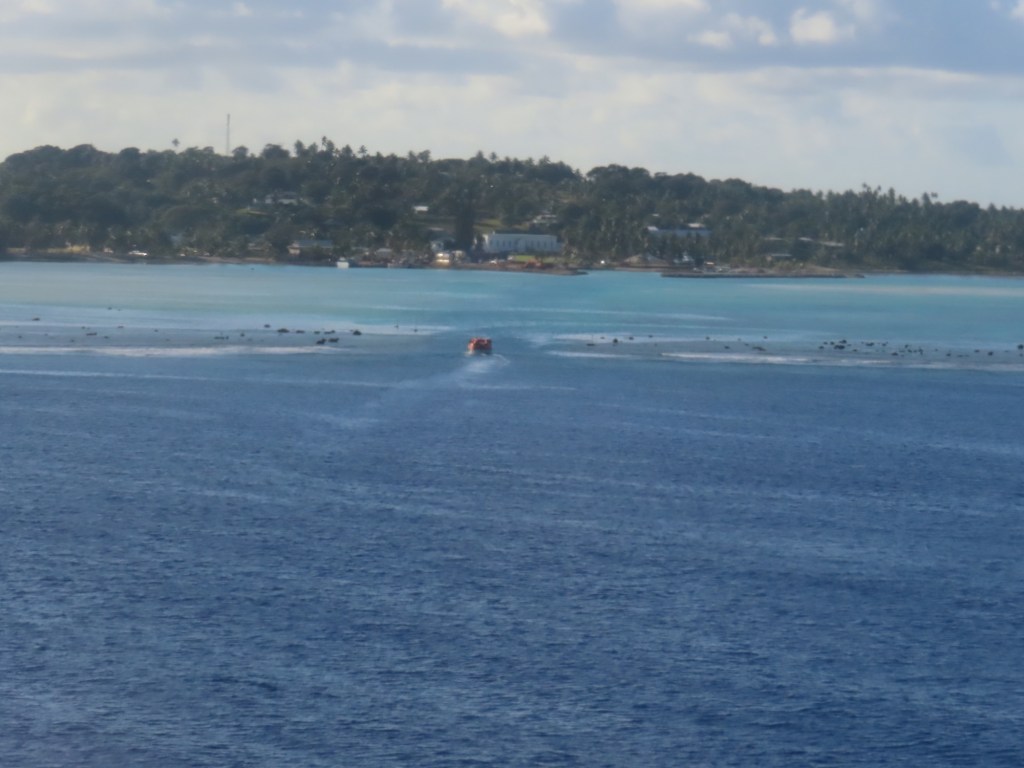
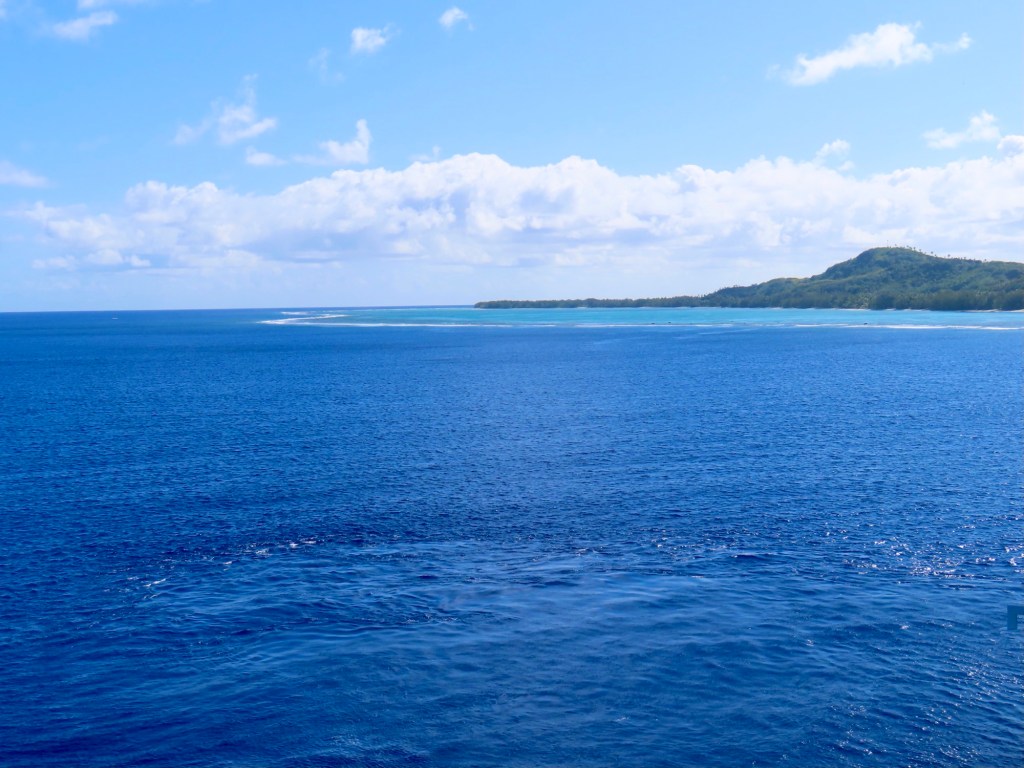
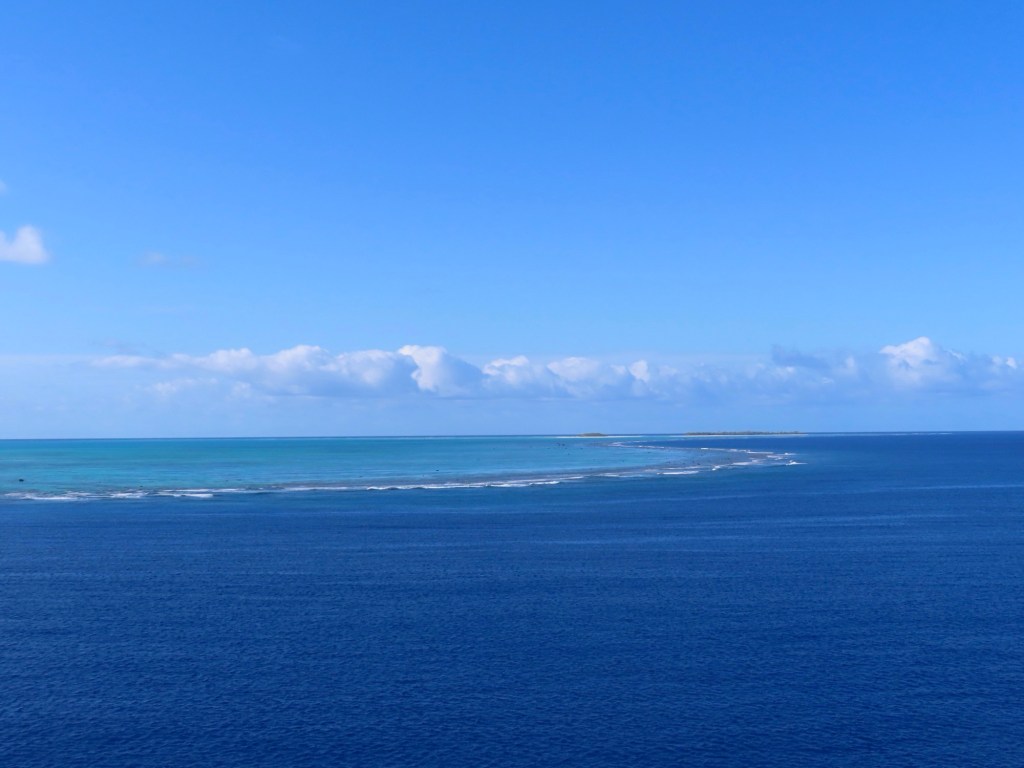
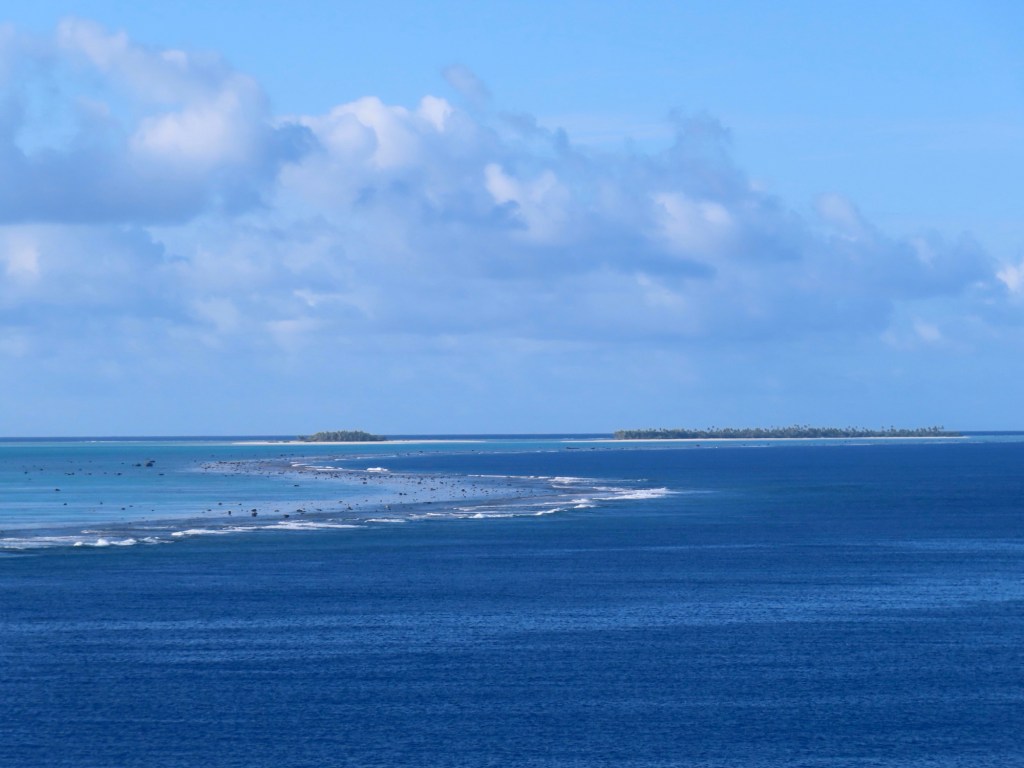
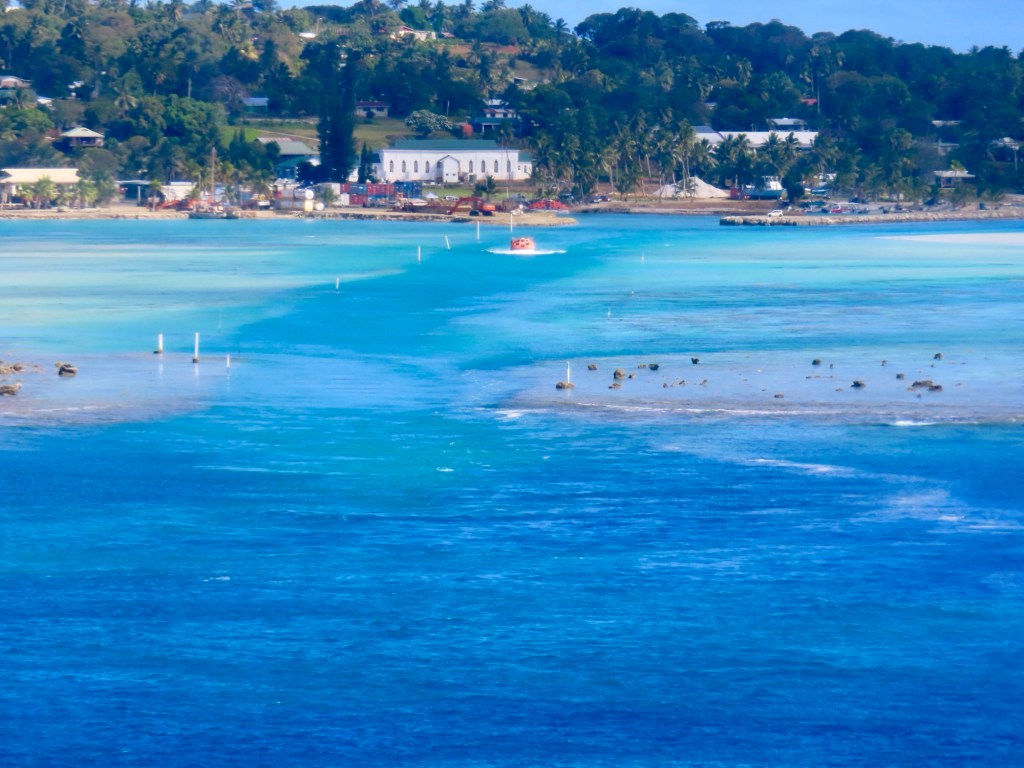
We were scheduled to head off to our next port of call in the Cook Islands but instead, as mentioned before, the ship is waiting offshore from Neiafu….awaiting the arrival of an air ambulance.
Lecture on Polyps and (how they are similar to ) people
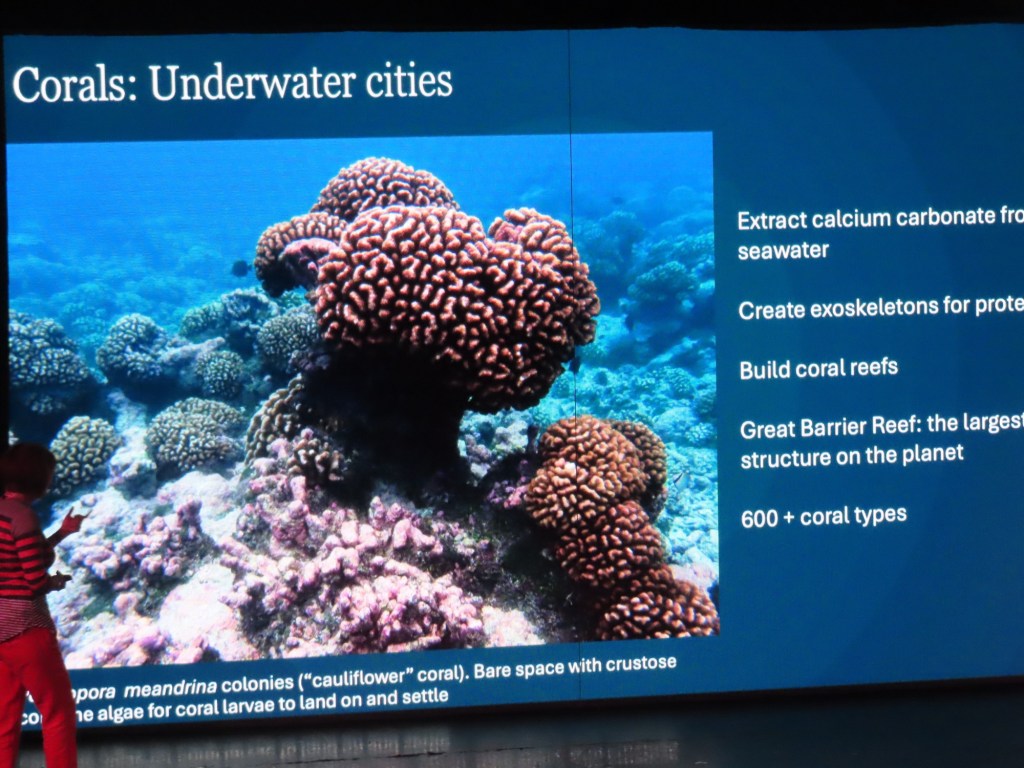
The Great Barrier Reef off Australia’s east coast provides 2.3 billion income and employs 69,000. Coral on Great Barrier Reef is 133,000 sq miles. Cook discovered it because his ship ran around. There are 1500 different fish plus snakes, birds, etc. There are 600 types of coral on Great Barrier Reef
In Fiji, the reefs provide employment for 1 in 10 of the population. Belize barrier reef is largest in Northern Hemisphere.
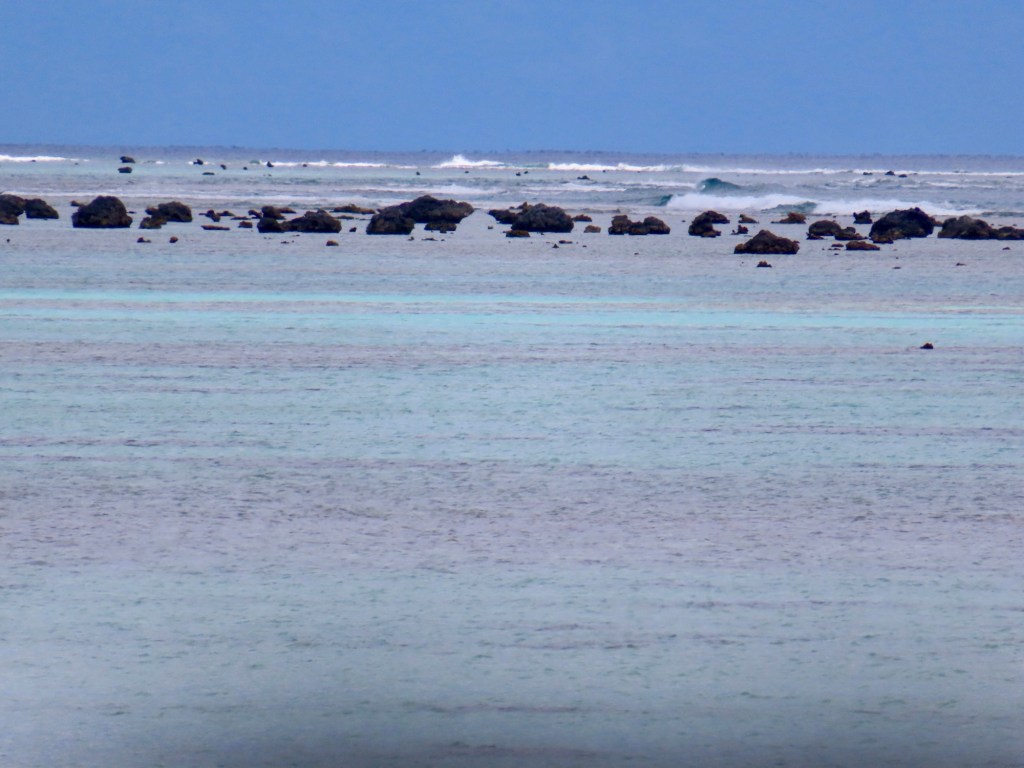
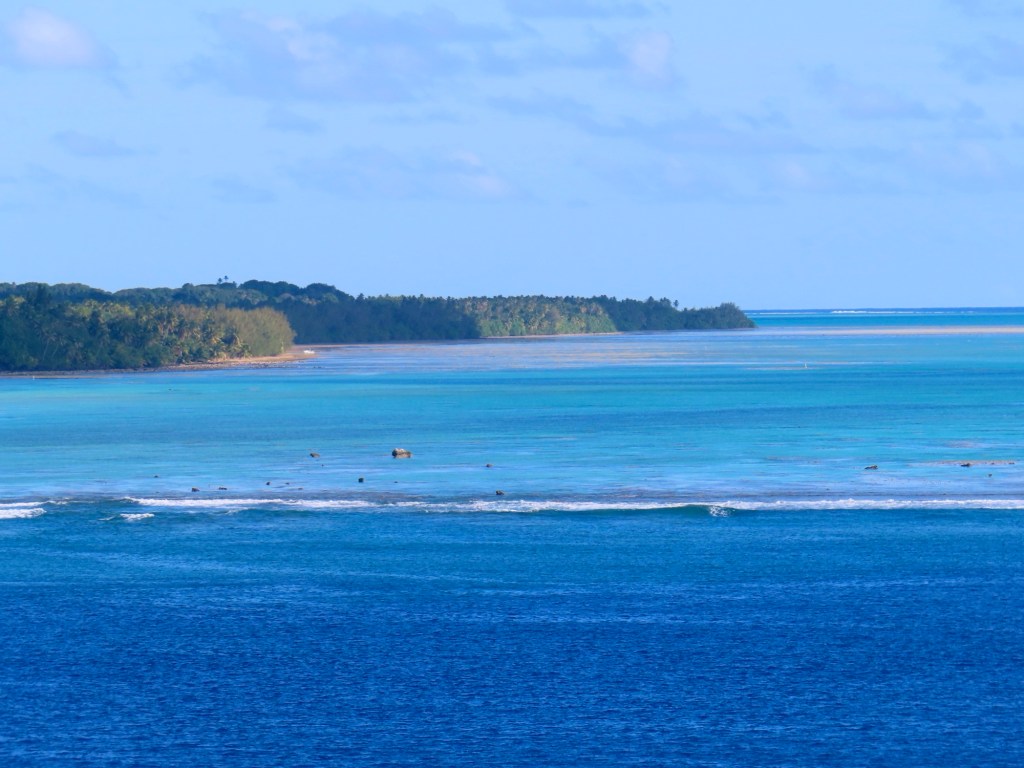
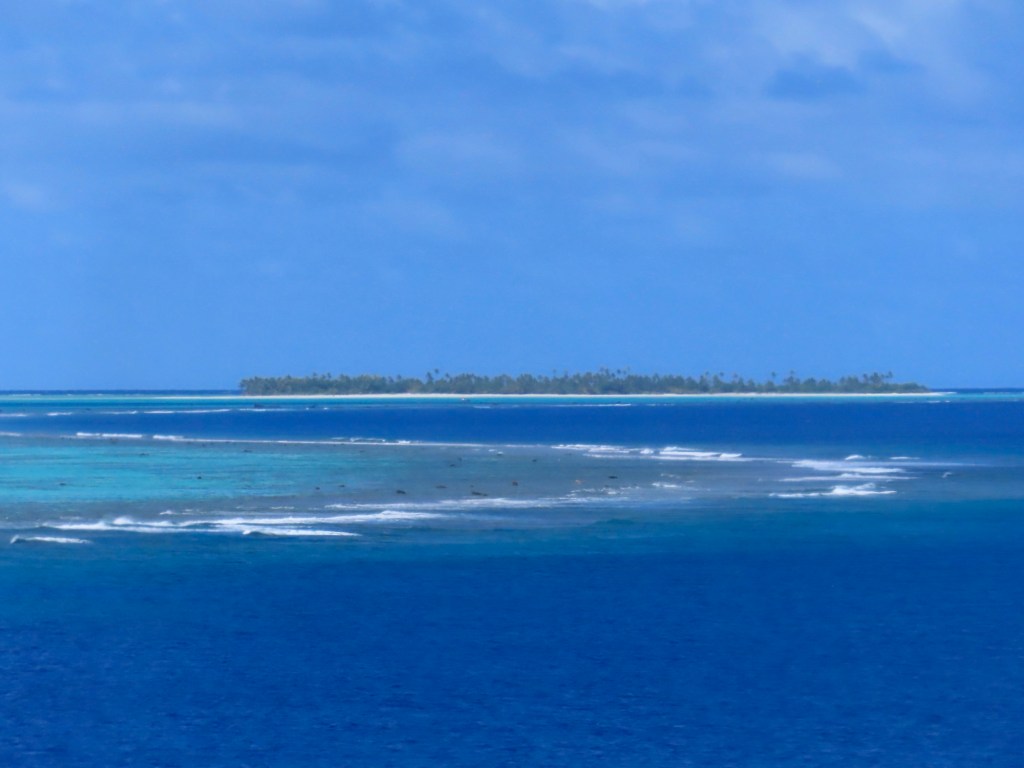
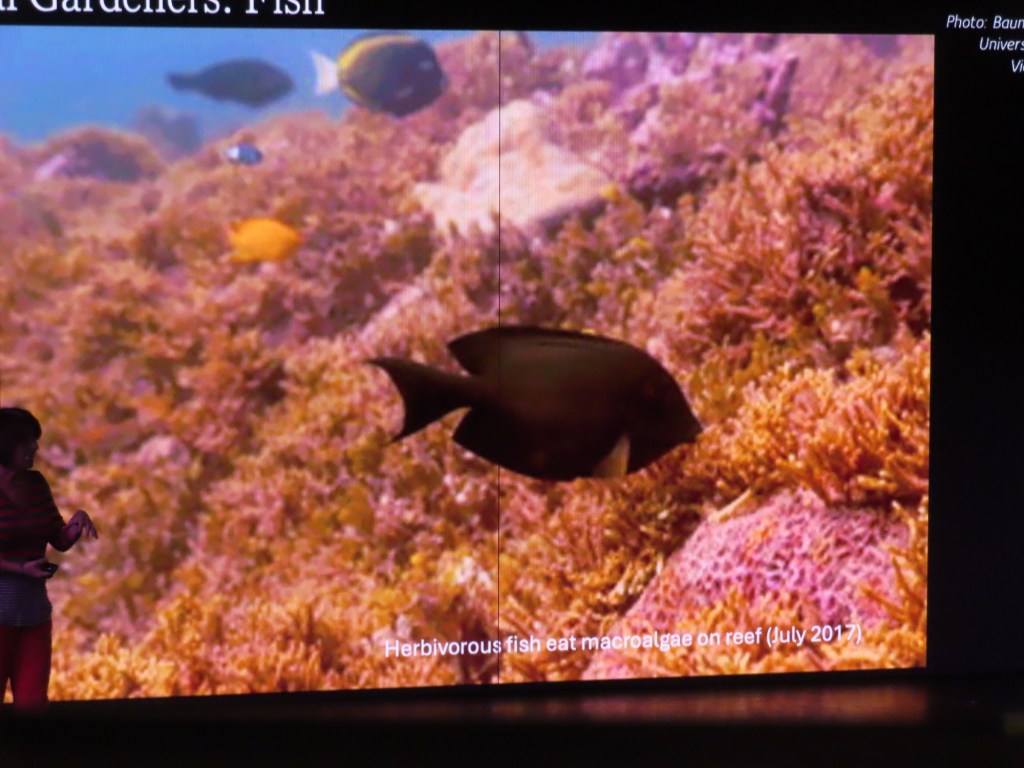
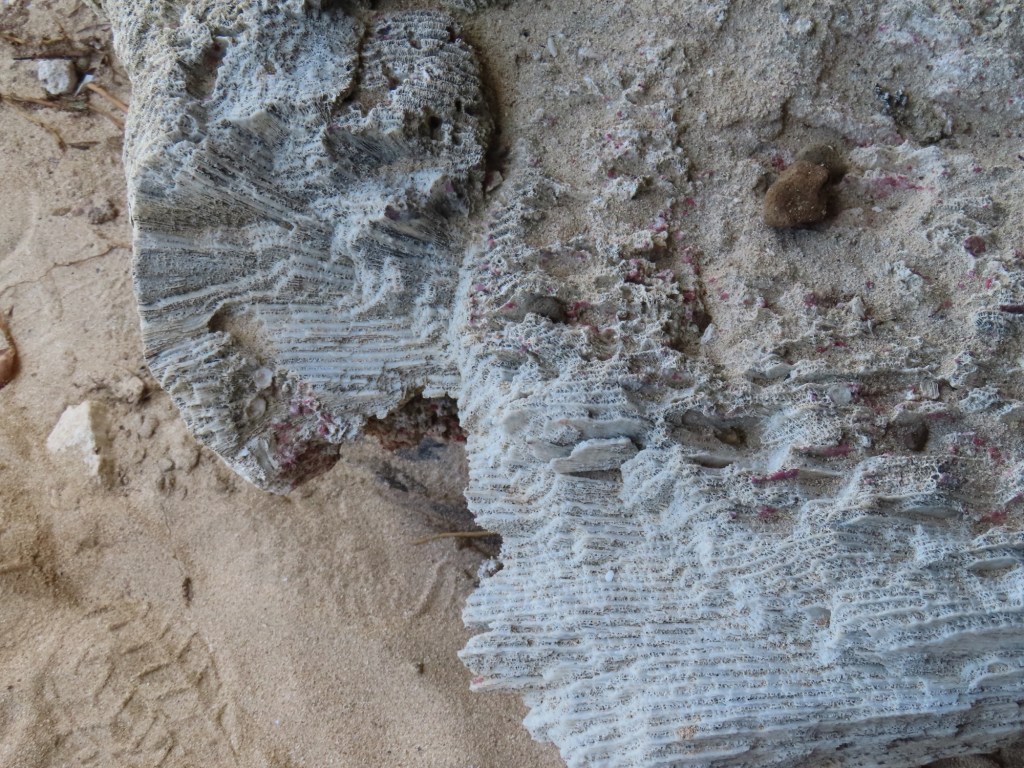
There are several types of reefs…..fringing, patching, atolls and barrier reefs. All coral are animals. The hard ones have 6 tenticals, the soft have 8 tenticals. Flowerpot corals look like daisies. There is also smooth cauliflower coral & finger coral.
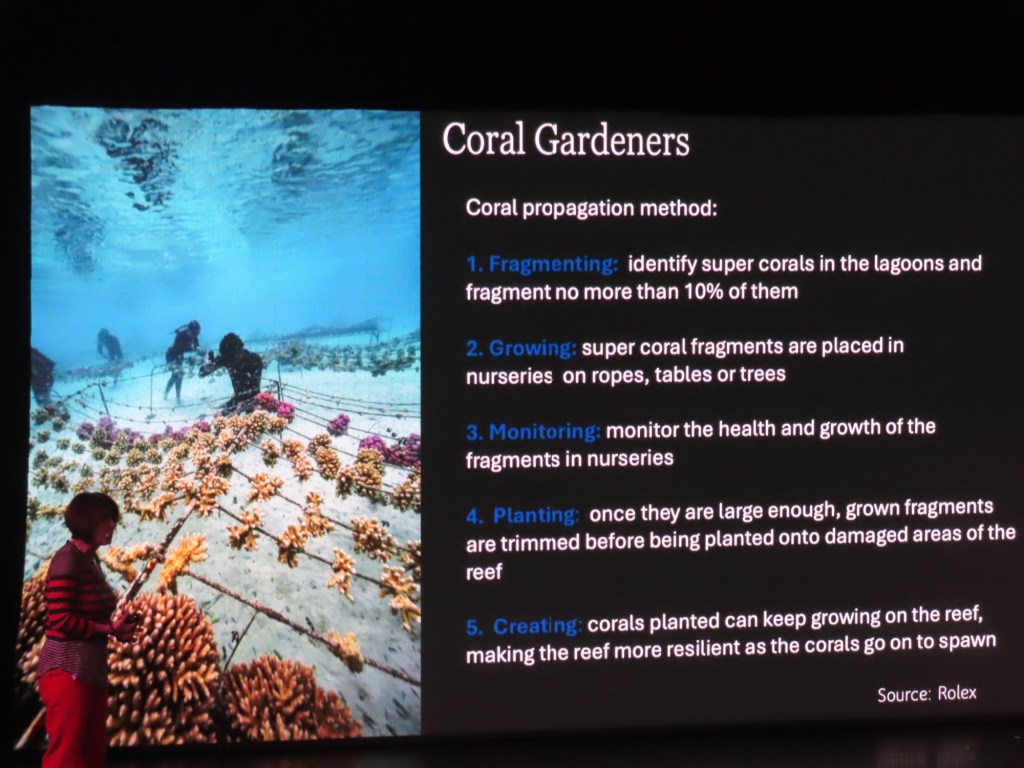
There are two kinds of reproduction…..Sexual is the coral spawning once a year with the coral casting sperm & eggs during the full moon in November when there is low tide movement. Most though is asexual reproduction which means they split and divide. The more colourful the coral is determined by algae and plankton
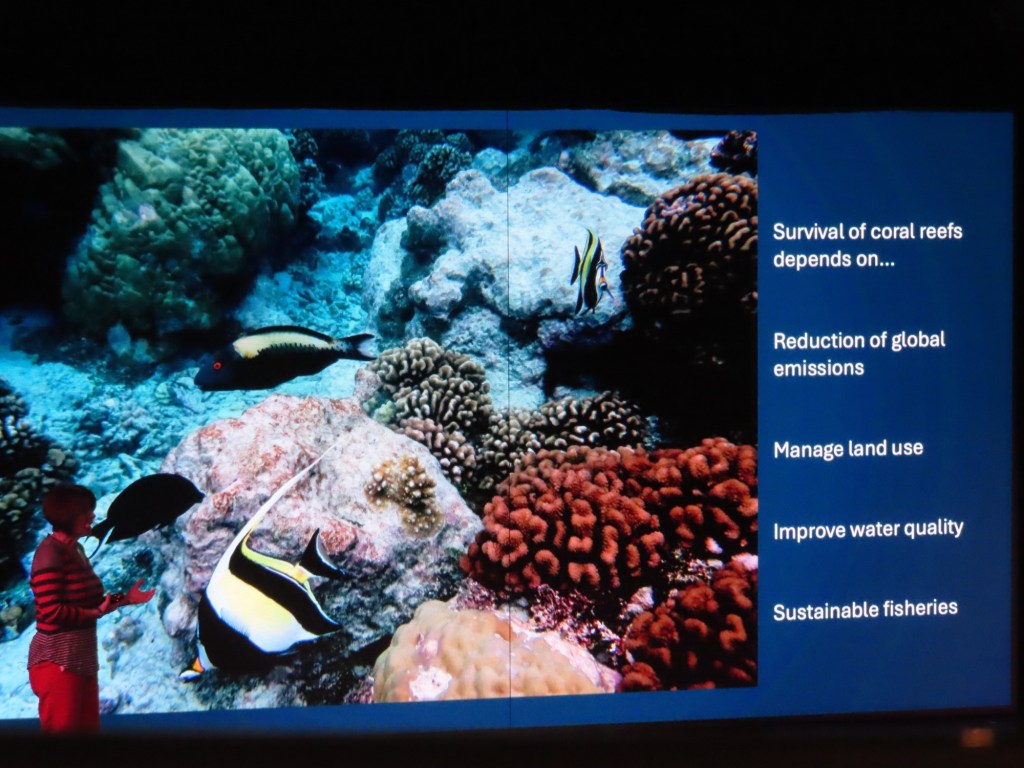
Coral bleaching is when they are all turning white at same time, is caused by increase in ocean temperature, extremely low tides, pollution or too much sunlight causing the coral to starve to death……but it can regrow on top of dead coral.
The Rings of Fire…by Dr Charlie Paxton
Earthquakes and volcanos are caused by the splitting apart or building ridges. Iceland is being split apart at a rate of 18 milimetres a year.
Oceanic crust under continental crust….
1350 potential volcanic eruptions in the world but 500 are active.
Volcanoes types are:- cinder cone, strata volcano, shield (Hawai’i)…are largest,
Volcanic ash is big problem. And a half inches in. Lava flows create lava caves/tubes
Pyroclastic flow….the most dangerous.
Mt. St. Helens in 1980 was a Plinian eruption creating 200+C. temperatures, causing melting snow that causing mud slides. Name is taken from name of scientist that studied Mt Vesuvius.
Mt. Erebus…..in Antarctica, is the southern most volcano in the world. Erebus is the world’s only presently erupting phonolite volcano.
Yellowstone blew this year…2024.
In this area is the Tonga trench, with one side sliding under the Australian plate. Because of the volcanic activity here, they are able to use the hot spring near Savusavu, for cooking.
In 2015 here in Tonga, two volcanic island erupted at same time joining up to make one island. Then in ‘22 activity started happening again in the middle, blasting way causing the largest atmospheric explosion ever recorded. With the Hunga Tonga-Hunga ha’apai eruption and tsunami it then became two islands again….
Earthquakes…
Tsunami….”slump-type” is from landslides. Tsunamis waves way out in ocean can be 100 miles apart but increase as it gets close to shore. The Tongan eruption tsunami took 7 hours to reach California
When a tsunami is approaching, the water recedes before being hit with the wave. The waves are erratic on the shore as well.
Tsunami can have second wave 1-1.5 hours later. In 1952, the population of Kamchatka knew to go to higher ground after an earthquake but returned after the initial wave hit. Unfortunately, another wave hit an hour and half later causing 39% of population to be killed.
9.2 in 1964 earthquake in Alaska, was the largest ever recorded in North America. Recently, new earthquakes have been happening in areas that are not in places where there are fault lines and the like, are caused from fraking.
Humpback Whales…the return of the Ocean Giants…. By Isabelle Groc
They are called Megaptera novaeangliae after their giant pectoral fins.
Baleen plate……have no teeth and eat only small fish. They range in length 42-50 feet long.
The indigenous peoples of BCsaid that there used to be so many in the Salish Sea that you walk across the tops of them. But then commercial whaling began about 1876 through to 1908 in the Salish Sea, when it was closed to whaling. Outside of the Salish Sea, it continued until 1967 . The first sighting of a returning humpback was 1997 off Race Rocks, the first in 100 years. As a child growing up in Campbell River, we would always see lots of Orcas but never saw ANY humpbacks.
Originally the only way they would feed was what is called “lunge feeding” where they come straight up out of the water catching with their mouths open catching their food. Now they also use what is called “bubblenet feeding”.
In “Big Mama” the humpback has been seen in B.C. waters 2003 -2023 with 7 calves. 6 Times as a grandmother, 3 times as a great-grandmother. Now over 500 humpbacks return to B.C. every year.
95% of the world’s population of humpback had been killed with only 1200 remaining at the time.
Their migration is from Alaska to Hawaii travelling 4800 kms.
Along with the humpbacks, the only shorebird that feeds in Alaska is the Bristle-thighed curlew that travels 6000 km.
In South Pacific the numbers had been reduced to 1%. From the Vava’u archipelago (Tonga) the whales migrate over than 5000 miles, taking all different routes. Enroute will be visiting to underwater seamounts. Only males sing…to lure that females. Each group sing their own song but now it seems they are adopting similar sounds, adopting from other groups, maybe when together in feeding grounds of Antarctica.
The whales are identify by photo ID from underside of flukes
Oldest catalogue Glacier Bay. One male, #159….has returned every year since 1974. Happy Whale is photo ID catalogue. Matches are correct 97-98% of the time.
Pectoral fin….not good enough for identification nor is head shots….tails are the only one used for identifying (because they don’t have enough photos of those areas). Only 2% of the humpbacks go to Mexico, the rest go to Hawaii.
New catalogue from B.C has introduced “mouth” pictures that can be used in identification. That is because the whales have taken to “trap feeding”.
Whales travel at max. 5-14 knots per hour. They don’t pay attention to noises of ships til it’s too late and so are injured.
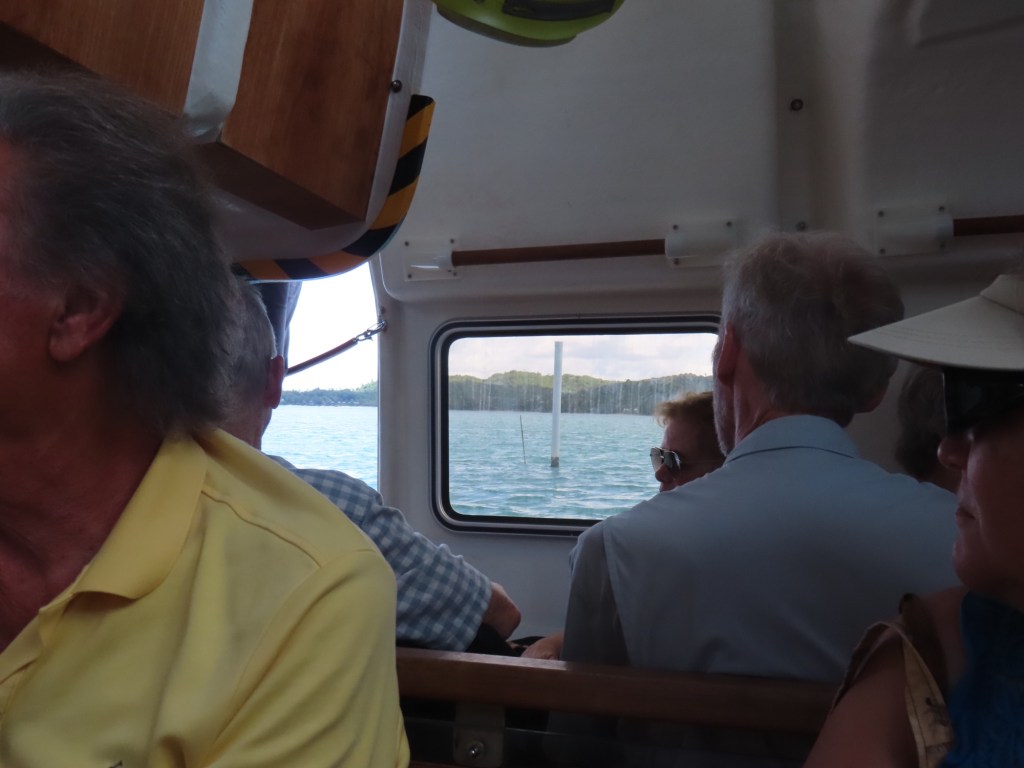
We kept getting updated announcements throughout the day from the captain regarding the arrival of the air ambulance. Finally it arrived in Neiafu after a refuel in Fiji and the patient was transported to shore on the tender. I do hope the patient recovers from whatever was the emergency. After the tenders returned to the ship, we were underway at approximately 7:30 pm., a full day and 3 hours late.









































 gailstraveladventures